What Causes Inaccurate Laser Cutting Dimensions and How to Correct Them


Wstęp
In the high-stakes world of modern metal fabrication, precision is the currency of success. For manufacturers relying on a high-performance laser cutting machine, even a deviation of a fraction of a millimeter can lead to costly material waste, assembly failures, and compromised structural integrity. Understanding what causes inaccurate laser cutting dimensions and how to correct them is not merely a troubleshooting exercise; it is a fundamental requirement for maintaining operational efficiency and quality standards.
At KAVDO, we recognize that fiber laser technology has revolutionized the industry, offering unparalleled speed and versatility. However, the complexity of these systems means that several variables—ranging from mechanical wear to software parameters—can influence the final output. When parts come off the bed with incorrect dimensions, the immediate reaction is often to blame the machine, but the root cause is frequently a combination of environmental factors, maintenance gaps, or calibration errors.
This comprehensive guide is designed to walk you through the diagnostic process. We will explore the technical intricacies of laser systems, identify common pitfalls that lead to dimensional drift, and provide actionable solutions to restore your machine to its peak performance. Whether you are a shop floor manager or a machine operator, mastering these troubleshooting techniques will ensure your production line remains consistent and profitable.
Key Considerations for Laser Cutting Accuracy
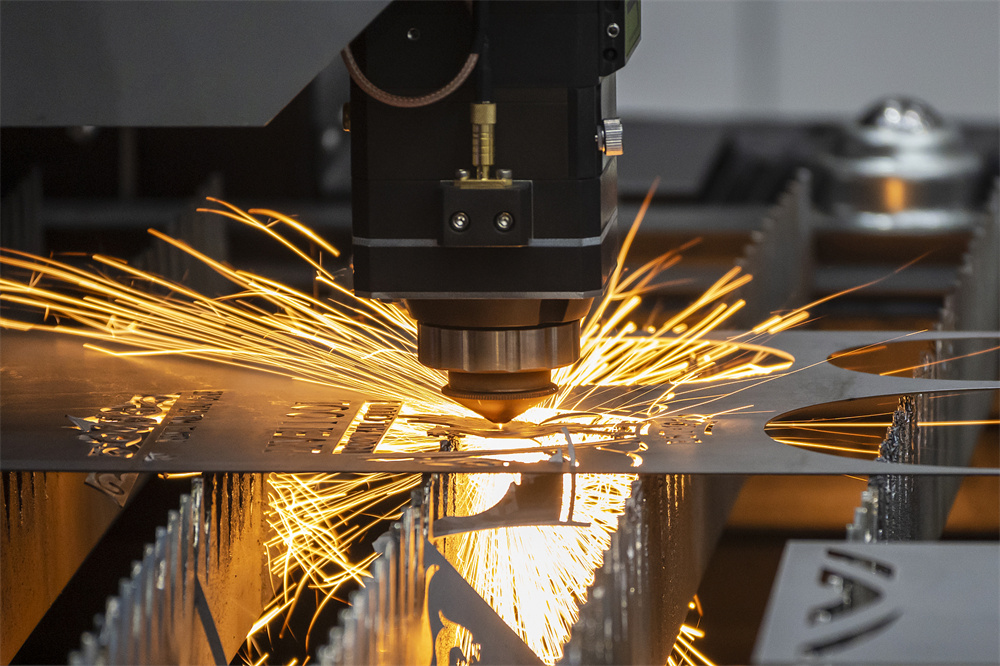
Before diving into complex mechanical repairs, it is essential to understand the fundamental variables that dictate cutting accuracy. The first consideration is material quality and preparation. If the sheet metal is warped, oxidized, or contains internal stresses, the laser beam may not interact with the material as intended. Thermal expansion during the cutting process can also cause the material to shift, leading to dimensional inaccuracies that are often mistaken for machine errors.
Secondly, the environmental conditions of the workshop play a significant role. Laser cutting machines are sensitive to temperature fluctuations and humidity. High ambient temperatures can affect the cooling system’s efficiency, while extreme humidity can impact the performance of the optical components. Maintaining a climate-controlled environment is often the most overlooked step in ensuring long-term dimensional stability.
Thirdly, the integrity of the machine’s structural foundation cannot be ignored. A laser cutting machine must be perfectly level and vibration-free. If the floor is uneven or if heavy machinery nearby is causing constant micro-vibrations, the gantry and the laser head will not track the intended path with the required precision. Regular checks of the machine’s leveling and foundation are critical for high-tolerance work.
Finally, consider the role of the operator’s expertise. Proper setup, including the correct selection of nozzles, focus positions, and gas pressures, is vital. Even the most advanced machine will produce inaccurate parts if the parameters are not optimized for the specific material thickness and grade. Training your team to understand the relationship between these variables is the first line of defense against dimensional errors.
Diagnosing the Root Causes
When investigating what causes inaccurate laser cutting dimensions and how to correct them, we must look at the mechanical and optical systems. One of the most common mechanical culprits is the backlash in the drive system. Over time, the racks, pinions, and belts that move the laser head can develop slight play. This backlash means that when the machine changes direction, there is a momentary lag, resulting in rounded corners or slightly undersized parts.
The optical path is another critical area. If the laser beam is not perfectly centered within the nozzle, the cutting edge will be uneven, and the kerf width will vary. This is often caused by a misaligned mirror or a damaged lens. A dirty protective window can also cause the beam to scatter, leading to a wider, less precise cut. Regular cleaning and alignment checks are mandatory to ensure the beam profile remains consistent throughout the entire cutting area.
Software and control parameters also contribute to dimensional accuracy. The CNC controller uses a compensation value for the kerf width—the amount of material removed by the laser. If this value is incorrectly set in the nesting software, the resulting parts will be consistently off-size. Furthermore, acceleration and deceleration settings (ramping) must be tuned to the machine’s mass to prevent overshoot at high speeds, which can distort the geometry of intricate shapes.
Gas pressure and purity are often underestimated. The assist gas (oxygen, nitrogen, or compressed air) is responsible for clearing the molten metal from the kerf. If the pressure is too low, dross accumulates, which can interfere with the beam path and cause dimensional drift. If the gas is contaminated with oil or moisture, it can cause oxidation on the cut edge, affecting the final dimensions and the quality of the finish.
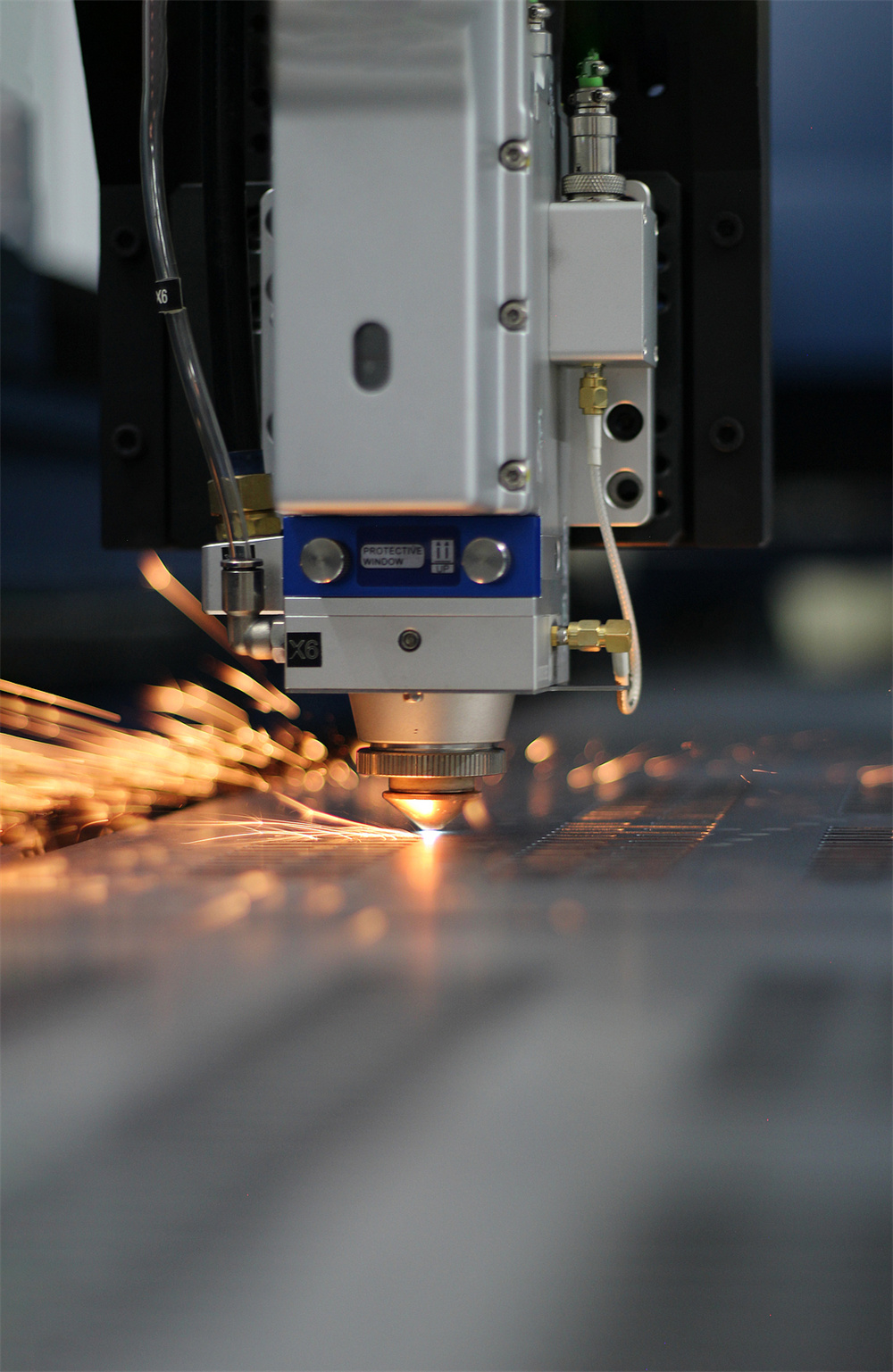
Choosing the Right Equipment
When investing in a new laser cutting machine, accuracy starts with the build quality. KAVDO recommends looking for machines that utilize high-rigidity frames, such as those made from stress-relieved welded steel. A stable frame is the foundation upon which all other precision components rely. If the frame flexes during operation, no amount of software calibration will compensate for the resulting dimensional errors.
Consider the drive system technology. Servo motors with high-resolution encoders provide the feedback necessary for precise positioning. Look for machines that feature high-quality rack and pinion systems with automatic lubrication, as these are less prone to the backlash issues that plague cheaper alternatives. The integration of high-end CNC controllers, such as those from Beckhoff or CypCut, also ensures that the motion control algorithms are optimized for accuracy.
Another factor is the laser source itself. Fiber lasers are generally more stable and require less maintenance than CO2 lasers, making them a better choice for shops that prioritize consistent dimensional accuracy. Ensure that the machine manufacturer provides comprehensive support and training, as the ability to troubleshoot and calibrate the machine is just as important as the hardware itself.
Finally, evaluate the machine’s auxiliary systems. A robust chiller, a high-quality gas delivery system, and an efficient dust extraction unit all contribute to the overall stability of the cutting process. When selecting a machine, ask for a test cut report that demonstrates the machine’s ability to hold tolerances over a large area, not just on a small sample piece. This will give you a realistic expectation of the machine’s performance in a production environment.
FAQ: Common Questions on Laser Accuracy
Why are my parts consistently smaller than the programmed dimensions?
This is usually due to an incorrect kerf compensation value in your nesting software. The machine needs to know the exact width of the laser beam to offset the path correctly. Check your software settings and perform a test cut to measure the actual kerf width.
How often should I check the laser beam alignment?
For high-production environments, we recommend a weekly check of the beam centering in the nozzle. If you notice a change in cut quality or edge finish, perform an alignment check immediately, regardless of the schedule.
Can ambient temperature really affect my laser cutting?
Yes. Extreme temperature changes can cause the machine’s frame and the material being cut to expand or contract. This is particularly noticeable when cutting large parts where even a 0.1mm expansion can lead to significant dimensional errors.
What is the best way to prevent dross and maintain accuracy?
Dross is often caused by incorrect gas pressure or a worn nozzle. Ensure you are using the correct nozzle size for the material thickness and that your assist gas is clean and dry. Regularly inspect the nozzle for signs of wear or damage.
How do I know if my rack and pinion system has backlash?
You can perform a simple test by placing a dial indicator on the gantry and manually pushing it. Any movement on the indicator without the motor moving indicates backlash. If this exceeds the manufacturer’s specifications, the components may need adjustment or replacement.
Wniosek
Achieving and maintaining dimensional accuracy in laser cutting is a multifaceted challenge that requires a combination of high-quality equipment, rigorous maintenance, and operator skill. By understanding what causes inaccurate laser cutting dimensions and how to correct them, you can significantly reduce scrap rates and improve the overall quality of your metal fabrication output. Whether it is addressing mechanical backlash, optimizing software parameters, or ensuring a stable environment, every step you take toward precision pays dividends in the long run.
At KAVDO, we are committed to providing the metal fabrication industry with the tools and knowledge needed to succeed. Our range of fiber laser cutting machines is engineered for stability, speed, and precision, ensuring that your production line remains competitive in an increasingly demanding market. Remember that maintenance is not a cost; it is an investment in the longevity and reliability of your equipment. By staying proactive and following the guidelines outlined in this article, you can ensure that your laser cutting operations remain accurate, efficient, and profitable for years to come.