
Hydraulic Punching Machine Technical Guide: Performance, Advantages, and Limits


Technical Overview: Understanding the Hydraulic Punching Machine
The hydraulic punching machine represents a cornerstone of modern metal fabrication, utilizing pressurized fluid to generate the immense force required to shear, pierce, or form sheet metal. Unlike mechanical presses that rely on flywheels and clutches, hydraulic systems offer a controlled, consistent force throughout the entire stroke. This technical distinction is critical for fabricators who require precision, versatility, and the ability to handle varying material thicknesses without damaging the tooling or the workpiece.
At its core, the hydraulic punching machine operates on Pascal’s Law, where pressure applied to an enclosed fluid is transmitted undiminished to every part of the fluid and to the walls of the container. In a HARSLE hydraulic punching system, an electric motor drives a hydraulic pump, which pressurizes oil. This oil is then directed into a cylinder, pushing a piston that carries the punch tool. The ability to regulate this pressure allows for adjustable tonnage, making these machines highly adaptable to different material grades and hole geometries.
Modern hydraulic punching machines have evolved significantly, integrating CNC (Computer Numerical Control) systems that allow for complex, multi-hole patterns to be punched with high repeatability. These systems manage the stroke length, speed, and dwell time, ensuring that the punching process is optimized for the specific material being processed. By controlling the acceleration and deceleration of the ram, hydraulic machines minimize vibration and noise, contributing to a more stable and safer shop floor environment.
The versatility of these machines extends beyond simple hole punching. With the right tooling, a hydraulic punching machine can perform embossing, louvering, countersinking, and even light forming operations. This multi-functionality reduces the need for secondary operations, streamlining the production workflow and significantly lowering the cost per part. For manufacturers looking to improve efficiency, understanding the technical nuances of these machines is the first step toward optimizing production cycles.
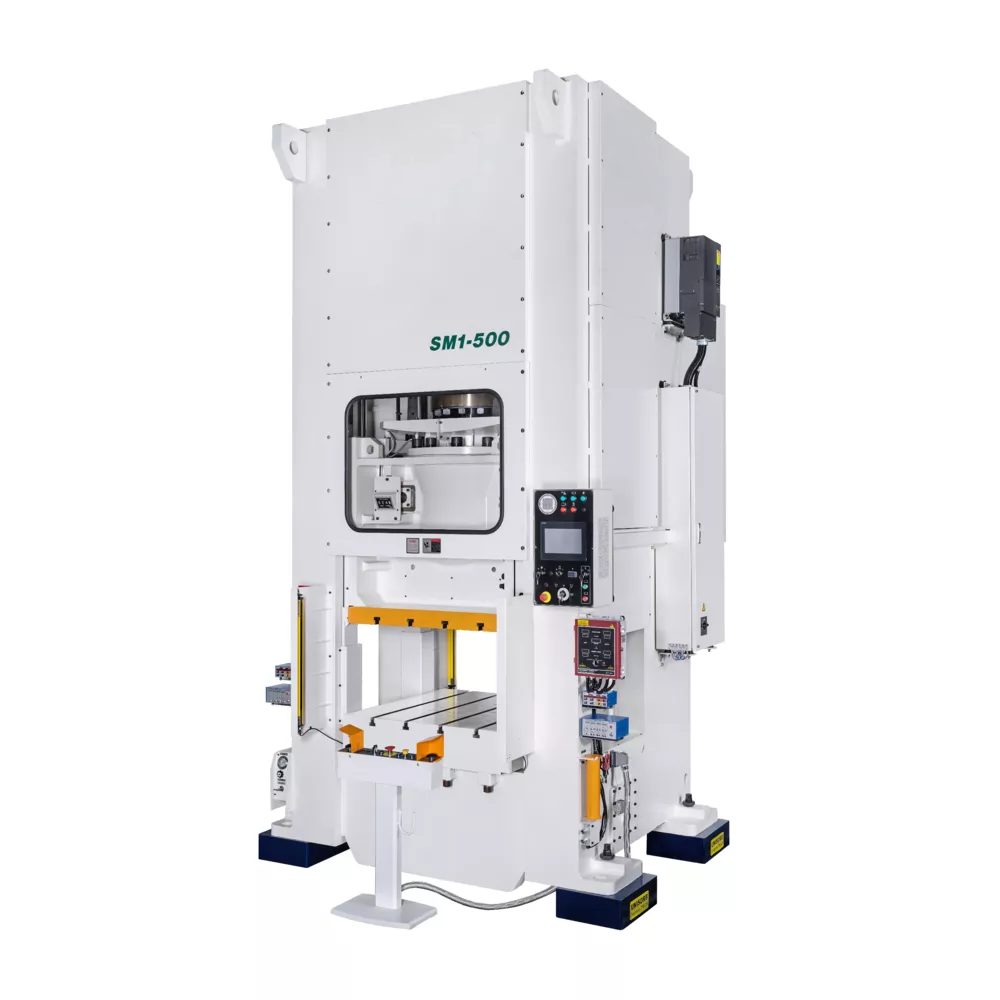
Core Parameters: Defining Performance Metrics
When evaluating a hydraulic punching machine, several core parameters define its performance capabilities. The most critical is the nominal tonnage, which dictates the maximum force the machine can exert. Tonnage is not just about the thickness of the material; it is also a function of the hole diameter, the shear strength of the material, and the perimeter of the shape being punched. Choosing a machine with insufficient tonnage leads to incomplete cuts and premature tool wear.
Stroke length and shut height are equally vital. The stroke length determines the maximum distance the ram can travel, which is essential for deep-drawing or complex forming tasks. The shut height, or the distance between the ram and the bolster at the bottom of the stroke, dictates the size of the tooling that can be accommodated. A machine with an adjustable stroke allows operators to optimize the cycle time by minimizing the distance the punch travels above the material, thereby increasing the number of strokes per minute.
The throat depth and gap height define the physical limits of the workpiece size. The throat depth is the distance from the center of the punch to the frame of the machine, determining how far into a sheet the machine can reach. A deeper throat allows for larger panels to be processed without interference. The gap height, or daylight, refers to the vertical space available, which is crucial when using tall, specialized tooling or when the material needs to be repositioned frequently.
Finally, the positioning accuracy and repeatability of the CNC system are paramount. Modern hydraulic punching machines often feature high-precision ball screws or rack-and-pinion systems to move the workpiece. The ability to maintain tolerances within ±0.1mm is standard for high-quality fabrication. These parameters collectively determine the machine’s suitability for specific industrial applications, from simple bracket manufacturing to complex aerospace component production.
Calculation Method: Determining Required Tonnage
Calculating the required punching force is a fundamental engineering task that prevents machine overload and ensures tool longevity. The basic formula for calculating punching force is: F = L × t × S, where F is the force in Newtons, L is the perimeter of the shape being punched in millimeters, t is the thickness of the material in millimeters, and S is the shear strength of the material in Megapascals (MPa).
To illustrate, consider punching a 20mm diameter hole in a 5mm thick mild steel plate. The perimeter (L) is π × diameter, which is approximately 62.8mm. If the shear strength of mild steel is roughly 350 MPa, the calculation becomes: F = 62.8 × 5 × 350 = 109,900 Newtons, or approximately 11 tonnes. It is standard practice to add a 20-30% safety margin to this figure to account for tool dullness and material variations, meaning a 15-tonne machine would be the minimum requirement.
When dealing with complex shapes, the perimeter calculation must be precise. For non-circular shapes, the perimeter is the sum of all sides. If the punch has a shear angle (a slight bevel on the punch face), the required force can be reduced because the material is not sheared all at once. This is a critical technical consideration for heavy-duty punching, as it allows for the processing of thicker materials on machines with lower nominal tonnage.
Engineers must also consider the stripping force. After the punch penetrates the material, the material tends to grip the punch. The stripping force is typically 5-10% of the punching force. If the machine’s stripping mechanism is not robust enough, the punch may be pulled out of its holder or the material may be deformed during the retraction stroke. Proper calculation ensures that both the punching and stripping phases are handled within the machine’s rated capacity.
Parameter Table: HARSLE Hydraulic Punching Specifications
| Parameter | Standard Range | Impact on Performance |
|---|---|---|
| Nominal Tonnage | 30T – 200T | Determines maximum material thickness/size. |
| Throat Depth | 500mm – 1500mm | Limits the maximum sheet width/reach. |
| Stroke Speed | 20 – 100 spm | Directly affects production cycle time. |
| Positioning Accuracy | ±0.05mm – ±0.1mm | Critical for high-precision assembly. |
| Max Material Thickness | 3mm – 25mm | Dependent on material shear strength. |
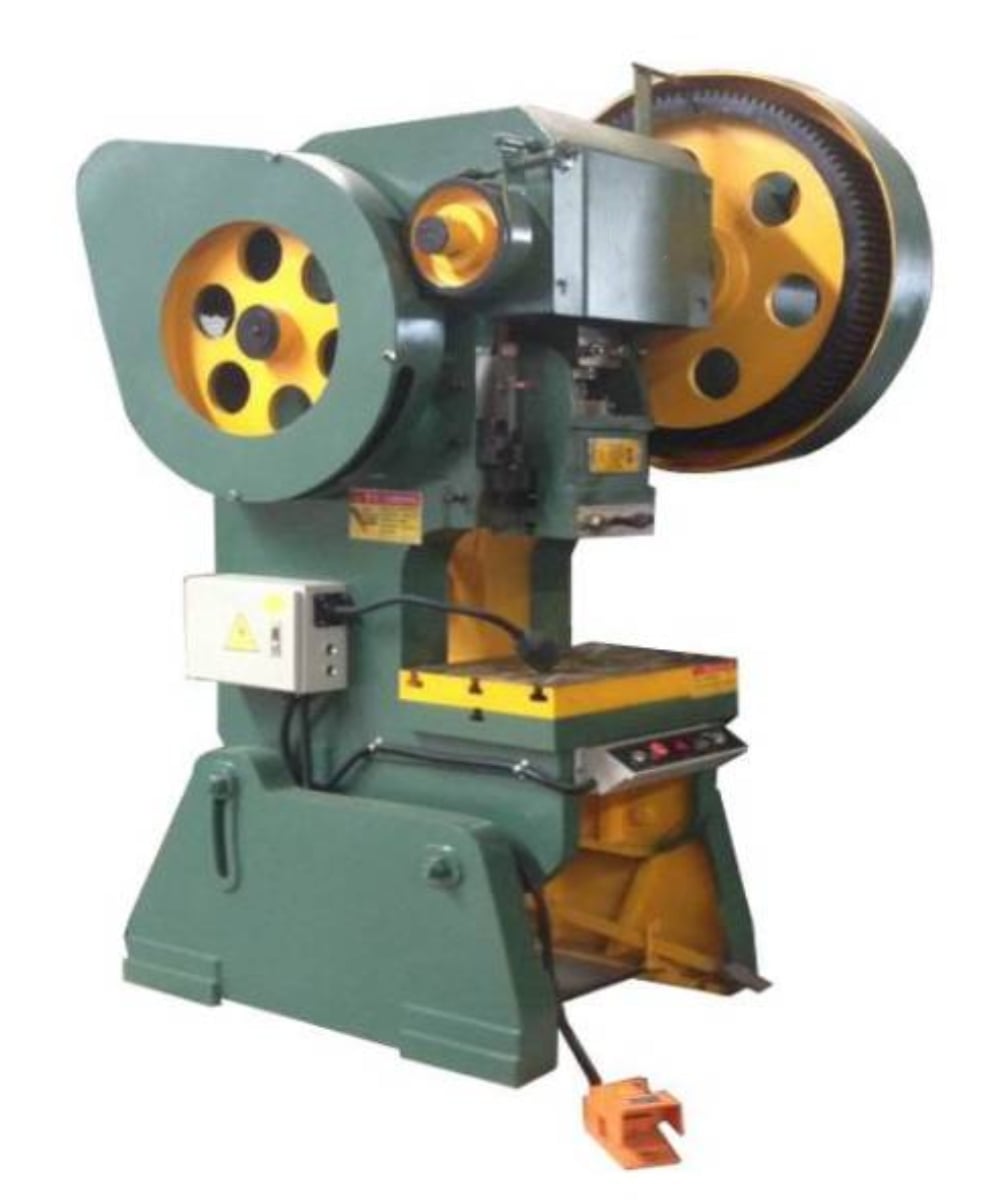
Common Engineering Mistakes in Punching Operations
One of the most frequent mistakes in hydraulic punching is the failure to account for tool clearance. Clearance is the gap between the punch and the die. If the clearance is too tight, the machine experiences excessive stress, leading to rapid tool wear and poor edge quality. If the clearance is too wide, the material will bend into the die rather than shearing cleanly, resulting in large burrs and potential jamming of the machine.
Another common error is neglecting the maintenance of the hydraulic fluid. Hydraulic oil is the lifeblood of the machine; it transmits power and lubricates internal components. Over time, oil can become contaminated with metal particles or moisture, leading to valve sticking, pump failure, and erratic ram movement. Regular oil analysis and filter changes are non-negotiable for maintaining the performance levels specified by the manufacturer.
Ignoring the material properties is a recipe for failure. Fabricators often assume that all steel behaves the same. However, high-strength, low-alloy (HSLA) steels or stainless steels require significantly more force and cause faster tool degradation than mild steel. Failing to adjust the tonnage or the punch speed for these harder materials can lead to catastrophic tool breakage or damage to the machine’s frame.
Finally, improper workpiece clamping is a frequent oversight. If the sheet is not held firmly against the bolster, it can lift during the stripping phase, causing the punch to misalign or the material to deform. Using high-quality hydraulic clamps and ensuring they are positioned correctly relative to the punch center is essential for maintaining the accuracy and safety of the operation.
Selection Checklist: Choosing the Right Machine
When selecting a hydraulic punching machine, start by defining your maximum material thickness and the largest hole diameter you intend to punch. This will dictate the minimum tonnage required. Do not just look at the current project; consider the potential for future expansion into thicker or harder materials. It is always better to have a 20% buffer in tonnage capacity than to be constantly operating at the machine’s limit.
Evaluate the CNC controller’s compatibility with your existing software. Modern fabrication shops rely on CAD/CAM integration to convert designs into machine code. Ensure that the controller supports standard file formats like DXF or DWG and that the interface is intuitive for your operators. A machine that is difficult to program will result in significant downtime and increased training costs.
Consider the tooling system. Does the machine use a standard turret system, or is it a single-station punch? Turret machines are faster for complex parts with many different hole sizes, while single-station machines are more cost-effective for simpler, repetitive tasks. Check the availability of spare parts and the ease of tool changes. A machine that requires hours to retool is not efficient for high-mix, low-volume production.
Lastly, assess the manufacturer’s support and service network. HARSLE provides comprehensive technical support, but you should also verify the availability of local technicians and the lead time for critical spare parts. A machine is only as good as the support behind it. Look for a partner who offers training, preventative maintenance programs, and responsive technical assistance to ensure your investment remains productive for years to come.
FAQ: Hydraulic Punching Machine Technical Guide
Q: How often should I change the hydraulic oil?
A: Generally, hydraulic oil should be changed every 2,000 to 4,000 operating hours, or once a year, depending on the intensity of use and environmental conditions. Always check the machine manual for specific recommendations.
Q: Can I punch stainless steel on a standard hydraulic punching machine?
A: Yes, but you must account for the higher shear strength of stainless steel. You will likely need to reduce the maximum thickness capacity compared to mild steel and use specialized, high-durability tooling.
Q: What causes excessive burrs on the punched edge?
A: Burrs are usually caused by incorrect punch-to-die clearance or dull tooling. Inspect your tools for wear and ensure the clearance is set according to the material thickness and type.
Q: Is a hydraulic punching machine better than a mechanical one?
A: Hydraulic machines offer better control, adjustable force, and are generally quieter and safer. Mechanical machines are faster but lack the flexibility and precision of modern hydraulic systems.
Q: How do I calculate the required tonnage for a non-circular shape?
A: Calculate the perimeter of the shape and multiply it by the material thickness and the material’s shear strength. Always add a 20-30% safety margin to the final result.












