
Sheet Metal Punching Machine Guide: Materials, Thickness, and Process Parameters


Technical Overview of Sheet Metal Punching Machines
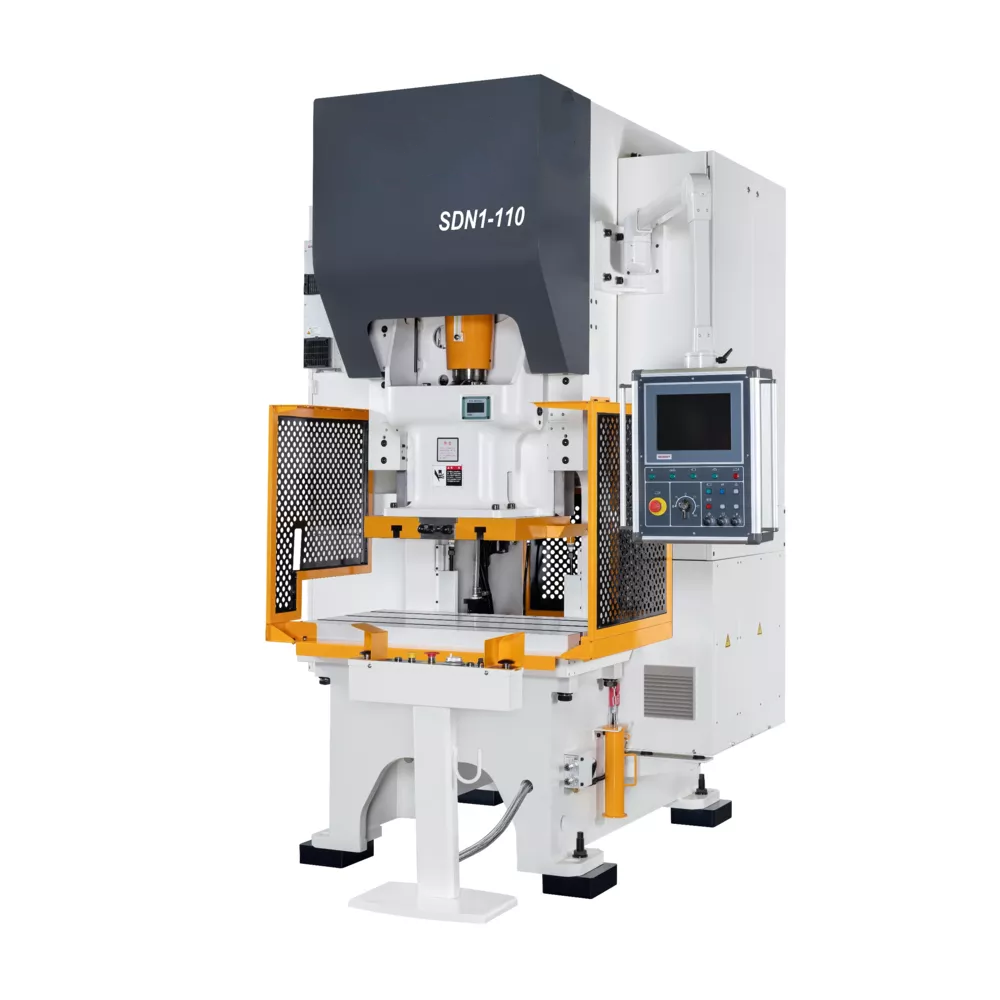
The sheet metal punching machine remains a cornerstone of modern manufacturing, providing high-speed, repeatable, and precise hole-making capabilities. At its core, the process involves a punch and a die, where the punch is forced through the workpiece into the die cavity. This mechanical shearing action creates a clean hole or specific shape, depending on the tooling geometry. For HARSLE customers, understanding the mechanics of this process is the first step toward optimizing production efficiency and tool longevity.
Modern punching machines, particularly CNC-driven models, have evolved significantly from manual mechanical presses. Today’s equipment utilizes hydraulic or servo-electric drives to deliver consistent force, ensuring that the material is sheared cleanly without excessive burrs or deformation. The integration of turret systems allows for rapid tool changes, enabling manufacturers to perform complex operations—such as louvers, embossing, and tapping—within a single setup. This versatility makes the punching machine an indispensable asset in industries ranging from automotive to electrical enclosure manufacturing.
The structural integrity of a punching machine is defined by its frame rigidity. HARSLE machines are engineered with heavy-duty steel weldments to minimize deflection during the punching cycle. When the punch impacts the material, the force generated is immense; if the frame is not sufficiently rigid, the alignment between the punch and die can shift, leading to premature tool wear and inconsistent hole quality. High-end machines also feature advanced lubrication systems and vibration dampening to ensure long-term precision.
Furthermore, the control systems in contemporary punching machines allow for precise control over the stroke length and speed. By adjusting these variables, operators can tailor the punching process to the specific characteristics of the material being processed. Whether working with thin-gauge aluminum or thick-gauge stainless steel, the ability to fine-tune the machine’s performance is what separates high-quality production from average results. This guide explores the critical parameters that dictate success in these operations.
Core Parameters: Materials and Thickness
Selecting the right material for a punching operation is not merely about the metal type; it is about understanding the material’s shear strength, ductility, and hardness. Mild steel is the industry standard, offering excellent formability and predictable punching behavior. However, as manufacturers move toward high-strength alloys or stainless steel, the punching force requirements increase significantly. Stainless steel, for instance, work-hardens during the punching process, requiring sharper tools and higher clearance settings to prevent excessive stress on the machine.
Material thickness is the primary determinant of the required punching force. The relationship between thickness and force is linear up to the material’s shear limit. As the thickness increases, the punch must travel further through the material, and the lateral forces exerted on the punch increase. If the material is too thick for the machine’s tonnage capacity, the machine may stall, or the punch may suffer catastrophic failure. HARSLE recommends always consulting the machine’s tonnage chart before attempting to punch materials at the upper limit of the machine’s specifications.
Ductility plays a crucial role in the quality of the hole edge. Highly ductile materials, such as copper or soft aluminum, tend to stretch before they shear, which can lead to “rollover” at the top of the hole and burrs at the bottom. Conversely, brittle materials may crack or chip around the perimeter of the punch. Understanding these material behaviors allows the operator to adjust the punch-to-die clearance, which is the most critical parameter for achieving a clean, burr-free finish.
Finally, the surface condition of the material cannot be ignored. Pre-coated or polished sheets require specialized tooling to prevent surface marring. Using urethane strippers or coated punches can help maintain the aesthetic quality of the workpiece. When processing sensitive materials, HARSLE suggests reducing the punching speed to minimize heat buildup and friction, which can otherwise degrade the surface finish or cause the material to stick to the punch.
Calculation Method for Punching Force
To ensure the longevity of your HARSLE punching machine, you must accurately calculate the required punching force. The basic formula for calculating the force (P) is: P = L × t × S / 1000, where L is the perimeter of the shape being punched (in millimeters), t is the material thickness (in millimeters), and S is the shear strength of the material (in N/mm²). This calculation provides the minimum force required to shear the material cleanly.
It is essential to include a safety factor in your calculations. Industrial punching involves dynamic loads that can exceed static calculations due to tool dullness or material variations. A common practice is to add 20% to 30% to the calculated force to account for tool wear and the increased resistance of dull edges. Operating a machine consistently at its absolute maximum tonnage limit is a recipe for accelerated mechanical wear and potential structural fatigue.
When calculating the perimeter (L) for complex shapes, ensure you account for all internal and external edges. For example, when punching a square hole, the perimeter is the sum of all four sides. If you are performing multiple punches simultaneously, the total force is the sum of the individual forces required for each punch. This is why many CNC punching machines utilize “staggered” punching sequences, which reduce the instantaneous force required by spreading the impact over a slightly longer time frame.
Always verify the shear strength (S) of your specific material grade. While standard tables exist, variations in alloy composition can lead to significant differences in shear strength. If you are unsure, contact your material supplier for the technical data sheet. Using the correct shear strength value ensures that your force calculations are accurate, preventing the machine from being overloaded and ensuring that the tooling remains within its design limits.
Process Parameter Table
| Material Type | Typical Shear Strength (N/mm²) | Clearance (% of Thickness) | Punching Speed (Strokes/min) |
|---|---|---|---|
| Mild Steel | 350-400 | 10-15% | 200-400 |
| Stainless Steel | 500-600 | 15-20% | 100-250 |
| Aluminum (Soft) | 150-200 | 8-12% | 300-500 |
| Brass | 250-300 | 10-15% | 250-400 |
| Copper | 200-250 | 10-15% | 200-350 |
The table above provides general guidelines for common materials. Note that the clearance percentage is critical; insufficient clearance leads to excessive stripping force and tool wear, while excessive clearance results in poor hole quality and large burrs. Always adjust these parameters based on the specific requirements of your project and the condition of your tooling.
Common Engineering Mistakes in Punching
One of the most frequent mistakes in sheet metal punching is the neglect of tool clearance. Operators often use the same die for different material thicknesses, assuming that a “universal” clearance will suffice. This is a major error. Clearance must be matched to the material thickness and type to ensure the fracture lines meet perfectly within the material. If they do not meet, the material is torn rather than sheared, resulting in high burrs and increased stress on the punch.
Another common oversight is the failure to properly maintain the punch and die. Dull tooling is the silent killer of punching machines. As a punch loses its sharpness, the force required to penetrate the material increases, leading to vibration, noise, and potential damage to the machine’s ram guides. Regular sharpening schedules are mandatory. A good rule of thumb is to sharpen the tool when the edge radius reaches 0.1mm to 0.2mm. Ignoring this leads to a rapid decline in part quality and increased machine maintenance costs.
Improper lubrication is also a recurring issue. While some modern machines use dry punching techniques, many applications require specialized lubricants to reduce friction between the punch and the material. Without proper lubrication, the material can “gall” or stick to the punch, causing the slug to pull back up through the sheet during the return stroke. This phenomenon, known as “slug pulling,” can damage the tool and cause significant downtime. Using high-quality punching oil or mist lubrication systems can mitigate these risks.
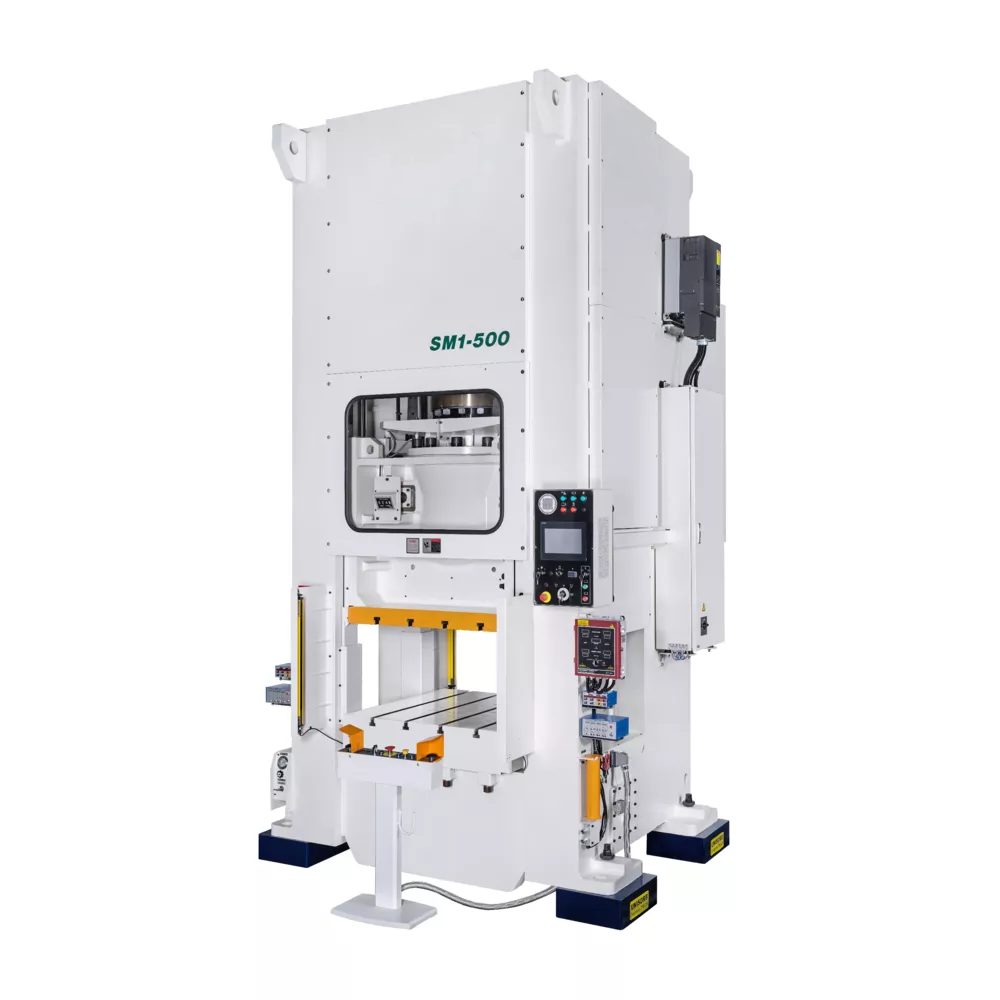
Finally, ignoring the machine’s duty cycle and tonnage capacity is a critical error. Pushing a machine beyond its rated capacity—even for a single “one-off” job—can cause permanent deformation of the frame or damage to the hydraulic seals. Always prioritize the machine’s safety limits. If a job requires more force than your machine can safely provide, consider alternative methods like laser cutting or using a larger press. Protecting your investment through disciplined operation is the hallmark of a professional fabrication shop.
Selection Checklist for Punching Machines
When selecting a new sheet metal punching machine, start by defining your production volume and the complexity of your parts. High-volume production environments benefit from automated turret punching machines with auto-index stations, which allow for complex geometries without manual tool changes. For smaller shops or prototyping, a simpler hydraulic punching press may be more cost-effective and easier to maintain.
Consider the throat depth and the maximum sheet size the machine can accommodate. A machine with a large throat depth allows for the processing of larger panels, but it may also require a more robust frame to maintain accuracy. Ensure that the machine’s CNC controller is compatible with your existing CAD/CAM software. Seamless integration between design and production is essential for minimizing lead times and reducing programming errors.
Evaluate the tooling system. Does the machine use a standard tooling format, or is it proprietary? Standard tooling is generally more affordable and easier to source from multiple vendors. HARSLE machines are designed to be compatible with industry-standard tooling, providing our customers with flexibility and long-term cost savings. Additionally, check the availability of spare parts and the quality of technical support provided by the manufacturer.
Lastly, look at the energy efficiency of the machine. Modern servo-electric punching machines consume significantly less power than traditional hydraulic models, especially during idle periods. While the initial investment may be higher, the long-term energy savings and reduced maintenance requirements often make them a more sustainable choice for modern manufacturing facilities. Always request a demonstration or a test cut on your specific material to verify the machine’s performance before finalizing your purchase.
FAQ: Frequently Asked Questions
Q: How often should I sharpen my punching tools?
A: The frequency depends on the material type, thickness, and production volume. As a general rule, sharpen tools when the cutting edge shows visible signs of wear or when you notice an increase in burr height on your parts.
Q: What is the difference between hydraulic and servo-electric punching?
A: Hydraulic machines offer high force and are excellent for thick materials, while servo-electric machines provide higher speed, better energy efficiency, and more precise control over the stroke, making them ideal for high-speed, thin-gauge production.
Q: Why does my machine experience slug pulling?
A: Slug pulling is usually caused by dull tooling, improper clearance, or a lack of lubrication. Ensure your punch is sharp, the clearance is correct for your material, and consider using a slug-retention die or lubrication.
Q: Can I punch stainless steel on a machine designed for mild steel?
A: Yes, but you must account for the higher shear strength of stainless steel. You may need to reduce the maximum thickness capacity of the machine to avoid overloading the frame and tooling.
Q: How do I choose the right clearance for my punching operation?
A: Clearance is typically 10-15% of the material thickness. For harder materials like stainless steel, use a slightly larger clearance to prevent tool binding and excessive wear.












