
How a Laser Cutting Machine Improved Workflow and Reduced Rework in a Metal Parts Factory


Introdução
In the modern landscape of metal fabrication, efficiency is the primary currency. For many factory owners, the transition from traditional mechanical cutting methods to advanced fiber laser technology represents the single most significant leap in productivity. When we analyze how a laser cutting machine improved workflow and reduced rework in a metal parts factory, we are looking at a fundamental shift in operational philosophy. By replacing manual or semi-automated processes with high-precision CNC laser systems, manufacturers can achieve tolerances that were previously impossible, effectively eliminating the human error that leads to scrap and rework.
HARSLE has observed that factories struggling with bottlenecks often rely on outdated shearing or plasma cutting methods. These methods frequently leave burrs, require secondary grinding, and suffer from inconsistent edge quality. By integrating a modern laser cutting machine, these factories transform their production floor from a series of disjointed, labor-intensive tasks into a streamlined, automated workflow. This article explores the technical and operational advantages of this transition, providing a comprehensive guide for factory managers looking to modernize their production lines.
The impact of this technology extends beyond simple speed. It is about the reliability of the output. When a part is cut correctly the first time, the entire downstream process—from bending on a press brake to welding and assembly—becomes significantly faster. This ripple effect is the core reason why investing in high-quality laser equipment is a strategic decision rather than just a capital expenditure.
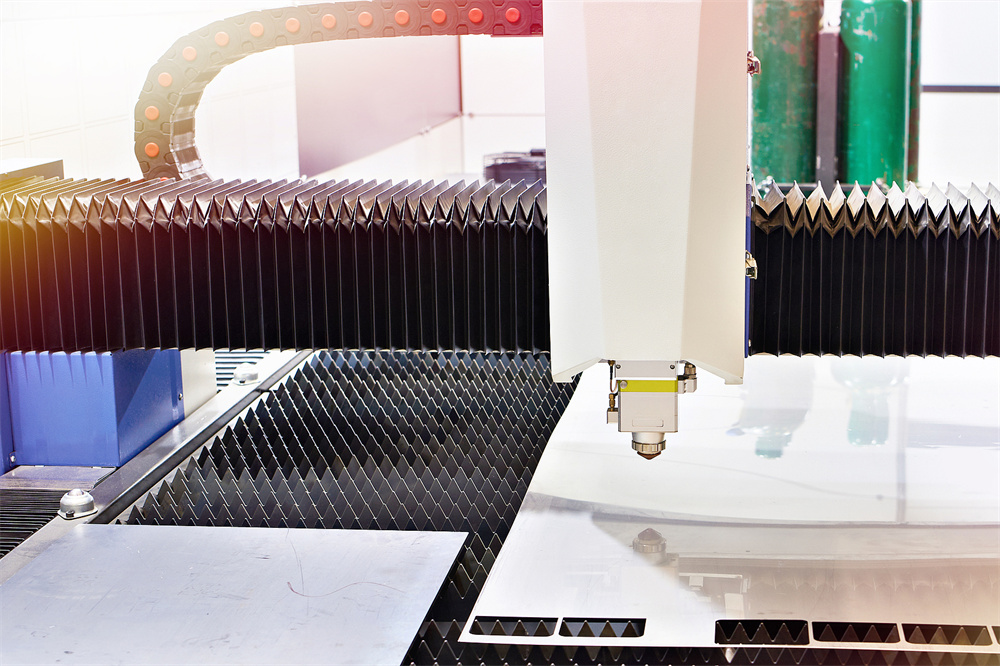
Key Considerations for Workflow Integration
Integrating a new laser cutting machine into an existing factory floor requires more than just clearing space. It requires a holistic view of the production cycle. The first consideration is material flow. In a traditional shop, sheets of metal are moved manually between stations, often leading to scratches, dents, and logistical delays. A laser cutting machine allows for automated loading and unloading systems, which keep the material moving continuously without manual intervention.
Another critical factor is the software ecosystem. Modern laser systems are driven by sophisticated nesting software. This software analyzes the geometry of the parts to be cut and arranges them on the sheet metal in a way that maximizes material utilization. By reducing the scrap rate, factories not only save on raw material costs but also reduce the time spent handling waste. This is a primary way that a laser cutting machine improved workflow and reduced rework in a metal parts factory: by ensuring that every square inch of material is used effectively.
Maintenance and operator training are also paramount. A machine is only as good as the team running it. Factories that invest in comprehensive training programs for their staff see a much higher return on investment. Understanding how to adjust focal points, gas pressure, and cutting speeds for different materials ensures that the machine operates at peak performance, preventing the common issues that lead to rework, such as dross formation or heat-affected zones.
Finally, consider the environmental and safety aspects. Laser cutting is a closed-loop process that is significantly quieter and cleaner than mechanical punching or plasma cutting. By improving the working environment, factories often see an increase in employee morale and retention, which indirectly contributes to higher quality output and fewer errors caused by fatigue or poor working conditions.
Technical Details of Laser Cutting Efficiency
The technical superiority of fiber laser technology lies in its beam quality and power density. Unlike CO2 lasers, fiber lasers use a solid-state gain medium, which results in a smaller, more focused beam. This precision allows for intricate geometries and narrow kerf widths, meaning parts can be nested closer together. This high power density enables the machine to cut through thick plates with incredible speed, maintaining a clean edge that rarely requires secondary finishing.
One of the most significant technical advancements is the use of automated nozzle changing and height sensing. These features ensure that the distance between the nozzle and the material remains constant, even if the sheet metal is slightly warped. This consistency is vital for preventing rework. If the height sensing fails, the laser might lose focus, leading to incomplete cuts or surface damage. Modern HARSLE systems utilize advanced sensors to mitigate these risks entirely.
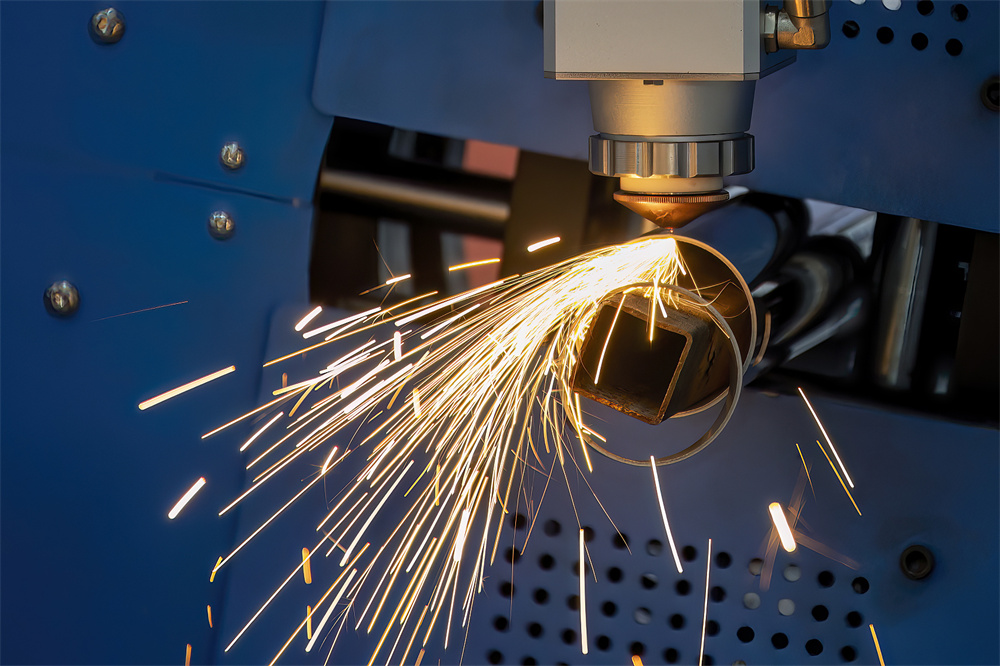
The integration of assist gases—such as nitrogen, oxygen, or compressed air—also plays a massive role in quality control. Nitrogen cutting, for instance, produces a clean, oxide-free edge that is ready for welding or powder coating immediately. This eliminates the need for sandblasting or grinding, which are common sources of rework in traditional fabrication shops. By choosing the right gas for the specific material, the factory ensures that the part is “production-ready” the moment it leaves the laser bed.
Furthermore, the connectivity of modern laser machines allows for Industry 4.0 integration. By monitoring the machine’s performance in real-time, managers can identify potential issues before they result in a bad batch. Predictive maintenance alerts, such as lens contamination warnings or cooling system fluctuations, allow the maintenance team to intervene proactively. This level of control is what separates a high-performing factory from one that is constantly fighting fires.
Conselhos de seleção: como escolher o equipamento certo
When selecting a laser cutting machine, the first step is to define your specific production needs. Are you cutting thin-gauge stainless steel for kitchen equipment, or thick carbon steel for structural components? The power output of the laser source—measured in kilowatts (kW)—should be matched to your material thickness requirements. A 3kW machine might be perfect for thin sheets, but a 6kW or 12kW system will be necessary for high-volume, thick-plate production.
Consider the bed size and automation level. If your factory handles large-format sheets, a 3000mm x 1500mm or even a 6000mm x 2000mm bed is essential. If you are looking to run the machine lights-out, you must invest in an automatic pallet changer and a sheet loading/unloading system. These features are the key to achieving the workflow improvements mentioned earlier, as they allow the machine to run continuously while operators focus on other tasks.
Look for a manufacturer that provides robust local support and training. A laser cutting machine is a complex piece of equipment, and having a partner like HARSLE who can provide remote diagnostics, spare parts, and technical guidance is invaluable. Do not base your decision solely on the initial purchase price; consider the total cost of ownership, including power consumption, maintenance intervals, and the cost of consumables like nozzles and protective lenses.
Finally, request a sample cut. Any reputable manufacturer should be willing to cut your specific parts using your material. This is the ultimate test. Inspect the edge quality, the accuracy of the dimensions, and the time it takes to complete the cut. If the sample requires any manual filing or grinding, the machine is not optimized for your workflow. The goal is to achieve a “finished” part directly from the machine bed.
FAQ: Common Questions About Laser Cutting
- How does a laser cutting machine reduce rework? By providing high-precision, burr-free edges, it eliminates the need for secondary grinding, filing, or cleaning, ensuring parts are ready for assembly immediately.
- What is the difference between fiber and CO2 lasers? Fiber lasers are more energy-efficient, require less maintenance, and offer faster cutting speeds for thin-to-medium thickness metals compared to CO2 lasers.
- Can a laser cutting machine handle different types of metal? Yes, modern fiber lasers can cut carbon steel, stainless steel, aluminum, brass, and copper with the appropriate settings and assist gases.
- How often does a laser machine need maintenance? Routine maintenance, such as cleaning the protective lens and checking the cooling system, should be performed weekly, with professional servicing recommended every 6-12 months.
- Is it difficult to train operators for a new laser machine? With modern CNC interfaces, operators can learn the basics quickly, though advanced nesting and optimization skills take time to develop.
Conclusão
The transition to advanced laser cutting technology is more than a simple equipment upgrade; it is a strategic move toward operational excellence. As we have explored, the narrative of how a laser cutting machine improved workflow and reduced rework in a metal parts factory is built on the pillars of precision, automation, and intelligent software. By eliminating the manual bottlenecks that plague traditional fabrication, factories can achieve higher throughput, lower costs, and superior product quality.
For any metal parts factory, the investment in a high-quality HARSLE laser cutting machine pays dividends in the form of reduced waste, faster lead times, and increased customer satisfaction. As the industry continues to evolve toward higher levels of automation and precision, those who embrace these technologies will find themselves at a significant competitive advantage. If you are ready to transform your production floor, now is the time to evaluate your current processes and consider how a modern laser solution can redefine your factory’s potential.


