
How a Sheet Metal Manufacturer Increased Output Using an Automated Laser Cutting Machine


Introdução
In the highly competitive landscape of modern metal fabrication, the pressure to deliver high-quality parts with shorter lead times has never been greater. For many businesses, the bottleneck often lies in traditional cutting methods that rely heavily on manual labor or outdated machinery. This article explores the transformative journey of a mid-sized sheet metal manufacturer that successfully scaled its operations. By integrating advanced automation, the company achieved a significant breakthrough: A Sheet Metal Manufacturer Increased Output Using An Automated Laser Cutting Machine, setting a new benchmark for efficiency in their sector.
The transition from manual or semi-automated processes to a fully integrated fiber laser cutting system is more than just a hardware upgrade; it is a strategic shift in production philosophy. As labor costs rise and the demand for precision increases, manufacturers are turning to HARSLE’s automated solutions to maintain their market edge. This case study examines the technical, operational, and financial implications of this transition, providing a roadmap for other fabricators looking to modernize their facilities.
Automation in laser cutting is not merely about speed; it is about consistency, material utilization, and the ability to run lights-out operations. By removing the human element from repetitive loading and unloading tasks, the manufacturer in our study was able to reallocate skilled labor to higher-value tasks, such as quality control and complex assembly. This shift not only increased total output but also improved the overall quality of the finished products.
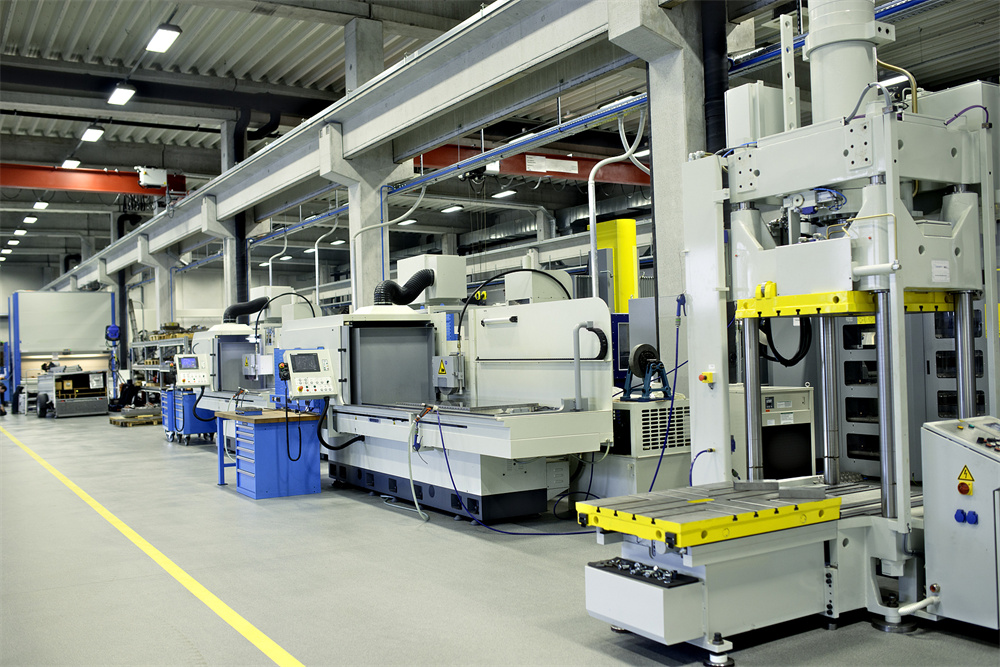
Throughout this article, we will delve into the specific challenges faced by the manufacturer, the technical specifications of the HARSLE laser cutting machine they implemented, and the measurable results they achieved. Whether you are a shop owner considering your first laser investment or a plant manager looking to upgrade your existing fleet, understanding the mechanics of this success story is essential for your future growth.
Key Considerations for Scaling Production
Before investing in high-end machinery, a manufacturer must evaluate their current workflow to identify where the most significant gains can be made. For the manufacturer in this case study, the primary pain point was material handling. Their operators were spending nearly 40% of their shift manually loading sheets and clearing scrap, which meant the laser source was idle for a significant portion of the day. Recognizing that A Sheet Metal Manufacturer Increased Output Using An Automated Laser Cutting Machine requires a holistic view of the production cycle, they prioritized automated material handling systems.
Another critical consideration is the integration of software. Modern laser cutting is driven by CAD/CAM software that optimizes nesting to reduce material waste. By implementing advanced nesting algorithms, the manufacturer was able to increase material utilization by 15%. This not only saved costs on raw materials but also reduced the time required for the laser to traverse the sheet, further increasing the number of parts produced per hour.
Energy efficiency and maintenance costs also play a pivotal role in the long-term viability of a production upgrade. Fiber laser technology is inherently more energy-efficient than traditional CO2 lasers, requiring less power to cut through the same thickness of metal. When selecting a machine, the manufacturer looked for systems with low power consumption and long-lasting components, ensuring that the increase in output did not come at the expense of skyrocketing utility bills or frequent downtime.
Finally, the manufacturer had to consider the skill set of their workforce. Transitioning to an automated system requires operators to shift from manual machine handling to system monitoring and troubleshooting. HARSLE provided comprehensive training, which was instrumental in ensuring that the team could maximize the machine’s potential from day one. Investing in human capital is just as important as investing in the machine itself when scaling production.
Technical Details of the Automated Laser Cutting Machine
The core of the manufacturer’s success was the implementation of a high-performance HARSLE fiber laser cutting machine equipped with an automatic pallet changer and a loading/unloading tower. The fiber laser source offers exceptional beam quality, allowing for high-speed cutting of both thin and thick materials with minimal heat-affected zones. This precision is vital for industries where tight tolerances are non-negotiable.
The machine’s technical specifications included a high-torque servo motor system and a rigid gantry design, which allowed for rapid acceleration and deceleration without sacrificing accuracy. This is a critical factor when cutting complex geometries or intricate patterns, where the machine must change direction frequently. The ability to maintain high speeds during these complex movements is what truly separates industrial-grade machines from entry-level alternatives.

Automation features such as the automatic nozzle changer and laser head calibration further reduced downtime. In traditional setups, changing a nozzle or recalibrating the focus could take 10 to 15 minutes. With the HARSLE automated system, these tasks are performed in seconds, allowing the machine to switch between different material thicknesses or types with virtually no interruption. This capability was a game-changer for the manufacturer, who frequently handles diverse job orders throughout the day.
The control system, powered by a user-friendly HMI (Human-Machine Interface), allowed the operators to monitor the entire process in real-time. Integrated sensors detect potential issues, such as lens contamination or gas pressure drops, and alert the operator before a failure occurs. This predictive maintenance approach ensures that the machine remains operational for the maximum possible time, directly contributing to the manufacturer’s goal of increased output.
Conselhos de Seleção para Equipamentos de Fabricação de Metais
Choosing the right laser cutting machine is a significant capital expenditure that requires careful planning. When looking at how A Sheet Metal Manufacturer Increased Output Using An Automated Laser Cutting Machine, it becomes clear that the choice of equipment must align with the specific needs of the production environment. First, assess your material mix. If you primarily cut stainless steel and aluminum, a high-power fiber laser with nitrogen cutting capabilities is essential for clean, burr-free edges.
Consider the footprint and layout of your facility. Automated systems, especially those with towers, require significant floor space. Work with your supplier to design a layout that optimizes the flow of raw materials into the machine and finished parts out of the machine. A well-planned layout can reduce the distance materials travel, further improving cycle times and reducing the risk of damage during transport.
Don’t overlook the importance of after-sales support. A machine is only as good as the service behind it. HARSLE prides itself on providing robust technical support, spare parts availability, and remote diagnostic capabilities. When comparing quotes, ensure that the vendor offers a clear service level agreement (SLA) and that their technicians are accessible when you need them most. Downtime is the enemy of output, and having a reliable partner is your best defense.
Finally, evaluate the scalability of the system. Can the machine be integrated into a larger smart factory ecosystem in the future? As Industry 4.0 becomes the standard, the ability to connect your laser cutting machine to your ERP or MES software will become increasingly important. Choosing a machine with open communication protocols ensures that your investment remains relevant as your business grows and your digital infrastructure evolves.
FAQ: Optimizing Laser Cutting Operations
How does an automated laser cutting machine improve output?
Automation improves output by eliminating manual loading/unloading, reducing setup times through automatic nozzle changes, and allowing for continuous, lights-out operation. This keeps the laser beam active for a much higher percentage of the shift.
What is the most important factor when choosing a fiber laser?
The most important factor is the balance between laser power (wattage) and the thickness of the materials you cut most frequently. Additionally, the reliability of the laser source and the quality of the motion control system are critical for long-term performance.
How much maintenance does an automated laser system require?
While automated systems are designed for high uptime, they still require regular maintenance, including cleaning the protective lens, checking gas lines, and ensuring the cooling system is functioning correctly. Following a strict preventive maintenance schedule is key to longevity.
Can a small shop benefit from automation?
Yes, even small shops can benefit from automation. While a full tower system might be overkill, features like automatic pallet changers can significantly boost productivity for smaller operations by allowing the operator to prepare the next sheet while the current one is being cut.
Conclusão
The story of how A Sheet Metal Manufacturer Increased Output Using An Automated Laser Cutting Machine serves as a powerful testament to the impact of modern technology on industrial productivity. By moving away from manual bottlenecks and embracing the precision, speed, and reliability of HARSLE’s fiber laser systems, the manufacturer was able to transform their bottom line and secure their position in a competitive market.
Success in metal fabrication is no longer just about having the right tools; it is about how those tools are integrated into a cohesive, automated workflow. As we have explored, the combination of high-performance hardware, intelligent software, and a commitment to continuous improvement is the formula for scaling production effectively. Whether you are looking to increase your output, improve your part quality, or reduce your operational costs, the transition to automated laser cutting is a proven path to achieving those goals.
At HARSLE, we are dedicated to providing the machinery and expertise that empower manufacturers to reach their full potential. We invite you to evaluate your current production processes and consider how our automated solutions can help you write your own success story. The future of metal fabrication is automated, and the time to invest in that future is now.


