How a Punching Machine Improved Production Efficiency in a Sheet Metal Workshop: A Comprehensive Guide


Introduction
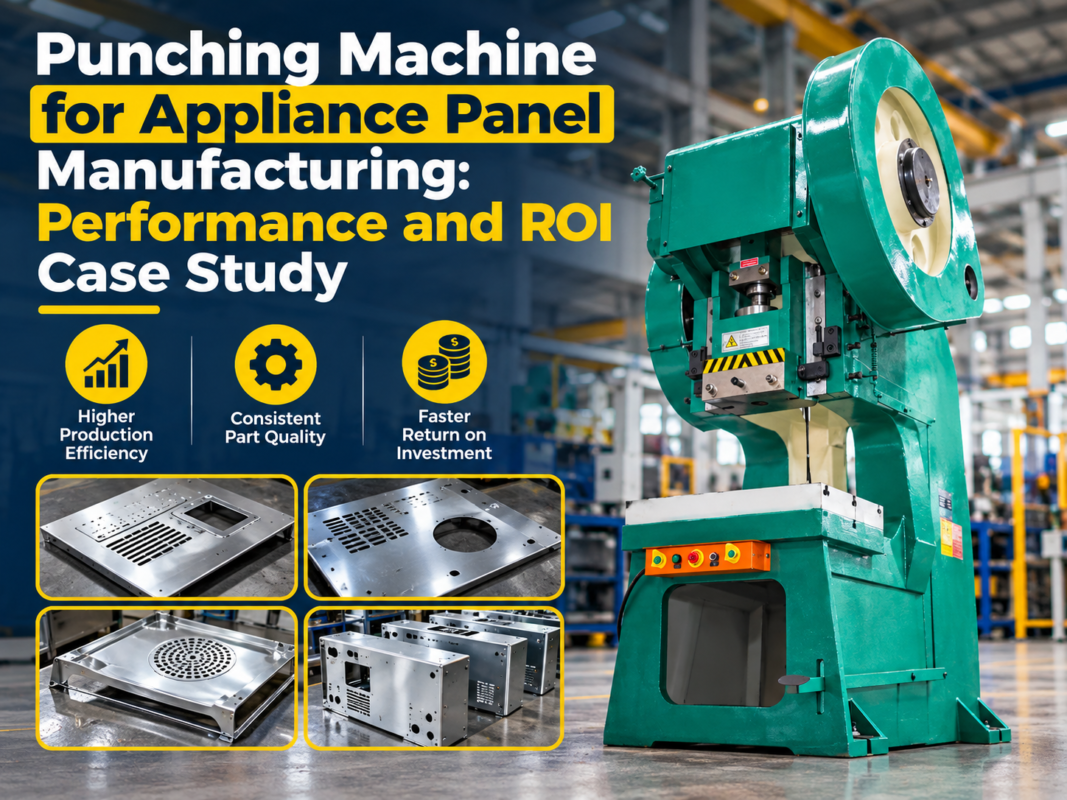
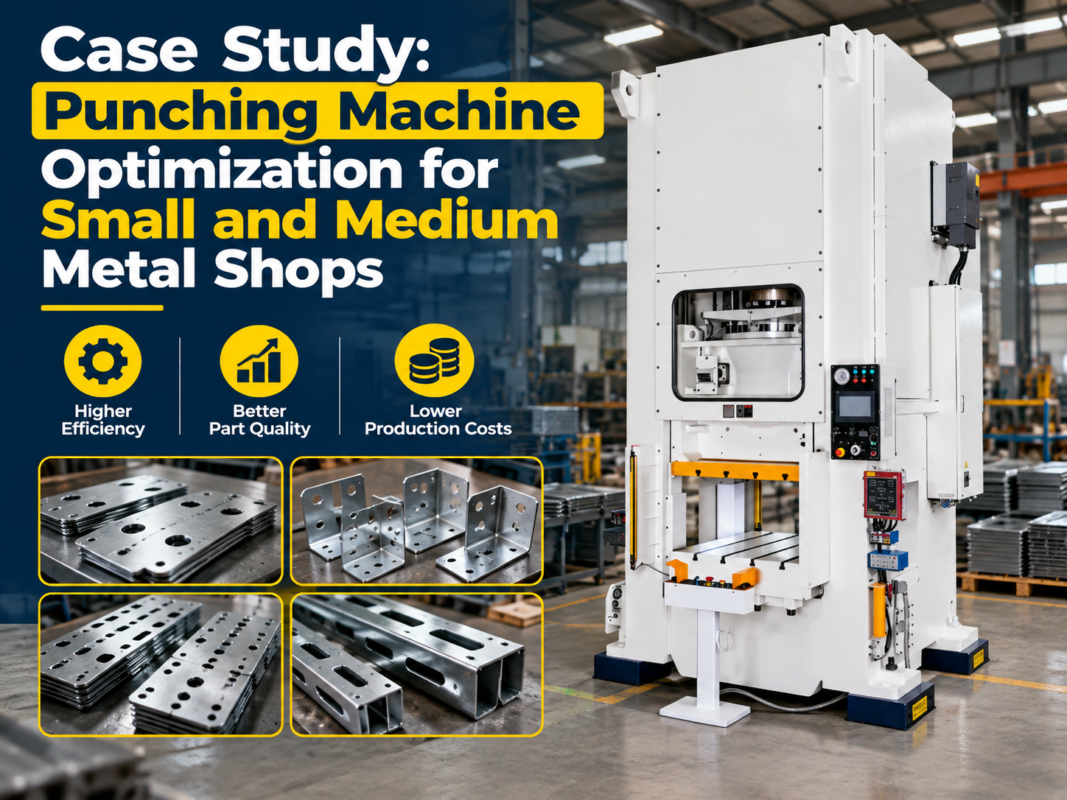
In the fast-paced world of modern manufacturing, the ability to produce high-quality components with speed and precision is the ultimate competitive advantage. For many small-to-medium sheet metal workshops, the transition from manual or semi-automated processes to advanced CNC technology marks a turning point in business growth. Specifically, the implementation of a high-performance punching machine has proven to be a transformative investment. When we analyze how a punching machine improved production efficiency in a sheet metal workshop, we uncover a narrative of reduced waste, optimized labor, and significantly faster turnaround times.
HARSLE has observed countless workshops struggling with bottlenecks caused by outdated cutting and forming methods. Whether it is the reliance on slow laser cutting for simple shapes or the labor-intensive nature of manual drilling and stamping, these traditional methods often fail to meet the demands of modern supply chains. By integrating a dedicated punching machine, workshops can automate repetitive tasks, allowing skilled operators to focus on complex assembly and quality control rather than mundane material handling.
This article explores the technical and operational shifts that occur when a workshop upgrades its capabilities. We will delve into the specific mechanisms that drive efficiency, the strategic considerations for selecting the right equipment, and the long-term impact on your bottom line. Understanding these dynamics is essential for any fabrication business looking to scale operations and maintain profitability in a crowded market.
Ultimately, the goal of this guide is to provide a roadmap for shop owners and production managers. By examining real-world scenarios and technical specifications, we aim to demonstrate why the punching machine remains a cornerstone of the modern metal fabrication shop. From turret configurations to automated loading systems, every aspect of the machine contributes to a more streamlined, profitable production environment.
Key Considerations for Workshop Integration
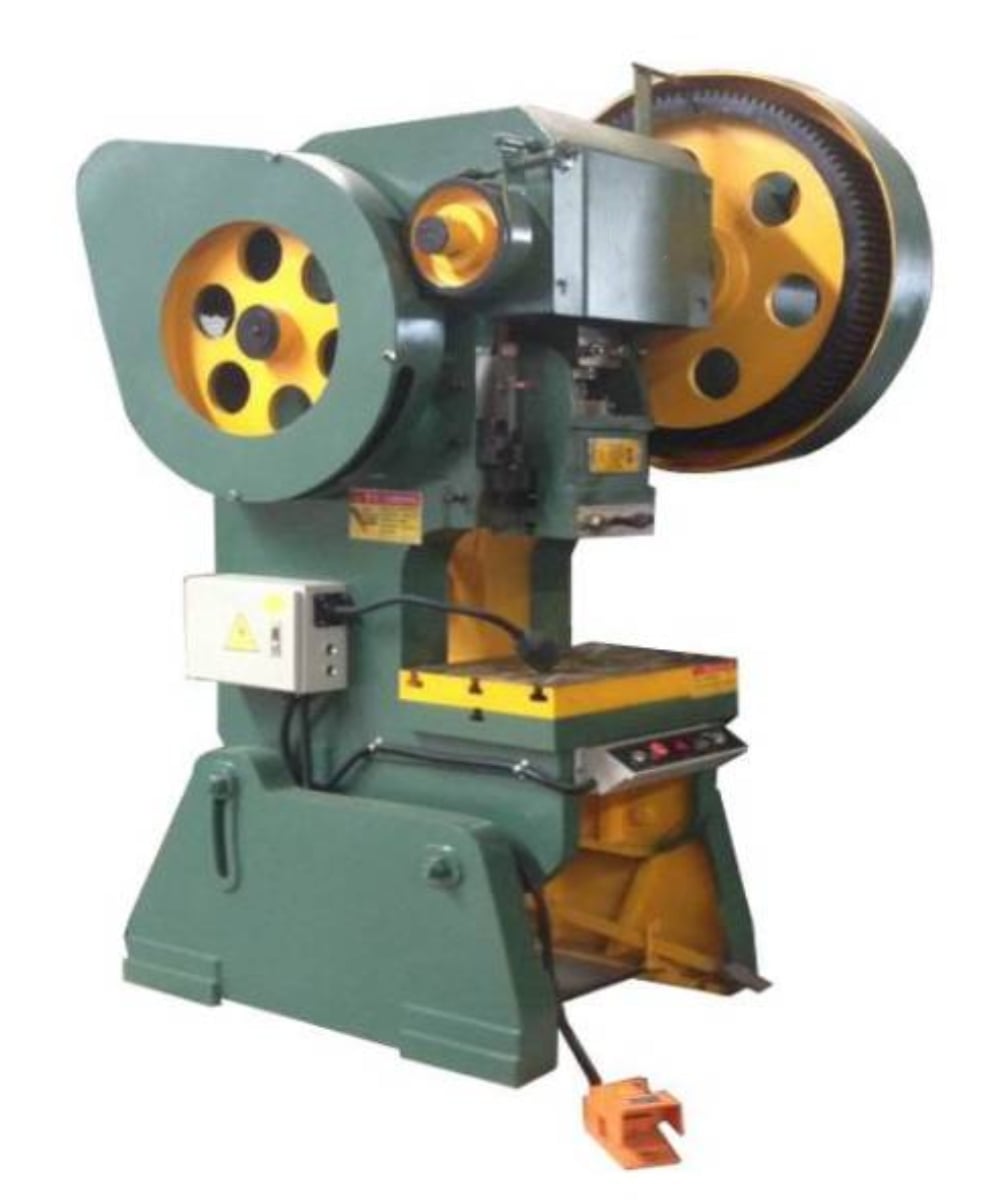
Before investing in new machinery, it is critical to evaluate the current workflow of your workshop. The integration of a punching machine is not just about replacing a tool; it is about re-engineering the production flow. The first consideration is the material throughput. If your workshop handles high volumes of standardized parts, a punching machine offers unparalleled speed compared to laser or plasma cutting, especially for repetitive hole patterns and louvers.
Space optimization is another vital factor. Punching machines, particularly modern compact CNC models, are designed to maximize the utility of a small footprint. Unlike large-scale laser cutting beds that require extensive peripheral equipment, a punching machine can often be integrated into a tighter production cell. This allows for a more logical flow of materials from the raw sheet storage to the bending and welding stations, reducing the ‘travel time’ of parts across the factory floor.
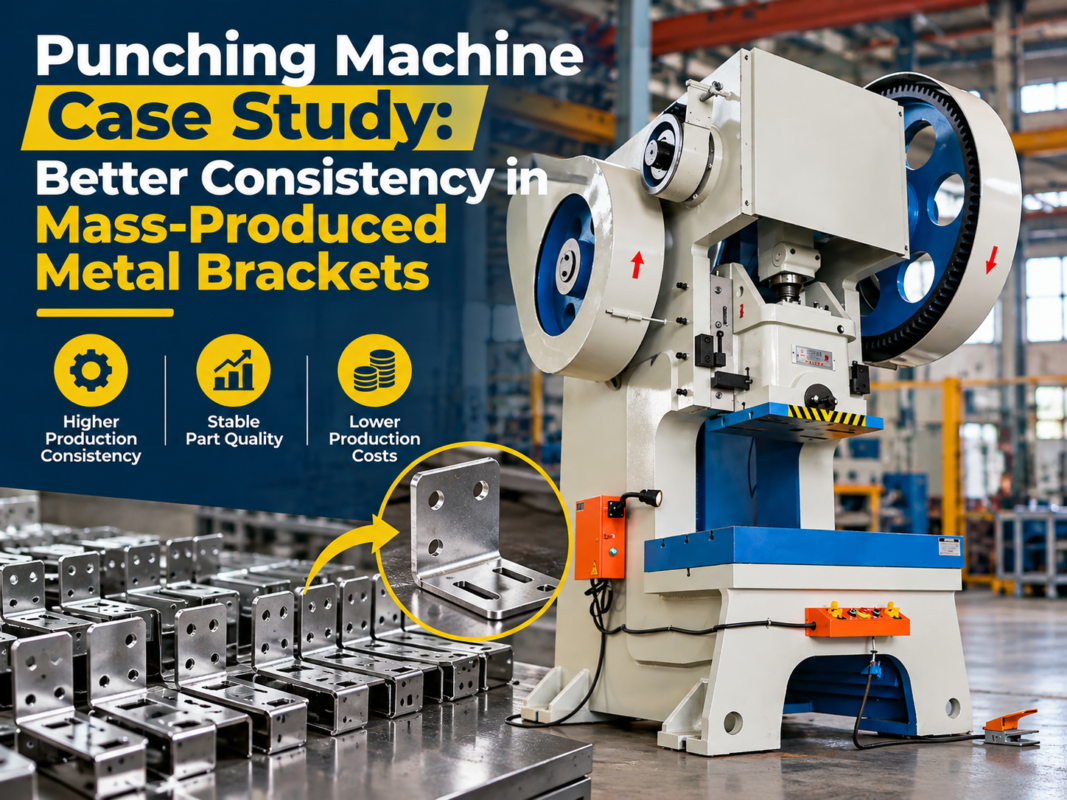
Labor utilization is perhaps the most significant benefit. When a workshop relies on manual punching or drilling, the skill level required is high, and the risk of human error is constant. By deploying a CNC punching machine, the workshop shifts the burden of precision to the software. Operators can be trained to manage multiple machines simultaneously, effectively increasing the output per man-hour without increasing the headcount. This shift is a primary reason why a punching machine improved production efficiency in a sheet metal workshop so dramatically.
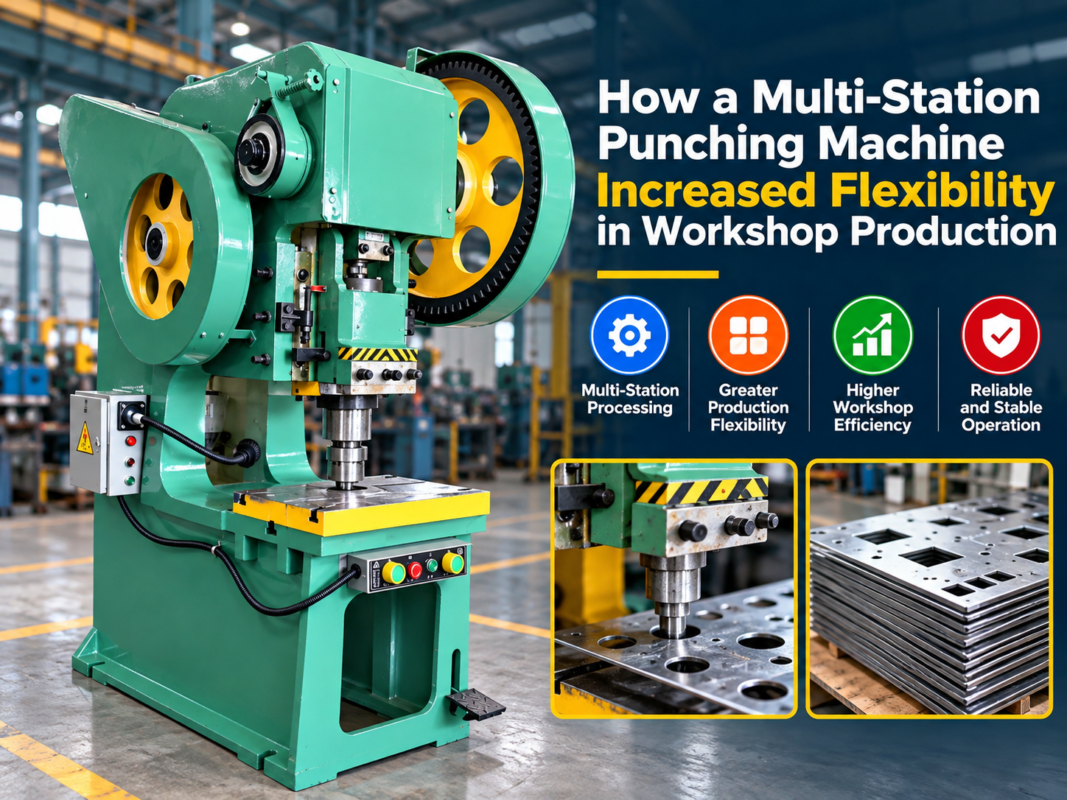
Finally, consider the versatility of the tooling. A modern turret punching machine can hold dozens of tools at once, allowing for complex geometries, embossing, and tapping to be performed in a single setup. This eliminates the need for secondary operations, which are often the biggest culprits in production delays. By consolidating multiple steps into one, the workshop reduces work-in-progress (WIP) inventory and speeds up the delivery of finished goods to the customer.
Technical Details and Operational Advantages
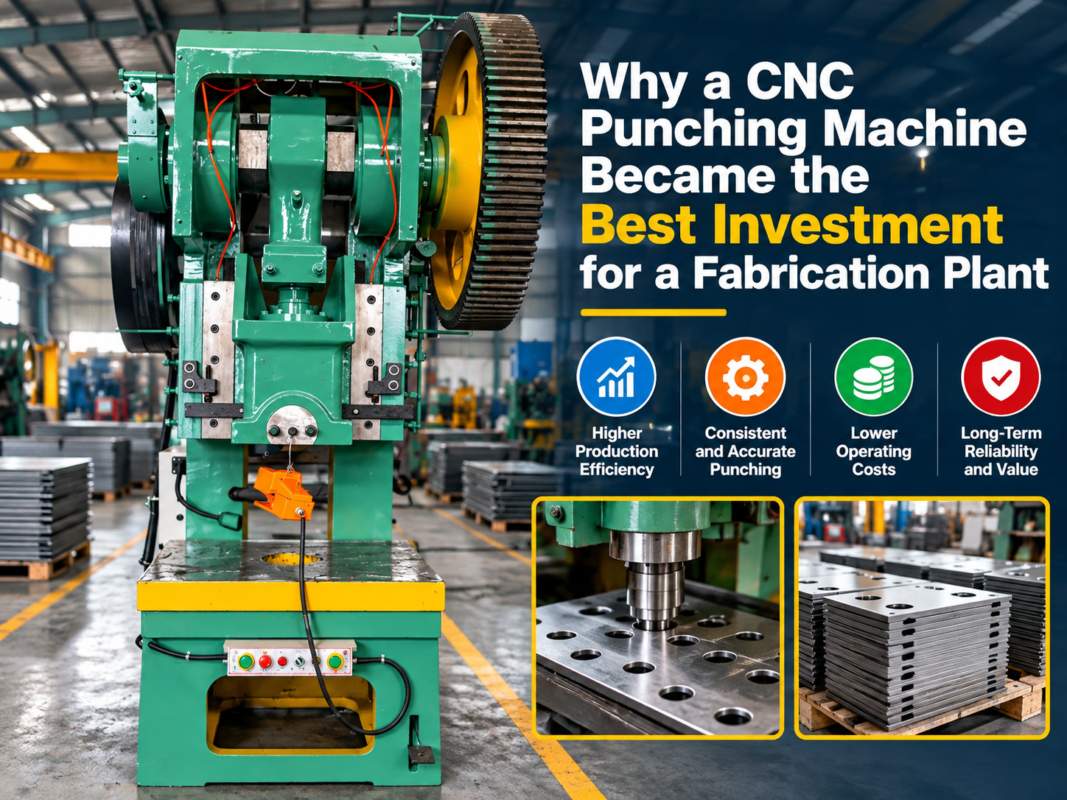
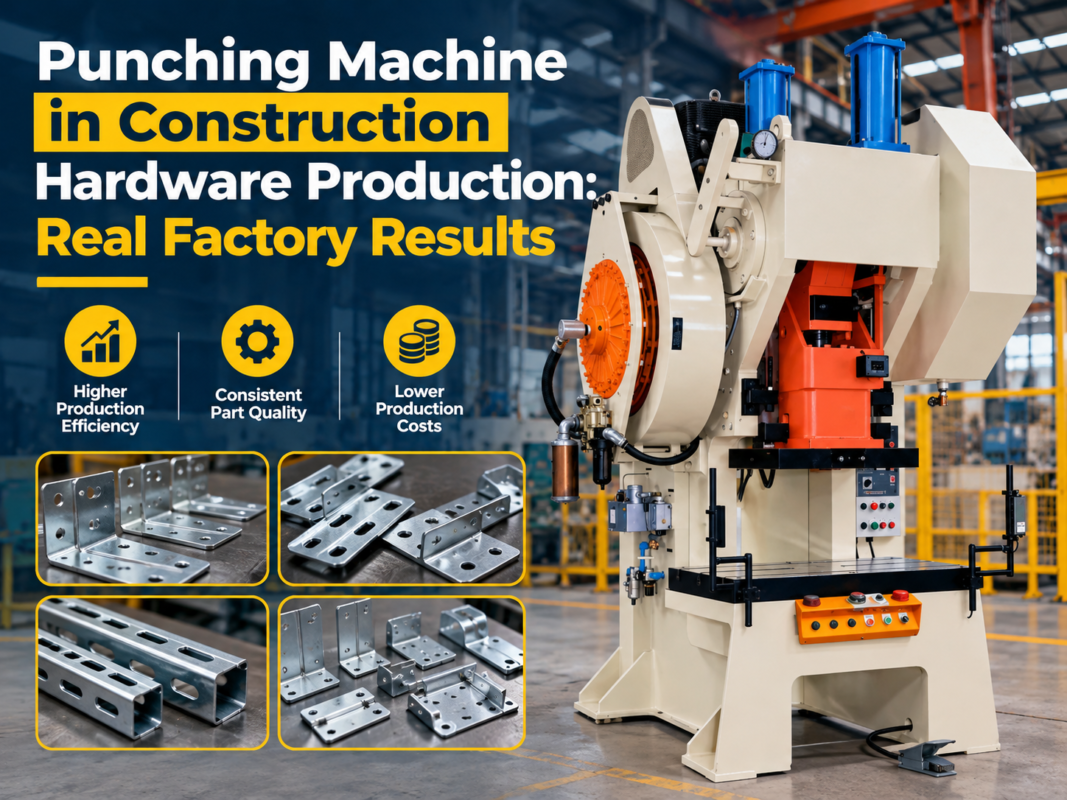
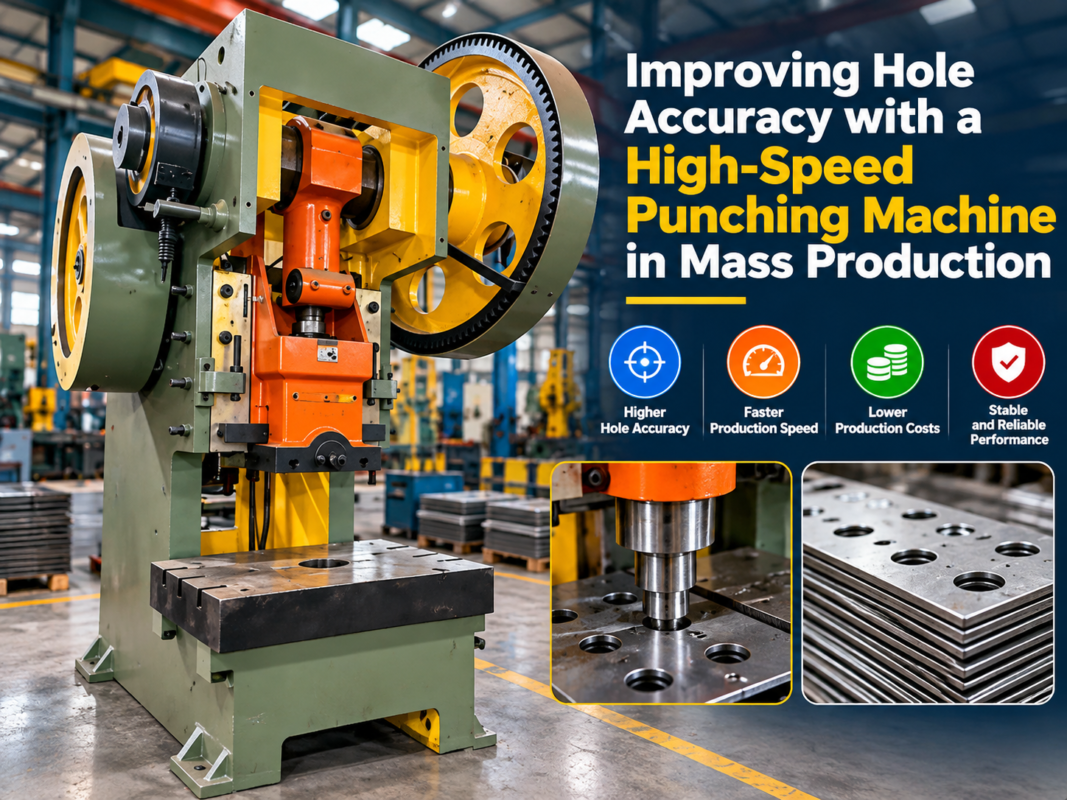
The technical superiority of a modern punching machine lies in its drive system and turret design. Most HARSLE punching machines utilize high-torque servo motors that provide rapid acceleration and deceleration. This allows for high hit rates—often exceeding 600 hits per minute—which is essential for high-volume production. The precision of these servo systems ensures that hole placement is accurate to within fractions of a millimeter, reducing scrap rates and ensuring perfect fitment during assembly.
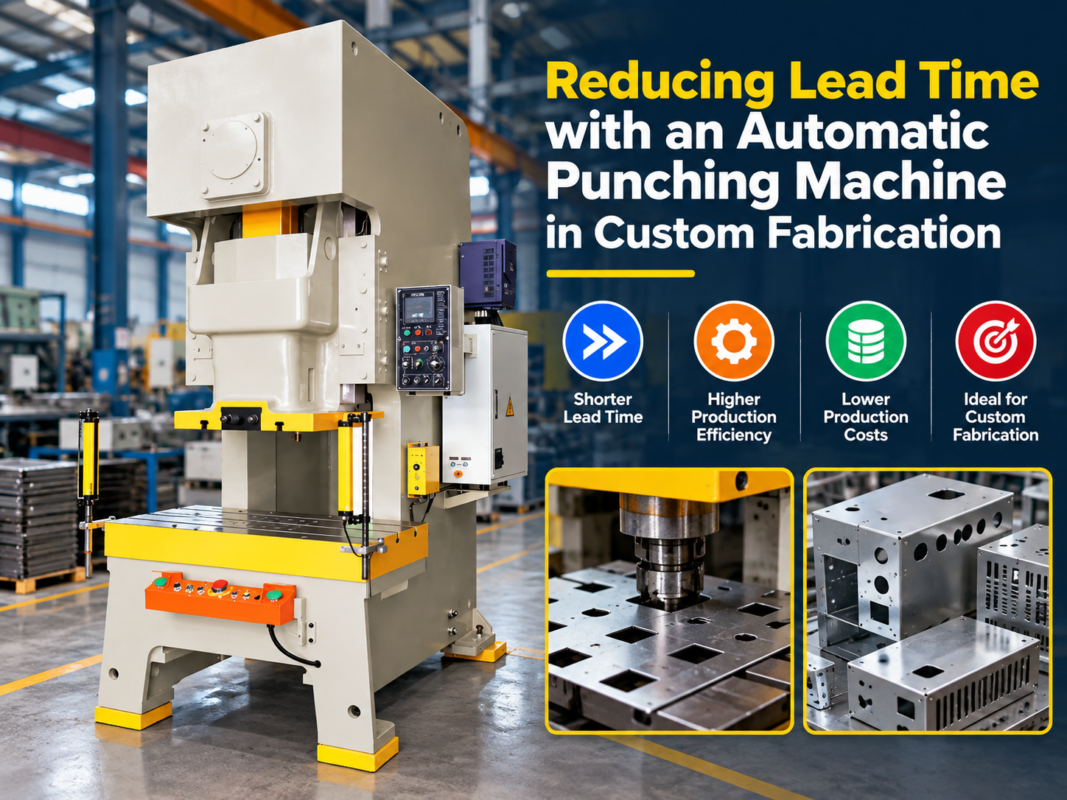
The turret configuration is the heart of the machine’s efficiency. With a wide range of tool stations, including auto-index stations that can rotate tools to any angle, the machine can handle intricate designs without the need for manual tool changes. This capability is a game-changer for workshops that produce custom enclosures, electrical panels, or HVAC components. The ability to switch between different hole sizes and shapes on the fly means that production runs can be customized with minimal downtime.
Software integration is another critical technical advantage. Modern punching machines are compatible with advanced CAD/CAM software that optimizes nesting. Nesting software arranges parts on a sheet of metal to minimize waste, ensuring that every square inch of material is utilized. This not only saves on raw material costs but also reduces the time spent on loading and unloading sheets, as more parts are produced per sheet.
Furthermore, the rigidity of the machine frame plays a crucial role in longevity and precision. HARSLE machines are built with heavy-duty, stress-relieved steel frames that dampen vibrations during high-speed punching. This stability ensures that the tooling remains aligned, extending the life of the punches and dies and reducing the frequency of maintenance. A stable machine is a reliable machine, and reliability is the foundation of consistent production efficiency.
Selection Advice: Choosing the Right Machine
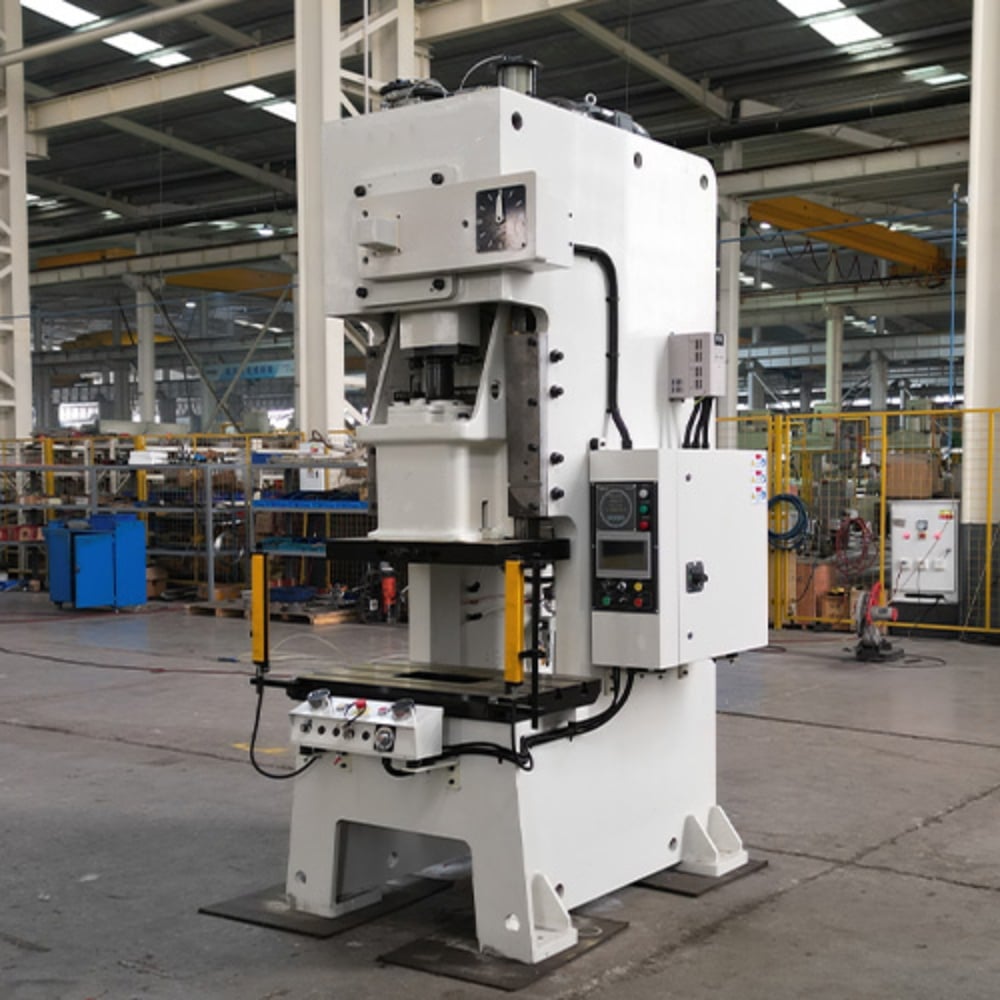
Selecting the right punching machine requires a clear understanding of your current and future production needs. Start by analyzing your product mix. Are you primarily working with thin-gauge sheet metal, or do you frequently process thicker plates? The tonnage of the punching machine is the most important specification here. A 30-ton machine is generally sufficient for most sheet metal applications, but heavier-duty work may require higher tonnage to ensure clean edges and prevent tool damage.
Consider the throat depth and sheet size capacity. If your workshop produces large panels, you need a machine that can accommodate those dimensions without requiring complex repositioning. Repositioning adds time and introduces potential for error, so choosing a machine with a large working area is usually a wise long-term investment. Additionally, look for features like automatic tool changers or robotic loading/unloading systems if your goal is to move toward ‘lights-out’ manufacturing.
Evaluate the manufacturer’s support and maintenance ecosystem. A punching machine is a significant asset, and its uptime is directly linked to your profitability. Choose a partner like HARSLE that offers comprehensive training, readily available spare parts, and responsive technical support. The best machine in the world is a liability if it sits idle for weeks waiting for a technician or a proprietary component.
Finally, do not overlook the importance of energy efficiency. Modern hydraulic and servo-electric punching machines are designed to consume power only when actively punching. This can lead to significant savings in electricity costs over the life of the machine. When calculating the total cost of ownership, factor in energy consumption, maintenance costs, and the expected lifespan of the machine to ensure you are making a sound financial decision.
FAQ: Common Questions About Punching Machines
How does a punching machine compare to a laser cutter?
While laser cutters are excellent for complex, non-repetitive shapes and thick materials, punching machines are significantly faster for high-volume production of parts with many holes, louvers, or standard shapes. Punching is also more cost-effective for long production runs due to lower energy consumption and the ability to perform forming operations.
What is the typical maintenance schedule for a punching machine?
Daily maintenance should include checking lubrication levels and cleaning the turret area. Weekly tasks involve inspecting tool condition and clearing debris from the scrap chute. Professional servicing should be conducted annually to calibrate the CNC system and inspect hydraulic or servo drive components.
Can a punching machine handle stainless steel?
Yes, but it requires specific tooling designed for harder materials. Stainless steel is tougher than mild steel, so you must ensure your machine has the appropriate tonnage and that you are using high-quality, coated punches to prevent galling and premature wear.
How long does it take to train an operator?
With modern, user-friendly CNC interfaces, an operator with basic fabrication knowledge can be trained to run a punching machine in a few days. Advanced programming and nesting optimization may take a few weeks of practice to master.
Conclusion
The evidence is clear: when a workshop makes the strategic decision to invest in high-quality fabrication equipment, the results are immediate and measurable. The narrative of how a punching machine improved production efficiency in a sheet metal workshop is one of evolution—moving from manual, error-prone processes to a streamlined, automated, and highly profitable operation. By reducing cycle times, minimizing material waste, and consolidating multiple manufacturing steps, the punching machine acts as a catalyst for growth.
For HARSLE, our mission is to provide the tools that empower fabricators to reach these new heights. Whether you are a small shop looking to take on larger contracts or an established manufacturer aiming to optimize your floor space, the right punching machine is an essential component of your success. We encourage you to assess your current production bottlenecks and consider how the precision and speed of CNC punching can transform your business.
Investing in the right technology is not just about keeping up with the competition; it is about setting the pace. As the manufacturing landscape continues to evolve, those who embrace automation and precision engineering will be the ones who thrive. Start your journey toward a more efficient workshop today by exploring the range of punching solutions designed to meet the demands of modern industry.