Punching Machine Case Study: Reducing Material Waste In Metal Fabrication


Introduction
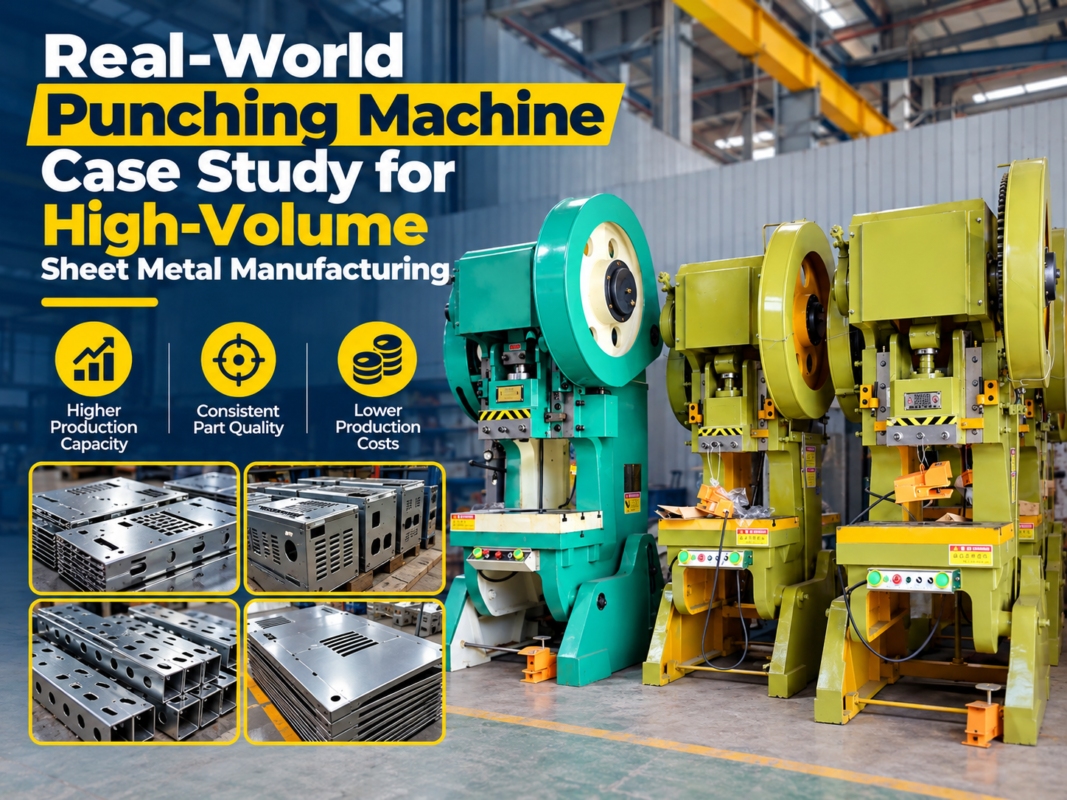
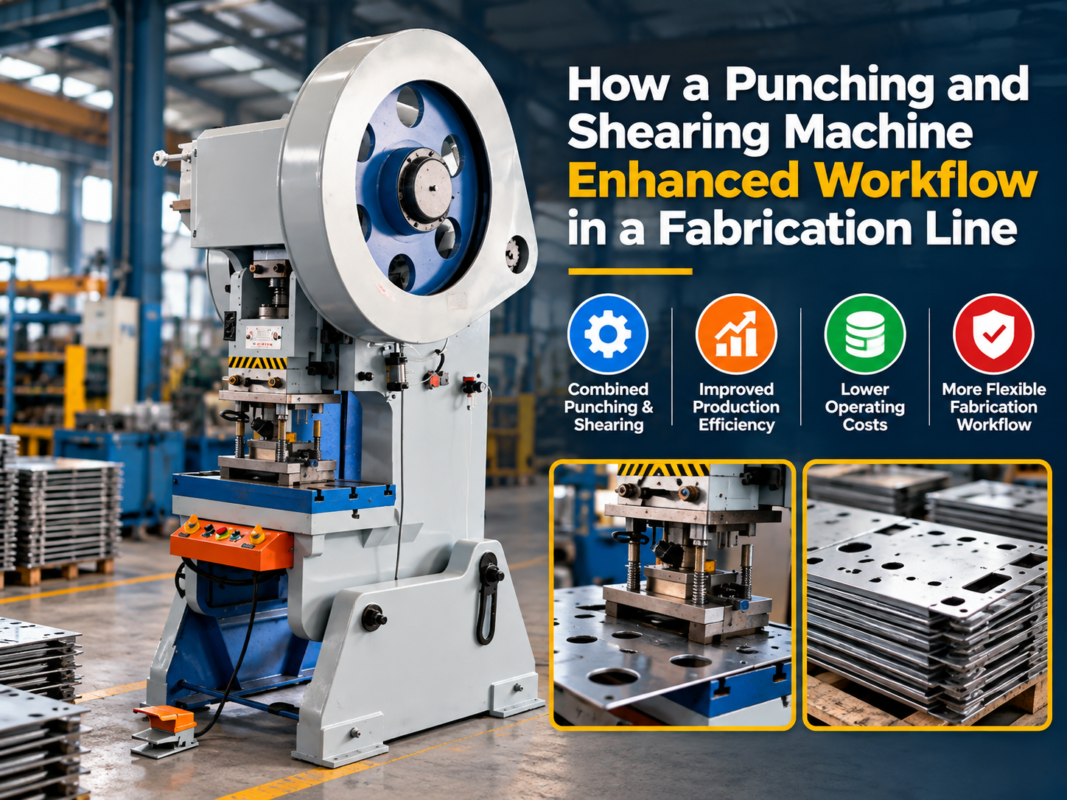
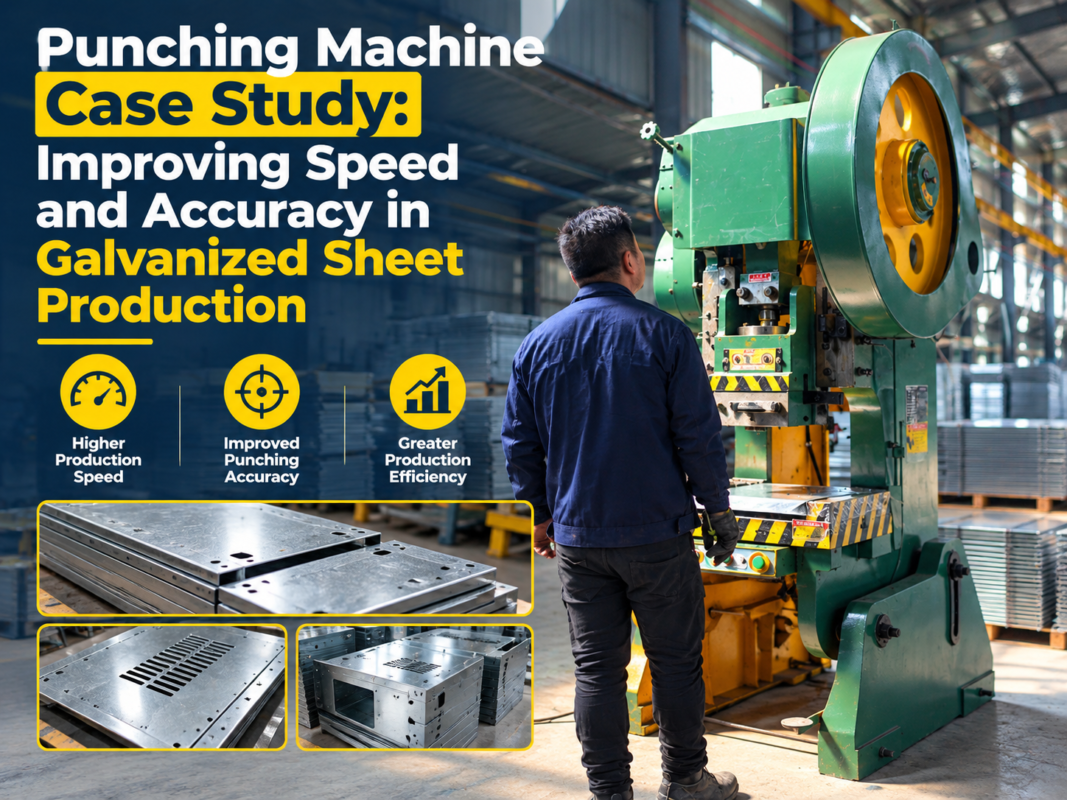
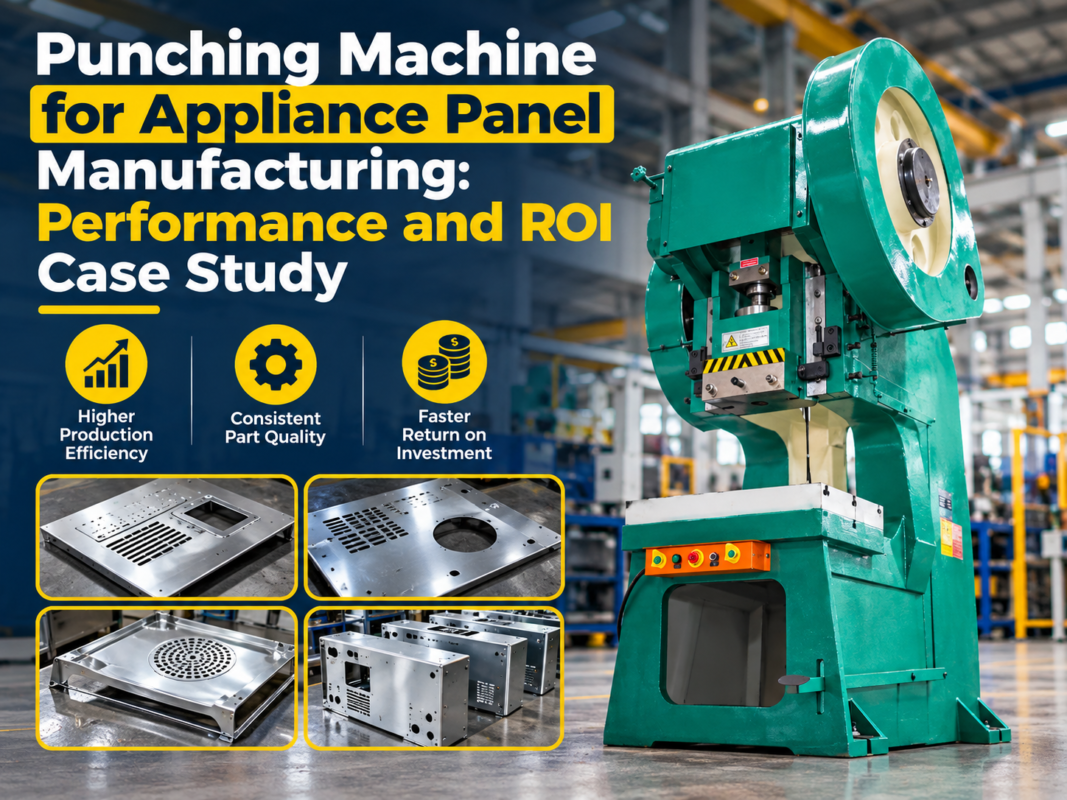
In the competitive landscape of modern metal fabrication, the margin between profitability and loss is often defined by material efficiency. As raw material costs fluctuate and environmental regulations tighten, manufacturers are under increasing pressure to maximize the yield from every sheet of metal. This Punching Machine Case Study: Reducing Material Waste In Metal Fabrication explores how HARSLE’s advanced CNC punching technology transforms production floors by minimizing scrap and optimizing nesting patterns.
Material waste is not merely an economic concern; it is a significant operational bottleneck. Traditional fabrication methods often result in excessive skeleton waste, leading to higher overheads and increased disposal costs. By integrating high-precision punching solutions, fabricators can transition from wasteful, manual-heavy processes to streamlined, automated workflows that prioritize sustainability and precision.
This article delves into a real-world application of HARSLE punching machinery, examining the technical parameters that allow for superior material utilization. We will analyze how software integration, tool management, and machine rigidity contribute to a reduction in waste, providing a roadmap for shop owners looking to modernize their facilities.
Whether you are managing a high-volume production line or a custom fabrication shop, understanding the relationship between machine capability and material conservation is essential. Through this case study, we aim to demonstrate that investing in the right punching equipment is not just an expense—it is a strategic move toward long-term operational excellence.
Key Considerations for Material Optimization
The first step in reducing material waste is understanding the geometry of the parts being produced. Efficient nesting is the cornerstone of material conservation. When parts are arranged on a sheet with minimal gaps, the amount of scrap metal left behind is significantly reduced. HARSLE punching machines utilize advanced nesting software that calculates the most efficient layout, ensuring that every square inch of the material is accounted for.
Another critical consideration is the edge distance and bridge width between parts. If these parameters are not optimized, the structural integrity of the sheet can be compromised during the punching process, leading to deformation and unusable parts. Our case study highlights how HARSLE’s control systems allow operators to fine-tune these settings, ensuring that the bridge width is as small as possible without sacrificing the quality of the final product.
Tool selection also plays a vital role in waste reduction. Using multi-tool stations or indexable tools allows for complex shapes to be punched with fewer hits and better orientation. By reducing the number of tool changes and the complexity of the punching path, fabricators can avoid overlapping cuts that waste material and increase cycle time. Proper tool management ensures that the machine operates at peak efficiency throughout the entire production run.
Finally, the human element cannot be ignored. Even the most advanced machinery requires skilled operators who understand the principles of material economy. Training staff to recognize opportunities for common-line cutting and efficient sheet utilization is a key component of the HARSLE approach. By combining robust hardware with intelligent software and skilled labor, manufacturers can achieve a significant reduction in their overall scrap rates.
Technical Details of HARSLE Punching Solutions
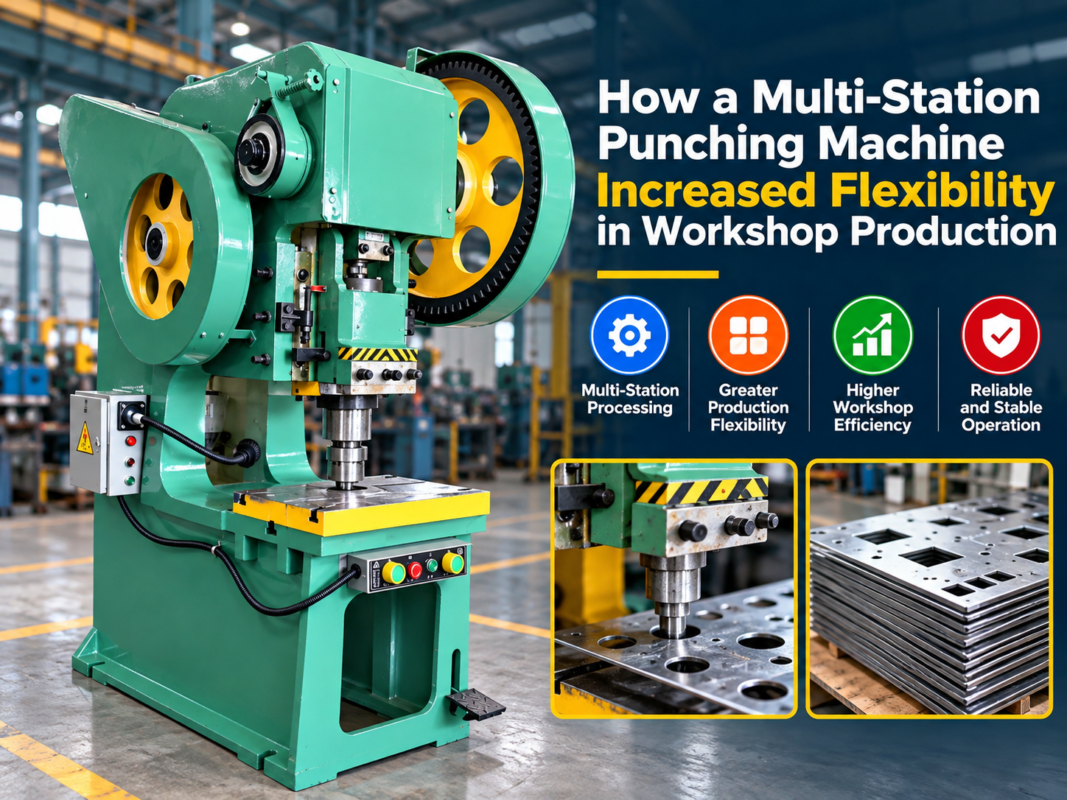
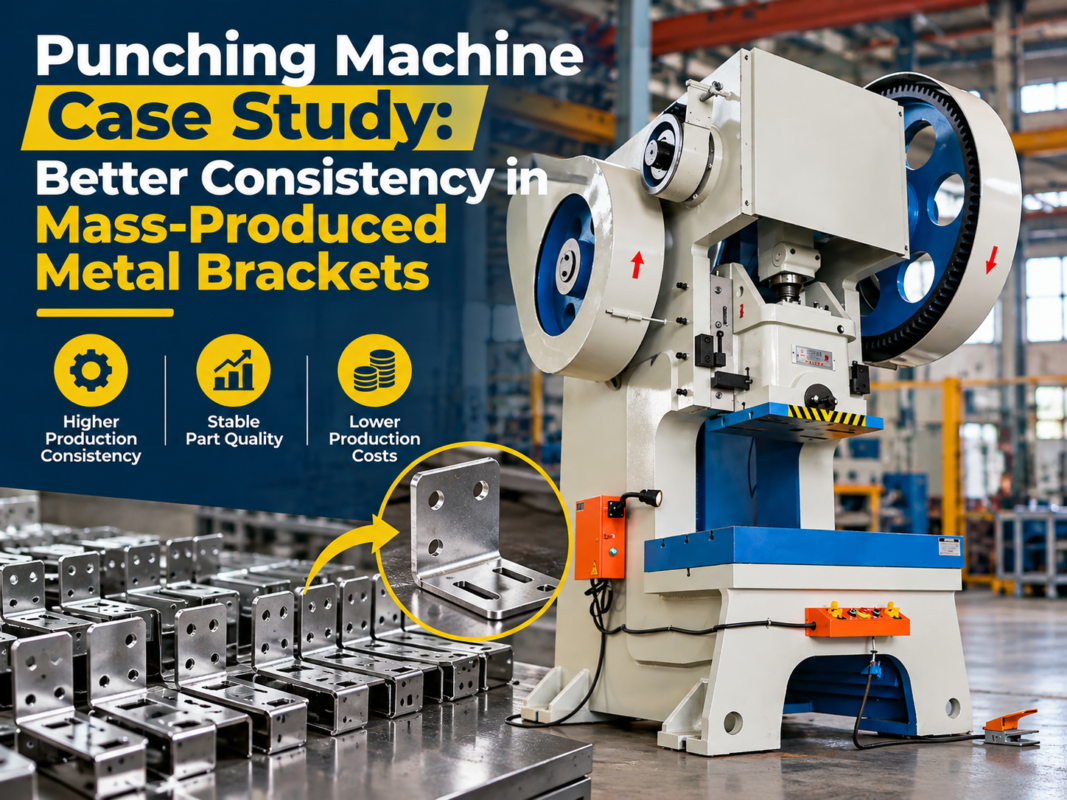
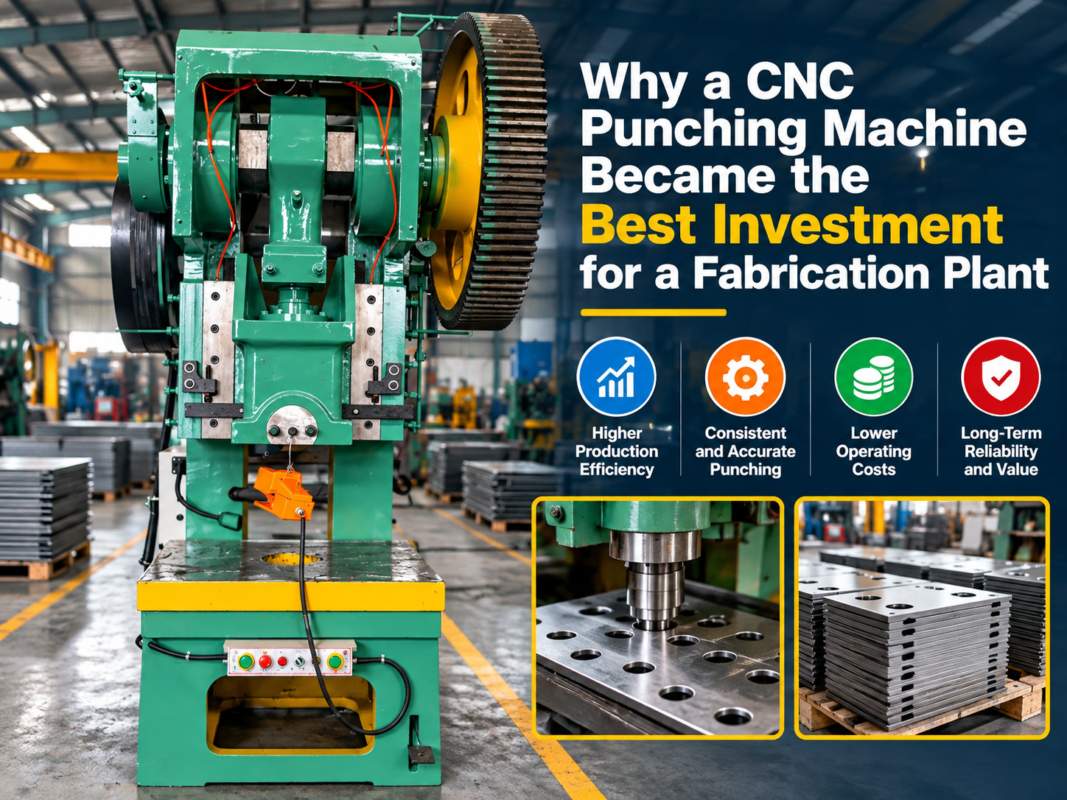
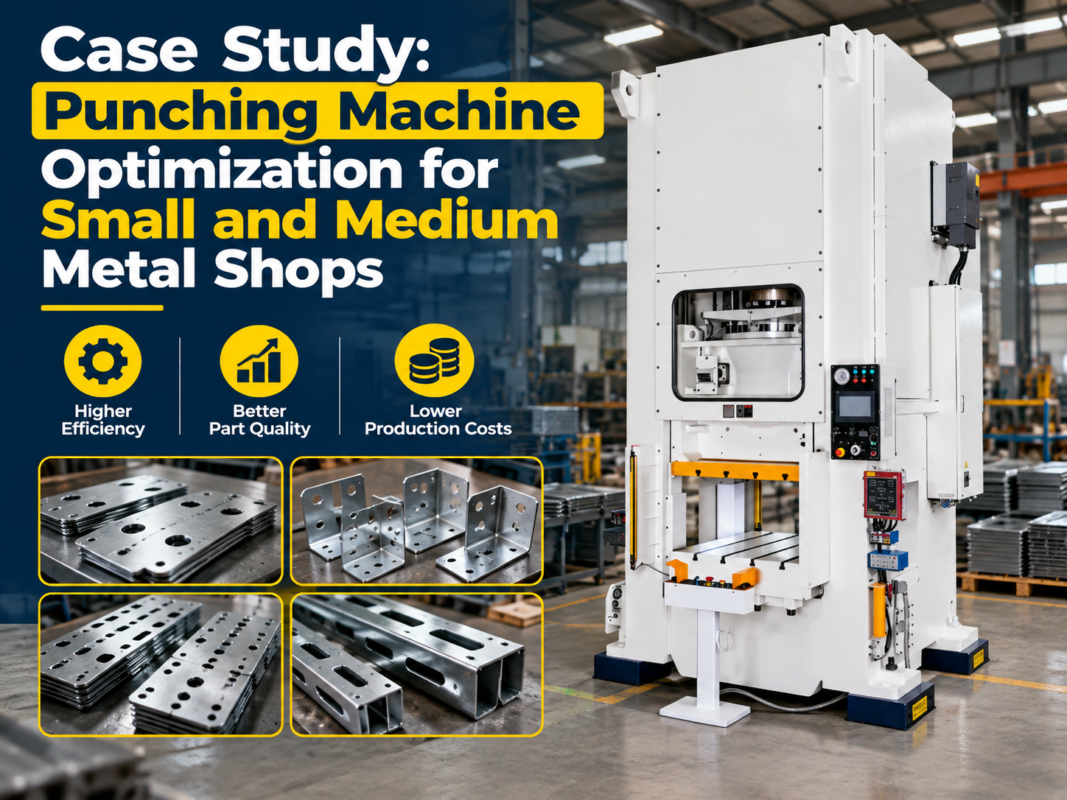
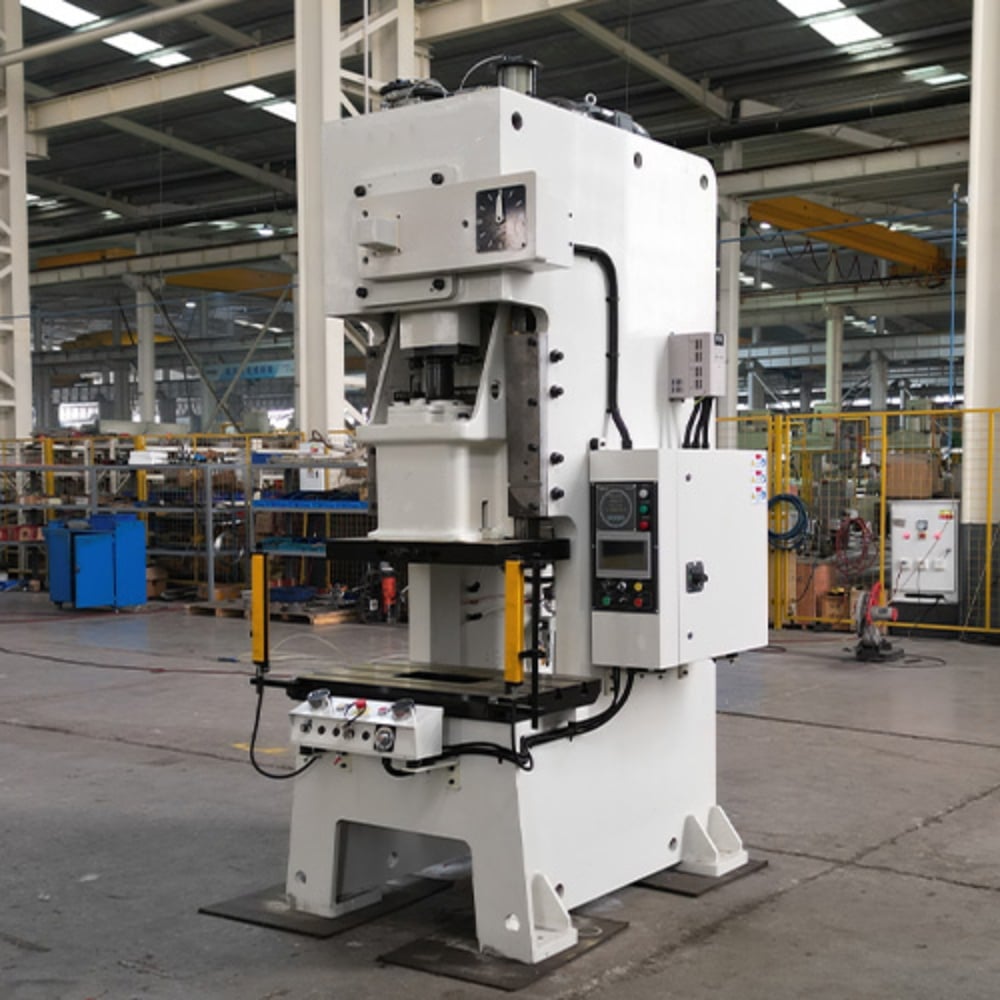
HARSLE punching machines are engineered with a focus on high-speed performance and extreme accuracy. The core of our technology lies in the servo-driven punching head, which provides consistent force and stroke control. This precision is essential for reducing waste, as it prevents the common issues of over-punching or misaligned holes that often lead to scrapped components in less capable machines.
The machine frame is constructed from high-rigidity steel, designed to absorb the vibrations generated during high-speed punching. Vibration control is critical because even minor oscillations can lead to inaccuracies in hole placement, especially when working with thin-gauge materials. By maintaining a stable platform, HARSLE machines ensure that every punch is placed exactly where it is programmed, minimizing the risk of errors that lead to material loss.
Our CNC control systems are equipped with advanced diagnostic tools that monitor the health of the machine in real-time. These systems can detect potential issues—such as tool wear or material slippage—before they result in defective parts. This proactive approach to maintenance and quality control is a hallmark of HARSLE equipment, ensuring that the production process remains uninterrupted and efficient.
Furthermore, the integration of automatic loading and unloading systems further enhances material utilization. By automating the material handling process, we eliminate the human error associated with manual sheet placement. These systems ensure that the sheet is perfectly aligned every time, allowing for tighter nesting and more consistent results across large production batches.
Selection Advice for Metal Fabrication Equipment
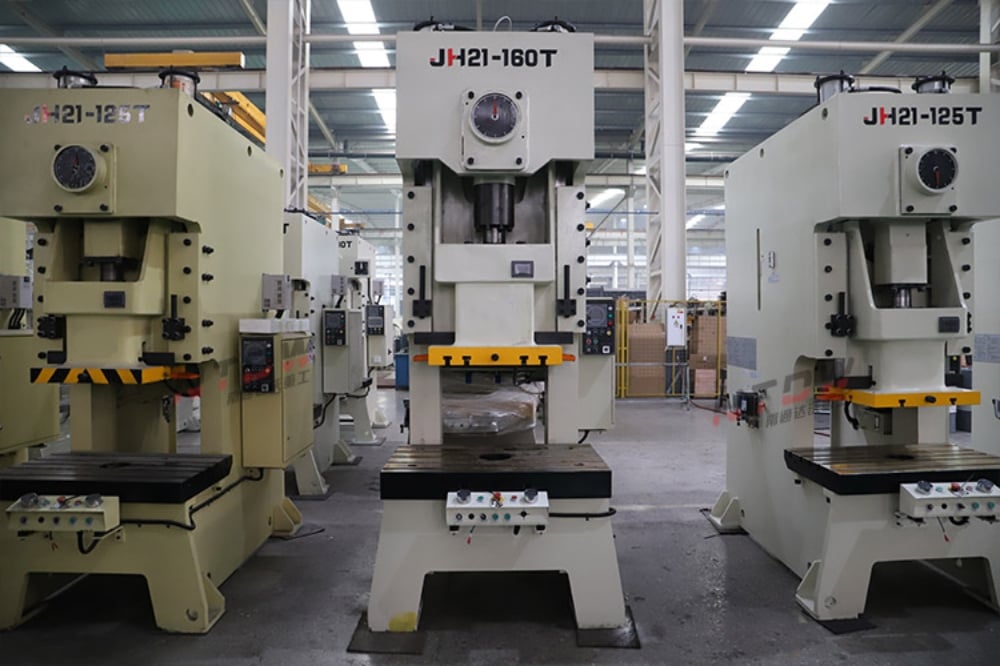
When selecting a punching machine, it is important to look beyond the initial purchase price. Consider the total cost of ownership, which includes energy consumption, maintenance requirements, and the potential for material savings. A machine that is slightly more expensive upfront but offers superior material utilization will almost always provide a better return on investment over its lifespan.
Evaluate the machine’s compatibility with your existing software ecosystem. Seamless integration between your CAD/CAM software and the machine’s controller is essential for efficient nesting and programming. HARSLE machines are designed to be “plug-and-play” with most industry-standard software, allowing for a smooth transition and immediate improvements in production efficiency.
Consider the versatility of the machine. Can it handle a wide range of materials and thicknesses? A machine that can perform multiple functions—such as punching, forming, and tapping—reduces the need for secondary operations. By consolidating these processes, you reduce the handling time and the risk of damage to the parts, further contributing to a reduction in waste.
Finally, look for a manufacturer that provides comprehensive support and training. The complexity of modern punching machines means that ongoing technical assistance is vital. HARSLE offers extensive training programs to ensure your team is equipped to handle the machine’s advanced features, from basic operation to complex nesting strategies. Investing in your team is just as important as investing in the machinery itself.
FAQ: Optimizing Punching Operations
- How does a CNC punching machine reduce waste compared to laser cutting? While laser cutting is excellent for complex contours, punching is often more efficient for high-volume production of parts with standard hole patterns. Punching machines produce less heat-affected zone (HAZ) and allow for more efficient nesting of repetitive shapes.
- What is the role of nesting software in material waste reduction? Nesting software uses algorithms to arrange parts on a sheet to minimize the space between them. This maximizes the number of parts per sheet, directly reducing the amount of scrap metal generated.
- Can HARSLE machines handle different sheet thicknesses without adjustment? Yes, our machines feature automatic stroke adjustment and programmable ram control, allowing for seamless transitions between different material thicknesses without manual intervention.
- How often should I perform maintenance to ensure material efficiency? Regular maintenance, such as checking tool sharpness and lubricating the drive system, is essential. We recommend a preventative maintenance schedule based on the machine’s operating hours to keep it running at peak performance.
- Is it possible to retrofit older machines for better material efficiency? While some upgrades are possible, the structural and control limitations of older machines often make them less efficient than modern, integrated solutions. Investing in a new HARSLE machine is usually the most cost-effective path to significant waste reduction.
Conclusion
The Punching Machine Case Study: Reducing Material Waste In Metal Fabrication demonstrates that efficiency is not an accident; it is the result of deliberate engineering and strategic planning. By choosing HARSLE punching machinery, fabricators can leverage advanced technology to minimize scrap, improve part quality, and enhance overall profitability. The combination of high-rigidity frames, intelligent nesting software, and precise servo control creates a production environment where every sheet of metal is used to its full potential.
As the metal fabrication industry continues to evolve, the focus on sustainability and waste reduction will only intensify. Companies that adopt these advanced technologies today will be better positioned to compete in a market that demands both speed and efficiency. HARSLE remains committed to providing the tools and expertise necessary to help our clients achieve these goals, ensuring that your fabrication shop remains at the forefront of industrial innovation.
We invite you to explore our range of punching solutions and discover how HARSLE can transform your production floor. Whether you are looking to upgrade your existing equipment or are starting a new facility, our team is ready to provide the guidance and support you need to succeed. Let us help you turn your material waste into a competitive advantage.