Why Your Shearing Machine Is Leaving Uneven Cuts and How to Correct It


Introduction
In the precision-driven world of metal fabrication, the quality of your output is only as good as the reliability of your equipment. A shearing machine is the backbone of many workshops, tasked with delivering clean, accurate, and repeatable cuts on various metal thicknesses. However, operators often face the frustrating challenge of inconsistent results. When you notice that your shearing machine is leaving uneven cuts, it is not just a minor annoyance; it is a signal that your production efficiency is dropping and your material waste is rising.
Understanding why your shearing machine is leaving uneven cuts and how to correct it requires a systematic approach to machine diagnostics. From blade clearance to hydraulic pressure stability, several mechanical and operational factors contribute to the quality of the shear. At HARSLE, we emphasize that proactive maintenance and precise calibration are the keys to longevity and performance. This guide will walk you through the common culprits behind uneven cuts and provide actionable steps to restore your machine to peak operational status.
Whether you are working with mild steel, stainless steel, or aluminum, the physics of the shearing process remains the same. The interaction between the upper and lower blades must be perfectly synchronized. Any deviation, whether due to wear, misalignment, or structural instability, will manifest as burrs, twists, or uneven edges. By addressing these issues early, you prevent costly downtime and ensure that your fabrication shop maintains its reputation for high-quality output.

Key Considerations for Shearing Precision
The primary factor influencing cut quality is the clearance between the upper and lower blades. If the gap is too wide, the material will bend and pull into the gap rather than being cleanly sheared, resulting in a burr or a jagged edge. Conversely, if the gap is too tight, the blades may collide or experience excessive friction, leading to premature wear and potential damage to the blade edges. Achieving the ‘sweet spot’ for clearance is essential for every material thickness you process.
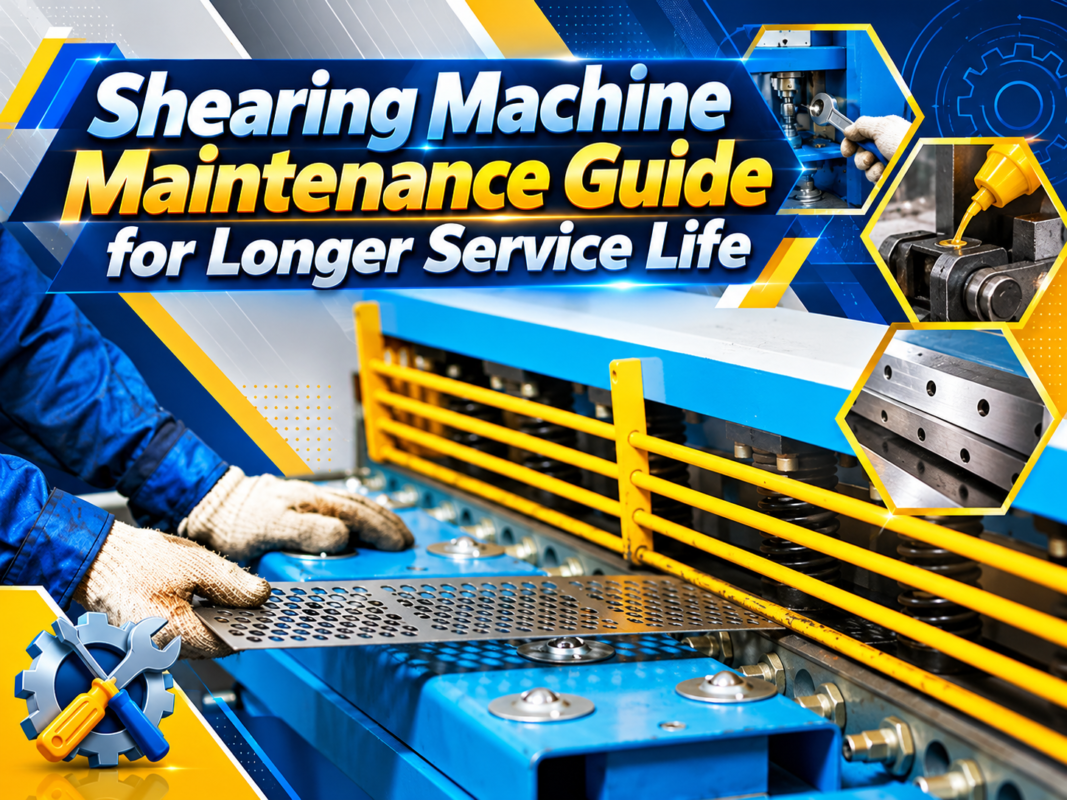
Another critical consideration is the condition of the blades themselves. Over time, the cutting edges of the blades become dull. A dull blade requires more force to penetrate the metal, which increases the stress on the machine frame and often leads to uneven shearing. Regular inspection of the blade edges for chipping or rounding is a mandatory maintenance task. If you notice the machine struggling to cut through material that it previously handled with ease, the blades are likely the first place to look.
Material hold-down pressure is often overlooked by operators. The hold-down cylinders (or clamps) must exert sufficient force to keep the sheet metal perfectly flat against the table during the entire shearing cycle. If the hold-down pressure is inconsistent or insufficient, the sheet will shift or lift during the cut, causing the blade to travel at an angle relative to the material. This results in a cut that is not square and often exhibits a noticeable ‘twist’ or ‘bow’ along the edge.
Finally, consider the structural integrity of the machine frame and the parallelism of the blade bed. If the machine has been subjected to overloading or has not been leveled correctly on the shop floor, the frame may experience slight torsion. Even a fraction of a millimeter of misalignment can translate into significant unevenness in the final cut. Ensuring your machine is properly anchored and leveled is a foundational step in maintaining precision.
Technical Details: Troubleshooting the Mechanism
When investigating why your shearing machine is leaving uneven cuts, you must examine the hydraulic system. Hydraulic shears rely on consistent pressure to drive the ram. If the hydraulic oil is contaminated, or if the pressure relief valves are malfunctioning, the ram may not descend with uniform speed or force. This inconsistency can cause the blade to ‘hesitate’ or tilt during the cut, leading to an uneven finish. Regularly checking your hydraulic fluid levels and filter health is essential for smooth operation.
The blade gap adjustment mechanism is another technical area that requires scrutiny. Most modern HARSLE shearing machines feature motorized or manual gap adjustment systems. If the mechanical linkage or the digital readout for the gap is calibrated incorrectly, you will be operating with the wrong clearance for your material. Always verify the gap setting using a feeler gauge rather than relying solely on the machine’s display, especially if you suspect the sensor may be drifting.
Consider the backgauge system. The backgauge is responsible for positioning the material accurately. If the backgauge is not parallel to the blade line, the material will be fed into the machine at an angle. This will result in a cut that is square to the backgauge but not square to the sheet edge, or worse, a cut that tapers across the length of the sheet. Periodically checking the parallelism of the backgauge to the lower blade is a standard procedure that should be included in your weekly maintenance checklist.
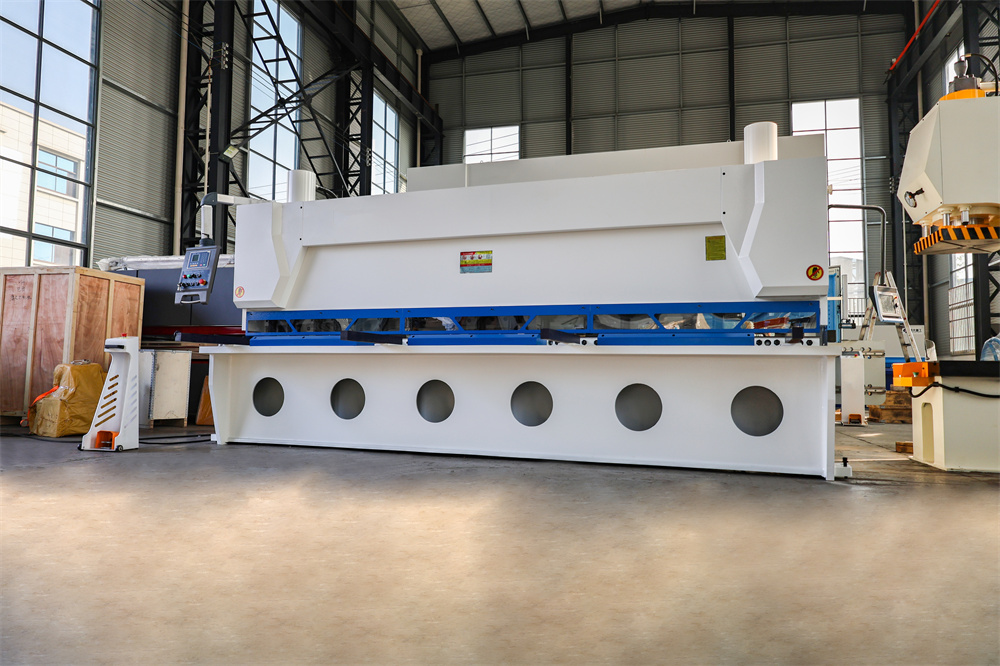
Furthermore, the blade rake angle plays a significant role in the shearing process. The rake angle is the angle at which the upper blade is tilted relative to the lower blade. A higher rake angle reduces the force required to cut thicker materials but can increase the tendency for the material to twist. If you are cutting thin sheets and experiencing distortion, you may need to adjust the rake angle to a shallower setting. Understanding the relationship between rake angle, material thickness, and cut quality is a hallmark of an expert operator.
Selection Advice: Choosing the Right Shearing Machine
When selecting a shearing machine, it is vital to match the machine’s specifications to your specific production requirements. A common mistake is purchasing a machine that is consistently pushed to its maximum capacity. A machine operating at 90-100% of its rated capacity will experience significantly more wear and tear, leading to the very uneven cuts you are trying to avoid. Always opt for a machine with a capacity buffer of at least 20% above your most frequent application.
Consider the type of material you process most often. If your shop specializes in high-tensile stainless steel, you need a machine with a robust frame and high-quality, hardened blades designed for tougher materials. If you work primarily with thin-gauge aluminum, features like adjustable rake angles and sensitive hold-down pressure controls become more important than raw cutting force. HARSLE offers a range of machines tailored to these specific industrial needs.
Look for advanced features that simplify maintenance and calibration. Modern shearing machines often include CNC controllers that automate blade gap and rake angle adjustments based on the material type and thickness entered by the operator. These systems significantly reduce human error and ensure that the machine is always configured for optimal performance. Investing in a machine with these capabilities is an investment in consistent quality.
Finally, consider the support and service network of the manufacturer. A shearing machine is a long-term asset. Having access to genuine spare parts, technical support, and expert advice is invaluable when you encounter issues. HARSLE provides comprehensive documentation and support to ensure that our clients can troubleshoot and correct issues like uneven cuts quickly, minimizing downtime and maximizing productivity.
FAQ: Common Questions About Shearing Quality
- Q: How often should I check my blade clearance?
A: You should check the blade clearance every time you change the material thickness or type. For high-volume production, a daily check is recommended to ensure the gap hasn’t drifted. - Q: Why does my material have a burr on the edge?
A: A burr is usually a sign that the blade clearance is too large. The material is being pulled into the gap rather than sheared. Reduce the gap to correct this. - Q: Can a dull blade cause the machine to stall?
A: Yes. A dull blade increases the cutting force required, which can cause the hydraulic system to reach its pressure limit or cause the machine to struggle, resulting in poor cut quality. - Q: Does the hold-down pressure affect the squareness of the cut?
A: Absolutely. If the sheet moves during the cut, the resulting edge will not be square. Ensure your hold-down cylinders are functioning correctly and applying even pressure across the entire length of the sheet. - Q: How do I know if my blades need sharpening?
A: Inspect the edges for visible chipping, rounding, or dullness. If you notice increased burr formation despite having the correct blade gap, it is time to sharpen or replace the blades.
Conclusion
Addressing the issue of why your shearing machine is leaving uneven cuts is a process of elimination. By systematically checking the blade clearance, blade sharpness, hold-down pressure, and machine alignment, you can identify the root cause and implement the necessary corrections. Remember that precision in metal fabrication is not a one-time setup but a continuous commitment to maintenance and operational excellence.
At HARSLE, we are dedicated to providing the industrial machinery and the knowledge base required to keep your shop running at peak efficiency. Whether you are troubleshooting an existing machine or looking to upgrade to a more advanced system, understanding the mechanics of your equipment is the first step toward success. Do not let uneven cuts compromise your project quality; take the time to calibrate, maintain, and optimize your shearing machine today.
By following the guidelines outlined in this article, you can ensure that your shearing machine remains a reliable and productive asset for years to come. If you continue to experience issues despite following these steps, do not hesitate to reach out to our technical support team for further assistance. Your commitment to quality is what sets your fabrication shop apart, and we are here to support that mission every step of the way.