
Руководство по покупке пробивных машин для начинающих: ключевые характеристики, типы и применения


Обзор ценового диапазона
Entering the world of metal fabrication requires a clear understanding of the financial landscape. For beginners, the price range for a punching machine is vast, typically spanning from $15,000 for entry-level manual or semi-automatic hydraulic units to upwards of $250,000 for high-speed, fully automated CNC turret punching systems. Understanding where your specific needs fall within this spectrum is the first step in making a sound investment.
Entry-level machines are often characterized by simpler controls and lower tonnage capacities. These are ideal for small workshops or businesses focusing on low-volume, custom metal parts. While the initial capital expenditure is lower, these machines often require more manual intervention, which can impact long-term labor costs. They serve as a perfect starting point for those transitioning from manual drilling or basic shearing processes.
Mid-range machines, typically priced between $60,000 and $120,000, offer a balance of automation and versatility. These units often feature CNC controls, automatic tool changers, and higher hit rates per minute. They are the workhorses of medium-sized fabrication shops, capable of handling a variety of materials and thicknesses with consistent precision. Investing in this tier often provides the best balance between cost and production capacity for growing businesses.
High-end, fully automated systems represent the top tier of the market. These machines are designed for high-volume production environments where speed, accuracy, and minimal human intervention are critical. While the price tag is significant, the throughput capabilities and advanced software integration can lead to substantial operational efficiencies. For a beginner, jumping straight to this level requires a robust business plan and a clear understanding of your production volume requirements.
Main Cost Drivers
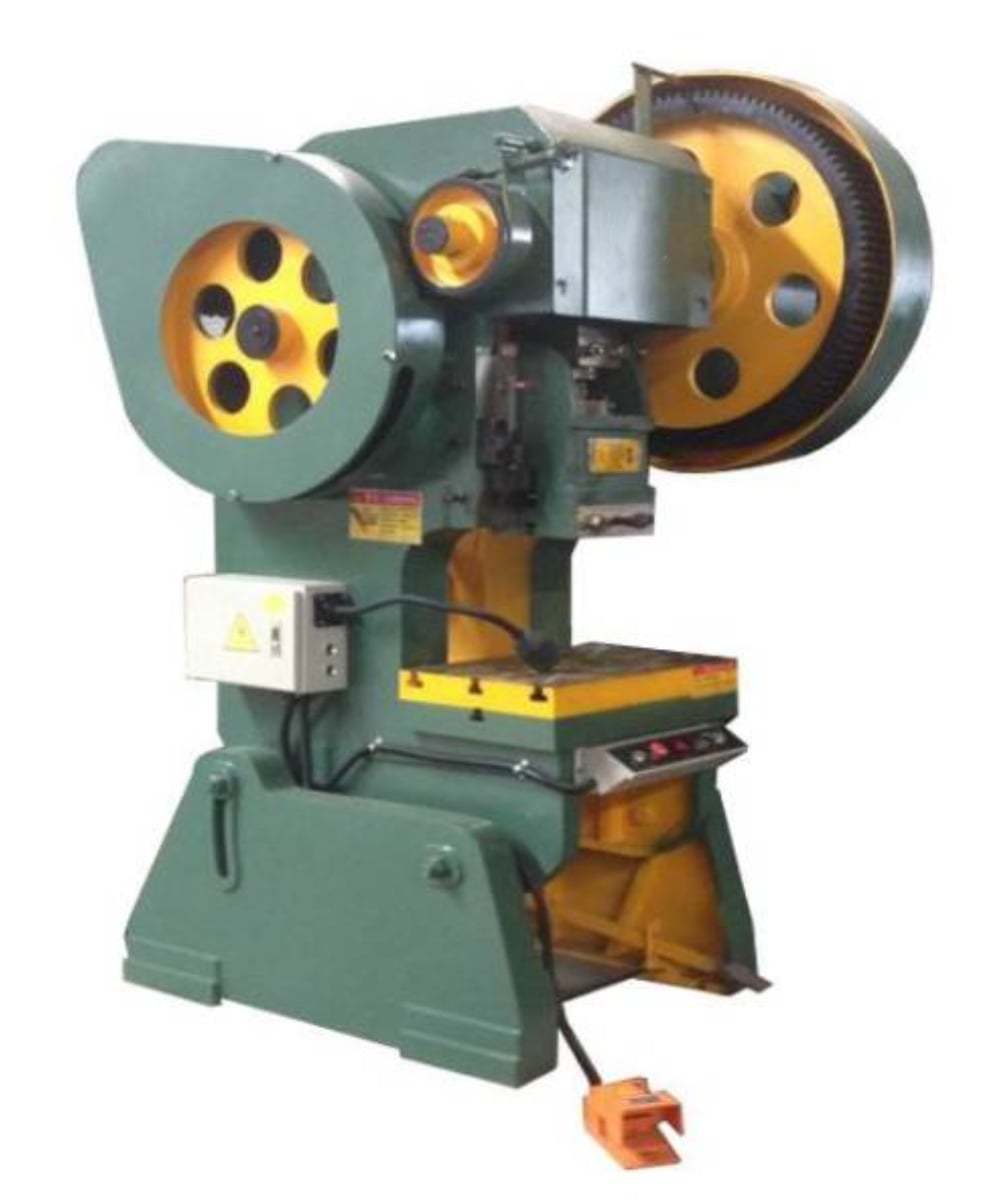
Several factors dictate the final price of a punching machine. The most significant driver is the tonnage capacity. Tonnage refers to the force the machine can exert to punch through metal. Higher tonnage machines require more robust frames, larger hydraulic systems, and more powerful motors, all of which drive up the cost. Beginners must accurately assess the maximum thickness and material type they intend to process to avoid over-specifying and over-spending.
The level of automation is another primary cost driver. A basic machine might require manual loading and unloading of sheets, whereas an advanced system can feature automated sheet loaders, part unloaders, and scrap removal systems. While these features significantly increase the upfront cost, they drastically reduce labor costs and increase machine uptime. Evaluating your labor availability and production goals is essential when deciding on the level of automation required.
Tooling complexity and the number of tool stations also play a major role. A machine with a large turret capacity allows for more complex parts to be produced without stopping to change tools. This reduces setup time and increases overall productivity. However, each additional tool station adds to the complexity and cost of the turret assembly. Beginners should look for a machine that offers enough flexibility for their current product range while allowing for future growth.
Software and control systems are often overlooked but are critical cost components. Modern CNC punching machines rely on sophisticated software for nesting, tool path optimization, and machine diagnostics. High-quality, user-friendly software can reduce programming time and material waste. Investing in a machine with a reputable, well-supported control system ensures that your operators can quickly learn the machine and maintain high productivity levels.
Configuration Impact
The configuration of your punching machine directly impacts its performance and suitability for specific applications. A turret-style punching machine, for instance, is highly versatile, allowing for a wide range of hole shapes and sizes to be punched in a single setup. This configuration is ideal for shops that handle diverse projects with varying design requirements. The turret rotates to bring the required tool into position, minimizing downtime.
Another configuration option is the single-head punching machine. These are generally more compact and less expensive than turret machines. They are excellent for specific, repetitive tasks where tool changes are infrequent. For a beginner, a single-head machine might be a cost-effective entry point if your production is focused on a limited range of parts. However, they lack the flexibility of turret systems for complex, multi-feature designs.
The drive system—mechanical, hydraulic, or electric—also defines the machine’s configuration. Hydraulic systems are known for their reliability and high force, making them suitable for thicker materials. Electric servo-driven machines, on the other hand, offer superior energy efficiency, higher hit rates, and quieter operation. Understanding the trade-offs between these drive systems is crucial for aligning the machine with your shop’s environmental and operational goals.
Finally, consider the throat depth and sheet size capacity. The throat depth determines how far into the sheet the machine can reach. If you are working with large panels, a machine with a deep throat is essential. Conversely, if your work is limited to smaller components, a smaller machine will save floor space and reduce costs. Always measure your largest potential workpiece before finalizing your configuration choices.
Hidden Costs
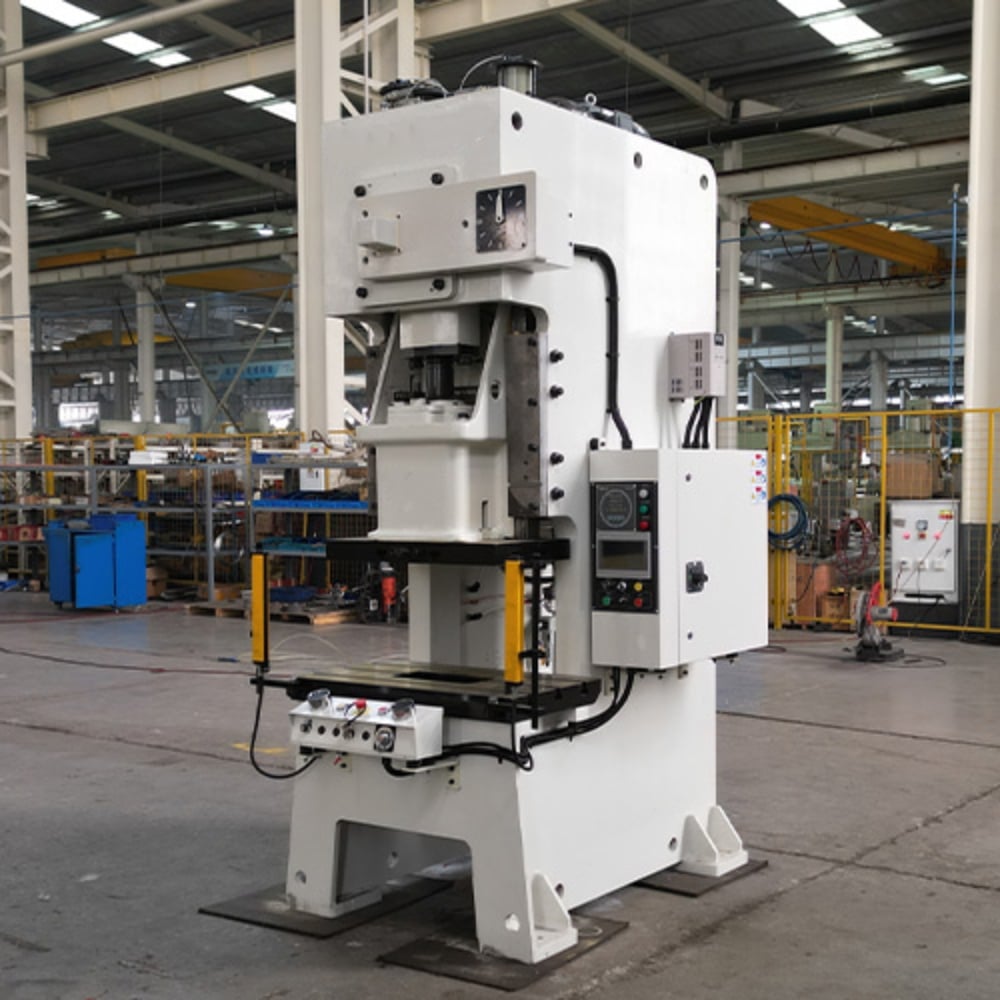
When budgeting for a punching machine, the purchase price is only the beginning. Hidden costs can quickly accumulate if not accounted for during the planning phase. Installation and commissioning are often separate line items. This includes professional rigging to move the machine into your facility, leveling, electrical hookups, and initial calibration by the manufacturer’s technicians. These costs can range from a few thousand to over ten thousand dollars depending on the machine size.
Tooling is a major ongoing expense. Punching machines require high-quality punches and dies that wear out over time. Depending on the material hardness and thickness, you will need to budget for regular sharpening or replacement of these tools. Additionally, specialized tooling for complex shapes or forming operations (like louvers or embossments) can be expensive and should be factored into your project costs.
Maintenance and spare parts are another critical consideration. Like any industrial machinery, punching machines require routine lubrication, hydraulic fluid changes, and filter replacements. Furthermore, unexpected breakdowns can lead to costly downtime. Having a service contract or a dedicated maintenance budget is essential. Don’t forget to factor in the cost of training your staff; a machine is only as productive as the person operating it.
Energy consumption and floor space costs are often ignored. High-tonnage machines have significant power requirements, which can impact your monthly utility bills. Additionally, the footprint of the machine, including safety zones and material handling areas, takes up valuable floor space. If you need to expand your facility to accommodate the machine, these costs must be included in your overall investment analysis.
ROI Calculation
Calculating the Return on Investment (ROI) is the most important step in justifying the purchase of a punching machine. Start by calculating the cost per part. This involves dividing the total hourly operating cost (including labor, electricity, maintenance, and tooling) by the number of parts produced per hour. Compare this to your current production method—whether it’s manual punching, laser cutting, or outsourcing.
Consider the value of increased production speed. If a new machine allows you to produce parts twice as fast, you are effectively doubling your capacity without necessarily doubling your labor costs. This increased throughput can lead to faster lead times, which can be a significant competitive advantage in winning new business. Factor in the potential for new revenue streams that were previously impossible due to production limitations.
Material utilization is another key ROI factor. Modern CNC punching machines often feature advanced nesting software that optimizes the layout of parts on a sheet, significantly reducing scrap metal. The savings from reduced material waste can be substantial over the life of the machine. When calculating ROI, estimate the percentage of material savings and translate that into annual dollar savings.
Finally, consider the reduction in secondary operations. A versatile punching machine can often perform forming, tapping, and marking operations in the same cycle as the punching. By eliminating the need to move parts to other machines or workstations, you reduce handling time and the risk of damage. This streamlined workflow is a major contributor to a positive ROI and should be carefully quantified in your business case.
Buying Advice
For beginners, the best advice is to start with a clear definition of your requirements. Don’t buy for the “what if” scenarios; buy for the work you have today and the work you are confident you will have in the next 12 to 24 months. Over-specifying leads to wasted capital, while under-specifying leads to production bottlenecks. Consult with multiple manufacturers and ask for references from other shops similar to yours.
Prioritize support and service. A machine is a long-term commitment. Ensure that the manufacturer or distributor has a strong local presence, a readily available supply of spare parts, and a team of qualified technicians who can provide training and support. A cheaper machine with poor support will eventually cost you more in downtime than a slightly more expensive machine from a reputable brand.
Test the software before you buy. Ask for a demonstration of the programming process. Is it intuitive? Does it integrate well with your existing CAD/CAM software? The ease of programming is a major factor in how quickly you can get the machine up and running. If your operators find the software difficult to use, your productivity will suffer regardless of how good the hardware is.
Finally, consider the resale value. High-quality, well-maintained punching machines from reputable brands hold their value well. If your business needs change in the future, being able to sell or trade in your machine can provide the capital needed for your next upgrade. Look for brands with a proven track record of longevity and reliability in the metal fabrication industry.
Часто задаваемые вопросы
- What is the difference between a mechanical and hydraulic punching machine? Mechanical machines use a flywheel and clutch system, offering high speed but less control over the stroke. Hydraulic machines offer more control, consistent force throughout the stroke, and are generally safer and more versatile.
- How often should I sharpen my punching tools? This depends on the material type, thickness, and the number of hits. As a rule of thumb, monitor the burr height on your parts. When the burr exceeds a certain threshold, it’s time to sharpen the punch and die.
- Can a punching machine perform other operations besides punching? Yes, many modern machines can perform forming, embossing, louvers, and even tapping, depending on the tooling installed.
- What is the most important factor when choosing a punching machine? The most important factor is matching the machine’s capabilities (tonnage, sheet size, and speed) to your specific production requirements and budget.
- How long does it take to train an operator? Basic operation can be learned in a few days, but mastering the software and advanced tooling setups can take several weeks or months of consistent practice.


