
Как купить пробивную машину: Полный гид для владельцев металлообрабатывающих мастерских


Обзор ценового диапазона
When you decide to buy a punching machine: a complete metal workshop owners guide, the first hurdle is understanding the vast price spectrum. Industrial punching machines are not one-size-fits-all investments; they range from entry-level manual or hydraulic ironworkers costing $5,000 to $15,000, to high-end CNC turret punching centers that can exceed $250,000. For most small-to-medium metal workshops, the sweet spot often lies in the $40,000 to $120,000 range, where you find reliable, automated hydraulic or servo-driven systems.
Entry-level machines are typically single-station or manual-feed units. These are excellent for low-volume production or specialized tasks where precision is less critical than versatility. As you move up the price ladder, you are paying for speed, tool-changing capabilities, and software integration. Mid-range machines often feature automatic tool changers and basic CNC controls, which significantly reduce labor costs and increase throughput for repetitive tasks.
High-end punching machines represent the pinnacle of metal fabrication technology. These systems often include integrated loading and unloading automation, multi-tool stations, and advanced nesting software that minimizes material waste. While the initial capital expenditure is high, the cost-per-part is significantly lower due to the speed and efficiency of the operation. Understanding where your production volume sits is the first step in determining your budget.
It is also important to consider the secondary market. Used punching machines can offer significant savings, but they come with risks regarding wear and tear, outdated software, and lack of manufacturer support. If you choose to buy a used machine, ensure you have a budget set aside for immediate refurbishment and potential software upgrades. For most growing workshops, a new machine with a full warranty is the safer, more predictable investment.
Main Cost Drivers
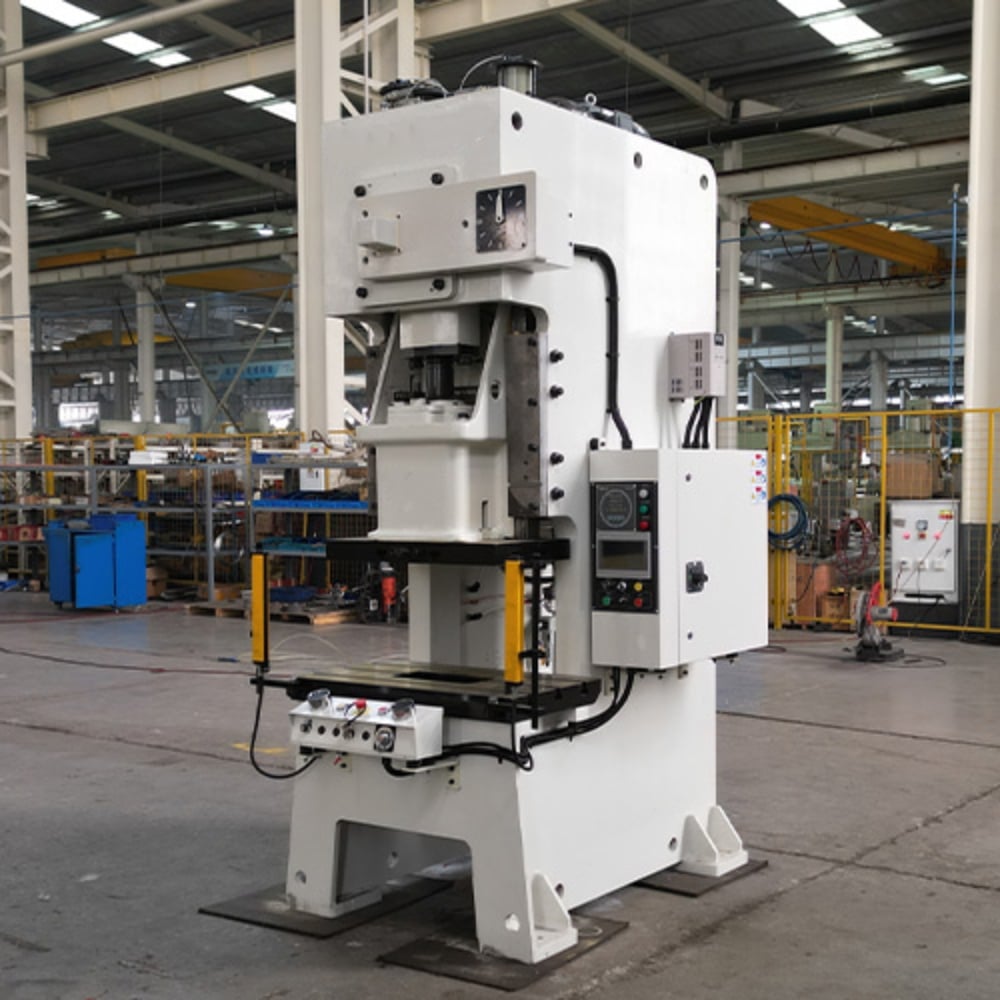
Several factors dictate the final price tag when you buy a punching machine: a complete metal workshop owners guide must emphasize that tonnage is the primary driver. Tonnage refers to the force the machine can exert. A 20-ton machine is sufficient for thin sheet metal, but if your workshop handles thick plate steel, you may require 50 tons or more. Higher tonnage requires a more robust frame, larger hydraulic cylinders, and more powerful motors, all of which increase the cost.
The throat depth and table size are the next major variables. The throat depth determines the maximum distance from the edge of the sheet to the center of the punch. If you are working with large panels, a deep throat is non-negotiable. Larger tables allow for bigger sheets, reducing the need for repositioning, which saves time and improves accuracy. However, larger frames require more floor space and higher-grade materials, pushing the price upward.
Tooling capacity and the type of turret are also critical cost drivers. A machine with a single punch station is far cheaper than a turret punch with 30+ stations. The turret allows the machine to hold a variety of tools simultaneously, enabling complex patterns to be punched without stopping to change dies. If your production involves diverse shapes and sizes, the investment in a high-capacity turret will pay for itself through reduced setup time.
Finally, the control system and software integration play a massive role. Modern CNC controllers are essentially powerful computers that manage the entire punching process. Advanced software that can handle complex nesting—arranging parts on a sheet to minimize scrap—is often an additional cost but is essential for profitability. When evaluating quotes, ensure you understand whether the software is included or if it requires a separate licensing fee.
Configuration Impact
The configuration of your punching machine determines how it fits into your existing workflow. When you buy a punching machine: a complete metal workshop owners guide, you must consider whether you need a standalone unit or a system that can be integrated into a larger production line. A standalone machine is flexible but requires manual loading and unloading, which can become a bottleneck as your business grows.
Servo-electric punching machines are becoming the industry standard due to their energy efficiency and speed. Unlike traditional hydraulic machines, which keep the pump running constantly, servo-electric systems only consume power during the actual punching stroke. This can lead to significant electricity savings over the life of the machine. While the upfront cost of servo-electric technology is higher, the lower operating costs and reduced maintenance requirements make it a compelling choice for high-volume shops.
Consider the tool-changing mechanism. Some machines use a simple manual tool change, which is fine for small batches. Others use automatic tool changers (ATC) that can swap out punches and dies in seconds. If your workflow involves frequent job changes, an ATC is essential. It prevents the machine from sitting idle while an operator manually swaps tools, effectively doubling or tripling your daily output.
Integration with other equipment is another configuration factor. Can the machine communicate with your CAD/CAM software? Does it have the capability to be paired with an automated material loader? As you scale, the ability to automate the material handling process becomes more important than the punching speed itself. Always look for machines that offer modular upgrades, allowing you to add automation later as your budget and production needs evolve.
Hidden Costs
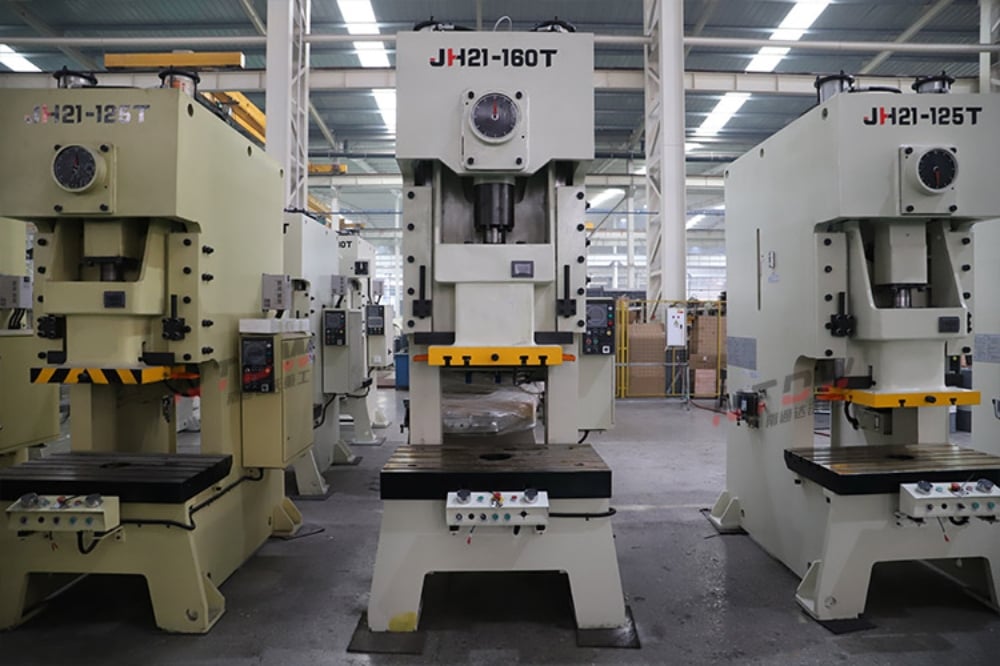
When you buy a punching machine: a complete metal workshop owners guide, you must look beyond the sticker price. Installation and commissioning are often overlooked. Heavy machinery requires a reinforced concrete foundation, specialized electrical hookups, and potentially pneumatic lines. These site preparation costs can easily run into the thousands of dollars and should be factored into your initial budget.
Tooling is a major ongoing expense. Punches and dies are consumables; they wear out over time and need to be sharpened or replaced. Depending on the complexity of your parts, you may need a wide array of specialized tools. It is wise to negotiate a “starter kit” of common punch and die sets with the manufacturer when you purchase the machine. Additionally, consider the cost of a tool grinding machine to keep your punches sharp, which extends their life and improves cut quality.
Maintenance and training are also significant hidden costs. Your operators need to be trained on the specific CNC interface of the new machine. If you don’t have in-house expertise, you may need to pay for manufacturer-led training sessions. Furthermore, regular preventative maintenance—lubrication, filter changes, and software updates—is necessary to avoid costly downtime. Budget for a service contract or ensure your team is capable of performing these tasks in-house.
Finally, consider the cost of waste management and scrap handling. A high-speed punching machine produces a lot of scrap metal. You will need a system to collect and dispose of this material efficiently. Some workshops invest in scrap conveyors or compactors to keep the floor clean and safe. These peripheral pieces of equipment are often forgotten until the machine is already on the floor, so plan for them early in the buying process.
ROI Calculation
Calculating the Return on Investment (ROI) is essential before you buy a punching machine: a complete metal workshop owners guide. To calculate ROI, start by determining the total cost of ownership (TCO), which includes the purchase price, installation, training, and estimated maintenance over five years. Then, estimate the increase in production capacity and the reduction in labor costs per part.
For example, if a new machine allows you to produce 50% more parts per hour with 30% less labor, you can quantify the value of those savings. If you are currently outsourcing your punching work, compare the cost of the new machine against the annual fees paid to external vendors. Often, the ability to bring work in-house provides not just cost savings, but also better control over quality and lead times, which can help you win more business.
Don’t forget to factor in the reduction of material waste. Modern nesting software can improve material utilization by 10-15%. If you process thousands of dollars of sheet metal each month, a 10% reduction in waste is a significant annual saving that contributes directly to your ROI. Calculate these savings over the expected lifespan of the machine, typically 10 to 15 years, to get a clear picture of the financial benefit.
Finally, consider the “opportunity cost” of not upgrading. If your current equipment is slow or unreliable, you are likely losing jobs to competitors who can offer faster turnaround times. The ROI isn’t just about saving money; it’s about the potential for growth. A more efficient machine allows you to take on larger, more complex projects that were previously impossible, opening up new revenue streams for your workshop.
Buying Advice
The most important piece of advice when you buy a punching machine: a complete metal workshop owners guide is to prioritize manufacturer support. A punching machine is a long-term asset, and you will eventually need spare parts or technical assistance. Choose a reputable manufacturer like HARSLE that has a strong track record, a local service network, and a reliable supply chain for replacement parts. Avoid “bargain” machines from unknown sources that may leave you stranded when a critical component fails.
Before signing a contract, request a demonstration. If possible, bring your own material and a sample part file to see how the machine handles your specific production requirements. This will reveal any limitations in speed, precision, or ease of use that aren’t apparent in a brochure. Ask the operator or the sales engineer about common issues and how they are resolved. A transparent manufacturer will be happy to show you the machine in action.
Check the software compatibility. Your punching machine should integrate seamlessly with your existing CAD/CAM workflow. If the machine requires proprietary software that is difficult to learn or incompatible with your current design tools, it will create a bottleneck. Look for machines that support standard file formats and offer intuitive interfaces that your team can master quickly.
Lastly, think about future-proofing. Even if you only need a basic machine today, consider whether the model you are buying can be upgraded with automation or additional tool stations later. A machine that grows with your business is a much better investment than one that you will need to replace in three years. Always ask about the upgrade path and the modularity of the system before making your final decision.
Часто задаваемые вопросы
- What is the difference between a turret punch and a single-station punch? A turret punch holds multiple tools and can switch between them automatically, whereas a single-station punch requires the operator to change the tool manually for each different hole size or shape.
- How often does a punching machine need maintenance? Routine maintenance should be performed daily (cleaning and lubrication), with more comprehensive inspections every 500 to 1,000 operating hours.
- Can I use a punching machine for stainless steel? Yes, but you must ensure the machine has sufficient tonnage and that you are using the correct grade of tooling, as stainless steel is harder and more abrasive than mild steel.
- What is the typical lifespan of a CNC punching machine? With proper maintenance, a high-quality industrial punching machine can last 15 to 20 years.
- Is it better to buy new or used? For most businesses, new is better due to warranties, modern software, and energy efficiency. Used machines are only recommended if you have the technical expertise to refurbish and maintain them.
- How do I choose the right tonnage? Calculate the perimeter of the hole, the thickness of the material, and the shear strength of the metal. A general rule is to ensure the machine’s tonnage exceeds the calculated force by at least 20% for safety.


