Best Press Brake for the Money: Price Guide by Application


Price Range Overview: Understanding the Investment
When searching for the best press brake for the money, price by application is the most critical metric to consider. The market for metal fabrication equipment is vast, ranging from entry-level manual machines to highly automated CNC systems. Generally, entry-level hydraulic press brakes for small job shops can range from $15,000 to $40,000. These machines are typically designed for lighter gauge materials and lower production volumes.
Mid-range press brakes, which offer a balance between speed, precision, and automation, typically fall into the $50,000 to $120,000 bracket. These machines are the workhorses of the industry, suitable for medium-sized fabrication shops that require consistent accuracy and moderate throughput. They often feature multi-axis backgauges and advanced controller interfaces that simplify complex bending sequences.
High-end, fully automated press brake cells can exceed $200,000 to $500,000. These systems are engineered for high-volume production environments where labor costs must be minimized and repeatability must be near-perfect. When evaluating the best press brake money price by application, you must weigh the initial capital expenditure against the long-term labor savings and material waste reduction.
It is important to note that the “best” machine is not necessarily the most expensive one. It is the one that aligns perfectly with your specific production requirements. Over-specifying a machine leads to unnecessary costs, while under-specifying leads to bottlenecks and poor quality. HARSLE provides a diverse range of solutions tailored to these specific tiers, ensuring that every fabricator finds the right fit for their operational scale.
Main Cost Drivers in Press Brake Technology
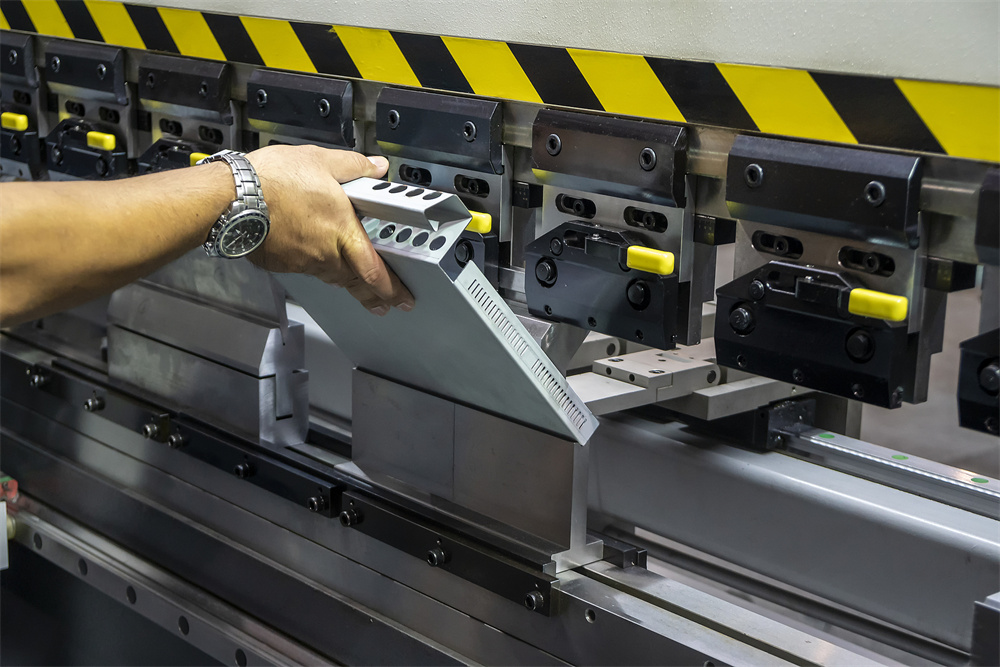
The primary cost driver for any press brake is the tonnage capacity. Tonnage refers to the amount of force the machine can exert to bend metal. Higher tonnage machines require more robust frames, larger hydraulic cylinders, and more powerful motors, all of which drive up the price. Fabricators must calculate their maximum bending force requirements based on material thickness, tensile strength, and bend length.
Another significant cost factor is the number of axes. A basic press brake might only control the ram depth (Y-axis) and the backgauge (X-axis). However, modern CNC press brakes often feature 4, 6, or even 8 axes of control. Each additional axis—such as R-axis (vertical backgauge movement) or Z-axis (finger movement)—adds complexity to the control system and the mechanical hardware, increasing the total cost.
The control system itself is a major price differentiator. Entry-level machines use simple digital readouts, while high-end machines utilize advanced 3D graphical controllers. These controllers allow for offline programming, collision detection, and automatic bend sequence calculation. Investing in a more intuitive controller can significantly reduce setup time, which is a hidden cost that many buyers overlook during the initial purchase phase.
Finally, the build quality and the origin of components play a role. Machines utilizing high-quality hydraulic valves, pumps, and electrical components from reputable global brands tend to have a higher upfront cost but offer better reliability and longer service life. When considering the best press brake for the money, price by application must account for the total cost of ownership, including maintenance and potential downtime costs associated with lower-quality components.
Configuration Impact: Tailoring to Your Application
The configuration of your press brake should be dictated by the specific applications you handle most frequently. For shops focusing on long, thin parts, a machine with a long bed length but lower tonnage is ideal. Conversely, shops working with thick plate steel require high tonnage machines with shorter bed lengths to prevent deflection and ensure structural integrity.
Tooling compatibility is another crucial configuration aspect. Standard European-style or American-style clamping systems allow for a wide range of off-the-shelf tooling. However, if your application involves specialized profiles, you may need custom tooling or hydraulic clamping systems. Hydraulic clamping significantly reduces the time required for tool changes, which is vital for shops that perform frequent job changeovers.
The backgauge system is the heart of precision bending. For simple 90-degree bends, a standard backgauge is sufficient. However, for complex parts with multiple flanges and varying bend angles, a multi-axis backgauge is essential. The ability to move backgauge fingers independently allows for tapered bends and complex geometries that would be impossible on a basic machine.
Safety features also impact configuration and price. Light curtains, laser safety systems, and physical guarding are standard on modern machines. While these add to the cost, they are non-negotiable for operator safety and compliance with international standards. HARSLE integrates these safety systems seamlessly into the machine design, ensuring that productivity is not compromised by safety protocols.
Hidden Costs: Beyond the Sticker Price
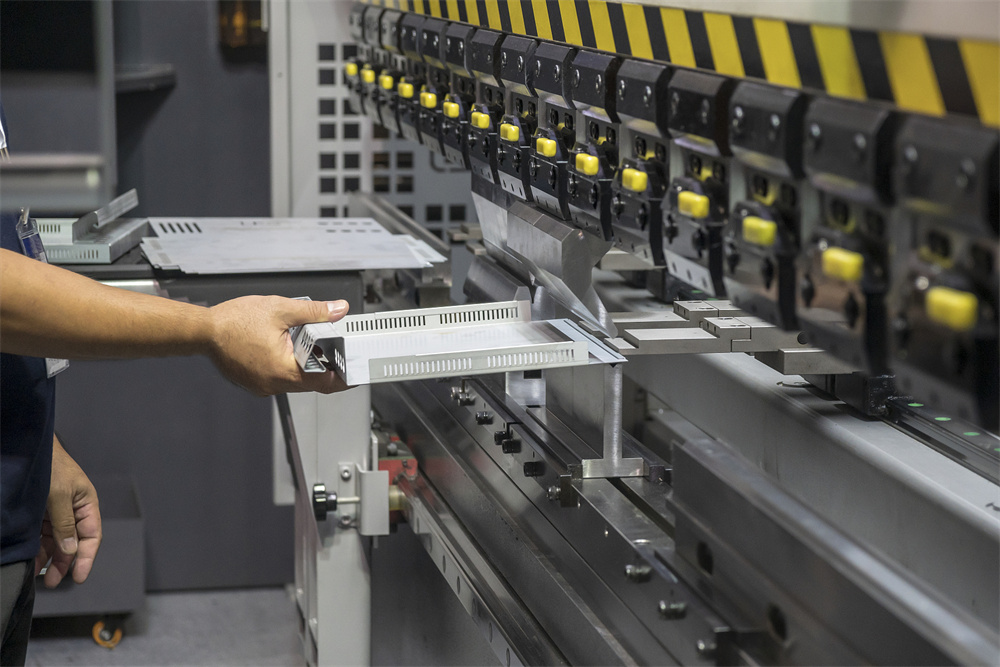
When calculating the best press brake money price by application, buyers often forget the hidden costs associated with installation and commissioning. Shipping heavy machinery, especially international freight, can be a significant expense. Additionally, you must account for the cost of a reinforced concrete foundation if the machine requires one, as well as the electrical and hydraulic hookups.
Tooling is perhaps the most significant hidden cost. Many base-model press brakes come with a standard set of punches and dies, but these are rarely sufficient for a diverse range of jobs. You should budget an additional 10% to 20% of the machine’s cost for a comprehensive tooling library. High-quality, hardened tooling will last longer and provide better bend accuracy, ultimately saving money in the long run.
Training and software are also frequently overlooked. Even the most advanced CNC press brake is only as good as the operator. Investing in professional training for your staff ensures that you can utilize the machine’s full potential. Furthermore, if you plan to use offline programming software to reduce machine downtime, you must factor in the cost of software licenses and the time required for staff to become proficient.
Maintenance and spare parts represent the ongoing cost of ownership. Regular preventative maintenance, including oil changes, filter replacements, and calibration, is necessary to keep the machine running at peak performance. Choosing a manufacturer like HARSLE, which offers robust technical support and readily available spare parts, can mitigate the costs associated with unexpected downtime.
ROI Calculation: Justifying the Investment
To determine the return on investment (ROI) for a new press brake, you must look at the increase in throughput and the reduction in labor costs. If a new CNC press brake allows you to complete a job in half the time of your old manual machine, the labor savings alone can pay for the machine within a few years. Calculate the hourly rate of your operators and multiply it by the time saved per part.
Material waste reduction is another key metric. Modern press brakes with advanced crowning systems and precise backgauges significantly reduce the number of scrap parts produced during setup. By achieving the correct bend angle on the first piece, you save on material costs and machine time. This is particularly important when working with expensive materials like stainless steel or aluminum.
Consider the potential for new business. A more capable press brake allows you to take on more complex projects that your competitors might not be able to handle. This expansion of your service offering can lead to higher profit margins and a more diverse client base. The ability to offer faster turnaround times can also be a competitive advantage that allows you to charge a premium for your services.
Finally, factor in the tax benefits and depreciation. In many regions, capital investments in manufacturing equipment can be depreciated over time, providing significant tax advantages. Consult with your financial advisor to understand how a new press brake purchase fits into your company’s tax strategy. When you combine these factors, the “best press brake for the money” becomes clear based on your specific financial goals.
Buying Advice: A Checklist for Success
Before making a purchase, define your “must-have” features versus your “nice-to-have” features. Start by listing the materials you bend most often, the maximum thickness, and the longest bend length. This will give you the baseline tonnage and bed length requirements. Do not buy more machine than you need, but ensure you have enough capacity for future growth.
Research the manufacturer’s reputation for support. A press brake is a long-term investment, and you need a partner who will be there for you years down the line. Look for companies that provide remote diagnostics, local service technicians, and comprehensive warranties. HARSLE prides itself on its customer-centric approach, ensuring that every client receives the support they need to succeed.
Request a demonstration or visit a showroom if possible. Seeing the machine in operation allows you to evaluate its build quality, the ease of use of the controller, and the noise levels. Ask to see a sample part bent on the machine to check for accuracy and consistency. If you cannot visit in person, ask for video demonstrations of the specific features you are interested in.
Finally, get multiple quotes and compare them carefully. Ensure that the quotes include the same level of equipment, shipping, installation, and training. Sometimes a lower price tag hides missing features or lack of support. By following this structured approach, you can confidently select the best press brake for the money, ensuring your investment pays dividends for years to come.
Frequently Asked Questions (FAQ)
- What is the most important factor when choosing a press brake? The most important factor is matching the machine’s tonnage and bed length to your specific material requirements and production volume.
- How often should I perform maintenance on my press brake? Routine maintenance should be performed according to the manufacturer’s schedule, typically every 6 to 12 months, to ensure longevity and accuracy.
- Is it worth buying a used press brake? Used machines can be cost-effective, but they carry risks regarding wear and tear and lack of modern features. Always have a professional inspect a used machine before purchase.
- What is the difference between a hydraulic and an electric press brake? Hydraulic press brakes are generally more powerful and better for heavy-duty work, while electric press brakes offer higher speed, energy efficiency, and precision for lighter applications.
- How does the backgauge affect the price? The number of axes and the complexity of the backgauge system directly impact the price; more axes allow for more complex bending but increase the cost.
- Can I upgrade my press brake later? Some features, like additional backgauge axes or advanced controllers, may be upgradable, but structural components like the frame and cylinders are fixed at the time of manufacture.