How to Compare Budget Laser Cutting Machines and Premium Industrial Models: A Comprehensive Guide


Comparison Summary: Understanding the Investment Gap
In the competitive world of metal fabrication, the decision to invest in a laser cutting machine is one of the most significant capital expenditures a business will make. When you set out to compare budget laser cutting machines and premium industrial models, you are not just looking at price tags; you are evaluating the long-term operational efficiency, precision, and reliability of your production line. Budget machines often appeal to startups or job shops with limited initial capital, offering a lower barrier to entry. However, these machines frequently compromise on component quality, software integration, and structural rigidity.
Premium industrial models, on the other hand, are engineered for high-volume, 24/7 operation. They utilize high-end laser sources, advanced motion control systems, and robust frames designed to minimize vibration and thermal expansion. While the upfront cost is significantly higher, the total cost of ownership (TCO) often favors premium models due to lower maintenance requirements, higher cutting speeds, and superior material utilization. Understanding this distinction is vital for any shop owner looking to scale their operations effectively.
The primary difference lies in the ‘hidden’ costs. A budget machine might save you $50,000 today, but if it requires frequent recalibration, suffers from laser source degradation, or lacks the software support to optimize nesting, it will cost you far more in wasted material and downtime over three years. Premium models are built with the assumption that downtime is the enemy of profit. They feature advanced diagnostics, better cooling systems, and more reliable laser resonators that maintain beam quality over thousands of hours.
Ultimately, the choice depends on your specific business model. If you are a prototype shop that cuts thin materials occasionally, a budget machine might suffice. If you are a high-production facility serving the automotive, aerospace, or heavy machinery sectors, a premium industrial model is not just an option—it is a necessity. This guide will walk you through the technical, financial, and operational factors you must consider to make an informed investment.
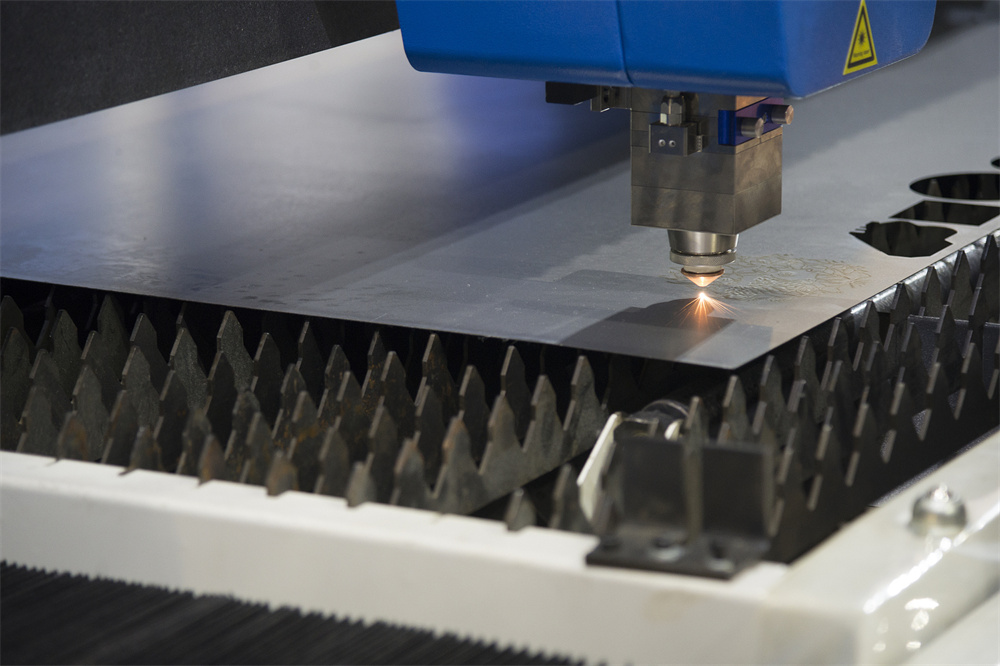
Budget Laser Cutting Machines: Overview and Limitations
Budget laser cutting machines are typically designed for entry-level applications. They often feature lighter-weight frames, which can lead to vibration issues when cutting at higher speeds. While they are capable of producing clean cuts on thin-gauge materials, they often struggle with thicker plates or complex geometries that require high-speed acceleration and deceleration. The components used in these machines—such as the rack and pinion systems, motors, and laser sources—are often sourced from lower-cost suppliers to keep the retail price competitive.
One of the most significant limitations of budget models is the software and control interface. While they may support standard G-code, they often lack the advanced nesting algorithms, real-time monitoring, and predictive maintenance features found in premium systems. This means the operator must spend more time manually optimizing the cutting path, which reduces overall throughput. Furthermore, the lack of sophisticated auto-focus heads or automated nozzle changers means that switching between different material thicknesses is a manual, time-consuming process.
Maintenance on budget machines can also be a challenge. Because these machines are often built with proprietary or non-standard parts, finding replacement components can be difficult as the machine ages. Additionally, the support infrastructure for budget brands may be limited, leaving the shop owner to troubleshoot complex electrical or optical issues without the benefit of expert technical support. This can lead to extended periods of downtime that are particularly damaging to small businesses.
Despite these drawbacks, budget machines have their place. They are excellent for educational institutions, hobbyists, or small shops that are just beginning to transition from manual cutting methods to CNC technology. They provide a platform to learn the fundamentals of laser cutting without the massive financial burden of a high-end system. However, users must be realistic about the machine’s capabilities and plan for a shorter service life compared to industrial-grade equipment.
Premium Industrial Models: Engineering Excellence
Premium industrial laser cutting machines are the workhorses of the metal fabrication industry. These machines are built with heavy-duty, stress-relieved steel frames that provide the stability necessary for high-speed, high-precision cutting. Every component, from the fiber laser resonator to the high-torque servo motors, is selected for its durability and performance. These machines are designed to operate under harsh conditions, maintaining accuracy even after years of continuous use.
A key feature of premium models is the integration of advanced technology. This includes intelligent cutting heads that automatically adjust focal length, gas pressure, and beam diameter based on the material type and thickness. This automation significantly reduces setup time and ensures consistent quality across different batches. Furthermore, premium machines often come with advanced software suites that offer real-time data analytics, allowing shop managers to track machine efficiency, energy consumption, and material usage with precision.
The laser source in a premium machine is typically a high-efficiency fiber laser with a long lifespan and stable beam quality. This stability is crucial for achieving consistent edge quality and minimizing the heat-affected zone (HAZ). Premium models also feature sophisticated cooling systems that prevent the laser source and optics from overheating, which is a common point of failure in lower-end machines. By maintaining optimal operating temperatures, these machines extend the life of critical components and reduce the frequency of maintenance intervals.
Finally, premium industrial models are backed by comprehensive service and support networks. Manufacturers of these machines understand that downtime is unacceptable for their clients. They provide remote diagnostics, rapid spare parts availability, and on-site training for operators. This level of support ensures that the machine remains productive throughout its lifecycle, providing a high return on investment that justifies the higher initial purchase price. When you invest in a premium model, you are investing in the long-term viability of your production capabilities.
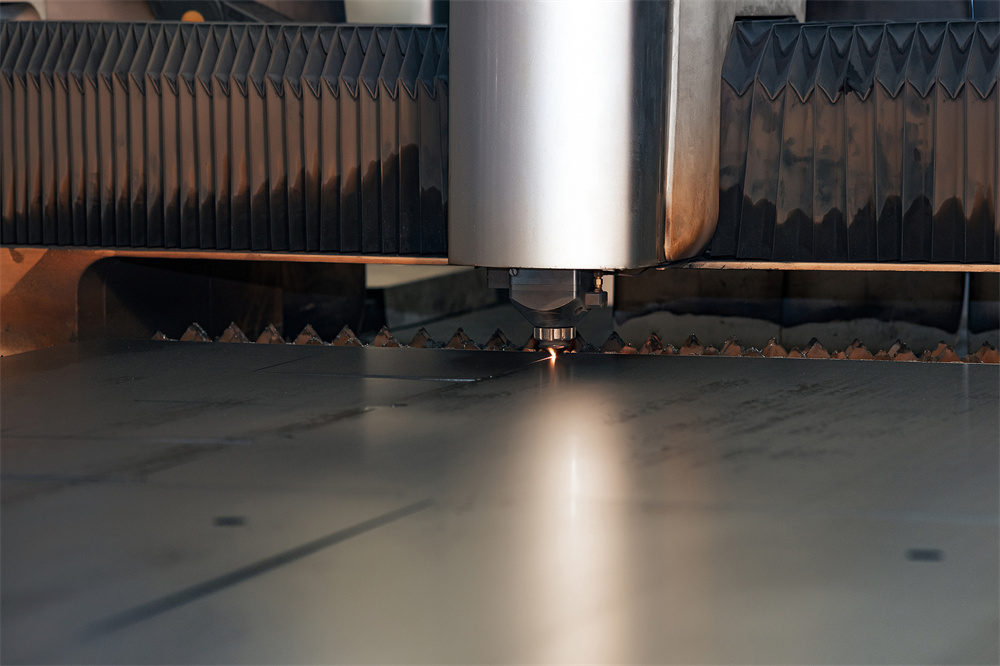
Specification Comparison Table
| Feature | Budget Laser Cutter | Premium Industrial Model |
|---|---|---|
| Frame Construction | Lightweight, welded steel | Heavy-duty, stress-relieved, vibration-dampened |
| Laser Source | Standard fiber, limited lifespan | High-efficiency, long-life fiber resonator |
| Cutting Head | Manual or semi-auto focus | Fully automated, intelligent focus control |
| Control System | Basic CNC, limited diagnostics | Advanced, AI-integrated, real-time monitoring |
| Техническое обслуживание | Frequent, manual intervention | Predictive, automated alerts |
| Поддержка | Limited, often remote only | Comprehensive, on-site, 24/7 support |
| Throughput | Moderate | High/Ultra-high |
Best-fit Applications: Choosing the Right Tool
When deciding between these two categories, you must align the machine’s capabilities with your specific application requirements. For shops that focus on thin-gauge sheet metal, such as HVAC ductwork, signage, or small decorative metal parts, a budget machine can be highly effective. These applications often do not require the extreme precision or high-speed acceleration of an industrial model, and the lower cost allows for a faster return on investment for these specific, lower-margin tasks.
Conversely, if your shop handles thick plate processing, complex structural components, or high-volume production for the automotive or heavy machinery industries, a premium industrial model is essential. These applications demand the high power density and beam stability that only premium resonators can provide. Furthermore, the ability to process a wide range of materials—including reflective metals like aluminum, brass, and copper—is significantly improved with the advanced optics and control systems found in premium machines.
Consider the material variety you process. If you frequently switch between carbon steel, stainless steel, and non-ferrous metals, the automated nozzle and lens changing systems of a premium machine will save hours of labor every week. Budget machines often require manual intervention for these changes, which introduces the risk of human error and increases the time the machine spends idle. In a high-mix, low-volume environment, the efficiency gains of a premium machine are compounded.
Finally, think about your future growth. If you anticipate an increase in production volume or a shift toward more complex, high-tolerance parts, a premium machine provides the scalability you need. A budget machine may become a bottleneck as your business grows, forcing you to replace it sooner than expected. By investing in a premium model from the start, you are future-proofing your shop and ensuring that your equipment can handle the demands of tomorrow’s projects.
Cost and Maintenance Comparison
The cost of a laser cutting machine extends far beyond the initial invoice. When comparing budget and premium models, you must consider the total cost of ownership (TCO), which includes electricity consumption, gas usage, spare parts, and labor costs. Budget machines often have lower energy efficiency, meaning they consume more power per unit of output. Over several years, these electricity costs can add up, narrowing the price gap between budget and premium models.
Maintenance is another critical factor. Budget machines often require more frequent maintenance to keep them running accurately. This includes manual alignment of optics, frequent cleaning of filters, and more regular replacement of consumables. In contrast, premium industrial models are designed for ease of maintenance. Many feature self-diagnostic systems that alert the operator to potential issues before they cause a breakdown, and their modular design allows for quick and easy replacement of parts.
Labor costs are often overlooked in the comparison. A premium machine with advanced software and automation requires less operator intervention. This allows your skilled labor to focus on other tasks, such as material handling, secondary operations, or quality control, rather than babysitting the laser. In a high-wage environment, the labor savings provided by a premium machine can be substantial, often paying for the price difference within the first two years of operation.
Finally, consider the resale value. Premium industrial machines from reputable manufacturers hold their value much better than budget models. If you decide to upgrade or pivot your business in the future, a well-maintained premium laser cutter can be sold for a significant portion of its original price. Budget machines, due to their shorter lifespan and lower brand recognition, often have little to no resale value after a few years of heavy use.
Recommendation: Making the Final Decision
Choosing between a budget laser cutting machine and a premium industrial model is a strategic decision that should be based on your business goals, production volume, and budget constraints. If you are a small shop with limited capital and low-volume, simple cutting needs, a budget machine can be a viable starting point. However, you must be prepared for the maintenance requirements and the limitations in speed and precision that come with a lower-cost system.
For established fabrication shops, high-volume manufacturers, or businesses that prioritize quality and reliability above all else, a premium industrial model is the clear choice. The combination of superior engineering, advanced automation, and comprehensive support makes these machines the most cost-effective solution in the long run. They provide the consistency and throughput necessary to compete in today’s demanding market, ensuring that your shop remains profitable and productive.
We recommend conducting a thorough audit of your current and projected production needs before making a purchase. Analyze your material types, thicknesses, and volume requirements. Talk to other shop owners who use the machines you are considering, and ask about their experiences with maintenance, support, and overall reliability. Don’t just look at the sticker price; look at the cost per part over the lifetime of the machine.
Ultimately, the best machine is the one that helps you achieve your business objectives while providing a reliable, high-quality output. Whether you choose a budget or premium model, ensure that you are partnering with a reputable manufacturer or distributor who can provide the training, service, and support you need to succeed. At HARSLE, we are committed to helping our clients find the perfect equipment for their unique needs, providing both the guidance and the technology to drive your success in the metal fabrication industry.
FAQ: Frequently Asked Questions
- Q: Is it possible to upgrade a budget laser cutter to perform like a premium model?
A: Generally, no. The differences between budget and premium machines are fundamental, involving the frame, the laser source, and the control architecture. While you can add some accessories, you cannot fundamentally change the machine’s core performance capabilities. - Q: How often should I perform maintenance on my laser cutting machine?
A: Maintenance schedules vary by machine type and usage. Premium machines often have automated alerts, while budget machines require a strict manual schedule. Always follow the manufacturer’s recommended maintenance intervals to ensure longevity. - Q: Does the laser source brand matter?
A: Yes, the laser source is the heart of the machine. Premium brands offer better beam quality, higher efficiency, and longer lifespans, which directly impact the quality of your cuts and the cost of operation. - Q: What is the most important factor when comparing these machines?
A: The most important factor is your specific application. A machine that is perfect for one shop might be a poor fit for another. Analyze your production needs, material types, and long-term business goals before making a decision. - Q: How does software impact the performance of a laser cutter?
A: Advanced software optimizes nesting, reduces material waste, and improves cutting speeds. Premium machines often come with proprietary software that is highly integrated with the machine’s hardware, providing a significant performance advantage.