How to Clean and Service a Punching Machine Step by Step


The Critical Importance of Punching Machine Maintenance
Whether you are operating a high-speed CNC turret punch or a robust hydraulic punching press, the machine’s ability to deliver consistent, burr-free parts depends entirely on its mechanical health. Neglecting routine care leads to accelerated wear, increased energy consumption, and, most critically, costly unplanned downtime that can halt an entire production line.
Understanding how to clean and service a punching machine step by step is not merely a chore; it is a strategic investment in your equipment’s longevity. When debris, metal dust, and old lubricants accumulate within the guide rails, turret assemblies, and hydraulic systems, the machine loses its precision. This degradation manifests as misaligned holes, excessive tool wear, and potential damage to the ram or frame, which are expensive to repair.
A proactive maintenance culture fosters a safer workplace. Machines that are clean and well-serviced are less prone to sudden mechanical failures, which are often the root cause of workplace accidents. By implementing a rigorous maintenance protocol, shop managers can ensure that their KAVDO equipment operates within its design specifications for decades, rather than years.
Furthermore, consistent maintenance directly impacts the bottom line. A well-maintained punching machine requires less power to operate, produces fewer scrap parts, and maintains a higher resale value. In an industry where margins are often tight, the ability to extend the lifecycle of your capital assets through disciplined cleaning and servicing is a competitive advantage that cannot be ignored.
Daily Inspection
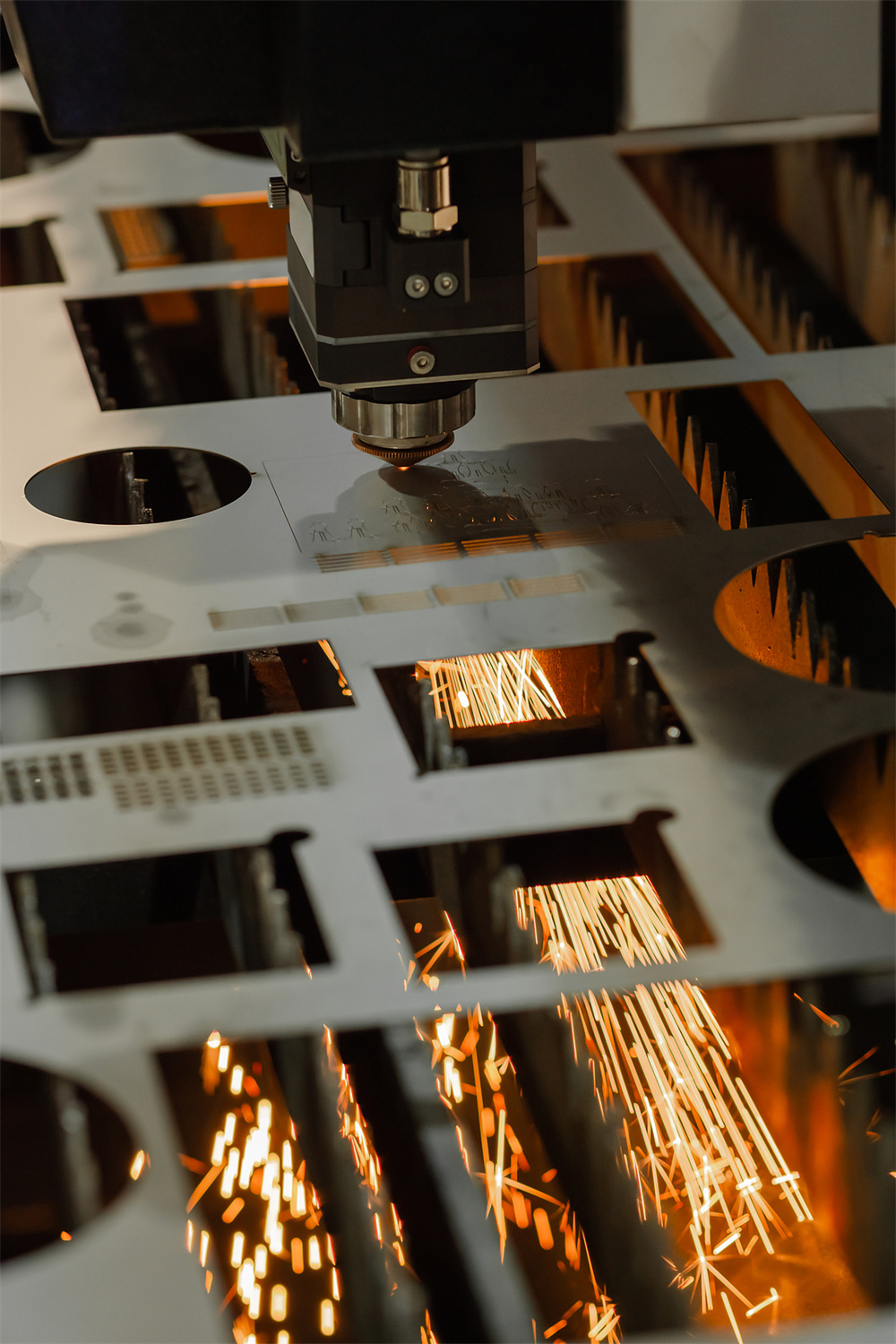
The daily inspection is the foundation of a successful maintenance program. Before the first shift begins, operators should perform a visual and auditory walkthrough of the machine. This routine should take no more than 10 to 15 minutes but can prevent hours of troubleshooting later in the day. Start by checking the exterior surfaces for any signs of oil leaks or loose fasteners that may have vibrated during the previous shift.
Check the tool stations and the turret assembly for any accumulation of metal shavings or slugs. Even small amounts of debris can interfere with the seating of the punch and die, leading to uneven wear or catastrophic tool breakage. Use compressed air or a soft brush to clear the area, ensuring that the die holder and stripper plates are free of obstructions. Always wear appropriate personal protective equipment (PPE) when performing these tasks.
Inspect the hydraulic fluid levels and pressure gauges. If the machine is equipped with an automatic lubrication system, verify that the reservoir is filled and that the pump is cycling correctly. Listen for any unusual noises during the initial startup—a grinding sound or a high-pitched whine can indicate a lack of lubrication or a failing bearing, which should be addressed immediately before the machine is put under load.
Finally, verify the functionality of all safety interlocks and emergency stop buttons. A punching machine is a powerful piece of industrial equipment, and its safety systems must be infallible. If any safety device fails to trigger an immediate stop, the machine must be locked out and tagged out until the issue is resolved. This daily discipline creates a culture of safety and reliability that permeates the entire shop floor.
Hydraulic, Electrical, and Mechanical Checks
When you learn how to clean and service a punching machine step by step, you must address the three core systems: hydraulic, electrical, and mechanical. The hydraulic system is the heart of the punching press. Regularly inspect the hoses and fittings for signs of weeping or cracking. Hydraulic fluid should be analyzed periodically for contamination; if the oil appears cloudy or dark, it is time for a flush and filter replacement to prevent valve sticking and pump cavitation.
The electrical system requires a different approach. Dust is the enemy of electrical cabinets. Over time, metal dust can infiltrate the control panel, causing short circuits or overheating of the PLC and drive components. Use a vacuum cleaner—not compressed air—to remove dust from the cabinet. Ensure that all terminal connections are tight, as vibration can loosen wires over time, leading to intermittent signal errors or “ghost” faults.
Mechanically, the focus should be on the ram guides and the turret indexing mechanism. The ram guides must be kept clean and properly lubricated to ensure vertical alignment during the punching stroke. If the guides are dry or contaminated with grit, the resulting friction will cause heat buildup and premature wear. Inspect the turret for any signs of play or misalignment; if the turret does not index perfectly, the punch and die will not align, leading to tool damage.
Pay close attention to the drive belts and chains. If the machine uses a mechanical clutch or a servo-driven system, check the tension and condition of the drive components. A loose belt can cause timing issues, while a worn chain can lead to jerky movements. Replacing these components before they fail is significantly cheaper than repairing the damage caused by a snapped belt or a broken chain during a high-speed operation.
The Comprehensive Lubrication Plan
Lubrication is the lifeblood of any punching machine. Without a consistent and correct lubrication plan, metal-on-metal contact will inevitably lead to galling, seizing, and total component failure. Your KAVDO machine comes with a manual detailing the specific viscosity and type of lubricant required for each point. Never substitute these recommendations with generic grease, as the wrong product can cause chemical breakdown or fail to provide the necessary film strength under high pressure.
Establish a color-coded system for your lubrication points. Use one color for daily grease points, another for weekly oiling, and a third for monthly deep-service areas. This visual aid helps operators identify exactly what needs attention without having to consult the manual every time. Ensure that all grease nipples are cleaned before applying the grease gun to prevent forcing dirt into the bearings.
Don’t forget the less obvious lubrication points, such as the turret rotation bearings and the clamp movement tracks. These areas are often exposed to the environment and can accumulate dust that mixes with the grease to form an abrasive paste. Periodically cleaning out old, contaminated grease before applying fresh lubricant is essential for maintaining smooth operation.
Finally, keep a detailed log of all lubrication activities. This log should include the date, the specific point serviced, the type of lubricant used, and the initials of the technician. This documentation is invaluable for warranty claims and for identifying patterns of wear. If a specific bearing requires more frequent greasing than the manual suggests, it may indicate a misalignment or an underlying mechanical issue that needs professional investigation.
Troubleshooting Signals: When to Call for Help
Even with the best maintenance, machines will occasionally signal that something is wrong. Recognizing these signals early is the key to minimizing downtime. Common warning signs include inconsistent hole quality, such as burrs on one side of the hole but not the other, which often indicates a dull punch or a misaligned die. If you notice this, stop production and inspect the tooling immediately.
Unusual vibrations or rhythmic thumping sounds during the punching cycle are major red flags. These often point to worn bushings, loose mounting bolts, or a failing motor bearing. If the machine’s control panel displays frequent error codes related to axis positioning or pressure drops, do not simply reset the machine and continue. Investigate the root cause, as these errors are often precursors to a major system failure.
Temperature is another indicator. If the hydraulic tank or the drive motors feel excessively hot to the touch, check the cooling system. Clogged heat exchanger fins or a failed cooling fan can lead to thermal shutdown or permanent damage to electronic components. Always keep the area around the machine clear to allow for proper airflow.
Lastly, pay attention to the “feel” of the machine. An experienced operator knows how the machine should sound and react under load. If the machine feels sluggish or if the cycle times are increasing, it may be time for a comprehensive service. When in doubt, contact the KAVDO technical support team. We provide expert guidance to help you diagnose complex issues before they escalate into expensive repairs.
Maintenance Schedule Table
| Частота | Task | Description |
|---|---|---|
| Ежедневно | Visual Inspection | Check for leaks, loose bolts, and debris. |
| Ежедневно | Tooling Check | Clean punch/die stations and check for wear. |
| Еженедельно | Смазка | Grease all primary bearings and guide rails. |
| Ежемесячно | Electrical Check | Vacuum control cabinet and check wire tightness. |
| Ежеквартальный | Гидравлическая система | Check fluid levels, filters, and hose integrity. |
| Bi-Annually | Full Calibration | Verify turret alignment and ram parallelism. |
| Ежегодно | Deep Service | Replace all filters, seals, and worn drive belts. |
Часто задаваемые вопросы (FAQ)
How often should I change the hydraulic oil in my punching machine?
Generally, hydraulic oil should be changed every 2,000 to 4,000 operating hours, or once a year, depending on the intensity of use and the environment. Always check the oil’s clarity and viscosity; if it looks dark or smells burnt, change it immediately.
Can I use compressed air to clean the electrical cabinet?
No. Using compressed air can force conductive metal dust deeper into sensitive electronic components, potentially causing short circuits. Always use a vacuum cleaner with a non-conductive nozzle to remove dust from the cabinet.
What should I do if my punch and die are wearing out too quickly?
Rapid tool wear is often caused by poor lubrication, misalignment, or using the wrong clearance for the material thickness. Ensure your tooling is properly lubricated and that the turret is correctly indexed. If the problem persists, check the ram guides for play.
Is it necessary to keep a maintenance log?
Yes, absolutely. A maintenance log is essential for tracking the health of your machine, fulfilling warranty requirements, and planning for future parts replacements. It also helps in identifying recurring issues that may require a more permanent fix.
What is the most important part of the punching machine to keep clean?
While all parts are important, the turret assembly and the ram guides are critical. Debris in these areas directly affects the precision of the punch and can lead to significant mechanical damage if left unchecked.