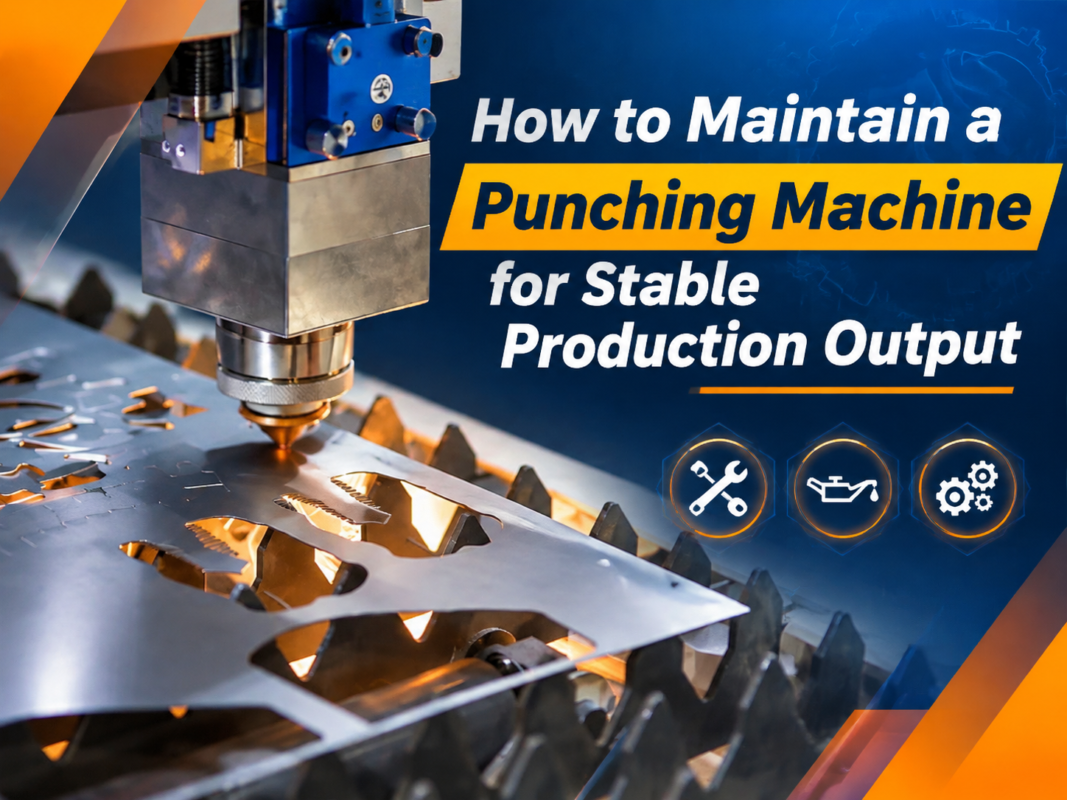
Punching Machine Lubrication Guide for Better Accuracy and Less Wear


The Critical Importance of Maintenance in Metal Fabrication
Whether you are operating a high-speed CNC turret punch or a robust hydraulic punching unit, the precision of your output is directly tied to the health of your machine’s internal components. Achieving consistent, high-quality results requires more than just skilled operators; it demands a rigorous commitment to maintenance protocols, specifically focusing on lubrication.
When we talk about Punching Machine Lubrication Better Accuracy Less Wear, we are addressing the fundamental physics of friction. Every moving part within a punching machine—from the ram guides to the turret indexing mechanisms—generates heat and friction during operation. Without a consistent film of high-quality lubricant, these metal-on-metal surfaces begin to degrade. This degradation manifests as microscopic pitting, thermal expansion, and eventually, mechanical play that compromises the accuracy of every hole punched.
KAVDO engineering standards emphasize that maintenance is not an optional overhead cost but a strategic investment. A well-lubricated machine operates with lower energy consumption, reduced noise levels, and significantly longer intervals between major overhauls. By prioritizing lubrication, fabricators can avoid the catastrophic downtime that occurs when a critical bearing or guide rail seizes due to neglect. This guide serves as your comprehensive roadmap to maintaining the peak performance of your industrial punching equipment.
Furthermore, the environmental impact of poorly maintained machinery cannot be ignored. Leaking seals, excessive friction, and the need for frequent part replacements all contribute to a larger carbon footprint. By implementing a proactive lubrication strategy, you are not only protecting your capital investment but also aligning your facility with modern sustainable manufacturing practices. Precision is the hallmark of a professional shop, and lubrication is the secret ingredient that keeps that precision intact over years of heavy-duty use.
Daily Inspection
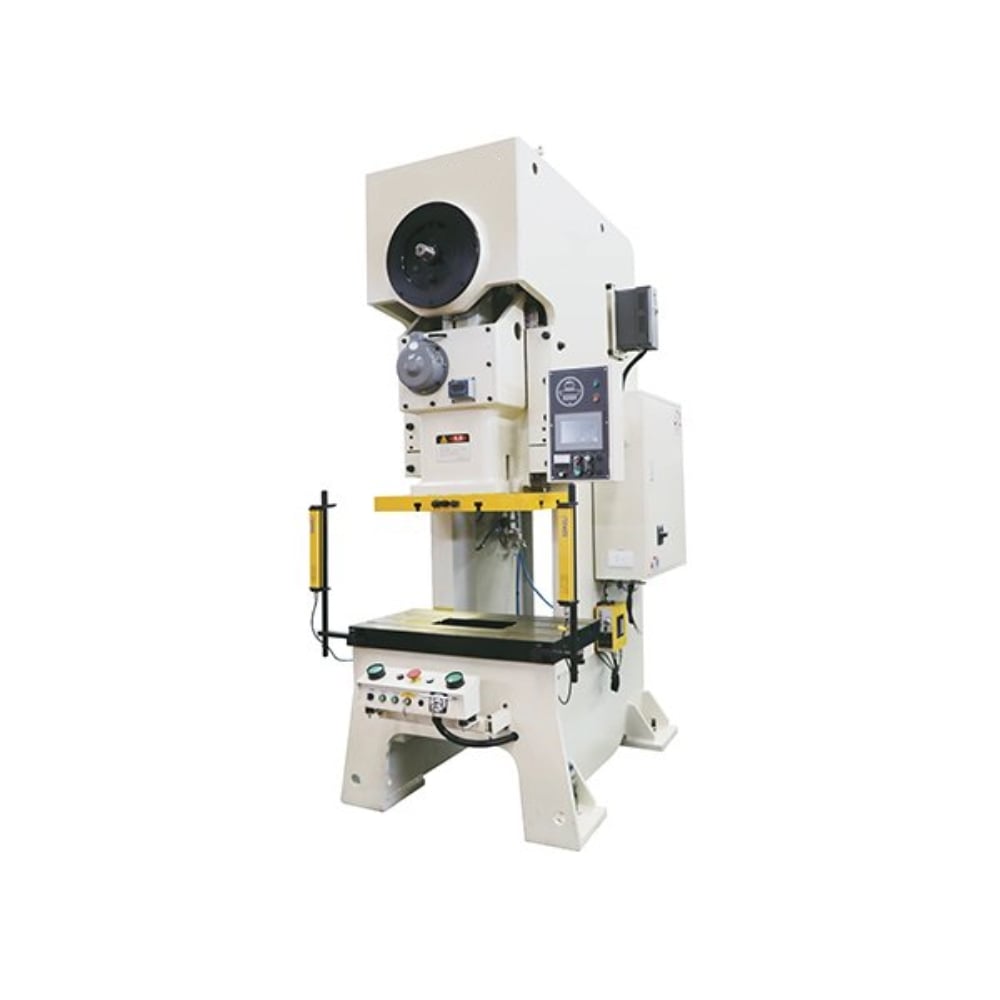
Before the first sheet of metal is fed into the machine, a daily inspection routine must be performed. This is the most effective way to catch minor issues before they escalate into expensive repairs. Start by visually inspecting the lubrication reservoirs. Ensure that the oil levels are within the specified operating range and that the color of the lubricant remains consistent with the manufacturer’s specifications. Any cloudiness or metallic sheen in the oil is an immediate red flag indicating internal wear.
Check the condition of the machine’s wipers and seals. These components are designed to keep debris and metal dust out of the lubrication system. If a wiper is cracked or missing, abrasive metal particles will inevitably find their way into the guide rails, acting like sandpaper and accelerating wear. Cleaning these areas daily with compressed air or a soft brush is essential to maintaining the integrity of the lubrication film.
Listen to the machine during its initial warm-up cycle. A well-lubricated punching machine should operate with a consistent, rhythmic sound. Any grinding, squealing, or irregular clicking noises are often early indicators that a lubrication point is starved or a bearing is failing. By documenting these daily observations in a logbook, you create a historical record that can help maintenance teams identify patterns of wear before they result in a machine stoppage.
Finally, verify the functionality of the automatic lubrication pump if your KAVDO machine is equipped with one. Ensure that the pressure gauges are reading within the normal operating parameters. If the pump fails to cycle, the machine should not be operated until the issue is resolved. Taking these few minutes every morning ensures that your equipment is ready to handle the stresses of the production day, ultimately leading to better accuracy and less wear.
Hydraulic, Electrical, and Mechanical Checks
A punching machine is a complex integration of systems, and while lubrication is vital, it must be supported by a holistic maintenance approach. The hydraulic system is the heart of the punching force. Regularly check the hydraulic fluid for contamination and ensure that the cooling system is functioning correctly. Overheated hydraulic oil loses its viscosity, which reduces the effectiveness of the lubrication film on the ram and cylinder walls, leading to increased wear.
Electrical systems require a different kind of care. Ensure that all control cabinets are sealed against dust and moisture. Dust buildup on electrical components can lead to overheating and short circuits, which can cause the machine to stutter or stop mid-cycle. A sudden stop during a punching operation can cause tool misalignment, which puts unnecessary stress on the mechanical components of the machine, further highlighting the need for a comprehensive maintenance strategy.
Mechanical checks should focus on the turret, the ram, and the drive systems. Inspect the turret indexing pins and bushings for signs of play. If the turret is not locking into position with absolute precision, the punch and die will not align correctly, leading to burrs on the workpiece and premature tool damage. Tightening loose bolts and checking the tension of drive belts or chains are essential tasks that prevent vibration, which is a major enemy of accuracy.
By integrating these checks into your weekly maintenance schedule, you create a robust defense against mechanical failure. Remember that every system in the machine is interconnected. A failure in the electrical system can cause a mechanical shock; a mechanical misalignment can cause hydraulic pressure spikes. A disciplined approach to checking these systems ensures that your Punching Machine Lubrication Better Accuracy Less Wear goals are met consistently.
Developing a Comprehensive Lubrication Plan
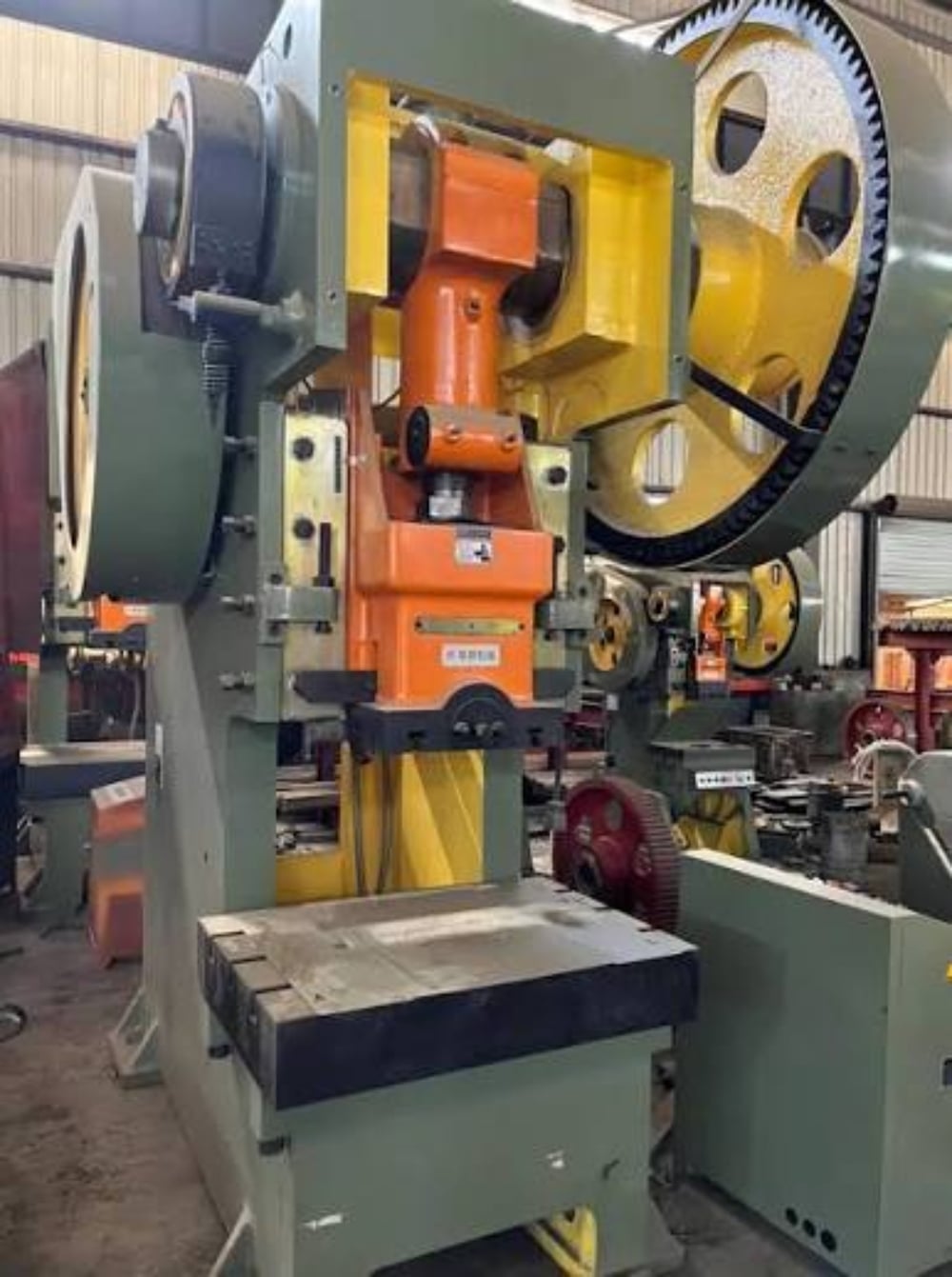
A successful lubrication plan is built on the foundation of the right lubricant, the right amount, and the right frequency. First, consult your KAVDO manual to identify the specific viscosity and grade of oil or grease recommended for your machine. Using the wrong lubricant can be just as damaging as using none at all. For example, using a high-viscosity grease in a high-speed bearing can cause overheating, while a low-viscosity oil may not provide enough film strength for heavy-duty ram guides.
Establish a color-coded system for your lubrication points. Use labels to indicate which lubricant goes where and how often it should be applied. This simple visual aid prevents cross-contamination and ensures that even less experienced operators can perform routine maintenance tasks correctly. Keep a dedicated lubrication station in your shop that is clean and organized, preventing dust and debris from contaminating the grease guns or oil cans before they are used.
Frequency is the next pillar of your plan. While some parts of the machine may require daily attention, others might only need lubrication on a weekly or monthly basis. Create a digital or physical checklist that tracks these intervals. If you are operating the machine in a high-dust environment, such as when processing abrasive materials, you may need to increase the frequency of your lubrication cycles to flush out contaminants that have bypassed the seals.
Lastly, document every lubrication event. Tracking the date, the type of lubricant used, and the technician who performed the task provides accountability and insight. If a specific component requires more frequent lubrication than the manufacturer suggests, this data will help you identify the root cause, such as a failing seal or an environmental factor, allowing you to address the problem proactively rather than waiting for a breakdown.
Troubleshooting Signals: When to Act
Your machine will often give you subtle warnings before a major failure occurs. Recognizing these signals is key to maintaining high accuracy and low wear. One of the most common signs of lubrication issues is an increase in operating temperature. If you notice that the machine housing or specific bearing areas are hotter than usual, it is a clear indication of excessive friction. Use an infrared thermometer to monitor these temperatures regularly.
Another signal is the quality of the punched parts. If you notice an increase in burrs, inconsistent hole diameters, or tool marks on the surface of the material, it is time to inspect the alignment and the lubrication of the ram and turret. These symptoms often point to mechanical play caused by worn guide rails or bushings, which are the direct result of inadequate lubrication over time.
Vibration is another critical indicator. A well-lubricated machine runs smoothly. If you feel unusual vibrations through the machine frame or hear a change in the pitch of the motor, investigate the drive train and the lubrication points immediately. Vibration is the primary cause of fatigue in metal components, and it will rapidly accelerate the wear of your punching machine if left unaddressed.
Finally, pay attention to the lubrication system itself. If the pump is running constantly but the pressure is low, you may have a leak in the lines or a clogged filter. If the lubricant appears dark or gritty, it is contaminated and needs to be replaced immediately. By staying vigilant and responding to these signals, you can prevent minor issues from becoming major, costly repairs, ensuring your machine remains a reliable asset for years to come.
Maintenance Schedule Table
| Component | Task | Частота |
|---|---|---|
| Lubrication Reservoir | Check level and clarity | Ежедневно |
| Guide Rails | Clean and re-lubricate | Еженедельно |
| Turret Indexing Pins | Inspect and grease | Еженедельно |
| Hydraulic Fluid | Check level and temperature | Ежедневно |
| Air Filters | Clean or replace | Ежемесячно |
| Drive Belts/Chains | Check tension and wear | Ежемесячно |
| Electrical Cabinet | Vacuum dust and inspect | Ежеквартальный |
| Complete System | Professional calibration | Ежегодно |
Часто задаваемые вопросы (FAQ)
Why is lubrication so important for punching machine accuracy?
Lubrication creates a protective film between moving parts, preventing metal-on-metal contact. This reduces friction, heat, and mechanical play, which are the primary causes of inaccuracy in punching operations.
How often should I change the hydraulic oil in my KAVDO machine?
While this depends on usage, a general rule of thumb is to perform a full hydraulic oil change every 2,000 to 4,000 operating hours, or at least once a year, to ensure optimal viscosity and cleanliness.
Can I use any multi-purpose grease for my punching machine?
No. You must use the specific lubricant grade recommended by the manufacturer. Using the wrong grease can lead to chemical incompatibility, overheating, and premature component failure.
What should I do if I notice metal shavings in the lubricant?
This is a sign of significant internal wear. Stop the machine immediately, drain the contaminated lubricant, inspect the affected components for damage, and consult a technician before resuming operation.
Does the environment affect my lubrication schedule?
Yes. If your shop is dusty or handles abrasive materials, you should increase the frequency of your lubrication and cleaning tasks to prevent contaminants from entering the machine’s internal systems.
How does proper lubrication lead to less wear?
By minimizing friction, lubrication prevents the microscopic welding and tearing of metal surfaces. This significantly extends the service life of bearings, rails, and gears, reducing the need for frequent part replacements.