Laser Cutting Machine Vs Plasma Cutting Machine: Key Differences for Sheet Metal Workshops


Comparison Summary
In the modern landscape of metal fabrication, selecting the right cutting technology is a pivotal decision that dictates the efficiency, profitability, and quality output of a sheet metal workshop. The debate surrounding the Laser Cutting Machine Vs Plasma Cutting Machine: Key Differences Sheet Metal Workshops is one of the most common inquiries we receive at HARSLE. Both technologies serve the fundamental purpose of separating metal, yet they operate on vastly different physical principles and cater to distinct production requirements.
Laser cutting technology utilizes a high-intensity, focused beam of light to melt, burn, or vaporize material. It is renowned for its extreme precision, narrow kerf, and ability to handle intricate geometries with minimal heat-affected zones. Conversely, plasma cutting relies on an ionized gas stream—plasma—to conduct electricity and melt conductive metals. Plasma is traditionally favored for its speed and cost-effectiveness when processing thicker plates, though it typically leaves a wider kerf and a more pronounced heat-affected zone compared to laser systems.
For a workshop manager, the choice between these two systems is rarely about which machine is ‘better’ in a vacuum; it is about which machine aligns with your specific material thickness, volume, and tolerance requirements. While fiber lasers have significantly narrowed the gap in speed and thickness capabilities, plasma remains a workhorse for heavy-duty industrial applications where absolute precision is secondary to raw cutting power and lower capital expenditure.
This guide provides a comprehensive analysis of both technologies, helping you navigate the technical specifications, operational costs, and maintenance requirements to ensure your investment in metal fabrication equipment yields the highest possible return on investment.
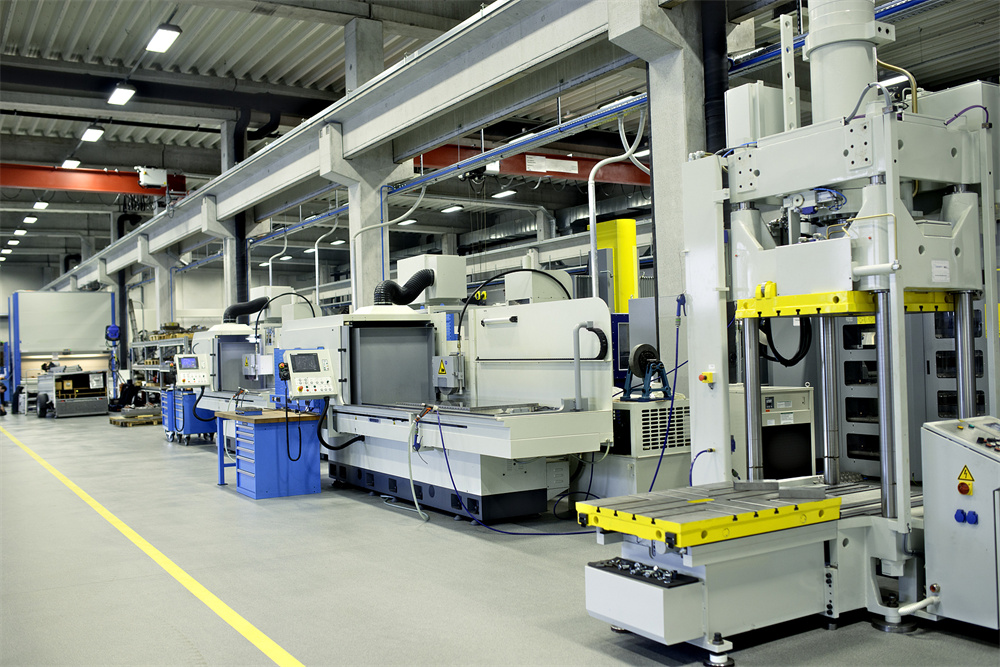
Laser Cutting Machine Overview
A Лазерный станок для резки, particularly the modern fiber laser, represents the pinnacle of precision in the metal fabrication industry. By using a resonator to generate a laser beam that is delivered through fiber optic cables to a cutting head, these machines achieve unparalleled accuracy. The beam is focused through a lens, creating a high-energy density point that cuts through metal with surgical precision. This technology is ideal for workshops that prioritize high-quality edges and complex part designs.
One of the primary advantages of laser technology is its versatility. Fiber lasers can cut a wide range of materials, including stainless steel, carbon steel, aluminum, brass, and copper. Because the laser beam is so tightly focused, the heat-affected zone (HAZ) is minimal. This is a critical factor for manufacturers who need to perform secondary operations like welding or bending immediately after cutting, as the material properties remain largely unchanged near the cut edge.
Furthermore, laser cutting machines are highly automated. Modern HARSLE fiber laser systems come equipped with advanced CNC controllers that allow for nesting software integration. This maximizes material utilization, significantly reducing scrap rates. The speed of fiber lasers on thin to medium-gauge materials is unmatched, making them the preferred choice for high-volume production environments where time-to-market is a competitive advantage.
However, it is important to acknowledge the technical requirements of laser systems. They require a clean environment, stable power supply, and regular maintenance of the optical components. While the initial investment for a high-quality laser cutting machine is higher than that of a plasma system, the reduction in post-processing labor—such as grinding or deburring—often justifies the cost over the machine’s lifecycle.
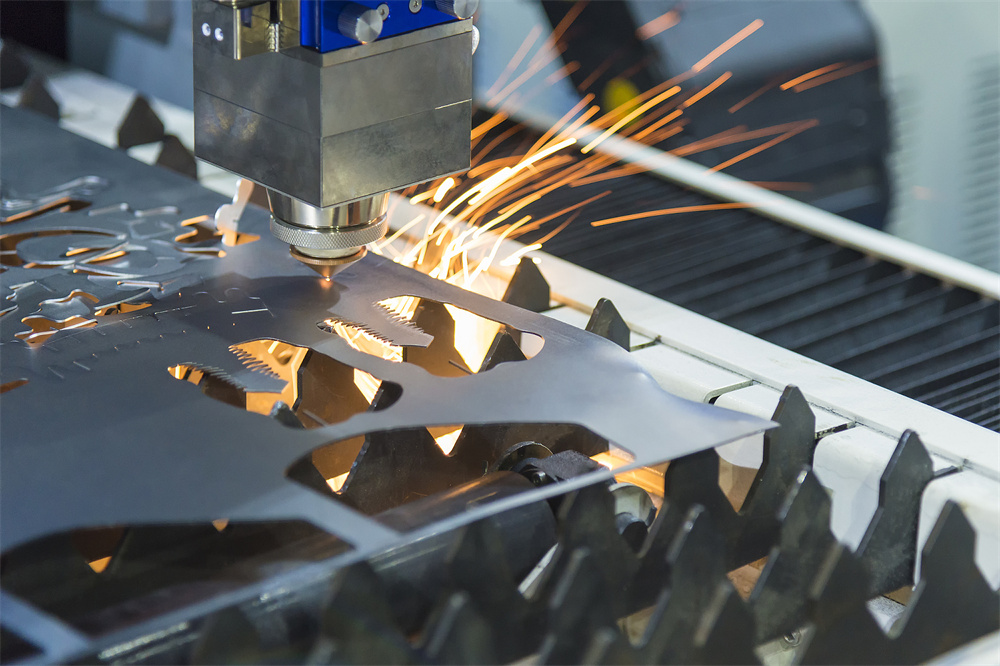
Plasma Cutting Machine Overview
The Plasma Cutting Machine has long been the backbone of heavy metal fabrication. It operates by forcing an inert gas (or compressed air) through a small nozzle at high speed. An electrical arc is then struck between an electrode and the workpiece, turning the gas into plasma. This superheated, conductive plasma stream melts the metal and blows it away, creating a cut. It is a robust, reliable, and highly effective method for cutting thicker conductive materials.
Plasma systems are celebrated for their raw power. When dealing with thick steel plates—often exceeding 20mm or 30mm—plasma cutting is frequently more efficient and cost-effective than laser cutting. The cost per meter of cut is generally lower with plasma, especially when considering the lower initial purchase price of the equipment and the relatively inexpensive consumables, such as nozzles and electrodes, compared to the expensive optics and lenses required for laser systems.
In terms of operational simplicity, plasma machines are often easier to maintain and operate in harsh industrial environments. They are less sensitive to dust and vibration than laser systems, making them suitable for workshops that handle heavy structural steel, ship building, or large-scale infrastructure projects. While the edge quality is not as refined as that of a laser, modern ‘High Definition’ plasma systems have significantly improved edge squareness and reduced dross, making them viable for a wider range of applications than ever before.
Despite these benefits, plasma cutting does have limitations. The wider kerf width means that intricate, small-diameter holes or highly detailed patterns may not be achievable with the same level of accuracy as a laser. Additionally, the higher heat input results in a larger heat-affected zone, which can lead to material distortion in thinner sheets. For workshops focusing on precision sheet metal parts, these factors must be carefully weighed against the cost savings.
Specification Comparison Table
| Feature | Лазерный станок для резки | Plasma Cutting Machine |
|---|---|---|
| Precision/Tolerance | Extremely High (+/- 0.1mm) | Moderate (+/- 0.5mm to 1.0mm) |
| Kerf Width | Very Narrow (0.1mm – 0.3mm) | Wide (1.5mm – 3.0mm) |
| Heat Affected Zone | Minimal | Significant |
| Material Thickness | Best for Thin to Medium (up to 25mm) | Best for Thick (up to 50mm+) |
| Cutting Speed (Thin) | Very Fast | Moderate |
| Operating Cost | Lower per part (high volume) | Lower initial investment |
| Edge Quality | Excellent (no post-processing) | Good (may require deburring) |
Best-fit Applications
When evaluating Laser Cutting Machine Vs Plasma Cutting Machine: Key Differences For Sheet Metal Workshops, the application is the deciding factor. Laser cutting is the gold standard for industries requiring high precision and aesthetic finish. This includes the automotive industry, aerospace components, medical device manufacturing, and decorative metal art. If your workshop produces parts that require tight tolerances for assembly or parts that will be powder-coated without extensive grinding, the laser is your best investment.
Plasma cutting, on the other hand, excels in heavy fabrication sectors. If your workshop is involved in bridge construction, heavy machinery manufacturing, mining equipment repair, or large-scale structural steel fabrication, plasma is the superior choice. The ability to pierce and cut through thick, rusted, or painted steel makes plasma a versatile tool for heavy-duty repair and maintenance shops where material preparation is not always perfect.
For workshops that handle a mix of both, many owners choose to invest in a fiber laser for their primary production line and maintain a smaller, manual or CNC plasma table for heavy-duty, low-precision tasks. This hybrid approach allows the shop to maximize the efficiency of the laser for high-margin, high-precision work while utilizing the plasma for the ‘dirty’ jobs that would otherwise wear out expensive laser consumables prematurely.
Ultimately, consider the volume of your production. High-volume, repetitive parts benefit from the speed and automation of laser systems. Low-volume, custom, or heavy-plate work is better suited to the ruggedness of plasma. By mapping your current and projected order book against these capabilities, you can ensure your machinery investment supports your long-term growth strategy.
Cost and Maintenance Comparison
The total cost of ownership (TCO) is a critical metric for any industrial machinery guide. Laser cutting machines carry a higher upfront cost, but they offer significant savings in labor and material utilization. Because the laser cut is so precise, parts can be nested closer together on the sheet, reducing raw material waste. Furthermore, the lack of secondary finishing requirements means your labor costs per part are significantly lower.
Maintenance for laser systems is focused on the optical path. Protecting the lens from back-scatter and ensuring the fiber cable is handled correctly are essential. Regular cleaning of the nozzle and checking the cooling system are standard procedures. While these tasks require a higher level of technical skill, they are predictable and can be scheduled to prevent downtime.
Plasma systems have a lower entry price, making them attractive for smaller workshops or startups. However, the consumables—nozzles, electrodes, and swirl rings—need to be replaced frequently, especially when cutting thick material. These ongoing costs can add up over time. Maintenance is generally more straightforward, involving the cleaning of the torch and ensuring the air supply is dry and free of oil, which is vital for the longevity of the consumables.
When calculating your budget, do not just look at the invoice price of the machine. Consider the cost of electricity, the cost of consumables, the cost of labor for post-processing, and the potential for material savings. A laser machine might cost twice as much as a plasma machine, but if it saves you 20% in material costs and 50% in labor costs, the payback period is often surprisingly short.
Recommendation
For the modern sheet metal workshop, the recommendation is clear: if your primary focus is on precision, speed, and high-quality edge finish for thin to medium-gauge materials, a Лазерный станок для резки is the superior choice. Its ability to integrate with automated loading/unloading systems and its minimal post-processing requirements make it the engine of a modern, profitable fabrication business.
However, do not discount the Plasma Cutting Machine. If your workshop specializes in heavy plate fabrication, structural steel, or environments where material thickness frequently exceeds 25mm, plasma remains an indispensable tool. It provides the raw power and cost-efficiency that laser systems struggle to match in heavy-duty applications.
At HARSLE, we recommend conducting a thorough audit of your current project mix. Analyze the average thickness of the materials you cut, the tolerances required by your clients, and the amount of time your team spends on secondary finishing. If you find that your current plasma system is struggling with precision or that your labor costs are rising due to grinding and deburring, it is likely time to transition to fiber laser technology. Conversely, if you are turning away heavy-plate work because your laser cannot handle the thickness, adding a high-definition plasma system could open up new revenue streams.
Regardless of your choice, ensure that you partner with a reputable manufacturer who provides comprehensive training, reliable spare parts availability, and responsive technical support. The machine is only as good as the support behind it, and at HARSLE, we are committed to helping you select the right equipment to elevate your workshop’s capabilities.
FAQ
- Which is faster, laser or plasma? For thin materials (under 6mm), laser is significantly faster. For thick materials (over 20mm), plasma is often more efficient.
- Can a laser cut thicker material than plasma? Generally, no. Plasma is better suited for very thick plates, while fiber lasers are optimized for thin to medium-gauge sheet metal.
- How much maintenance does a laser machine require? Laser machines require regular cleaning of the optics and nozzle, as well as routine checks of the cooling and gas systems.
- Is plasma cutting more cost-effective? Plasma has a lower initial cost and lower consumable costs for thick materials, but laser is often more cost-effective for high-volume, precision production due to reduced labor and material waste.
- What is the main difference in edge quality? Laser cutting produces a clean, smooth edge that rarely requires secondary finishing. Plasma cutting leaves a wider, rougher edge that often requires grinding or deburring.