How to Maintain Punching Machine Precision and Punch Quality: The Ultimate HARSLE Guide


The Critical Importance of Maintaining Punching Machine Precision and Punch Quality
In the high-stakes world of metal fabrication, the punching machine serves as the backbone of production efficiency. Whether you are operating a turret punch press or a hydraulic punching station, the ability to maintain punching machine precision and punch quality is not merely a matter of equipment longevity—it is a fundamental requirement for product consistency and operational profitability. When precision drifts, the resulting burrs, misaligned holes, and dimensional inaccuracies lead to costly scrap rates and downstream assembly failures.
HARSLE understands that industrial machinery is a significant capital investment. A well-maintained machine operates with tighter tolerances, reduces energy consumption, and minimizes the stress placed on the frame and drive components. By prioritizing a proactive maintenance strategy, fabricators can avoid the catastrophic downtime associated with unexpected mechanical failures. This guide explores the technical nuances of keeping your equipment in peak condition, ensuring that every stroke is as accurate as the first.
Beyond the immediate mechanical benefits, consistent maintenance protocols foster a culture of safety and operational excellence. Operators who are trained to monitor the health of their machinery are more likely to identify subtle performance shifts before they evolve into major defects. This proactive stance is the hallmark of a world-class manufacturing facility, allowing businesses to meet the rigorous demands of modern engineering standards while maximizing the return on their machinery investment.
Ultimately, the goal is to achieve a state of ‘predictable performance.’ When you maintain punching machine precision and punch quality, you are effectively controlling the variables of the metal forming process. This control allows for faster setup times, longer tool life, and a superior finish on the final workpiece. As we delve into the specific maintenance categories, remember that consistency is the most important factor in the success of your maintenance program.
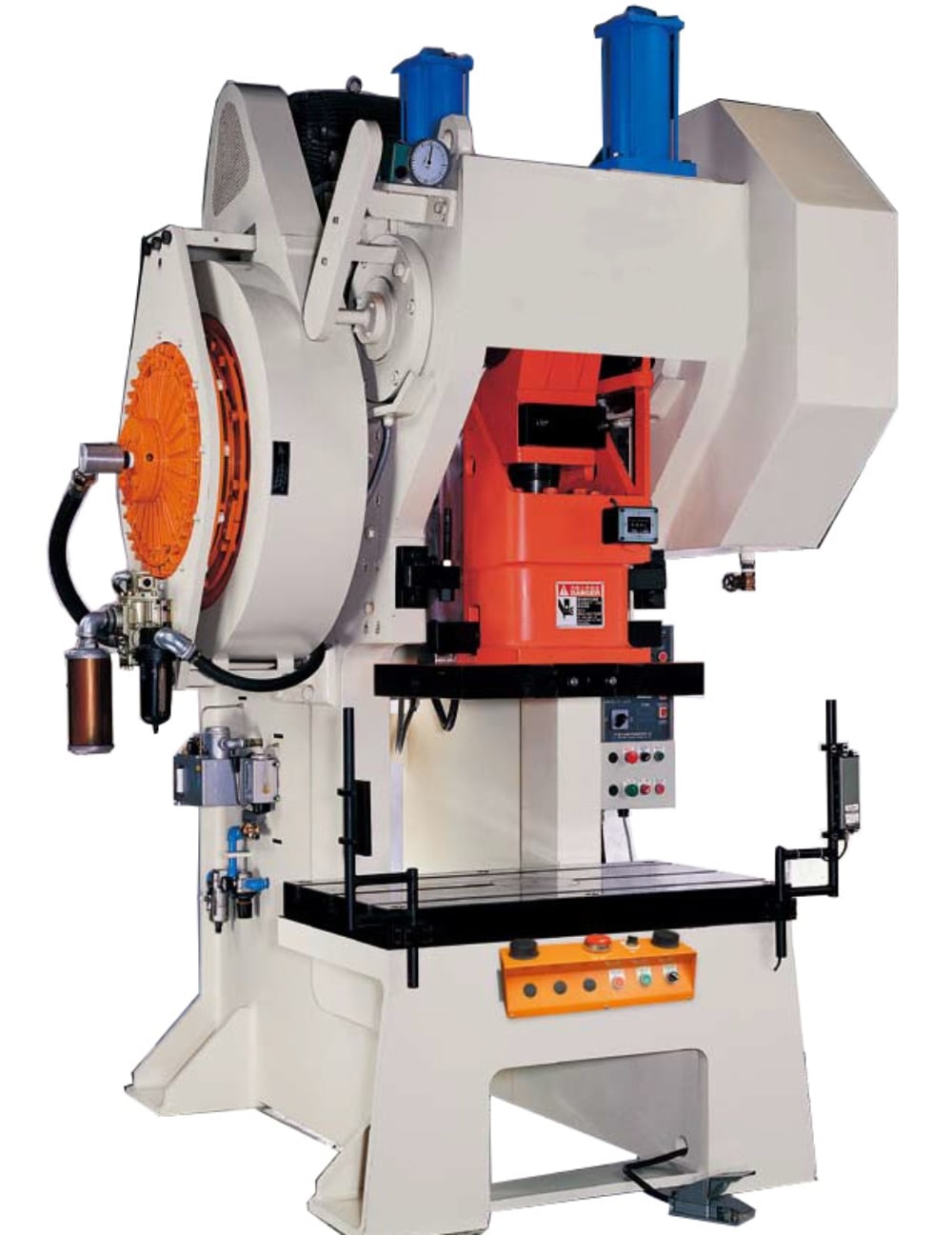
Daily Inspection Protocols for Optimal Performance
The daily inspection is the first line of defense in your maintenance strategy. Before the start of every shift, operators should perform a visual and functional walkthrough of the punching machine. This routine should focus on identifying loose fasteners, checking for unusual vibrations, and ensuring that the work area is free of debris. A clean machine is a healthy machine; metal chips and dust are the primary enemies of precision components.
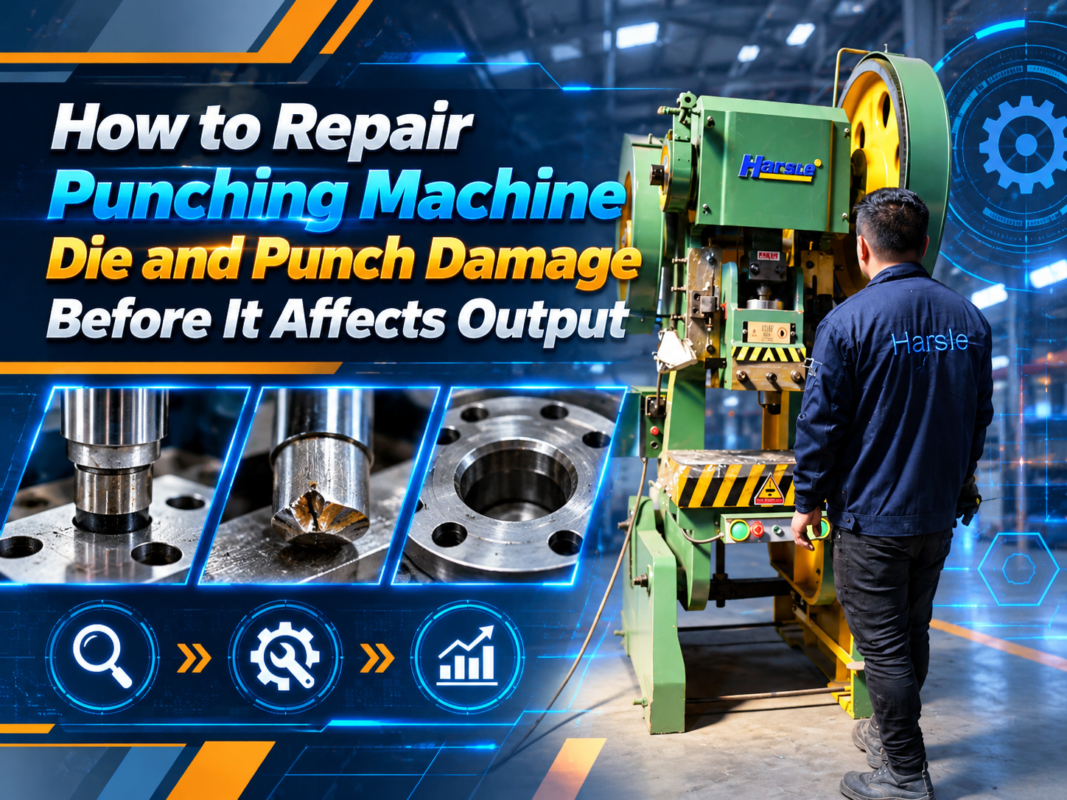
Start by examining the punch and die sets. Inspect the cutting edges for signs of chipping or dulling. Even minor wear on the punch tip can significantly increase the force required to penetrate the material, which in turn places unnecessary strain on the hydraulic or mechanical drive system. If you notice uneven wear patterns, it may indicate a misalignment in the turret or the punch holder, which must be addressed immediately to maintain punching machine precision and punch quality.
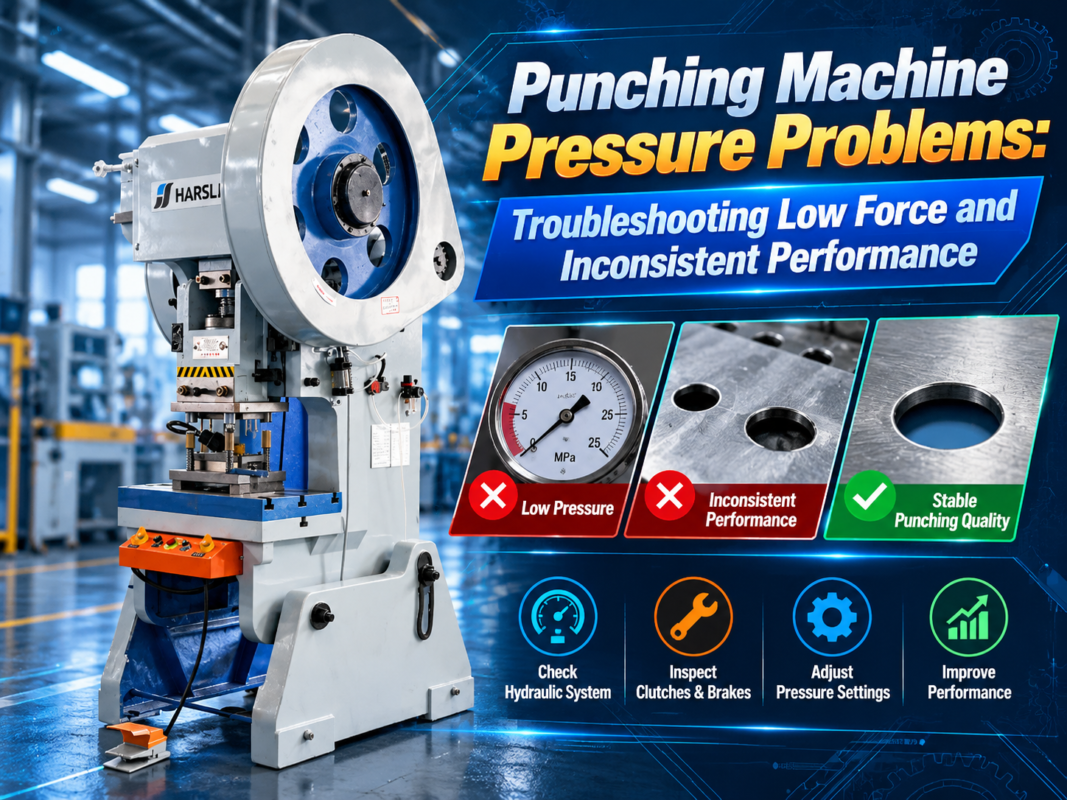
Check the fluid levels and pressure gauges. For hydraulic punching machines, the oil temperature and pressure levels are critical indicators of system health. If the pressure fluctuates during a cycle, it may suggest a leak in the seals or a failing pump. Documenting these daily readings in a logbook provides a historical baseline that can help maintenance teams identify trends before a failure occurs.
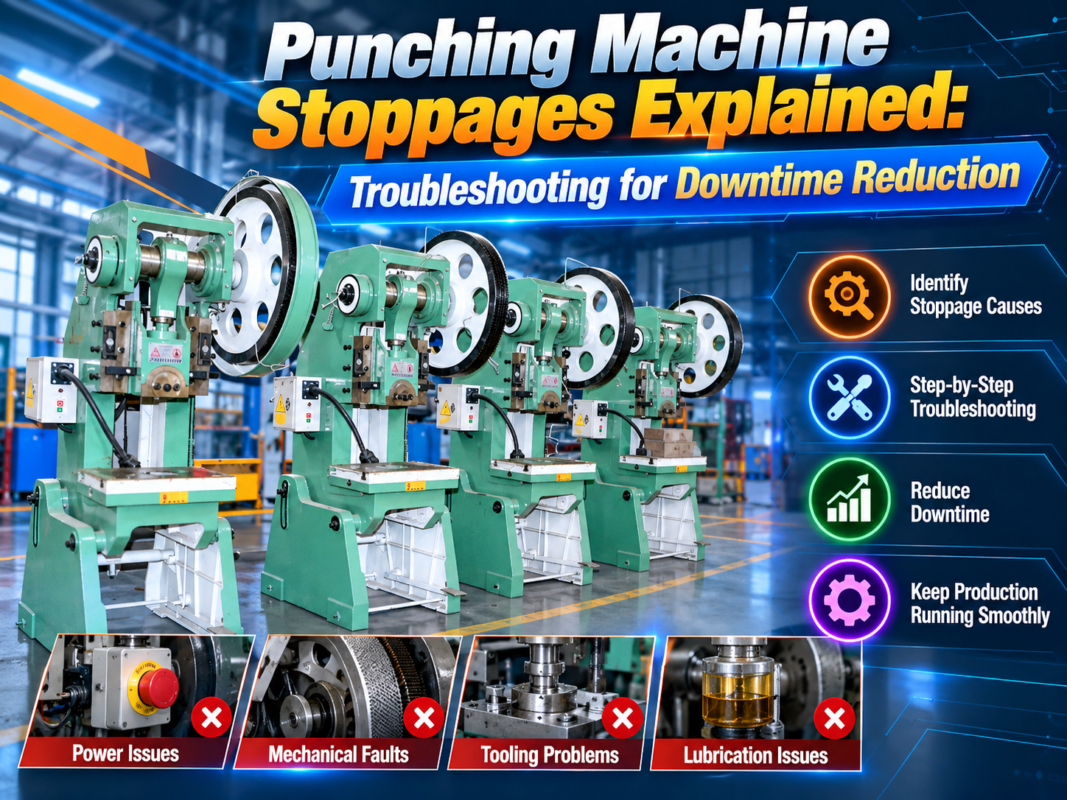
Finally, verify the functionality of all safety interlocks and emergency stop buttons. While these are safety features, their proper operation is indicative of the overall health of the electrical control system. A machine that cannot safely stop is a liability. By integrating these checks into a daily checklist, you ensure that the machine is ready for the rigors of the production day, minimizing the risk of mid-shift interruptions.
Hydraulic, Electrical, and Mechanical System Checks
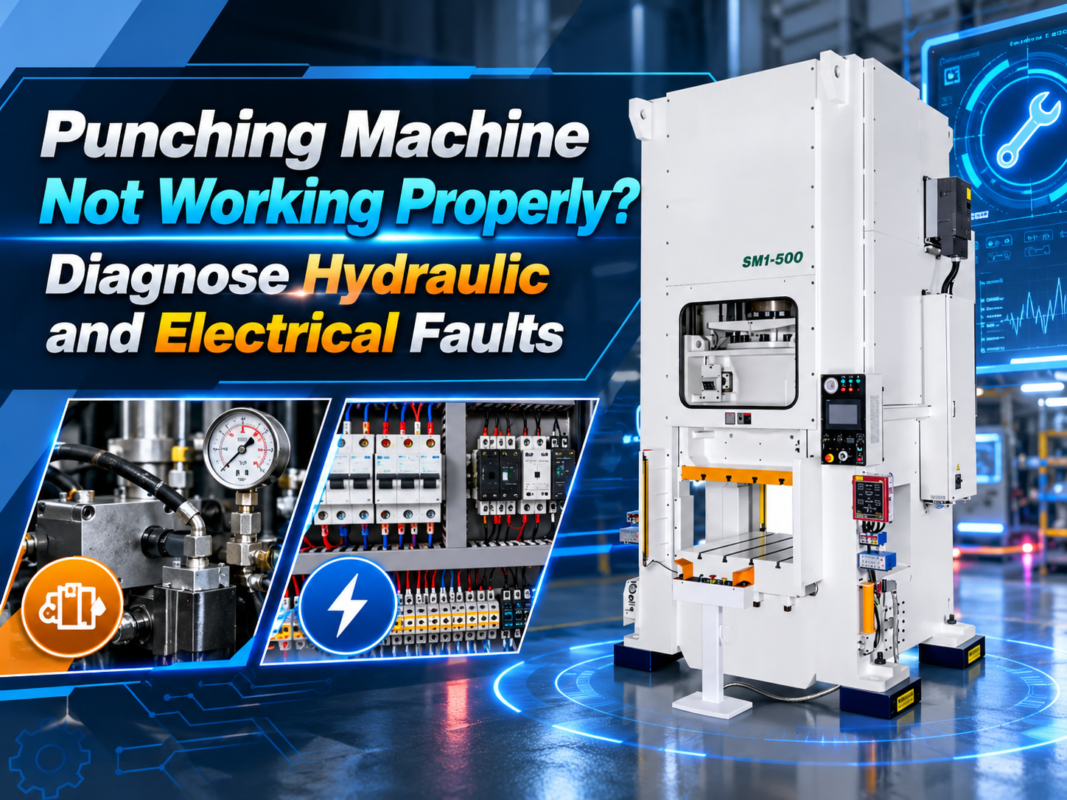
Deep-dive maintenance requires a systematic approach to the machine’s core systems. The hydraulic system is the heart of the punching machine; it requires clean, high-quality oil to function correctly. Regularly inspect the hydraulic filters and replace them according to the manufacturer’s schedule. Contaminated oil can lead to valve sticking and pump cavitation, both of which degrade the precision of the punch stroke.
The electrical system, particularly the CNC controller and the servo motors, demands a clean environment. Dust buildup on circuit boards can lead to overheating and intermittent signal errors. Use compressed air (at low pressure) or specialized vacuum equipment to keep the control cabinet clean. Ensure that all electrical connections are tight, as vibration can cause terminal blocks to loosen over time, leading to voltage drops and erratic machine behavior.
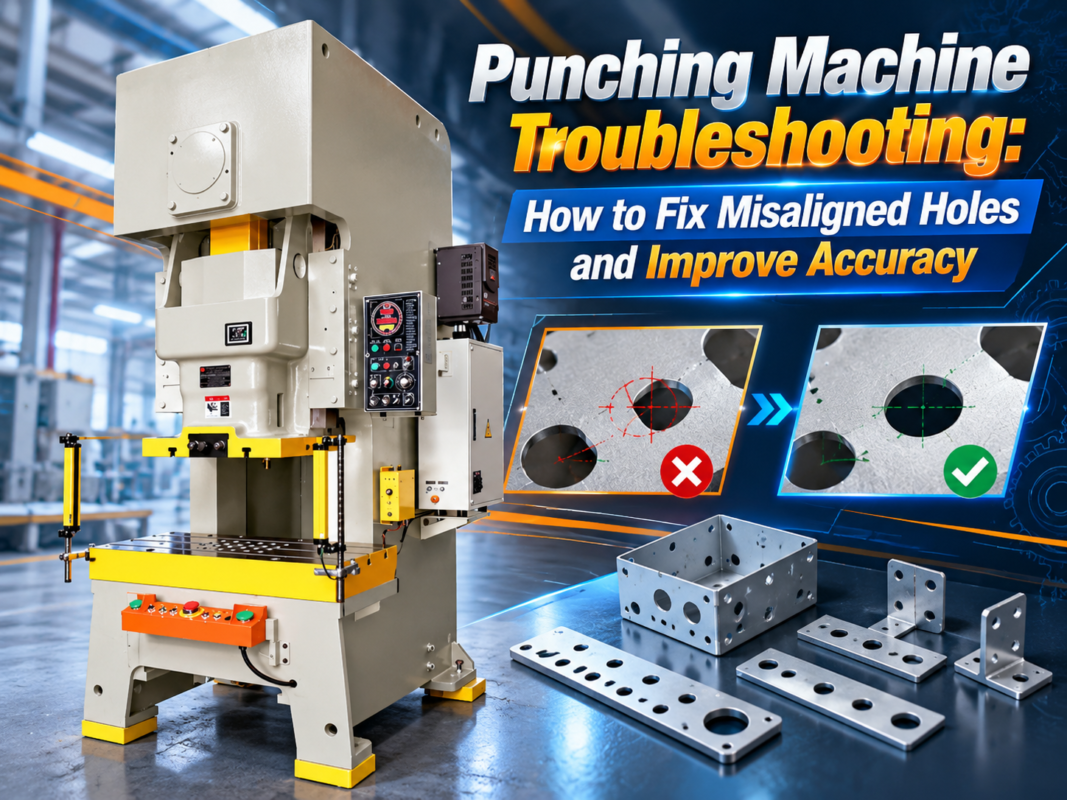
Mechanical integrity is maintained through the regular adjustment of guides and slides. Over time, the natural friction of the punching process can cause minor clearances to develop in the ram guides. These clearances must be adjusted to ensure that the punch remains perfectly perpendicular to the die. If the ram has ‘play,’ the punch will strike the die at an angle, leading to rapid tool wear and poor hole quality.
Pay close attention to the drive belts, chains, and gears. These components transfer the power from the motor to the punch head. Inspect them for signs of fraying, cracking, or excessive slack. A loose drive belt can cause timing issues, which are particularly problematic in high-speed punching operations. By systematically checking these three pillars—hydraulic, electrical, and mechanical—you create a robust framework that supports long-term precision.
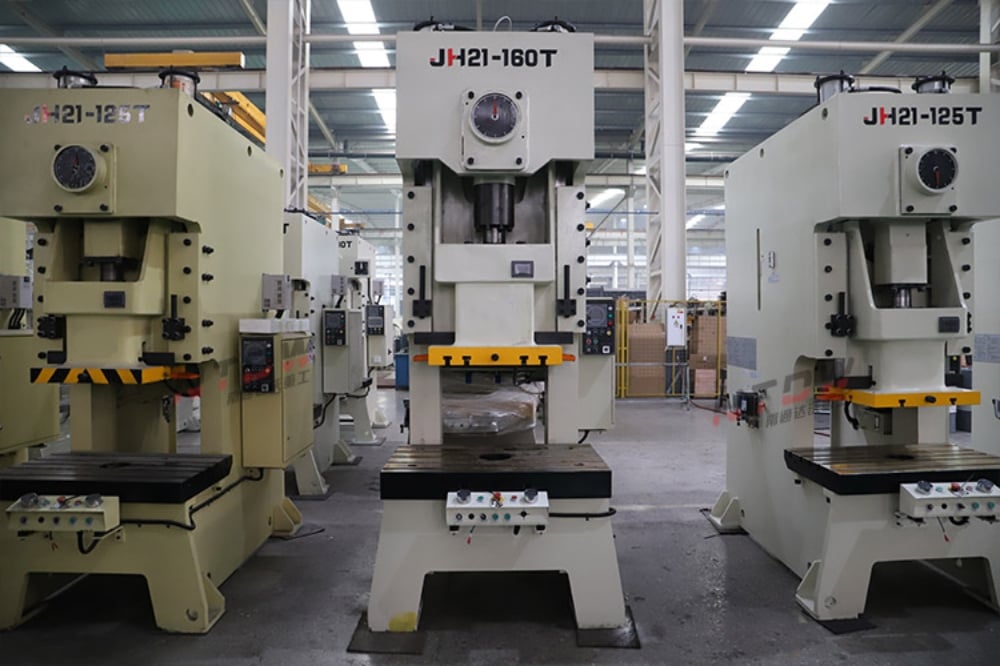
The Comprehensive Lubrication Plan
Lubrication is the lifeblood of any industrial machine. A well-executed lubrication plan is essential to maintain punching machine precision and punch quality. Friction is the primary cause of heat and wear; by ensuring that all moving parts are properly lubricated, you significantly extend the lifespan of the machine’s critical components. HARSLE recommends using only the high-grade lubricants specified in your machine manual.
Establish a color-coded lubrication schedule. Identify all grease points and oil reservoirs on the machine. Use a chart to track when each point was last serviced. This prevents the common mistake of over-lubricating or under-lubricating specific areas. Over-lubrication can attract dust and debris, creating an abrasive paste that accelerates wear, while under-lubrication leads to metal-on-metal contact and eventual seizure.
Focus on the turret bearings and the ram guide ways. These areas are subjected to high loads and require consistent lubrication to maintain smooth, precise movement. If your machine is equipped with an automatic lubrication system, verify that the pump is delivering the correct volume of lubricant to all distribution blocks. Regularly check the lines for kinks or blockages that might prevent the lubricant from reaching its destination.
Don’t forget the punch tools themselves. While the machine requires lubrication, the punch and die should be kept clean and dry unless specific lubricants are required for the material being processed. Using the wrong lubricant on the punch can lead to material sticking or ‘galling,’ which ruins the punch quality and damages the die. Always consult the HARSLE technical documentation for the specific lubrication requirements of your machine model.
Troubleshooting Signals: When to Act
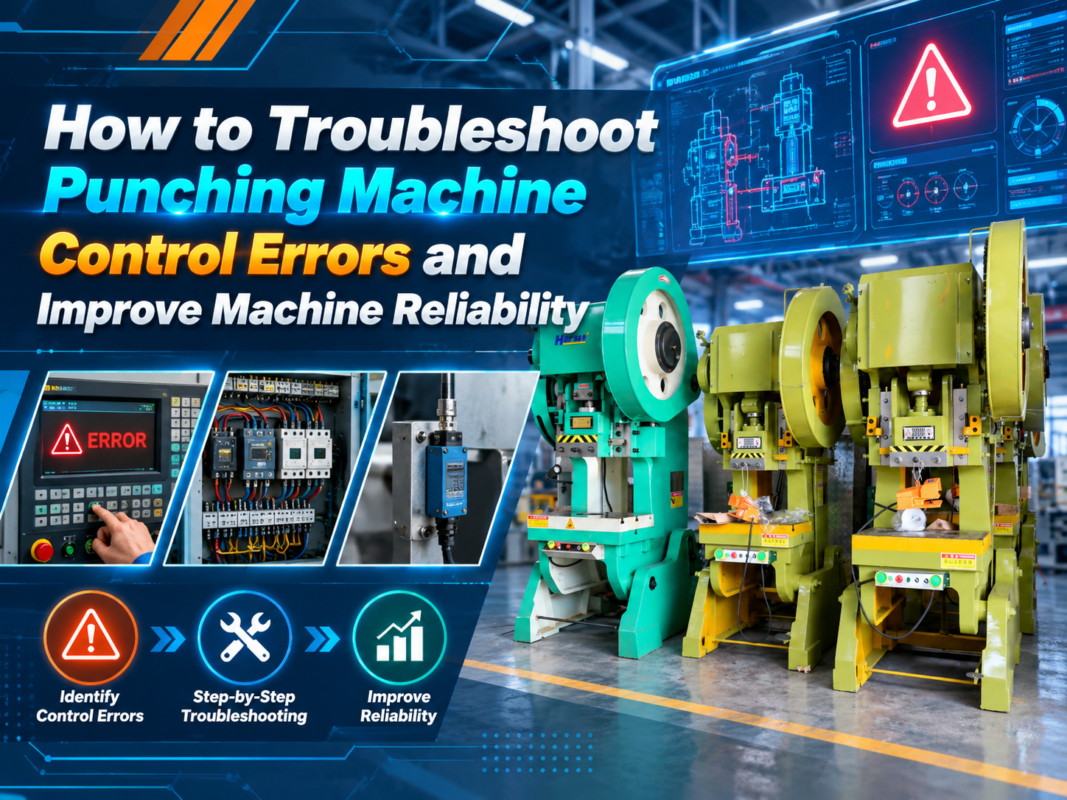
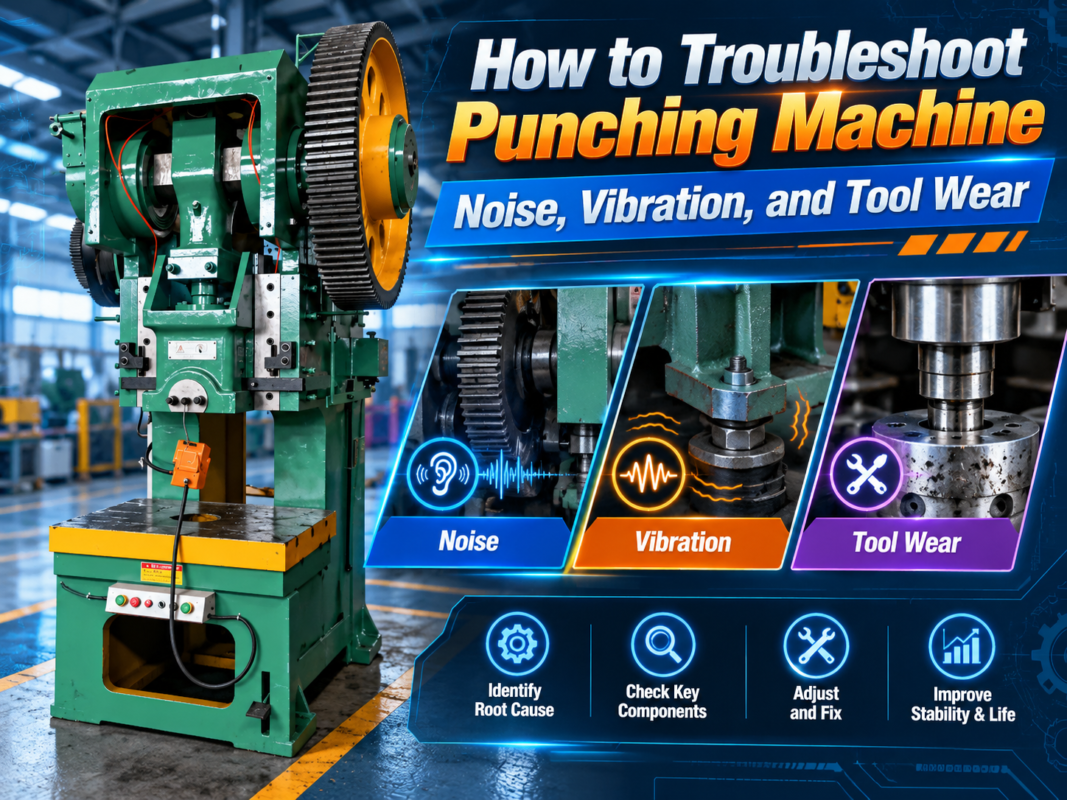
Even with the best maintenance, issues can arise. Recognizing the early warning signs is key to preventing major failures. One of the most common signals is an increase in noise levels. A punching machine should have a consistent, rhythmic sound. If you hear grinding, squealing, or irregular clanking, it is a sign that something is wrong—likely a worn bearing, a loose component, or a lack of lubrication.
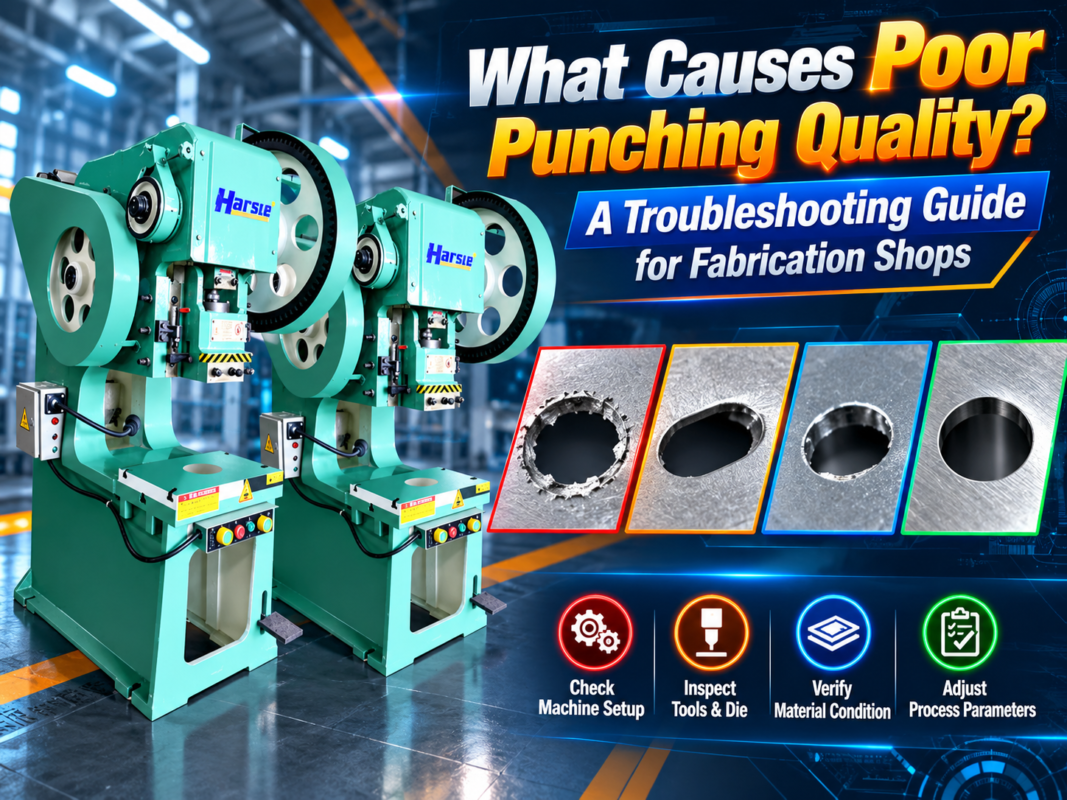
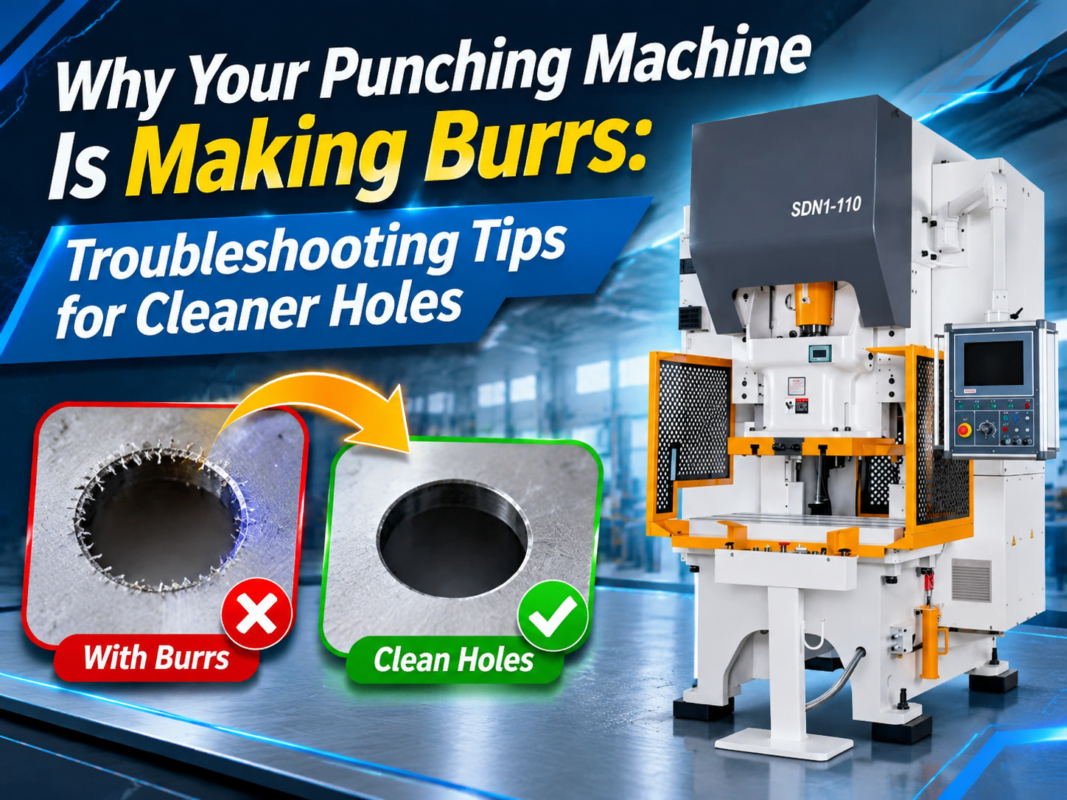
Monitor the quality of the punched holes. If you see burrs forming on the underside of the material, it is a clear indication that the clearance between the punch and die is incorrect or that the tools have become dull. If the holes are not perfectly round or if the material is being deformed around the hole, check the stripper plate and the punch alignment. These visual cues are your best indicators of the machine’s internal health.
Pay attention to the machine’s response time and accuracy. If the CNC controller reports position errors or if the machine seems to ‘hesitate’ during a cycle, it could be an issue with the servo motors or the feedback sensors. Do not ignore these software-level warnings; they are often the first sign of a mechanical component beginning to fail. Addressing these issues early can save thousands of dollars in repair costs.
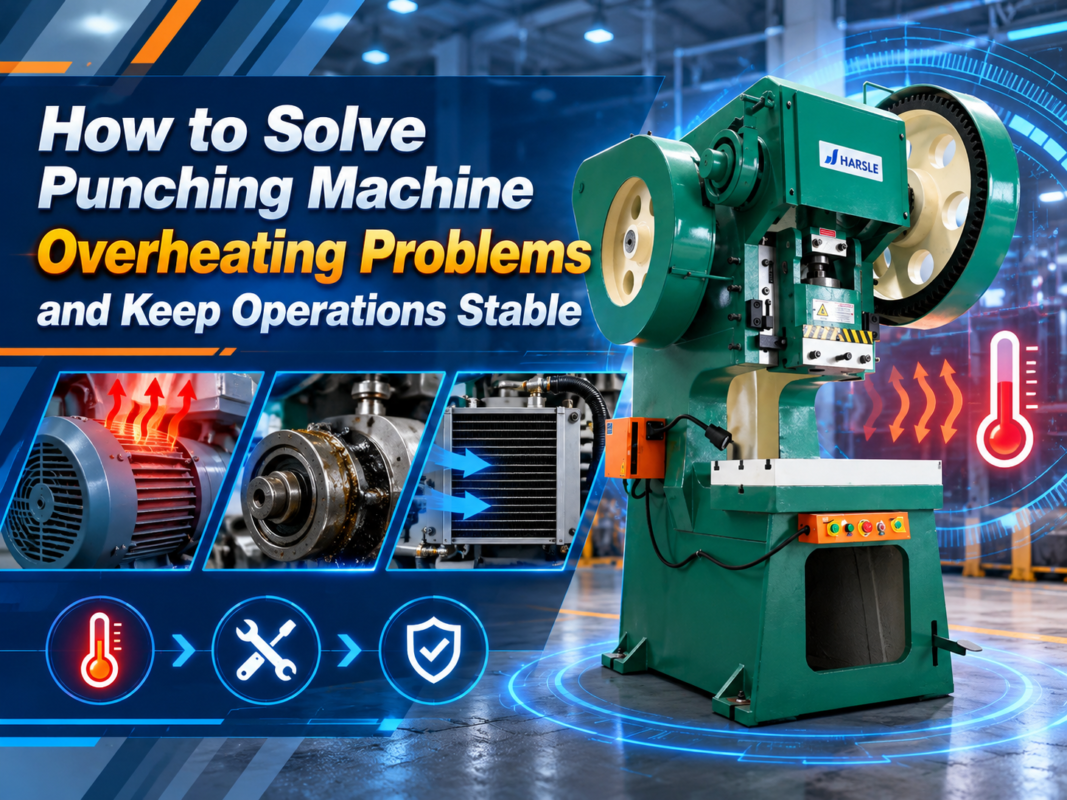
Finally, keep an eye on the temperature of the hydraulic tank and the motor housing. Excessive heat is a universal sign of inefficiency. If the machine is running hotter than usual, it may be working harder than necessary due to increased friction or a failing cooling system. By staying vigilant and responding to these signals, you can maintain punching machine precision and punch quality throughout the entire lifecycle of the equipment.
Maintenance Schedule Table
| Frequency | Task | Description |
|---|---|---|
| Daily | Visual Inspection | Check for loose bolts, debris, and tool wear. |
| Daily | Fluid Levels | Verify hydraulic oil and lubrication levels. |
| Weekly | Filter Check | Inspect and clean/replace hydraulic and air filters. |
| Monthly | Lubrication | Grease all bearings and check guide way alignment. |
| Quarterly | Electrical | Clean control cabinet and check terminal connections. |
| Bi-Annually | Calibration | Verify machine accuracy and recalibrate sensors. |
| Annually | Full Overhaul | Deep clean, replace seals, and inspect drive systems. |
Frequently Asked Questions (FAQ)
How often should I sharpen my punch tools?
Punch tools should be sharpened based on the material thickness and the number of hits. As a general rule, sharpen tools when the burr height reaches 10% of the material thickness. Regular sharpening is essential to maintain punching machine precision and punch quality.
What is the most common cause of punch failure?
The most common cause is improper clearance between the punch and the die. If the clearance is too tight or too loose, the tool will wear prematurely and produce poor-quality parts. Always use the manufacturer’s recommended clearance charts.
Can I use generic lubricants for my HARSLE machine?
We strongly recommend using only the lubricants specified in your HARSLE manual. Generic lubricants may not provide the necessary viscosity or additives required for high-pressure hydraulic systems, which can lead to premature component failure.
Why is my machine producing burrs?
Burrs are usually caused by dull tools, incorrect punch-to-die clearance, or misalignment of the ram. Inspect your tools first, then check the alignment of the turret or tool holder.
How do I know if my hydraulic oil needs changing?
Check the oil color and viscosity. If the oil appears dark, cloudy, or has a burnt smell, it should be replaced immediately. Regular oil analysis can also help determine the optimal change interval based on usage.