Press Brake Back Gauge Not Working? Troubleshooting Steps for Faster Repair


Introduction
In the high-precision world of metal fabrication, the back gauge is the unsung hero of the press brake. It determines the accuracy of your bend lines, ensuring that every part produced meets the exact specifications of your engineering drawings. When you find yourself asking, “Press brake back gauge not working? Troubleshooting steps for faster repair are essential to minimize downtime and maintain production schedules.” At HARSLE, we understand that even a minor misalignment or electronic glitch in the back gauge system can halt an entire production line, leading to costly delays.
This comprehensive guide is designed to help operators and maintenance technicians navigate the complexities of back gauge systems. Whether you are dealing with a simple mechanical jam or a complex CNC communication error, understanding the root cause is the first step toward a permanent fix. By following these structured troubleshooting protocols, you can often resolve issues in-house, saving time and avoiding the need for expensive external service calls.
The back gauge is a sophisticated assembly of motors, ball screws, linear guides, and control software. Because it operates in the harsh environment of a metal fabrication shop—often exposed to dust, vibration, and heavy usage—it requires regular attention. This article will walk you through the diagnostic process, from basic visual inspections to advanced software calibration, ensuring your HARSLE press brake remains a reliable asset in your workshop.
Remember, safety is paramount when working with industrial machinery. Before performing any physical inspection or repair, ensure the machine is locked out and tagged out according to your facility’s safety protocols. Let’s dive into the technical details of keeping your back gauge operational and accurate.

Key Considerations for Back Gauge Performance
Before jumping into repairs, it is vital to understand what constitutes a “working” back gauge. A properly functioning system should move smoothly, stop precisely at the programmed coordinate, and maintain its calibration over long shifts. If you notice inconsistent bend angles or parts that are slightly off-dimension, the back gauge is often the first component to investigate.
Environmental factors play a massive role in the longevity of your back gauge. Metal dust and debris can accumulate on the linear rails and ball screws, leading to increased friction and potential motor strain. Regular cleaning and lubrication are not just maintenance tasks; they are preventative measures that stop small issues from becoming major mechanical failures. If your back gauge is stuttering or making unusual noises, check for debris buildup immediately.
Another key consideration is the electrical integrity of the system. Modern CNC press brakes rely on complex communication between the controller and the servo drives. Loose cables, damaged connectors, or electromagnetic interference can cause the back gauge to “lose its position” or fail to home correctly. Always check the physical connections before assuming a software or hardware failure.
Finally, consider the operator’s role in system health. Overloading the back gauge fingers with heavy plates or using them as a stop for parts that are too large can cause mechanical deflection or damage to the drive mechanism. Educating your team on the weight limits and proper usage of the back gauge is a fundamental step in ensuring long-term reliability and reducing the frequency of troubleshooting sessions.
Technical Details: Troubleshooting the Back Gauge
When the back gauge fails to move, the first step is to check the controller for error codes. Most modern HARSLE press brakes provide specific diagnostic codes that point directly to the issue. If the screen displays a “Servo Alarm” or “Communication Error,” you know the problem lies within the electrical or control loop rather than a physical obstruction.
If the back gauge moves but does not stop at the correct position, you are likely dealing with a calibration or encoder issue. The encoder tracks the position of the motor; if it is dirty or failing, the controller will not receive accurate feedback. Start by cleaning the encoder and checking the wiring. If the issue persists, you may need to perform a re-homing procedure to reset the zero point of the axis.
Mechanical jams are another common culprit. If the back gauge is stuck, inspect the ball screws and linear guides for signs of wear or obstruction. Sometimes, a small piece of scrap metal can wedge itself into the drive mechanism, preventing movement. Use a flashlight to inspect the entire length of the travel path, and manually move the gauge if possible to feel for resistance or “tight spots” in the movement.
For issues involving the fingers or the gauge beam, check for physical deformation. If the beam has been struck by a workpiece, it may be slightly bent, causing it to bind against the frame. A laser level or a precision straight edge can help you determine if the beam is still square to the die. If it is out of square, you will need to adjust the mechanical linkages to bring it back into alignment.
Selection Advice: Choosing the Right Back Gauge System
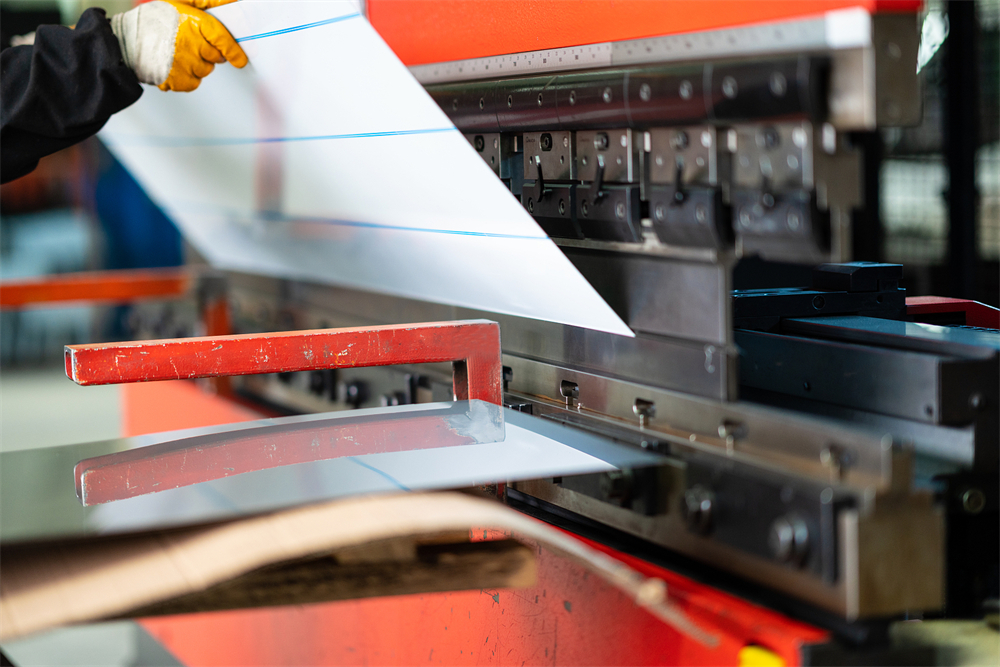
When investing in a new press brake or upgrading an existing one, the back gauge configuration is one of the most important decisions you will make. For high-volume production, a multi-axis back gauge (such as X, R, Z1, and Z2) offers significantly more flexibility than a standard X-axis gauge. These systems allow for complex bending sequences and tapered parts, which can drastically reduce setup time.
Consider the speed and accuracy requirements of your typical projects. If you are working with thin-gauge materials that require high-speed production, look for a back gauge with high-acceleration servo motors. Conversely, if you are working with heavy plate, prioritize structural rigidity and high-torque motors that can handle the weight of the material without deflection.
The controller integration is equally important. A back gauge is only as good as the software driving it. Ensure that the press brake controller is user-friendly and offers robust diagnostic tools. HARSLE machines are designed with integrated software that makes troubleshooting easier by providing real-time feedback on axis status and motor load, which is invaluable when you are trying to diagnose a problem quickly.
Finally, look for modularity. A well-designed back gauge system should allow for the easy replacement of individual components like fingers or sensors. If you have to disassemble the entire machine to replace a single worn-out sensor, your downtime will be significantly higher. Choose a system that prioritizes ease of maintenance and accessibility.
FAQ: Common Questions About Press Brake Back Gauges
Why is my back gauge losing its position?
This is usually caused by a faulty encoder, loose wiring, or a mechanical slip in the drive belt or coupling. Check for loose connections first, then verify the encoder signal in the diagnostic menu.
How often should I calibrate the back gauge?
Calibration should be checked whenever you notice a discrepancy in bend dimensions. For high-precision work, a weekly check is recommended. If the machine is moved or undergoes heavy maintenance, a full recalibration is mandatory.
Can I fix a bent back gauge finger myself?
If the finger is slightly bent, it may be straightened, but it is often better to replace it to ensure consistent accuracy. A bent finger will cause inconsistent back gauge readings across the length of the bed.
What should I do if the back gauge makes a grinding noise?
Stop the machine immediately. Grinding noises indicate a mechanical failure, such as a damaged bearing or a stripped gear. Continued operation will cause further damage to the drive system.
Conclusion
Dealing with a press brake back gauge not working can be a stressful experience, but by following these troubleshooting steps for faster repair, you can regain control of your production environment. From routine cleaning to advanced electrical diagnostics, a systematic approach is the key to maintaining the precision and reliability of your HARSLE press brake. Remember that the best repair is often the one that is prevented through consistent maintenance and operator training.
By understanding the mechanical and electrical components of your back gauge, you empower your team to act quickly when issues arise. Whether it is a simple software reset or a mechanical adjustment, keeping your equipment in top condition ensures that your shop remains competitive and productive. If you ever encounter a problem that exceeds your in-house capabilities, do not hesitate to reach out to the HARSLE support team for expert guidance and genuine replacement parts.
Investing in quality metal fabrication equipment is only the first step. The true value comes from the longevity and performance you extract from that machinery over years of operation. Keep your back gauge clean, calibrated, and well-maintained, and it will continue to provide the precision your customers demand for years to come.