Press Brake Machine Price Guide for Sheet Metal Fabrication Shops: A Comprehensive Investment Analysis


Price Range Overview: Understanding the Investment Landscape
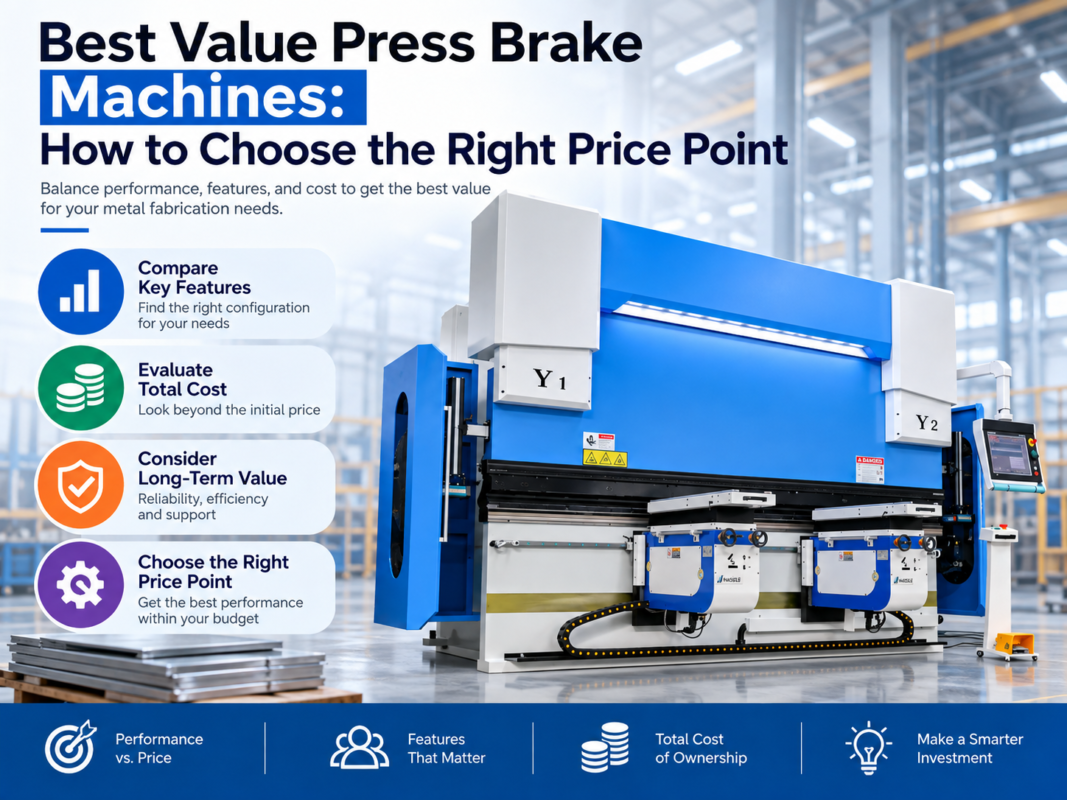
Investing in a press brake is one of the most significant capital expenditures a sheet metal fabrication shop will undertake. The market for these machines is vast, ranging from entry-level manual press brakes to highly automated, multi-axis CNC systems. Understanding the price range is the first step in aligning your production requirements with your budgetary constraints. Generally, entry-level hydraulic press brakes can start as low as $20,000 to $40,000 for smaller, simpler models, while high-end, fully automated robotic bending cells can easily exceed $500,000.
For small to medium-sized sheet metal fabrication shops, the “sweet spot” for a reliable, versatile CNC hydraulic press brake typically falls between $60,000 and $150,000. This price bracket usually secures a machine with 3 to 6 axes of control, high-quality backgauge systems, and robust frame construction capable of handling standard industrial workloads. It is important to view this not merely as a purchase price, but as a long-term investment in your shop’s throughput and precision capabilities.
The price variance is largely dictated by the machine’s tonnage and bending length. A 40-ton machine with a 1.5-meter bed will naturally cost significantly less than a 400-ton machine with a 4-meter bed. When evaluating a press brake machine price guide for sheet metal fabrication shops, you must first define your maximum material thickness and the longest part you intend to bend. Over-specifying your machine leads to unnecessary capital expenditure, while under-specifying leads to production bottlenecks and potential equipment damage.
Furthermore, the geographic origin of the machine plays a role in the initial price tag. European and Japanese manufacturers often command a premium due to brand heritage and specific component sourcing, while manufacturers like HARSLE offer highly competitive pricing by leveraging advanced manufacturing efficiencies and global supply chains. For many shops, the value proposition lies in finding the balance between machine durability, local support availability, and the initial acquisition cost.
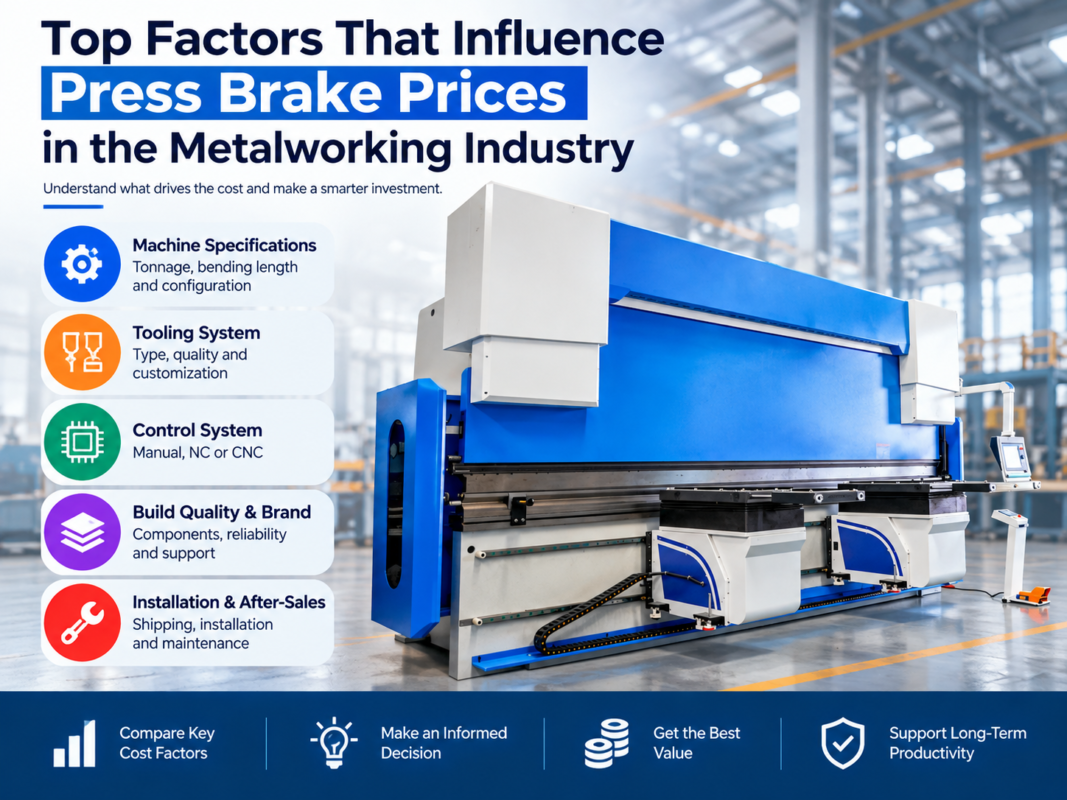
Main Cost Drivers: What Influences the Price Tag?
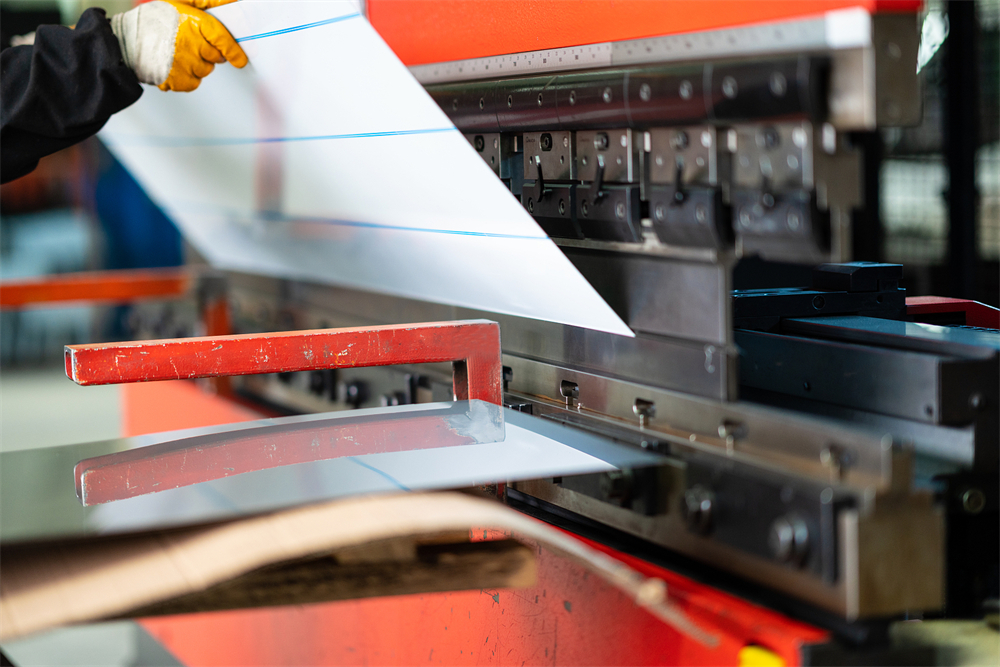
Several technical factors act as primary cost drivers in the press brake market. The most obvious is the tonnage capacity. Tonnage refers to the amount of force the machine can exert to bend metal. Higher tonnage requires heavier steel frames, more powerful hydraulic pumps, and reinforced cylinders. Each increase in tonnage capacity adds to the material and engineering costs, which are directly passed on to the buyer.
The bending length is the second major driver. A longer bed requires a more rigid frame to prevent deflection during the bending process. To maintain precision over a 4-meter length, the machine must be engineered with high-grade steel and advanced crowning systems. Crowning systems, which compensate for the deflection of the bed and ram, are essential for achieving consistent bend angles across the entire length of the part. Advanced electronic crowning systems add to the cost but are indispensable for high-precision work.
Control systems are another significant factor. A basic NC controller might handle simple backgauge positioning, but a modern CNC controller offers 3D visualization, offline programming, and automatic bend sequence calculation. The sophistication of the software and the number of controlled axes (Y1, Y2, X, R, Z1, Z2, etc.) directly impact the price. More axes allow for more complex part geometries and faster setup times, which increases the machine’s overall productivity.
Finally, the quality of the hydraulic and electrical components cannot be overlooked. High-end proportional valves, reliable servo motors, and premium-grade seals ensure that the machine maintains its accuracy over thousands of cycles. While it might be tempting to opt for cheaper components to lower the initial price, the long-term cost of downtime and maintenance often outweighs the initial savings. Investing in reputable, globally recognized components is a hallmark of a smart fabrication shop owner.
Configuration Impact: Customization and Efficiency
The configuration of your press brake is where you can truly tailor the machine to your specific shop needs. Standard configurations are often sufficient for general job shops, but specialized fabrication requires specific add-ons. For instance, the backgauge system is a critical component. A standard 2-axis backgauge is fine for simple bends, but if your shop produces complex parts with multiple flanges, a 4-axis or 6-axis backgauge will drastically reduce handling time and increase accuracy.
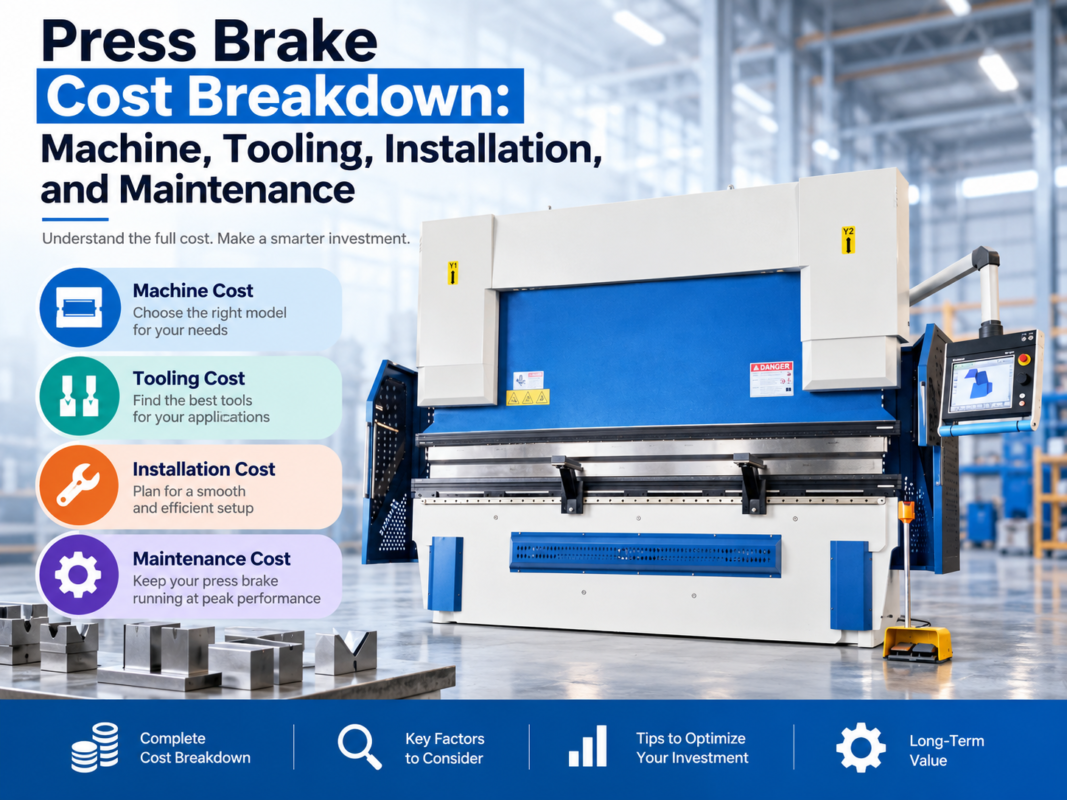
Tooling is another area that impacts the total cost of ownership. While the machine price might be quoted as a base unit, you will need a set of punches and dies to start production. High-quality, hardened, and ground tooling is essential for precision. Some shops opt for quick-change clamping systems, which allow operators to swap out tools in seconds rather than minutes. While these systems add to the initial investment, the reduction in setup time is a massive boost to shop efficiency, especially for shops that handle high-mix, low-volume production.
Safety features are non-negotiable and also influence the price. Modern press brakes come equipped with laser safety curtains, light guards, and physical barriers. While these are often included in the base price of reputable manufacturers, advanced safety systems that allow for faster approach speeds without compromising operator safety can be an optional upgrade. Prioritizing safety not only protects your workforce but also reduces insurance premiums and potential liability costs.
Automation readiness is a growing trend. Even if you aren’t ready for a robotic bending cell today, buying a machine that is “automation-ready” can save you money in the future. This includes pre-installed interfaces for robots, automatic tool changers, or sheet followers. These features allow your shop to scale up production capabilities as your business grows without needing to replace the entire machine.
Hidden Costs: Beyond the Sticker Price
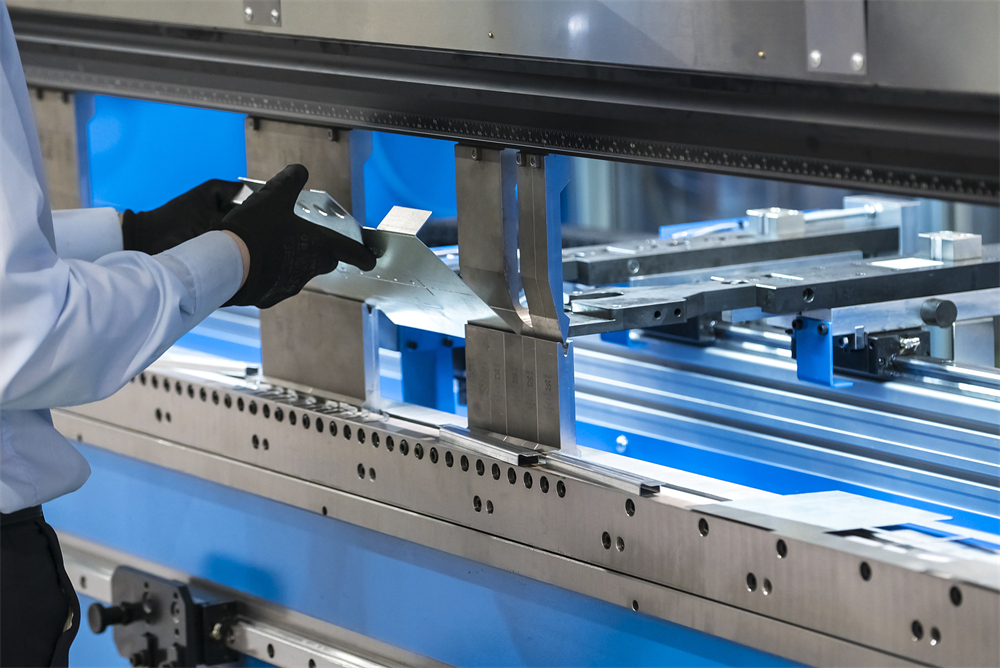
When analyzing a press brake machine price guide for sheet metal fabrication shops, it is vital to account for the “hidden” costs that occur after the purchase. Shipping and rigging are the first of these. Moving a multi-ton machine into your facility requires specialized equipment and professional riggers. Depending on the distance and the complexity of the installation, this can add several thousand dollars to your budget.
Installation and commissioning are equally important. A press brake is a precision instrument; it must be leveled and calibrated perfectly to function correctly. Most manufacturers or distributors include professional installation in the price, but if they don’t, you must budget for it. Attempting to install a machine without proper expertise can lead to premature wear, accuracy issues, and voided warranties.
Training is another often-overlooked cost. Even the most advanced machine is only as good as the operator using it. You must factor in the time and money required to train your staff on the specific controller, software, and safety protocols of the new machine. Many shops find that investing in comprehensive training during the first week of operation pays for itself within months through reduced scrap rates and faster cycle times.
Maintenance and consumables are ongoing costs. Hydraulic oil, filters, and periodic calibration services are necessary to keep the machine running at peak performance. Additionally, you should set aside a budget for tooling maintenance. Punches and dies will eventually wear out or chip, and having a plan for sharpening or replacing them is essential for maintaining the quality of your finished products.
ROI Calculation: Justifying the Investment
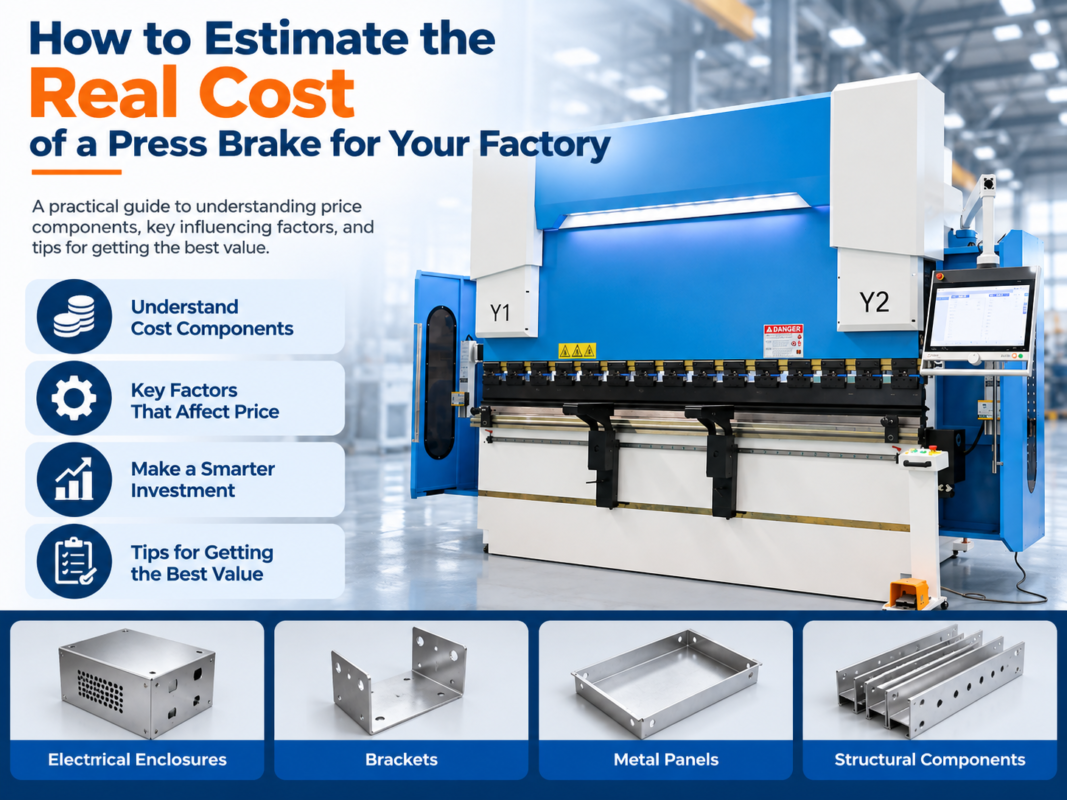
Calculating the Return on Investment (ROI) for a press brake involves looking at more than just the purchase price. You need to consider the increase in production capacity, the reduction in labor costs, and the improvement in part quality. If your current machine requires long setup times and frequent manual adjustments, a new CNC press brake can reduce your setup time by 50% or more. This allows you to take on more jobs and increase your shop’s revenue.
Consider the cost of scrap. A high-precision press brake with advanced crowning and angle measurement systems significantly reduces the number of rejected parts. If your current scrap rate is 5%, and a new machine can reduce that to 1%, the savings on material and labor over a few years can be substantial. When you combine these savings with the ability to produce more complex parts that command higher margins, the ROI becomes very attractive.
Another factor is the reduction in secondary operations. A precise press brake can often eliminate the need for secondary grinding or finishing, as the bends are accurate and consistent from the first part to the last. This streamlines your production flow and reduces the total time from raw material to finished product, which is a key competitive advantage in the fabrication industry.
Finally, consider the resale value. High-quality press brakes from reputable manufacturers like HARSLE hold their value well. When you eventually decide to upgrade or expand, you can recoup a significant portion of your initial investment by selling or trading in your existing machine. This residual value should be factored into your long-term financial planning.
Buying Advice: A Checklist for Shop Owners
Before finalizing your purchase, create a checklist of your shop’s specific needs. Start by analyzing your historical data: What is the thickest material you bend? What is the longest part? How many bends per part on average? This data will help you determine the necessary tonnage and bed length. Don’t buy for the “once-a-year” job; buy for the 95% of work that keeps your shop profitable.
Request a demonstration. Never buy a press brake without seeing it in action. If possible, bring your own material and a complex part file to the showroom. Seeing how the machine handles your specific material and how easy it is to program will give you a much better understanding of its capabilities than any brochure can provide. Ask about the controller’s ease of use—is it intuitive for your operators?
Evaluate the support network. A press brake is a critical piece of infrastructure. If it goes down, your production stops. Ask the manufacturer or distributor about their service response times, the availability of spare parts, and the quality of their remote diagnostic support. A machine is only as good as the support behind it. HARSLE prides itself on providing robust after-sales support to ensure your shop stays operational.
Finally, look at the total cost of ownership, not just the purchase price. Compare the energy efficiency of different models, the expected lifespan of the components, and the ease of maintenance. A slightly higher initial investment in a more energy-efficient or durable machine can result in a lower total cost of ownership over a 10-year period. Always prioritize quality and reliability to ensure your shop remains competitive in the long run.
FAQ: Common Questions About Press Brake Pricing
- Q: Why is there such a large price difference between press brakes?
A: The price difference is primarily due to the build quality, the sophistication of the CNC controller, the number of axes, the brand reputation, and the level of automation included. - Q: How much should a small shop budget for a new press brake?
A: For a reliable, entry-to-mid-level CNC press brake, a budget of $60,000 to $100,000 is a realistic starting point for most fabrication shops. - Q: Is it better to buy a used or new press brake?
A: Used machines can be cheaper, but they come with risks regarding wear and lack of warranty. New machines offer the latest technology, full warranties, and support, which usually provide a better long-term ROI. - Q: How often does a press brake need maintenance?
A: Routine maintenance should be performed according to the manufacturer’s schedule, typically every 6 to 12 months, to ensure accuracy and longevity. - Q: Can I finance my press brake purchase?
A: Yes, most reputable manufacturers and distributors offer financing or leasing options to help shops manage their cash flow while investing in new equipment.