Shearing Machine Uses In Steel Processing Fabrication: A Comprehensive Guide


Introduction to Shearing Machine Uses In Steel Processing Fabrication
In the modern landscape of metal fabrication, precision and efficiency are the cornerstones of success. Among the various tools available to manufacturers, the shearing machine stands out as a fundamental piece of metal fabrication equipment. Understanding the diverse shearing machine uses in steel processing fabrication is essential for any workshop aiming to optimize its production workflow. Whether you are dealing with thin sheet metal or heavy-duty steel plates, the shearing process remains the most reliable method for achieving clean, straight-line cuts.
HARSLE has long been at the forefront of providing high-performance industrial machinery, and our shearing solutions are designed to meet the rigorous demands of global steel processing. A shearing machine operates by applying a shearing force to a workpiece, typically using two blades—one fixed and one moving—to slice through the material. This mechanical action is not only fast but also produces minimal waste, making it an environmentally and economically sound choice for high-volume production environments.
The versatility of these machines extends across numerous industries, from automotive manufacturing and aerospace to construction and shipbuilding. By mastering the capabilities of your shearing equipment, you can significantly reduce secondary processing times, such as grinding or deburring, thereby increasing your overall shop floor throughput. This guide explores the technical depth, operational benefits, and strategic selection criteria for integrating shearing machines into your steel processing fabrication line.
Key Considerations for Shearing Machine Operations
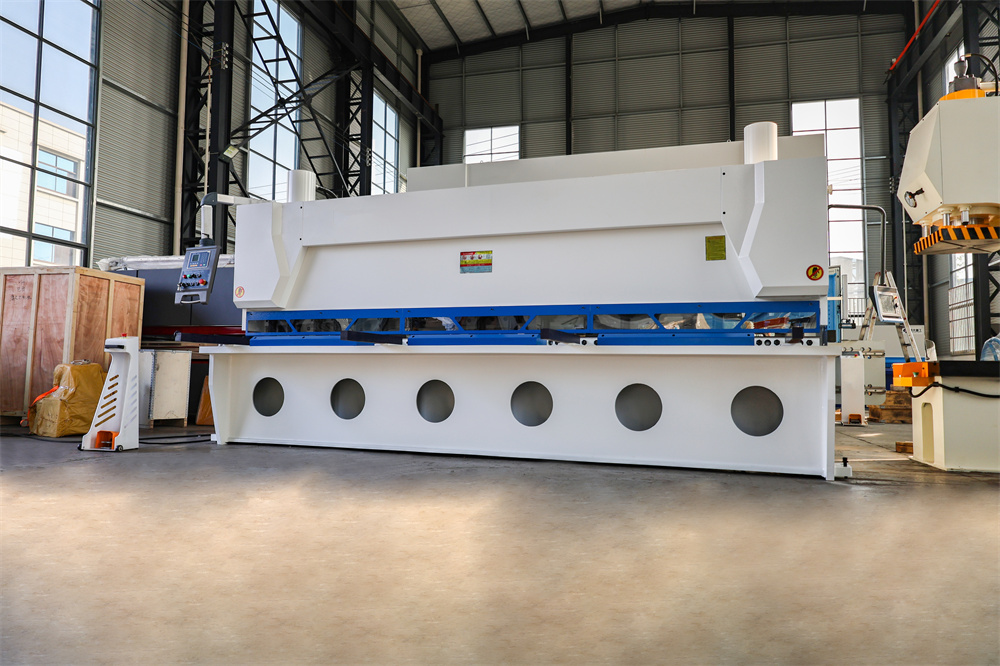
When integrating a shearing machine into your steel processing fabrication workflow, several key considerations must be addressed to ensure safety, accuracy, and longevity. The first factor is material compatibility. Not all shearing machines are created equal; some are optimized for thin-gauge stainless steel, while others are built to handle thick carbon steel plates. Understanding the tensile strength and thickness capacity of your machine is critical to preventing blade damage and ensuring the structural integrity of the cut.
Blade clearance is another vital operational consideration. The gap between the upper and lower blades must be adjusted according to the thickness of the material being processed. If the clearance is too wide, the material may bend or burr; if it is too narrow, the machine may experience excessive strain, leading to premature wear on the blades. Modern HARSLE shearing machines feature automated or easy-to-adjust clearance systems that allow operators to switch between material thicknesses with minimal downtime.
Safety protocols are non-negotiable in industrial settings. Shearing machines exert immense force, and the risk of injury is high if proper guarding and safety light curtains are not utilized. Operators must be trained in the specific shearing machine uses in steel processing fabrication, including the correct loading techniques and the importance of keeping hands clear of the cutting zone. Regular safety audits and the use of foot-pedal controls with emergency stops are standard requirements for maintaining a secure work environment.
Finally, consider the material handling aspect. For large-scale steel processing, the efficiency of the shearing process is often limited by how quickly material can be fed into the machine and how effectively the cut pieces can be removed. Integrating conveyors, sheet supports, and automated loading systems can transform a manual shearing station into a high-speed, semi-automated production cell, significantly reducing labor costs and increasing safety.
Technical Details of Modern Shearing Technology
The evolution of shearing technology has moved from simple mechanical guillotines to sophisticated hydraulic systems that offer unparalleled control. A hydraulic shearing machine uses high-pressure fluid to drive the cutting beam, providing a consistent force throughout the entire length of the cut. This is particularly important when processing long steel plates, as it prevents the material from twisting or bowing during the shearing action.
One of the most critical technical components is the rake angle. The rake angle refers to the angle at which the upper blade meets the material. A lower rake angle is ideal for thin sheets, as it minimizes distortion and ensures a flatter cut. Conversely, a higher rake angle is necessary for thicker plates, as it reduces the total force required to penetrate the material. Advanced HARSLE machines often feature variable rake angle adjustments, allowing for maximum flexibility across different fabrication projects.
The control system, often powered by CNC (Computer Numerical Control), is the brain of the operation. Modern controllers allow operators to input material type, thickness, and desired dimensions, automatically calculating the optimal blade gap and rake angle. This level of automation reduces human error and ensures that every cut meets the exact specifications required for subsequent fabrication steps, such as bending or welding.
Maintenance of the cutting blades is a technical detail that directly impacts the quality of the finished product. Blades must be made from high-quality, hardened tool steel and should be sharpened or replaced at regular intervals. A dull blade not only produces poor-quality cuts with heavy burrs but also increases the load on the machine’s hydraulic system, potentially leading to costly repairs. Implementing a strict maintenance schedule is a hallmark of a professional steel processing facility.
Selection Advice for Metal Fabrication Equipment
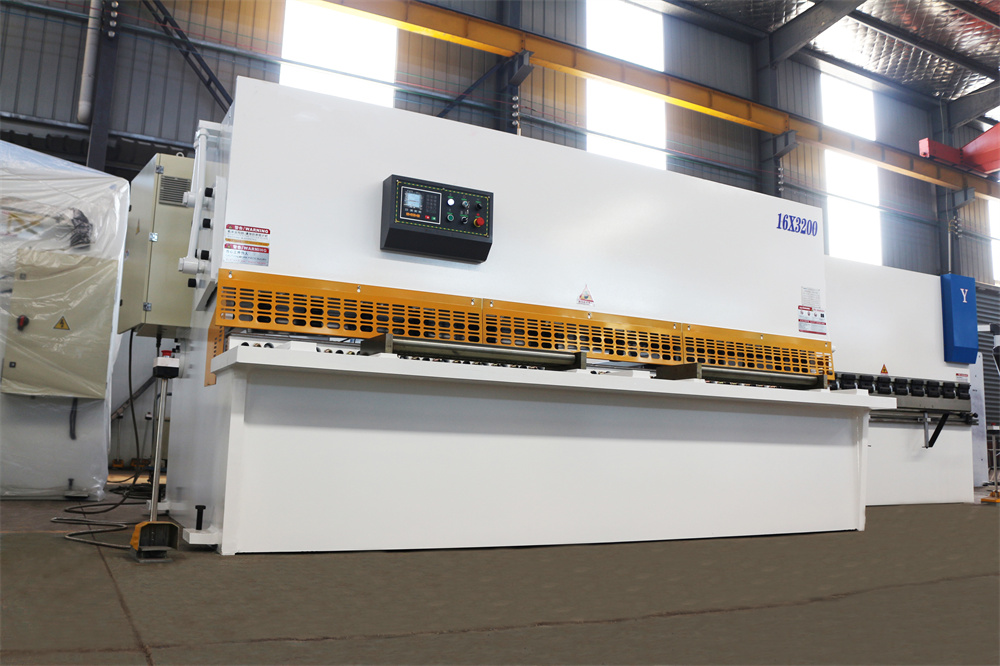
Choosing the right shearing machine for your specific shearing machine uses in steel processing fabrication requires a careful evaluation of your current and future production needs. Start by analyzing your material mix. If your shop primarily processes stainless steel, you will need a machine with higher cutting force and specialized blade materials compared to a shop that works exclusively with mild steel or aluminum.
Consider the maximum length and thickness of the material you intend to process. It is often wise to invest in a machine with a slightly higher capacity than your current requirements to allow for future growth. However, avoid over-specifying, as a machine that is too large for your typical workpieces may be less energy-efficient and take up valuable floor space that could be used for other metal fabrication equipment.
Evaluate the brand reputation and support infrastructure. HARSLE provides comprehensive after-sales support, including spare parts availability, remote technical assistance, and operator training. When investing in industrial machinery, the ability to get your machine back up and running quickly in the event of a breakdown is just as important as the initial purchase price. Look for manufacturers that offer long-term warranties and have a proven track record in the steel processing industry.
Finally, consider the integration capabilities. Does the shearing machine need to communicate with other equipment in your shop, such as a CNC press brake or a laser cutting machine? Modern smart factories rely on data connectivity to track production metrics and optimize workflows. Ensure that the machine you choose supports the necessary communication protocols to fit into your existing digital ecosystem.
FAQ: Shearing Machine Uses In Steel Processing Fabrication
- What is the primary advantage of using a hydraulic shearing machine over a mechanical one? Hydraulic machines offer greater control, consistent force, and the ability to adjust the rake angle, which results in higher precision and less material distortion.
- How often should I sharpen the blades on my shearing machine? The frequency depends on the material type and volume. Generally, if you notice increased burrs or the machine requires more force than usual, it is time to inspect and sharpen the blades.
- Can a shearing machine cut non-metallic materials? While designed for steel and other metals, some shearing machines can cut certain plastics or composites, but you must consult the manufacturer to ensure the blades and machine structure are suitable.
- What is the difference between a guillotine shear and a swing beam shear? A guillotine shear moves the blade vertically, which is excellent for precision, while a swing beam shear moves the blade in an arc, which is often more robust for heavy-duty plate cutting.
- How do I ensure safety when operating a shearing machine? Always use the provided light curtains, ensure the foot pedal is protected, and never attempt to bypass safety interlocks. Regular operator training is the best defense against accidents.
Conclusion
The importance of understanding shearing machine uses in steel processing fabrication cannot be overstated. As a foundational element of metal fabrication equipment, the shearing machine provides the speed, accuracy, and efficiency required to compete in today’s industrial market. By focusing on proper material handling, regular maintenance, and the selection of high-quality machinery from trusted partners like HARSLE, fabricators can ensure their operations remain productive and profitable.
Whether you are a small job shop or a large-scale manufacturing plant, the right shearing solution will serve as the backbone of your production line. As technology continues to advance, the integration of CNC controls and automated material handling will further enhance the capabilities of these machines, allowing for even greater precision and versatility. Invest in the right equipment, prioritize safety and maintenance, and watch your steel processing fabrication capabilities reach new heights.