
Hydraulic Press Machine Pricing Explained for First-Time Buyers


Price Range Overview
For first-time buyers entering the metal fabrication industry, the question of cost is often the most daunting hurdle. Hydraulic press machine pricing explained for first-time buyers requires a clear understanding that there is no single ‘standard’ price. Instead, the market is segmented into tiers based on tonnage, precision, and automation levels. Entry-level hydraulic presses, often used for small-scale workshop tasks or light assembly, can range from $5,000 to $15,000. These machines are typically manual or semi-automatic and offer basic functionality for simple bending or punching tasks.
Moving into the mid-range category, which is where most small-to-medium enterprises (SMEs) find their sweet spot, prices typically fall between $20,000 and $60,000. These machines offer higher tonnage, better structural rigidity, and more sophisticated control systems. They are designed for consistent, daily production cycles and often feature programmable logic controllers (PLCs) that allow for repeatable accuracy, which is essential for maintaining quality standards in competitive markets.
High-end, industrial-grade hydraulic presses represent the top tier of the market, with prices ranging from $80,000 to well over $250,000. These machines are engineered for heavy-duty applications, high-speed production lines, and complex multi-stage forming processes. They incorporate advanced features such as servo-hydraulic systems, real-time pressure monitoring, and integration with robotic material handling systems. For a first-time buyer, understanding these tiers is the first step in aligning your budget with your production requirements.
It is also important to note that pricing is heavily influenced by the origin of the machine and the level of post-purchase support provided. While lower-cost imports might seem attractive, they often lack the long-term reliability and spare parts availability that established manufacturers like HARSLE provide. When evaluating the price range, always consider the total cost of ownership rather than just the initial sticker price. A machine that costs 20% more upfront but offers 50% less downtime is almost always the better financial decision.
Main Cost Drivers
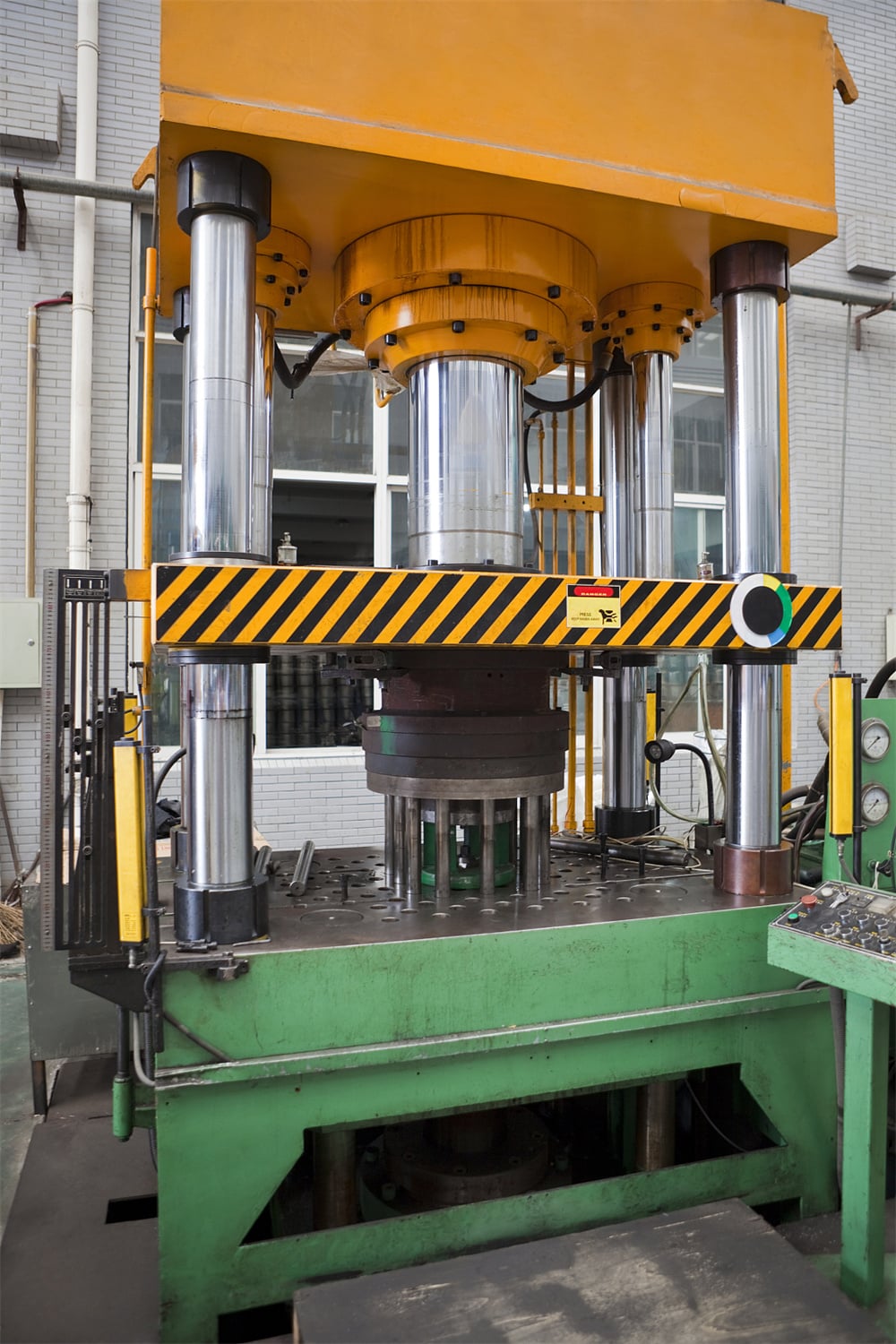
The primary driver of hydraulic press machine pricing is tonnage. Tonnage refers to the amount of force the machine can exert, and it dictates the thickness and material type the press can handle. As a rule of thumb, the higher the tonnage, the larger the frame, the more robust the hydraulic cylinders, and the more power required to operate the system. First-time buyers must accurately calculate their maximum force requirements to avoid overspending on unnecessary capacity or underspending on a machine that cannot handle the workload.
Another significant cost driver is the bed size and daylight opening. The bed size determines the maximum dimensions of the workpiece, while the daylight opening refers to the vertical space between the ram and the bed. Larger bed sizes require thicker, reinforced steel plates to prevent deflection under load, which significantly increases material and manufacturing costs. Similarly, a larger daylight opening requires longer hydraulic cylinders and a taller frame, both of which add to the overall price of the machine.
Control systems and automation levels also play a critical role in the final price. A basic hydraulic press might use simple push-button controls, which are inexpensive but offer limited flexibility. In contrast, modern CNC-controlled presses allow for precise control over stroke length, pressure, and speed. These systems require sophisticated software, sensors, and high-speed valves, all of which add to the cost. However, for businesses looking to scale, the investment in advanced controls often pays for itself through reduced scrap rates and faster setup times.
Finally, the quality of components—specifically the hydraulic pumps, valves, and seals—is a major differentiator. Premium components from reputable global brands ensure longer service life, quieter operation, and higher energy efficiency. While these components increase the initial price, they are essential for minimizing maintenance costs and preventing unexpected production halts. When reviewing quotes, always ask for a breakdown of the key hydraulic and electrical components to ensure you are getting the quality your production environment demands.
Configuration Impact
Customization is a double-edged sword in the world of hydraulic presses. While it allows you to tailor the machine to your specific production needs, it also adds to the complexity and cost of the build. For first-time buyers, it is often best to start with a standard configuration and add only the most essential options. Common configurations that impact price include the addition of die cushions, which are necessary for deep drawing applications, and light curtains, which are critical for operator safety.
The type of hydraulic system used—whether it is a standard hydraulic system or a servo-driven system—will have a massive impact on both the price and the ongoing operating costs. Servo-hydraulic presses are more expensive to purchase initially because they require advanced motor controllers and high-precision feedback loops. However, they are significantly more energy-efficient and offer superior control over ram movement, which can lead to higher quality parts and less material waste.
Another configuration factor is the speed of the ram. High-speed presses are designed for mass production and require specialized hydraulic circuits that can handle rapid cycling without overheating. These machines are more expensive due to the need for advanced cooling systems and high-flow valves. If your production volume is low to moderate, a standard-speed press will be more cost-effective and perfectly adequate for your needs. Always match the machine speed to your actual production throughput requirements.
Finally, consider the integration of auxiliary equipment. If your process requires automatic feeding, part ejection, or multi-station tooling, these systems must be engineered into the press from the start. Retrofitting these features later is almost always more expensive and less reliable than having them integrated at the factory. Discuss your long-term production roadmap with your supplier so they can recommend a configuration that can grow with your business.
Hidden Costs
When budgeting for a hydraulic press, many first-time buyers focus exclusively on the machine price, forgetting the ‘hidden’ costs associated with installation and operation. Shipping and rigging are the first of these costs. Large hydraulic presses are heavy and require specialized transport and crane services to move them into your facility. Depending on your location and the size of the machine, these logistics can add thousands of dollars to your total investment.
Site preparation is another frequently overlooked expense. A hydraulic press requires a solid, level concrete foundation to handle the weight and the vibrations generated during operation. Depending on the tonnage, you may need to pour a reinforced concrete pad or install vibration-dampening mounts. Additionally, you must ensure your facility has the necessary electrical power supply, including the correct voltage and amperage, as well as adequate compressed air lines if your machine uses pneumatic accessories.
Training and commissioning costs should also be factored in. While some manufacturers include basic training, you may need to budget for professional installation and operator training to ensure your team can use the machine safely and efficiently. Furthermore, consider the cost of tooling. The dies and molds required for your specific parts are often not included in the price of the press and can be a significant investment in their own right. Always request a comprehensive quote that includes all necessary tooling and setup accessories.
Finally, don’t forget the ongoing costs of maintenance and consumables. Hydraulic oil, filters, seals, and electrical components will eventually need to be replaced. Establish a preventive maintenance schedule and budget for these items annually. By accounting for these hidden costs upfront, you can avoid financial surprises and ensure that your investment remains profitable throughout its lifecycle.
ROI Calculation
Calculating the Return on Investment (ROI) for a hydraulic press is essential for justifying the purchase to stakeholders. To begin, calculate the total cost of ownership, which includes the purchase price, shipping, installation, training, and estimated maintenance costs over the expected life of the machine (typically 10-20 years). Once you have this total, compare it against the projected revenue generated by the parts produced on the machine.
Consider the labor savings as a key component of your ROI. A modern hydraulic press with automated features can significantly reduce the time required for setup and operation compared to older, manual equipment. If your new machine allows you to produce parts 30% faster, that is a direct increase in your production capacity and a reduction in the labor cost per part. Calculate the value of this increased throughput over the life of the machine.
Quality improvements also contribute to ROI. By reducing the number of defective parts, you save on material costs and the labor associated with rework or scrap disposal. If your current scrap rate is 5% and your new press reduces it to 1%, the savings on raw materials and labor can be substantial. When presenting your ROI analysis, be sure to include these ‘soft’ savings, as they often have a larger impact on the bottom line than the machine’s speed alone.
Finally, consider the potential for new business opportunities. A new, high-precision hydraulic press may allow you to take on complex projects that you previously had to outsource. By bringing this work in-house, you capture the profit margin that was previously going to a third-party vendor. When you combine increased capacity, higher quality, and the ability to handle new types of work, the ROI of a well-chosen hydraulic press becomes clear and compelling.
Buying Advice
For first-time buyers, the most important piece of advice is to prioritize the reputation of the manufacturer. A hydraulic press is a long-term asset, and you need a partner who will support you for years to come. Look for companies like HARSLE that have a proven track record, transparent pricing, and a robust service network. Read customer reviews, ask for references, and don’t be afraid to ask technical questions about the machine’s construction and component sourcing.
Before signing any contract, clearly define your production requirements. Create a list of the materials you will be working with, the maximum thickness, the required tonnage, and the dimensions of your largest parts. Share this list with your supplier and ask them to recommend the best machine for your specific needs. A good supplier will act as a consultant, helping you avoid over-specifying while ensuring you have enough power to handle your current and future workload.
Always request a live demonstration or a video walkthrough of the machine in operation. Seeing the press in action will give you a better sense of its build quality, noise level, and ease of use. If possible, visit the factory or a local showroom to inspect the machine in person. This is the best way to verify the quality of the welds, the finish of the components, and the responsiveness of the control system.
Finally, negotiate the terms of the warranty and service agreement. A standard warranty is good, but an extended service contract or a comprehensive spare parts package can provide peace of mind. Ensure that the manufacturer offers remote technical support, as this can save you hours of downtime by allowing their engineers to troubleshoot issues over the internet. By following these steps, you can navigate the buying process with confidence and secure a machine that will serve your business for years.
FAQ
- What is the most important factor when choosing a hydraulic press? The most important factor is matching the machine’s tonnage and bed size to your specific application requirements. Over-specifying leads to wasted capital, while under-specifying leads to machine failure and poor part quality.
- How often does a hydraulic press need maintenance? Preventive maintenance should be performed at least once or twice a year, depending on usage. This includes checking hydraulic fluid levels, inspecting seals for leaks, and testing the electrical control system.
- Can I use a hydraulic press for different types of materials? Yes, hydraulic presses are highly versatile and can be used for steel, aluminum, copper, and even some plastics, provided the tooling is correctly designed for the material properties.
- What is the difference between a C-frame and a H-frame press? C-frame presses offer better access to the work area from three sides, making them ideal for assembly and small-part production. H-frame presses provide superior structural rigidity and are better suited for heavy-duty, high-tonnage applications.
- How long does it take to get a return on investment? ROI depends on your production volume and the efficiency gains achieved. Many businesses see a full return on investment within 2 to 5 years of operation.


