Shearing Machine Installation Guide for New Production Lines: A Comprehensive HARSLE Manual


Technical Overview
The successful integration of a shearing machine into a new production line is a critical milestone for any metal fabrication facility. As the primary stage in sheet metal processing, the precision and reliability of your shearing equipment dictate the quality of all downstream operations, such as bending, welding, and assembly. At HARSLE, we emphasize that the installation process is not merely about placing the machine on the floor; it is a complex engineering task that requires meticulous planning, environmental control, and structural integrity.
A modern hydraulic shearing machine operates under immense pressure, converting electrical energy into mechanical force to slice through metal sheets with high accuracy. When installing this equipment in a new production line, engineers must account for the dynamic loads generated during the cutting cycle. If the foundation is inadequate or the leveling is imprecise, the machine will experience vibration, leading to premature wear of the blades, inconsistent cut quality, and potential damage to the hydraulic seals and internal components.
Furthermore, the workflow efficiency of your new production line depends heavily on the strategic placement of the shearing machine. It should be positioned to minimize material handling time, allowing for seamless transition from raw material storage to the shear, and then to the next station. By considering the ergonomics of the operator and the flow of scrap metal, you can significantly increase the throughput of your facility while maintaining high safety standards.
HARSLE recommends a holistic approach to installation, involving a multidisciplinary team of mechanical engineers, electrical technicians, and floor managers. This guide serves as a comprehensive roadmap to ensure that your shearing machine is installed to meet the rigorous demands of industrial production. From site selection to final commissioning, every step must be documented and verified to ensure long-term operational success.

Core Parameters
Understanding the core parameters of your shearing machine is vital before beginning the installation process. These parameters define the machine’s capabilities and, more importantly, its physical requirements for the factory floor. The cutting capacity, which is usually defined by the maximum thickness and tensile strength of the material, determines the force exerted on the foundation. A machine designed for 20mm mild steel will require a significantly more robust foundation than one designed for 6mm sheets.
The rake angle and blade clearance are two other critical parameters that influence the machine’s performance. The rake angle affects the distortion of the cut piece, while the blade clearance must be adjusted based on the material thickness. During installation, technicians must ensure that the machine is calibrated to handle the specific material types intended for the new production line. Incorrect settings can lead to excessive force requirements, which may cause the machine to shift or vibrate during operation.
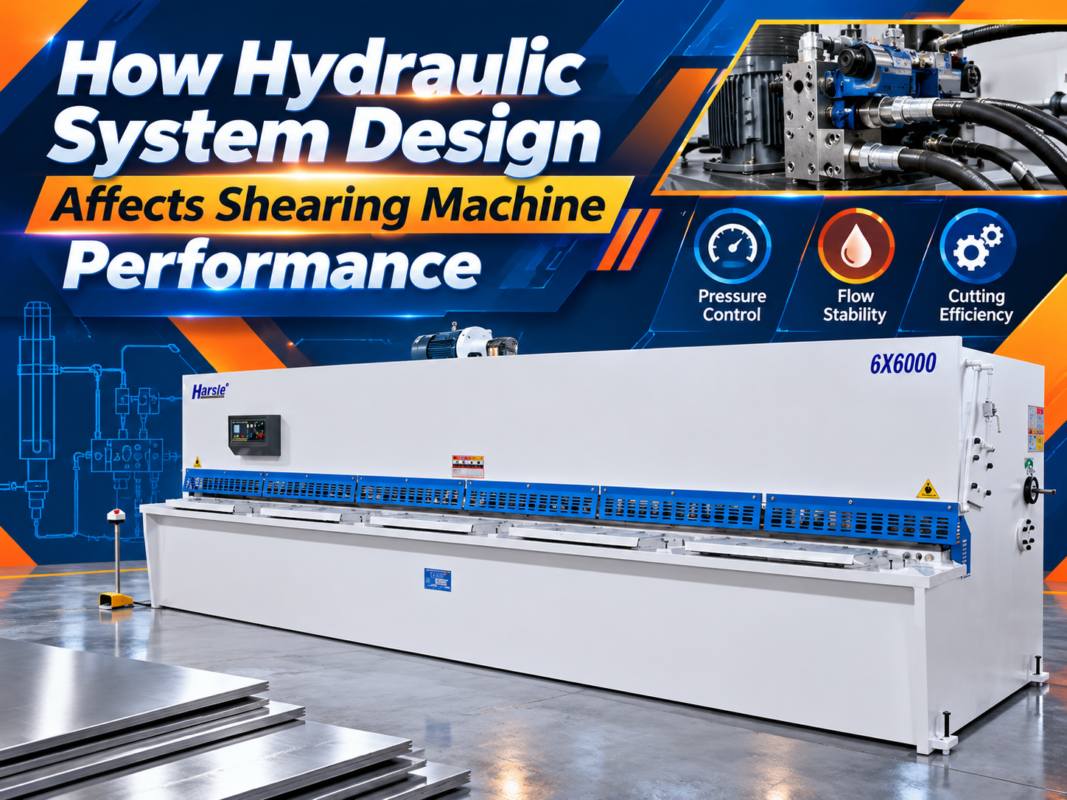
Hydraulic system parameters, including oil pressure and flow rate, are also essential. The hydraulic power unit (HPU) must be positioned in a way that allows for easy maintenance access while ensuring that hydraulic lines are protected from damage. In a new production line, the integration of the HPU with the main machine frame must be checked for leaks and pressure stability during the initial test runs. Proper hydraulic management is the key to longevity for HARSLE shearing machines.
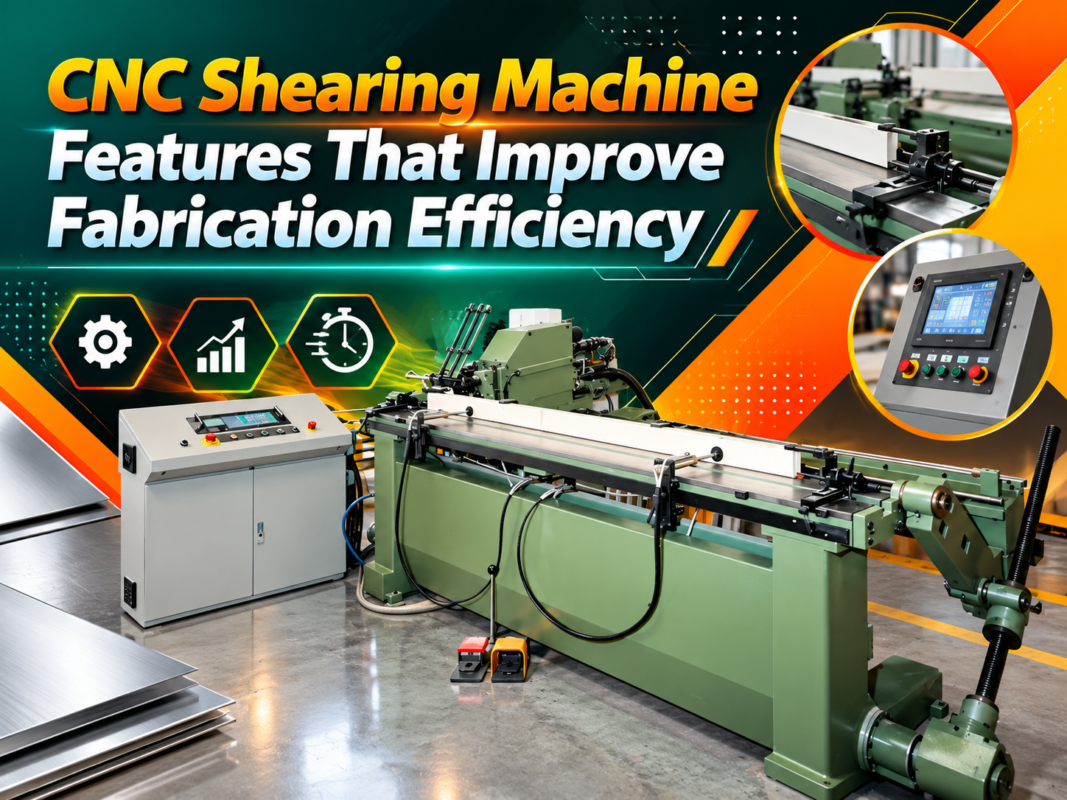
Finally, the control system parameters—often managed via a CNC interface—must be synchronized with the production line’s master controller. This ensures that the shearing machine receives accurate data regarding sheet dimensions and cutting sequences. During installation, verify that the communication protocols are compatible and that the emergency stop circuits are fully integrated into the facility’s safety network. These parameters form the backbone of a high-performance shearing operation.
Calculation Method
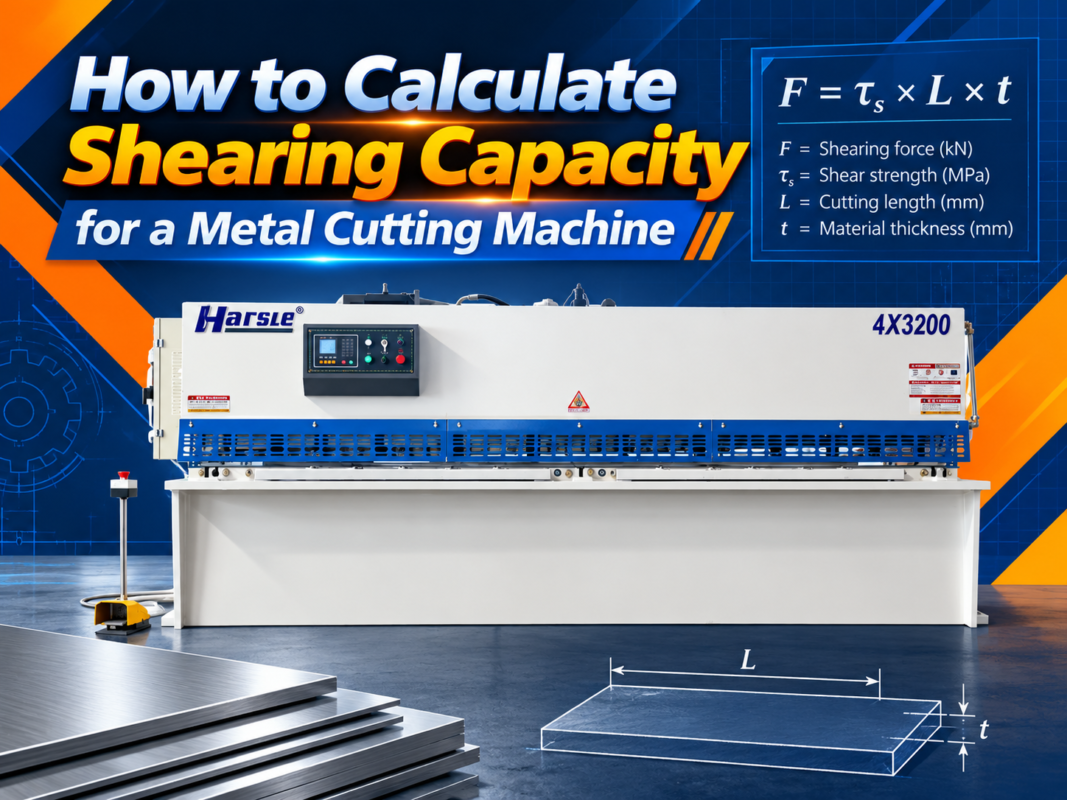
Calculating the foundation requirements for a shearing machine is a fundamental step in the installation process. The weight of the machine, combined with the dynamic forces generated during the cutting stroke, must be distributed across a concrete slab of sufficient thickness and reinforcement. A common rule of thumb is to calculate the static load of the machine and multiply it by a factor of 1.5 to 2.0 to account for the impact forces during the shearing process.
To calculate the required foundation depth, engineers must assess the soil bearing capacity of the factory floor. If the floor is a standard industrial slab, it may need to be reinforced with a dedicated concrete pad specifically for the shearing machine. This pad should be isolated from the rest of the factory floor using expansion joints to prevent vibrations from traveling to sensitive equipment nearby. The concrete should be cured for at least 28 days before the machine is anchored to ensure maximum compressive strength.
Another critical calculation involves the power supply requirements. The total connected load of the shearing machine, including the main motor, hydraulic pump, and CNC controller, must be calculated to determine the necessary circuit breaker size and cable gauge. It is essential to account for the start-up current, which is often significantly higher than the running current. Using an undersized power supply can lead to voltage drops, which may cause the CNC controller to reset or the motor to overheat.
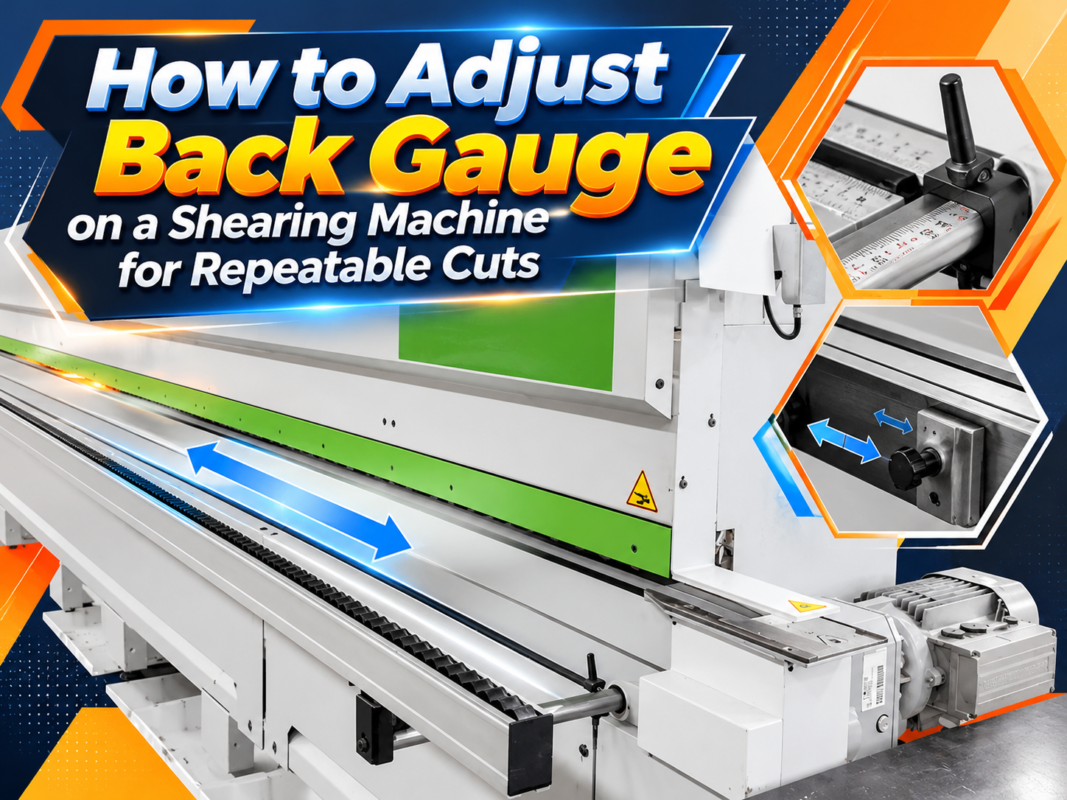
Finally, calculate the clearance zones around the machine. This includes the space required for loading raw material, the space for the operator to stand, and the space for the rear gauge system to function. The total footprint should include a safety buffer of at least 1.5 meters on all sides. By performing these calculations before the equipment arrives, you avoid costly delays and ensure that the machine is positioned for optimal performance.
Parameter Table
| Parameter | Description | Importance |
|---|---|---|
| Foundation Depth | Minimum 300mm-500mm reinforced concrete | Structural stability and vibration damping |
| Power Supply | 3-Phase, 380V/415V, 50/60Hz | Operational reliability and motor longevity |
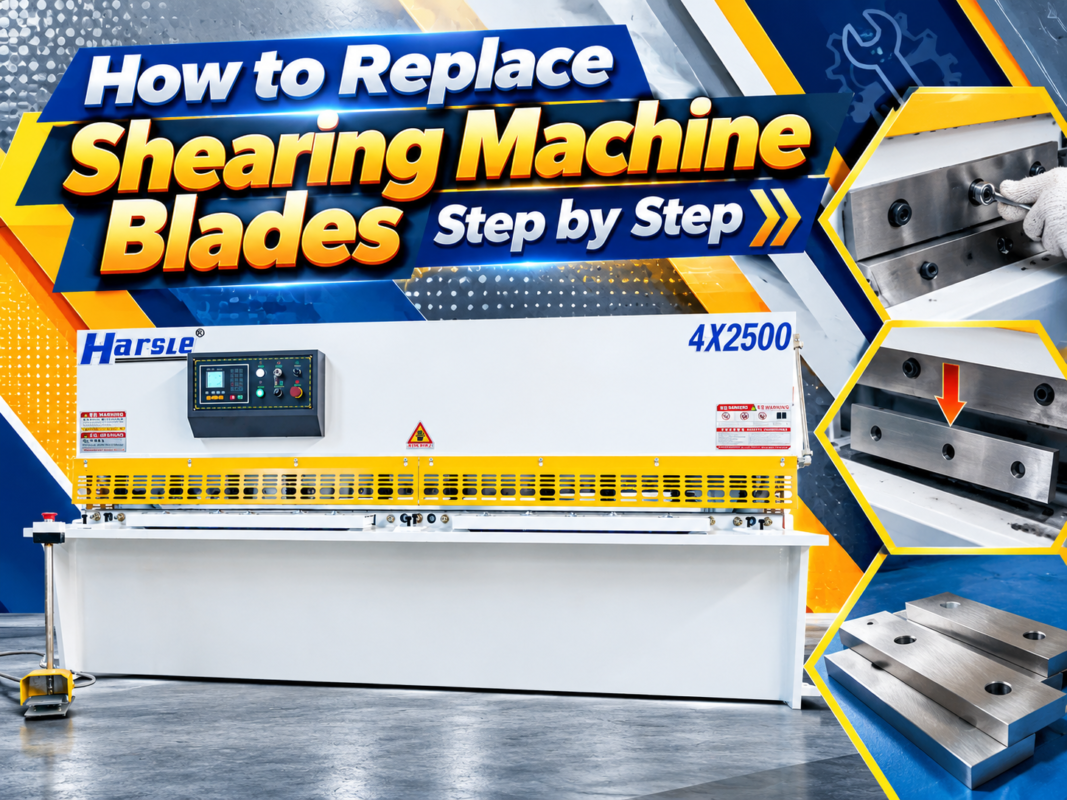
| Blade Clearance | Adjustable based on material thickness | Cut quality and blade life |
| Rake Angle | Fixed or variable | Minimizing material distortion |
| Operating Temperature | 10°C to 40°C | Hydraulic oil viscosity and electronic stability |
| Safety Clearance | 1.5 meters around the perimeter | Operator safety and maintenance access |

Common Engineering Mistakes
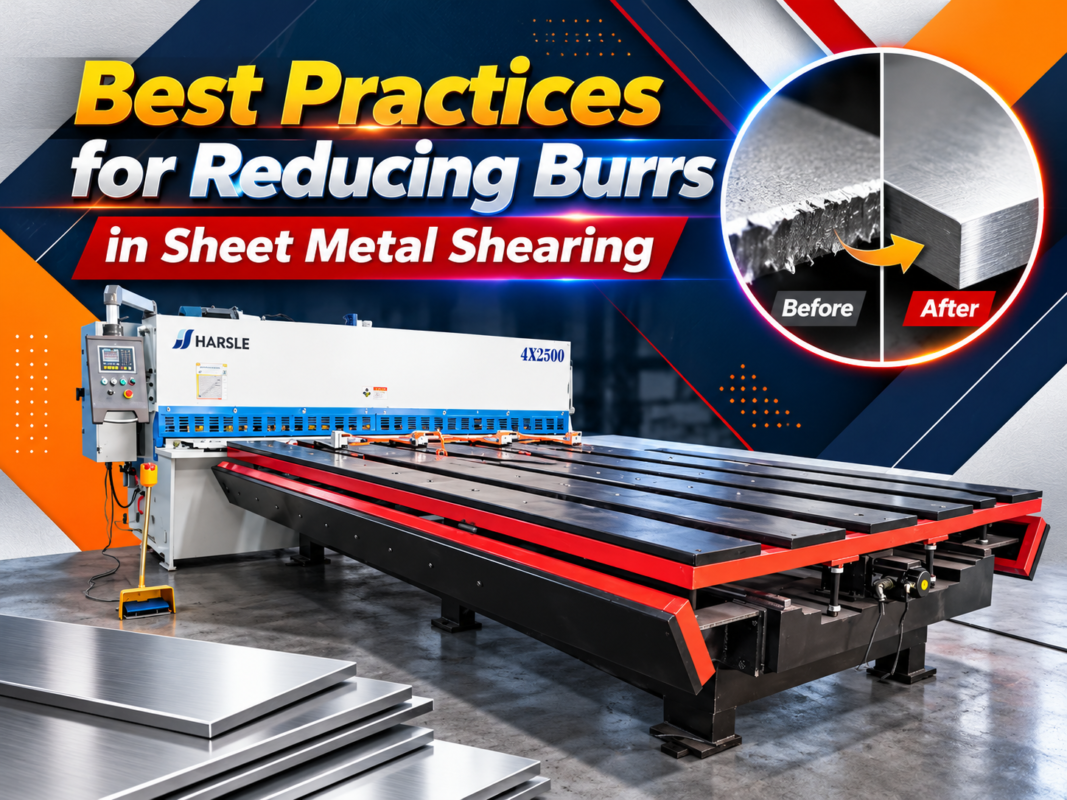
One of the most frequent mistakes during the installation of a shearing machine is the failure to properly level the machine frame. Even a slight deviation from a perfectly level surface can cause the upper and lower blades to misalign, leading to burrs on the cut edge and uneven wear on the blade edges. HARSLE technicians always use high-precision spirit levels to ensure the machine is perfectly horizontal across both the X and Y axes before tightening the anchor bolts.
Another common error is neglecting the hydraulic system’s cleanliness. During the installation process, dust and debris can easily enter the hydraulic lines if they are left open. It is imperative to flush the hydraulic system with clean oil before the first operation to remove any contaminants that may have entered during shipping or installation. Failure to do so can result in damage to the hydraulic valves and cylinders, leading to costly repairs and downtime.
Many facilities also fail to account for the thermal expansion of the machine frame. In environments with significant temperature fluctuations, the metal frame can expand or contract, affecting the blade clearance settings. It is recommended to install the machine in a climate-controlled area or to perform regular recalibrations of the blade gap as the seasons change. Ignoring this factor can lead to inconsistent cut quality throughout the year.
Finally, the lack of proper grounding is a frequent oversight that can lead to electrical interference and damage to the CNC controller. The shearing machine must be connected to a dedicated, high-quality earth ground that is separate from the general factory grounding system. This prevents electrical noise from the main power grid from affecting the sensitive electronic components of the machine. Ensuring a clean electrical environment is essential for the long-term reliability of your HARSLE shearing machine.
Selection Checklist
Before finalizing the purchase and installation of your shearing machine, use this checklist to ensure all bases are covered:
- Material Capacity: Does the machine handle the maximum thickness and tensile strength of your most common materials?
- Cutting Length: Is the blade length sufficient for the largest sheets you intend to process?
- Automation Level: Do you require an automatic sheet feeder or a scrap removal conveyor for your new production line?
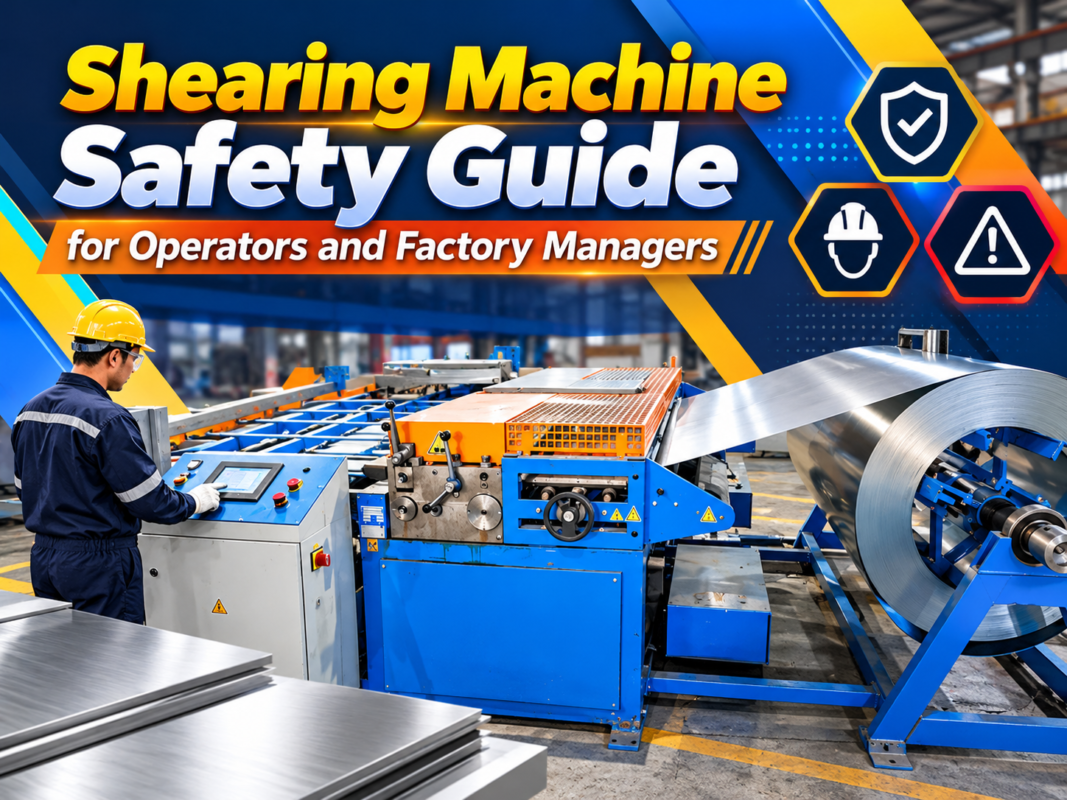
- Safety Features: Does the machine include light curtains, rear safety guards, and emergency stop buttons that comply with local regulations?
- Maintenance Accessibility: Is there enough space around the machine to easily access the hydraulic unit, electrical cabinet, and blade adjustment points?
- After-Sales Support: Does the manufacturer provide local technical support, spare parts availability, and remote diagnostic capabilities?
- Foundation Requirements: Have you verified that your factory floor can support the weight and dynamic loads of the machine?
- Integration Compatibility: Can the machine communicate with your existing ERP or production management software?
FAQ
How often should I check the blade clearance?
Blade clearance should be checked whenever you change the material thickness or type. For high-volume production, it is recommended to perform a daily check to ensure the clearance remains within the manufacturer’s specified tolerances.
What type of hydraulic oil is recommended for HARSLE shearing machines?
We recommend using high-quality anti-wear hydraulic oil with a viscosity grade of ISO VG 46 or 68, depending on your local ambient temperature. Always consult the machine manual for the specific viscosity requirements for your climate.
Can I install the shearing machine on a mezzanine floor?
Installing a heavy-duty shearing machine on a mezzanine is generally not recommended due to the high dynamic loads and vibration. If you must install it on an elevated floor, a professional structural engineer must certify that the floor can support the static and dynamic loads of the machine.
What is the most important factor for long-term machine accuracy?
Regular maintenance, specifically keeping the machine clean, ensuring proper lubrication of the guide ways, and maintaining the correct blade clearance, is the most important factor for long-term accuracy.
How long does the installation process typically take?
A standard installation, including positioning, leveling, electrical connection, and initial testing, typically takes 2 to 4 days, depending on the machine size and the complexity of the production line integration.
Is professional training required for operators?
Yes, professional training is highly recommended. HARSLE provides comprehensive training programs to ensure your operators understand the machine’s safety features, control interface, and basic maintenance procedures.