Best Hydraulic Press Prices for Sheet Metal, Punching, and Deep Drawing Applications


Introduction to Hydraulic Press Investment
In the competitive landscape of metal fabrication, selecting the right equipment is a balance between technical capability and financial viability. When searching for the Best Hydraulic Press Prices Sheet Metal, Punching, Deep Drawing Applications, manufacturers must look beyond the initial sticker price. A hydraulic press is a long-term asset that defines the production capacity, precision, and versatility of a workshop. Whether you are a small-scale custom shop or a high-volume automotive supplier, understanding the nuances of hydraulic press pricing is essential for a sustainable investment.
HARSLE has established itself as a leader in providing high-quality hydraulic solutions that cater to diverse industrial needs. From simple punching tasks to complex multi-stage deep drawing processes, the price of a hydraulic press is influenced by its engineering complexity, tonnage, and integrated technology. This guide aims to deconstruct the pricing structures of modern hydraulic presses, helping you identify where to allocate your budget for the highest return on investment (ROI).
Price Range Overview: From Entry-Level to Industrial Powerhouses
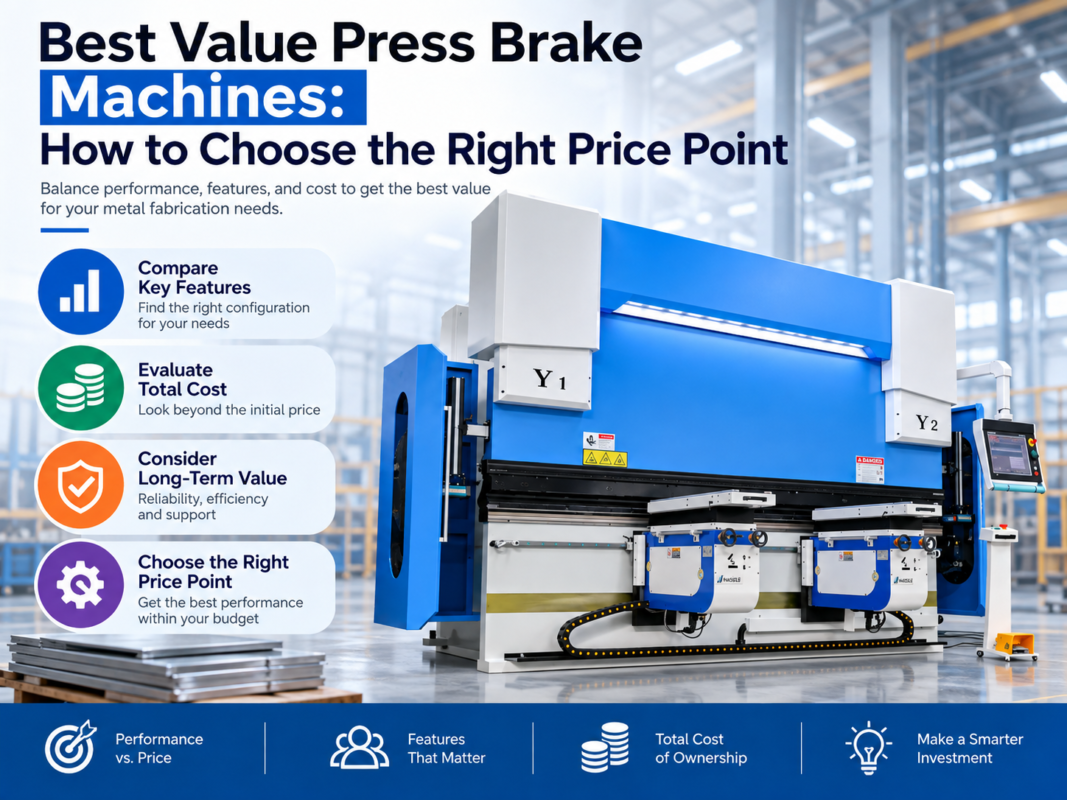
The market for hydraulic presses is vast, with prices ranging from a few thousand dollars to several hundred thousand. For basic sheet metal applications, such as simple bending or light punching, small C-frame hydraulic presses (10 to 50 tons) typically start between $5,000 and $15,000. these machines are ideal for workshops that require flexibility without the need for massive force or high-speed automation.
Moving into the mid-range, which includes 100-ton to 500-ton H-frame or four-column presses, prices generally fall between $25,000 and $80,000. These machines are the workhorses of the industry, capable of handling more demanding punching and moderate deep drawing tasks. They offer better stability, larger bolster areas, and more sophisticated control systems compared to entry-level models.
For heavy-duty applications, particularly deep drawing of large automotive parts or thick plate punching, high-tonnage presses (800 tons to 2000+ tons) are required. These industrial powerhouses can cost anywhere from $150,000 to over $500,000. The price reflects the massive amount of high-grade steel used in the frame, the complexity of the hydraulic circuits, and the advanced CNC systems required to manage such immense force with precision.
Main Cost Drivers in Hydraulic Press Manufacturing
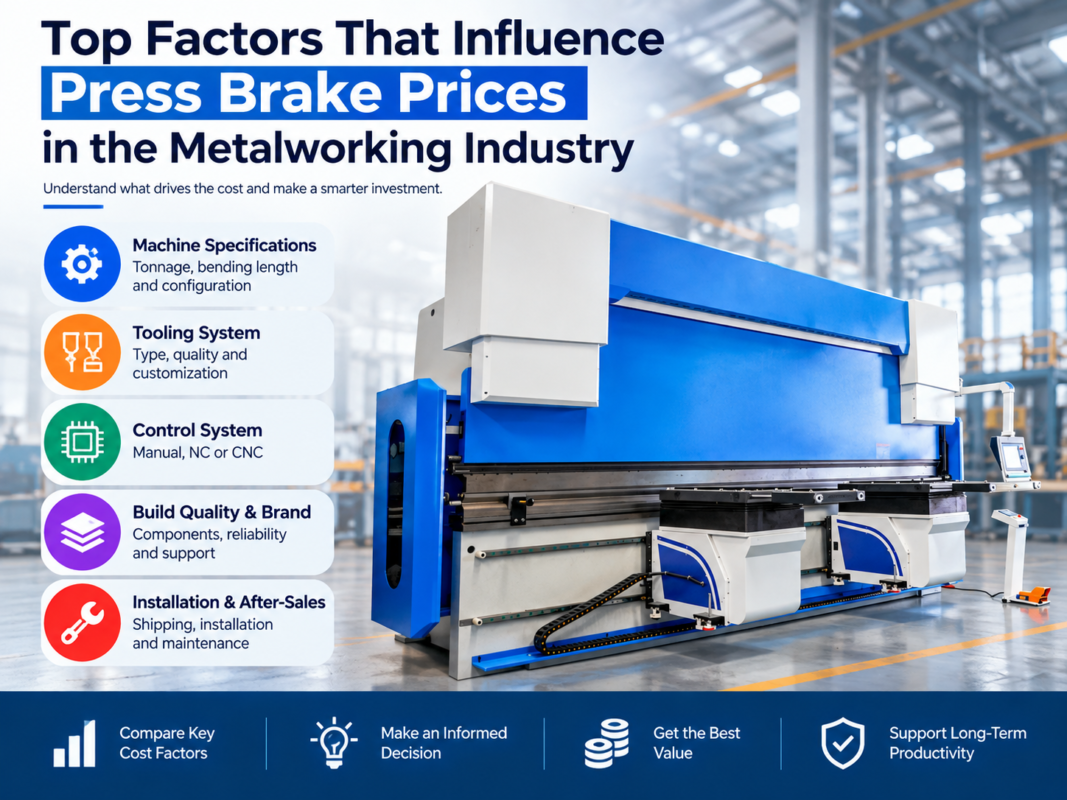
Understanding what drives the cost of a hydraulic press is crucial for making an informed purchase. The primary factor is Tonnage. The higher the force required, the larger the hydraulic cylinders, the more robust the frame, and the more powerful the motor must be. Each increment in tonnage requires a proportional increase in material and engineering costs.
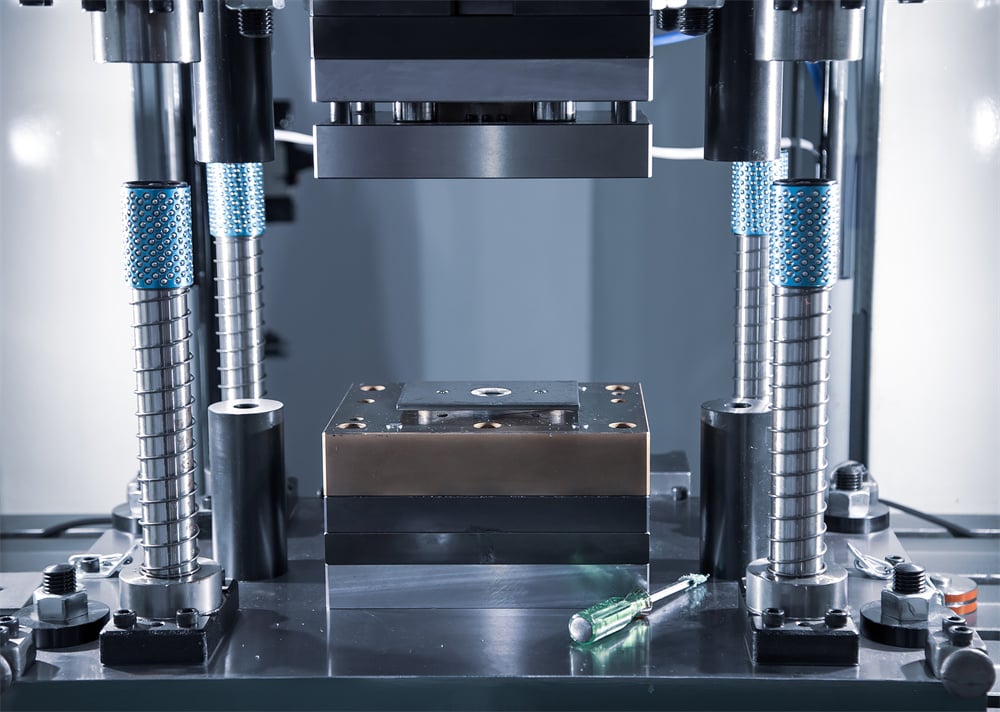
Frame Design is another significant cost driver. C-frame (Gap frame) presses are generally more affordable because they provide three-sided access, but they are prone to ‘yaw’ or deflection under high pressure. H-frame and Four-Column presses are more expensive due to their rigid construction, which ensures perfectly parallel movement between the ram and the bolster—a necessity for high-precision deep drawing and complex punching dies.
The Quality of Components also dictates the price. A press equipped with world-class hydraulic valves from Rexroth or Bosch, and PLC systems from Siemens or Schneider, will command a premium. However, these components offer superior reliability, easier sourcing of spare parts, and better long-term performance. HARSLE prioritizes these high-end components to ensure that the Best Hydraulic Press Prices Sheet Metal, Punching, Deep Drawing Applications also reflect the best quality.
Configuration Impact: Customizing for Specific Applications
The specific application—be it sheet metal bending, punching, or deep drawing—requires different machine configurations, each impacting the final price. For Punching Applications, speed is often the priority. High-speed hydraulic systems with rapid approach and return strokes increase the price but significantly boost throughput. Specialized punching presses may also include vibration damping to protect the machine and tooling from the shock of the breakthrough.
Deep Drawing Applications require a more complex setup, most notably a Hydraulic Cushion (or die cushion). This component, located beneath the bolster, provides the necessary holding force to prevent wrinkling as the metal is drawn into the die. A high-quality, adjustable hydraulic cushion can add 15% to 30% to the base price of the press but is indispensable for producing high-quality drawn parts like sinks, tanks, or automotive panels.
Control systems also play a role. A basic manual or semi-automatic control system is cost-effective for simple tasks. However, for precision deep drawing, a full CNC system that allows for programmable pressure profiles throughout the stroke is required. This level of control ensures consistency across thousands of parts and reduces the reliance on highly skilled operators, though it increases the initial capital expenditure.
Hidden Costs: Beyond the Initial Purchase
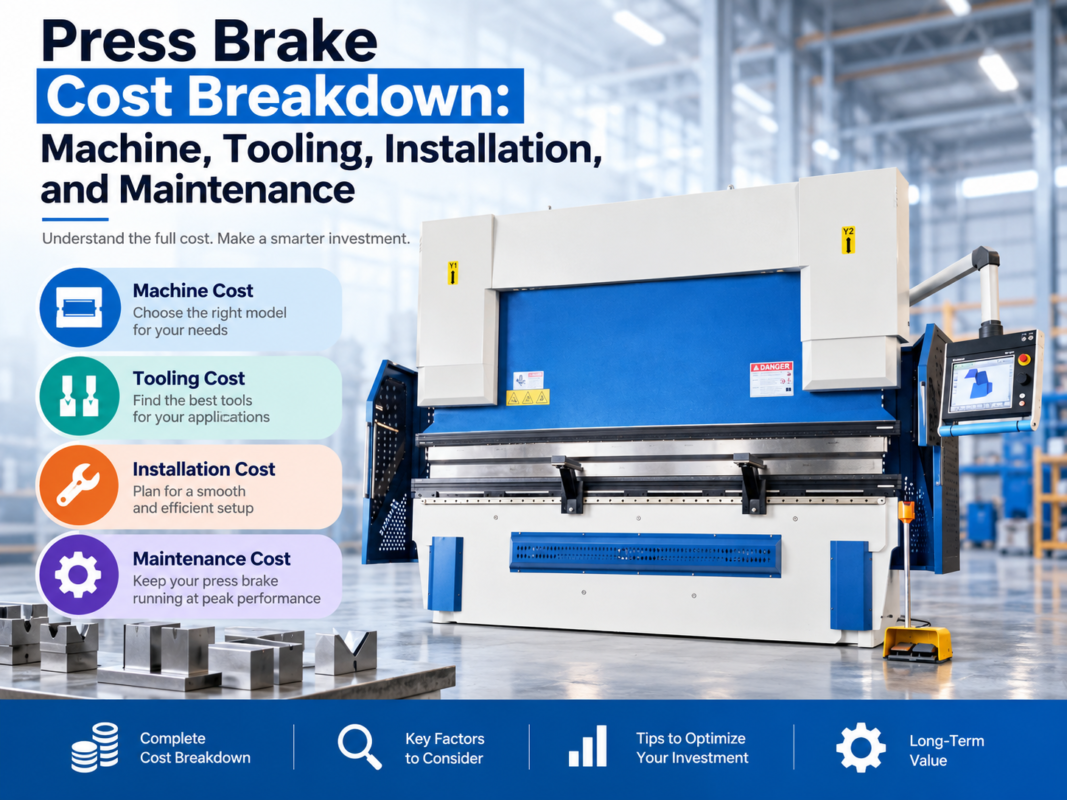
When evaluating the Best Hydraulic Press Prices Sheet Metal, Punching, Deep Drawing Applications, many buyers overlook the secondary costs associated with commissioning a new machine. Shipping and Logistics for a 200-ton press are substantial, often requiring specialized heavy-lift transport and rigging services. Depending on the distance from the manufacturer, this can add thousands to the total cost.
Installation and Foundation are also critical. Large hydraulic presses generate significant vibrations and require a reinforced concrete foundation to maintain accuracy and prevent structural damage to the factory floor. The cost of excavating and pouring a specialized foundation must be factored into the project budget. Furthermore, electrical upgrades may be necessary to support the high-kilowatt motors used in large presses.
Finally, consider Tooling and Maintenance. A hydraulic press is useless without the correct dies. Custom dies for deep drawing can sometimes cost as much as a small press itself. Additionally, a preventative maintenance schedule, including oil changes, seal replacements, and sensor calibrations, is necessary to protect your investment. Choosing a manufacturer like HARSLE, which offers comprehensive support and readily available spare parts, can mitigate these long-term hidden costs.
ROI Calculation: Making the Business Case
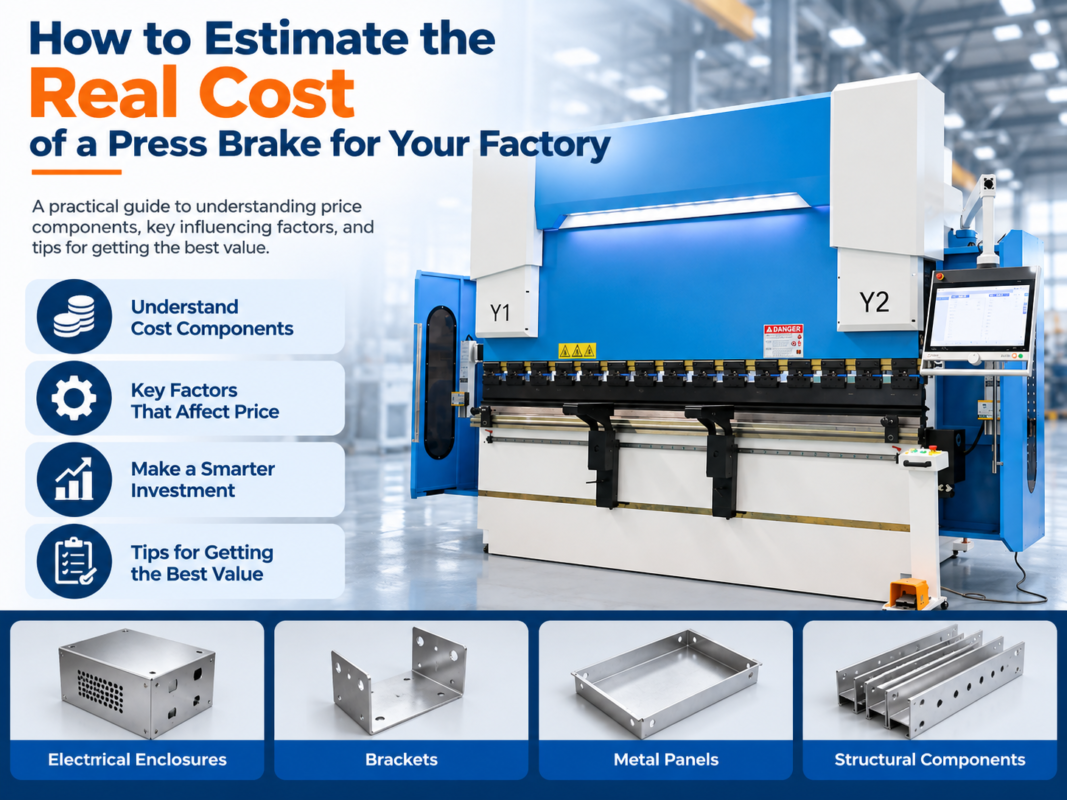
The true value of a hydraulic press is found in its Return on Investment (ROI). To calculate this, manufacturers must look at Cycle Time Reduction. A modern hydraulic press with fast-acting valves and CNC controls can often produce 20-30% more parts per hour than an older or lower-quality machine. This increased capacity directly translates to higher revenue.
Material Savings are another factor. Precision control in deep drawing reduces the rate of scrap and rejects. In industries where raw material costs are high, such as stainless steel or aluminum fabrication, a 5% reduction in scrap can save tens of thousands of dollars annually. Furthermore, energy-efficient features, such as Servo-Hydraulic Systems, can reduce electricity consumption by up to 50%. While servo-driven presses have a higher upfront price, the energy savings often result in a payback period of less than three years.
Lastly, consider Versatility. A well-configured HARSLE hydraulic press can be used for punching in the morning and deep drawing in the afternoon with a simple die change. This multi-functionality reduces the need for multiple specialized machines, saving floor space and reducing the total capital required for a production line.
Buying Advice: How to Choose the Right Supplier
Finding the Best Hydraulic Press Prices Sheet Metal, Punching, Deep Drawing Applications requires a strategic approach to procurement. First, clearly define your technical requirements: maximum tonnage, stroke length, bolster size, and required speed. Providing these details to suppliers like HARSLE allows for an accurate quote that meets your specific needs without over-specifying and over-paying.
Always request a Component List. Ensure that the critical hydraulic and electrical parts are from reputable international brands. This not only ensures performance but also guarantees that you can find replacement parts locally in the future. Additionally, ask about the manufacturer’s quality control processes. Do they perform load tests? Is the frame stress-relieved after welding? These manufacturing details determine the machine’s lifespan.
Finally, evaluate the After-Sales Service. A lower price from a supplier with no local support or technical expertise can become very expensive the moment the machine breaks down. HARSLE prides itself on providing global support, ensuring that customers receive the training and technical assistance needed to keep their presses running at peak efficiency for decades.
Frequently Asked Questions (FAQ)
1. What is the difference between a mechanical press and a hydraulic press for punching?
Mechanical presses are generally faster and better for high-volume, shallow punching. However, hydraulic presses offer full tonnage throughout the entire stroke, making them more versatile for deep punching and applications where the material thickness varies. Hydraulic presses are also generally easier to set up and safer for the dies due to built-in overload protection.
2. Can one hydraulic press do both punching and deep drawing?
Yes, provided the press is designed with the necessary features. For deep drawing, you will need a hydraulic cushion and a longer stroke. For punching, you need a machine that can handle the shock of the breakthrough. Many HARSLE H-frame presses are designed to be versatile enough to handle both applications with the right tooling.
3. How much should I budget for maintenance annually?
As a rule of thumb, budget approximately 2-3% of the machine’s purchase price for annual maintenance. This covers hydraulic oil, filters, seals, and routine inspections. Regular maintenance is the best way to avoid costly emergency repairs and unscheduled downtime.
4. Are Chinese hydraulic presses reliable?
Manufacturers like HARSLE have significantly closed the quality gap with European and American brands by using the same high-end components (Rexroth, Siemens) and advanced manufacturing techniques. When you buy from a reputable Chinese manufacturer, you often get comparable technology and reliability at a much more competitive price point.
5. What is a servo-hydraulic press, and is it worth the extra cost?
A servo-hydraulic press uses a servo motor to drive the hydraulic pump. This allows for precise control over the flow and pressure, leading to higher accuracy, lower noise, and significantly reduced energy consumption. If your electricity costs are high or you require extreme precision, the higher initial price is usually justified by the long-term savings.
6. How do I determine the tonnage I need for deep drawing?
Tonnage for deep drawing is calculated based on the material type, thickness, the circumference of the part, and the drawing ratio. It is always recommended to consult with HARSLE’s engineering team, who can perform these calculations for you to ensure you select a press with sufficient capacity and a safety margin.