How to Choose the Right Shearing Machine for Your Metal Fabrication Shop


Introduction to Selecting the Ideal Shearing Machine
In the competitive world of metal fabrication, the efficiency and precision of your cutting processes can make or break your profit margins. When you decide to choose shearing machine metal fabrication shop upgrades, you are investing in the foundational stage of your production line. A shearing machine is designed to cut sheet metal or plates into specific sizes with high accuracy, reducing waste and preparing the material for subsequent processes like bending, welding, or assembly. However, the market is flooded with various types of shears, from manual mechanical units to high-tech CNC hydraulic guillotine shears. Selecting the wrong machine can lead to bottlenecks, poor cut quality, and excessive maintenance costs.
HARSLE understands that every fabrication shop has unique requirements based on their material types, production volume, and budget. Whether you are a small job shop or a large-scale industrial manufacturer, the criteria for selection remain consistent: capacity, precision, durability, and return on investment. This guide provides a comprehensive deep dive into the technical and financial aspects of choosing the right shearing machine, ensuring your shop stays productive and profitable for years to come.
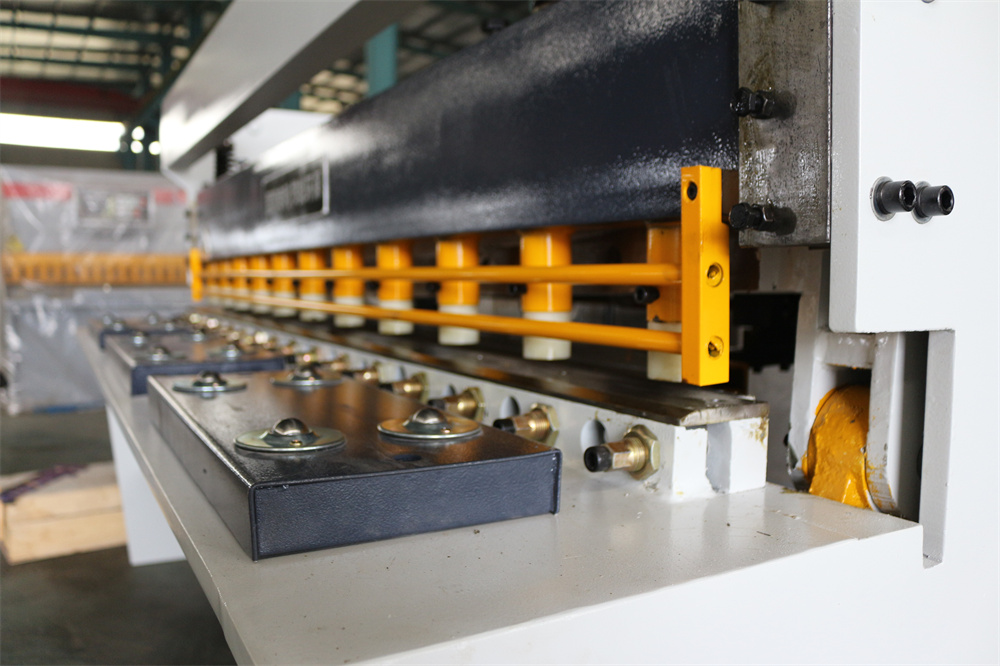
Price Range Overview: What to Expect
The cost of a shearing machine varies significantly based on its technology, cutting capacity, and automation features. Understanding the price brackets helps you align your shop’s financial capabilities with your production needs. Generally, shearing machines are categorized into three main price tiers: entry-level, mid-range, and high-end industrial systems.
Entry-Level Machines ($5,000 – $15,000): These are typically mechanical or light-duty hydraulic swing beam shears. They are ideal for shops working with thin gauge materials (up to 4mm mild steel) and shorter lengths (under 2500mm). While they lack advanced CNC controls, they offer a reliable solution for low-volume production or secondary cutting tasks. These machines often feature manual backgauges and basic foot-pedal operation.
Mid-Range Industrial Shears ($15,000 – $45,000): This is the most common category for professional metal fabrication shops. These machines are usually hydraulic and come in both swing beam and guillotine configurations. They can handle thicknesses from 6mm to 12mm and lengths up to 4000mm. At this price point, you expect NC (Numerical Control) systems that automate the backgauge positioning, motorized blade gap adjustment, and improved safety features like light curtains.
High-End CNC Systems ($50,000 – $150,000+): For high-volume, high-precision environments, CNC hydraulic guillotine shears are the gold standard. These machines feature advanced controllers (like Delem or Cybelec) that automatically adjust the rake angle, blade gap, and stroke length based on the material type and thickness entered by the operator. They are built with heavy-duty frames to handle plates up to 25mm or thicker and are designed for 24/7 operation with minimal deviation in accuracy.
Main Cost Drivers in Shearing Machinery
When you choose shearing machine metal fabrication shop equipment, several technical factors drive the final price tag. Understanding these drivers allows you to prioritize features that matter most to your specific applications. The primary driver is the cutting capacity, which includes both the maximum thickness and the maximum length of the material. A machine rated for 16mm mild steel requires a significantly more robust frame, larger hydraulic cylinders, and a more powerful motor than one rated for 6mm, leading to a higher price.
The quality of components is another major factor. Machines equipped with world-class hydraulics (such as Bosch-Rexroth or Hoerbiger) and electronics (Schneider, Siemens, or ABB) command a premium because they offer higher reliability and easier sourcing of spare parts. Furthermore, the blade material impacts cost; high-carbon, high-chrome blades (D2 or H13) are more expensive but stay sharp longer when cutting stainless steel or high-tensile materials, reducing the long-term cost of ownership.
Finally, automation and control systems play a huge role. A simple NC controller that only moves the backgauge is much cheaper than a full CNC system that manages the entire cutting cycle. Features like pneumatic rear support systems (to prevent thin sheets from sagging before the cut) and front-loading conveyors also add to the initial investment but significantly increase throughput and safety.
Configuration Impact: Swing Beam vs. Guillotine
One of the most critical decisions you will make is choosing between a hydraulic swing beam shear and a hydraulic guillotine shear. Each configuration has distinct mechanical characteristics that affect the quality of the cut and the versatility of the machine.
Hydraulic Swing Beam Shears (QC12Y Series)
The swing beam shear uses a pivoting motion where the upper blade moves in an arc. This design is mechanically simpler and generally more affordable. Because the blade moves away from the lower blade after the cut, it reduces the risk of the material becoming wedged. However, the rake angle (the angle of the upper blade relative to the lower blade) is fixed. This means that when cutting thicker materials, there may be more distortion or “twist” in the off-cut piece. Swing beam shears are excellent for general-purpose fabrication where extreme precision on the off-cut is not the primary concern.
Hydraulic Guillotine Shears (QC11Y Series)
Guillotine shears move the upper blade in a strictly vertical path using a slide system. The primary advantage here is the adjustable rake angle. By reducing the rake angle for thinner materials, you can virtually eliminate distortion and bowing. Conversely, you can increase the rake angle to cut thicker plates than a swing beam shear of the same size could handle. Guillotine shears also allow for easier blade gap adjustment, which is crucial for maintaining a clean, burr-free edge across different material thicknesses. If your shop requires high-precision strips or works with a wide variety of gauges, the guillotine configuration is the superior choice.
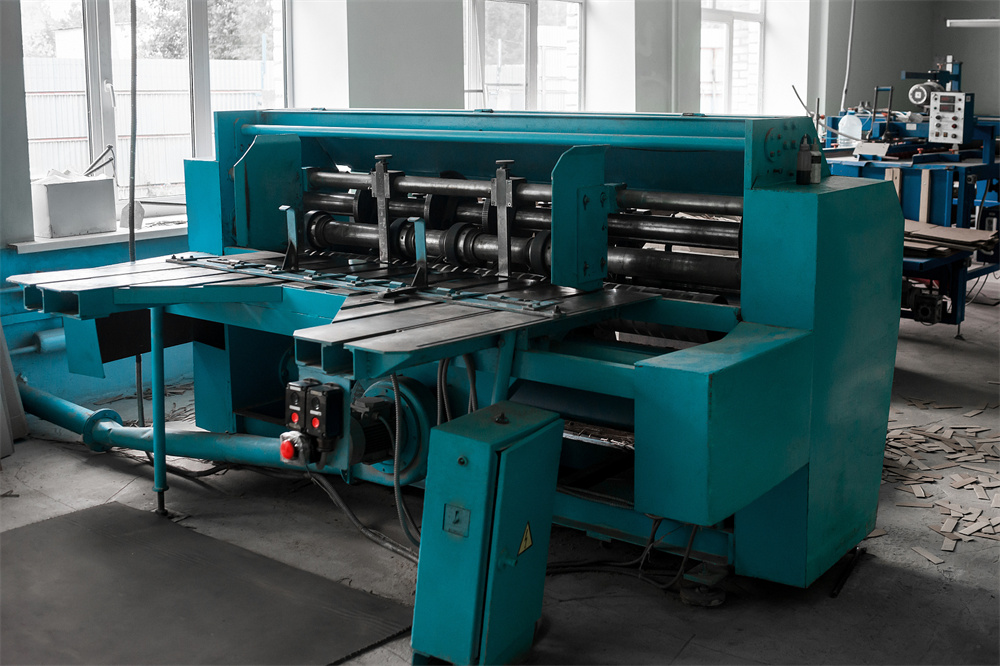
Hidden Costs of Owning a Shearing Machine
The purchase price is only the beginning. To accurately choose shearing machine metal fabrication shop investments, you must account for the total cost of ownership (TCO). One often overlooked cost is logistics and installation. These machines are incredibly heavy; a standard 6x3200mm shear can weigh over 6,000kg. You will need specialized rigging, a heavy-duty forklift or crane, and potentially a reinforced concrete foundation to ensure the machine remains level and stable.
Maintenance and Consumables: Hydraulic systems require regular oil changes and filter replacements. High-quality hydraulic oil can be expensive, and a large shear may require hundreds of liters. Additionally, blades need to be rotated and eventually sharpened. Most shearing blades have four cutting edges, but the cost of professional grinding and the downtime associated with blade changes must be factored into your annual budget.
Electricity and Floor Space: Industrial shears utilize large motors (often 7.5kW to 30kW+). Depending on your local utility rates and production hours, electricity can be a significant monthly expense. Furthermore, the physical footprint of the machine, including the safety zone around it and the space required for material handling (front and back), consumes valuable real estate in your shop. If you need to rearrange your entire floor plan to accommodate the shear, that labor cost should be considered.
ROI Calculation: Is the Investment Worth It?
Calculating the Return on Investment (ROI) helps justify the purchase to stakeholders and ensures the machine will pay for itself. To calculate ROI, compare your current cutting costs (either manual labor or outsourcing) against the projected costs with the new machine.
Labor Savings: A CNC hydraulic shear can perform cuts significantly faster than manual methods or older mechanical shears. If a new machine saves an operator two hours per day, and the labor rate is $30/hour, that is a saving of $15,000 per year (assuming 250 working days).
Material Waste Reduction: Precision is the enemy of waste. If your current equipment results in a 5% scrap rate due to inaccurate cuts or distortion, and you process $200,000 worth of steel annually, reducing that scrap rate to 1% saves you $8,000 per year in raw material costs.
Increased Capacity: Having an in-house shear allows you to take on jobs with tighter deadlines that you previously had to turn down or outsource. The profit margin on these additional jobs contributes directly to the machine’s payback. Most well-utilized industrial shears from HARSLE see a full ROI within 18 to 36 months, depending on the shift structure and material throughput.
Buying Advice: A Step-by-Step Checklist
When you are ready to choose shearing machine metal fabrication shop equipment, follow this checklist to ensure no detail is missed:
- Define Your Maximums: What is the thickest material you will cut? What is the longest sheet? Always buy a machine with a capacity roughly 20% higher than your standard maximum to avoid straining the hydraulics.
- Material Type: Are you cutting mild steel, stainless steel, or aluminum? Stainless steel requires much higher cutting force and harder blades. Ensure the machine’s rating accounts for the tensile strength of your specific materials.
- Accuracy Requirements: Do you need +/- 0.1mm precision, or is +/- 0.5mm acceptable? This will dictate whether you need a CNC guillotine or a standard NC swing beam.
- Backgauge Depth: Ensure the backgauge range is sufficient for your largest parts. Standard ranges are usually 600mm to 1000mm, but extended backgauges are available.
- Safety Compliance: Check for CE marking, emergency stop buttons, and rear safety cages or light curtains. Safety is not just about protection; it’s about legal compliance and insurance rates.
- After-Sales Support: Does the manufacturer offer technical support, a solid warranty, and readily available spare parts? HARSLE provides comprehensive support to ensure your machine stays operational.
Frequently Asked Questions (FAQ)
1. What is the difference between a mechanical and a hydraulic shear?
Mechanical shears use a flywheel and clutch system to deliver the cutting force. They are very fast but can be noisy and offer less control over the stroke. Hydraulic shears use fluid power, providing more force, smoother operation, and the ability to stop the stroke at any point, which is much safer and more versatile for modern shops.
2. How often do I need to sharpen the shearing blades?
This depends entirely on the material and volume. For mild steel, blades can last several years before needing a rotation or grind. If you are cutting stainless steel daily, you may need to rotate the blades every 6-12 months. Most HARSLE blades have four usable edges, meaning you can flip them three times before needing professional sharpening.
3. Can I cut 6mm stainless steel on a machine rated for 6mm mild steel?
No. Stainless steel has a much higher tensile strength than mild steel. Generally, a machine rated for 6mm mild steel can only handle about 3mm to 4mm of stainless steel. Always check the manufacturer’s capacity chart for different material types to avoid damaging the frame or blades.
4. Why is the rake angle important?
The rake angle is the slope of the upper blade. A higher rake angle reduces the force required to cut thick material but increases the distortion (twist) in the cut piece. An adjustable rake angle (found on guillotine shears) allows you to use a low angle for thin sheets to keep them flat and a high angle for thick plates to protect the machine.
5. Do I need a CNC controller for my shearing machine?
If you perform many different types of cuts throughout the day, a CNC controller is highly recommended. It saves time by automatically adjusting the backgauge, blade gap, and rake angle. If you mostly cut the same thickness and size all day, a simpler NC controller or even manual controls may suffice.
6. What is a pneumatic rear support system?
When cutting thin sheets (under 2mm), the material can sag under its own weight before it reaches the backgauge, leading to inaccurate cuts. A pneumatic rear support holds the sheet level until the moment of the cut, ensuring the material is perfectly positioned against the backgauge.
7. How do I maintain the hydraulic system?
The most important maintenance tasks are keeping the oil clean and at the correct level. You should change the hydraulic oil and filters after the first 500 hours of operation and then annually or every 2,000 hours thereafter. Also, regularly check for leaks in the hoses and cylinders to prevent pressure loss.