
Reducing Labor Costs In Sheet Metal Processing A Punching Machine Case Study


Introduction to Labor Efficiency in Modern Metal Fabrication
In the competitive landscape of global manufacturing, the pressure to reduce operational overhead while maintaining high precision is constant. For sheet metal processing facilities, labor costs often represent one of the most significant variables in the production equation. Traditional methods of manual punching, drilling, and secondary finishing are not only time-consuming but also prone to human error, which further escalates costs through material waste and rework. As wages rise and the skilled labor gap widens, manufacturers are increasingly turning to advanced machinery to bridge the gap. This article explores how modern punching machines, particularly CNC-controlled systems, serve as a cornerstone for reducing labor costs in sheet metal processing, supported by a detailed case study and technical analysis.
The transition from manual or semi-automatic processes to fully integrated CNC punching solutions is no longer a luxury for large-scale enterprises; it has become a necessity for small to medium-sized workshops (SMEs) looking to remain viable. By automating the repetitive and physically demanding aspects of metal fabrication, companies can reallocate their human capital to higher-value tasks such as design, quality control, and strategic planning. This shift does not merely replace workers; it empowers them with tools that multiply their productivity tenfold.
HARSLE, a leader in metal fabrication technology, has observed a significant trend among its clients: the move toward high-speed, multi-functional punching machines. These machines are designed to handle complex geometries, multiple hole sizes, and even forming operations in a single setup. In the following sections, we will dissect the mechanics of labor reduction and provide a real-world scenario where a punching machine transformed a struggling production line into a high-efficiency profit center.
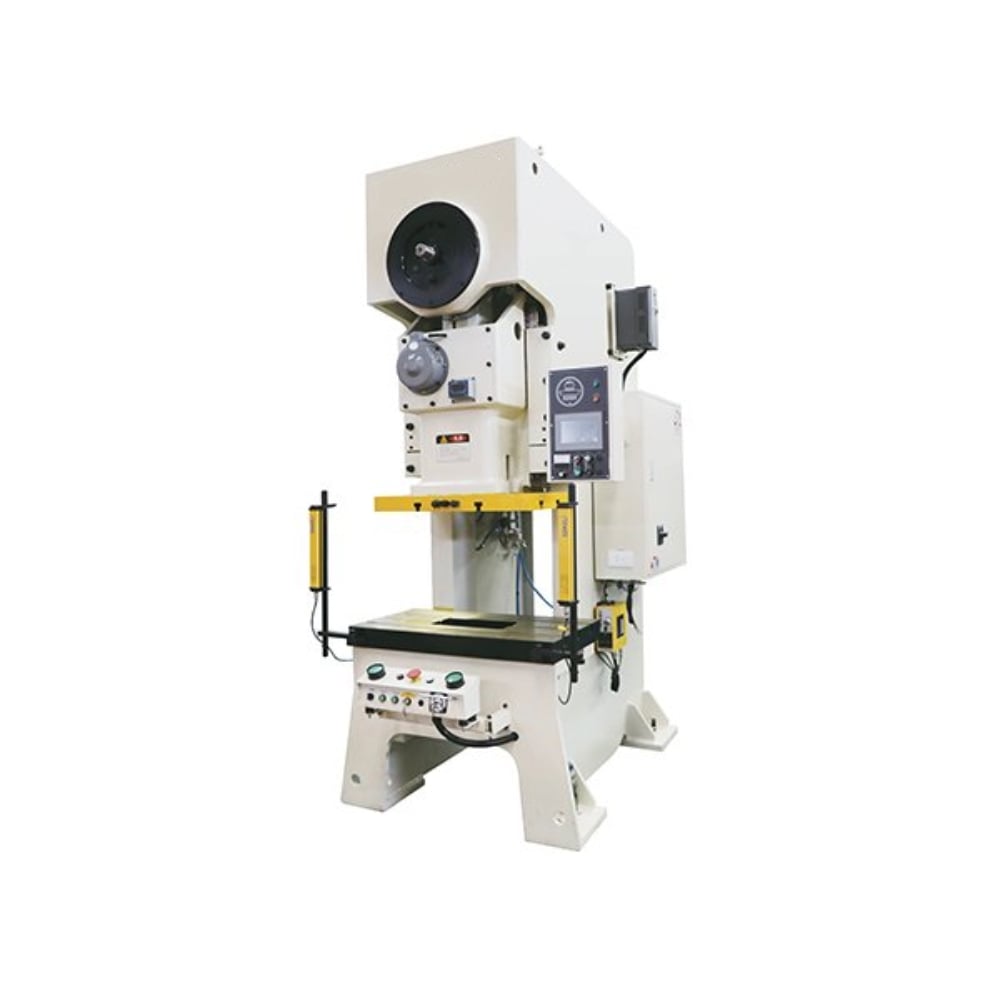
Key Considerations for Reducing Labor Costs
The Impact of Automation on Man-Hours
The primary driver of labor cost reduction is the drastic decrease in man-hours required per part. In a manual setup, an operator must measure, mark, position, and punch each hole individually. For a complex panel with fifty holes, this could take upwards of twenty minutes. A CNC punching machine, once programmed, can complete the same task in under sixty seconds. This speed allows a single operator to manage multiple machines or oversee the entire production flow of a cell, effectively cutting the labor cost per unit by over 80%.
Minimizing Secondary Operations
Modern punching machines are capable of more than just making holes. Advanced tooling allows for louvers, ribs, countersinks, and even threading (tapping) within the same cycle. Traditionally, these features would require the part to be moved to a different station, involving more handling and more workers. By consolidating these operations into the punching phase, the “work-in-progress” (WIP) time is slashed, and the need for specialized labor at secondary stations is eliminated.
Reducing Human Error and Material Waste
Human error is an expensive labor cost. A single misaligned hole on a large, expensive sheet of stainless steel can result in the entire piece being scrapped. The labor spent on that scrapped part is lost forever. CNC punching machines utilize high-precision ball screws and servo motors to ensure accuracy within ±0.1mm. This consistency ensures that the first part is identical to the thousandth, virtually eliminating the labor costs associated with quality inspection and scrap management.
Safety and Ergonomics
Manual punching is physically taxing and carries inherent risks of repetitive strain injuries or more severe accidents. High labor turnover and workers’ compensation claims are hidden costs that many manufacturers overlook. Automated punching machines feature light curtains, emergency stops, and enclosed processing areas that protect the operator. An ergonomic workspace leads to higher employee retention and lower long-term labor-related liabilities.
Technical Details: The Mechanics of Efficiency
CNC Control Systems and Nesting Software
The heart of labor reduction lies in the software. Modern CNC systems use CAD/CAM integration to optimize the layout of parts on a sheet—a process known as nesting. Efficient nesting reduces the amount of material handling required and maximizes the number of parts produced per sheet. The software automatically calculates the fastest tool path, ensuring the machine spends more time punching and less time moving. This level of optimization is impossible to achieve manually at scale.
Turret Configuration and Tool Change Speed
A turret punching machine holds a variety of tools in a rotating drum. When the program calls for a different hole size, the turret rotates to the correct station in milliseconds. High-end machines feature “Auto-Index” stations, which can rotate the tool to any angle. This flexibility means the operator doesn’t have to stop the machine to change tools manually, which is a major bottleneck in older fabrication methods. The technical ability to house 24 to 50 tools simultaneously ensures that even the most complex parts are finished in one go.
Hydraulic vs. Servo-Electric Drive Systems
The drive system dictates the speed and energy efficiency of the machine. While hydraulic systems are robust and cost-effective for heavy-duty punching, servo-electric systems offer higher speeds and lower maintenance. Servo-driven rams allow for precise control of the stroke depth, which is essential for forming operations. From a labor perspective, servo systems require less frequent maintenance and calibration, meaning maintenance staff can focus on other areas of the factory.
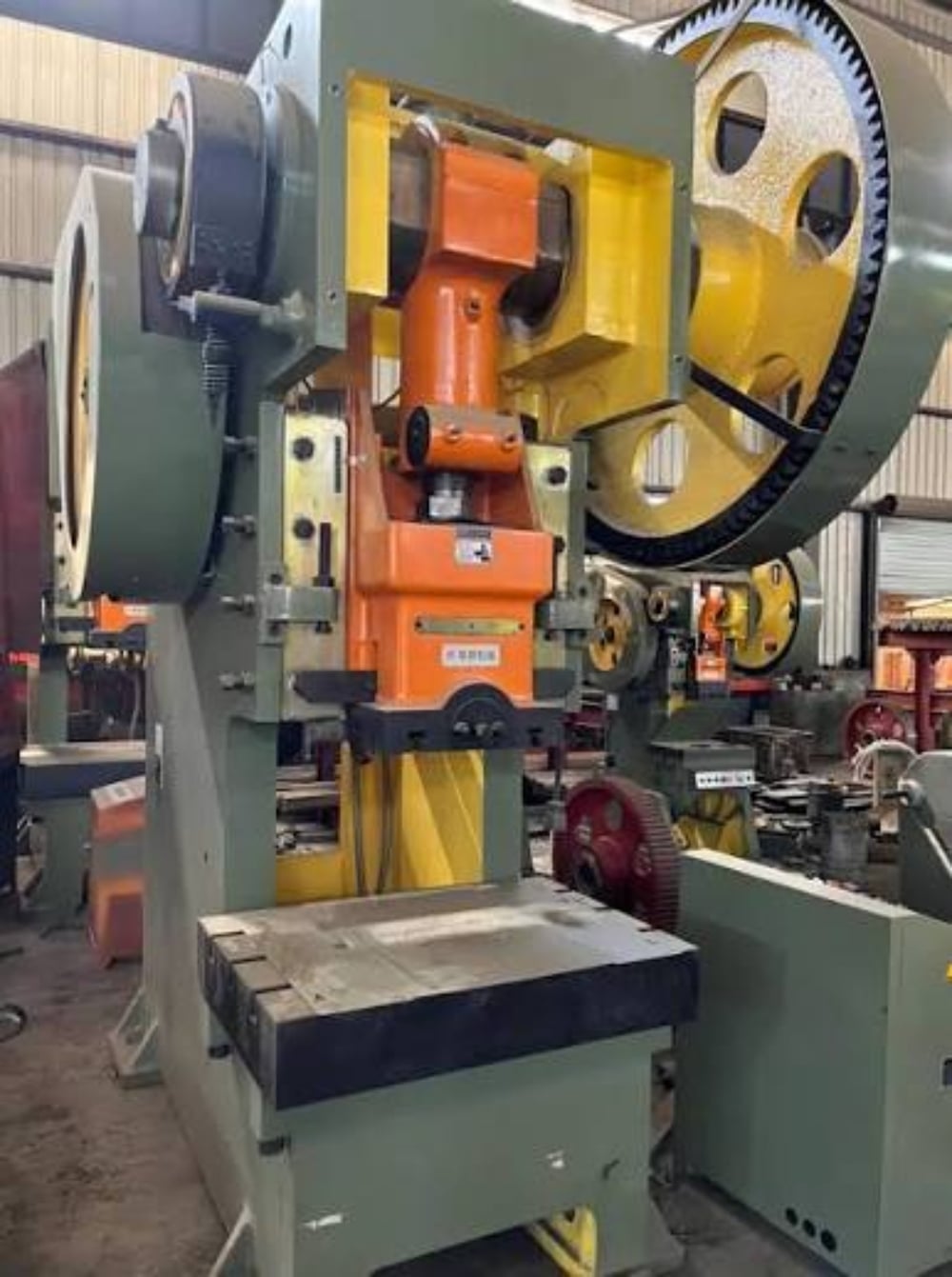
Case Study: Reducing Labor Costs in a Real-World Scenario
The Challenge: A Mid-Sized Enclosure Manufacturer
A manufacturer of electrical enclosures was struggling with high production costs. Their process involved manual layout, followed by punching on several single-station mechanical presses. They employed six full-time operators to produce 200 units per week. The scrap rate was nearly 7% due to manual measurement errors, and the lead time for a custom order was three weeks. The labor cost per enclosure was calculated at $45.00, excluding overhead.
The Solution: Implementing a HARSLE CNC Turret Punching Machine
The company invested in a HARSLE 30-ton CNC Turret Punching Machine equipped with a 32-station turret and nesting software. The implementation included a three-day training period for two of their existing staff members, who transitioned from manual operators to CNC technicians. The machine was integrated with their existing CAD design department to allow for direct file transfers.
The Results: Quantitative Improvements
Within the first three months, the results were transformative:
- Labor Reduction: The number of operators required for the punching process dropped from six to one. The other five workers were moved to the assembly and finishing departments, allowing the company to increase total factory output without hiring new staff.
- Production Speed: The time to process a single enclosure sheet dropped from 18 minutes to 2.5 minutes.
- Scrap Rate: The scrap rate fell from 7% to less than 0.5%.
- Cost Per Unit: The labor cost per enclosure dropped from $45.00 to $7.50.
Return on Investment (ROI) Analysis
The total investment, including the machine, tooling, and training, was approximately $85,000. By saving $37.50 in labor per unit and producing 400 units per week (doubling their previous capacity), the company saved $15,000 per month in labor costs alone. The machine paid for itself in less than six months. Furthermore, the ability to offer faster lead times allowed them to win a major contract that was previously out of reach.
Selection Advice: Choosing the Right Punching Machine
Assess Your Tonnage Requirements
The first step in selection is determining the thickness and type of material you process. For thin electronics enclosures (1-2mm), a 16-ton or 20-ton machine is sufficient. For heavy-duty industrial cabinets or structural components (3-6mm), a 30-ton or 50-ton machine is necessary. Choosing a machine with the correct tonnage prevents over-stressing the frame and ensures clean cuts, reducing the labor needed for deburring.
Turret Capacity and Station Variety
Look for a machine that offers a mix of station sizes (A, B, C, and D). A higher number of stations reduces the frequency of manual tool changes between different jobs. If your parts require many different hole diameters or shapes, a 32 or 38-station turret is a wise investment. Ensure at least two of these are “Auto-Index” stations to maximize geometric flexibility.
Control System Reliability
The CNC controller should be user-friendly and widely supported. Systems like Fanuc, Siemens, or specialized proprietary controllers from reputable brands like HARSLE ensure that finding trained operators or getting technical support is easy. A complex controller that is difficult to program will actually increase labor costs by requiring highly specialized (and expensive) programmers.
Table Size and Sheet Handling
Consider the maximum sheet size you intend to process. A machine with a large throat depth and a wide table can process large sheets without the need for manual repositioning. Some machines offer “auto-repositioning” features, where the clamps move the sheet automatically to extend the punching range. This feature is critical for reducing the physical labor of handling large metal plates.
Frequently Asked Questions (FAQ)
1. How much training is required to operate a CNC punching machine?
For an operator with basic computer skills, initial training usually takes 3 to 5 days. Mastering the nesting software and advanced tooling may take an additional two weeks of hands-on experience. Compared to the years required to become a master manual fabricator, the learning curve is very short.
2. Can a punching machine replace a laser cutting machine?
While they overlap, they serve different purposes. A punching machine is significantly faster and cheaper for repetitive holes and forming operations (like louvers). A laser is better for complex, irregular outer contours. Many efficient shops use both, but for standard geometric parts, a punching machine offers much lower operating and labor costs.
3. What is the typical maintenance schedule?
Daily maintenance involves cleaning the table and checking lubrication levels. Weekly tasks include inspecting tool sharpness and cleaning the turret. Monthly, the hydraulic or servo systems should be checked. Proper maintenance prevents unplanned downtime, which is a major source of indirect labor costs.
4. Does the machine require a special foundation?
Most high-speed punching machines require a reinforced concrete pad to dampen vibrations. This ensures long-term accuracy and prevents damage to the machine’s internal components. Always consult the manufacturer’s site preparation guide before delivery.
5. How do I calculate the ROI for my specific shop?
Calculate your current labor cost per part (Hourly Rate × Time per Part). Then, estimate the CNC time (usually 1/5th to 1/10th of manual time). Multiply the savings by your annual volume. Subtract the machine’s monthly financing cost to see your net monthly gain.
6. What materials can be processed?
CNC punching machines are ideal for carbon steel, stainless steel, aluminum, and copper. The thickness capacity depends on the machine’s tonnage and the shear strength of the material.
7. Is it worth buying a used punching machine?
While used machines are cheaper upfront, they often lack modern nesting software compatibility and may have worn-out mechanical components. The increased maintenance labor and lower reliability often make a new machine a better long-term investment for labor cost reduction.
8. How does nesting software reduce labor?
Nesting software automates the arrangement of parts on a sheet. It eliminates the manual labor of calculating layouts and ensures the machine takes the most efficient path, reducing the total run time and the number of sheets an operator needs to load.
Conclusion: The Future of Sheet Metal Processing
Reducing labor costs in sheet metal processing is not just about cutting heads; it is about maximizing the output of every hour worked. As demonstrated in our case study, the implementation of a CNC punching machine can lead to a radical shift in profitability. By automating the most tedious and error-prone aspects of fabrication, manufacturers can achieve a level of precision and speed that manual processes simply cannot match.
Investing in a high-quality punching machine from a trusted manufacturer like HARSLE provides a clear path to a rapid ROI. The combination of advanced CNC controls, versatile turret configurations, and efficient software integration creates a production environment where labor is a strategic asset rather than a burdensome expense. For any fabrication business looking to scale in the modern era, the question is no longer whether to automate, but how quickly they can integrate these essential technologies into their workflow.
In summary, the path to lower labor costs lies in the synergy between human expertise and machine precision. By choosing the right equipment and focusing on total process optimization, sheet metal processors can ensure their long-term competitiveness in an ever-evolving global market.


