
Case Study: Faster Batch Processing for Enclosures with a CNC Punch Press


Introduction to High-Efficiency Enclosure Manufacturing
In the modern industrial landscape, the demand for high-quality metal enclosures—ranging from electrical cabinets and server racks to HVAC housings—has reached an all-time high. Manufacturers are constantly pressured to deliver products that meet stringent tolerances while maintaining a low cost per part. This Case Study: Faster Batch Processing Enclosures A CNC Punch Press explores how transitioning to advanced CNC punching technology can drastically reduce lead times and improve the bottom line for fabrication shops.
For many years, the fabrication of enclosures relied on manual punching or traditional shearing and drilling methods. While these methods are functional for low-volume prototypes, they fail to scale effectively for batch processing. The introduction of the CNC (Computer Numerical Control) punch press has redefined what is possible in sheet metal shops. By integrating high-speed mechanical or hydraulic punching with precision positioning systems, these machines allow for the rapid creation of complex hole patterns, louvers, and knockouts in a single setup.
HARSLE has been at the forefront of this technological shift, providing robust CNC punch press solutions designed specifically for the rigors of enclosure production. In this article, we will examine the technical nuances that make the CNC punch press the superior choice for batch processing, the key considerations for implementation, and a detailed guide on selecting the right equipment for your specific manufacturing needs.
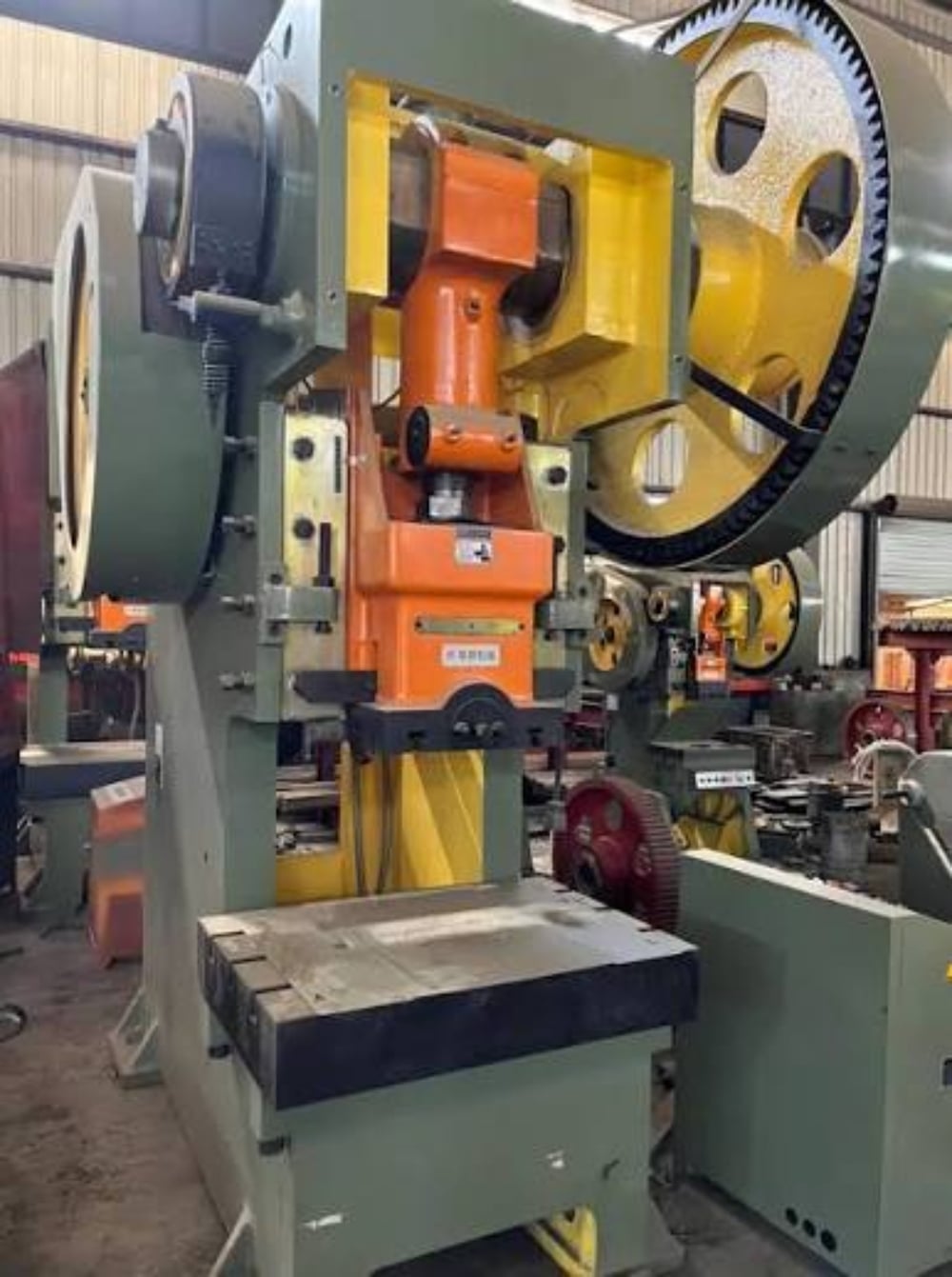
Key Considerations for Batch Processing Enclosures
When evaluating the efficiency of a production line for enclosures, several factors come into play. The primary goal is to minimize the time the material spends on the machine while maximizing the quality of the output. This requires a deep understanding of material behavior, tooling strategies, and software optimization.
Material Utilization and Nesting
One of the most significant advantages of using a CNC punch press for batch processing is the ability to perform advanced nesting. Nesting software allows manufacturers to fit as many parts as possible onto a single sheet of metal, reducing scrap waste. For enclosures, which often require large rectangular panels with multiple internal cutouts, efficient nesting can save thousands of dollars in material costs annually. The CNC punch press excels here because it can handle large sheets (often up to 1500mm x 5000mm with repositioning) and execute complex patterns with minimal spacing between parts.
Tooling Versatility and Forming Capabilities
Unlike laser cutting machines, a CNC punch press is not limited to simple cutting. It is a multi-functional tool capable of forming features that are essential for enclosures. These include louvers for ventilation, countersinks for flush-mounted screws, knockouts for electrical conduits, and even ribs for structural reinforcement. By performing these forming operations on the punch press, manufacturers eliminate the need for secondary operations on a press brake or a dedicated forming machine, significantly reducing the total cycle time per part.
Precision and Repeatability
Enclosures often house sensitive electronic components that require precise mounting points. A variation of even a millimeter can lead to assembly failures or compromised IP (Ingress Protection) ratings. CNC punch presses offer exceptional repeatability, often within ±0.1mm. This consistency is vital for batch processing, where the 100th part must be identical to the first. The use of high-precision ball screws and linear guides ensures that the X and Y axes move with surgical accuracy, even at high traverse speeds.
Surface Protection
For enclosures made from pre-painted or stainless steel, surface finish is a critical quality metric. Modern CNC punch presses utilize brush tables rather than ball tables to support the material. Brush tables provide a soft, supportive surface that prevents scratches and marring during the high-speed movement of the sheet. This is particularly important for high-end server racks or medical equipment enclosures where aesthetic perfection is a requirement.
Technical Details of the CNC Punch Press
Understanding the internal mechanics of a CNC punch press is essential for optimizing its performance in a batch processing environment. The machine is a complex synergy of mechanical force, hydraulic precision, and electronic control.
The Turret Configuration
The heart of the machine is the turret, which holds the various punching tools. Turrets are typically categorized into “thick” or “thin” styles. Thick turret tooling is the industry standard for heavy-duty applications, offering better tool guidance and longer tool life. A typical turret might have 24 to 32 stations, including “Auto-Index” stations. Auto-index stations allow the tool to rotate 360 degrees, enabling the machine to punch at any angle without needing a dedicated tool for every orientation. This drastically reduces the number of tool changes required for complex enclosure designs.
Drive Systems: Hydraulic vs. Servo-Electric
There are two primary types of drive systems for the punching head: hydraulic and servo-electric. Hydraulic systems are known for their immense power and reliability, making them ideal for thick materials. However, servo-electric systems have gained popularity due to their energy efficiency and high hit rates. A servo-driven punch press can achieve over 1000 hits per minute in marking mode and 400-600 hits per minute in standard punching. For enclosure manufacturers processing thin to medium gauge galvanized steel, the speed of a servo-electric system can provide a significant throughput advantage.
CNC Control Systems
The “brain” of the machine is the CNC controller, often powered by industry leaders like Fanuc or Siemens. These controllers manage the synchronization of the turret rotation, the sheet movement, and the ram stroke. Advanced features like “Look-Ahead” processing allow the machine to calculate the optimal path for the next punch while the current one is being executed. Furthermore, modern controllers support remote diagnostics and integration with ERP systems, allowing managers to track production metrics in real-time.
| Feature | Specification (Typical) | Benefit for Enclosures |
|---|---|---|
| Tonnage | 300 kN (30 Tons) | Handles up to 6mm mild steel easily |
| Hit Rate (Punching) | 600 hpm | Rapid processing of perforated patterns |
| Positioning Accuracy | ±0.1 mm | Ensures perfect alignment for assembly |
| Turret Stations | 32 Stations (2 Auto-Index) | Reduces setup time and tool changes |
| Table Type | Brush Table | Protects sensitive material surfaces |
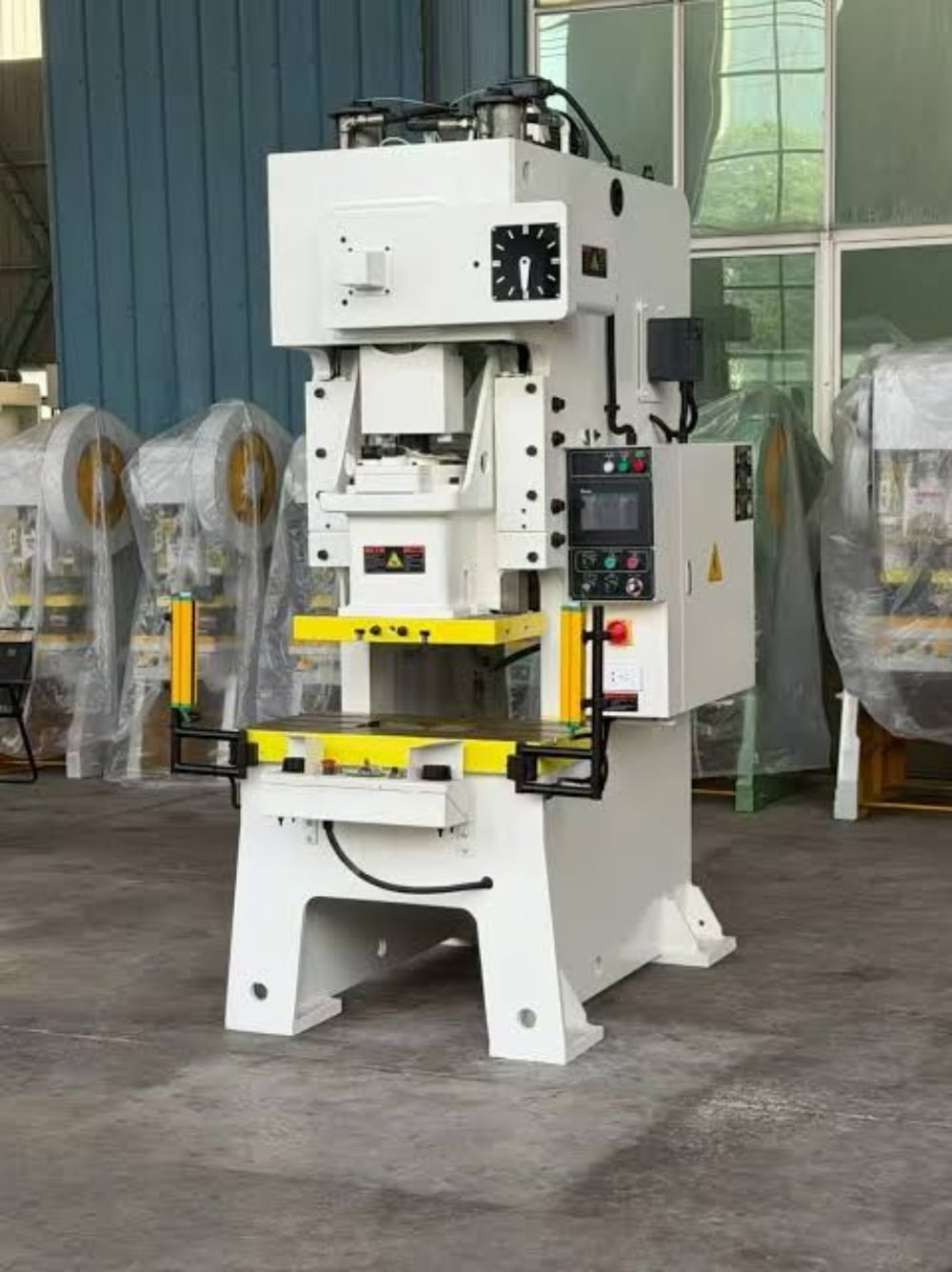
Selection Advice for Enclosure Manufacturers
Choosing the right CNC punch press is a strategic decision that impacts the next decade of production. It is not just about the highest tonnage; it is about the right fit for your specific product mix. Here is a guide to making an informed selection.
Assess Your Material Thickness and Type
Most enclosures are fabricated from 1.0mm to 3.0mm mild steel, galvanized steel, or aluminum. A 30-ton machine is generally sufficient for these thicknesses. However, if you plan to process thicker structural components or stainless steel, you may need to consider a 50-ton model. Always check the machine’s maximum punching diameter relative to the material thickness to ensure you aren’t overstressing the tooling.
Throat Depth and Sheet Size
The throat depth determines the maximum width of the sheet the machine can handle without repositioning. For large electrical cabinets, a throat depth of 1250mm or 1500mm is standard. While machines can “reposition” (move the clamps to grab a different part of the sheet), minimizing repositioning cycles saves time and reduces the risk of cumulative positioning errors. If your enclosures involve large, single-piece wraps, prioritize a larger table size.
Software Compatibility
The hardware is only as good as the software driving it. Ensure the machine is compatible with leading CAD/CAM software like MetaCAM, Lantek, or CNCCAD. The software should offer automatic nesting, tool path optimization, and the ability to simulate the punching process to catch potential collisions before they happen on the shop floor. For batch processing, the ability to import 3D files (like STEP or IGES) and automatically flatten them into 2D punch patterns is a massive time-saver.
Maintenance and Support
A CNC punch press is a high-impact machine. Regular maintenance of the hydraulic seals, lubrication of the linear guides, and sharpening of the tools are non-negotiable. When selecting a manufacturer like HARSLE, consider the availability of spare parts and technical support. A machine that is down for a week due to a lack of parts can derail an entire production schedule. Look for machines with centralized lubrication systems and easy-access maintenance panels.
Case Study: Faster Batch Processing Enclosures A CNC Punch Press
To illustrate the impact of this technology, let’s look at a representative case study of a mid-sized enclosure manufacturer. Before implementing a HARSLE CNC Punch Press, the company used a combination of a manual punch and a small fiber laser. While the laser was precise, it was slow for creating the hundreds of small holes required for ventilation and mounting. Furthermore, the laser could not create the louvers or knockouts, requiring the parts to be moved to a second station.
After integrating the CNC punch press, the company saw the following results:
- Cycle Time Reduction: The total time to produce a standard server rack side panel dropped from 12 minutes to 4 minutes. This was achieved by combining punching, forming, and part marking into a single operation.
- Labor Savings: Because the CNC machine runs automatically once loaded, one operator could manage two machines simultaneously, effectively doubling the output per man-hour.
- Improved Quality: The mechanical consistency of the punch press eliminated the heat-affected zones (HAZ) sometimes caused by lasers, which meant the panels didn’t warp and were easier to powder coat.
- Tooling Efficiency: By using a multi-tool station, the machine could switch between different hole sizes in milliseconds, further optimizing the batch processing speed.
Frequently Asked Questions (FAQ)
1. Is a CNC punch press better than a fiber laser for enclosures?
It depends on the design. For enclosures with many repetitive holes, louvers, and knockouts, a CNC punch press is significantly faster and more cost-effective. However, for highly complex, irregular shapes in very thick materials, a fiber laser may be preferable. Many high-volume shops use both in tandem.
2. How often do the tools need sharpening?
Tool life depends on the material being punched. For mild steel, a high-quality punch can typically perform 200,000 to 500,000 hits before needing a regrind. Regular sharpening (removing about 0.1mm) ensures clean cuts and reduces the load on the machine’s ram.
3. Can a CNC punch press handle stainless steel?
Yes, but it requires specialized tooling with specific coatings (like TiCN) and a machine with sufficient tonnage. Stainless steel is harder and more abrasive, so hit rates may be slightly lower to preserve tool life.
4. What is the learning curve for the CNC software?
Most modern CAD/CAM packages are user-friendly. An operator with basic computer skills can typically learn to nest parts and generate G-code within a week of training. HARSLE provides comprehensive training to ensure a smooth transition.
5. How does the machine handle different sheet sizes?
The machine uses pneumatic or hydraulic clamps to hold the sheet. If the sheet is longer than the machine’s travel, the “repositioning” function allows the clamps to release, the table to move, and the clamps to re-grip the sheet, allowing for processing of sheets up to several meters long.
Conclusion: The Future of Enclosure Fabrication
The evidence presented in this Case Study: Faster Batch Processing Enclosures A CNC Punch Press clearly demonstrates that for manufacturers looking to scale, the CNC punch press is an indispensable asset. Its ability to combine high-speed punching with complex forming operations makes it the most efficient tool for enclosure production. By reducing secondary operations, minimizing material waste through smart nesting, and ensuring pinpoint accuracy, businesses can significantly improve their competitive edge.
As the industry moves toward further automation and Industry 4.0 integration, the role of the CNC punch press will only grow. Investing in high-quality machinery from a trusted partner like HARSLE ensures that your facility is equipped to handle the challenges of tomorrow’s manufacturing demands. Whether you are producing small electrical boxes or massive industrial control cabinets, the right CNC punch press will deliver the speed, precision, and reliability your customers expect.


