
Case Study: Improved Punching Efficiency for HVAC Sheet Metal Components


Introduction to HVAC Sheet Metal Fabrication Challenges
The Heating, Ventilation, and Air Conditioning (HVAC) industry is one of the most demanding sectors within the metal fabrication world. It requires the production of a vast array of components, ranging from simple rectangular ductwork to complex plenum boxes, louvers, and mounting brackets. For many years, manufacturers relied on manual punching or basic mechanical presses to create the necessary holes, notches, and forms. However, as the demand for energy-efficient HVAC systems grows, so does the complexity of the components. This case study examines how a mid-sized HVAC component manufacturer transitioned from traditional methods to advanced CNC punching technology to overcome bottlenecks and improve overall production efficiency.
In the modern HVAC landscape, precision is not just a luxury; it is a requirement. Components must fit together perfectly to ensure airtight seals, which are critical for system efficiency and noise reduction. Traditional punching methods often resulted in slight misalignments, leading to increased labor costs during assembly and higher rates of material scrap. Furthermore, the sheer volume of different hole patterns required for various models meant that tool changes were frequent and time-consuming. The need for a more versatile, automated solution became apparent as the manufacturer struggled to keep up with seasonal demand spikes.
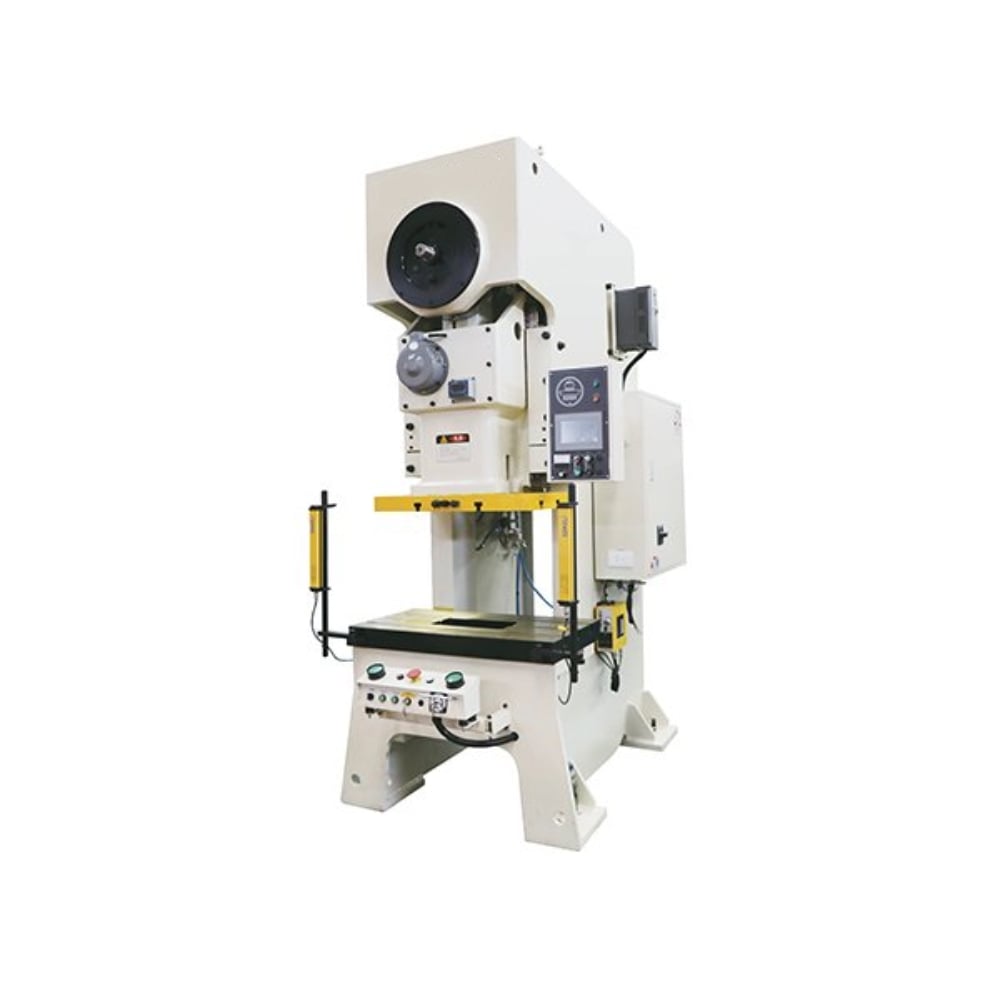
By implementing a HARSLE CNC Turret Punching Machine, the manufacturer sought to address three primary pain points: slow throughput, high labor dependency, and excessive material waste. This case study details the technical transition, the specific machine features that facilitated the improvement, and the measurable outcomes achieved after six months of operation. The focus keyword, Case Study: Improved Punching Efficiency Hvac Sheet Metal Components, serves as the foundation for understanding how high-tech machinery can transform a traditional workshop into a high-efficiency production hub.
Key Considerations for HVAC Punching Efficiency
When evaluating the efficiency of a punching process for HVAC components, several factors must be considered. First and foremost is the material variety. HVAC parts are typically made from galvanized steel, stainless steel, or aluminum, with thicknesses ranging from 0.5mm to 3.0mm. Each material reacts differently to the punching process, requiring specific clearances and tool coatings to prevent galling and ensure clean edges. A machine that cannot handle this variety with minimal downtime is a liability in a high-mix production environment.
Another critical consideration is the complexity of the hole patterns. HVAC components often feature dense arrays of perforations for grilles or specific knockout patterns for electrical connections. Manually measuring and punching these patterns is prone to human error. CNC technology allows for the programming of complex patterns that can be executed with sub-millimeter precision. This level of accuracy ensures that every part produced is identical, facilitating easier downstream processes like bending and welding.
Labor costs and operator skill levels also play a significant role. In many regions, finding skilled manual press operators is becoming increasingly difficult. A CNC-driven system reduces the reliance on highly specialized manual labor, as the machine’s software handles the complex calculations and positioning. This allows operators to focus on material handling and quality control rather than the physical act of punching. Furthermore, the integration of safety features in modern CNC machines reduces the risk of workplace injuries, which is a vital consideration for any industrial operation.
Finally, nesting efficiency is a major factor in profitability. Sheet metal is a significant cost driver in HVAC manufacturing. Traditional punching often leaves large amounts of skeleton waste because the process isn’t optimized for material usage. Modern CNC punching software includes advanced nesting algorithms that arrange parts on a sheet to maximize yield. In this case study, the manufacturer was able to reduce material waste by nearly 18% simply by switching to a system that supported intelligent nesting and common-line cutting.
Technical Details of the CNC Punching Solution
The solution implemented in this case study was a HARSLE High-Speed CNC Turret Punching Machine. This machine features a heavy-duty O-frame design, which provides superior rigidity compared to traditional C-frame presses. This rigidity is essential for maintaining tool alignment over long production runs, especially when working with harder materials like stainless steel. The O-frame minimizes “yawing” or deflection, which directly translates to longer tool life and more consistent hole quality.
One of the standout technical features is the 32-station turret configuration. For HVAC applications, having a large number of tools available at once is a game-changer. The turret included several “Auto-Index” stations, which allow tools to be rotated to any angle under CNC control. This is particularly useful for creating angled notches or circular patterns without needing specialized shaped tools for every angle. The ability to perform multiple operations—punching, forming, and embossing—in a single setup significantly reduces part handling time.
The machine’s servo-hydraulic system provides precise control over the ram’s stroke. Unlike purely mechanical presses, the servo-hydraulic drive allows for adjustable stroke lengths and speeds. For HVAC components that require forming operations like louvers or ribs, the ram can be programmed to move at a specific speed to ensure the metal flows correctly without tearing. This versatility allows the manufacturer to produce finished parts that previously required secondary operations on a separate press.
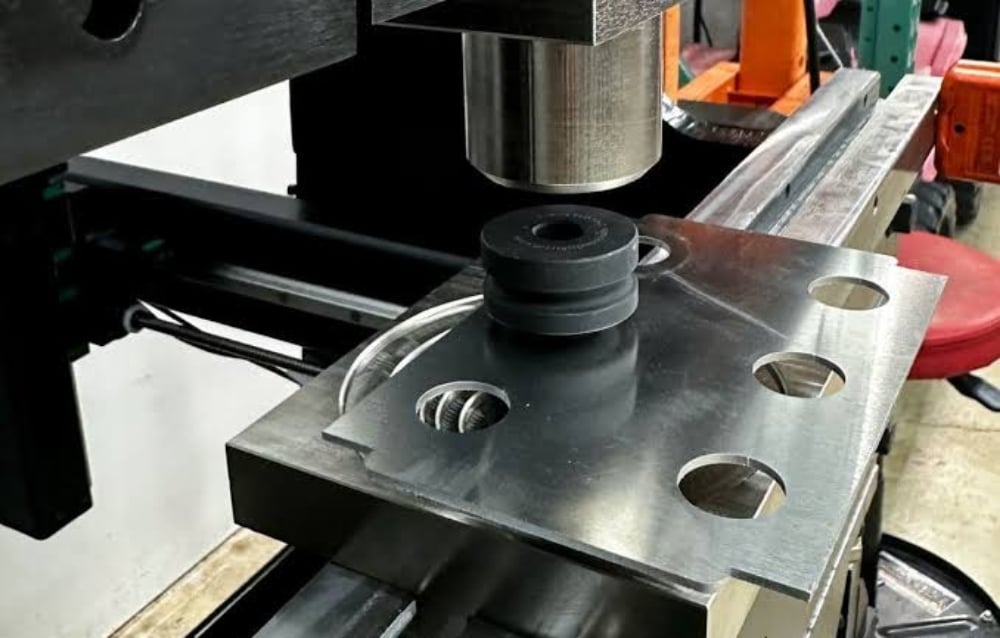
Integration with CAD/CAM software was the final piece of the technical puzzle. The manufacturer utilized software that allowed their design team to send drawings directly to the machine’s controller. The software automatically selects the best tools from the turret, calculates the punching sequence to minimize travel time, and generates the nesting layout. This digital workflow eliminated the need for manual data entry at the machine, reducing setup times from hours to minutes. The following table summarizes the technical specifications of the machine used in this case study:
| Feature | Specification | Benefit for HVAC |
|---|---|---|
| Nominal Force | 300 kN (30 Tons) | Handles up to 6mm mild steel easily |
| Turret Stations | 32 (with 2 Auto-Index) | Reduces tool change downtime |
| Max. Sheet Size | 1250 x 2500 mm | Standard HVAC sheet size compatibility |
| Positioning Accuracy | ± 0.1 mm | Ensures perfect fit for duct assembly |
| Stroke Rate | Up to 600 hpm | High throughput for perforated grilles |
Selection Advice for HVAC Punching Machinery
Choosing the right punching machine for HVAC applications requires a strategic approach. It is not just about the highest tonnage; it is about the right balance of speed, flexibility, and software integration. For most HVAC ductwork and component manufacturing, a 30-ton machine is the industry standard. This capacity is sufficient for the gauges typically used while maintaining the high speeds necessary for thin-gauge punching. If your shop frequently works with thicker materials for heavy-duty industrial ventilation, a 50-ton model might be more appropriate.
When selecting a machine, pay close attention to the turret capacity. In the HVAC world, you will need a variety of tools: rounds for screw holes, squares for notches, and specialized forming tools for louvers and knockouts. A turret with at least 24 to 32 stations is recommended to avoid frequent manual tool swaps. Additionally, ensure the machine supports “Auto-Index” stations. These stations are invaluable for reducing the total number of tools you need to purchase, as a single rectangular tool can be rotated to punch at any angle.
Consider the table type as well. For HVAC components, which are often made of galvanized steel, a brush table is superior to a ball-transfer table. Brush tables support the sheet on thousands of nylon bristles, preventing scratches and protecting the zinc coating of the galvanized steel. This is crucial for maintaining the corrosion resistance of the final product. Furthermore, look for a machine with a reliable clamping system that can handle sheets with slight oil films or surface imperfections common in HVAC-grade materials.
Finally, do not overlook the importance of the control system and software compatibility. The machine should ideally use a globally recognized controller (like FANUC or Siemens) to ensure ease of maintenance and availability of spare parts. The software should be user-friendly and capable of importing standard DXF or DWG files. Ask the manufacturer about training programs; a high-tech machine is only as good as the operator’s ability to program it efficiently. HARSLE, for instance, provides comprehensive training to ensure that customers can maximize their Case Study: Improved Punching Efficiency Hvac Sheet Metal Components results from day one.
Frequently Asked Questions (FAQ)
1. How does CNC punching compare to laser cutting for HVAC?
While laser cutting offers extreme precision and the ability to cut complex shapes, CNC punching is generally faster and more cost-effective for HVAC components that require many repetitive holes and forming operations (like louvers or ribs). Punching machines can perform forming and punching in one step, which a laser cannot do. For high-volume ductwork, punching is often the superior choice.
2. What is the typical ROI for a CNC punching machine in an HVAC shop?
Most manufacturers see a Return on Investment (ROI) within 18 to 24 months. This is achieved through a combination of reduced labor costs, lower material waste due to better nesting, and the ability to take on more complex projects that command higher margins. In our case study, the increased throughput allowed the client to double their monthly output without hiring additional staff.
3. Can a CNC punching machine handle galvanized steel without damaging the coating?
Yes, provided the machine is equipped with a brush table and the tools are properly maintained. The brush table prevents the sheet from sliding against metal surfaces, which would scratch the galvanization. Additionally, using high-quality tools with proper clearances ensures clean cuts that do not flake the surrounding coating.
4. How often does the tooling need to be sharpened?
Tool life depends on the material being punched and the frequency of use. For galvanized steel, tools can typically perform tens of thousands of hits before needing a light grind. Modern CNC machines often have hit counters that alert the operator when it is time for tool maintenance, ensuring consistent quality and preventing damage to the machine.
5. Is specialized software required to run these machines?
Yes, CNC punching machines require CAM (Computer-Aided Manufacturing) software to convert design files into G-code. Most HARSLE machines come bundled with or are compatible with industry-leading software that includes nesting features, tool path optimization, and simulation tools to prevent collisions.
Conclusion: The Future of HVAC Fabrication
The transition from manual or semi-automated punching to a fully integrated CNC turret punching system represents a significant leap forward for any HVAC manufacturer. As demonstrated in this Case Study: Improved Punching Efficiency Hvac Sheet Metal Components, the benefits extend far beyond simple speed. The improvements in precision, material utilization, and the ability to perform complex forming operations in a single setup provide a competitive edge that is essential in today’s market. The manufacturer in our study not only met their production goals but also improved the overall quality of their HVAC systems, leading to higher customer satisfaction and fewer field failures.
As the industry moves toward smarter buildings and more complex ventilation requirements, the machinery used to create these systems must also evolve. Investing in high-quality CNC equipment from a trusted partner like HARSLE ensures that your production line is ready for the challenges of tomorrow. Whether you are looking to reduce lead times, lower costs, or expand your product range, advanced punching technology is the key to unlocking new levels of efficiency in HVAC sheet metal fabrication. By focusing on technical excellence and strategic machine selection, manufacturers can ensure long-term growth and profitability in an increasingly demanding global market.


