Shearing Machine Automation Levels Compared: From Basic Operation to CNC Integration


Introduction to Shearing Machine Automation
In the rapidly evolving landscape of metal fabrication, the shearing machine remains a cornerstone of the production line. Whether you are a small job shop or a large-scale industrial manufacturer, the ability to accurately and efficiently cut sheet metal is fundamental to your success. However, as technology has advanced, the options available to fabricators have expanded significantly. Today, the industry distinguishes between various levels of automation, ranging from basic manual or NC-controlled machines to fully integrated CNC systems. Understanding these levels is crucial for making an informed investment that aligns with your production goals and budget.
The primary goal of automation in shearing is to reduce human error, increase throughput, and ensure repeatable precision. While a basic machine might suffice for simple, low-volume tasks, high-precision industries like aerospace, automotive, and electronics require the sophisticated control offered by CNC integration. This article provides a comprehensive comparison of shearing machine automation levels, focusing on how HARSLE’s innovative solutions bridge the gap between traditional operation and modern smart manufacturing.
Comparison Summary: The Evolution of Shearing Technology
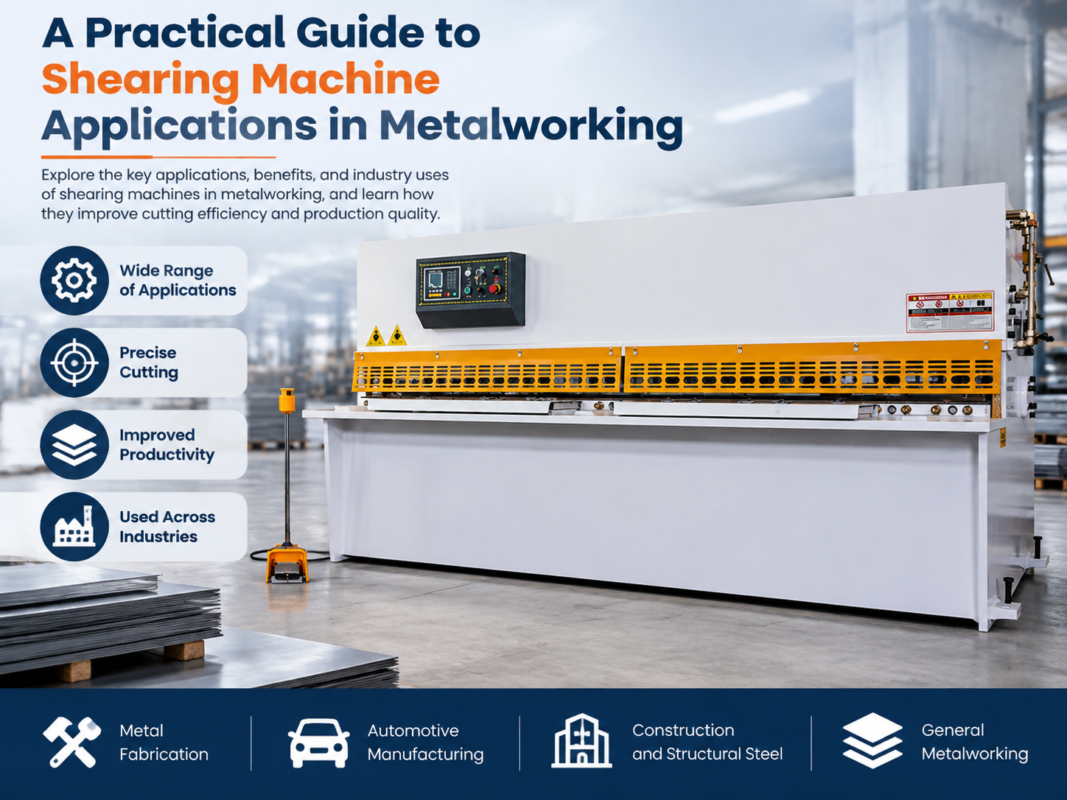
The transition from manual shearing to CNC integration represents a shift from operator-dependent quality to system-driven excellence. At the basic level, NC (Numerical Control) shearing machines automate the backgauge movement, allowing for consistent cut lengths. These machines are the workhorses of the industry, offering a balance between cost and functionality. They are ideal for shops that handle standard materials and require reliable, straightforward operation without the need for complex programming.
On the other end of the spectrum, CNC (Computer Numerical Control) shearing machines represent the pinnacle of automation. These systems do more than just move a backgauge; they automatically calculate and adjust the blade gap, rake angle, and stroke length based on the material type and thickness entered by the operator. This level of integration minimizes material waste, prevents distortion (such as twisting or bowing), and significantly reduces setup times. By comparing these levels, we can see that while NC machines improve speed, CNC machines transform the entire fabrication workflow into a high-precision, data-driven process.

Machine A Overview: NC Shearing Machines (The Reliable Workhorse)
NC shearing machines, often equipped with controllers like the Estun E21S, are the most common entry point into automated metal cutting. These machines utilize a hydraulic swing beam or guillotine design but focus their automation primarily on the backgauge (X-axis). The operator manually sets the blade gap and rake angle, while the NC controller handles the positioning of the backgauge to ensure the cut length is accurate to within fractions of a millimeter.
The strength of an NC machine lies in its simplicity and durability. For a fabrication shop that cuts the same thickness of mild steel or stainless steel throughout the day, an NC machine is highly efficient. The E21S controller, for instance, allows for the storage of multiple programs, enabling the operator to switch between different cut lengths quickly. However, because the blade gap and rake angle are manual, the operator must possess the skill to adjust these settings correctly to avoid burrs or material deformation. HARSLE’s NC models are engineered with high-quality hydraulic components and a rigid frame to ensure that even at this level of automation, the machine delivers professional-grade results.
Key Features of NC Automation:
- Backgauge Control: Precise X-axis positioning via the controller.
- Program Storage: Ability to save multiple cutting sequences.
- Manual Adjustments: Blade gap and rake angle are typically adjusted via handwheels or simple mechanical levers.
- Cost-Effectiveness: Lower initial investment compared to full CNC systems.
Machine B Overview: Full CNC Integration (The Precision Powerhouse)
CNC shearing machines, such as those equipped with Delem DAC-360T or Cybelec controllers, represent a significant leap in technology. In these machines, the “intelligence” of the system takes over the physical configuration of the shear. When an operator inputs the material type (e.g., Aluminum, Stainless Steel, Mild Steel) and the thickness into the touchscreen interface, the CNC system automatically adjusts the blade gap and the rake angle. This is achieved through motorized systems and high-precision sensors.
The integration of CNC technology eliminates the guesswork and the risk of human error. For example, if the rake angle is too high for a thin sheet, the metal may twist; if the blade gap is too wide for a specific thickness, the cut will have a heavy burr. A CNC machine prevents these issues automatically. Furthermore, these machines often feature advanced backgauge systems that can move in multiple axes (X, R) and include pneumatic sheet support systems to prevent thin materials from sagging before the cut. This level of automation is essential for high-volume production environments where downtime for manual adjustments is unacceptable.
Key Features of CNC Automation:
- Automatic Blade Gap: Motorized adjustment based on material thickness.
- Automatic Rake Angle: Optimizes the angle to reduce distortion in thin or narrow strips.
- Touchscreen Interface: Intuitive graphical displays for easy programming.
- Advanced Support: Integration with pneumatic rear support systems for thin sheets.
- Diagnostic Tools: Real-time monitoring of hydraulic pressure and system health.
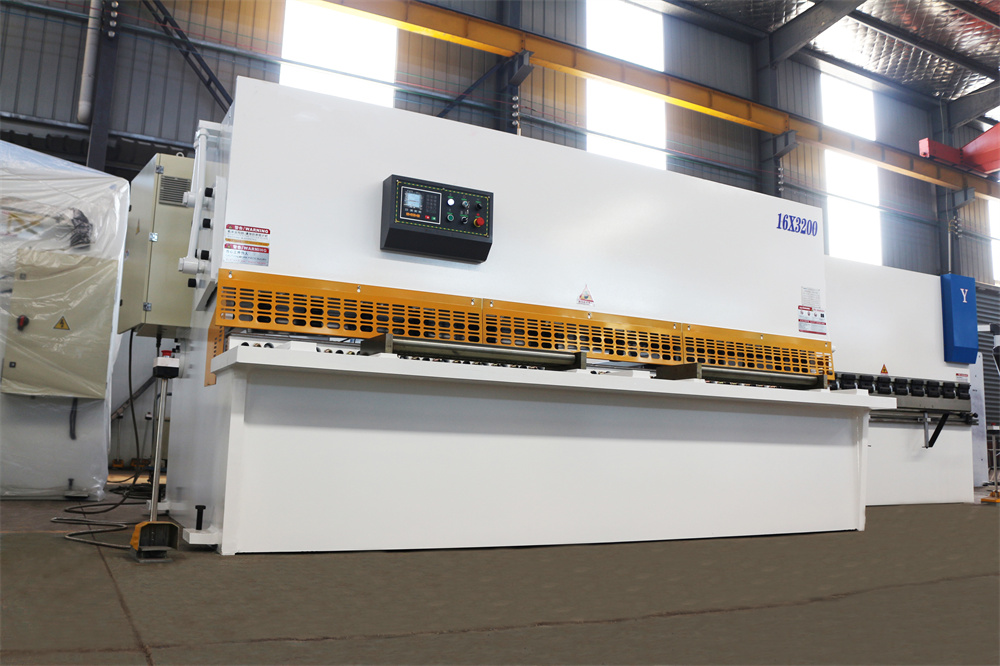
Specification Comparison Table
To better understand the technical differences, the following table compares a standard NC Hydraulic Swing Beam Shear with a High-End CNC Hydraulic Guillotine Shear.
| Feature | NC Shearing Machine (E21S) | CNC Shearing Machine (DAC-360T) |
|---|---|---|
| Control System | Estun E21S (Monochrome) | Delem DAC-360T (Color Touch) |
| Backgauge (X-axis) | Automated (Ball Screw) | Automated (High-Speed Servo) |
| Blade Gap Adjustment | Manual (Handwheel) | Automatic (Motorized/CNC) |
| Rake Angle Adjustment | Fixed or Manual | Automatic (CNC Controlled) |
| Stroke Length Control | Manual/Limit Switch | Automatic (CNC Controlled) |
| Material Library | No | Yes (Pre-set parameters) |
| Precision | ± 0.1 mm | ± 0.05 mm |
| Sheet Support Integration | Optional (Manual) | Standard (Pneumatic/Automatic) |
Best-fit Applications for Each Automation Level
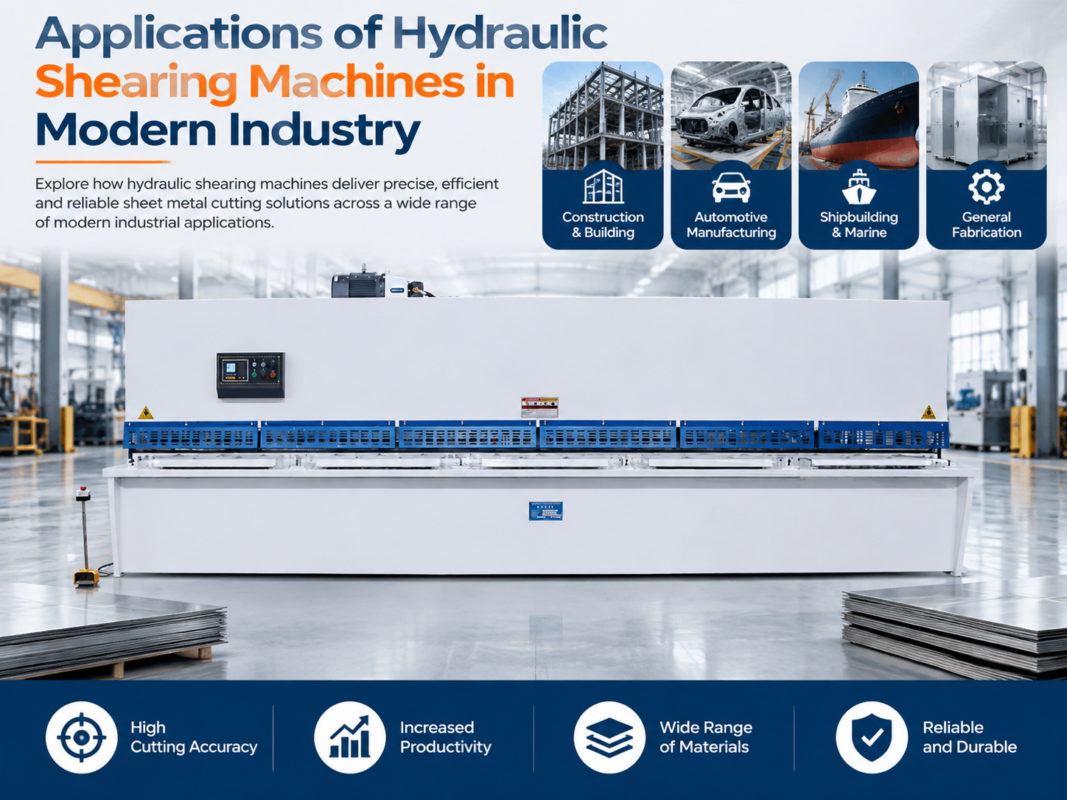
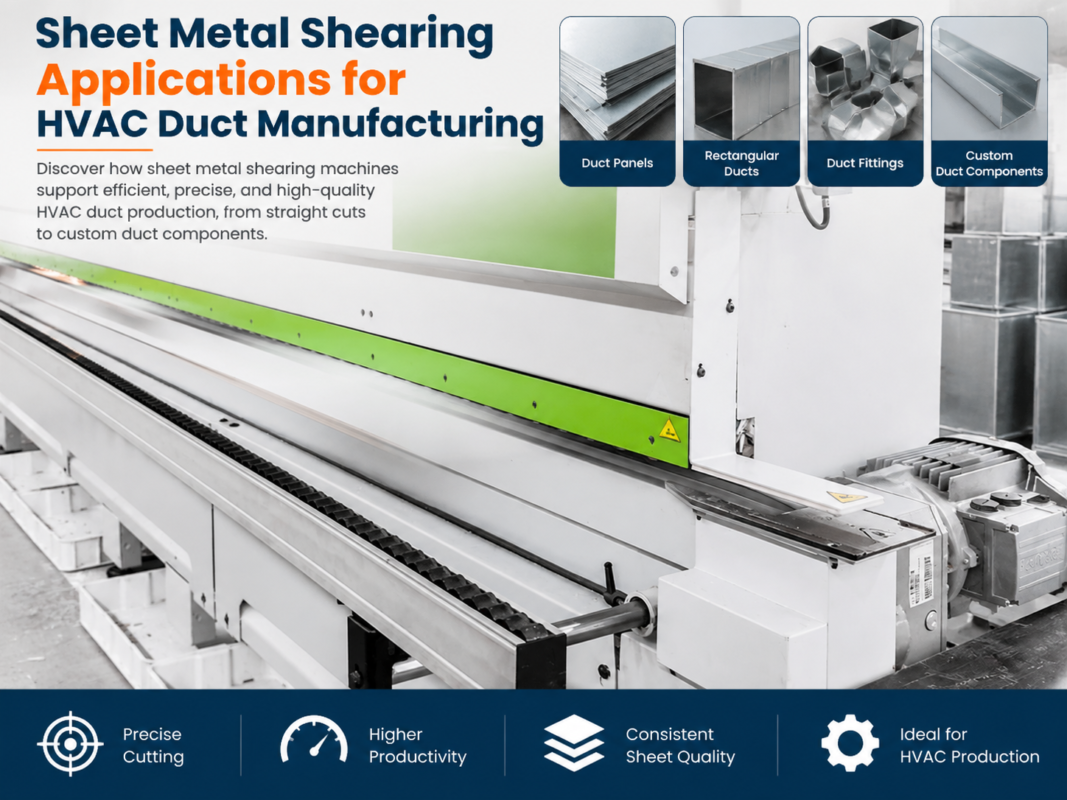
Choosing the right level of automation depends heavily on your specific application. For general construction, HVAC ductwork, and basic metal brackets, an NC Shearing Machine is often the most logical choice. These applications typically involve standard tolerances and consistent material thicknesses, meaning the manual adjustments for blade gap and rake angle are rarely changed. The NC machine provides the necessary speed for straight cuts without the added cost of high-end electronics.
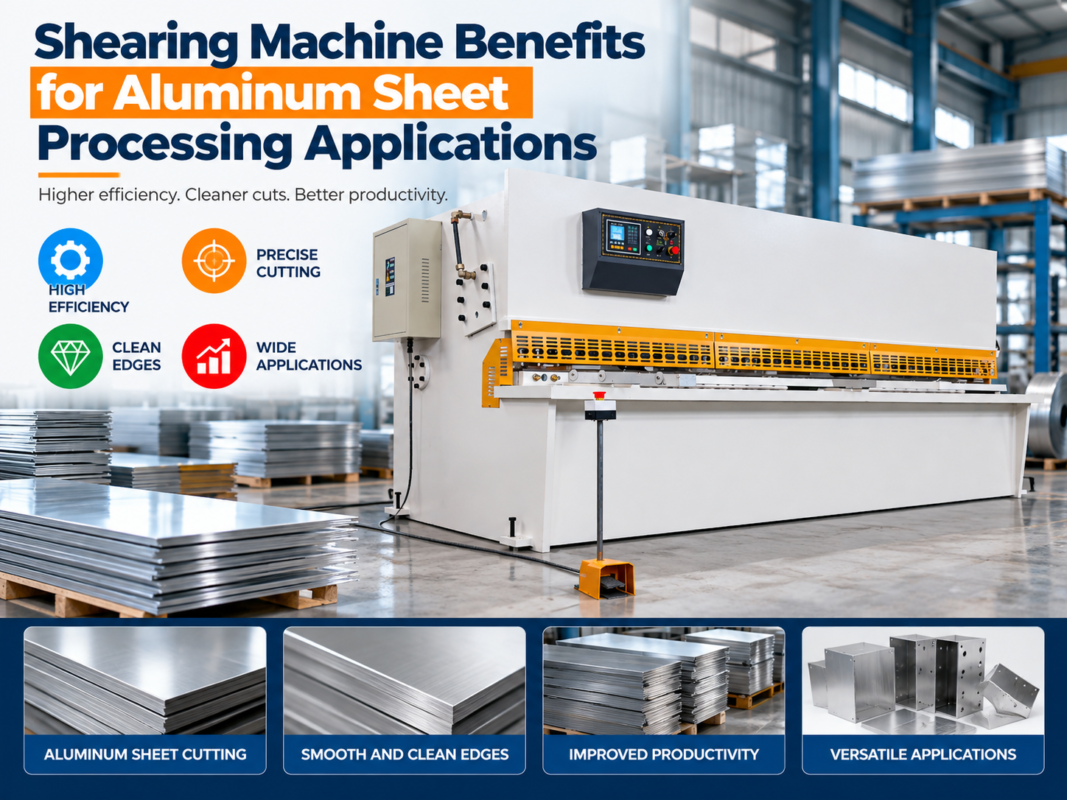
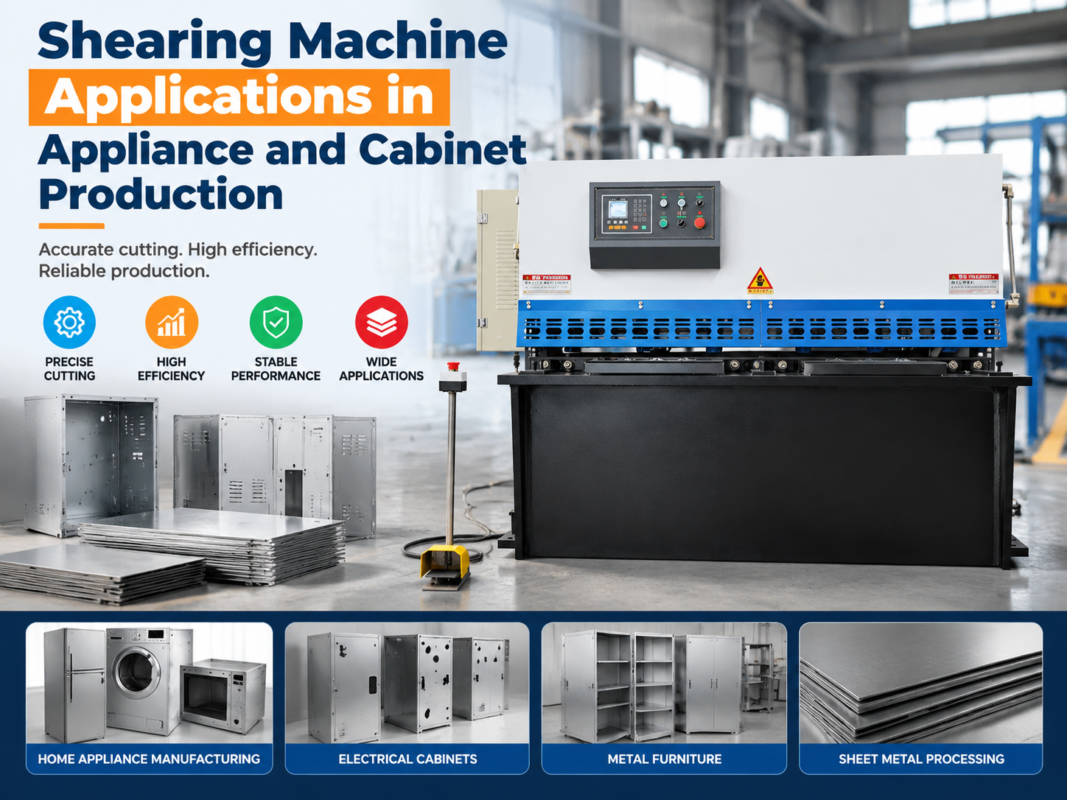
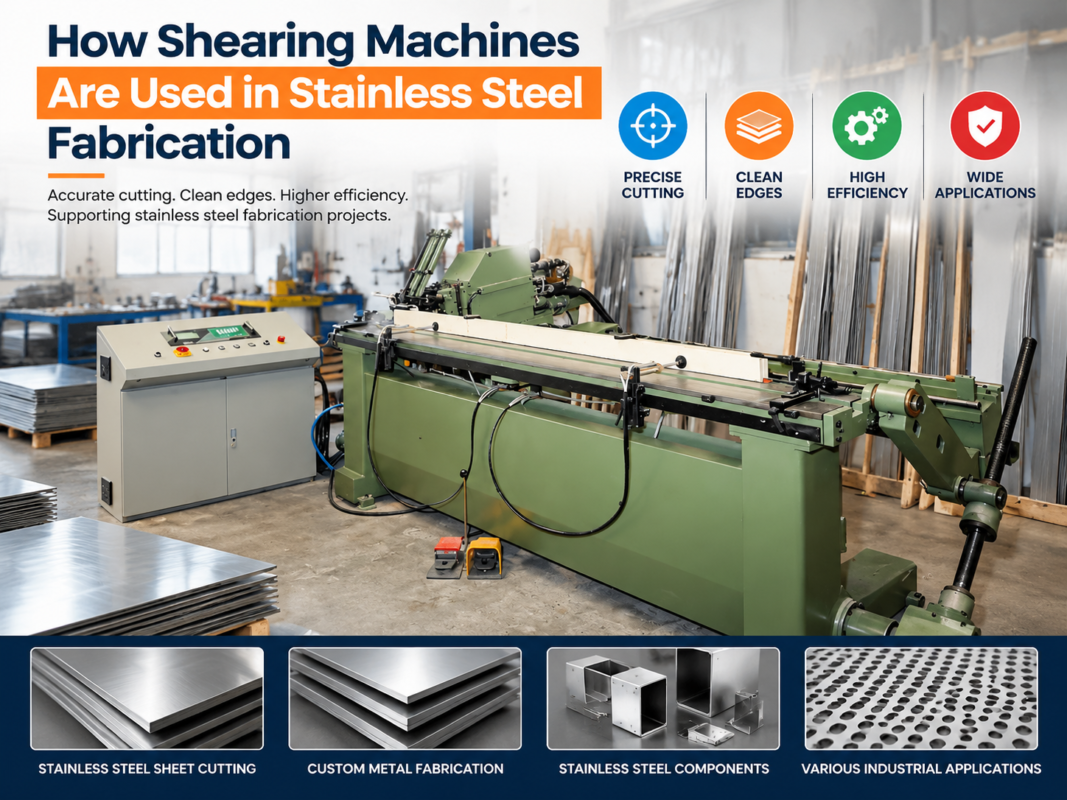
Conversely, industries such as precision electronics, medical equipment manufacturing, and high-end cabinetry benefit immensely from CNC Integration. When working with expensive materials like polished stainless steel or thin aluminum, the cost of a single mistake can be high. The CNC machine’s ability to automatically set the perfect rake angle ensures that thin strips remain flat and usable. Additionally, for shops that handle a wide variety of materials throughout a single shift, the time saved by the CNC’s automatic setup can equate to several hours of increased production per week.
When to Choose NC:
- Small to medium fabrication shops.
- Repetitive tasks with the same material thickness.
- Budget-conscious projects where extreme precision is not the primary driver.
- Maintenance teams requiring a simple, easy-to-repair machine.
When to Choose CNC:
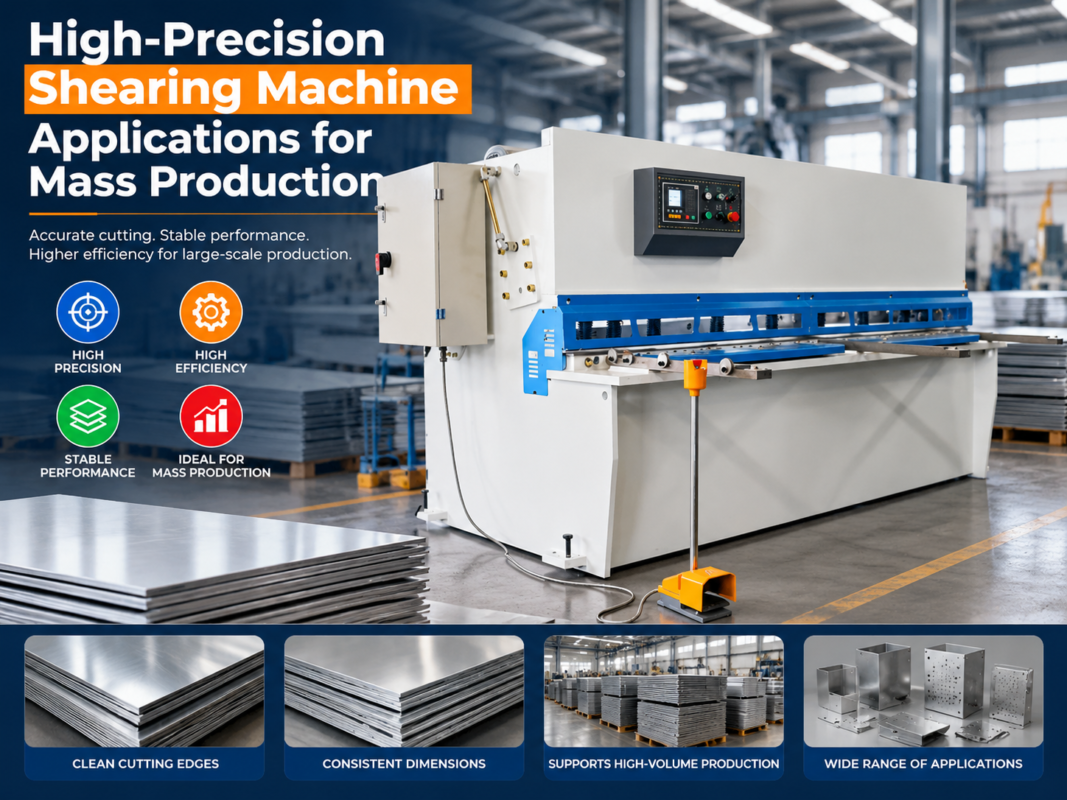
- High-volume industrial production.
- Frequent changes in material type and thickness.
- Requirements for high-precision, distortion-free cuts.
- Integration into a larger smart factory or Industry 4.0 environment.
Cost and Maintenance Comparison
The initial purchase price is the most obvious difference between NC and CNC shearing machines. A CNC machine can cost 30% to 50% more than an equivalent NC model due to the sophisticated controllers, servo motors, and automated adjustment mechanisms. However, the Return on Investment (ROI) must be calculated based on labor savings, reduced scrap, and increased machine uptime. In a high-production environment, a CNC machine often pays for itself within 18-24 months through efficiency gains alone.
From a maintenance perspective, NC machines are simpler. They have fewer electronic components and sensors, making them easier for general mechanics to service. CNC machines require a higher level of technical expertise for maintenance. The sensors that monitor blade gap and rake angle must be calibrated periodically to maintain accuracy. However, modern CNC systems like those offered by HARSLE include self-diagnostic features that alert operators to potential issues before they cause a breakdown, potentially lowering long-term repair costs by preventing major failures.
Recommendation: Finding the Right Balance
At HARSLE, we recommend that buyers evaluate their “Material Diversity Index.” If you spend more than 20% of your day adjusting the machine for different thicknesses, the jump to CNC is almost always justified. The reduction in setup time and the elimination of test cuts (which waste material) will significantly boost your bottom line. However, if your machine is dedicated to a single production line cutting 3mm mild steel all day, the NC machine is a robust and reliable choice that offers the best value for money.
Furthermore, consider the skill level of your workforce. As skilled operators become harder to find, the “intelligence” built into a CNC machine becomes a vital asset. It allows less experienced operators to produce high-quality parts with minimal training, as the machine handles the complex physics of the shearing process. For future-proofing your business, CNC integration provides the data connectivity and precision required to compete in a modern global market.
Frequently Asked Questions (FAQ)
1. Can I upgrade an NC shearing machine to CNC later?
While some mechanical components can be retrofitted, it is generally not cost-effective to upgrade a basic NC machine to a full CNC system. The CNC machine requires specific motorized adjustment points for the blade gap and rake angle that are not present on standard NC frames. It is better to choose the level of automation you need at the time of purchase.
2. Does a CNC shearing machine require special software?
Most CNC shearing machines come with built-in software on the controller (like Delem or Cybelec). You do not typically need external CAD/CAM software for shearing, as the programming is done directly on the touchscreen by entering dimensions and material properties.
3. How does the rake angle affect the quality of the cut?
The rake angle is the slope of the upper blade. A higher rake angle allows the machine to cut thicker material with less hydraulic pressure, but it increases the risk of the metal “twisting” or “bowing.” CNC machines optimize this angle automatically to find the perfect balance between cutting power and part flatness.
4. What is the lifespan of a HARSLE shearing machine?
With proper maintenance, including regular oil changes, blade sharpening, and lubrication of the backgauge, a HARSLE shearing machine can last 15-20 years or more in a professional production environment.
5. Is a guillotine shear better than a swing beam shear for automation?
Guillotine shears are generally better suited for CNC automation because the vertical movement of the blade allows for easier adjustment of the rake angle and blade gap compared to the arc-like movement of a swing beam shear. HARSLE offers both designs to suit different industrial needs.