
Press Brake Applications in Signage, Displays, and Metal Advertising Structures


Introduction to Metal Fabrication in the Signage Industry
In the modern landscape of urban architecture and retail marketing, the demand for high-quality, durable, and aesthetically pleasing signage has never been higher. Metal has become the material of choice for designers and architects who require longevity and a premium finish. At the heart of this manufacturing revolution is the press brake. Press Brake Applications In Signage, Displays, Metal Advertising Structures have expanded from simple 90-degree bends to complex, multi-faceted geometries that define the visual identity of global brands. Whether it is a massive pylon sign standing outside a shopping mall or an intricate indoor digital kiosk, the precision of a CNC press brake ensures that the final product meets the rigorous standards of the advertising industry.
The transition from traditional plastic and wood signage to metal-based structures is driven by the need for structural integrity and weather resistance. Metal advertising structures must withstand wind loads, temperature fluctuations, and corrosive environments while maintaining their visual appeal. This requires not just high-quality materials like aluminum, stainless steel, and galvanized steel, but also advanced fabrication techniques. HARSLE, a leader in industrial machinery, provides the technology necessary to transform flat sheets of metal into the three-dimensional masterpieces seen in city centers worldwide. This article explores the technical nuances and strategic advantages of utilizing press brakes in the signage and display sector.
Key Considerations for Signage and Display Fabrication
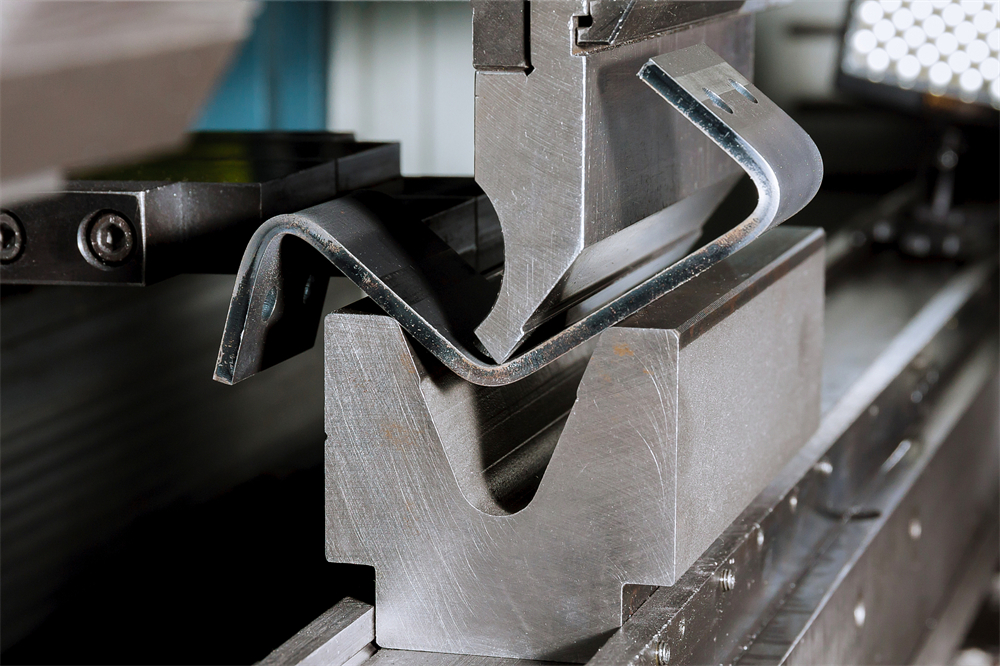
When discussing Press Brake Applications In Signage, Displays, Metal Advertising Structures, several critical factors must be considered to ensure a successful production run. The first is material selection. Signage often utilizes thin-gauge aluminum for its lightweight properties and corrosion resistance. However, bending aluminum requires specific knowledge of its minimum bend radius to prevent cracking. Conversely, stainless steel is favored for high-end luxury displays due to its reflective properties, but it requires significantly higher tonnage and specialized tooling to avoid surface marring.
Aesthetic quality is paramount in the signage industry. Unlike structural steel components used in construction, the surfaces of advertising displays are often the final visible product. This means that the press brake must operate with “no-mar” tooling or protective films to prevent die marks on the workpiece. Precision is equally vital; channel letters and lightboxes consist of multiple components that must fit together perfectly. Even a fraction of a millimeter in deviation can lead to light leaks or assembly failures, which are unacceptable in professional signage.
Furthermore, the complexity of modern designs often involves non-standard angles and radii. Traditional manual press brakes struggle with the repeatability required for large batches of identical signs. This is where CNC (Computer Numerical Control) technology becomes indispensable. A CNC press brake can store complex bending sequences, allowing operators to switch between different sign components rapidly while maintaining 100% accuracy. The ability to handle large sheets is also a factor, as many billboards and pylon signs are constructed from oversized panels that require a press brake with a significant bed length and throat depth.
Technical Details of Bending for Advertising Structures
The technical execution of Press Brake Applications In Signage, Displays, Metal Advertising Structures involves a deep understanding of sheet metal mechanics. One of the most common applications is the creation of “channel letters.” These are the individual 3D letters seen on storefronts. Fabricating the “return” (the side of the letter) requires a series of precise bends to follow the contour of the letter’s face. Using a gooseneck punch is often necessary here, as it provides the clearance needed for complex inward bends without the workpiece hitting the upper beam of the machine.
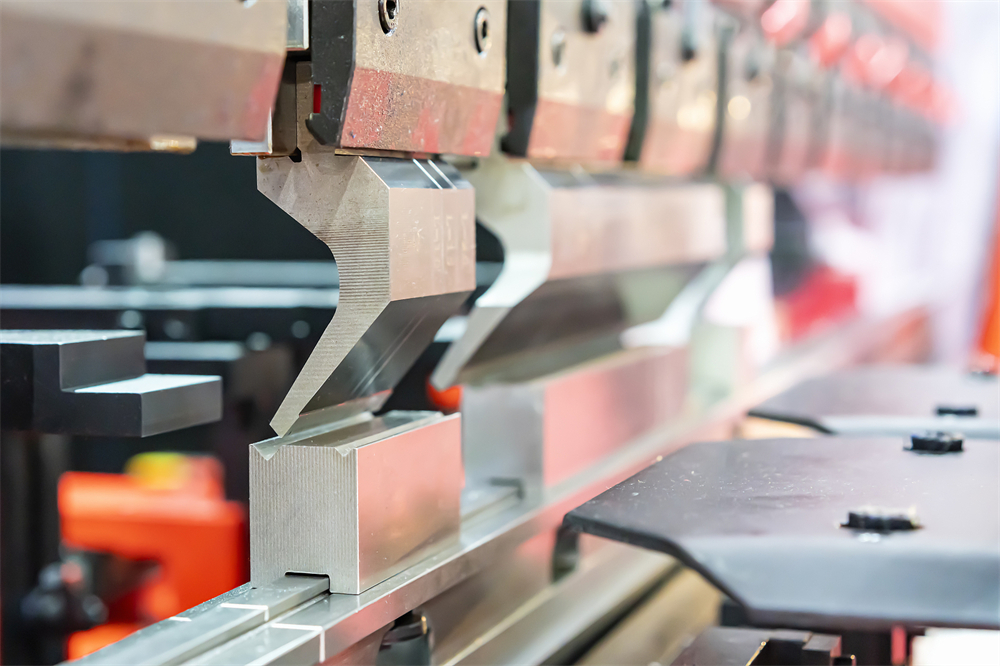
Another technical challenge is the fabrication of lightboxes and kiosks. These structures often require “box bending,” where four sides are folded up from a single sheet. To achieve this, the press brake must be equipped with segmented tooling. Segmented tools allow the operator to adjust the width of the punch to match the internal dimensions of the box, ensuring that the previously bent sides do not interfere with the current bending operation. HARSLE’s CNC systems, such as the Delem DA-53T or DA-66T, provide 2D and 3D graphical simulations that help operators visualize these sequences before the first bend is made, drastically reducing material waste.
Tooling and Precision in Signage
Tooling selection is a science in itself within the signage industry. For high-gloss or painted materials, fabricators often use urethane die inserts or specialized cloth to prevent the metal-on-metal contact that causes scratches. Additionally, the use of “Air Bending” is preferred over “Bottoming” or “Coining” in signage. Air bending allows for a wider range of angles with a single set of tools and requires less tonnage, which is ideal for the thinner materials typically used in displays. However, it requires a highly accurate CNC system to compensate for material springback, which can vary based on the grain direction and hardness of the metal sheet.
Selection Advice: Choosing the Right Press Brake for Signage
Selecting the right machinery for Press Brake Applications In Signage, Displays, Metal Advertising Structures depends on the specific niche of the fabricator. For shops specializing in small-scale retail displays and indoor signage, a high-speed electric press brake or a smaller tonnage hydraulic press brake (e.g., 30 to 60 tons) might be the most efficient choice. These machines offer fast cycle times and high precision for small, intricate parts. Electric press brakes are particularly noted for their energy efficiency and lack of hydraulic oil, which can be a cleaner option for sensitive environments.
For companies involved in large-scale outdoor advertising, such as billboards, highway gantries, and massive pylon signs, a heavy-duty hydraulic press brake is required. These machines often need a bed length of 4 meters or more and a tonnage capacity exceeding 160 tons to handle thick structural steel or large-format aluminum plates. It is also advisable to look for machines with a multi-axis backgauge (X, R, Z1, Z2). A sophisticated backgauge allows for the positioning of asymmetrical parts, which are common in creative architectural signage.
Checklist for Signage Fabricators
- Tonnage and Length: Ensure the machine can handle the maximum thickness and length of your largest sign panels.
- Control System: Opt for a CNC control that supports graphical programming to simplify complex multi-bend sequences.
- Crowning System: A CNC-controlled crowning system is essential for long bends to ensure the angle is consistent across the entire length of the sheet.
- Tooling Compatibility: Ensure the machine uses standard European or American style tooling for easy replacement and specialized signage tool integration.
- Safety Features: Laser safety guards (like DSP or Lazersafe) are crucial for protecting operators during the frequent tool changes and adjustments common in custom sign work.
Maintenance and Longevity of Fabrication Equipment
To maintain the precision required for Press Brake Applications In Signage, Displays, Metal Advertising Structures, a rigorous maintenance schedule is mandatory. In the signage industry, where precision is measured in microns, even a small amount of wear on the bed or the tooling can lead to visible defects in the finished product. Regular calibration of the Y1 and Y2 axes ensures that the ram remains perfectly parallel to the bed, which is critical for maintaining consistent bend angles.
Hydraulic systems must be kept clean; contaminated oil can lead to sluggish valve response, affecting the accuracy of the bend. For signage shops, where aluminum dust can be prevalent due to cutting and grinding operations, it is vital to keep the press brake’s guides and backgauge rails clean and lubricated. Dust buildup can cause friction and premature wear on the precision ball screws and linear guides. HARSLE recommends a weekly inspection of all moving parts and a monthly check of the hydraulic fluid levels and filter integrity to ensure the machine operates at peak performance for decades.
Frequently Asked Questions (FAQ)
What is the best material for outdoor metal advertising structures?
Aluminum is the most popular choice for outdoor signage due to its weight-to-strength ratio and natural resistance to rust. However, for structural supports in large billboards, galvanized steel is often used for its superior strength and cost-effectiveness. Stainless steel is used for premium, high-visibility locations where a mirror or brushed finish is desired.
How do I prevent scratches on polished metal during bending?
To prevent scratches, fabricators use “no-mar” tooling, which includes urethane pads or specialized tape applied to the die. Using air bending instead of bottoming also reduces the contact pressure between the tool and the workpiece. Additionally, many signage materials come with a protective plastic film that should be left on during the bending process.
Can a press brake handle the curved shapes found in modern logos?
While a press brake is primarily designed for linear bends, it can create curves through a process called “bumping” or “radius bending.” This involves a series of small, incremental bends close together to simulate a smooth curve. A CNC press brake is essential for this, as it can automate the hundreds of tiny steps required to create a consistent radius.
What tonnage do I need for typical signage work?
Most signage work involves aluminum or thin-gauge steel between 1mm and 3mm thick. For these applications, a 40-ton to 100-ton press brake is usually sufficient. However, if you are fabricating the structural frames for large outdoor displays, you may need 160 tons or more depending on the thickness of the structural members.
Why is CNC crowning important for signage?
Signage often involves long, continuous bends (e.g., the side of a 3-meter lightbox). Without crowning, the center of the bend may be slightly wider than the ends due to machine deflection. CNC crowning compensates for this by slightly bowing the bed upward, ensuring a perfectly straight and consistent bend angle across the entire length.
Conclusion: The Future of Signage Fabrication
The role of Press Brake Applications In Signage, Displays, Metal Advertising Structures continues to evolve as technology advances. The integration of IoT and Industry 4.0 features into HARSLE press brakes allows for better tracking of production metrics and predictive maintenance, ensuring that signage shops can meet tight deadlines with minimal downtime. As architectural trends lean towards more organic and complex metal forms, the versatility of the CNC press brake remains the cornerstone of the industry.
Investing in a high-quality press brake is not just about buying a machine; it is about investing in the capability to realize the most ambitious creative visions. From the smallest retail display to the largest digital billboard, the precision, power, and flexibility of modern press brakes ensure that the signage industry can continue to push the boundaries of what is possible in metal fabrication. For fabricators looking to lead the market, HARSLE offers the perfect balance of innovation and reliability, providing the tools necessary to turn flat metal into iconic landmarks.


