What to Check Before Buying a CNC Laser Cutting Machine for Metal Sheets: A Comprehensive Guide


Introduction to CNC Laser Cutting Investments
Investing in a CNC laser cutting machine for metal sheets is one of the most significant capital expenditures a metal fabrication shop will ever make. Whether you are upgrading from traditional plasma cutting or starting a new production line, the complexity of modern fiber laser technology requires a meticulous evaluation process. The market is flooded with options ranging from budget-friendly entry-level models to high-performance industrial powerhouses. Understanding what to check before buying a CNC laser cutting machine for metal sheets is the difference between a high-ROI asset and a costly operational burden.
In the current industrial landscape, fiber laser technology has largely superseded CO2 lasers for metal sheet applications due to its superior energy efficiency, lower maintenance requirements, and faster cutting speeds on thin to medium-thickness materials. However, the sheer variety of laser sources, bed sizes, and automation features can be overwhelming. This guide provides a structured approach to evaluating these machines, ensuring that your investment aligns with your production goals, material requirements, and long-term growth strategy.
Price Range Overview: What to Expect
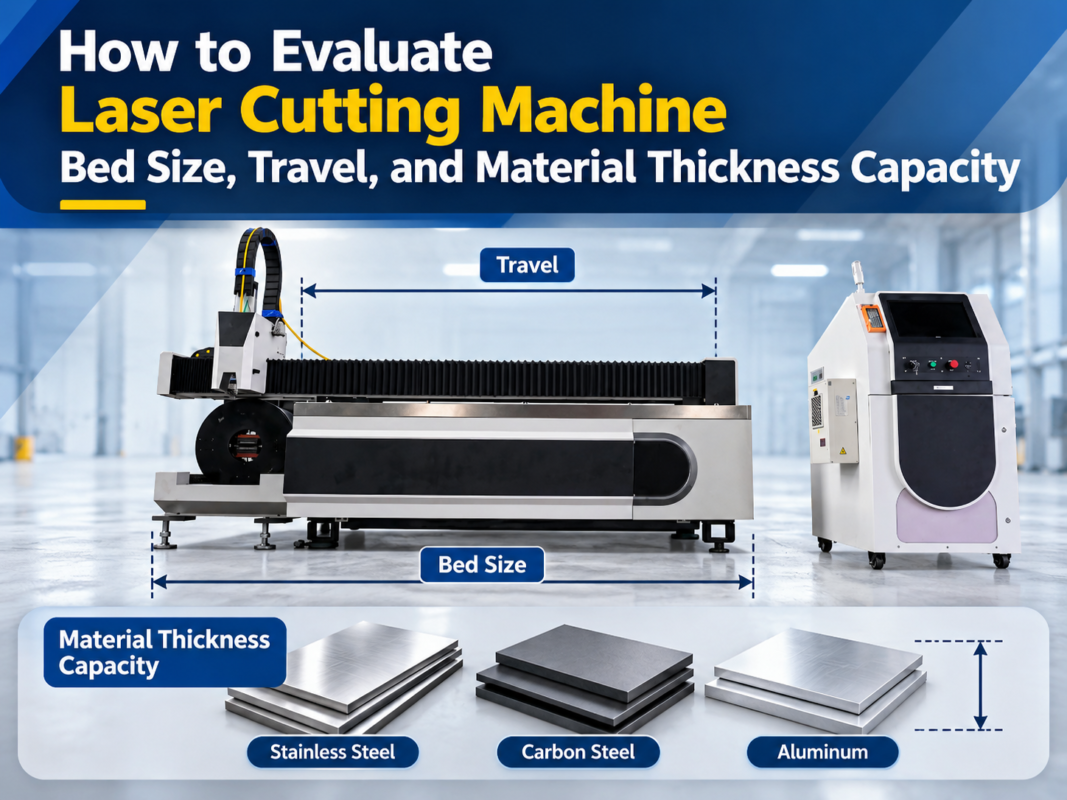
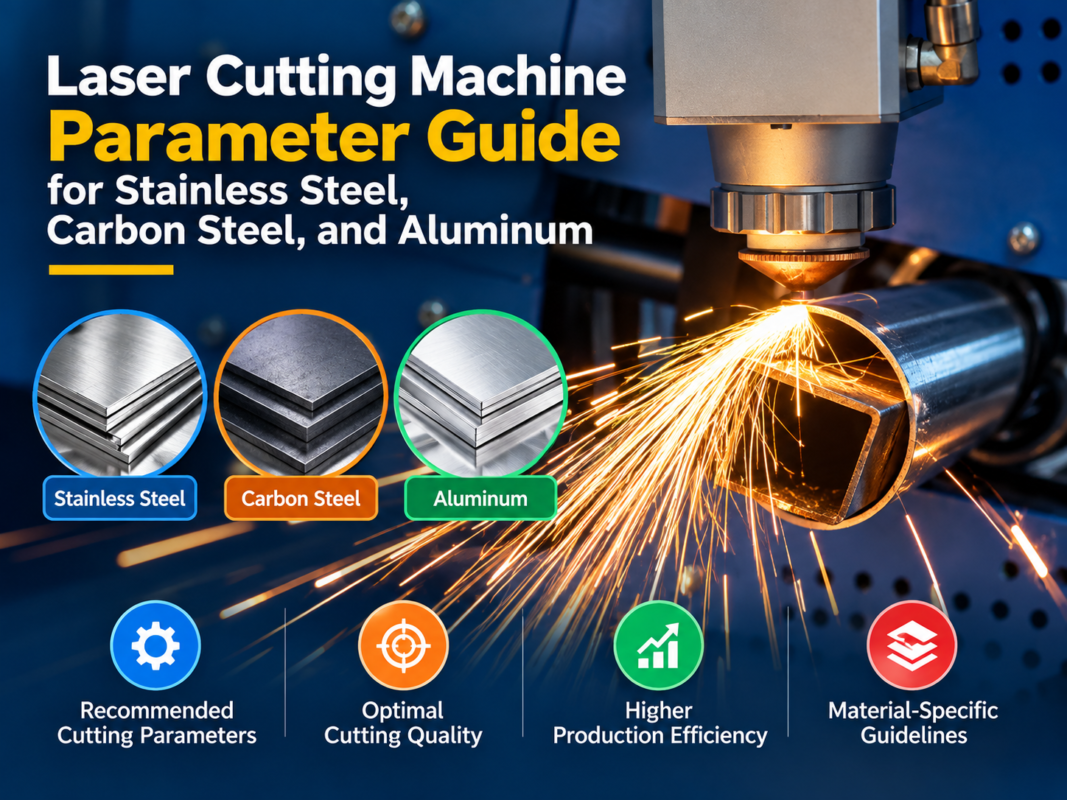
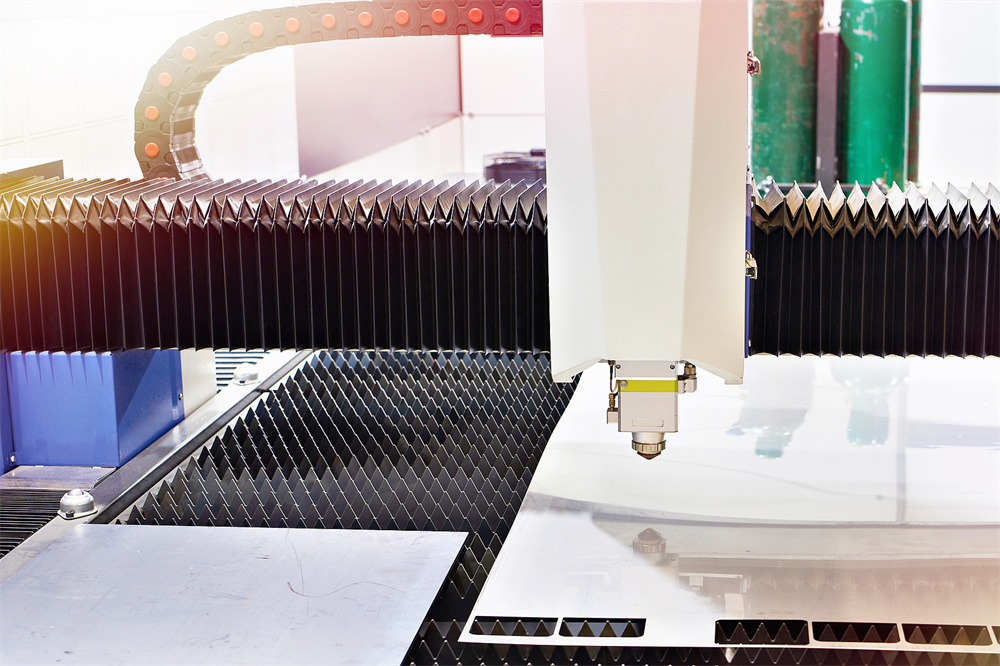
The price of a CNC laser cutting machine is primarily dictated by its laser power, bed size, and the quality of its core components. Generally, the market is divided into three main tiers. Entry-level machines, often featuring 1kW to 3kW laser sources and a standard 3015 (3m x 1.5m) working area, typically range from $20,000 to $50,000. These are ideal for small workshops or businesses focusing on thin gauge materials like 1-5mm stainless steel or carbon steel. While affordable, these machines may lack advanced features like exchange tables or high-end CNC controllers.
Mid-range machines, which are the workhorses of the industry, usually cost between $60,000 and $150,000. These machines often feature 6kW to 12kW laser sources, allowing for much faster cutting speeds and the ability to handle thicker plates (up to 20-30mm). At this price point, you can expect better structural integrity, such as cast iron beds or heavy-duty welded frames, and more sophisticated software integration. These machines are designed for multi-shift operations where reliability and throughput are critical.
High-end industrial systems can exceed $250,000 and reach upwards of $500,000. These systems utilize ultra-high-power laser sources (20kW to 60kW+), large format beds (up to 12 meters or more), and full automation suites including automatic loading and unloading systems. These machines are built for heavy industry, such as shipbuilding, aerospace, and large-scale construction, where precision on massive components is non-negotiable. When you check before buying a CNC laser cutting machine for metal sheets, you must first determine which of these tiers fits your current volume and future expansion plans.
Main Cost Drivers in Laser Cutting Technology
The single most expensive component of the machine is the fiber laser source. Brands like IPG Photonics are considered the gold standard for reliability and global support, but they come with a premium price tag. Alternatives like Raycus and Maxphotonics have gained significant market share by offering excellent performance at a more competitive price point. The wattage of the source directly impacts the price; every additional kilowatt adds a predictable increment to the total cost. It is essential to match the power to your most frequent material thickness rather than buying excessive power “just in case.”
The motion system is another significant cost driver. High-speed cutting requires exceptional acceleration and deceleration, which is only possible with high-quality servo motors (such as Yaskawa or Panasonic) and precision rack-and-pinion systems (like Atlanta or YYC). A machine that vibrates or loses accuracy at high speeds will result in wasted material and poor edge quality. Furthermore, the CNC controller—the “brain” of the machine—varies in cost. Systems like CypCut are popular for their user-friendliness and integrated nesting features, while high-end European controllers offer more complex multi-axis capabilities.
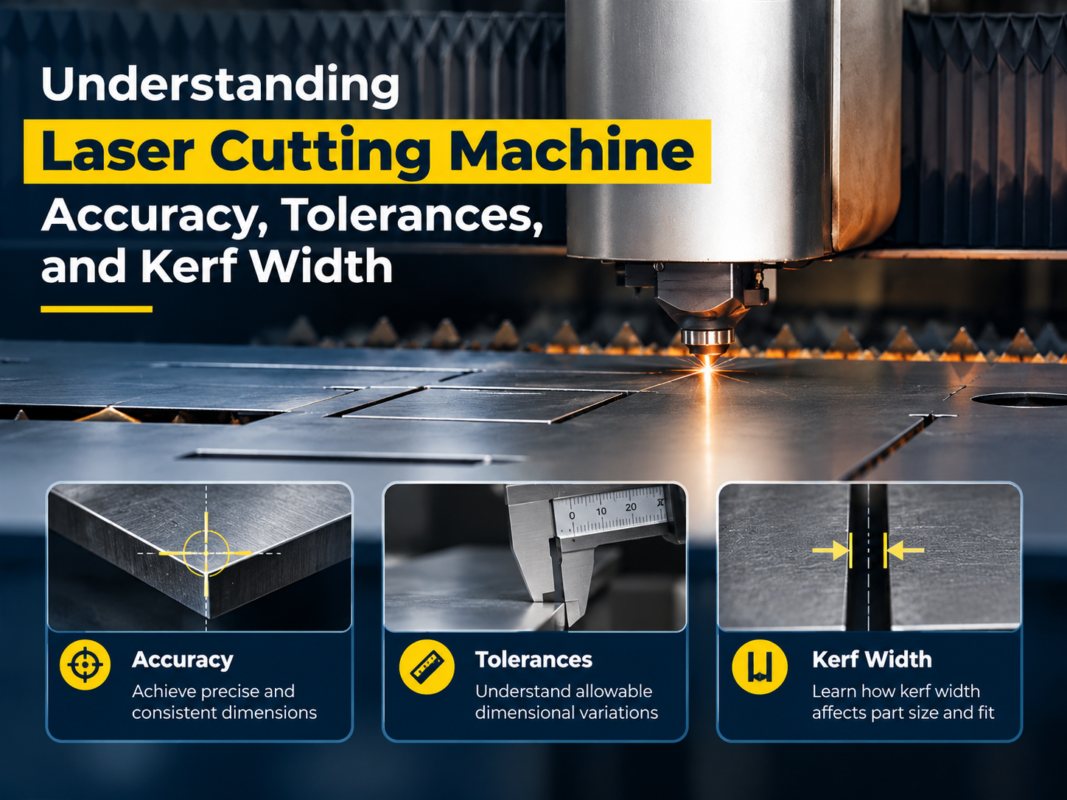
The frame construction also influences the price. A machine bed that is not properly heat-treated or stress-relieved will eventually warp due to the thermal stress of the laser and the weight of the metal sheets. Heavy-duty frames made of high-strength steel or cast iron are more expensive to manufacture and ship, but they ensure the machine maintains its 0.02mm accuracy over a decade of use. Cheap machines often cut corners here, using lighter frames that lead to mechanical failure within a few years.
Configuration Impact: Technical Specifications to Verify
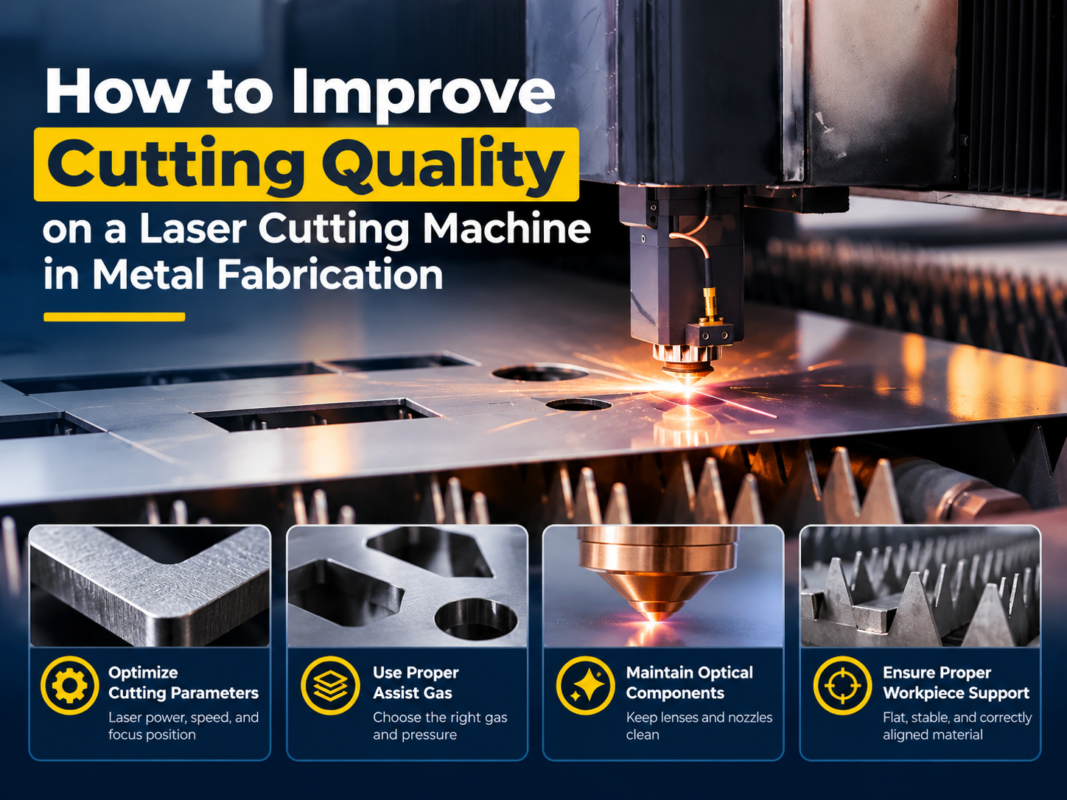
When you check before buying a CNC laser cutting machine for metal sheets, the configuration of the cutting head is paramount. Modern machines should ideally feature an auto-focus cutting head. Manual focus heads require the operator to stop the machine and adjust the lens for different material thicknesses, which wastes time and increases the risk of human error. Auto-focus heads, such as those from Raytools or Precitec, use the CNC software to adjust the focal point instantly, ensuring optimal cut quality across varying sheets.
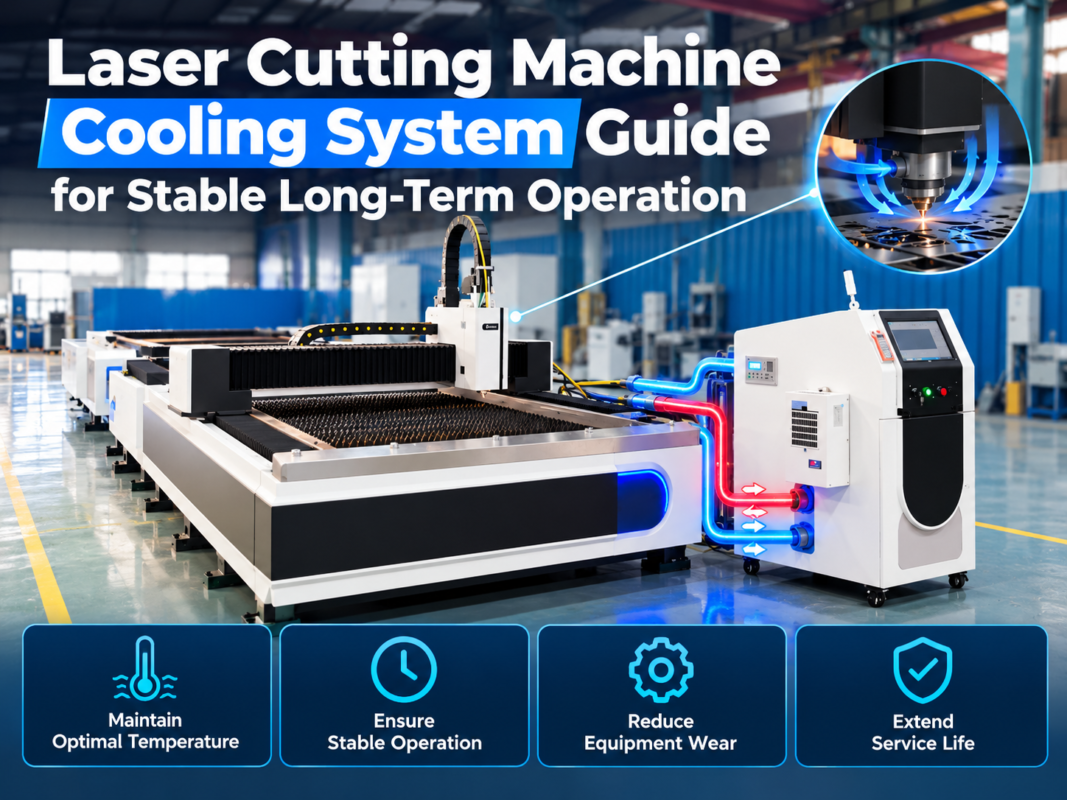
The cooling system, or industrial chiller, is often overlooked but is vital for the longevity of the laser source and the cutting head. A dual-circuit chiller is necessary to maintain different temperatures for the laser source and the optics. If the chiller is undersized for the environment (especially in hot climates), the machine will frequently shut down to prevent overheating, leading to significant downtime. Always verify that the chiller brand is reputable and that its capacity matches the laser’s power output.
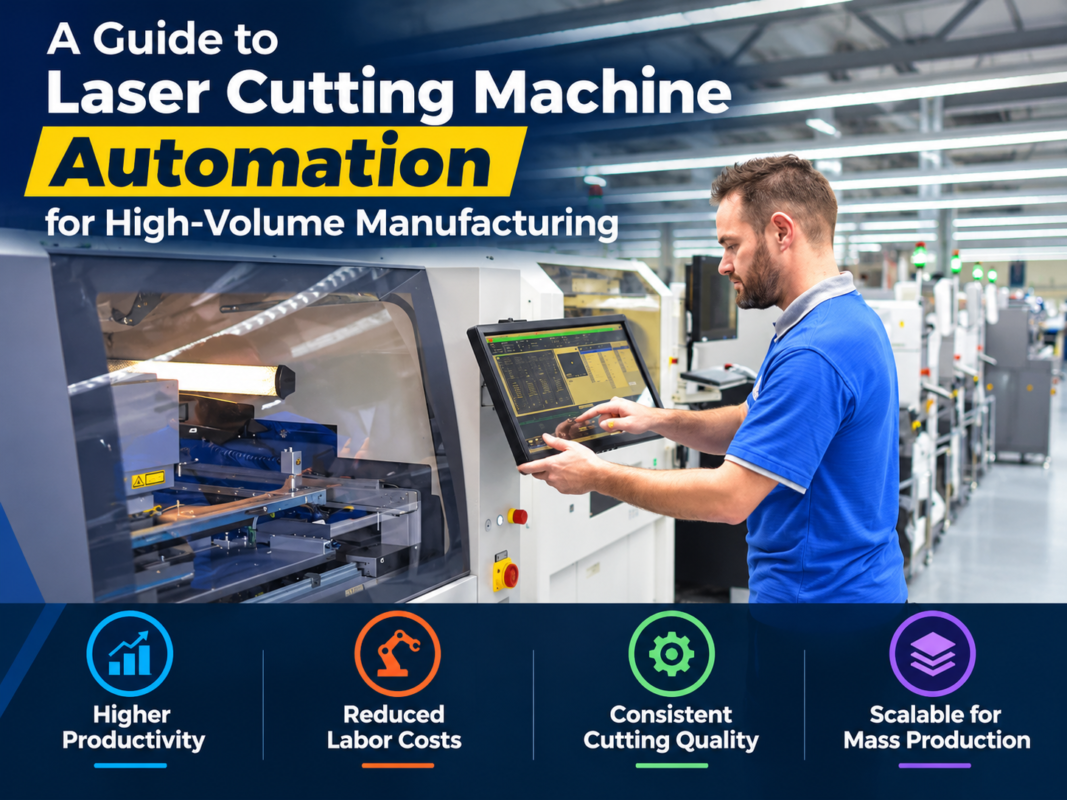
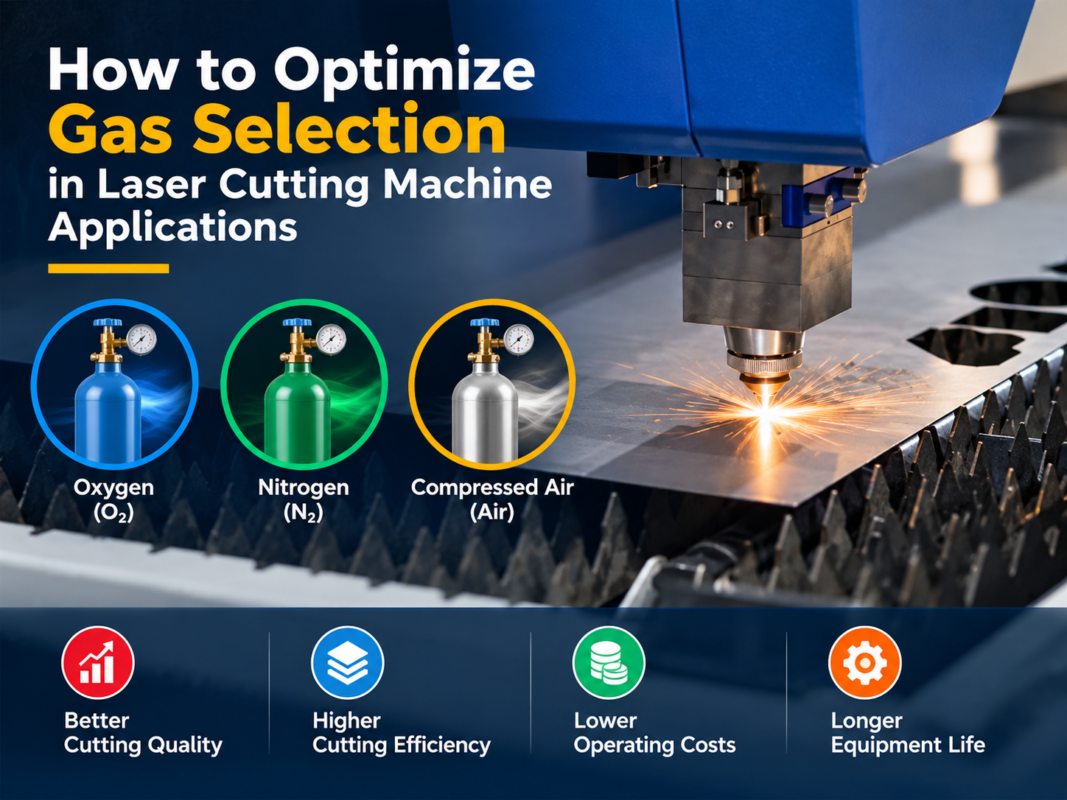
Another critical configuration choice is the inclusion of an exchange table (shuttle table). An exchange table allows the operator to load a new sheet and unload finished parts while the machine is still cutting on the other table. This can increase productivity by 30% to 50% compared to a single-table machine. For businesses with high-volume production, this feature is almost mandatory. Additionally, consider the gas control system. High-quality proportional valves allow the CNC to precisely control the pressure of Oxygen, Nitrogen, or compressed air, which is essential for achieving a dross-free finish on different metals.
Hidden Costs of Ownership
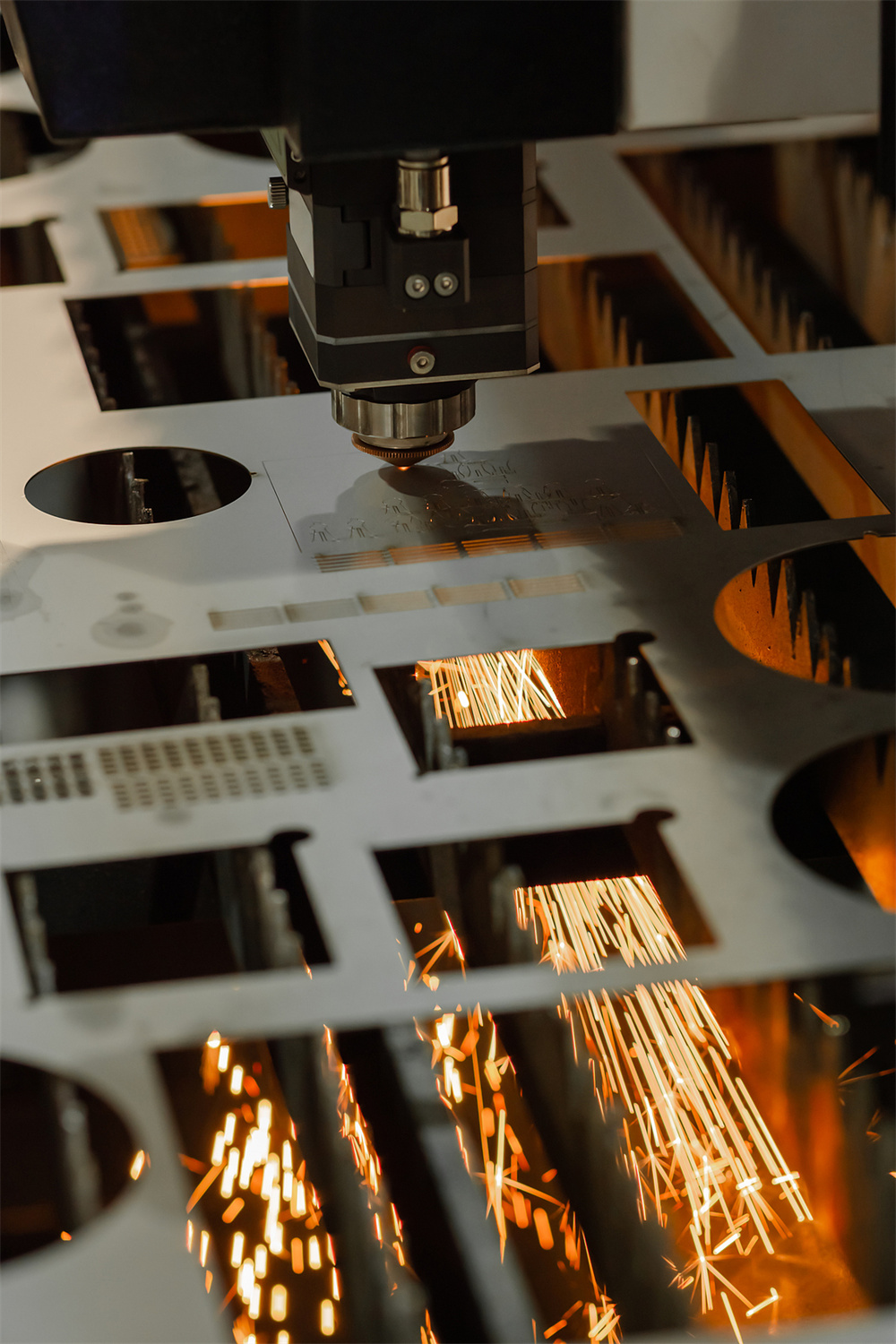
The purchase price is only the beginning. One of the most significant hidden costs is gas consumption. Cutting stainless steel or aluminum typically requires high-pressure Nitrogen to prevent oxidation, which can be expensive if you are buying cylinders. Many shops invest in Nitrogen generators or large liquid Nitrogen tanks to lower the per-unit cost. Alternatively, high-pressure air cutting is becoming popular for thinner materials, but it requires a high-spec air compressor and filtration system to ensure the air is dry and oil-free.
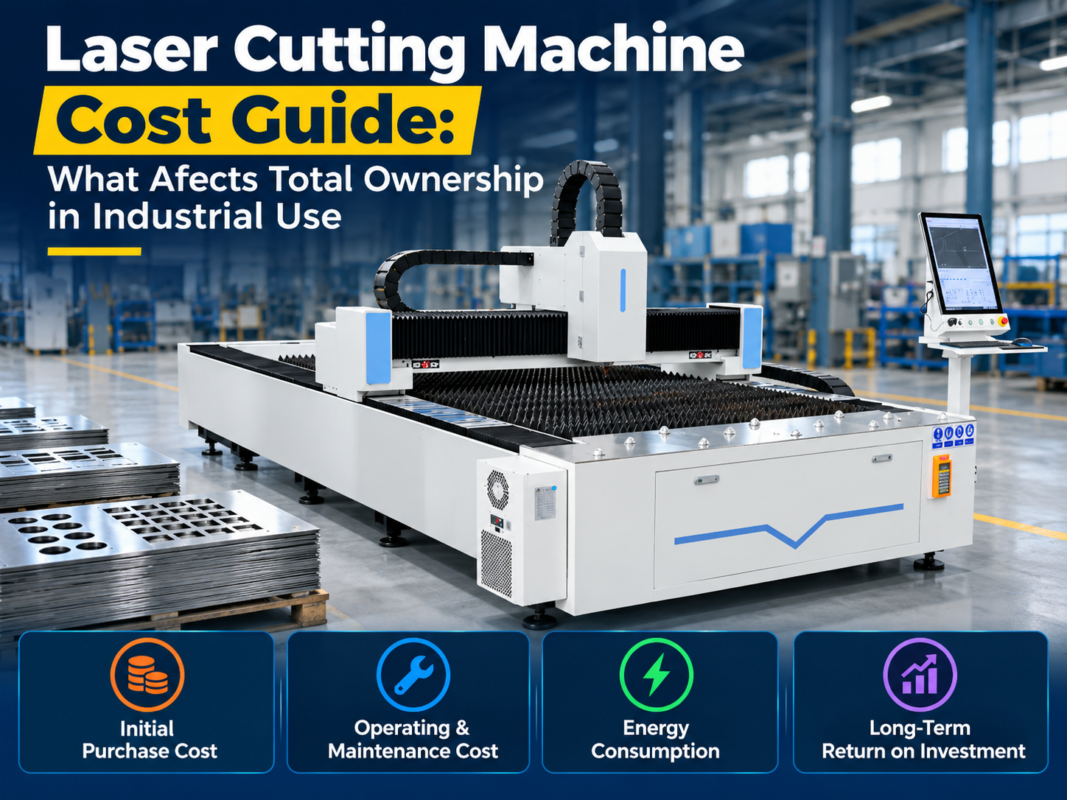
Consumables are another recurring expense. Nozzles, protective windows, and ceramic rings need regular replacement. While individual parts are relatively cheap, they add up over thousands of hours of operation. Furthermore, electricity costs can be substantial. While fiber lasers are much more efficient than CO2 lasers, a 12kW machine plus its chiller and dust extractor can pull a significant amount of power. You must ensure your facility’s electrical grid can handle the load and factor the monthly utility bill into your operational costs.
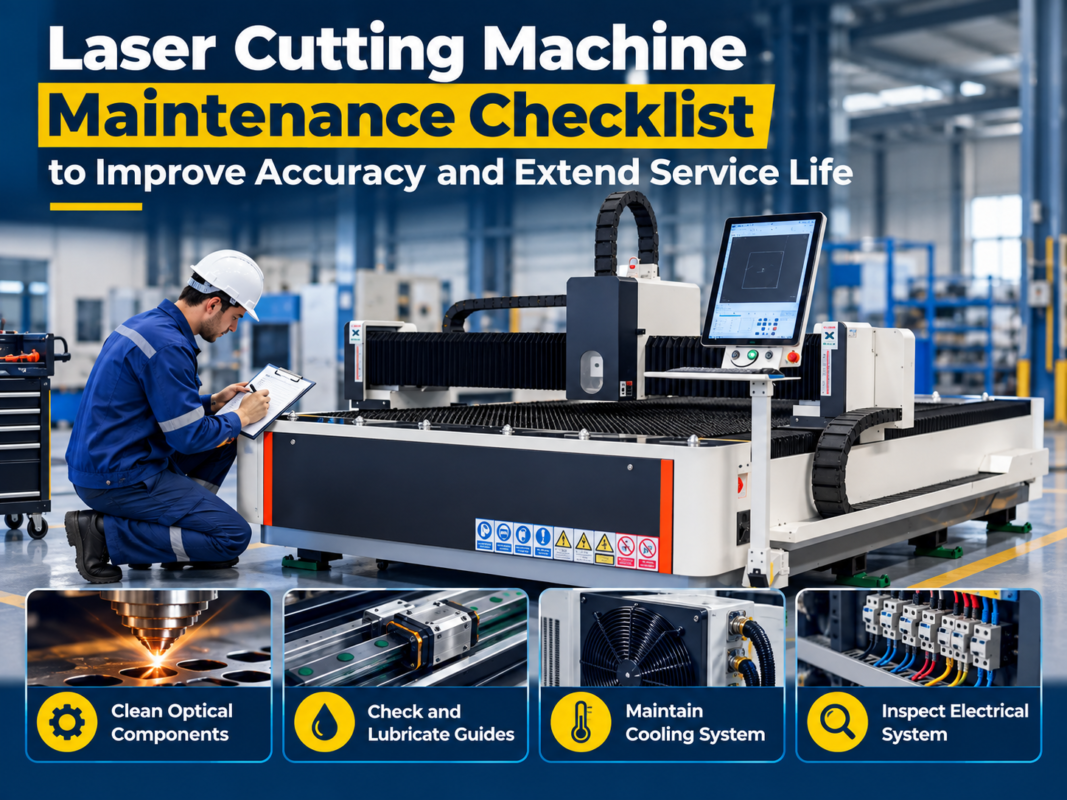
Maintenance and software updates should also be considered. While fiber lasers are “low maintenance,” they are not “no maintenance.” The rack and pinion need lubrication, the dust collector filters need cleaning, and the optical path must remain pristine. Some manufacturers charge annual fees for software updates or remote technical support. Before buying, ask for a detailed maintenance schedule and the cost of a typical service visit. Choosing a supplier with local technicians can save you thousands in travel costs and minimize downtime during a breakdown.
ROI Calculation: When Will the Machine Pay for Itself?
Calculating the Return on Investment (ROI) is crucial for justifying the purchase. To do this, you must compare the cost of laser cutting in-house versus outsourcing to a service center. Most service centers charge a markup of 30% to 100% on the cutting time. By bringing the process in-house, you capture that margin. Additionally, you gain control over your production schedule, reducing lead times from weeks to days. This agility often allows businesses to take on more projects and increase overall revenue.
A typical ROI calculation involves estimating the total monthly cost (machine payment + labor + gas + electricity + consumables) and dividing it by the number of billable cutting hours. For example, if a machine costs $5,000 a month to finance and operate, and it performs $15,000 worth of cutting work (at market rates), the net profit is $10,000. In this scenario, the machine could pay for its entire purchase price in less than two years. High-power machines, despite their higher initial cost, often have a faster ROI because their significantly higher cutting speeds lower the cost-per-part.
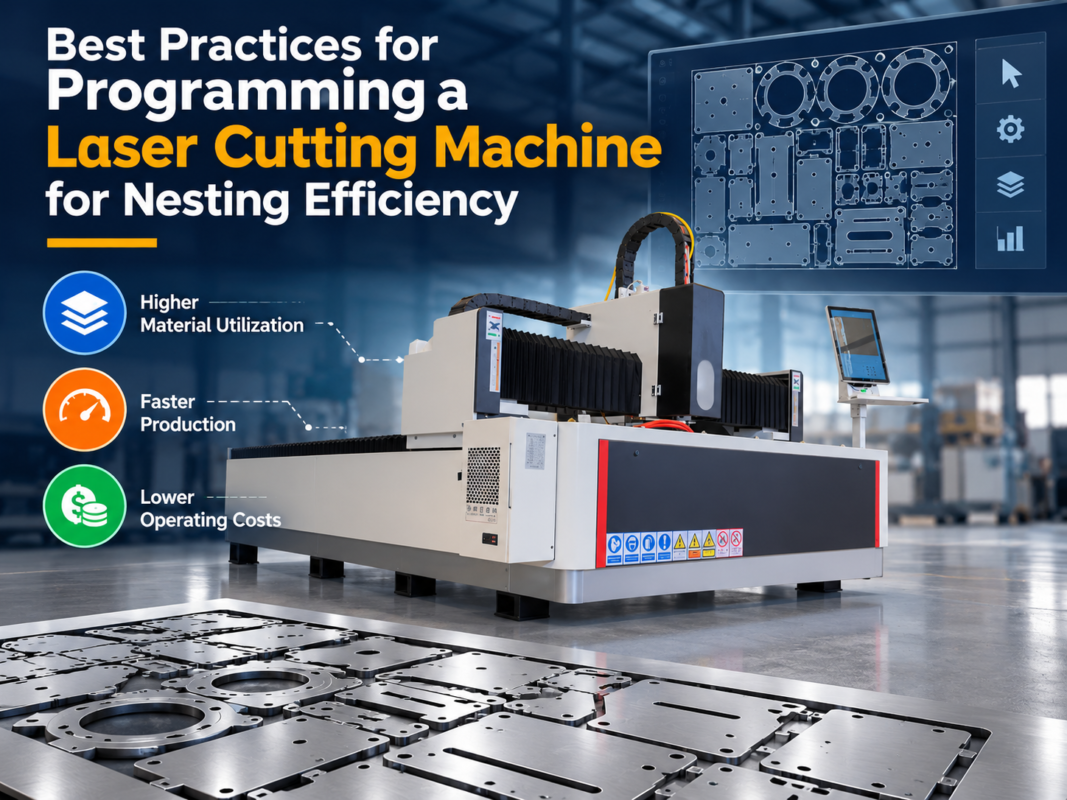
Don’t forget to factor in material savings. CNC laser software includes nesting algorithms that pack parts tightly onto a sheet, minimizing scrap. Compared to manual layout or older cutting methods, a modern laser can improve material utilization by 10% to 20%. In an era of fluctuating metal prices, saving 15% on your raw material costs can contribute significantly to the machine’s payback period. Always ask for a sample nesting report based on your typical parts during the pre-purchase phase.
Buying Advice: A Step-by-Step Checklist
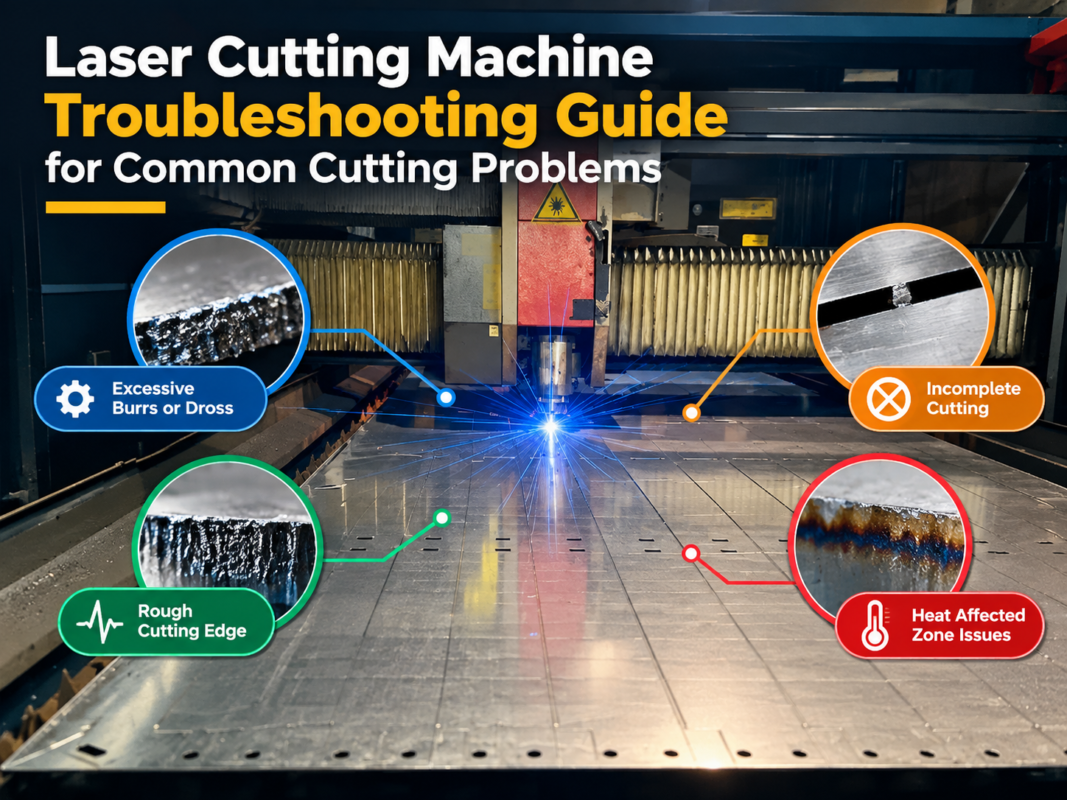
Before signing a contract, follow this checklist to ensure you have covered all bases. First, perform a material test. Send your most challenging CAD files to the manufacturer and ask them to cut samples using the exact machine and power level you intend to buy. Inspect the edge quality, the dross (slag) levels, and the dimensional accuracy. If the manufacturer cannot provide a clean cut on your specific material, the machine is not right for you.
Second, evaluate the software. Is the CNC interface intuitive? Does the nesting software support the file formats your design team uses (DXF, DWG, STEP)? Some machines come with proprietary software that is difficult to learn, while others use industry-standard platforms. Ensure your operators can be trained quickly. Third, check the manufacturer’s reputation. Look for reviews from other fabrication shops, check their presence at international trade shows, and verify how long they have been in business. A company like HARSLE, with a long history in metal fabrication machinery, offers a level of security that a “fly-by-night” brand cannot.
Finally, negotiate the after-sales service agreement. What is the warranty period for the laser source? Is there a local service partner? Does the price include installation and on-site training? Many buyers focus so much on the machine price that they forget to secure the support needed to keep it running. A machine that sits idle for three weeks waiting for a spare part from overseas is a liability, not an asset. Ensure you have a clear line of communication with the technical support team before the machine even leaves the factory.
Frequently Asked Questions (FAQ)
1. What is the difference between Fiber and CO2 lasers for metal sheets?
Fiber lasers use a solid-state laser source and deliver the beam via a fiber optic cable, making them more efficient, faster on thin metals, and virtually maintenance-free compared to CO2 lasers. CO2 lasers use a gas mixture and mirrors, which require frequent alignment and have higher operating costs, though they were historically better for very thick non-metals.
2. How much power (kW) do I actually need?
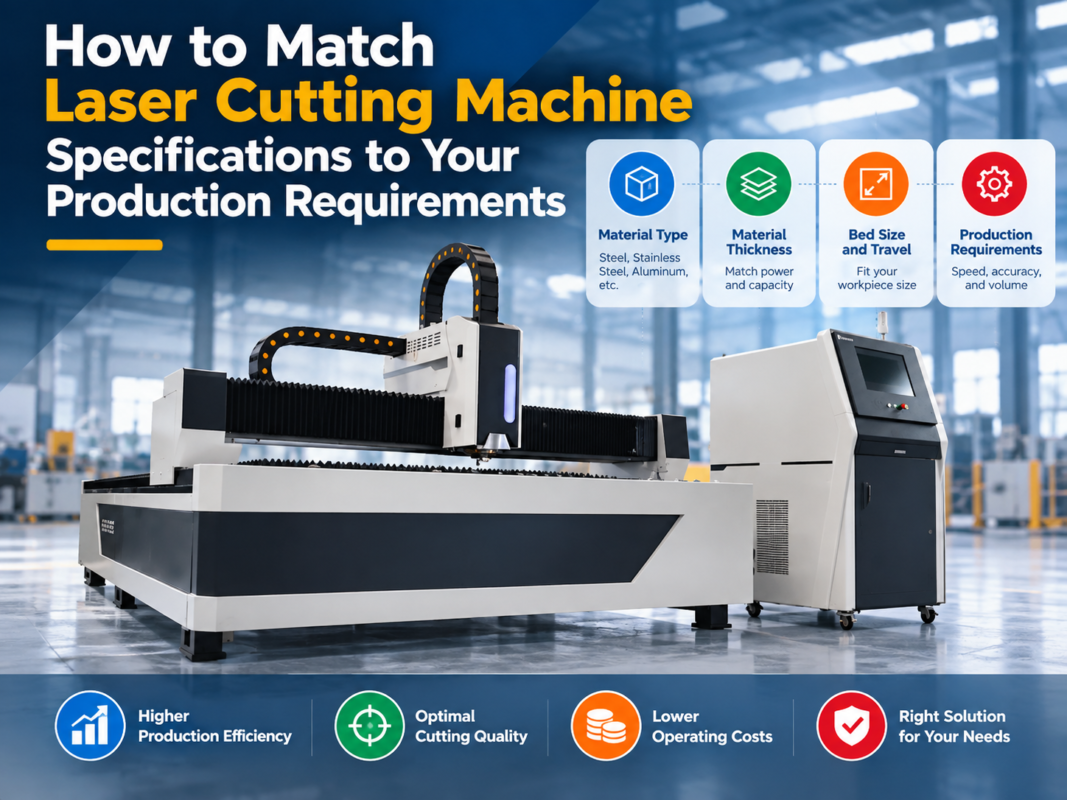
This depends on your maximum material thickness. For 1-3mm steel, 1kW-2kW is sufficient. For 6-10mm, 3kW-4kW is recommended. If you frequently cut 20mm+ plates, you should look at 12kW or higher. Higher power also increases cutting speed on thinner materials, which improves throughput.
3. Can a CNC laser cut aluminum and copper?
Yes, fiber lasers are excellent for reflective materials like aluminum, copper, and brass. However, these materials require higher power and specific gas settings to prevent back-reflection from damaging the laser source. Ensure the machine you check before buying has a “back-reflection protection” feature if you plan to cut these metals regularly.
4. What is the lifespan of a fiber laser source?
Most high-quality fiber laser sources (like IPG or Raycus) are rated for approximately 100,000 hours of operation. In a typical single-shift environment, this equates to over 20 years of use. The diodes may degrade slightly over time, but the source itself is incredibly durable compared to older technologies.
5. Is air cutting as good as Nitrogen cutting?
Air cutting is much cheaper but results in a slightly oxidized edge and a rougher finish compared to Nitrogen. It is ideal for parts that will be painted or for internal structural components where aesthetics are less important. You will need a high-pressure compressor (15-20 bar) to use air cutting effectively.
6. Do I need a specialized foundation for the machine?
For standard 3015 machines, a reinforced concrete floor (at least 200mm thick) is usually sufficient. However, for large format or ultra-high-power machines with high acceleration, a dedicated foundation may be required to prevent vibrations from affecting cut quality or damaging the building structure.