Laser Cutting Machine Specifications Explained: Power, Bed Size, Accuracy, and Speed


Introduction to Laser Cutting Machine Specifications
In the rapidly evolving world of metal fabrication, the fiber laser cutting machine has emerged as the gold standard for precision, efficiency, and versatility. However, for many business owners and production managers, the technical data sheets provided by manufacturers can be overwhelming. Understanding the nuances of laser cutting machine specifications—specifically power, bed size, accuracy, and speed—is not just a matter of technical curiosity; it is a fundamental requirement for ensuring a high return on investment (ROI).
HARSLE, a leader in industrial machinery, recognizes that choosing the right machine involves balancing these four critical pillars. A machine with excessive power might be an unnecessary capital drain for a shop focused on thin-gauge decorative work, while an undersized bed can bottleneck a facility handling large-scale structural components. This guide provides a deep dive into these specifications, explaining how they interact to define the machine’s true capabilities in a real-world production environment.
Price Range Overview: Matching Budget to Performance
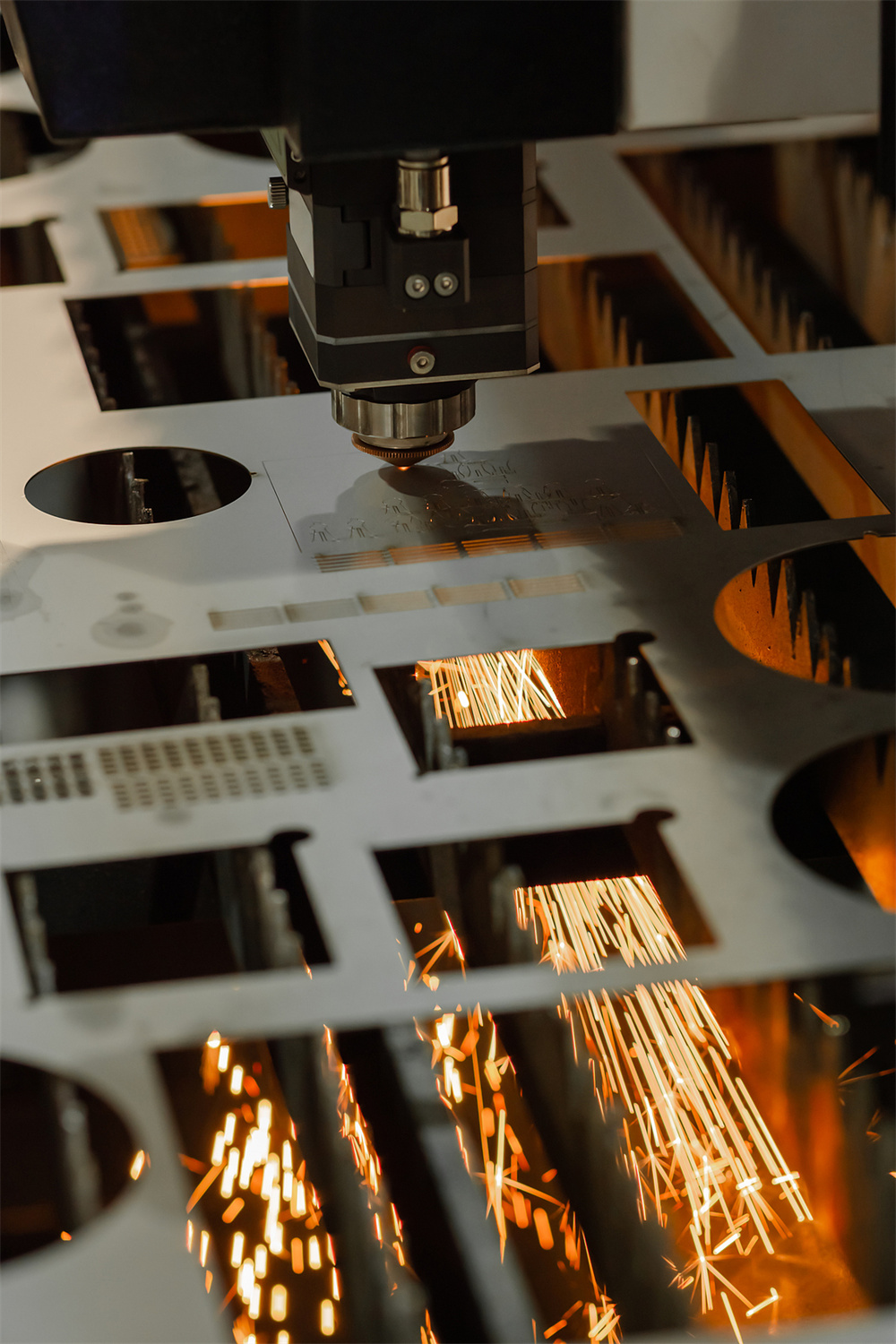
The price of a laser cutting machine is primarily dictated by its specifications, with the laser source power being the most significant variable. Generally, the market is divided into three tiers. Entry-level machines, typically ranging from 1kW to 3kW, are priced between $30,000 and $60,000. These are ideal for small workshops or businesses transitioning from plasma cutting to laser for better edge quality on thin materials (up to 10mm carbon steel).
Mid-range machines, featuring 6kW to 12kW laser sources, represent the current industry sweet spot. These units often cost between $80,000 and $150,000. They offer a significant jump in cutting speed and the ability to process thicker materials (up to 30mm-40mm) with high efficiency. For high-volume production environments, these machines provide the best balance between capital expenditure and throughput.
High-power industrial machines (20kW to 60kW and beyond) are specialized investments that can exceed $250,000. These machines are designed for heavy industry, such as shipbuilding or heavy machinery manufacturing, where the ability to cut 50mm+ stainless steel or carbon steel with high speed is a requirement. When evaluating price, it is crucial to look beyond the sticker price and consider the cost per part, which often decreases as machine power increases due to faster cycle times.
Main Cost Drivers in Laser Cutting Technology
While the laser source is the primary cost driver, several other components significantly influence the final price and performance of the machine. The brand of the laser source (e.g., IPG, Raycus, or Max) plays a major role. IPG is often considered the premium choice for its stability and global service network, while Raycus and Max offer excellent value-to-performance ratios for many standard applications.
The motion system is another critical factor. High-end machines utilize linear motors or premium rack-and-pinion systems from manufacturers like Atlanta (Germany) or YYC (Taiwan). These components ensure that the machine can maintain its accuracy even at high acceleration rates. A machine that uses cheaper, generic motion components may save money upfront but will likely suffer from accuracy degradation and increased maintenance costs over time.
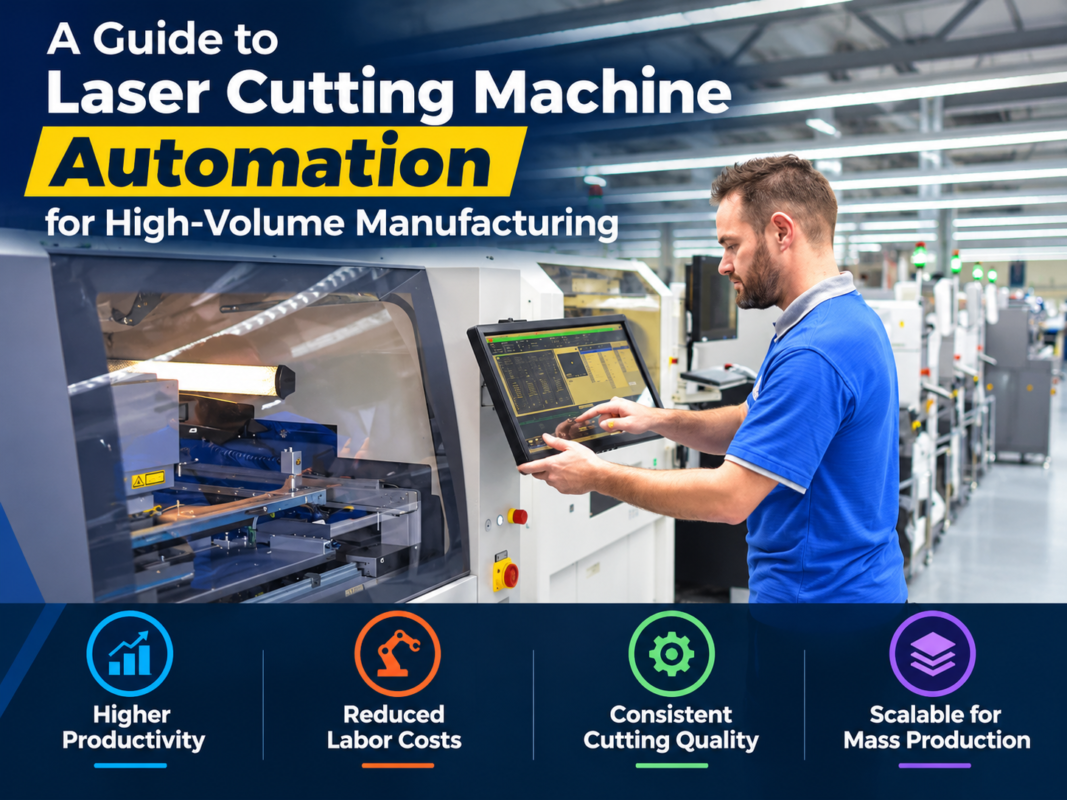
Furthermore, the inclusion of an automatic shuttle table (dual pallet changer) adds to the cost but drastically increases productivity. A shuttle table allows the operator to unload finished parts and load a new sheet while the machine is still cutting, effectively doubling the machine’s uptime. For any production-oriented shop, this is a cost driver that usually pays for itself within the first year of operation.
Configuration Impact: Power, Bed Size, Accuracy, and Speed
1. Laser Power: The Engine of Productivity
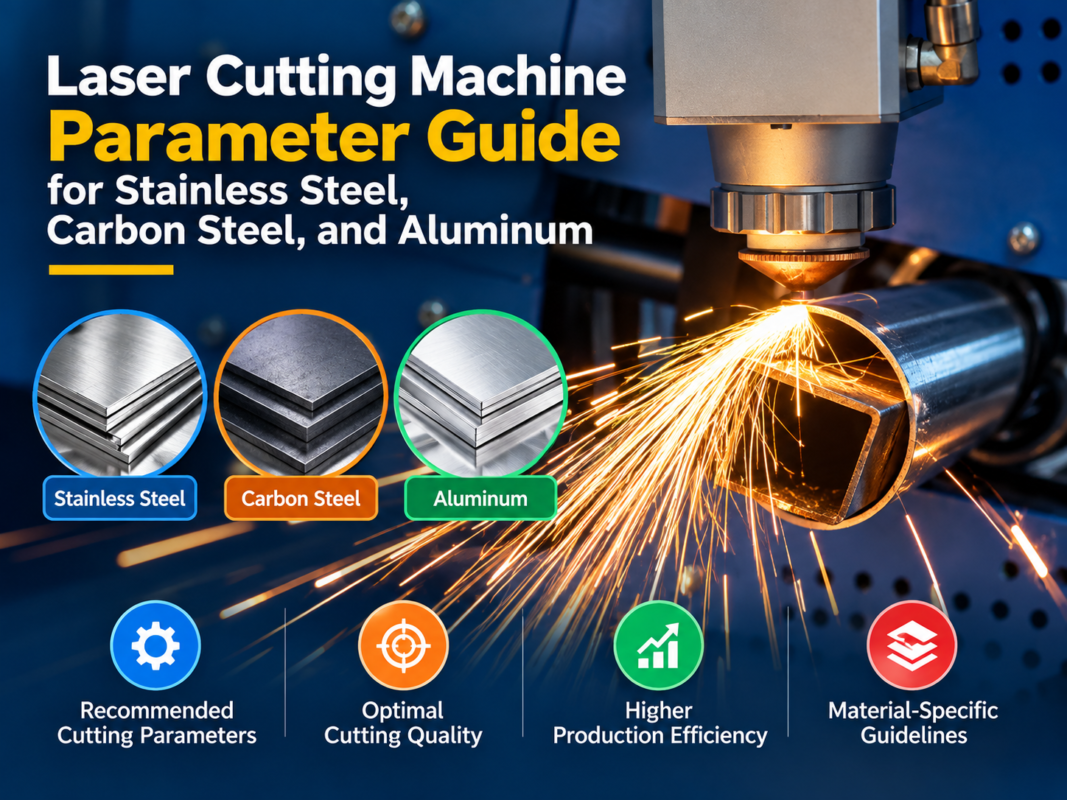
Laser power, measured in Watts (W) or Kilowatts (kW), determines the maximum thickness a machine can cut and the speed at which it can cut thinner materials. However, power isn’t just about thickness. Higher power allows for the use of compressed air or nitrogen as an assist gas on thicker plates, which results in a cleaner, oxide-free edge compared to oxygen cutting. For example, a 12kW machine can cut 10mm stainless steel significantly faster than a 3kW machine, and with much better edge quality, reducing the need for secondary finishing processes.
2. Bed Size: Defining the Workspace
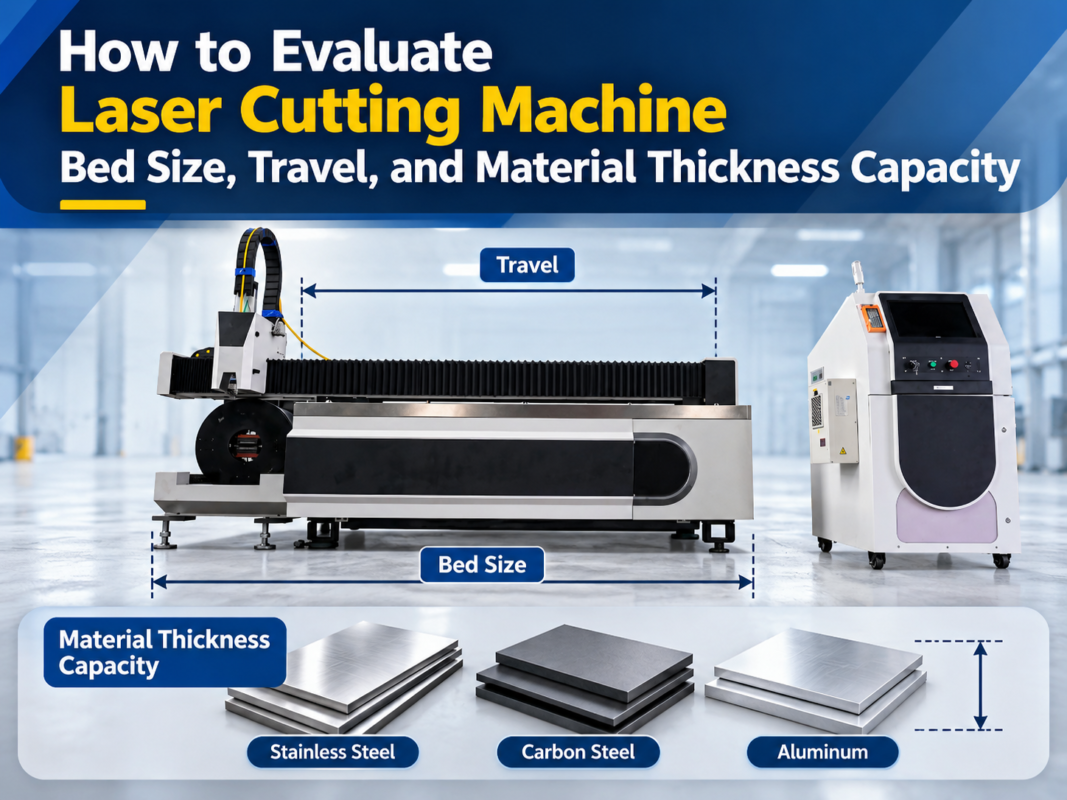
The bed size (e.g., 3015, 4020, 6025) refers to the maximum sheet dimensions the machine can accommodate. A 3015 model (3000mm x 1500mm) is the industry standard, fitting most common metal sheets. Larger bed sizes like 6025 (6000mm x 2500mm) are essential for industries like transportation or large-scale signage. Choosing the right bed size is about maximizing material utilization (nesting) and minimizing the labor required to pre-cut large sheets to fit the machine.
3. Accuracy: Positioning vs. Repetition
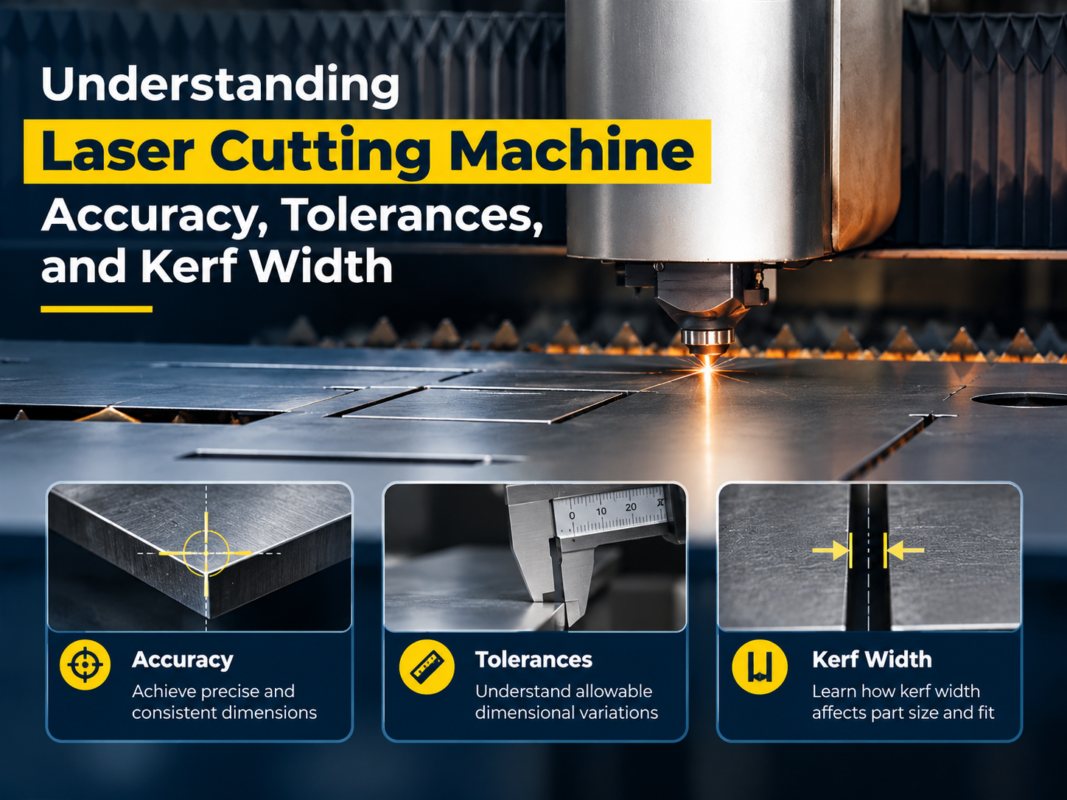
Accuracy in laser cutting is often misunderstood. There are two main metrics: Positioning Accuracy and Repetition Accuracy. Positioning accuracy refers to how closely the machine can move to a specific coordinate. Repetition accuracy refers to the machine’s ability to return to that same spot multiple times. High-quality machines like those from HARSLE offer positioning accuracy within ±0.03mm. This precision is achieved through a combination of a heavy-duty, heat-treated machine frame (to prevent thermal deformation) and high-resolution encoders on the servo motors.
4. Speed and Acceleration: The Real Throughput Metrics
While “cutting speed” is the most advertised metric, “acceleration” (measured in Gs) is often more important for complex parts with many small holes or intricate geometries. A machine with high acceleration (e.g., 1.5G or 2.0G) can reach its top cutting speed much faster after every corner or direction change. This significantly reduces the total cycle time for complex nests, even if the maximum straight-line cutting speed is the same as a lower-acceleration machine.
Hidden Costs of Operating a Laser Cutting Machine
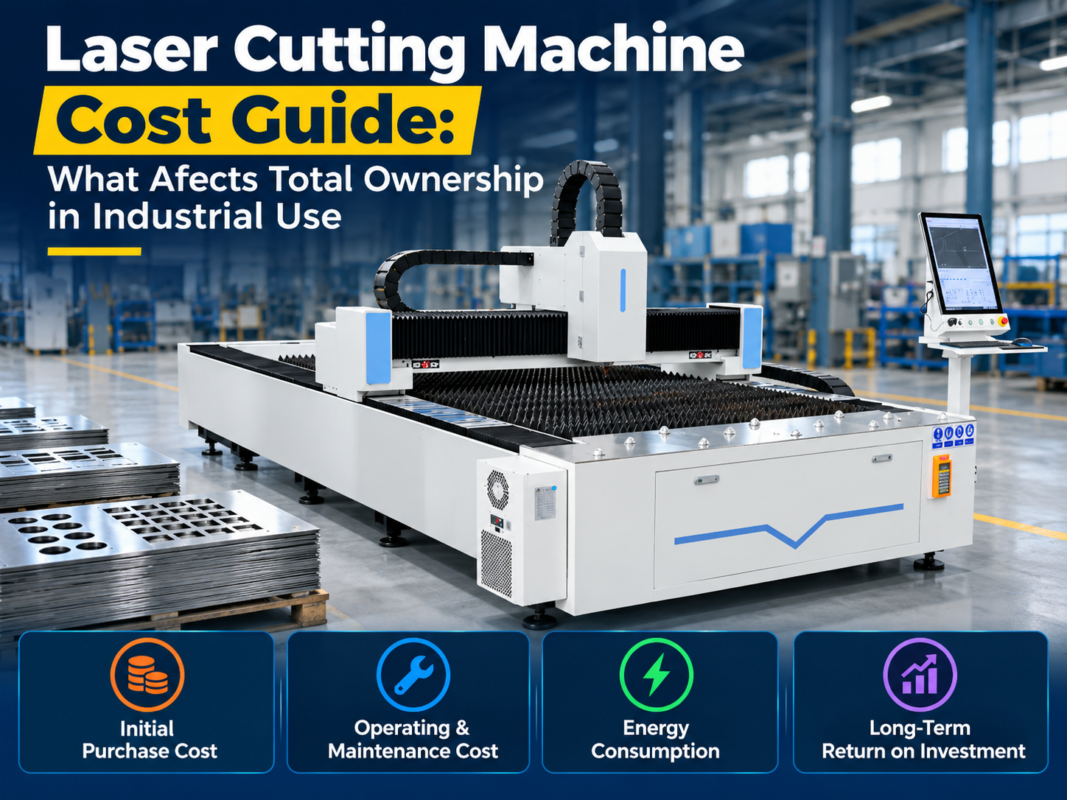
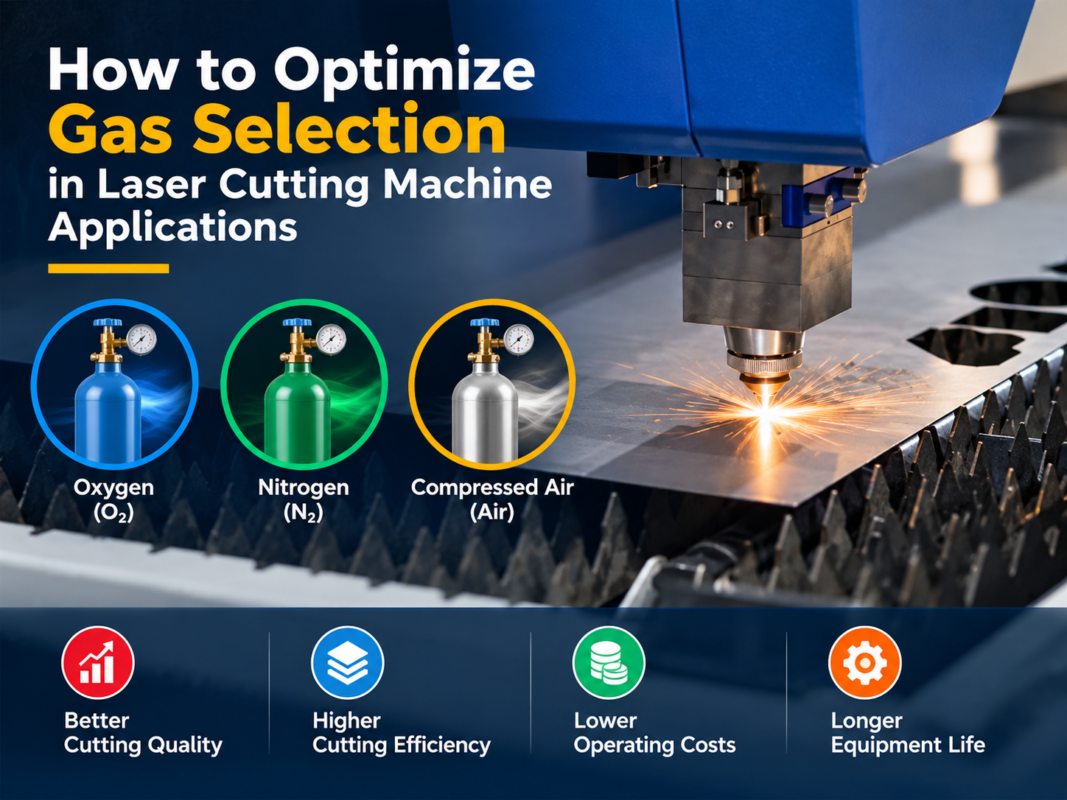
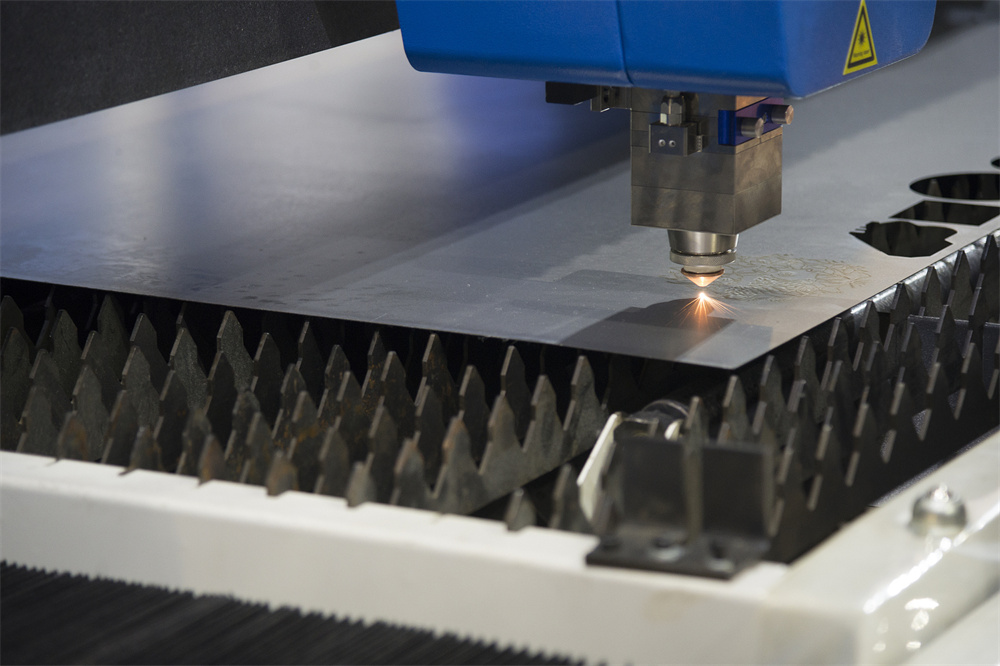
The purchase price is only the beginning of the financial commitment. Operating costs, often referred to as “hidden costs,” can significantly impact the long-term profitability of the machine. The most prominent of these is assist gas consumption. Nitrogen and Oxygen are expensive, and high-power machines consume these gases at a high rate. Many modern shops are investing in high-pressure air compressors to use filtered shop air as an assist gas, which can reduce operating costs by up to 70% for certain materials.
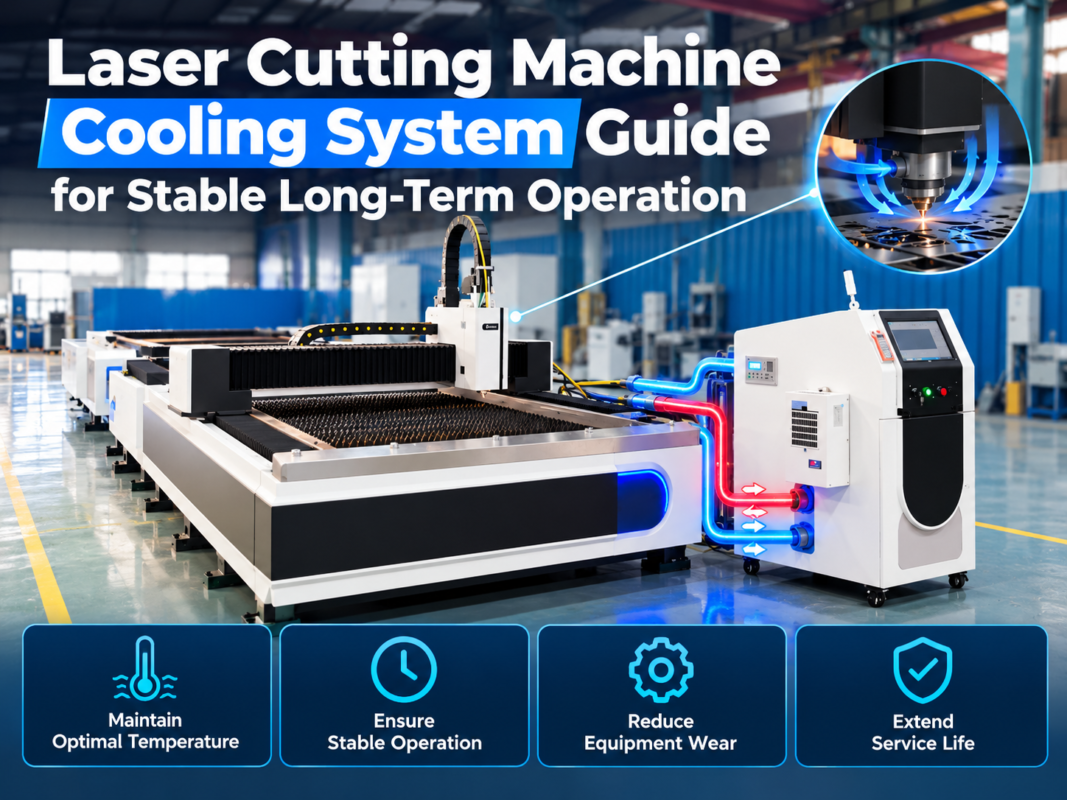
Electricity is another factor. While fiber lasers are much more energy-efficient than older CO2 lasers, a 12kW or 20kW machine still requires a substantial power supply. Additionally, the chiller unit, which keeps the laser source and cutting head cool, runs constantly and adds to the utility bill. Maintenance costs, including the replacement of protective windows, nozzles, and ceramic rings, must also be factored into the hourly operating rate.
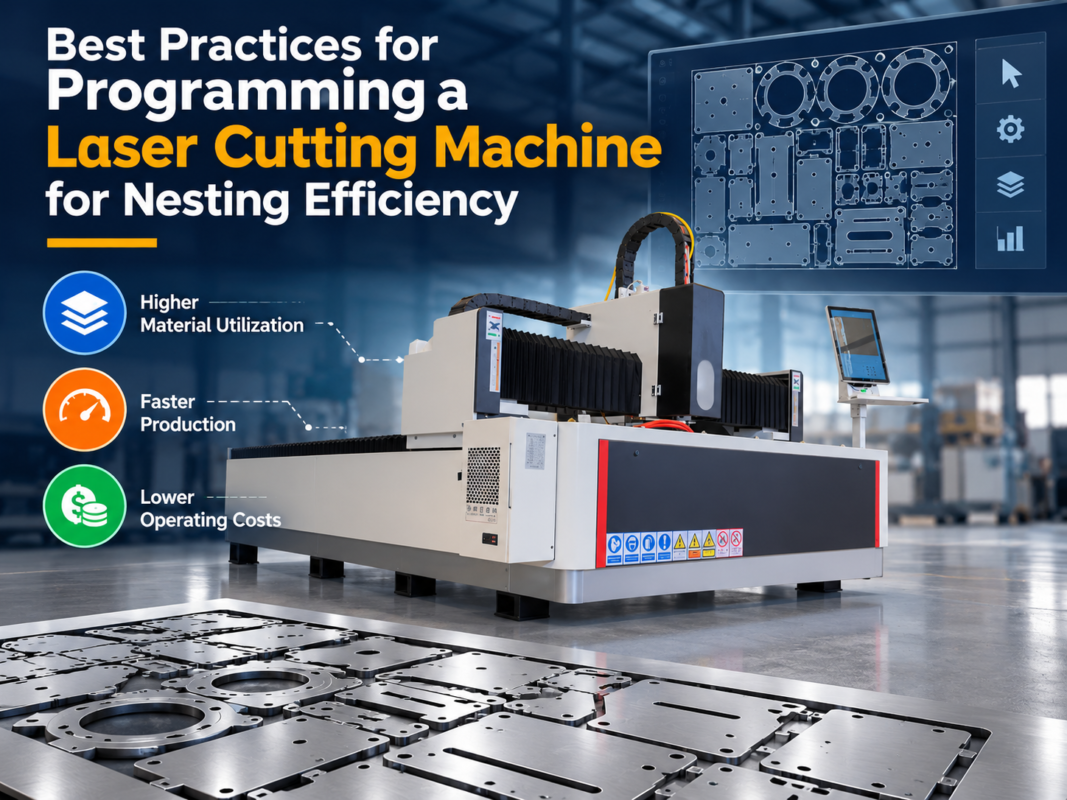
Finally, there is the cost of software and training. To get the most out of a high-spec machine, sophisticated nesting software is required to minimize material waste. Furthermore, an unskilled operator can quickly lead to expensive repairs or wasted material. Investing in comprehensive training for your team is essential to ensure the machine operates at its peak specifications without frequent downtime due to user error.
ROI Calculation: When Does a High-Spec Machine Pay Off?
Calculating the Return on Investment (ROI) for a laser cutting machine involves comparing the total cost of ownership (TCO) against the revenue generated by the machine’s output. A high-power machine with a shuttle table has a higher TCO but produces parts much faster. For instance, if a 12kW machine can produce 3x the parts of a 3kW machine but only costs 2x as much to buy and operate, the ROI period is significantly shorter, provided there is enough work to keep the machine running.
Consider a scenario where a shop currently outsources $10,000 worth of laser cutting per month. By bringing this in-house with a mid-range HARSLE machine, the shop not only saves the markup paid to the service provider but also gains control over lead times and quality. If the monthly payment on the machine plus operating costs is $6,000, the shop sees an immediate $4,000 monthly improvement in cash flow, not accounting for the additional capacity to take on more work.
Buying Advice: Choosing the Right Specs for Your Shop
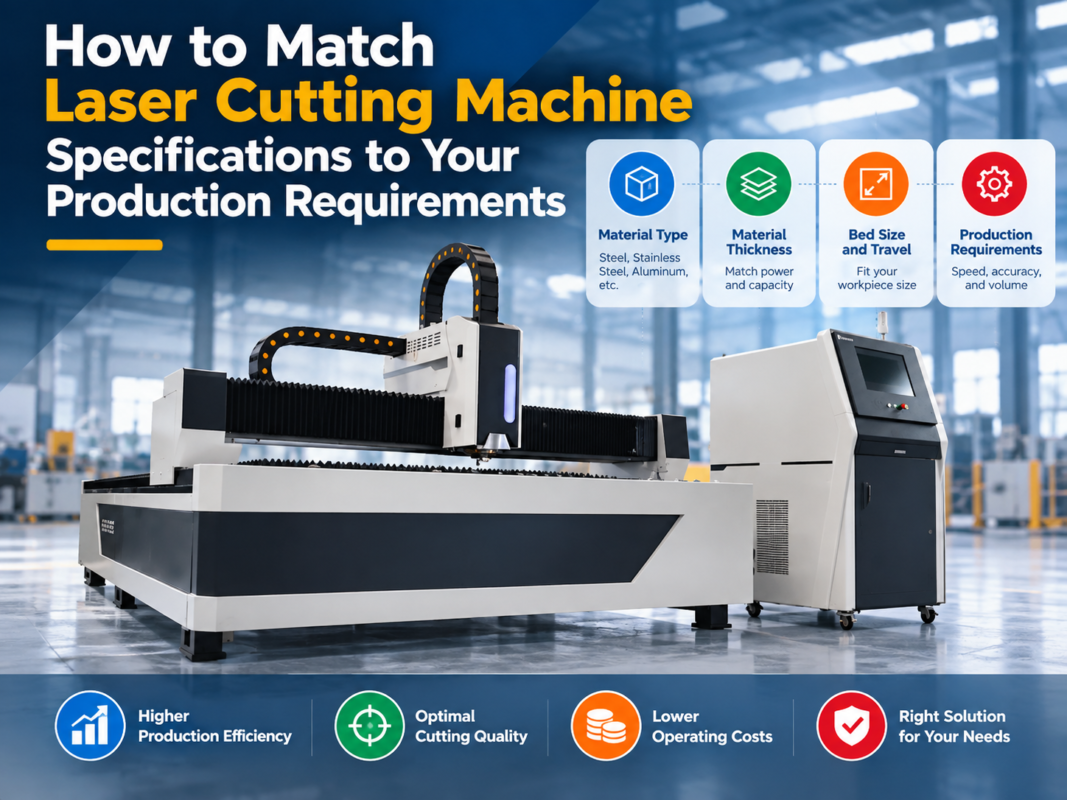
When selecting a laser cutting machine, start with your most common material and thickness. If 90% of your work is 3mm stainless steel, a 3kW or 6kW machine is more than sufficient. Don’t buy a 20kW machine just for the 1% of the time you might need to cut 40mm plate; it is more cost-effective to outsource those rare jobs. Focus on the “bread and butter” of your production.
Secondly, evaluate your floor space and material handling capabilities. A large 6025 bed is useless if your forklift cannot maneuver 6-meter sheets into the loading area. Similarly, ensure your electrical infrastructure can handle the peak load of a high-power fiber laser. Always ask for a cutting demonstration on your specific materials to verify that the machine’s real-world speed and accuracy match the technical specifications provided in the brochure.
Lastly, consider the manufacturer’s reputation for service and support. A machine with the best specs in the world is a liability if parts and technicians aren’t available when it breaks down. HARSLE provides extensive documentation, remote support, and a robust warranty, ensuring that your investment remains productive for years to come. Look for a partner, not just a vendor.
Frequently Asked Questions (FAQ)
What is the difference between fiber laser and CO2 laser?
Fiber lasers use a solid-state laser source and deliver the beam through a fiber optic cable, making them more energy-efficient, faster at cutting thin materials, and requiring less maintenance than CO2 lasers, which use a gas mixture and mirrors to deliver the beam.
How long does a fiber laser source last?
Most high-quality fiber laser sources, such as those from Raycus or IPG, are rated for approximately 100,000 hours of operation. This equates to over 10 years of 24/7 operation, though real-world longevity depends on the environment and maintenance.
Can I cut reflective materials like aluminum and copper?
Yes, fiber lasers are excellent for cutting reflective materials. Unlike older CO2 lasers, where back-reflection could damage the machine, modern fiber lasers are designed with back-reflection protection, allowing for safe and efficient cutting of aluminum, brass, and copper.
What is the importance of the machine frame weight?
A heavier, welded steel frame that has been stress-relieved through annealing provides the stability needed for high-speed cutting. A light frame will vibrate at high accelerations, leading to poor edge quality and reduced accuracy over time.
Does higher power always mean better quality?
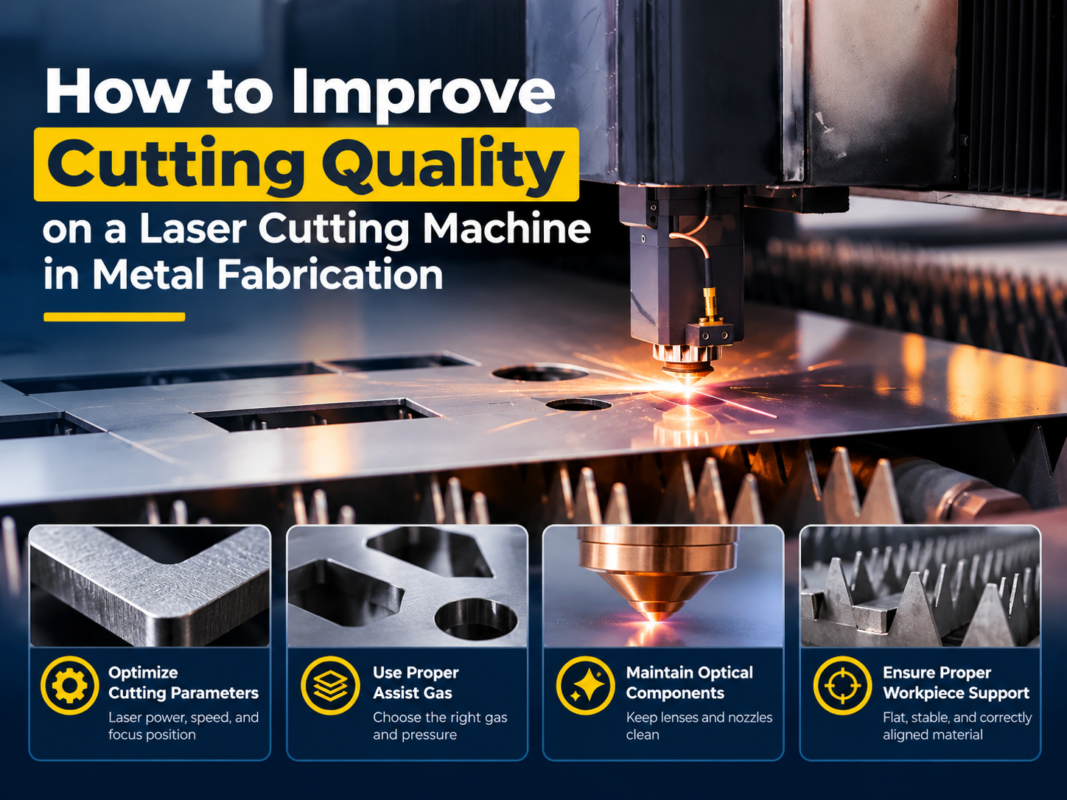
Not necessarily. While higher power allows for faster cutting and thicker capacities, the quality of the cut also depends on the cutting head optics, gas pressure, and the operator’s ability to fine-tune the cutting parameters (frequency, duty cycle, focus position).