Laser Cutting Machine Maintenance and Service: What Buyers Should Ask First


Introduction to Laser Cutting Machine Maintenance and Service
Investing in a laser cutting machine is one of the most significant capital expenditures a metal fabrication business will undertake. While the initial purchase price often dominates the conversation, the long-term success of the investment hinges on a factor that is frequently overlooked during the sales process: Laser Cutting Machine Maintenance Service: Buyers Should Ask First. A machine that is not properly maintained will quickly become a liability, leading to inconsistent cut quality, expensive downtime, and a shortened equipment lifespan.
At HARSLE, we understand that a laser cutting machine is the heartbeat of your production line. Whether you are cutting thin stainless steel or thick carbon steel plates, the precision of the fiber laser source and the mechanical integrity of the CNC system must be preserved through rigorous service protocols. This guide is designed to help buyers navigate the complex landscape of maintenance and service, ensuring they ask the right questions before signing a purchase agreement.
Price Range Overview: Initial Investment vs. Lifecycle Costs
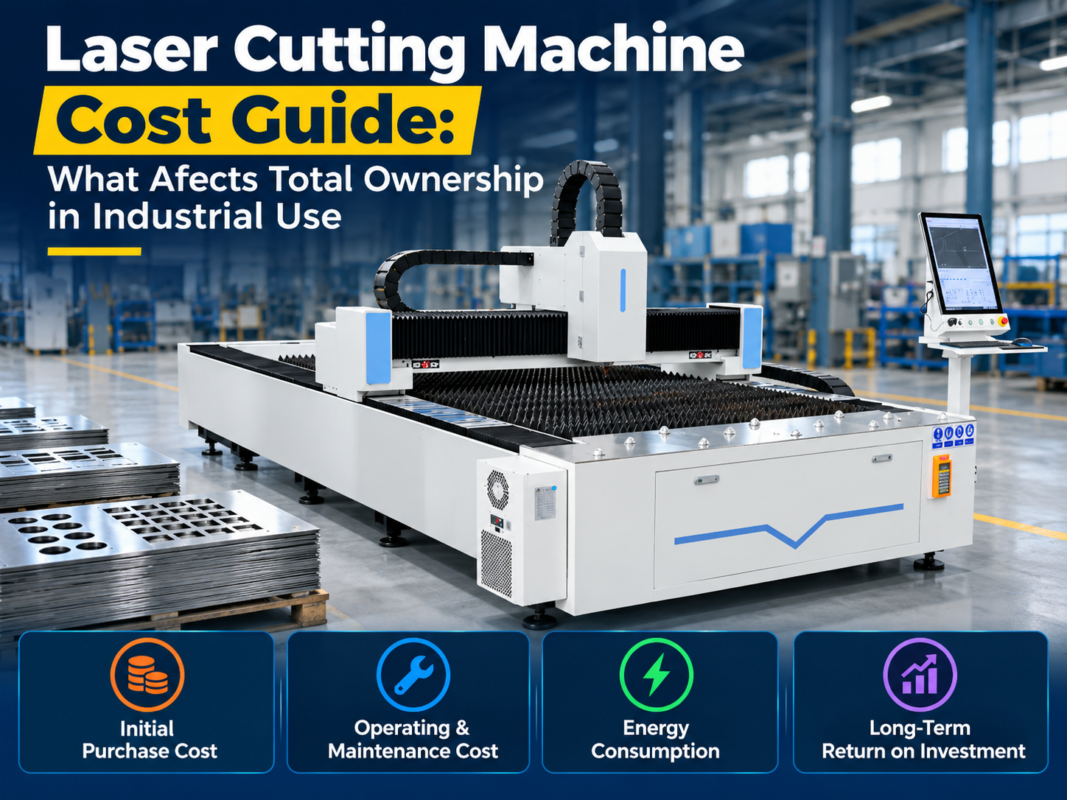
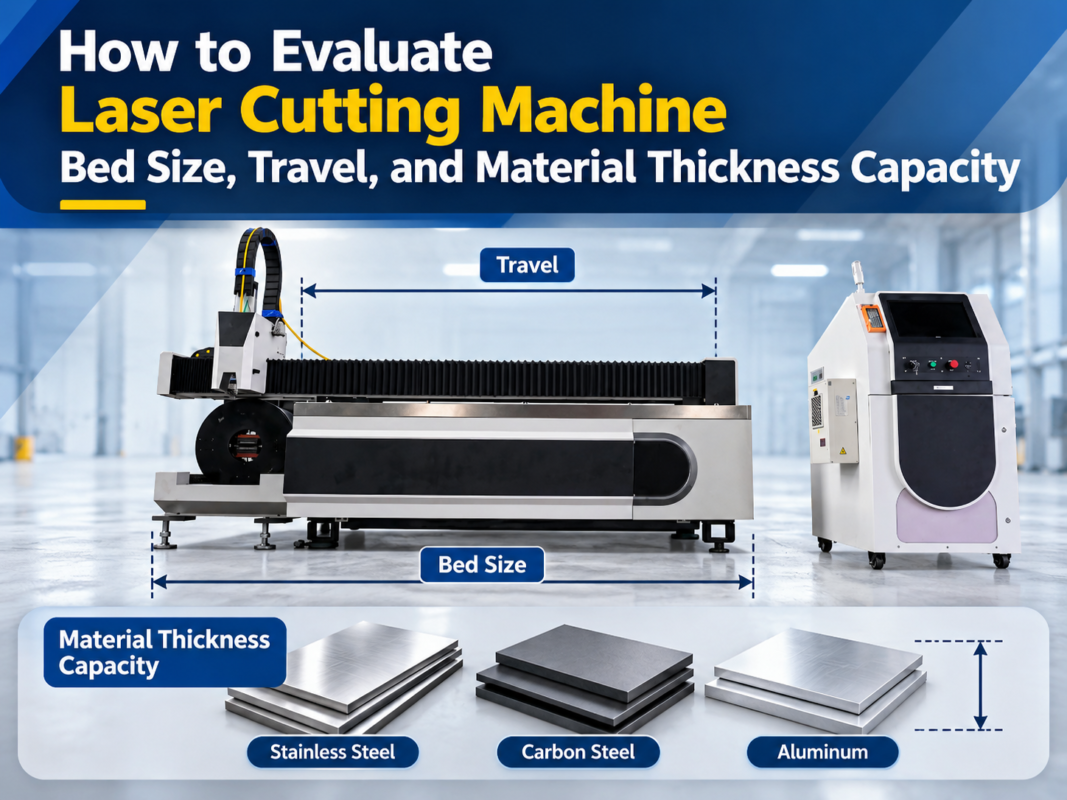
When evaluating the price of a laser cutting machine, it is essential to distinguish between the sticker price and the total cost of ownership (TCO). The market for fiber laser cutting machines is broad, with prices varying significantly based on power, bed size, and brand reputation. Entry-level machines (1kW to 3kW) typically range from $20,000 to $60,000, while high-power industrial systems (12kW to 30kW+) can exceed $200,000 to $500,000.
However, the maintenance budget should be calculated as a percentage of the initial investment. Generally, buyers should allocate 3% to 5% of the machine’s value annually for routine maintenance, consumables, and minor repairs. For a $100,000 machine, this means budgeting $3,000 to $5,000 per year. Understanding this range helps buyers avoid the trap of buying a machine they cannot afford to keep running at peak performance.
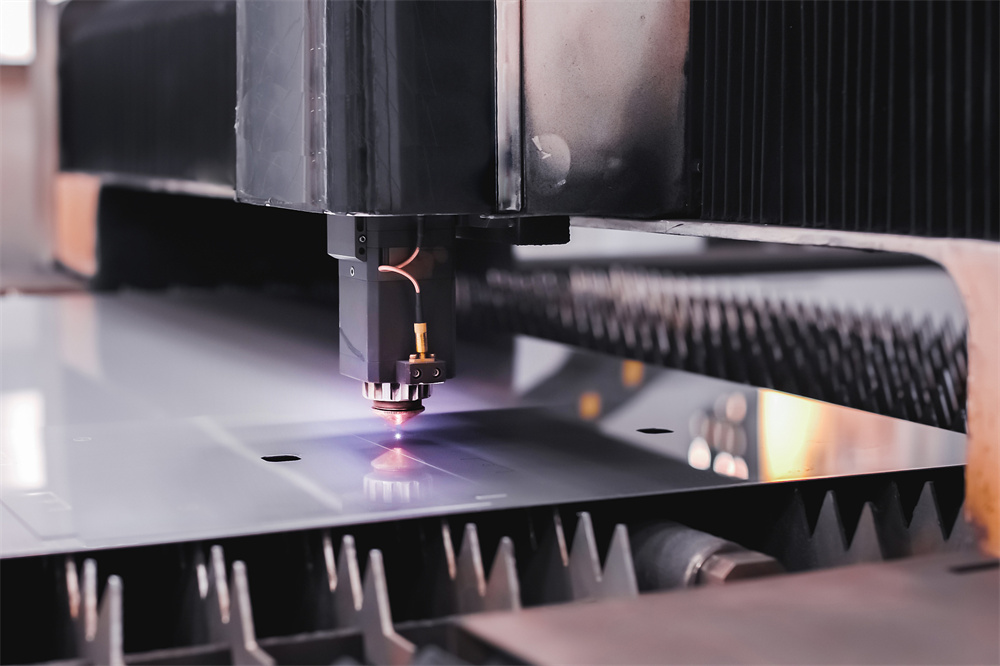
Buyers must also consider the cost of service contracts. Some manufacturers offer all-inclusive service packages for the first two years, while others charge per visit. Asking about these costs upfront prevents “sticker shock” when the first major service interval arrives. A lower initial price point often masks higher long-term service costs if the machine uses proprietary components that are expensive to replace or difficult to source locally.
Main Cost Drivers in Laser Maintenance
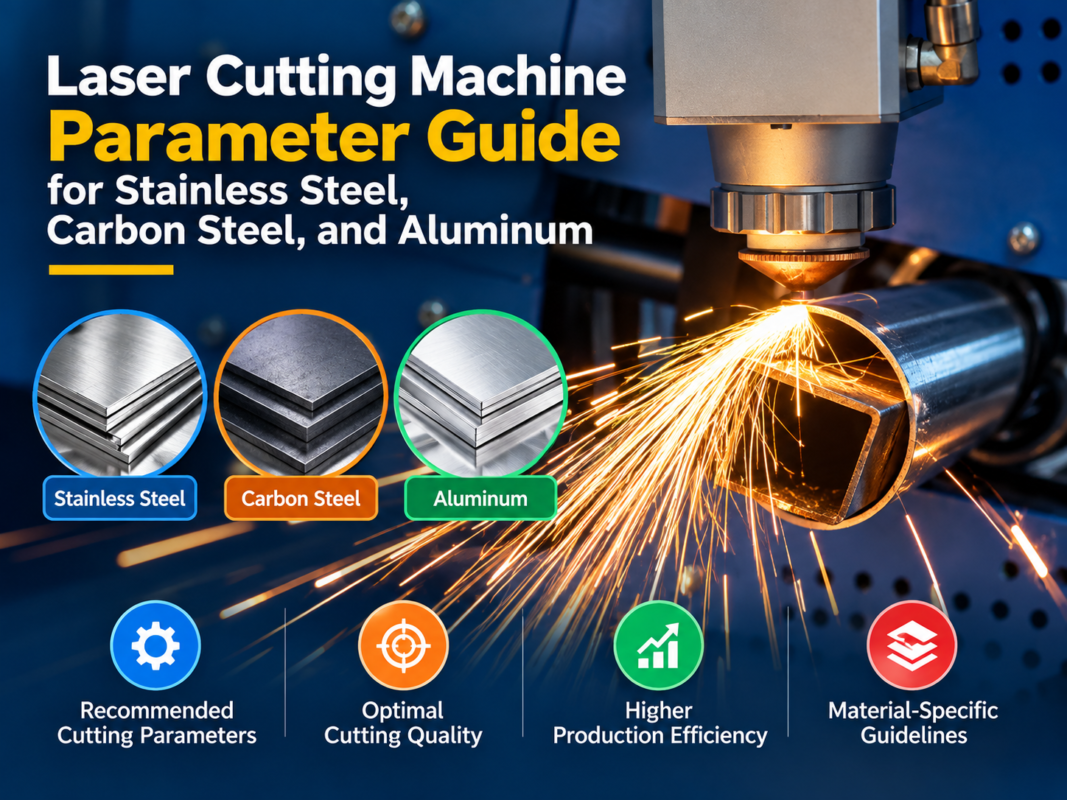
The primary drivers of maintenance costs in laser cutting are consumables, assist gases, and electricity. Consumables are the most frequent expense. These include nozzles, protective windows (cover glass), ceramic rings, and filters. While individual parts like a nozzle may only cost $10 to $30, a high-volume shop can go through dozens per month. Buyers should ask for a comprehensive list of consumable prices and expected lifespans under normal operating conditions.
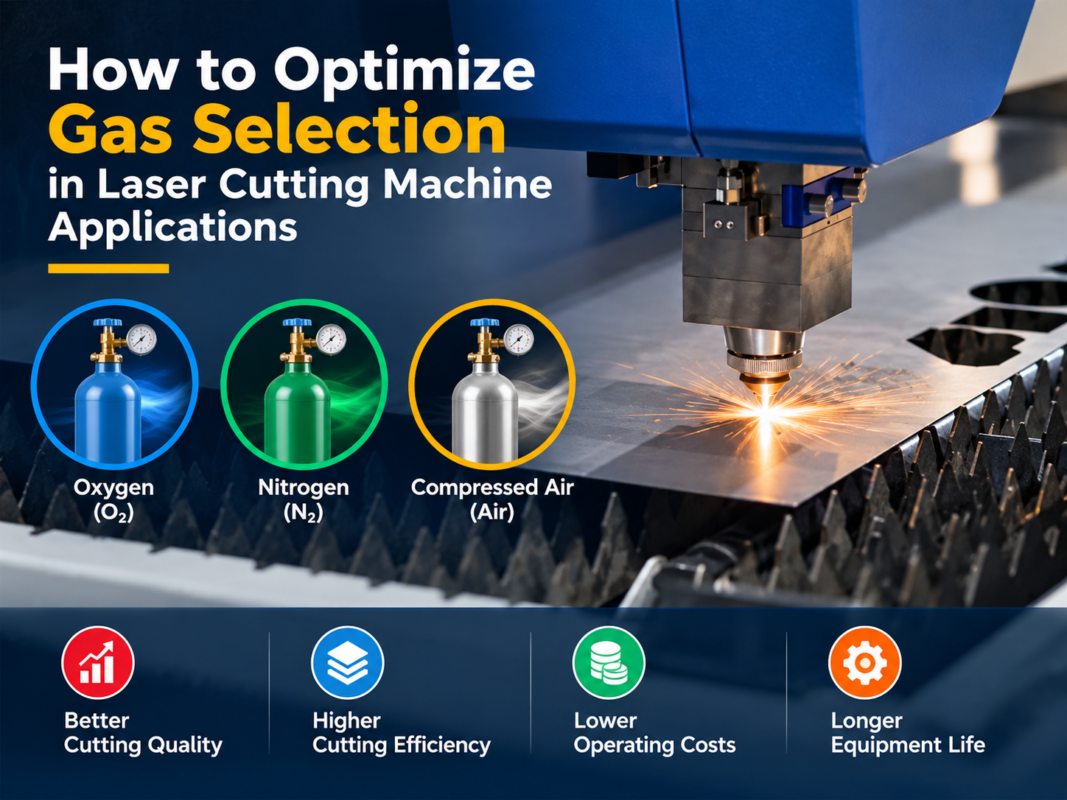
Assist gases—Oxygen, Nitrogen, and Compressed Air—represent a massive portion of the operational cost. Nitrogen is essential for clean, oxide-free cuts in stainless steel and aluminum but is expensive. Oxygen is used for carbon steel but can lead to slower speeds and more dross if not managed correctly. Many modern shops are moving toward high-pressure compressed air cutting to save costs, but this requires a high-quality air compressor and filtration system, which itself requires maintenance.
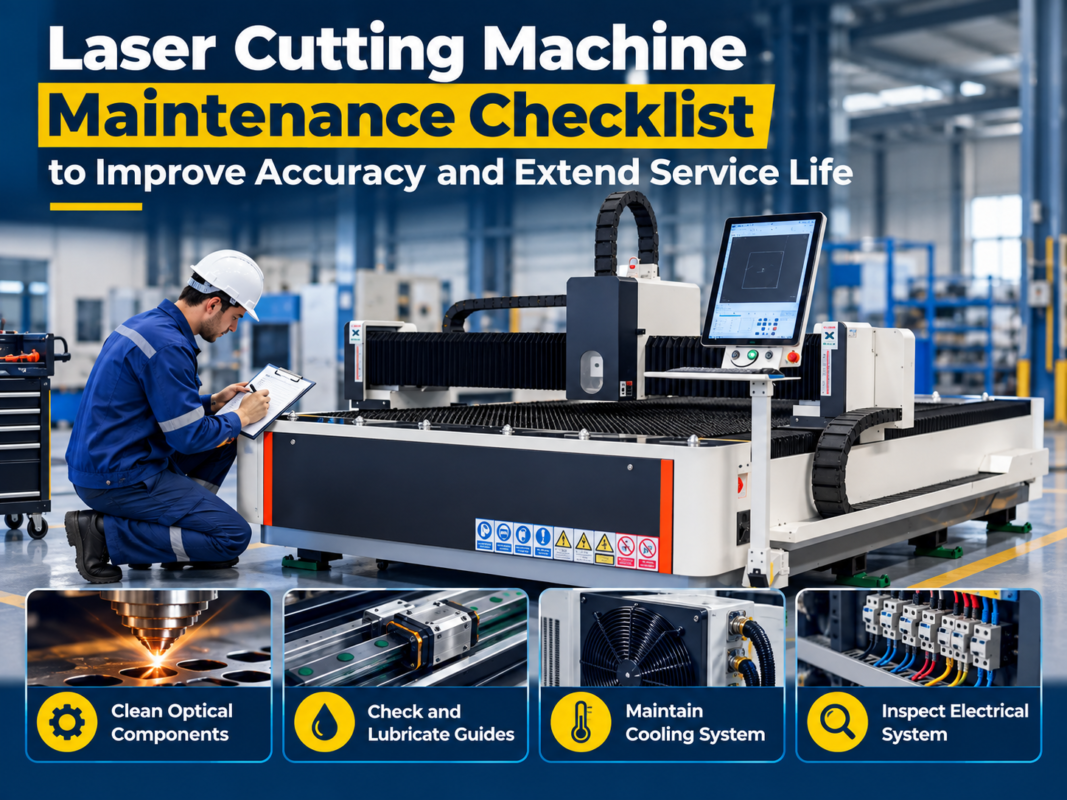
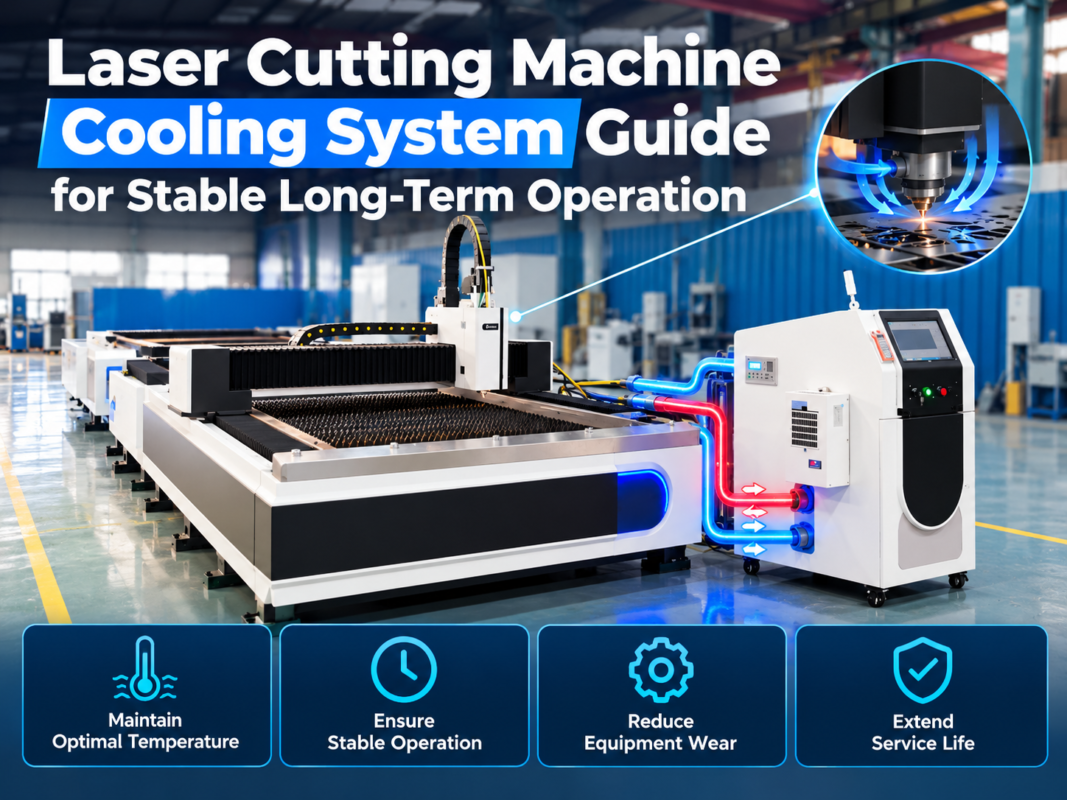
Electricity is another significant driver. A fiber laser is much more efficient than an older CO2 laser, but the chiller unit (which keeps the laser source and cutting head cool) consumes a large amount of power. Maintenance of the chiller, including regular water changes and filter cleanings, is critical. If the chiller fails, the entire machine stops, and the laser source could be permanently damaged by overheating.
Configuration Impact on Service Requirements
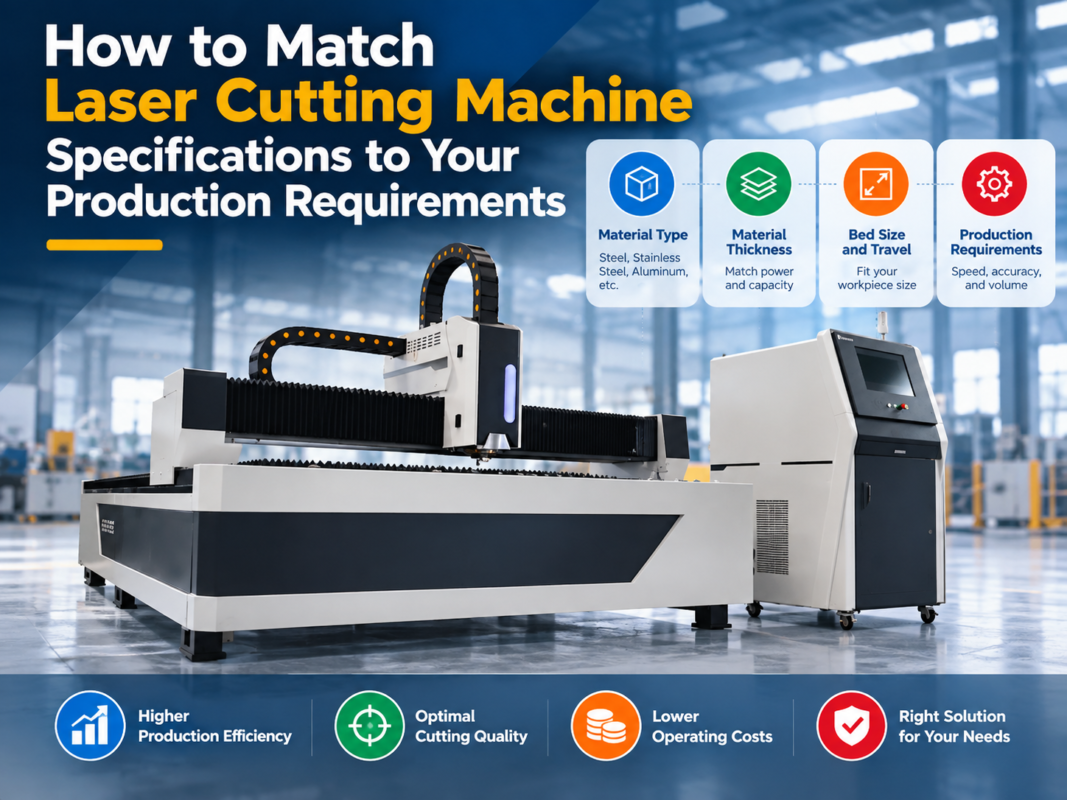
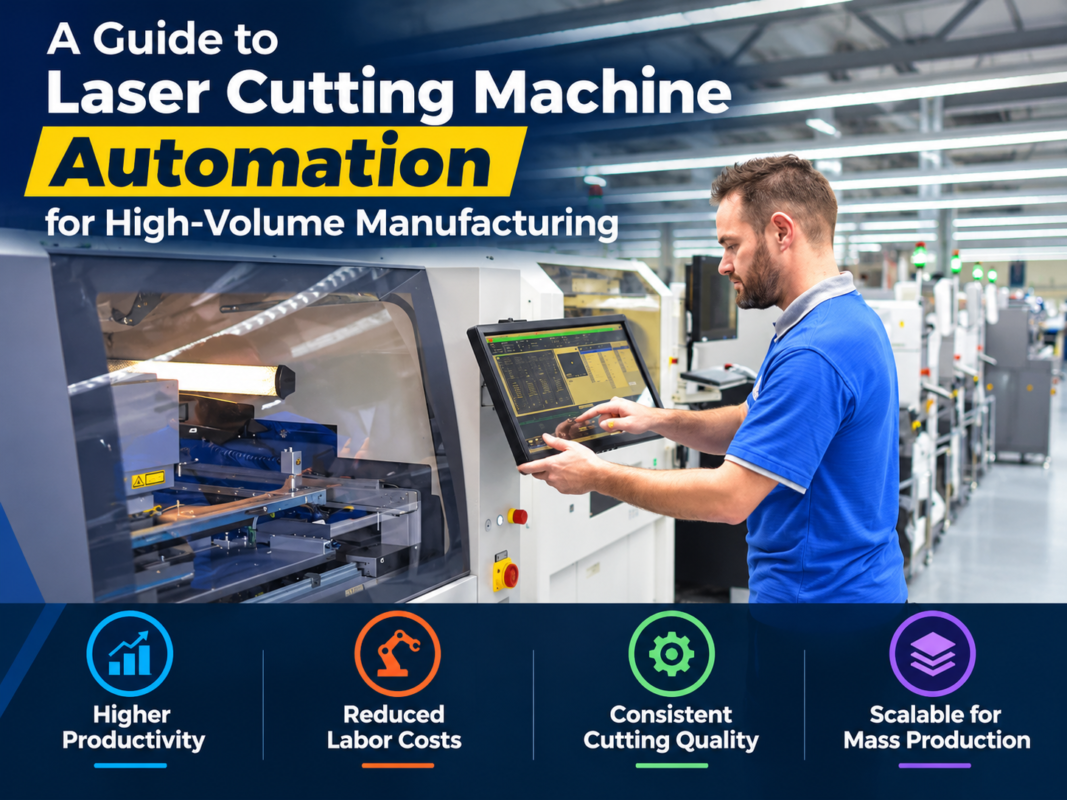
The specific configuration of your laser cutting machine dictates the complexity of its maintenance schedule. For instance, a machine equipped with an automatic nozzle changer reduces manual labor but adds another mechanical system that requires calibration and lubrication. Similarly, a shuttle table (dual pallet changer) increases productivity but introduces additional chains, motors, and sensors that need periodic inspection.
The choice of the laser source (e.g., IPG, Raycus, or Max) also impacts service. While fiber laser sources are generally “maintenance-free” in terms of internal components, the external delivery fiber and the connection to the cutting head are sensitive. If the fiber cable is damaged, it cannot be repaired on-site and must be replaced by a specialist. Buyers should ask about the local availability of technicians certified to work on their specific laser source brand.

The cutting head configuration is equally important. Auto-focus heads (like those from Precitec or Raytools) are standard in high-power machines. These heads contain sensitive electronics and internal motors. If the protective window is not changed promptly and dust enters the head, the repair can cost thousands of dollars. Buyers should inquire about the “clean room” requirements for servicing the cutting head and whether the supplier offers a loaner program for heads sent in for repair.
Hidden Costs: The Price of Downtime and Training
The most expensive part of maintenance is not the parts—it is the downtime. When a laser cutting machine is down, the entire production chain stops. The hidden cost of a $500 sensor failure can be $5,000 in lost revenue and missed delivery deadlines. Buyers must ask about the supplier’s guaranteed response time. Do they have local technicians? Do they offer remote diagnostics via the internet? A machine with a slightly higher price tag but a 24-hour service guarantee is often a better investment than a cheaper machine with a two-week wait for a technician.
Operator training is another hidden cost. A well-trained operator can identify a problem before it leads to a breakdown. For example, recognizing the sound of a failing bearing or noticing a slight change in the beam quality can save the machine from catastrophic failure. Buyers should ask if the purchase price includes comprehensive training for their staff and if refresher courses are available as new employees join the company.
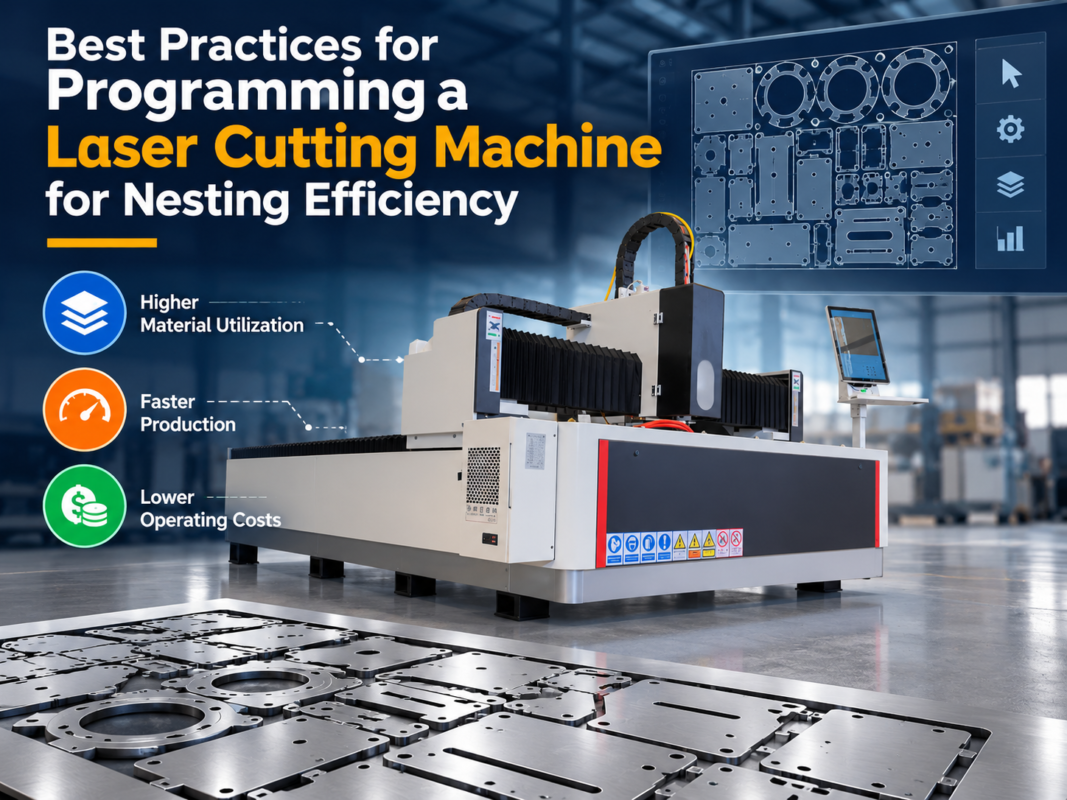
Software updates and compatibility are also factors. As Windows or other operating systems update, the CNC software may require patches. Some manufacturers charge an annual fee for software support and updates. Without these updates, the machine may become vulnerable to cybersecurity threats or lose compatibility with modern CAD/CAM nesting software, leading to inefficiencies in material usage.
ROI Calculation: How Maintenance Protects Your Investment
Calculating the Return on Investment (ROI) for a laser cutting machine must include a realistic maintenance schedule. A machine that is maintained according to the manufacturer’s guidelines will typically have a productive life of 10 to 15 years. Conversely, a neglected machine may see a significant drop in accuracy and speed after just 3 to 5 years, leading to a lower resale value and higher cost per part.
To calculate ROI, consider the following formula: (Annual Revenue – Annual Operating Costs – Annual Maintenance Costs) / Total Investment. By investing in preventative maintenance, you reduce the “Annual Operating Costs” associated with scrap and rework. A clean lens and a calibrated beam ensure that parts are cut correctly the first time, every time. This consistency is what allows a business to scale and take on high-precision contracts that offer better margins.
Furthermore, a documented maintenance history increases the resale value of the machine. Just like a car with a full service record, a well-maintained HARSLE laser cutting machine will command a higher price on the secondary market. This residual value should be factored into the long-term ROI calculation, as it reduces the net cost of upgrading to a newer, faster model in the future.
Buying Advice: What Buyers Should Ask First
Before finalizing a purchase, every buyer should present the supplier with a checklist of maintenance and service questions. This transparency ensures that both parties are aligned on expectations. Here are the critical questions to ask:
- What is the standard warranty period, and what exactly does it cover? (Does it include the laser source, the cutting head, and labor?)
- Do you have a local service team in my region? (If not, what is the travel cost for a technician?)
- What is the lead time for critical spare parts? (Do you stock them in-country, or are they shipped from overseas?)
- Can you provide a preventative maintenance schedule? (What needs to be done daily, weekly, monthly, and annually?)
- Is remote diagnostic support included? (Can your engineers log into my machine to troubleshoot software or parameter issues?)
- What are the costs of common consumables? (Request a price list for nozzles, lenses, and filters.)
- What training is provided for our maintenance staff? (Can they perform basic repairs without voiding the warranty?)
By getting these answers in writing, you protect your business from unforeseen expenses. At HARSLE, we pride ourselves on transparency and provide our customers with detailed service manuals and access to a global support network to ensure their machines stay operational 24/7.
Frequently Asked Questions (FAQ)
How often should I clean the protective window on my laser head?
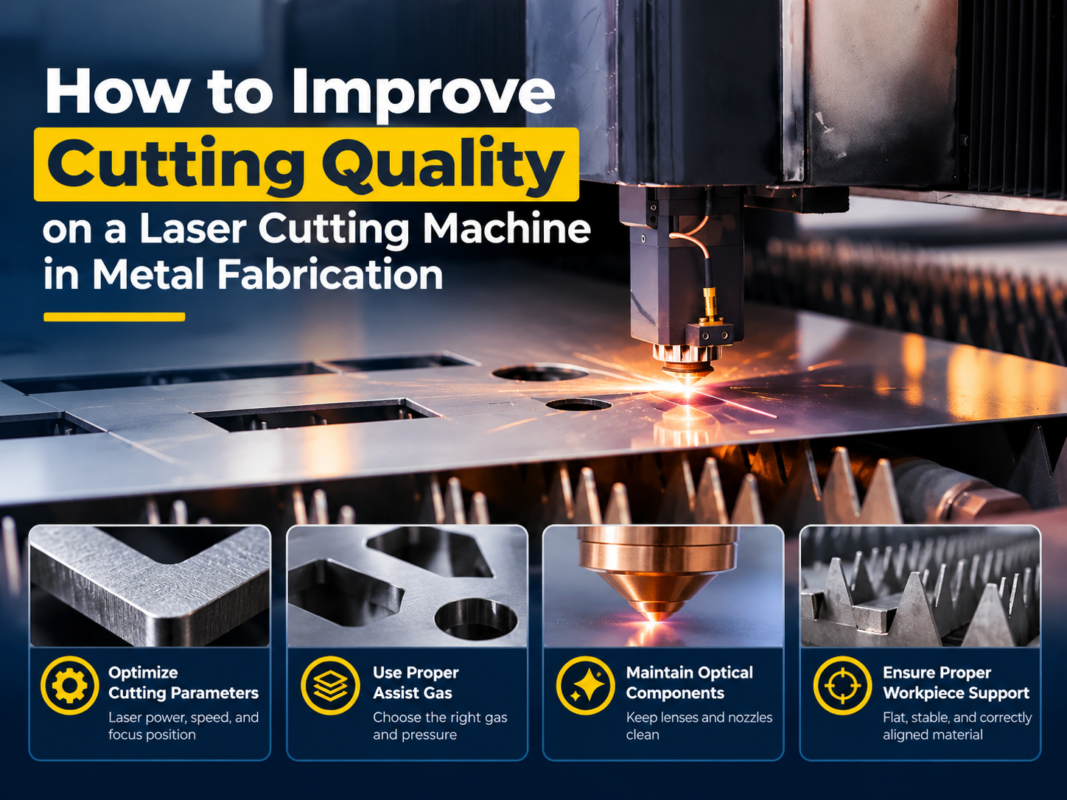
In a typical production environment, the protective window should be inspected daily and cleaned if any dust or spots are visible. Depending on the material and assist gas used, it may need to be replaced every 80 to 200 hours of cutting time. Using high-quality, clean assist gas significantly extends the life of the window.
Can I use third-party consumables to save money?
While third-party nozzles and windows are available, we recommend using original manufacturer parts. Poorly manufactured consumables can have slight deviations in geometry or coating quality, which can lead to poor cut quality, increased dross, or even damage to the cutting head’s internal optics.
What is the most common cause of laser machine failure?
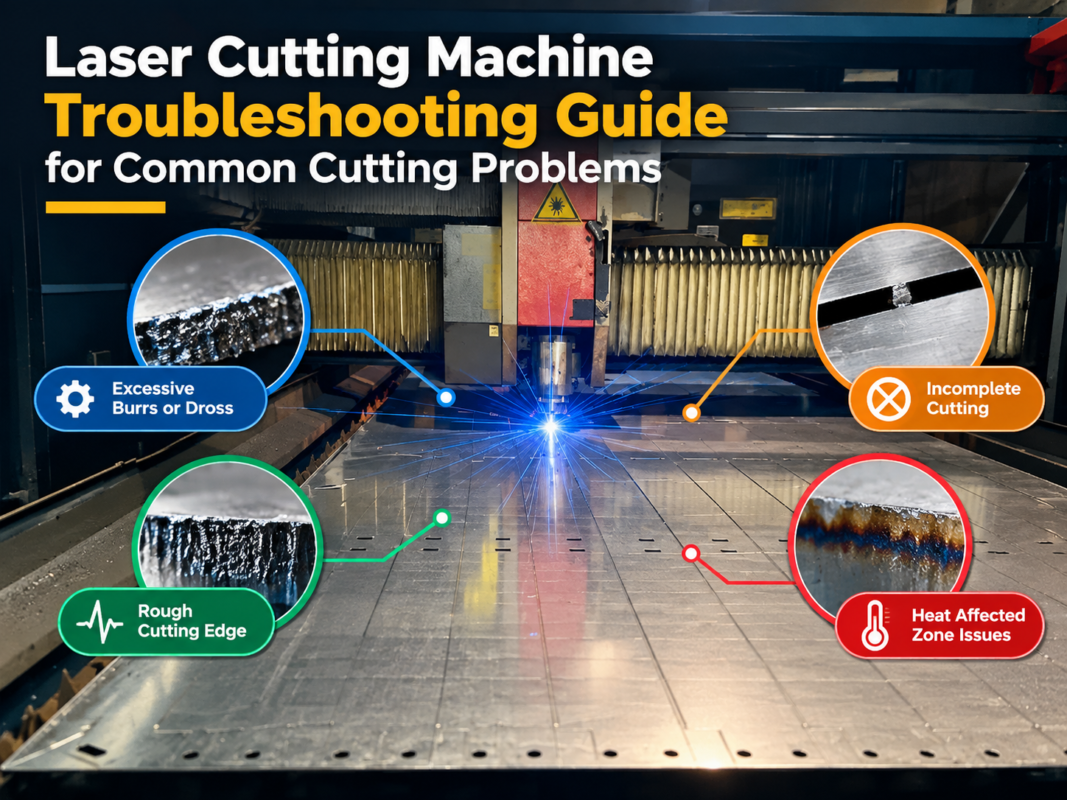
The most common cause of failure is lack of cleanliness. Dust and metal particles are the enemies of high-precision machinery. Failure to clean the guide rails, lubricate the rack and pinion, or maintain the dust extraction system leads to premature wear and mechanical inaccuracies. Contamination of the optical path is the second most common cause, often resulting from improper lens handling.
Is a service contract worth the extra cost?
For most businesses, yes. A service contract usually includes scheduled preventative maintenance visits, which can catch small issues before they become major failures. It also often provides priority response times and discounts on spare parts, providing peace of mind and predictable budgeting.
How does the choice of assist gas affect maintenance?
Oxygen cutting creates more smoke and debris, requiring more frequent cleaning of the machine’s slats and dust collection filters. Nitrogen is cleaner but requires higher pressures, which puts more stress on the gas delivery lines and seals. If using compressed air, the maintenance of the air dryer and oil-water separators is paramount to prevent moisture from reaching the cutting head.