Energy Efficiency Guide for Laser Cutting Machine Buyers in Manufacturing


Introduction to Energy Efficiency in Modern Metal Fabrication
In the contemporary manufacturing landscape, the drive toward sustainability is no longer just a corporate social responsibility goal; it is a fundamental economic necessity. For manufacturers looking to invest in new equipment, the Energy Efficiency Laser Cutting Machine Buyers In Manufacturing guide serves as a roadmap to navigating the complex intersection of high-performance output and low-cost operation. As electricity prices fluctuate and global carbon footprint regulations tighten, the efficiency of a laser cutting system becomes a primary determinant of a facility’s long-term profitability.
Laser cutting technology has evolved significantly over the last decade. The transition from traditional CO2 lasers to high-efficiency fiber lasers has revolutionized the industry, offering significantly higher wall-plug efficiency. However, energy efficiency is not solely about the laser source. It encompasses the entire ecosystem of the machine, including the cooling systems, motion control components, assist gas delivery, and even the software that optimizes cutting paths. This guide will break down everything a buyer needs to know to make an informed, energy-conscious decision.
Price Range Overview: Balancing Upfront Investment and Operational Savings
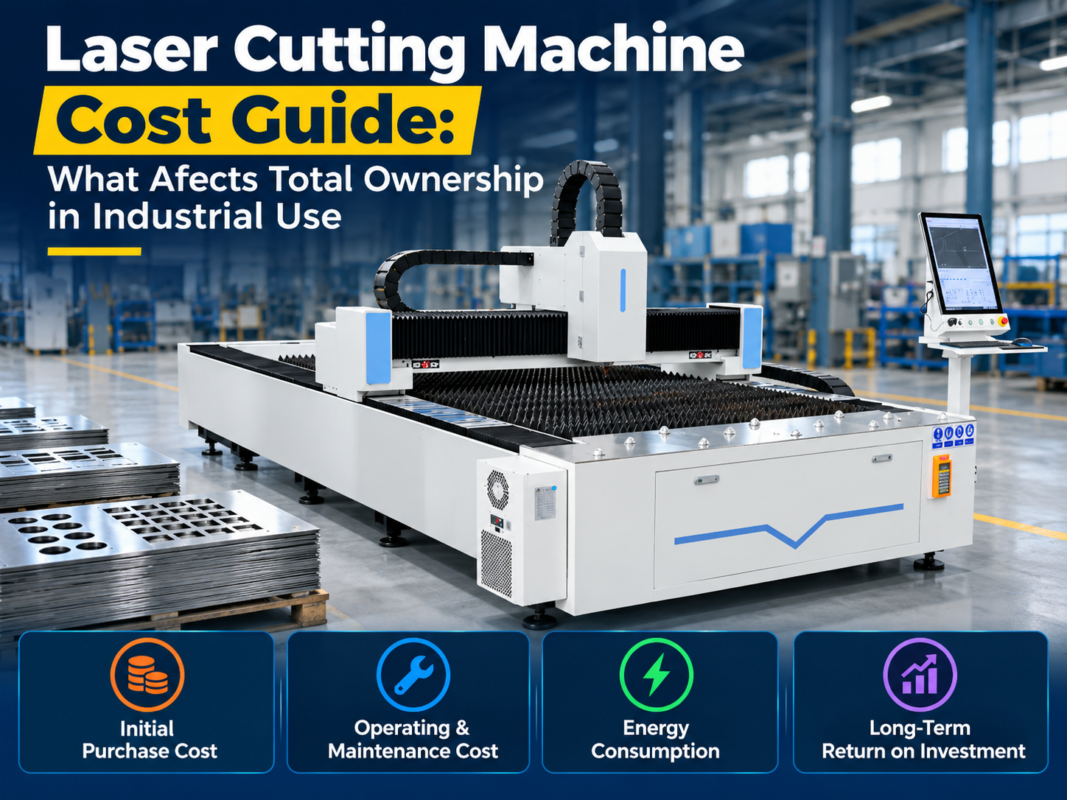
When evaluating the price of a laser cutting machine, buyers often encounter a wide spectrum of costs. Entry-level fiber laser machines may start as low as $30,000, while high-end, large-format, ultra-high-power systems can exceed $500,000. It is crucial for Energy Efficiency Laser Cutting Machine Buyers In Manufacturing to understand that the purchase price is only the tip of the iceberg. A cheaper machine with poor energy efficiency can quickly become more expensive than a premium model due to high utility bills and maintenance requirements.
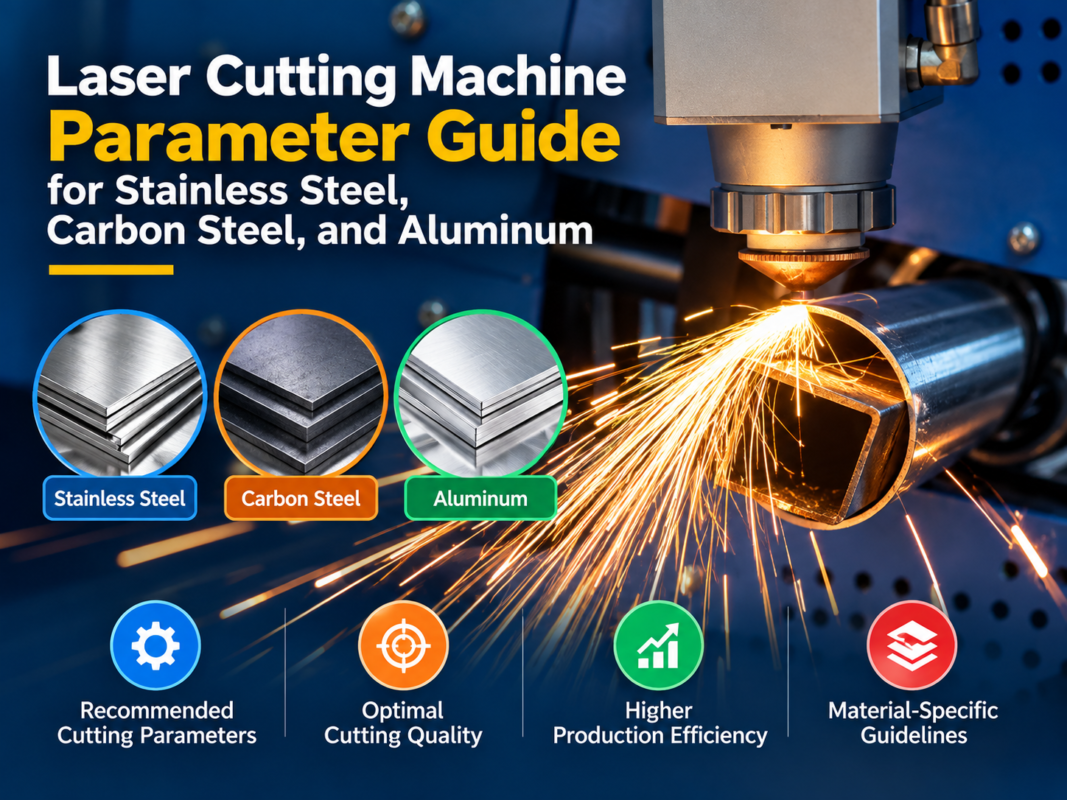
Typically, machines are categorized into three price tiers. The budget tier (under $80,000) often features lower-wattage sources (1kW – 3kW) and basic components. While the initial investment is low, these machines may lack advanced energy-saving features like intelligent standby modes or high-efficiency chillers. The mid-range tier ($80,000 – $200,000) usually offers 6kW to 12kW power sources and better motion control, providing a sweet spot for many medium-sized fabricators. The high-end tier ($200,000+) includes 20kW+ machines with full automation, which, despite their high power draw, often offer the lowest energy cost per part due to their incredible processing speeds.
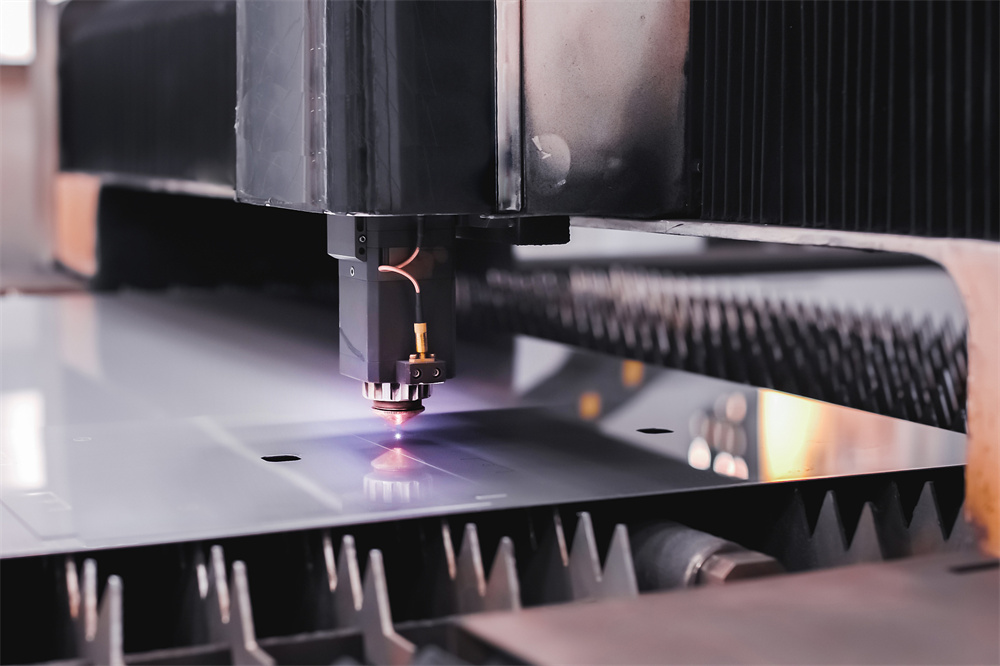
Main Cost Drivers in Laser Cutting Energy Consumption
The primary driver of energy consumption in any laser system is the laser source itself. Fiber lasers are renowned for their “wall-plug efficiency” (WPE), which refers to the ratio of optical output power to electrical input power. While CO2 lasers typically offer a WPE of around 8-10%, modern fiber lasers from brands like HARSLE can achieve 35-45%. This means for every kilowatt of light produced, a fiber laser uses significantly less electricity from the grid than its CO2 predecessor.
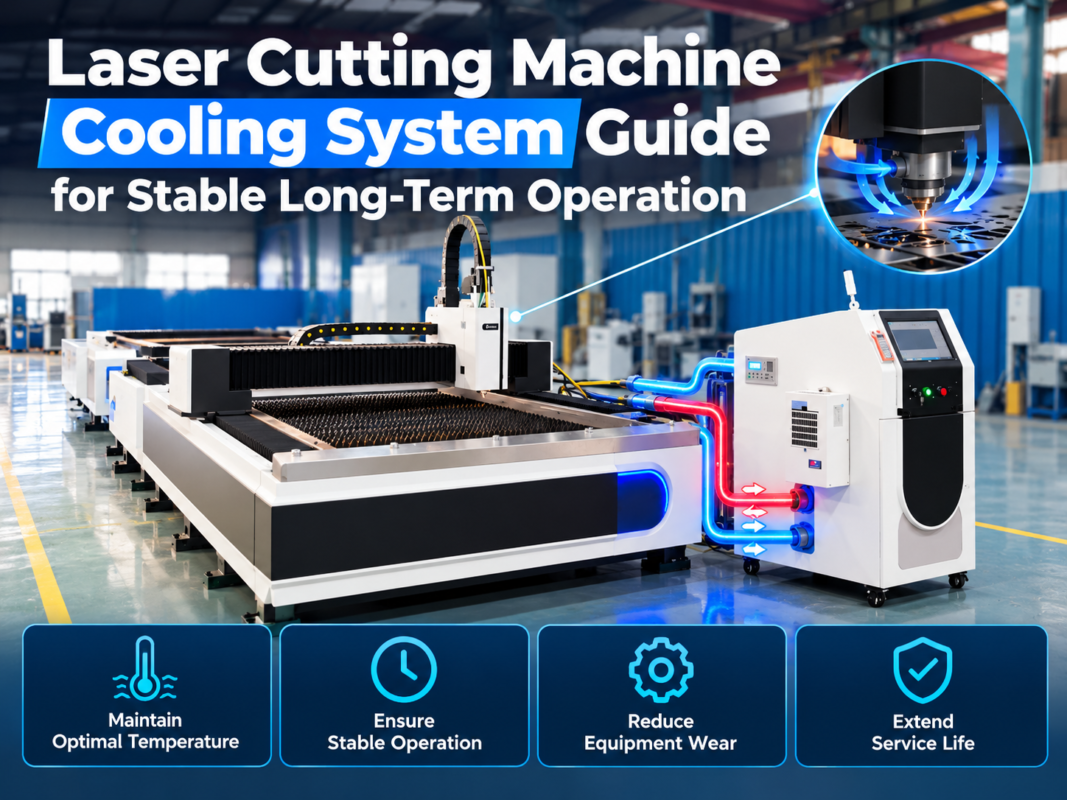
Beyond the laser source, the cooling system (chiller) is the second largest energy consumer. The chiller must maintain a precise temperature for both the laser source and the cutting head. Inefficient chillers that run at 100% capacity regardless of the actual heat load can waste thousands of dollars annually. Advanced systems now use inverter-driven compressors and fans that scale their energy use based on real-time cooling demands. Additionally, the motion system—comprising servo motors and drivers—contributes to the load. High-speed linear motors are more efficient at converting electrical energy into kinetic energy compared to older rack-and-pinion systems, especially during high-acceleration movements.
Configuration Impact: How Technical Specs Affect the Power Bill
The configuration of a laser cutting machine directly impacts its energy profile. One of the most significant factors is the laser power rating. It might seem counterintuitive, but a higher-wattage laser (e.g., 12kW vs. 4kW) can often be more energy-efficient for specific production volumes. This is because the 12kW machine cuts much faster, meaning the total “on-time” for the entire machine—including the exhaust fans, chillers, and controllers—is drastically reduced per part produced.
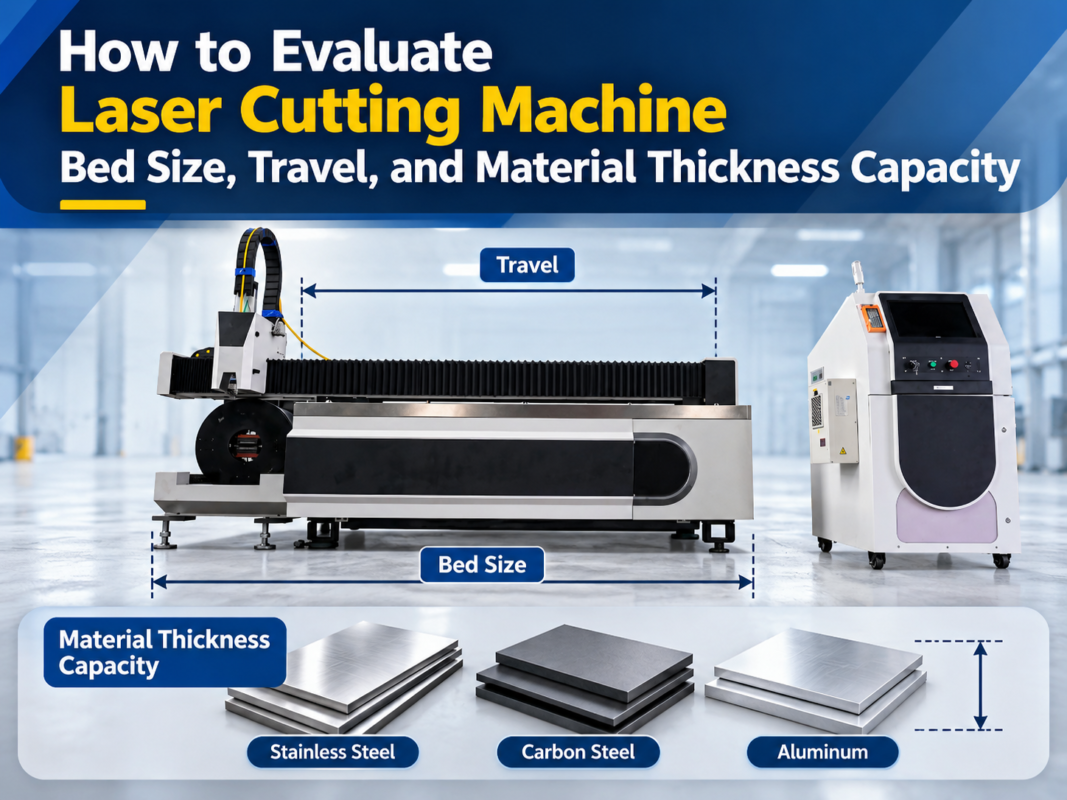
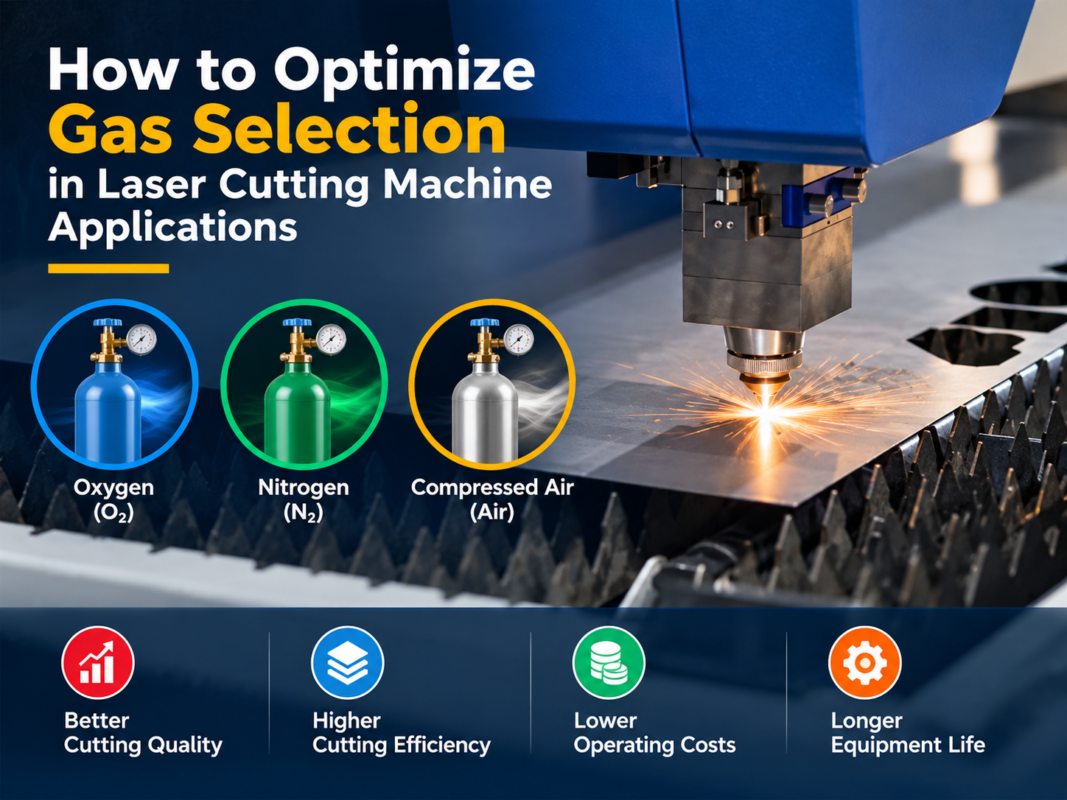
Another critical configuration element is the bed size and the presence of a shuttle table. While a larger bed allows for bigger sheets and longer unattended runs, it requires more powerful dust extraction systems. Intelligent zoning in the exhaust system, where suction is only applied to the area currently being cut, is a vital feature for Energy Efficiency Laser Cutting Machine Buyers In Manufacturing. Without zoned extraction, the machine wastes energy by trying to pull air from the entire bed surface simultaneously. Furthermore, the choice of assist gas—Oxygen, Nitrogen, or Compressed Air—affects the total energy footprint. Cutting with high-pressure air, powered by an efficient screw compressor, can eliminate the high cost and energy-intensive production of liquid nitrogen.
Hidden Costs: What Buyers Often Overlook
When calculating the total cost of ownership, several “hidden” energy-related costs must be considered. One of the most overlooked is the cost of idle time. Many industrial machines consume a significant amount of power even when they aren’t cutting. Buyers should look for machines with “Eco-modes” or automatic power-down features that put the laser source and peripherals into a low-power state during loading, unloading, or programming breaks.
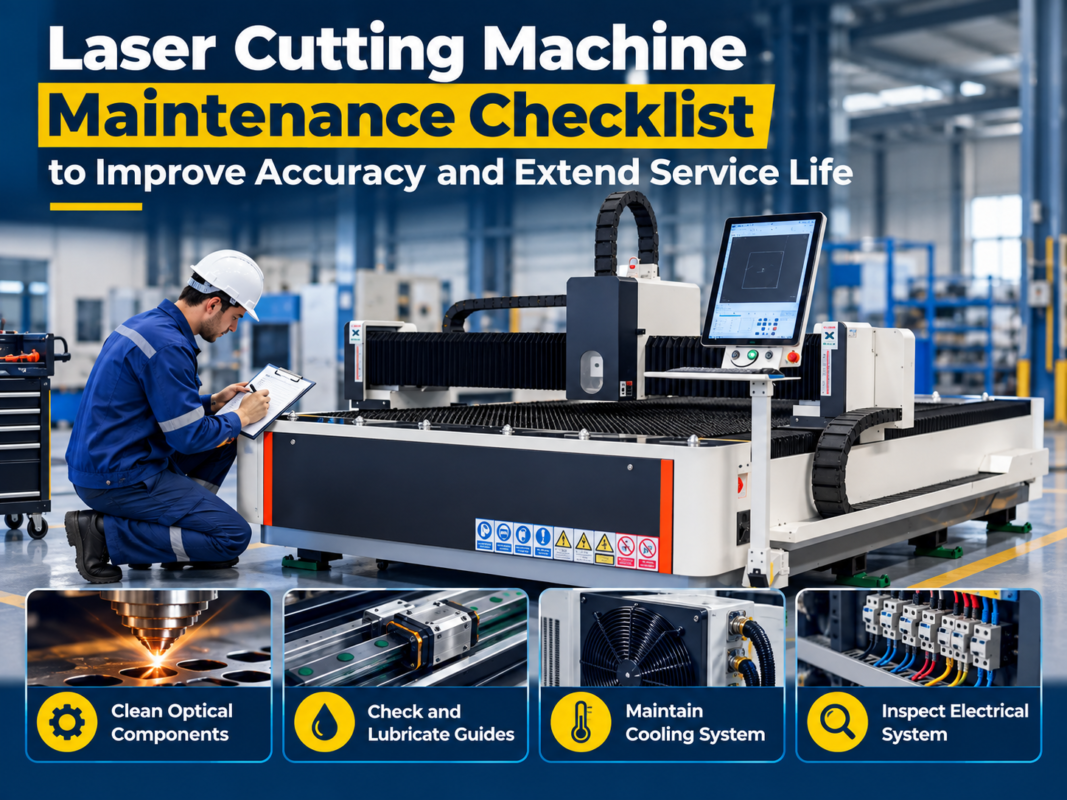
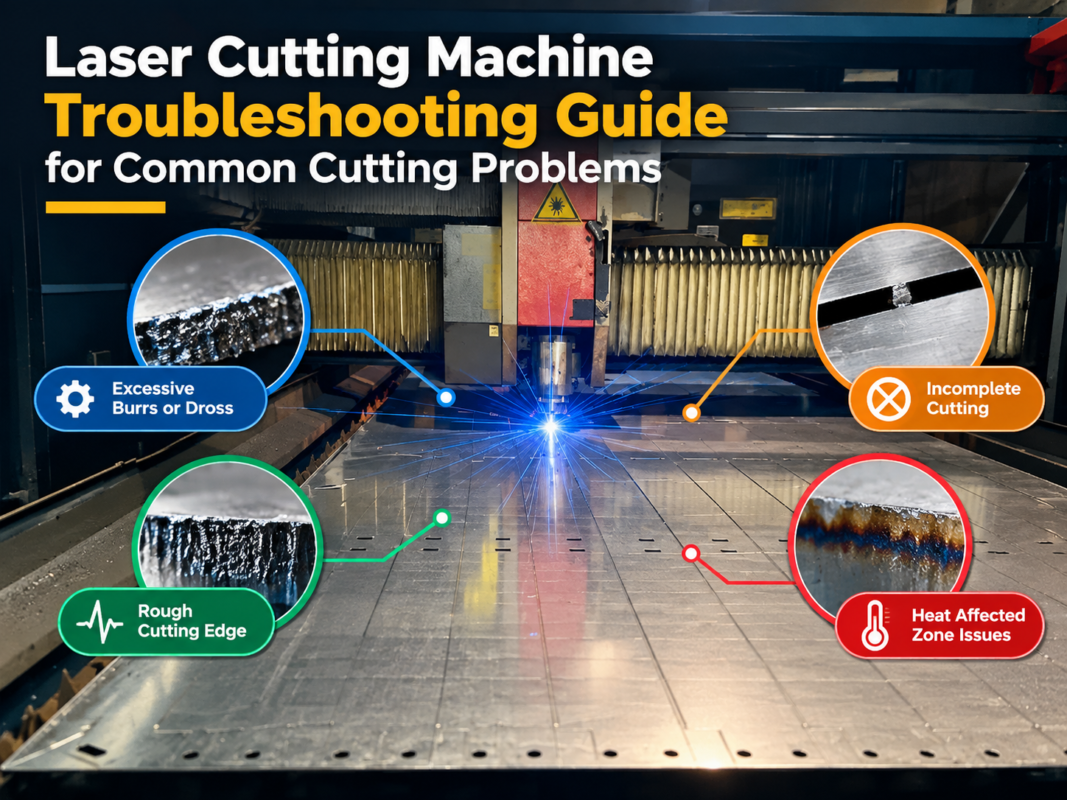
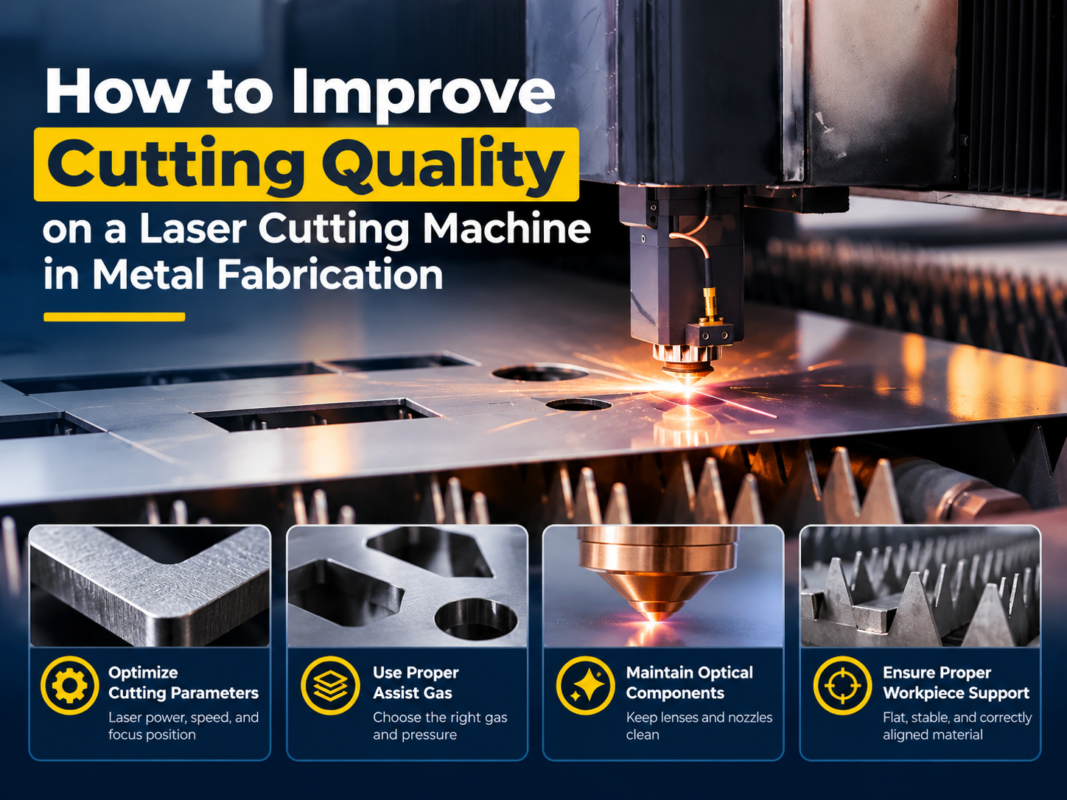
Maintenance is another hidden driver of efficiency. A dirty lens or a misaligned beam path forces the laser to work harder to achieve the same cut quality, increasing energy consumption and slowing down production. Similarly, an aging chiller with clogged filters will consume more power to maintain the same temperature. Buyers should also consider the cost of the factory’s electrical infrastructure. High-power lasers may require expensive transformer upgrades or specialized power conditioning equipment to protect sensitive electronics from voltage spikes, which adds to the initial setup cost but prevents energy-wasting component failures later.
ROI Calculation: Measuring the Value of Efficiency
To justify the investment in a high-efficiency machine, manufacturers must perform a detailed Return on Investment (ROI) calculation. The formula should not just look at the machine’s price but the total operational cost over a 5-to-10-year period. For example, if Machine A costs $150,000 and uses $20,000 in electricity per year, and Machine B (a high-efficiency HARSLE model) costs $180,000 but uses only $10,000 in electricity, the $30,000 price difference is recouped in just three years through energy savings alone.
Furthermore, the ROI calculation should include the “throughput factor.” If the more efficient machine is also 20% faster, the labor cost per part decreases, and the machine’s capacity to generate revenue increases. When you combine energy savings, reduced gas consumption (through better nozzle technology), and higher speed, the payback period for a premium, energy-efficient laser cutting machine is often much shorter than buyers initially expect. Many regions also offer tax incentives or grants for purchasing energy-efficient industrial equipment, which can further accelerate the ROI.
Buying Advice for Manufacturing Professionals
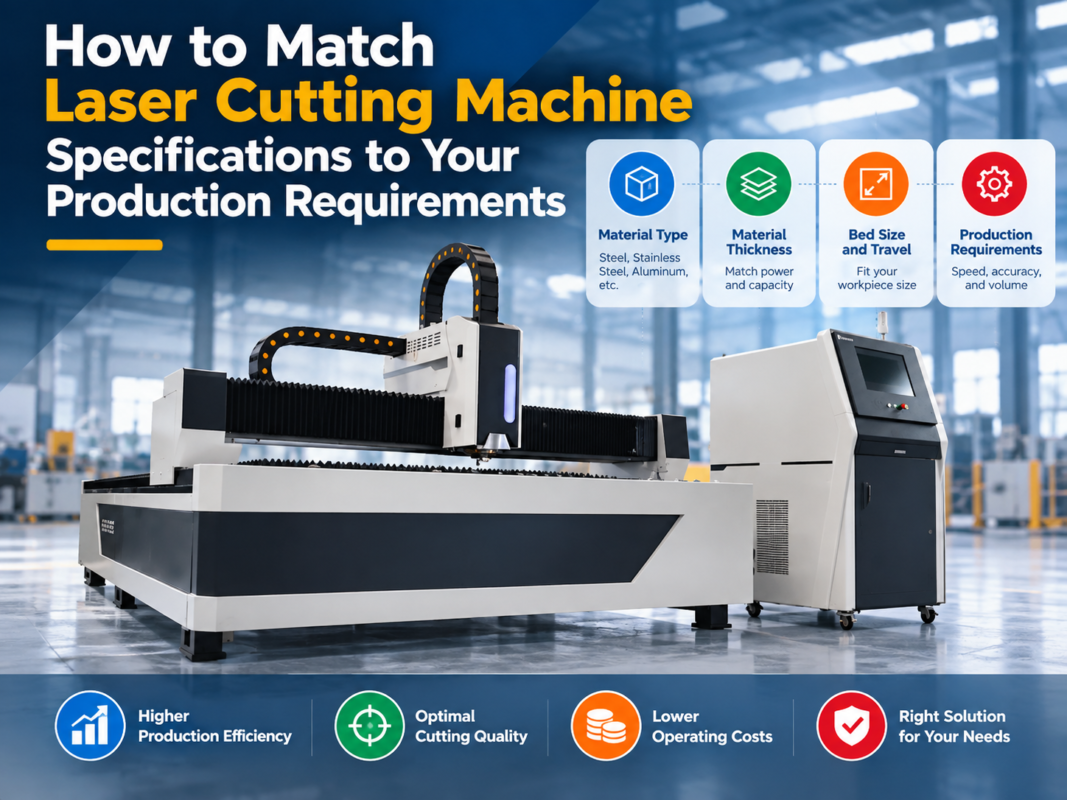
When you are ready to purchase, start by auditing your current production needs. Do not buy more power than you need, but do not under-spec the machine either, as running a low-power machine at its absolute limit is rarely energy-efficient. Ask manufacturers for specific “Wall-Plug Efficiency” ratings and request data on power consumption during idle, standby, and full-load operations. Look for reputable brands like HARSLE that integrate world-class components (such as IPG or Raycus laser sources) known for their stability and efficiency.
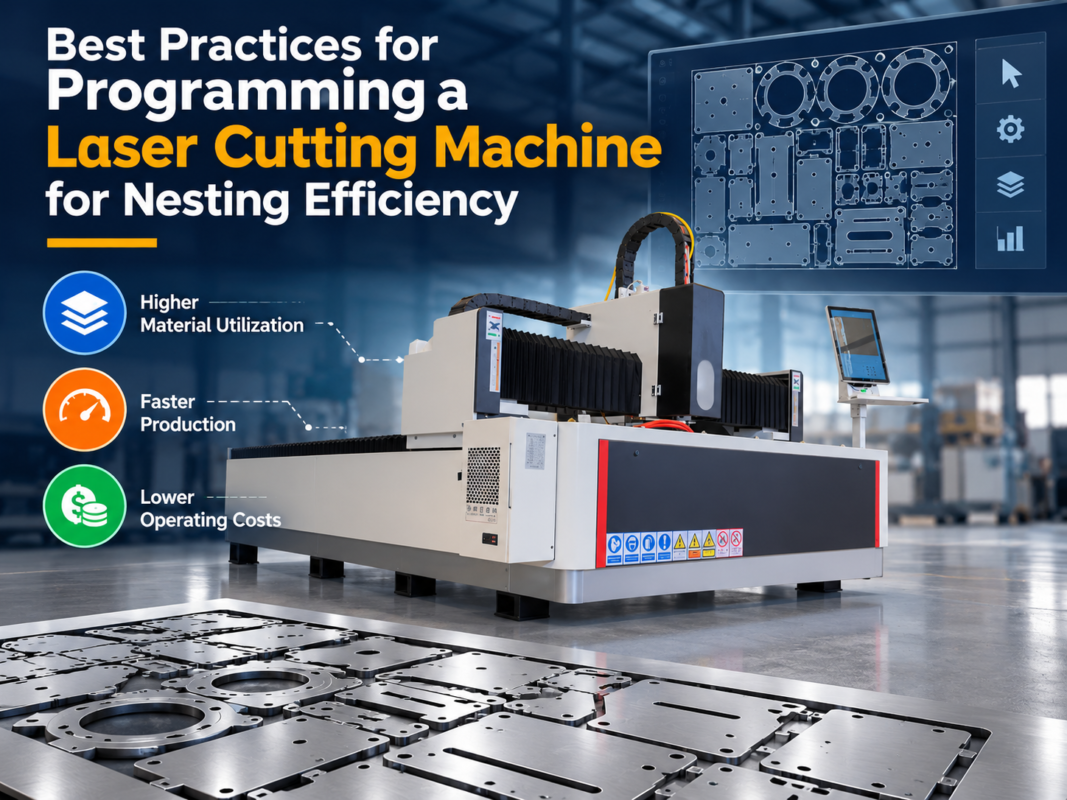
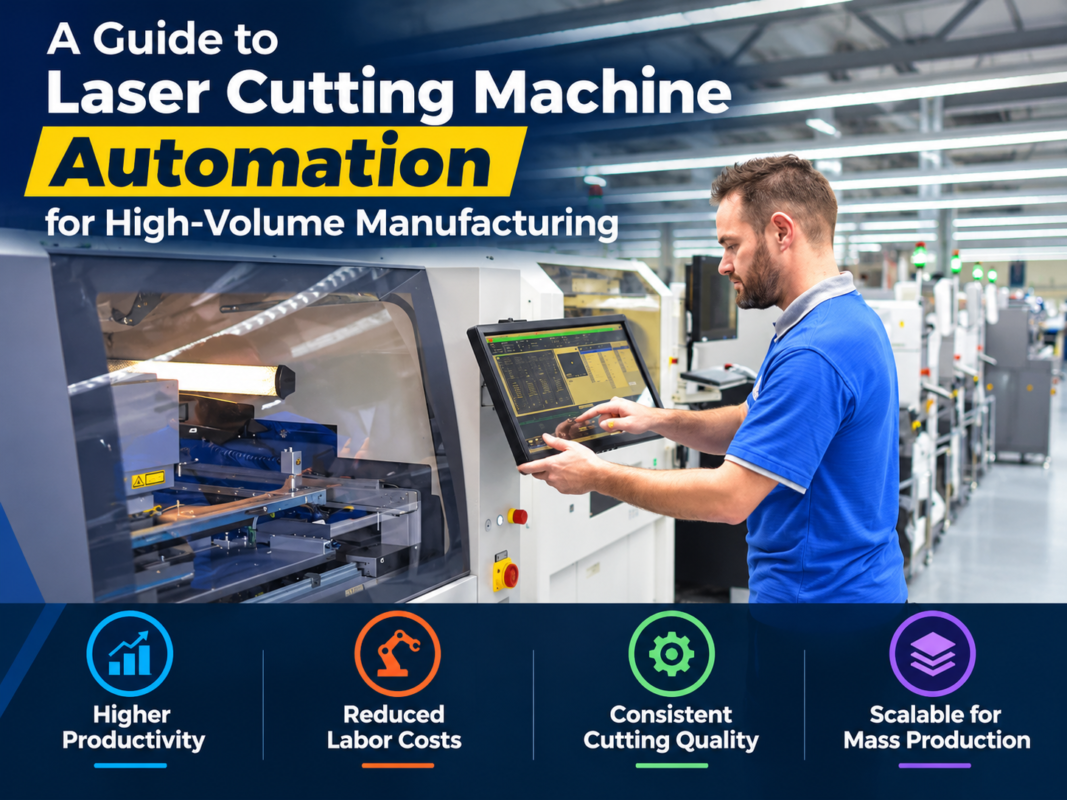
Always prioritize machines with intelligent software. Modern nesting software can reduce material waste, which indirectly saves energy by reducing the amount of cutting required per project. Additionally, consider the long-term availability of parts and technical support. An energy-efficient machine is only useful if it stays running at peak performance. Finally, test-cut your most common materials and thicknesses at the manufacturer’s facility to see the real-world speed and power draw, rather than relying solely on theoretical spec sheets.
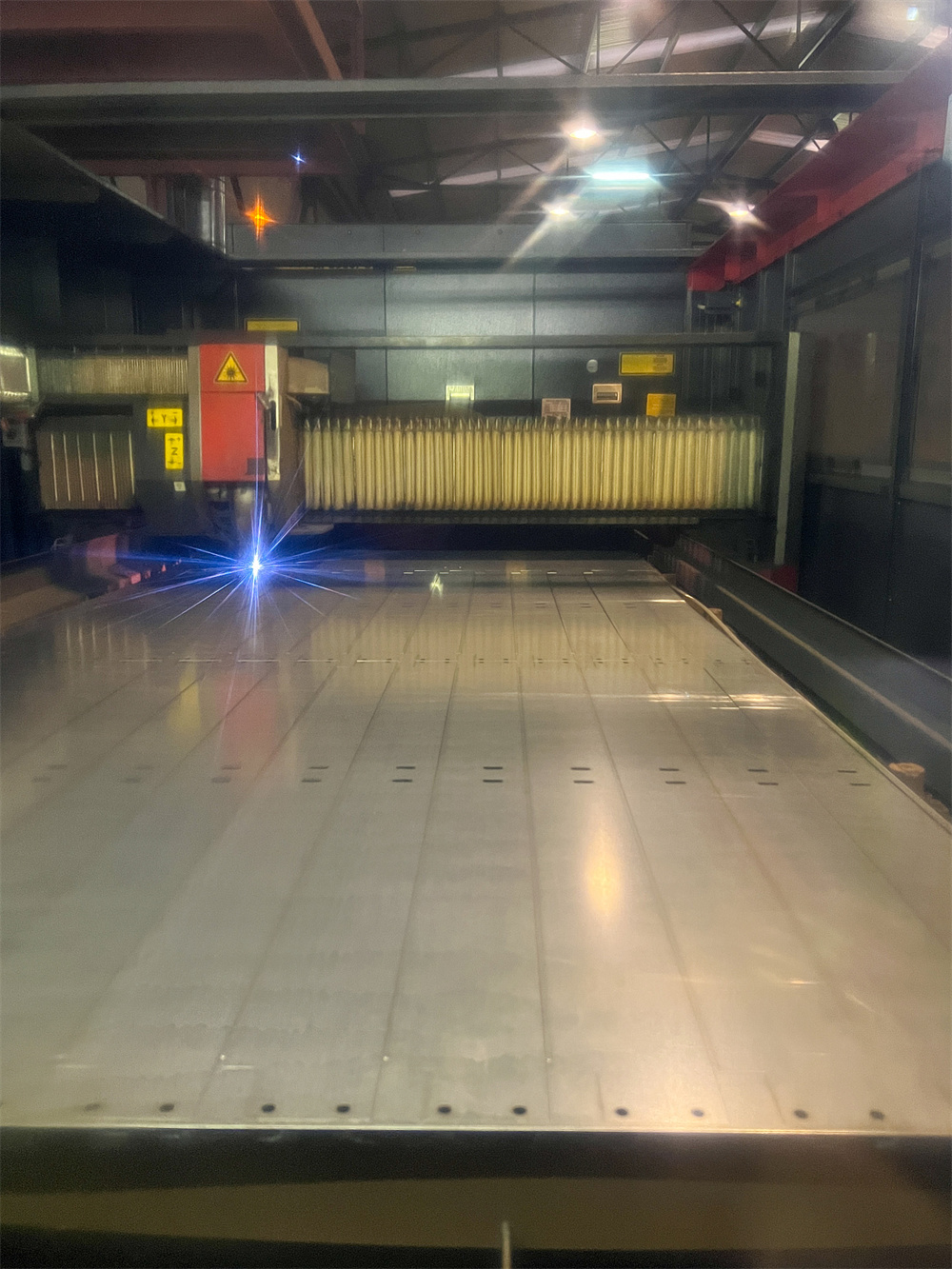
Summary Table: Energy Efficiency Comparison
| Feature | Standard Fiber Laser | High-Efficiency (HARSLE) | Impact on Efficiency |
|---|---|---|---|
| Laser Source WPE | 25% – 30% | 35% – 45% | Reduces direct electricity use by 20%+ |
| Chiller Technology | Fixed Speed | Inverter/Variable Speed | Saves 30-50% on cooling energy |
| Extraction System | Full Bed Suction | Intelligent Zoned Suction | Reduces fan power and heat loss |
| Standby Mode | Manual Only | Automated Eco-Mode | Minimizes power waste during idle |
| Assist Gas Usage | High Pressure Only | Optimized Nozzle Design | Reduces gas and compressor energy |
Frequently Asked Questions (FAQ)
1. Is a fiber laser always more efficient than a CO2 laser?
Yes, in terms of electrical consumption, fiber lasers are significantly more efficient. They typically use about 1/3 to 1/5 of the power required by a CO2 laser to produce the same output wattage. Additionally, fiber lasers require no warm-up time and have no moving parts in the laser generation source, further reducing energy waste.
2. How does laser power (kW) affect energy efficiency?
While a higher kW laser draws more power per second, it cuts much faster. For many materials, the total energy consumed per meter of cut is lower with a high-power laser because the machine spends less time running the auxiliary systems (chiller, fans, etc.) to complete the job.
3. Can I use compressed air to save energy?
Cutting with compressed air is a major trend for Energy Efficiency Laser Cutting Machine Buyers In Manufacturing. While it requires a high-pressure compressor, it is often much cheaper and more energy-efficient than using bottled or liquid Nitrogen, especially for thin to medium-gauge stainless steel and aluminum.
4. What role does software play in energy efficiency?
Software is critical. Advanced nesting algorithms reduce the number of pierces and optimize the cutting path to minimize “dead travel” time. This ensures the laser is spent cutting metal rather than moving through the air, maximizing the energy-to-output ratio.
5. Does the thickness of the material affect which machine is most efficient?
Absolutely. For thin materials, high-speed, lower-wattage machines are very efficient. However, for thick plates (20mm+), a high-power fiber laser (12kW-30kW) is necessary to maintain efficiency. Using an underpowered machine for thick material results in extremely slow speeds and high energy waste.
6. Are there government incentives for buying energy-efficient machines?
Many countries and regions offer “Green Investment” tax credits, accelerated depreciation, or direct grants for manufacturers who upgrade to energy-efficient technology. It is highly recommended to consult with a local tax professional or energy auditor when planning your purchase.
7. How often should I maintain my machine to keep it efficient?
Daily cleaning of the protective windows and weekly checks of the chiller filters and dust collection system are essential. A machine that is poorly maintained can see a 10-15% drop in efficiency within just a few months of operation.