How to Choose a Laser Cutting Machine for Custom Metal Fabrication Jobs


Introduction to Laser Cutting in Custom Metal Fabrication
In the modern industrial landscape, the ability to deliver high-precision, complex parts with rapid turnaround times is the hallmark of a successful job shop. When you decide to choose a laser cutting machine for custom metal fabrication jobs, you are not just buying a piece of equipment; you are investing in the core capability of your business. Custom fabrication demands versatility—one day you might be cutting 20mm carbon steel plates for heavy machinery, and the next, you could be etching intricate designs into 1mm decorative brass sheets.
The transition from traditional methods like plasma cutting or mechanical shearing to fiber laser technology represents a significant leap in efficiency. Fiber lasers offer unparalleled beam quality, minimal heat-affected zones (HAZ), and the ability to handle reflective materials that were once a challenge for CO2 lasers. However, the market is flooded with options ranging from budget-friendly entry-level models to high-performance automated systems. Navigating this landscape requires a deep understanding of technical specifications, operational costs, and long-term value.
HARSLE understands that for custom fabricators, the ‘best’ machine isn’t necessarily the most expensive one, but the one that aligns most closely with your specific material mix and production volume. This guide will break down every critical factor you need to consider to ensure your investment yields the highest possible return.
Price Range Overview: Understanding the Investment Tiers
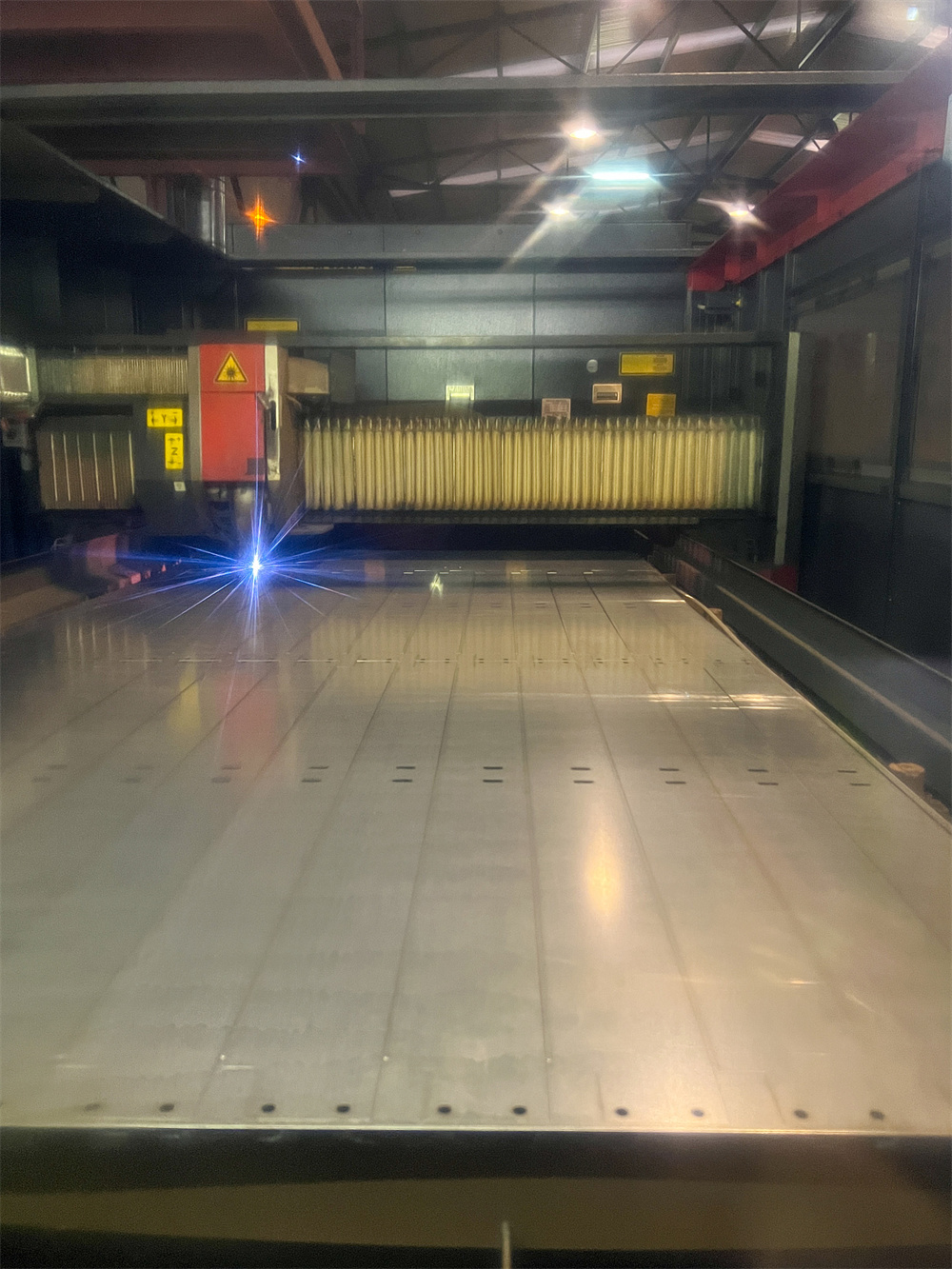
The price of a laser cutting machine is primarily dictated by its power output, bed size, and the quality of its core components. For custom metal fabrication, where flexibility is key, prices can vary significantly. Understanding these tiers helps you set a realistic budget based on your current needs and growth projections.
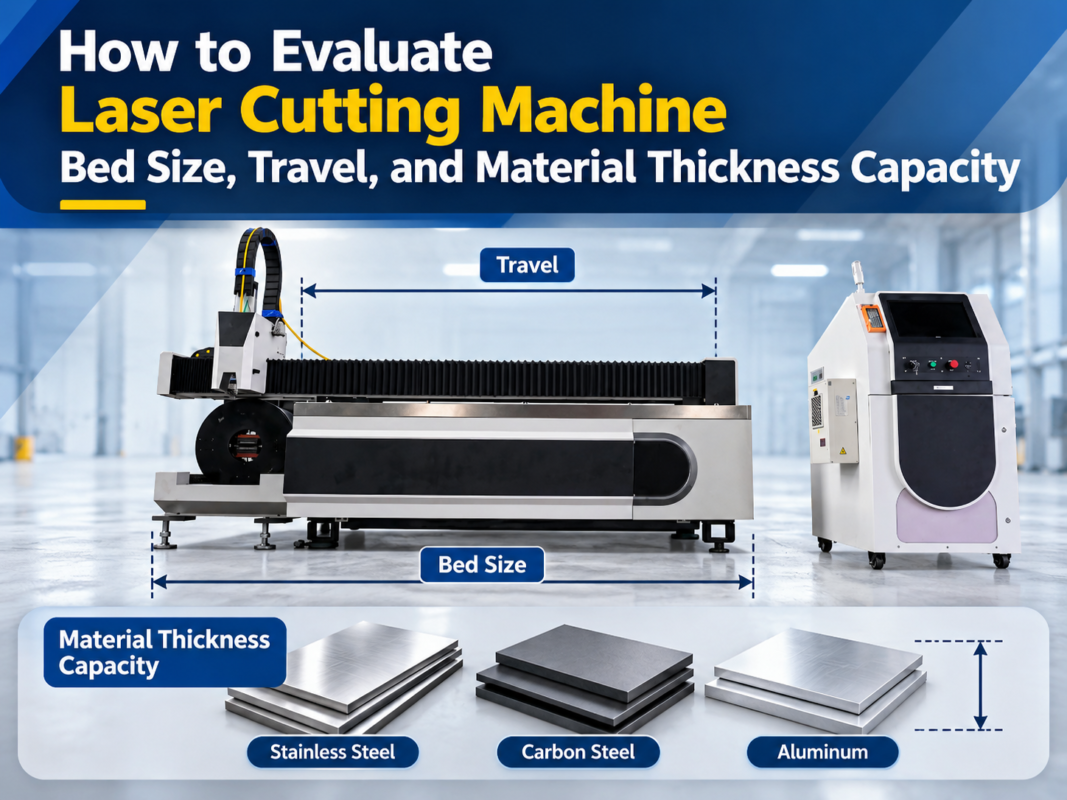
Entry-Level Systems ($30,000 – $60,000): These are typically low-power fiber lasers (1kW to 2kW) with a standard 3015 (3m x 1.5m) work area. They are ideal for shops focusing on thin gauge materials (under 6mm) and those transitioning from manual tools to CNC automation. While they lack the speed of higher-wattage machines, they offer the same precision for intricate custom work.
Mid-Range Workhorses ($70,000 – $150,000): This is the ‘sweet spot’ for most custom fabrication shops. These machines usually feature 3kW to 6kW laser sources. They can comfortably cut up to 20mm carbon steel and 12mm stainless steel. At this level, you begin to see features like exchange tables (shuttle tables), which allow for continuous loading and unloading, significantly increasing throughput.
High-End Industrial Systems ($180,000 – $400,000+): These machines boast 12kW to 30kW+ power sources and are designed for heavy-duty, 24/7 production. They feature advanced motion systems (linear motors), high-speed piercing technology, and large format beds (up to 12m or more). For custom shops handling massive structural components or high-volume thick plate processing, these machines are essential for staying competitive on lead times.
Main Cost Drivers: What Are You Really Paying For?
When you choose a laser cutting machine for custom metal fabrication jobs, several key components drive the majority of the cost. Understanding these helps you decide where to invest and where you might be able to save.
1. The Laser Source
The laser source is the heart of the machine. Brands like IPG Photonics, Raycus, and Maxphotonics dominate the market. IPG is often considered the gold standard for reliability and global support, commanding a premium price. Raycus and Max offer excellent performance-to-price ratios, making them popular choices for shops looking to maximize their initial investment. The wattage of the source is the single biggest price factor; doubling the power can often nearly double the cost of the source itself.
2. The Machine Frame and Bed
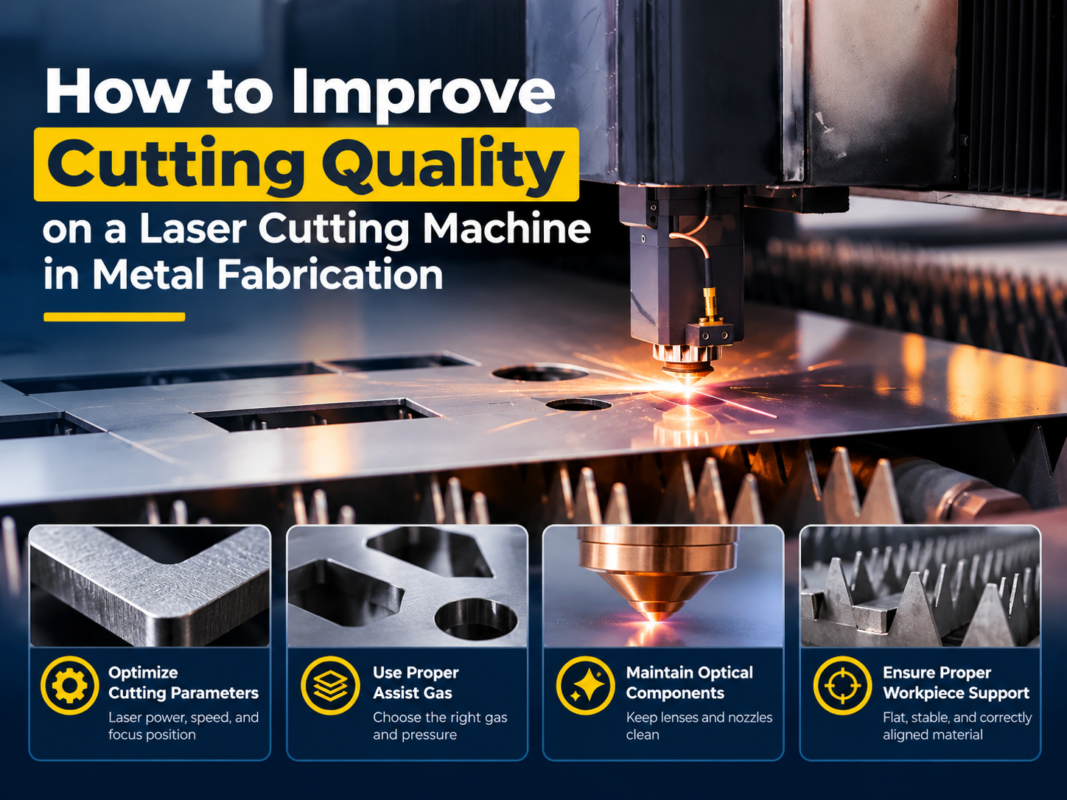
A laser machine is only as accurate as its frame. High-quality machines use stress-relieved, heavy-duty welded frames or even cast iron beds. These structures resist thermal deformation and vibration, which is critical when the cutting head is moving at high accelerations (up to 2.0G). A flimsy frame will lead to poor cutting quality and premature wear on the motion components.
3. Motion System and Motors
The precision of the cut depends on the rack and pinion system, the guide rails, and the servo motors. High-end Japanese (Yaskawa, Panasonic) or European servo motors provide the torque and feedback necessary for high-speed precision. For custom jobs with complex geometries, the ability of the machine to maintain accuracy during rapid direction changes is paramount.
Configuration Impact: Tailoring the Machine to Your Jobs
The configuration of your laser cutting machine determines its versatility. In custom fabrication, you rarely cut the same part twice, so the machine must be adaptable.
- Cutting Head Technology: Modern heads like those from Precitec or Raytools feature autofocus capabilities. This is vital for custom shops that switch between material thicknesses frequently. The machine can automatically adjust the focal point for each job, reducing setup time and human error.
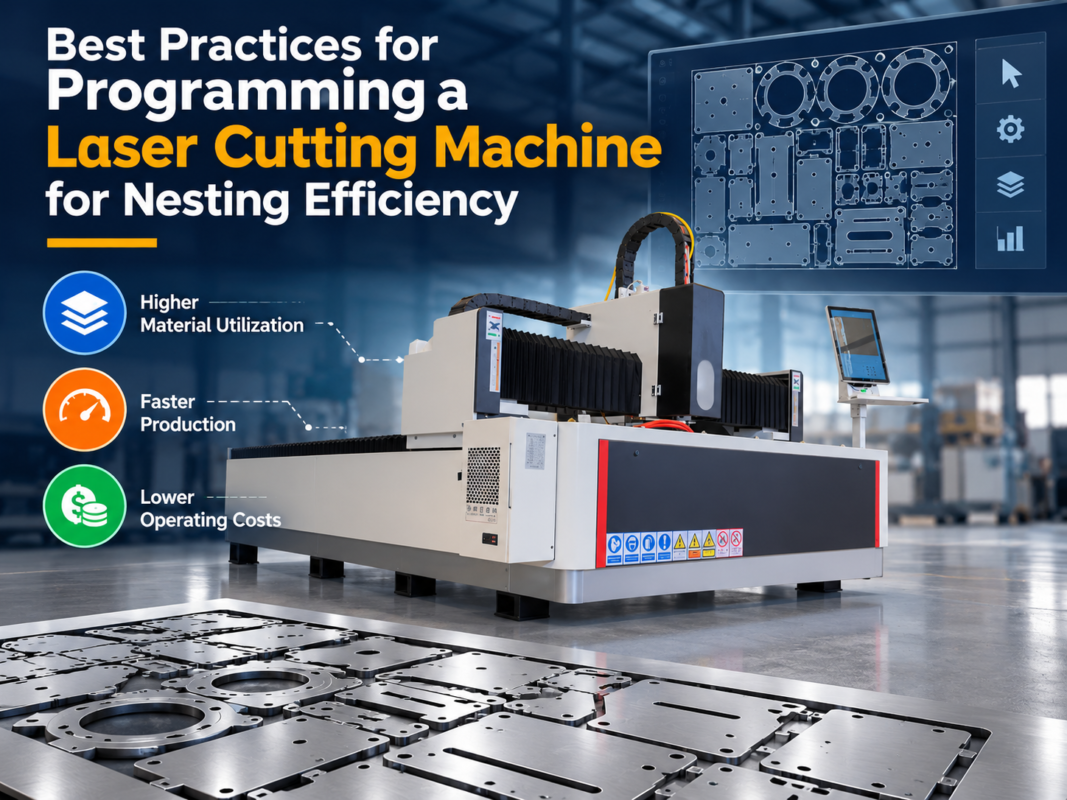
- Control System and Software: The CNC controller (such as CypCut or Beckhoff) is the brain of the operation. For custom work, the nesting software is equally important. Advanced nesting algorithms can save 10-15% in material costs by fitting parts together more efficiently—a huge advantage when working with expensive alloys.
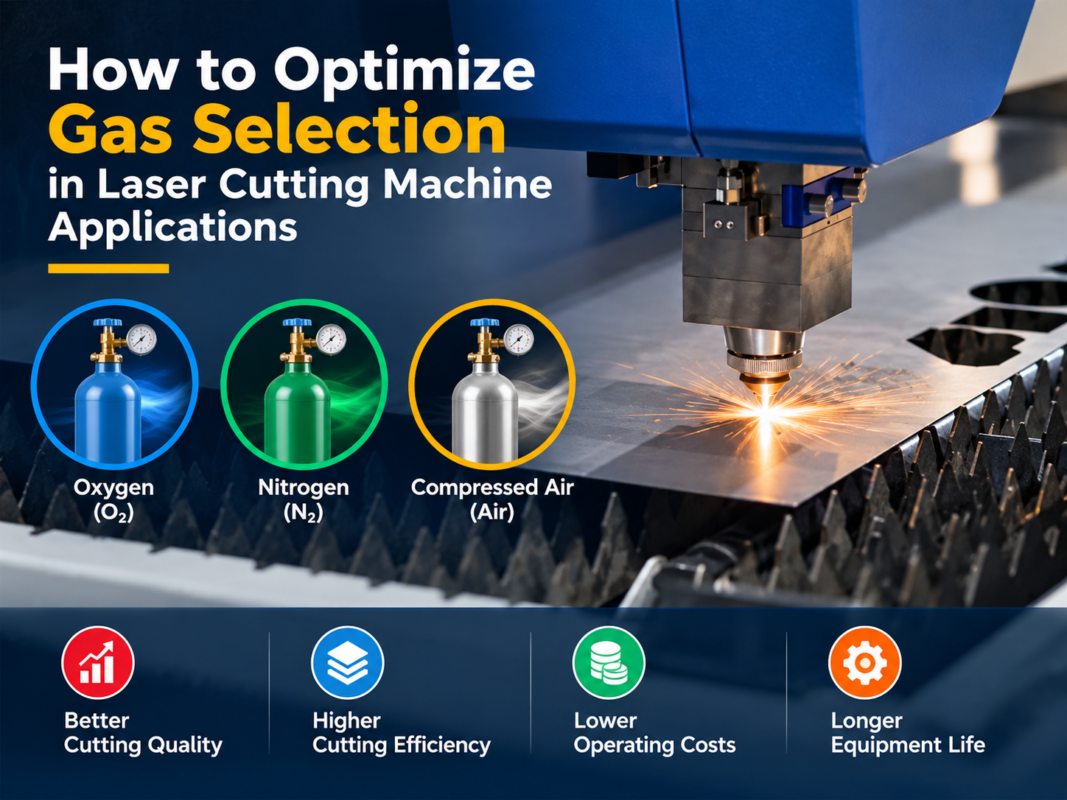
- Gas Control Systems: Custom jobs often require switching between Oxygen (for carbon steel), Nitrogen (for stainless and aluminum), and Compressed Air (for cost-effective thin metal cutting). An automated gas console allows the machine to switch gases and pressures instantly based on the material library.
Hidden Costs of Ownership
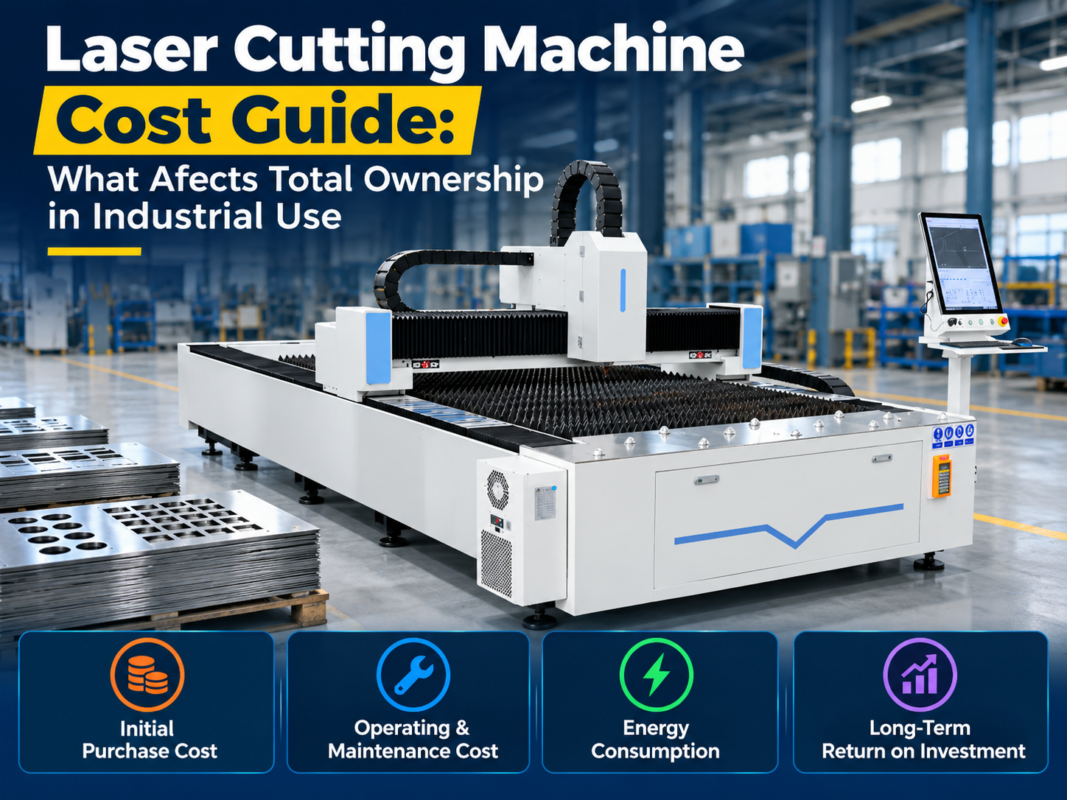
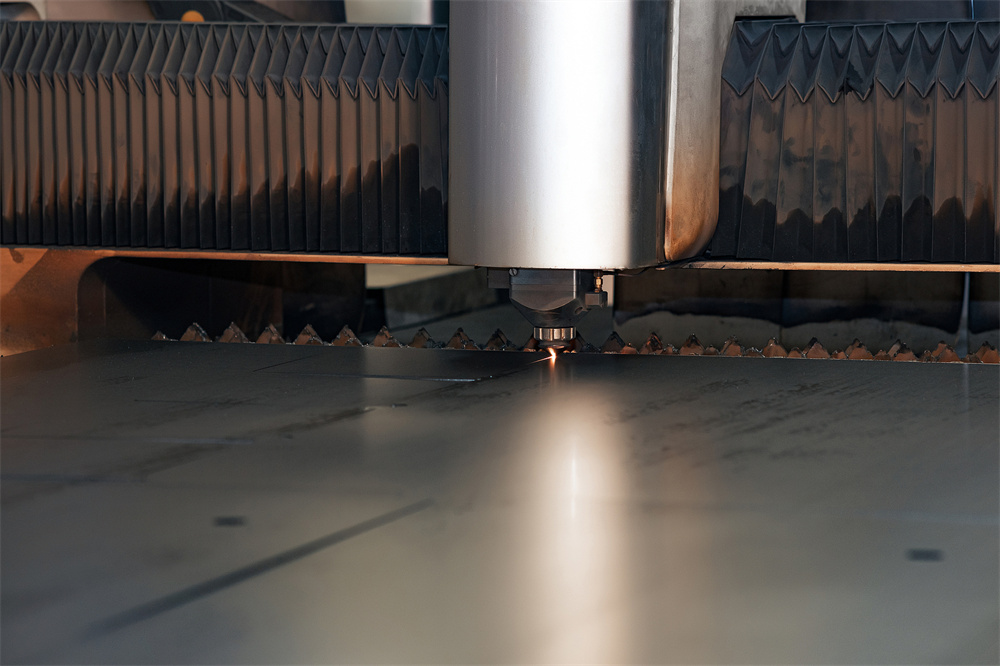
The purchase price is only the beginning. To accurately choose a laser cutting machine for custom metal fabrication jobs, you must account for the ongoing operational expenses.
| Expense Category | Description | Estimated Impact |
|---|---|---|
| Gas Consumption | Nitrogen for clean cuts in stainless; Oxygen for thick carbon steel. | High (can be 30-50% of hourly cost) |
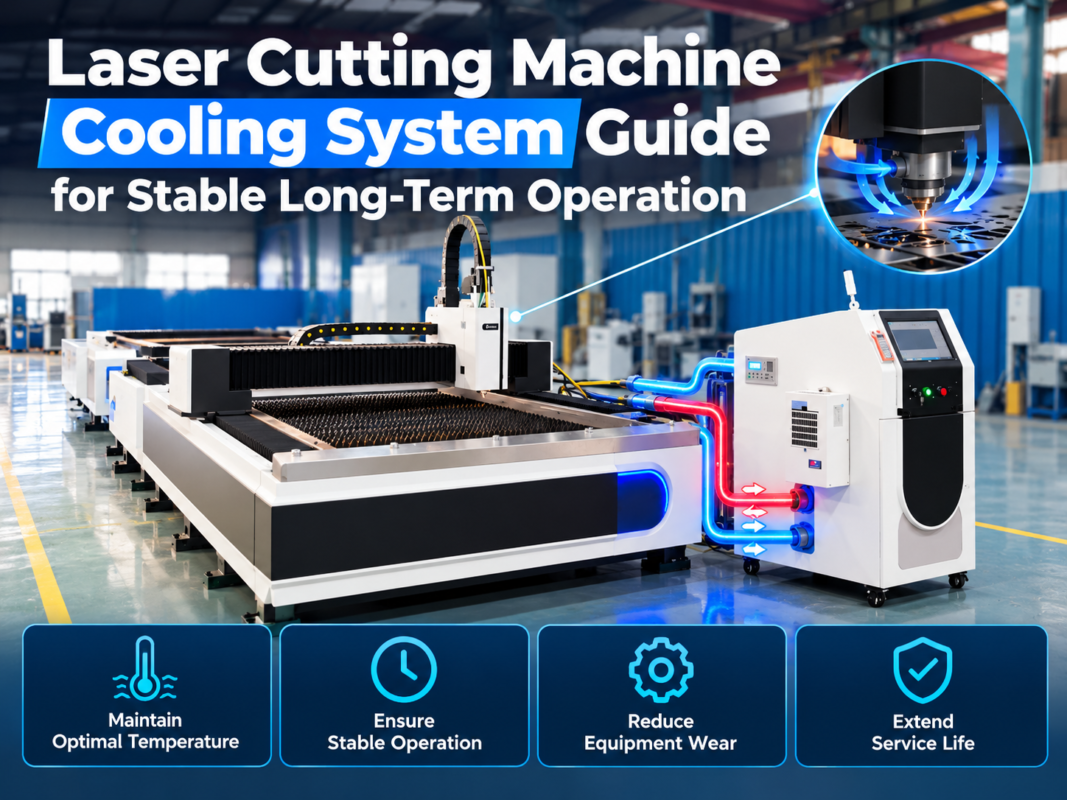
| Electricity | The laser source, chiller, and dust extractor consume significant power. | Moderate |
| Consumables | Nozzles, protective windows, and ceramic rings. | Low to Moderate |
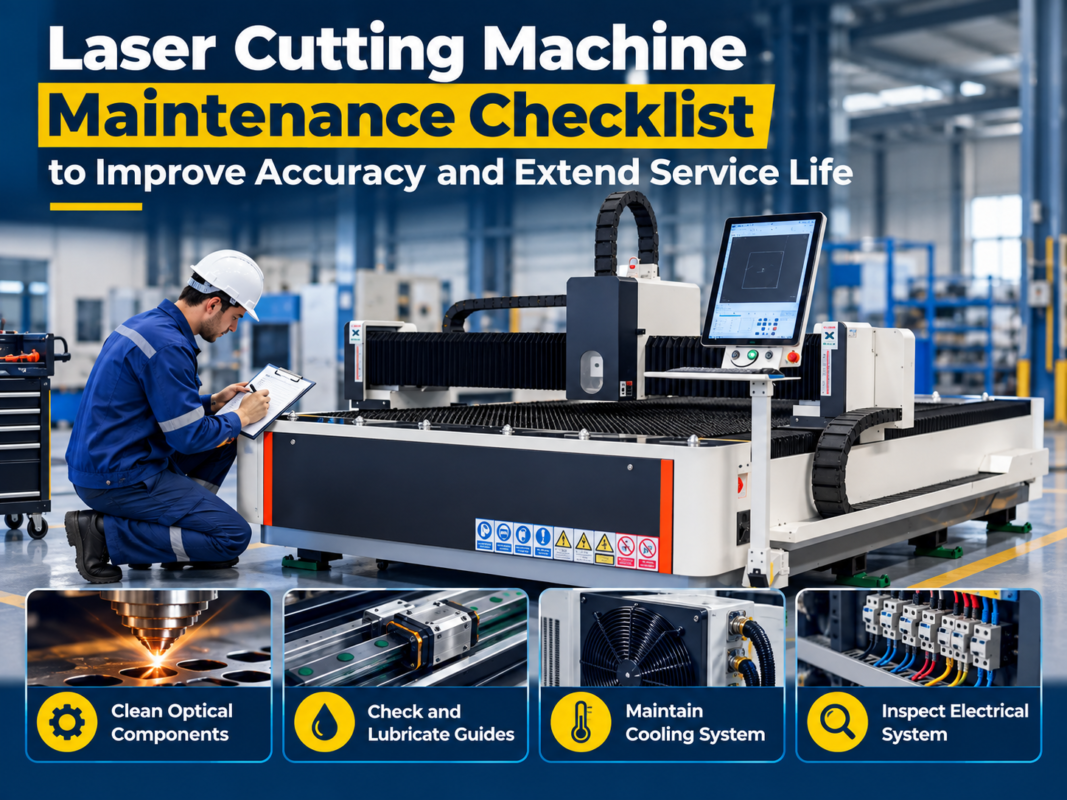
| Maintenance | Chiller fluid changes, rail lubrication, and filter replacements. | Low (preventative is key) |
| Space & Foundation | Reinforced flooring and dedicated space for gas tanks/chillers. | One-time Initial |
Gas consumption is often the most overlooked cost. High-power lasers cutting thick stainless steel with nitrogen can consume gas at a rapid rate. Many custom shops eventually invest in nitrogen generators to cap these costs. Additionally, the electricity required to run a 12kW laser and its cooling system can be substantial, requiring a robust industrial power supply.
ROI Calculation: When Will the Machine Pay for Itself?
Calculating the Return on Investment (ROI) for a laser cutting machine involves more than just looking at the hourly rate you charge customers. You must consider the “Total Cost of Ownership” vs. the “Total Value Created.”
1. Increased Throughput: A fiber laser can often replace two or three older CO2 lasers or mechanical punches. This speed allows you to take on more custom jobs without increasing your footprint or headcount.
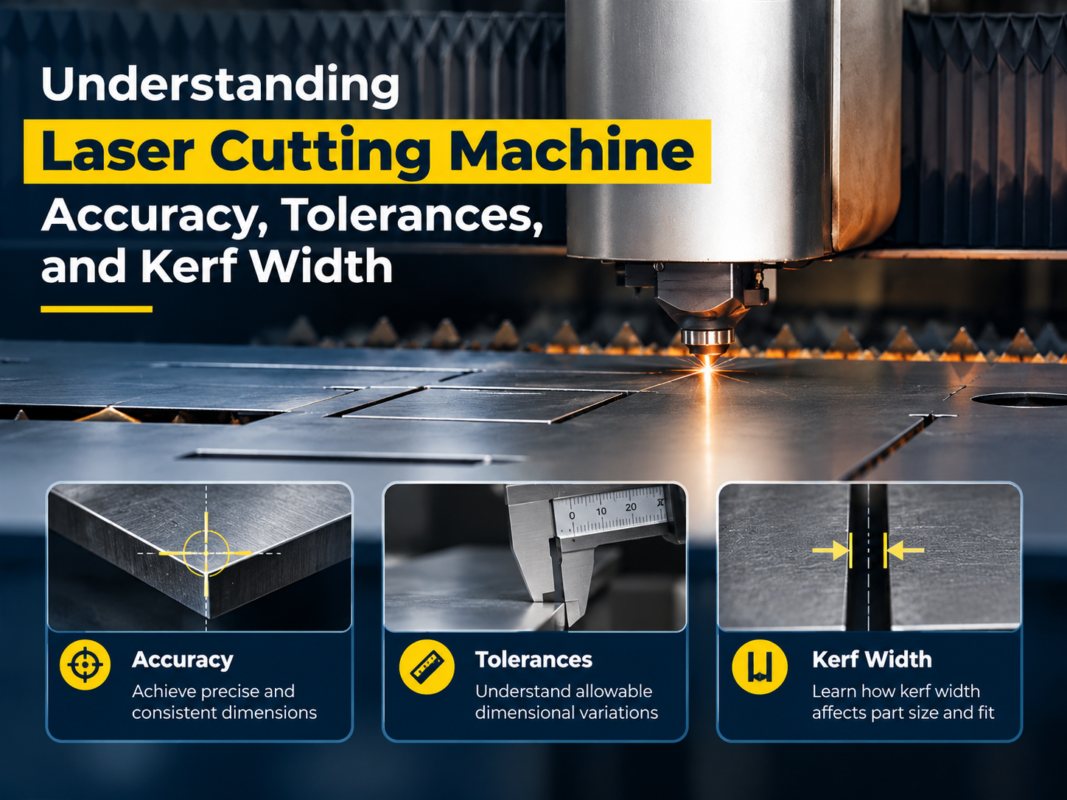
2. Material Savings: With a laser’s narrow kerf (cut width) and advanced nesting software, you can pack parts tighter on a sheet. In custom fabrication, where material costs (like 316 Stainless or Aerospace Aluminum) are high, a 5% improvement in material utilization can save thousands of dollars per month.
3. Secondary Process Elimination: The edge quality of a fiber laser is often so high that parts can go straight to welding or painting without needing deburring or grinding. Reducing labor-intensive secondary processes is a direct boost to your bottom line.
4. New Market Opportunities: Having a high-power laser allows you to bid on jobs you previously couldn’t handle, such as thick plate cutting or high-precision aerospace components. This expansion of your service offering is a key driver of ROI.
Buying Advice: A Checklist for Custom Fabricators
Before signing a purchase agreement, go through this checklist to ensure you are making the right choice for your specific business model:
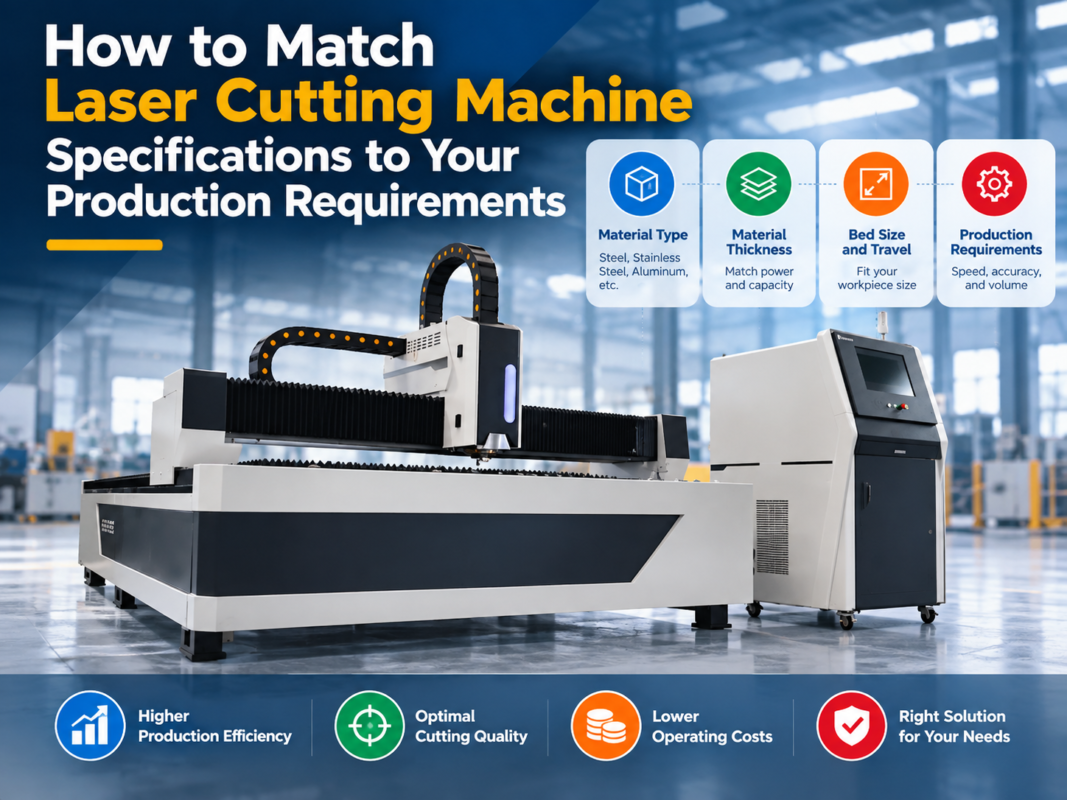
- Define Your Maximums: What is the thickest material you honestly need to cut? Don’t buy a 12kW machine if 95% of your work is under 10mm. However, don’t under-power yourself and lose the ability to handle that 5% of high-margin heavy work.
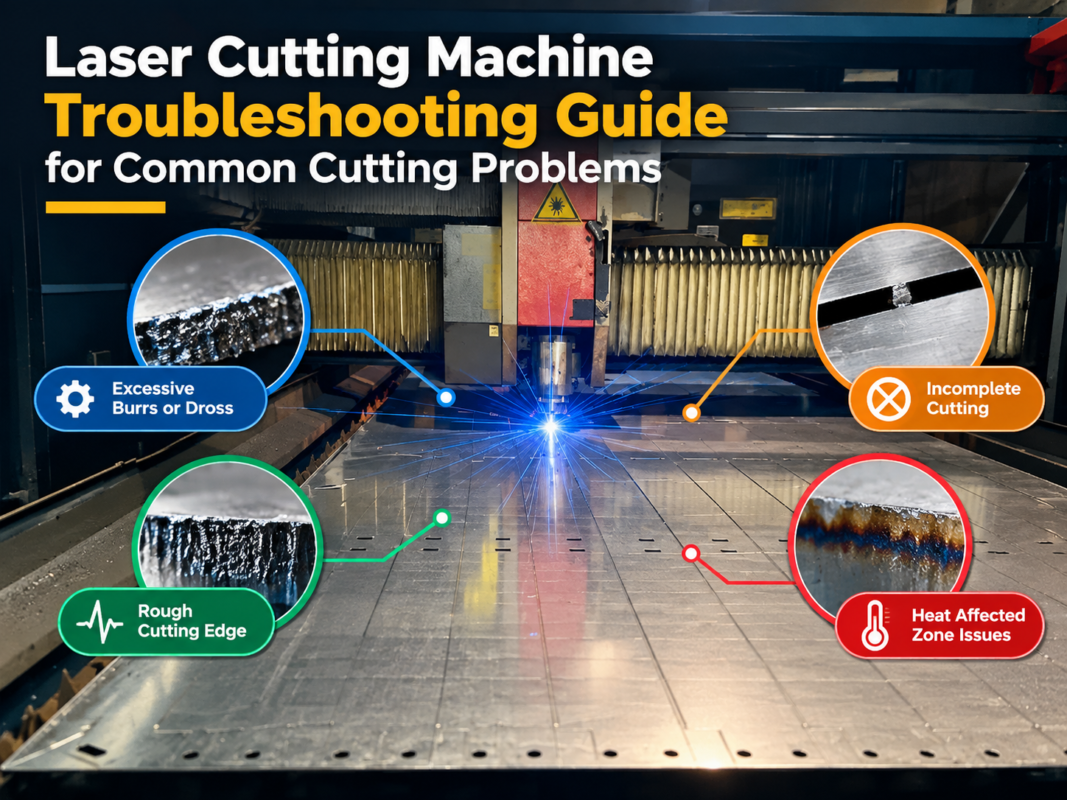
- Test Cut Your Materials: Send samples of your most common (and most difficult) materials to the manufacturer. Evaluate the edge quality, dross levels, and cutting speed.
- Check After-Sales Support: In custom fabrication, downtime is a killer. Ensure the manufacturer has a local or rapid-response service team and a ready supply of spare parts.
- Evaluate the Software: Is the interface intuitive? Can your current CAD/CAM team learn it quickly? Does it support the file types your customers typically send?
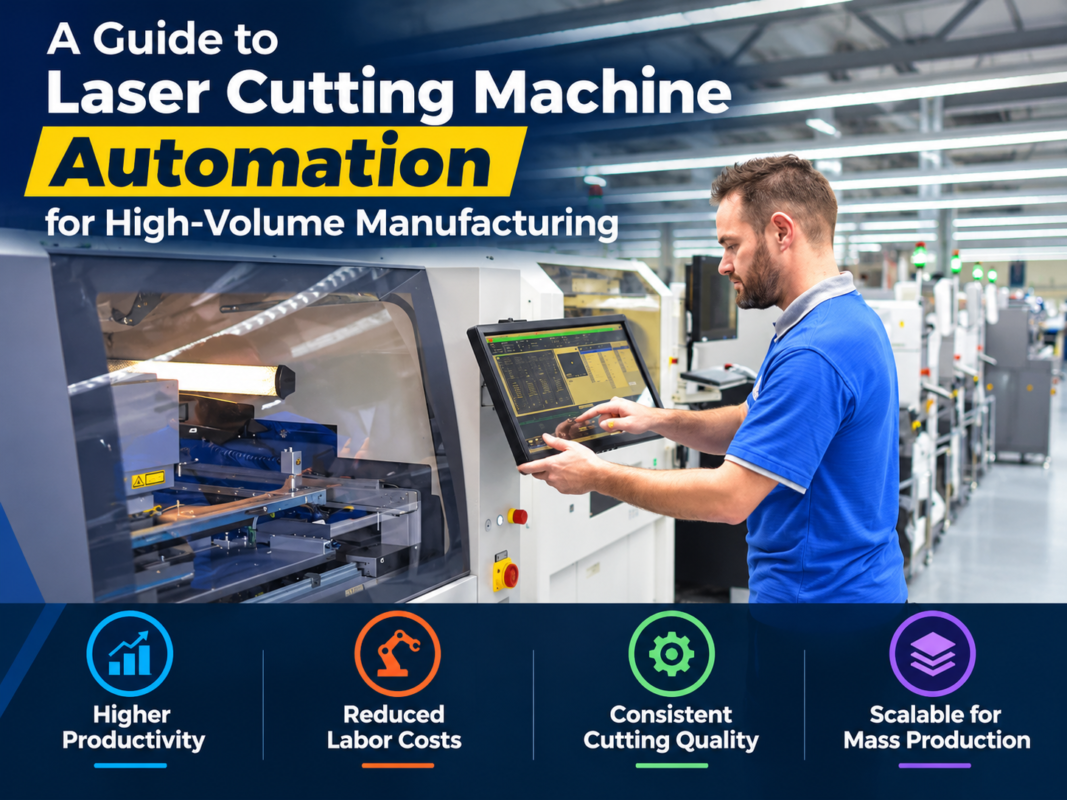
- Consider Future Automation: Even if you don’t need a loading robot now, choose a machine that is “automation-ready.” As your custom shop grows, adding a tower system or a robotic arm can further increase your competitiveness.
Frequently Asked Questions (FAQ)
What is the difference between Fiber and CO2 lasers for custom work?
Fiber lasers are more efficient, have no moving parts in the light-generating source, and are significantly faster at cutting thin to medium-thickness metals. They also handle reflective metals like copper and brass much better than CO2 lasers. CO2 lasers are now mostly reserved for specialized non-metal applications or very specific thick-plate edge requirements, though high-power fiber lasers have largely closed that gap.
How much power do I really need?
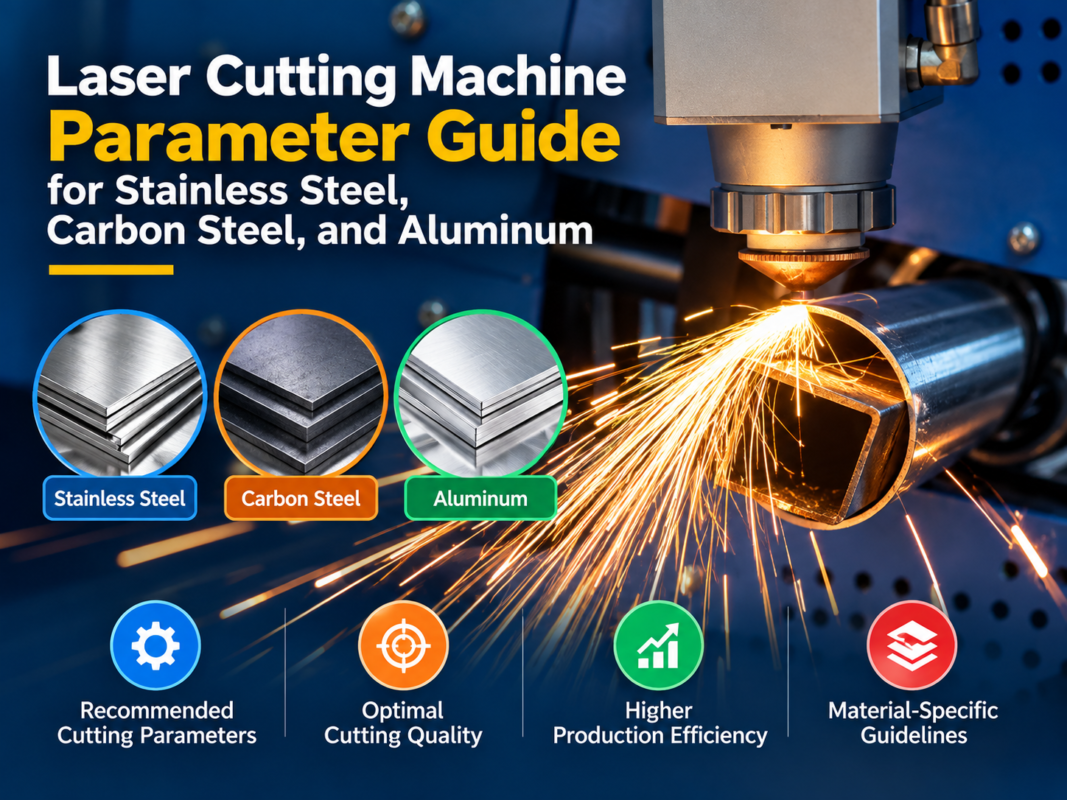
For most custom fabrication, a 3kW to 6kW source is the versatile choice. A 3kW laser can cut up to 20mm carbon steel (slowly) and 10mm stainless. A 6kW source significantly increases the speed on those thicknesses and allows for clean cutting of thicker materials. If you frequently cut over 20mm, consider 12kW or higher.
Can I cut aluminum and copper with any fiber laser?
Yes, fiber lasers are inherently better at cutting reflective materials due to their wavelength. However, you should ensure the machine has back-reflection protection to prevent damage to the laser source when cutting highly reflective materials like polished brass or pure copper.
What is the expected lifespan of a fiber laser source?
Most major manufacturers (IPG, Raycus) rate their laser diodes for 100,000 hours of operation. In a typical custom shop environment, this equates to over 10-15 years of service, assuming the chiller and environment are properly maintained.
Is compressed air cutting viable for custom jobs?
Absolutely. Cutting with high-pressure compressed air is a very popular way to reduce costs when cutting thin carbon steel and stainless steel. While the edge may have a slight oxide layer compared to nitrogen, it is often perfectly acceptable for parts that will be painted or for internal structural components.
Conclusion
To choose a laser cutting machine for custom metal fabrication jobs is to define the future trajectory of your workshop. By focusing on a balance of power, precision, and operational costs, you can select a machine that not only meets today’s demands but provides the scalability for tomorrow’s challenges. HARSLE remains committed to providing high-quality, reliable laser solutions that empower fabricators to push the boundaries of what is possible in metal processing. Invest wisely, prioritize support and build quality, and your laser cutting machine will become the most profitable asset in your facility.