CNC Punching Machine Guide: Features, Advantages, and Production Efficiency


Technical Overview of CNC Punching Machines
The CNC punching machine, or Computer Numerical Control turret punch press, represents a cornerstone of modern sheet metal fabrication. Unlike traditional manual presses, a CNC punching machine utilizes sophisticated software and high-precision mechanical or hydraulic systems to execute complex hole patterns, forms, and contours with remarkable speed. At its core, the machine consists of a C-frame or O-frame structure, a multi-station turret that houses various tools, and a high-speed positioning table that moves the sheet metal along the X and Y axes.
The evolution of CNC punching has transitioned from simple mechanical flywheels to advanced hydraulic and servo-electric drive systems. These modern drives allow for precise control over the ram’s stroke, enabling operations like embossing, louvers, and even small-scale bending within the punching cycle. The integration of CAD/CAM software allows engineers to design parts digitally and convert them into G-code, which the machine interprets to determine the exact coordinates and tool selections required for the job.
One of the defining characteristics of a high-end CNC punching machine is the turret configuration. Turrets can hold anywhere from 12 to over 50 tools, including ‘Auto-Index’ stations. Auto-index stations allow a tool to be rotated to any angle, significantly reducing the number of specialized tools needed and allowing for the creation of complex shapes using standard rectangular or round punches. This versatility is what makes the CNC punching machine a preferred choice for industries ranging from telecommunications and electronics to HVAC and automotive manufacturing.
Furthermore, the material handling aspect of these machines has seen significant upgrades. Modern systems often feature brush tables to protect sensitive surfaces (like stainless steel or aluminum) from scratching, or ball tables for heavier plates. The synergy between the mechanical precision of the turret and the digital intelligence of the CNC controller ensures that even the most intricate designs are executed with a tolerance often within +/- 0.1mm.
Core Parameters of CNC Punching Machines
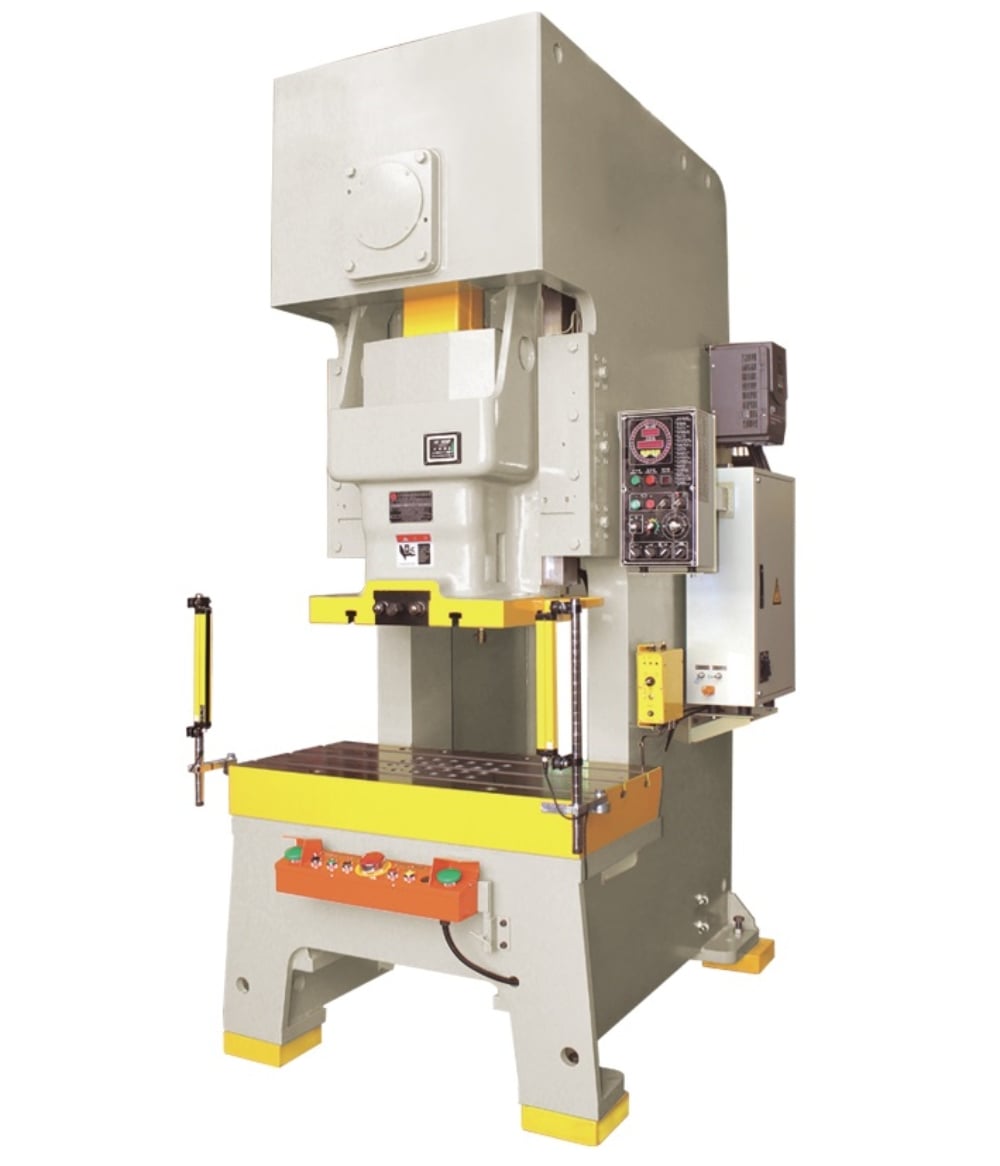
Understanding the core parameters of a CNC punching machine is essential for determining its suitability for specific production requirements. These parameters define the machine’s physical limits, speed, and precision. The most critical parameter is the Tonnage, which refers to the maximum force the ram can apply. Common tonnages range from 20 to 50 tons. A 30-ton machine is generally sufficient for most standard sheet metal work up to 6mm thickness, while heavier tonnages are required for thicker plates or larger hole diameters.
Another vital parameter is the Throat Depth. This is the distance from the center of the punch to the back of the machine frame. It determines the maximum width of the sheet that can be processed. For instance, a machine with a 1250mm throat depth can handle a sheet 1250mm wide, or 2500mm if the sheet is flipped. Combined with the Table Travel (the X and Y axis range), these dimensions dictate the maximum sheet size the machine can accommodate without repositioning.
Hit Rate and Positioning Speed are the primary drivers of production efficiency. Hit rate is measured in hits per minute (HPM) and is usually specified for both 25.4mm centers and nibbling modes. High-end machines can exceed 1000 HPM in nibbling mode. Positioning speed refers to how fast the X and Y axes move the sheet between hits, often reaching speeds of 80-120 meters per minute. Faster positioning reduces the non-productive time between punches, which is crucial for high-volume manufacturing.
Finally, the Turret Capacity and Tool Change Time influence the machine’s flexibility. A larger turret allows for a wider variety of tools to be loaded simultaneously, reducing the need for manual tool changes between different jobs. Modern CNC controllers also track tool wear and life cycles, ensuring that the parameters remain consistent throughout the production run. Accuracy parameters, such as positioning accuracy and repeatability, are also fundamental, typically measured in microns to ensure part consistency across thousands of units.
Calculation Method for Punching Force
To ensure the longevity of the CNC punching machine and the quality of the finished part, it is critical to calculate the required punching force (tonnage) before starting a job. Exceeding the machine’s rated tonnage can lead to frame deflection, tool breakage, or catastrophic hydraulic failure. The basic formula for calculating the punching force (P) in kilonewtons (kN) or tons is based on the shear strength of the material, the thickness of the sheet, and the perimeter of the hole.
The standard formula is: P = L × t × τ / 1000
Where:
– P is the punching force (kN).
– L is the perimeter of the hole (mm). For a round hole, L = π × d. For a square hole, L = 4 × side length.
– t is the material thickness (mm).
– τ is the shear strength of the material (N/mm²).
For example, if you are punching a 50mm diameter round hole in 3mm thick mild steel (with a shear strength of approximately 400 N/mm²), the calculation would be:
L = 3.14159 × 50 = 157.08 mm
P = 157.08 × 3 × 400 / 1000 = 188.5 kN.
To convert kN to tons, divide by 9.81: 188.5 / 9.81 ≈ 19.2 tons.
It is a standard engineering practice to add a 15-20% safety margin to this calculated value to account for tool dulling and material variations. Therefore, for a 19.2-ton requirement, a 25-ton or 30-ton machine would be the appropriate choice. Additionally, using tools with shear (angled cutting edges) can reduce the required force by up to 30%, allowing larger holes to be punched on lower-tonnage machines.
CNC Punching Machine Parameter Table
The following table provides a comparative overview of typical specifications for different classes of CNC punching machines. These values are representative of industry standards and help in the initial selection process.
| Parameter | Entry-Level (Mechanical) | Mid-Range (Hydraulic) | High-Performance (Servo) |
|---|---|---|---|
| Nominal Force (Tons) | 20 – 25 | 30 | 30 – 50 |
| Max. Sheet Thickness (mm) | 3.2 – 4.0 | 6.35 | 6.35 – 8.0 |
| Positioning Accuracy (mm) | ± 0.15 | ± 0.10 | ± 0.05 |
| Max. Hit Rate (HPM – 25.4mm) | 200 – 300 | 400 – 600 | 800 – 1200 |
| Turret Stations | 12 – 24 | 24 – 36 | 36 – 58+ |
| X/Y Axis Speed (m/min) | 40 – 60 | 80 – 100 | 100 – 128 |
| Auto-Index Stations | 0 – 2 | 2 – 4 | 4 – 8 |
Common Engineering Mistakes in CNC Punching
Even with advanced CNC technology, engineering and operational mistakes can lead to poor part quality and increased costs. One of the most common errors is incorrect die clearance. The clearance is the gap between the punch and the die. If the clearance is too small, it causes excessive tool wear and increases the required punching force. If it is too large, it results in large burrs and a poor edge finish. Generally, die clearance should be 15-20% of the material thickness, but this varies based on material type (e.g., stainless steel requires tighter clearance than aluminum).
Another frequent mistake is ignoring slug pulling. This occurs when the scrap metal (the slug) sticks to the punch as it retracts, potentially landing on the sheet and being pressed into the next part. This can damage the workpiece and the tooling. Using polyurethane strippers, vacuum slug removal systems, or specially designed “slug-hugger” dies can mitigate this issue. Engineers must also be wary of work hardening, especially in stainless steel. If a nibbling process is too slow or uses overlapping hits that are too small, the material can harden, making subsequent hits much more difficult and damaging to the tools.
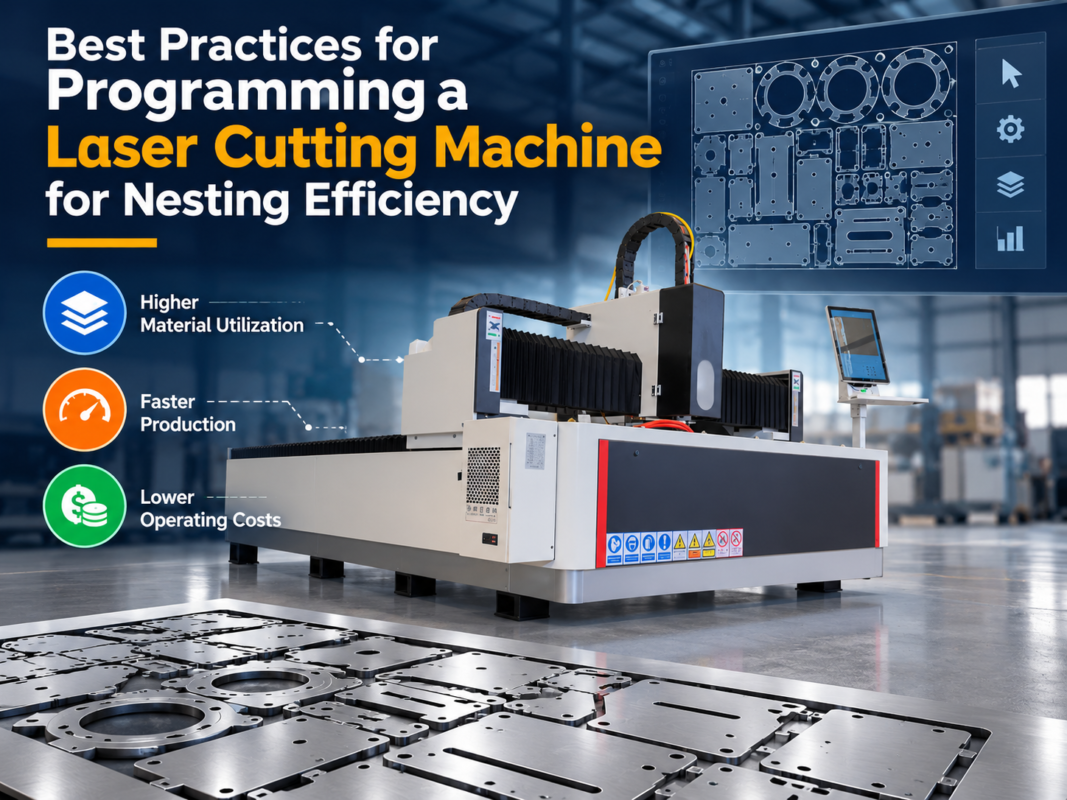
Poor nesting strategies also contribute to inefficiency. Nesting is the process of arranging parts on a sheet to minimize waste. Failing to account for the “clamp dead zone” (the area where the machine clamps hold the sheet) can lead to collisions or wasted material. Furthermore, engineers often overlook the importance of tool lubrication. Proper lubrication reduces friction, heat buildup, and galling (material transfer from the sheet to the tool), significantly extending tool life and improving the surface finish of the punched holes.
Finally, neglecting preventative maintenance is a critical error. CNC punching machines are high-precision instruments that operate under high stress. Failure to regularly check hydraulic oil levels, clean the turret bores, or calibrate the X/Y axes can lead to cumulative errors. A machine that is out of alignment by even a fraction of a millimeter can produce parts that fail quality control, leading to expensive scrap and production delays.
Selection Checklist for CNC Punching Machines
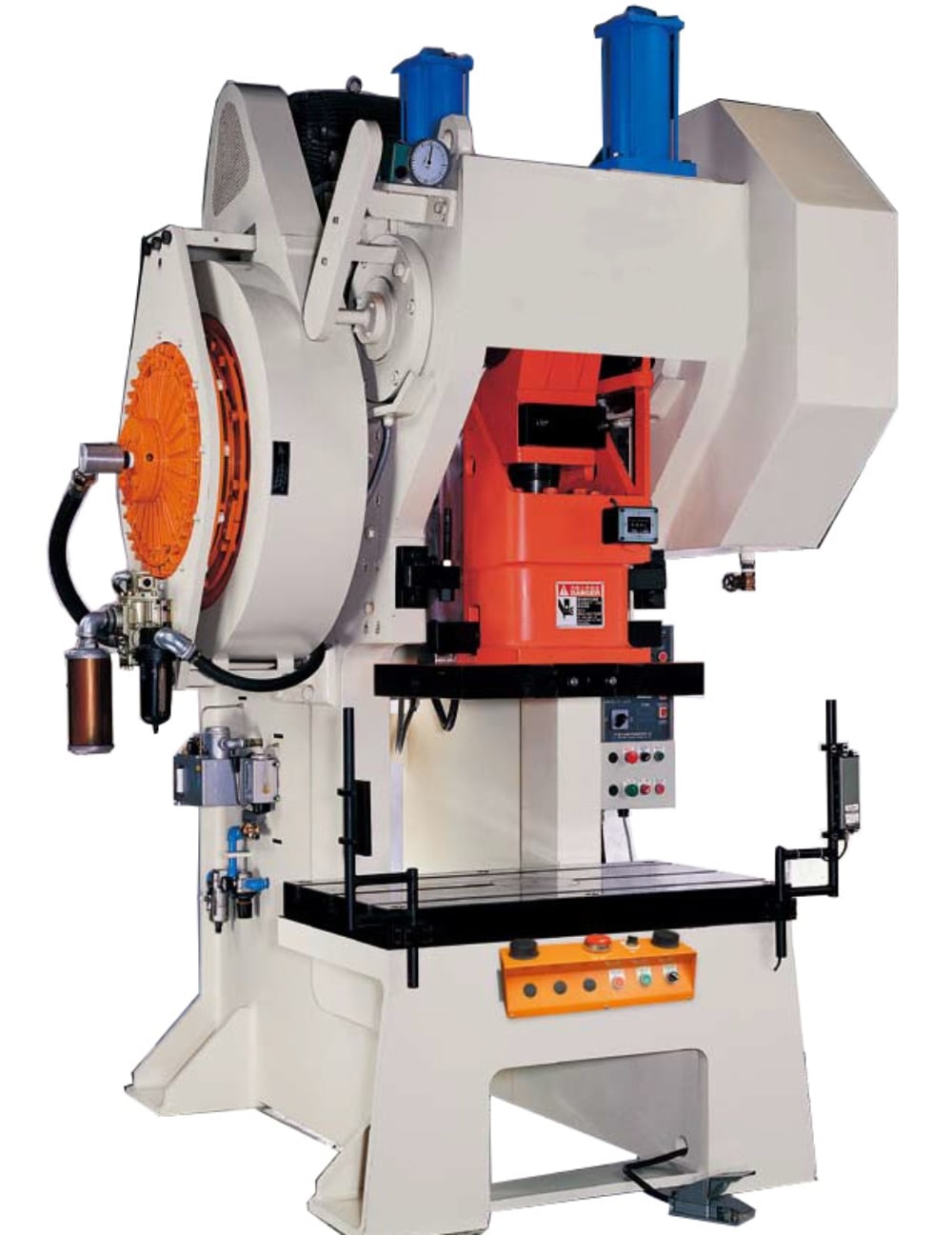
Choosing the right CNC punching machine requires a systematic evaluation of your current production needs and future growth projections. Use the following checklist to guide your decision-making process:
- Material Specifications: What is the maximum thickness and type of material you will process? Ensure the machine’s tonnage and frame strength are rated for your toughest materials (e.g., stainless steel vs. mild steel).
- Sheet Size Requirements: Determine the largest sheet dimensions you plan to use. Consider whether you need a machine with a large throat depth or if you are comfortable with sheet repositioning (which can slightly affect accuracy).
- Production Volume: For high-volume runs, prioritize hit rate and positioning speed. For diverse, low-volume runs, prioritize turret capacity and the number of auto-index stations to minimize setup times.
- Tooling Compatibility: Check if the machine uses standard “Thick Turret” or “Thin Turret” tooling. Thick turret tooling is generally more robust and widely available from third-party vendors.
- Software Integration: Ensure the machine’s controller is compatible with your existing CAD/CAM software. Look for features like automatic nesting, 3D simulation, and remote diagnostics.
- Automation Options: Consider if you need future-proofing features like automatic sheet loaders, unloaders, or part sorting systems. Even if not purchased immediately, the machine should be “automation-ready.”
- After-Sales Support: Evaluate the manufacturer’s reputation for service, spare parts availability, and technical training. A machine is only as good as the support behind it.
- Energy Efficiency: Modern servo-electric machines consume significantly less power than traditional hydraulic systems. Calculate the long-term energy savings against the higher initial investment.
Frequently Asked Questions (FAQ)
1. What is the difference between a CNC punching machine and a laser cutting machine?
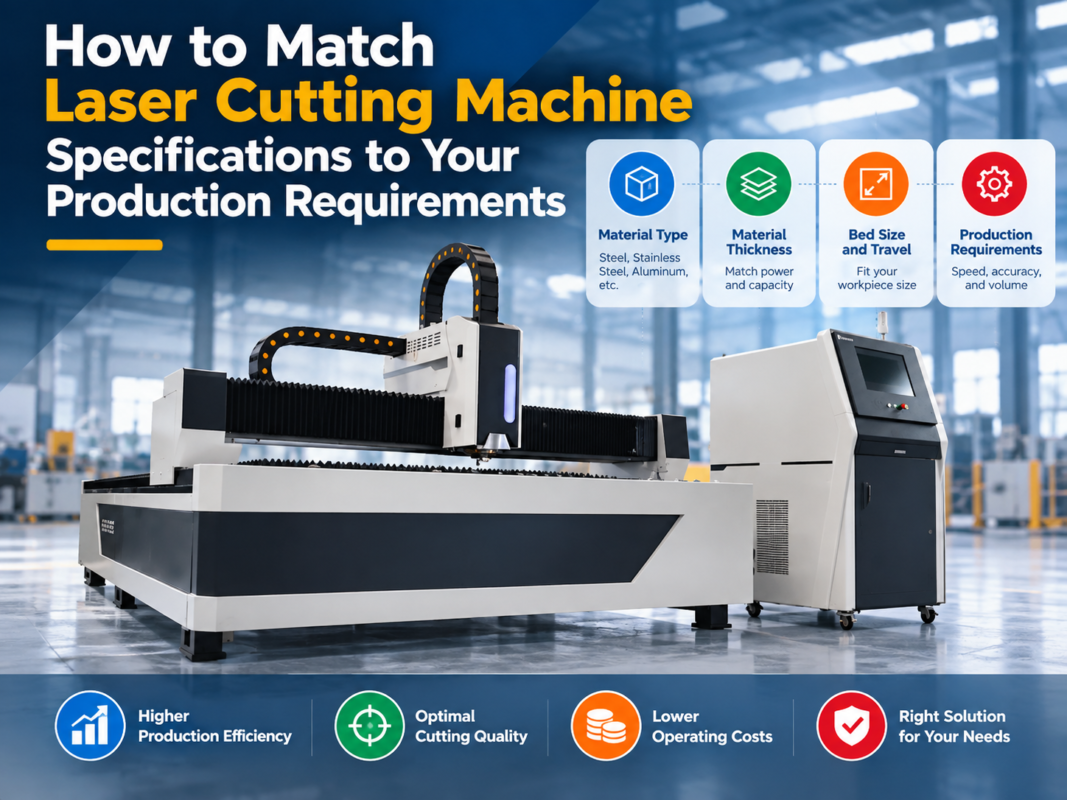
While both machines cut sheet metal, they use different methods. A CNC punching machine uses physical tools to punch holes and can also perform forming operations like louvers and embossing. It is generally faster and more cost-effective for repetitive hole patterns. A laser cutting machine uses a high-powered light beam to melt material, offering more flexibility for complex, organic shapes without the need for specific tooling, but it cannot perform forming operations.
2. How often should I sharpen the punching tools?
Tool sharpening frequency depends on the material being punched and the number of hits. As a rule of thumb, tools should be inspected every 50,000 to 100,000 hits. Signs that sharpening is needed include increased burr height on the parts, a change in the sound of the punch, or visible rounding of the tool edges. Regular light sharpening is better than waiting for the tool to become significantly dull.
3. Can a CNC punching machine handle thick plates?
Most standard CNC turret punch presses are designed for sheet metal up to 6.35mm (1/4 inch). However, heavy-duty models with higher tonnage (50 tons or more) can handle plates up to 8mm or 10mm. For materials thicker than this, other methods like plasma cutting or waterjet cutting are typically more appropriate.
4. What is ‘Nibbling’ in CNC punching?
Nibbling is a process where the machine makes a series of overlapping punches with a small tool (usually a round or rectangular punch) to create a larger opening or a contoured shape. While effective for creating custom shapes without special tools, it is slower than using a single large punch and leaves a slightly scalloped edge that may require deburring.
5. Why is ‘Auto-Index’ important?
Auto-index stations allow the CNC controller to rotate the tool to any programmed angle. This is incredibly useful for cutting diagonal lines or rotating a rectangular tool to different orientations without needing multiple tools in the turret. It maximizes the versatility of the turret and reduces the total number of tools a shop needs to own.
Conclusion: Maximizing Production Efficiency
The CNC punching machine remains an indispensable asset in the metal fabrication industry due to its unique blend of speed, precision, and multi-functional capabilities. By understanding the technical nuances—from tonnage calculations to the importance of die clearance—manufacturers can significantly enhance their production efficiency. The transition toward servo-electric drives and integrated automation further solidifies the punching machine’s role in the era of Industry 4.0, offering a sustainable and highly productive solution for complex sheet metal components.
Investing in a high-quality machine from a reputable manufacturer like HARSLE ensures that you have the mechanical reliability and technological edge required to compete in today’s fast-paced market. Whether you are producing simple brackets or complex electronic enclosures, mastering the features and advantages of your CNC punching machine is the key to achieving superior quality and optimal throughput.