Shearing Machine Overheats During Operation: What to Check First


Introduction
In the high-stakes environment of metal fabrication, the shearing machine serves as a cornerstone of production efficiency. However, when a shearing machine overheats during operation, it signals a potential breakdown that can lead to costly downtime, damaged components, and compromised safety. Understanding why a shearing machine overheats during operation and knowing what to check first is essential for every plant manager and machine operator.
Overheating is rarely a singular event; it is usually a symptom of an underlying mechanical or hydraulic imbalance. Whether you are operating a heavy-duty hydraulic shear or a mechanical guillotine, thermal management is critical to maintaining the precision and longevity of your equipment. This guide provides a comprehensive look at the diagnostic steps required to keep your HARSLE machinery running at peak performance.
When a machine runs hot, the viscosity of the hydraulic oil changes, seals begin to degrade, and the structural integrity of the blades can be affected. By addressing the root cause early, you prevent minor friction from escalating into a catastrophic failure. This article will walk you through the diagnostic hierarchy, ensuring you know exactly where to look when the temperature gauge starts to climb.
At HARSLE, we emphasize that proactive maintenance is the most effective way to avoid thermal issues. By integrating regular checks into your daily workflow, you ensure that your metal fabrication equipment remains a reliable asset rather than a maintenance liability. Let us dive into the technical aspects of heat management in industrial shearing environments.

Key Considerations: Why Shearing Machine Overheats During Operation: Check First
When a shearing machine overheats during operation, the first thing to check is the hydraulic oil level and condition. Hydraulic systems are the lifeblood of modern shearing machines, and they rely on oil not just for power transmission, but for heat dissipation. If the oil level is low, the system must work harder to maintain pressure, leading to rapid heat buildup. Furthermore, degraded or contaminated oil loses its lubricating properties, increasing friction within the pump and valves.
The second critical area to inspect is the cooling system. Most industrial shears are equipped with air-cooled or water-cooled heat exchangers. If the cooling fins are clogged with dust, metal shavings, or debris, the heat exchanger cannot effectively transfer heat away from the hydraulic fluid. A simple visual inspection of the fan and radiator assembly can often reveal the culprit behind a sudden temperature spike.
Thirdly, consider the load and duty cycle of the machine. Every shearing machine has a rated capacity for material thickness and tensile strength. If you are consistently pushing the machine to its absolute limit, or if you are shearing materials that exceed the manufacturer’s specifications, the motor and hydraulic pump will generate excessive heat. Always verify that the material being processed aligns with the machine’s technical documentation.
Finally, check for internal leakage. If a valve is stuck or a seal is failing, hydraulic fluid may be bypassing the main circuit and returning to the tank under high pressure. This “throttling” effect is a common cause of localized overheating. Listen for unusual hissing sounds or vibrations that might indicate a pressure relief valve is stuck in an open or partially open position.
Technical Details: Analyzing Hydraulic and Mechanical Stress
To understand why a shearing machine overheats during operation, one must look at the relationship between pressure and flow. In a hydraulic shearing machine, the pump converts mechanical energy into hydraulic energy. If the system pressure is set too high, or if the relief valve is improperly calibrated, the excess energy is converted directly into heat rather than useful work. This is why regular calibration of the pressure relief valves is a non-negotiable maintenance task.
The condition of the shearing blades also plays a significant role in thermal management. Dull blades require significantly more force to penetrate the metal. This increased force translates to higher system pressure and longer cycle times, both of which contribute to heat generation. Keeping your blades sharp and properly gapped is not just about cut quality; it is a fundamental aspect of machine health and energy efficiency.
Electrical components, specifically the main drive motor, can also contribute to overheating. If the motor is drawing excessive current, it may be due to mechanical binding in the ram guides or an overloaded drive train. Check the motor’s amperage draw against the nameplate specifications. If the motor is running hot to the touch, it may indicate a bearing failure or an electrical fault that requires immediate professional attention.
Environmental factors cannot be ignored. If the shearing machine is located in a poorly ventilated area or near other heat-generating equipment, the ambient temperature will naturally limit the machine’s ability to shed heat. Ensure that there is adequate clearance around the machine for airflow and consider installing industrial fans or climate control systems if the facility environment is consistently hot.
Selection Advice: Choosing the Right Equipment for Your Needs
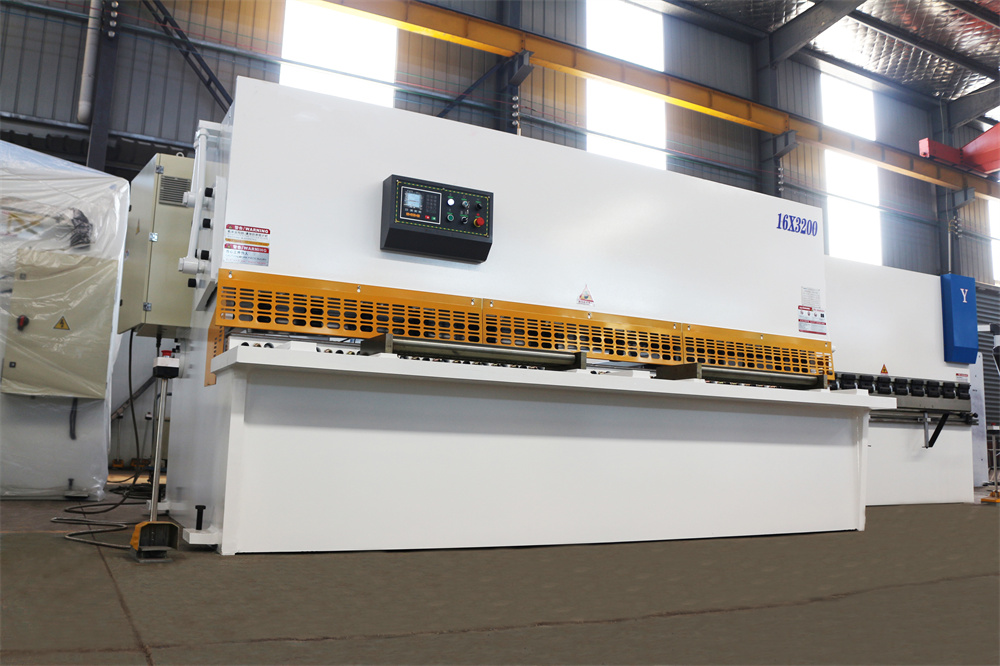
When selecting a shearing machine, preventing overheating starts at the procurement stage. You must choose a machine that is appropriately sized for your typical workload. If your production line requires 24/7 operation with heavy-gauge steel, a light-duty machine will inevitably overheat. Investing in a machine with a higher duty cycle rating and a robust cooling system is a long-term cost-saving strategy.
Look for machines that feature advanced thermal management systems. Modern HARSLE shearing machines often come equipped with integrated temperature sensors that provide real-time feedback to the PLC. These systems can automatically adjust cycle times or trigger auxiliary cooling fans when temperatures reach a critical threshold, protecting the machine from operator error or extreme environmental conditions.
Consider the type of hydraulic system used. Variable displacement pumps, for example, are generally more energy-efficient and generate less heat than fixed displacement pumps because they only deliver the necessary amount of oil for the task at hand. While the initial investment may be higher, the reduction in heat and energy consumption often pays for itself within a few years of operation.
Finally, prioritize machines with accessible maintenance points. If it is difficult to reach the hydraulic tank, the filters, or the heat exchanger, your maintenance team is less likely to perform these tasks regularly. A well-designed machine should allow for quick, easy access to all critical components, ensuring that your “check first” list can be completed in minutes rather than hours.
FAQ: Common Questions About Shearing Machine Overheating
- Q: How often should I change the hydraulic oil to prevent overheating?
A: Generally, hydraulic oil should be changed every 2,000 to 4,000 operating hours, or sooner if the oil appears dark or has a burnt smell. Always follow the manufacturer’s specific maintenance schedule. - Q: Can a low oil level cause the machine to overheat?
A: Yes. Low oil levels reduce the system’s ability to dissipate heat and can cause the pump to cavitate, which generates significant internal heat and can destroy the pump. - Q: What is the ideal operating temperature for a shearing machine?
A: Most hydraulic systems operate optimally between 40°C and 60°C (104°F – 140°F). Temperatures exceeding 70°C (158°F) can cause rapid degradation of seals and oil. - Q: Does the blade gap setting affect machine temperature?
A: Yes. An incorrect blade gap increases the force required to shear the material, which puts more strain on the hydraulic system and increases heat generation. - Q: What should I do if the machine overheats despite a clean cooling system?
A: Check the pressure relief valve settings and inspect the hydraulic pump for internal wear. If the pump is worn, it may be bypassing fluid internally, which creates heat without performing work.
Conclusion
When a shearing machine overheats during operation, it is a clear signal that the system is under stress. By following the “check first” approach—starting with hydraulic oil levels, moving to the cooling system, and evaluating blade condition and load—you can quickly identify the source of the problem. Remember that heat is the enemy of precision and longevity in metal fabrication equipment.
Maintaining your HARSLE shearing machine requires a combination of vigilance, proper operation, and scheduled maintenance. Do not ignore the warning signs of rising temperatures. By addressing these issues early, you ensure that your equipment remains a productive, safe, and reliable part of your manufacturing facility for years to come. If you are ever in doubt, consult your machine’s manual or reach out to our technical support team for expert guidance on your specific model.
Ultimately, the goal is to create a culture of maintenance where overheating is prevented rather than reacted to. Keep your machine clean, your oil fresh, and your blades sharp. With these practices in place, your shearing machine will continue to deliver the high-precision results that your business demands.