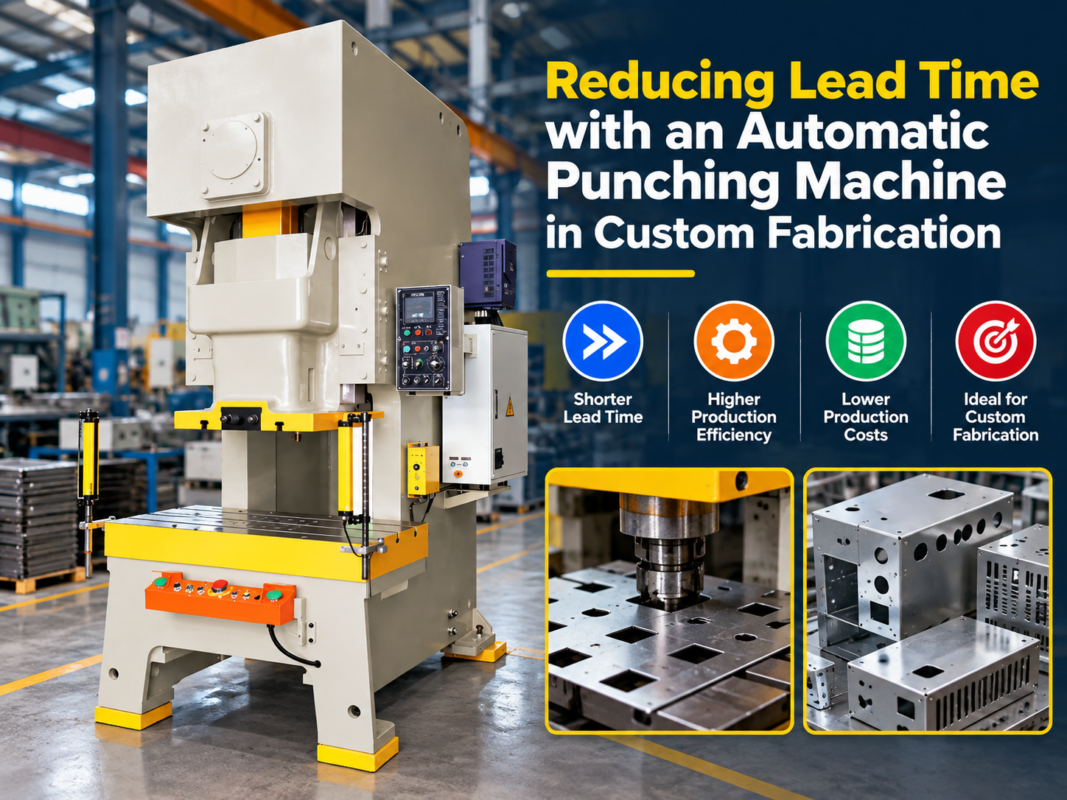
Punching Machine for Appliance Panel Manufacturing: Performance and ROI Case Study


Introduction to High-Efficiency Punching in Appliance Manufacturing
In the competitive landscape of modern appliance manufacturing, the precision and speed of sheet metal processing are the primary determinants of market success. Whether producing refrigerator doors, washing machine chassis, or oven panels, manufacturers require robust equipment that balances high-speed throughput with impeccable surface finish. HARSLE has emerged as a leader in this sector, providing advanced punching solutions designed to meet the rigorous demands of global appliance brands.
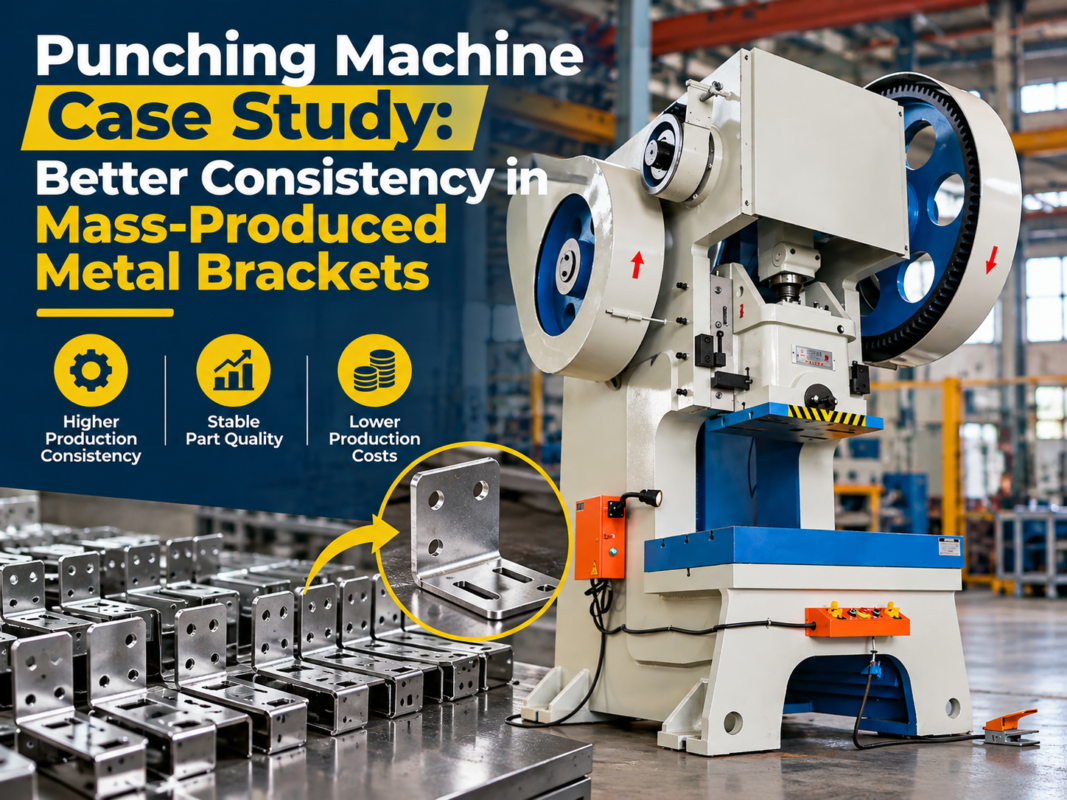
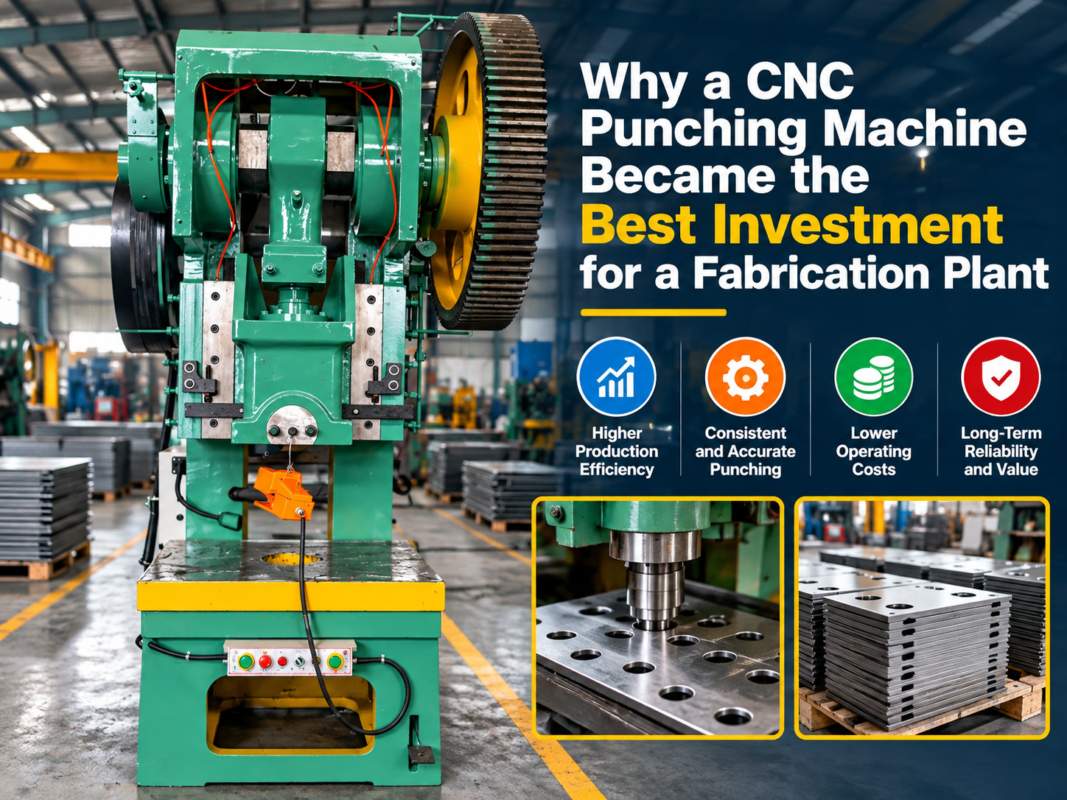
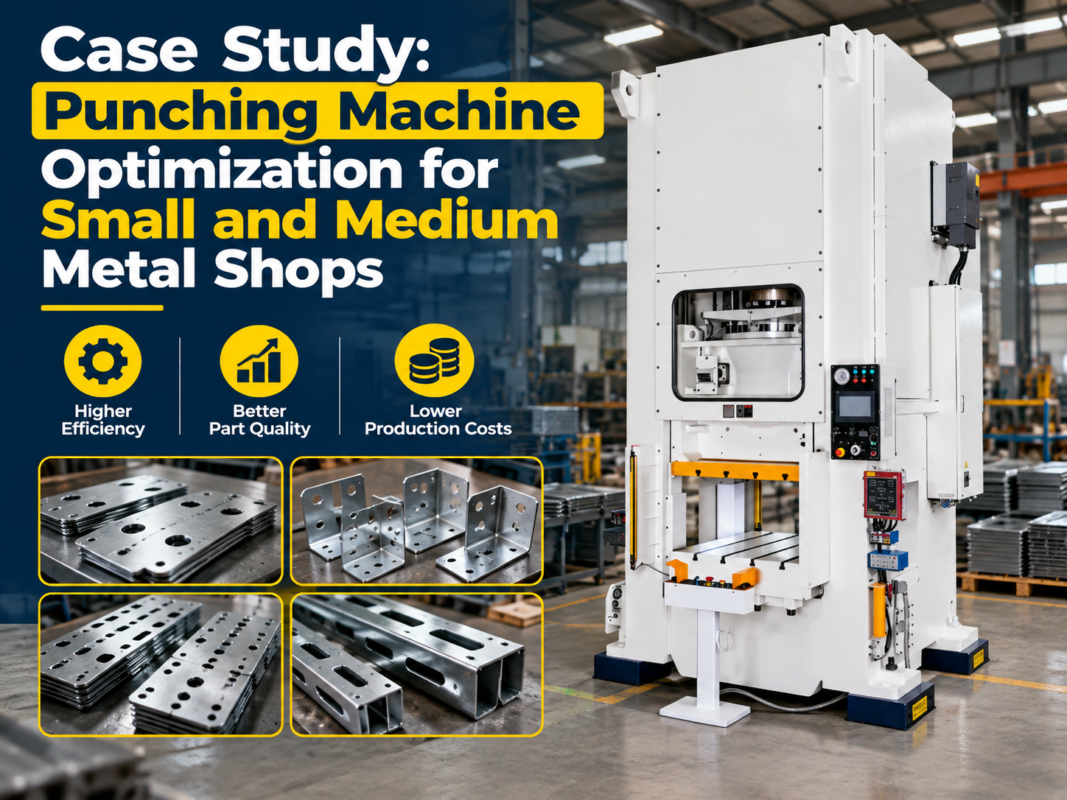
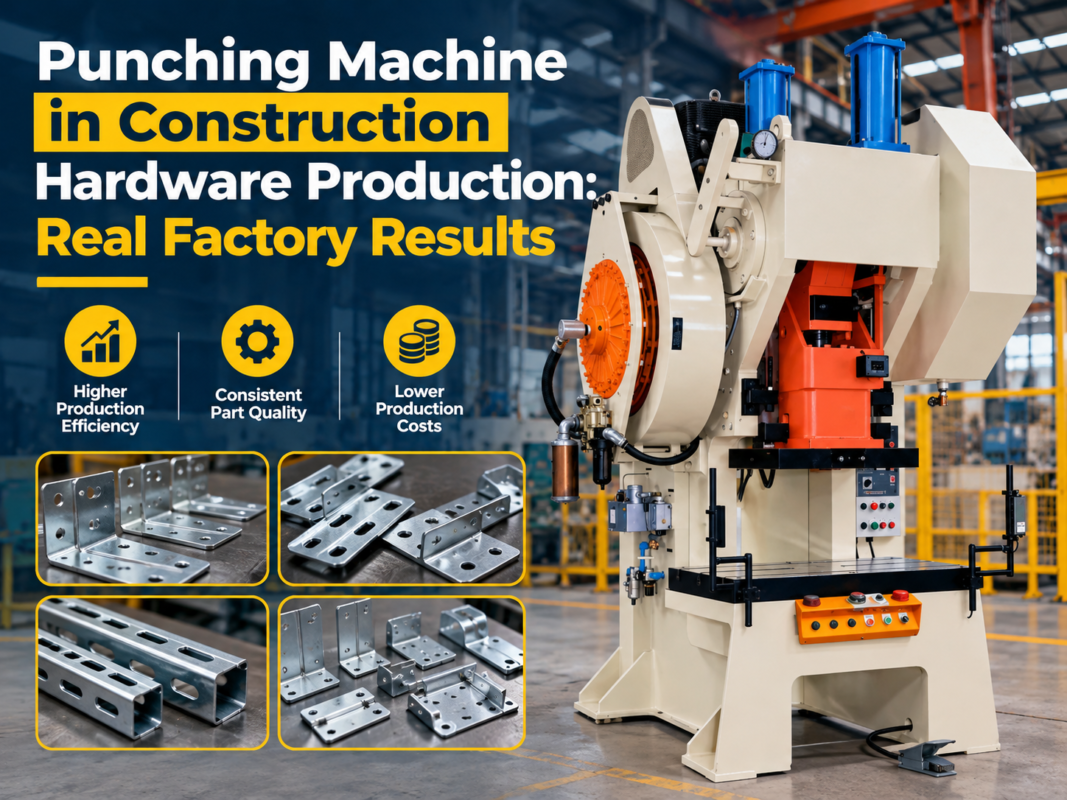
This article explores the critical role of the Punching Machine for Appliance Panel Manufacturing: Performance and ROI Case Study. By analyzing the integration of CNC punching technology into high-volume production lines, we uncover how manufacturers can transition from legacy systems to automated, high-precision workflows. The focus is not merely on the machine itself, but on the holistic impact of technology adoption on operational profitability and long-term asset management.
The appliance industry is characterized by rapid design iterations and the need for complex hole patterns, louvers, and embossed features. A standard punching machine often falls short in these scenarios, leading to bottlenecks in the fabrication process. HARSLE’s specialized punching solutions address these challenges by offering multi-tool turrets and high-speed hydraulic or servo-driven systems that ensure consistency across thousands of units.
Through this comprehensive guide, we will examine the technical specifications that define top-tier performance, the financial metrics that justify capital expenditure, and the strategic considerations for selecting the right machinery. By understanding the intersection of mechanical capability and economic return, factory managers can make informed decisions that drive sustainable growth in a demanding industrial environment.
Key Considerations for Appliance Panel Fabrication
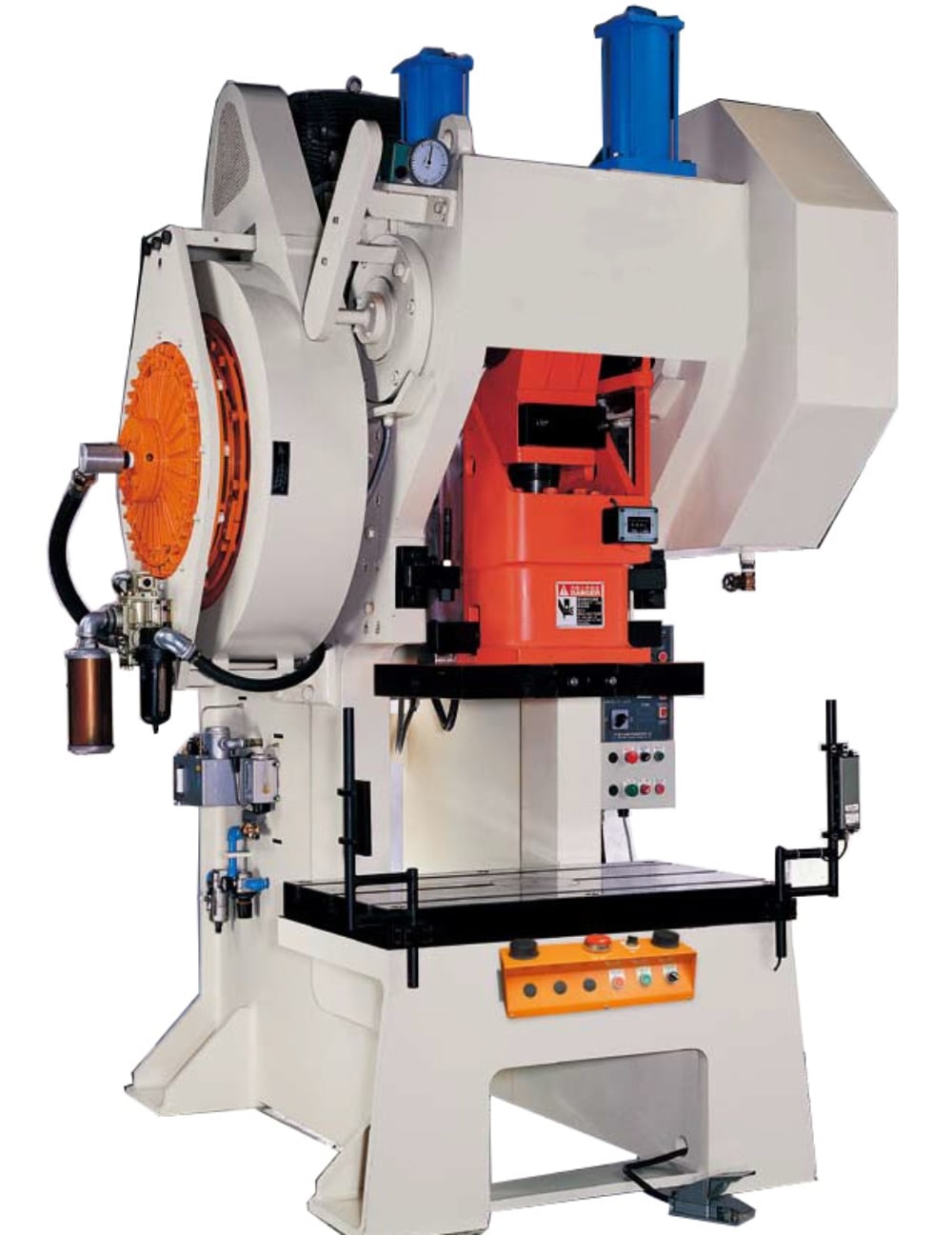
When selecting a punching machine for appliance panel manufacturing, the primary consideration is the material versatility. Appliance panels are typically manufactured from cold-rolled steel, stainless steel, or pre-coated metals. Each material reacts differently to the punching force, requiring machines with adjustable pressure settings and specialized tool coatings to prevent surface marring or material deformation.
Another critical factor is the complexity of the panel design. Modern appliances often feature intricate ventilation patterns, mounting holes for electronic components, and aesthetic embossing. A machine capable of handling complex tool rotations and high-frequency punching cycles is essential. The ability to perform ‘nibbling’ operations without leaving burrs is a hallmark of high-quality fabrication that reduces secondary finishing costs.
Automation integration is no longer optional in the appliance industry. The ability to connect the punching machine to automated loading and unloading systems significantly reduces labor costs and increases the safety of the production environment. HARSLE systems are designed with modularity in mind, allowing manufacturers to start with a standalone unit and scale up to a fully automated cell as production volume demands increase.
Finally, energy efficiency and maintenance requirements must be evaluated. In a 24/7 manufacturing environment, downtime is the enemy of ROI. Machines that utilize servo-electric drives rather than traditional hydraulic systems often provide better energy efficiency and require less frequent maintenance, leading to a lower total cost of ownership over the machine’s lifecycle.
Technical Details and Performance Metrics
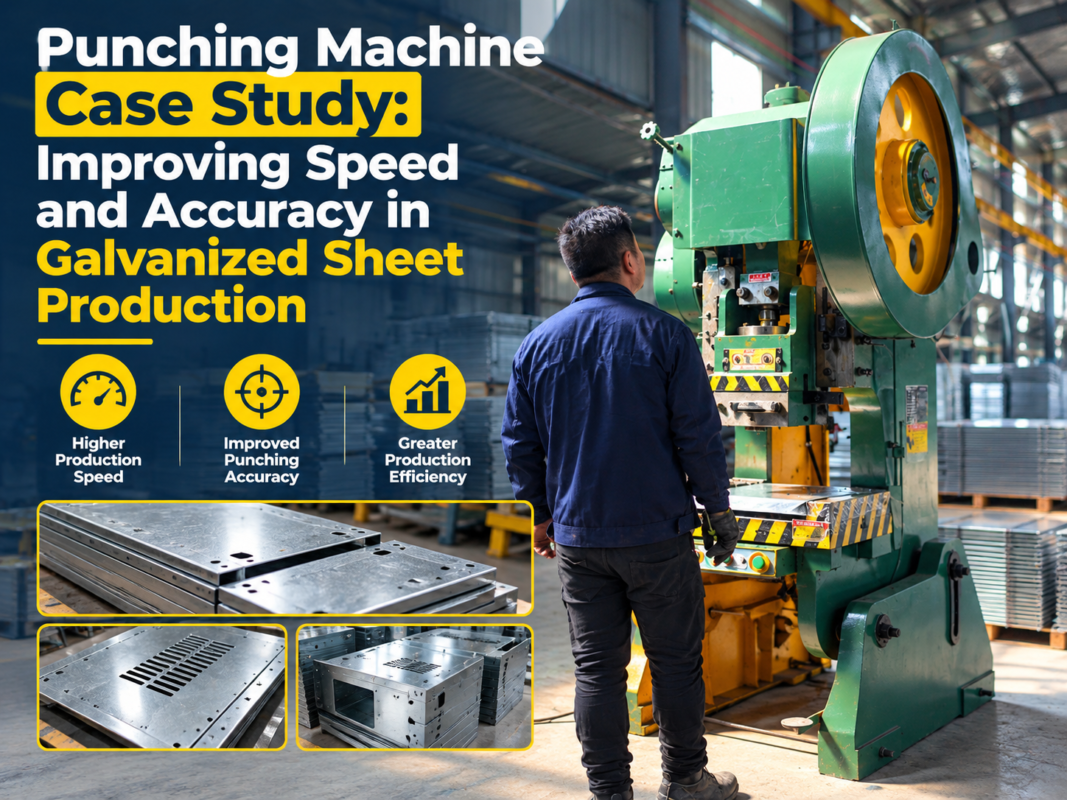
The performance of a punching machine is measured by its hit rate, positioning accuracy, and tool change speed. For appliance panels, a hit rate of 600 to 1000 hits per minute is often required to maintain the pace of downstream assembly lines. HARSLE’s latest generation of punching machines utilizes advanced servo-drive technology to achieve these speeds while maintaining a positioning accuracy of ±0.1mm.
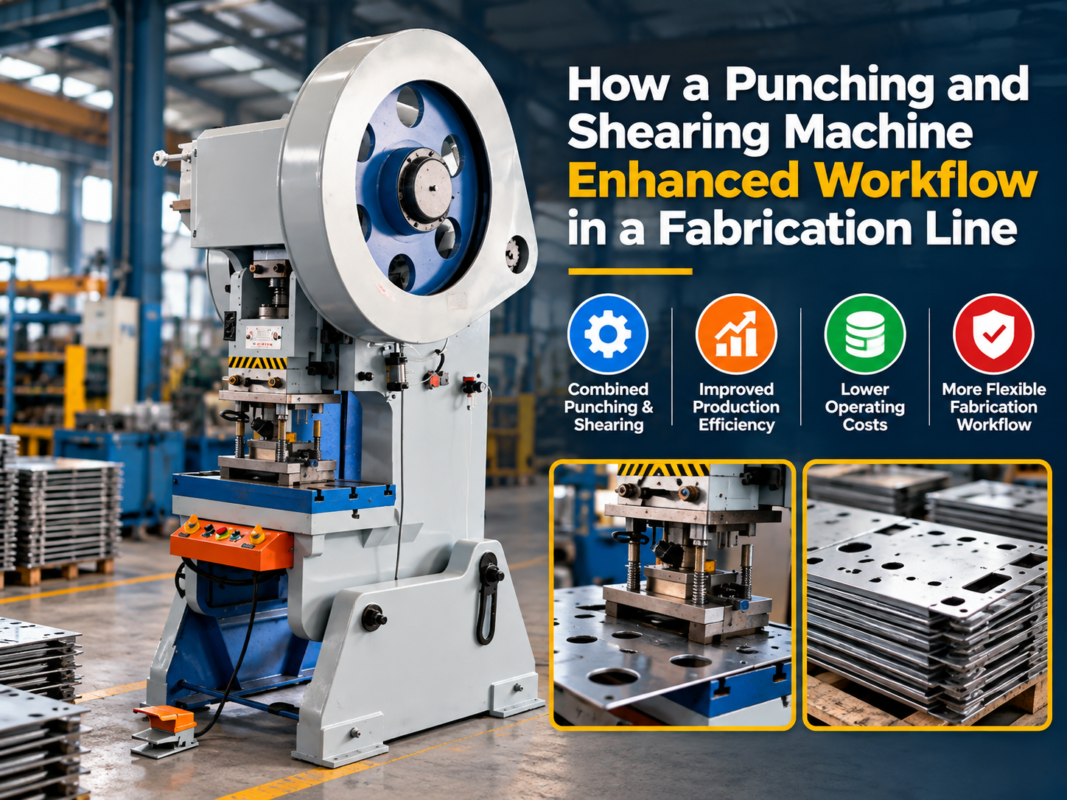
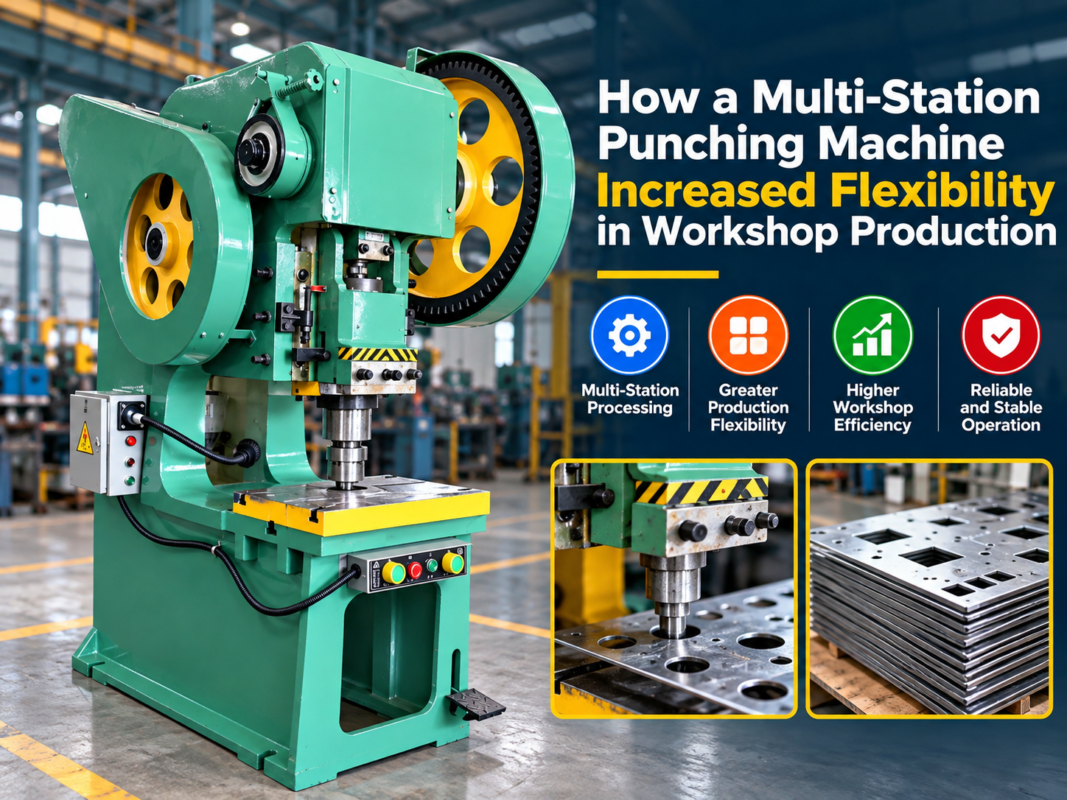
Tooling management is a critical technical aspect. The use of a thick turret design allows for a wider range of tool sizes and shapes, which is essential for the diverse requirements of appliance panels. Quick-change tool systems enable operators to switch between different panel designs in minutes rather than hours, drastically reducing setup times and allowing for smaller, more efficient batch sizes.
The control system acts as the brain of the punching machine. Modern HARSLE machines feature intuitive CNC interfaces that support CAD/CAM integration. This allows designers to send complex panel patterns directly to the machine, minimizing human error and ensuring that the final product matches the digital design specifications perfectly. Real-time monitoring of machine health and tool wear is also integrated into these systems, providing predictive maintenance alerts.
Structural rigidity is the final pillar of performance. The frame of the punching machine must be capable of absorbing the high-impact forces generated during the punching process without vibrating. A heavy-duty, stress-relieved steel frame ensures that the machine remains stable over years of operation, preventing the alignment issues that often plague lower-quality equipment.
ROI Case Study: Transitioning to HARSLE Technology
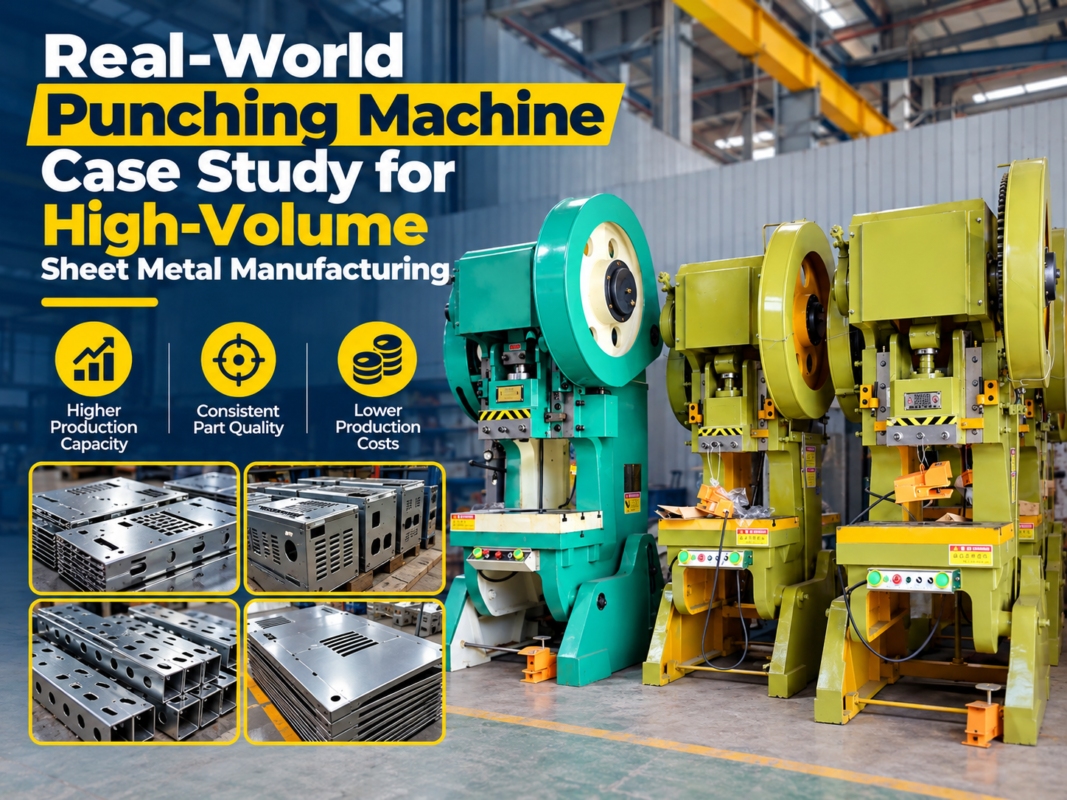
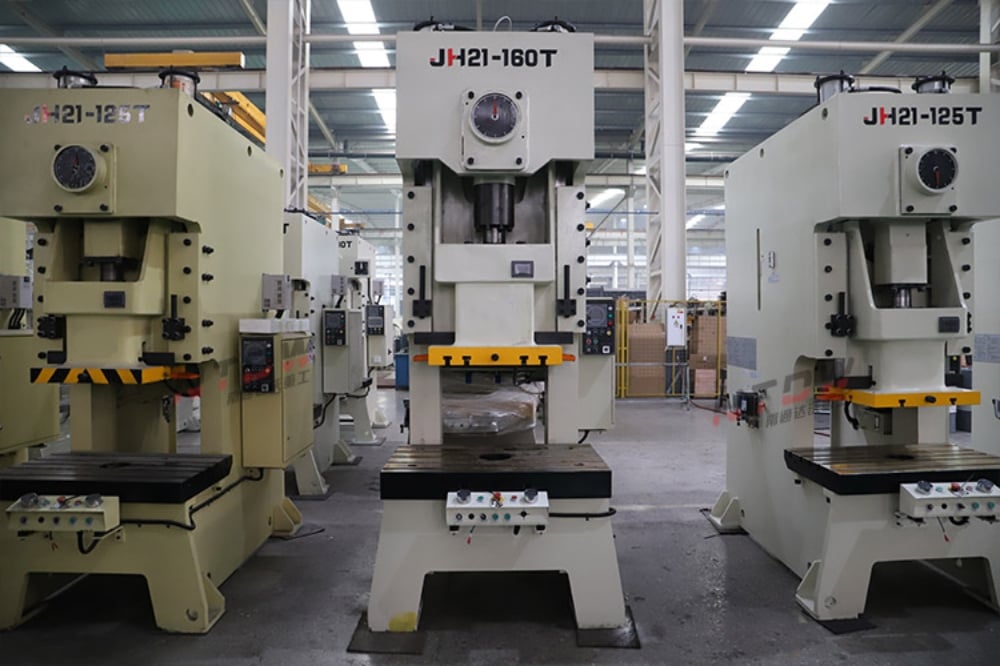
To illustrate the financial impact, consider a mid-sized appliance manufacturer that replaced three aging mechanical punching presses with a single HARSLE CNC punching cell. The initial investment was significant, but the operational improvements were immediate. By consolidating the process, the manufacturer reduced the floor space required for fabrication by 40%, allowing for the expansion of their assembly line.
The labor savings were equally impressive. With the automated loading system, the manufacturer was able to reallocate three operators to higher-value tasks, such as quality control and assembly management. The reduction in scrap rate, thanks to the high precision of the new machine, resulted in a 15% reduction in raw material waste, which accounted for a substantial portion of the annual savings.
Maintenance costs also saw a downward trend. The previous mechanical presses required monthly lubrication and frequent adjustments to the ram alignment. The HARSLE servo-electric system, by contrast, required only quarterly inspections and significantly fewer spare parts. Over a three-year period, the maintenance savings alone covered nearly 20% of the initial capital expenditure.
Ultimately, the return on investment was achieved in just 22 months. This case study highlights that when evaluating a Punching Machine for Appliance Panel Manufacturing: Performance and ROI Case Study, one must look beyond the sticker price. The true value lies in the cumulative effect of increased throughput, reduced labor, lower scrap rates, and minimized maintenance downtime.
Selection Advice for Factory Managers
When choosing a punching machine, start by conducting a thorough audit of your current production bottlenecks. Are you losing time on tool changes? Is your scrap rate too high due to manual positioning errors? Identifying these specific pain points will help you prioritize which features—such as automatic tool changers or advanced CNC software—are most critical for your operation.
Consider the future-proofing of your equipment. The appliance industry is constantly evolving, with new materials and thinner gauges becoming more common. Ensure that the machine you select has the flexibility to handle a wide range of material thicknesses and types. A machine that is limited to a specific gauge of steel may become obsolete as your product line changes.
Vendor support is as important as the machine itself. Look for a manufacturer like HARSLE that offers comprehensive training for your operators, responsive technical support, and a reliable supply chain for spare parts. The best machine in the world is useless if you cannot get the support you need to keep it running during a peak production season.
Finally, do not overlook the importance of safety features. Modern punching machines should be equipped with light curtains, safety interlocks, and ergonomic loading stations to protect your workforce. Investing in safety is not only a moral imperative but also a financial one, as it reduces the risk of workplace accidents that can lead to costly litigation and production stoppages.
Frequently Asked Questions (FAQ)
1. How does a servo-electric punching machine differ from a hydraulic one?
Servo-electric machines offer higher energy efficiency, faster hit rates, and more precise control over the ram position. They are generally quieter and require less maintenance than hydraulic systems, making them ideal for modern, high-speed appliance manufacturing.
2. What is the typical lifespan of a HARSLE punching machine?
With proper maintenance and regular servicing, a HARSLE punching machine is designed to provide 15 to 20 years of reliable service in a standard industrial environment.
3. Can these machines handle pre-coated or stainless steel panels?
Yes, HARSLE machines are equipped with specialized tool coatings and adjustable pressure settings to ensure that delicate surfaces like pre-coated or polished stainless steel are punched without scratching or marring.
4. How much floor space is required for a standard punching cell?
The footprint varies depending on the model and the inclusion of automation systems. However, HARSLE designs its machines to be as compact as possible, often allowing for a 30-50% reduction in floor space compared to traditional press setups.
5. Is specialized training required for operators?
While the CNC interfaces are user-friendly, HARSLE provides comprehensive training programs to ensure your operators can maximize the machine’s capabilities, handle tool changes efficiently, and perform basic troubleshooting.
Conclusion
The decision to invest in a high-performance punching machine is a strategic move that defines the future of an appliance manufacturing facility. As demonstrated in our Punching Machine for Appliance Panel Manufacturing: Performance and ROI Case Study, the shift toward advanced, automated technology is the most effective way to improve profitability and maintain a competitive edge. By focusing on precision, speed, and long-term reliability, manufacturers can transform their fabrication processes into a lean, efficient, and highly productive engine for growth.
HARSLE remains committed to providing the tools and expertise necessary for this transformation. Whether you are looking to upgrade a single station or implement a fully automated production line, understanding the technical and financial nuances of your equipment is the first step toward success. We encourage factory managers to evaluate their current operations, consider the long-term ROI, and partner with a manufacturer that values innovation and quality as much as they do.
In the end, the right punching machine is more than just a piece of metal fabrication equipment; it is a long-term investment in the quality and consistency of your brand. By prioritizing performance and strategic ROI, you ensure that your appliance panels meet the highest standards of the industry, keeping your customers satisfied and your business thriving for years to come.