
Shearing Machine Safety Checks to Include in Every Maintenance Routine: A Comprehensive Guide


The Critical Importance of Shearing Machine Maintenance
In the high-stakes environment of metal fabrication, the shearing machine serves as a foundational asset. Whether you are operating a heavy-duty hydraulic shear or a precision mechanical model, the reliability of your equipment directly impacts your production throughput and, more importantly, the safety of your workforce. Implementing rigorous shearing machine safety checks to include in every maintenance routine is not merely a suggestion; it is a fundamental operational requirement that prevents catastrophic failures and extends the lifespan of your investment.
Neglecting routine maintenance often leads to subtle degradation of components, such as blade dulling, hydraulic fluid contamination, or electrical insulation wear. These issues, if left unaddressed, can escalate into costly downtime or dangerous workplace accidents. By establishing a proactive maintenance culture, HARSLE users can ensure that their machines operate at peak efficiency, maintaining the tight tolerances required for modern industrial applications.
Furthermore, a well-maintained shearing machine provides consistent cut quality, reducing material waste and secondary processing time. When blades are properly aligned and the hydraulic system is pressurized correctly, the machine exerts force evenly, preventing burrs and edge distortion. This level of precision is essential for industries ranging from automotive manufacturing to architectural metalwork, where quality standards are uncompromising.
Ultimately, the goal of these safety checks is to create a predictable environment. When operators and maintenance technicians follow a standardized checklist, they become familiar with the machine’s “normal” behavior. This familiarity allows them to detect anomalies early, turning potential emergency repairs into scheduled, manageable tasks. Investing time in these procedures is the most effective way to protect your capital equipment and your personnel.
Daily Inspection: The First Line of Defense
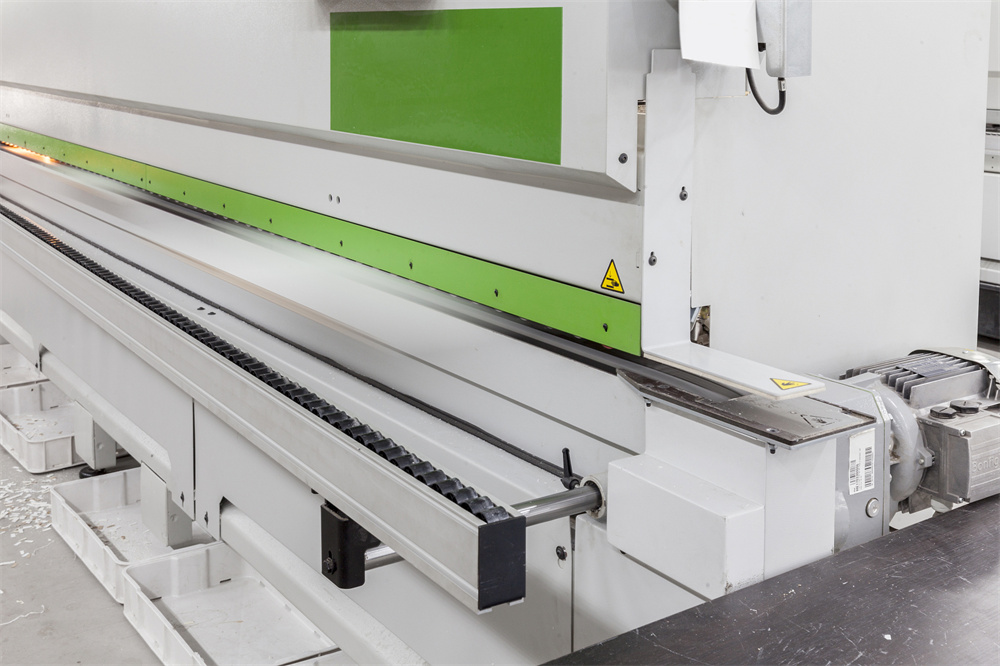
Daily inspections are the cornerstone of any effective maintenance program. Before the start of every shift, the operator should perform a visual and functional walkthrough of the shearing machine. This process should take no more than 10-15 minutes but can save hours of downtime. Start by checking the area around the machine for any signs of hydraulic leaks, loose debris, or obstructions that could interfere with the material feeding process.
Check the condition of the blades. Look for signs of chipping, excessive wear, or material buildup. Even a small chip in the blade can lead to uneven cutting pressure, which may eventually damage the blade seat or the ram guides. Ensure that the blade clearance is set correctly for the thickness of the material being processed; operating with incorrect clearance is one of the most common causes of premature blade failure.
Examine the safety guards and light curtains. These devices are designed to protect the operator from the pinch points and the cutting zone. Test the emergency stop (E-stop) button to ensure it immediately halts all machine movement. Never operate a machine if the safety interlocks are bypassed or malfunctioning. A shearing machine is a powerful tool, and its safety systems are the only barrier between the operator and potential injury.
Finally, verify the oil levels and the pressure gauges. A quick glance at the hydraulic reservoir level and the pressure readout ensures that the system is ready for the day’s workload. If the pressure is fluctuating or the oil level is low, investigate the cause before initiating any cutting operations. Documenting these daily checks in a logbook provides a valuable audit trail for safety compliance and future troubleshooting.
Hydraulic, Electrical, and Mechanical System Checks
The hydraulic system is the heart of a modern shearing machine. Maintenance here focuses on fluid integrity and pressure stability. Regularly inspect hydraulic hoses for signs of cracking, bulging, or weeping at the fittings. Hydraulic fluid should be clean and free of debris; if the fluid appears cloudy or smells burnt, it is time for a filtration cycle or a complete fluid change. Contaminated fluid can damage the pump and the control valves, leading to sluggish machine response.
Electrical systems require careful attention to prevent shorts and control failures. Inspect the control panel for loose wiring or damaged conduits. Ensure that the electrical cabinet is sealed properly to prevent metal dust and humidity from entering, as these are the primary enemies of sensitive PLC components. Periodically check the grounding connections to ensure that the machine is properly bonded to the facility’s electrical ground, which protects against static buildup and power surges.
Mechanical checks involve the structural integrity of the machine. Inspect the ram guides and the gibs for proper lubrication and alignment. Over time, the constant vibration of the shearing process can cause fasteners to loosen. Use a torque wrench to check the tightness of critical bolts, particularly those holding the blades and the hold-down cylinders. If the machine exhibits excessive vibration or unusual noise during the cutting cycle, it may indicate a misalignment in the drive train or a worn bearing.
Pay special attention to the backgauge system. The backgauge is responsible for the accuracy of the cut length. Ensure that the movement is smooth and that the digital readout matches the physical position of the gauge. If the backgauge is binding or inaccurate, it will lead to inconsistent parts and increased scrap rates. Clean the lead screws and guide rails of the backgauge regularly to prevent the buildup of metal shavings.

Comprehensive Lubrication Plan
A shearing machine is a complex assembly of moving parts that rely on consistent lubrication to minimize friction and wear. A robust lubrication plan should be integrated into your maintenance schedule, specifying the type of lubricant, the frequency of application, and the specific points that require attention. Most HARSLE machines come with a lubrication chart; follow this strictly, as using the wrong grade of oil or grease can be just as harmful as not lubricating at all.
Focus on the high-friction areas such as the ram guides, the pivot points of the swing beam, and the backgauge drive mechanism. Automatic lubrication systems, if equipped, should be checked to ensure that the pump is delivering the correct volume of lubricant to all distribution blocks. If your machine uses manual grease points, ensure that the fittings are clean before attaching the grease gun to prevent forcing contaminants into the bearings.
The frequency of lubrication depends on the machine’s duty cycle. A machine running two shifts a day will require more frequent lubrication than one used intermittently. Keep a record of when each lubrication point was serviced. This prevents the common mistake of over-lubricating some points while completely neglecting others that are harder to reach.
Finally, monitor the condition of the lubricant itself. If you notice metal particles in the grease or oil, it is a sign of internal component wear. This is a critical warning signal that requires immediate investigation. By maintaining a clean and well-lubricated machine, you significantly reduce the heat generated during operation, which in turn preserves the seals and gaskets throughout the hydraulic system.
Troubleshooting Signals: When to Call for Help
Even with the best maintenance, machines can develop issues. Recognizing the early warning signs is key to preventing major failures. One of the most common signals is a change in the sound of the machine. A hydraulic pump that starts to whine or a cutting cycle that sounds “strained” often points to low oil levels, air in the system, or a failing pump. Do not ignore these auditory cues.
Another signal is a decrease in cut quality. If you notice burrs on the bottom edge of the sheet, it is a clear indication that the blade clearance is too wide or the blades have become dull. If the material is slipping during the cut, the hold-down cylinders may not be exerting enough pressure, or the seals within those cylinders may be leaking. Addressing these issues immediately prevents damage to the blade bed and ensures the safety of the operator.
Electrical errors on the HMI (Human Machine Interface) should never be cleared without understanding the root cause. If the machine throws a sensor error, check the sensor for physical damage or misalignment before simply resetting the alarm. Persistent errors often indicate a failing component or a loose connection that will eventually lead to a hard failure.
If you encounter a problem that you cannot diagnose or fix using the machine manual, contact the HARSLE support team. We provide comprehensive technical assistance to ensure your equipment is back in operation as quickly as possible. Attempting to bypass safety systems or perform unauthorized modifications to the hydraulic or electrical circuits can void your warranty and create significant safety hazards.
Maintenance Schedule Table
| Frequency | Task Description | Key Focus Area |
|---|---|---|
| Daily | Visual inspection, E-stop test, fluid level check | Safety and basic readiness |
| Weekly | Clean debris, check blade clearance, lubricate guides | Precision and cleanliness |
| Monthly | Inspect hydraulic hoses, check bolt torque, test sensors | System integrity |
| Quarterly | Change hydraulic oil filter, inspect electrical cabinet | Long-term reliability |
| Annually | Full system flush, blade sharpening/replacement, calibration | Peak performance |
Frequently Asked Questions (FAQ)
How often should I sharpen the blades on my shearing machine?
The frequency of blade sharpening depends on the material type, thickness, and volume of production. As a rule of thumb, if you notice burrs on the cut edge or if the machine requires significantly more force to complete a cut, it is time to inspect and sharpen the blades.
Can I use any hydraulic oil in my HARSLE shearing machine?
No, you must use the hydraulic oil grade specified in your machine’s manual. Using the incorrect viscosity can lead to pump failure, overheating, and poor performance. Always consult the HARSLE technical documentation for the recommended oil specifications.
What should I do if the backgauge is not accurate?
First, ensure that the backgauge is clean and free of metal shavings. Then, perform a calibration procedure as outlined in your manual. If the inaccuracy persists, check the drive mechanism for wear or loose components. If the issue remains, contact our support team for calibration assistance.
Is it safe to bypass the light curtains for maintenance?
Never bypass safety systems during operation. If you must perform maintenance that requires the machine to be powered on, follow strict lockout/tagout (LOTO) procedures and ensure that only authorized personnel are in the vicinity. Safety systems are non-negotiable.
How do I know if my hydraulic fluid is contaminated?
Contaminated fluid often appears milky (due to water) or dark/discolored (due to oxidation or heat). If you see sediment at the bottom of the reservoir or if the machine’s performance is erratic, perform a fluid analysis or replace the fluid and filters immediately.
Conclusion
Adhering to a strict regimen of shearing machine safety checks to include in every maintenance routine is the most effective way to ensure the longevity and safety of your metal fabrication equipment. By combining daily inspections, systematic lubrication, and proactive troubleshooting, you protect your operators and your production schedule. Remember, a well-maintained machine is not just an asset; it is the foundation of a safe and profitable workshop. For further guidance on HARSLE machinery, consult your user manual or reach out to our dedicated support team.


