
How Laser Cutting Machines Are Used in Sheet Metal Fabrication for Faster, Cleaner Results


Introduction: The Evolution of Sheet Metal Fabrication
In the modern industrial landscape, the demand for precision, speed, and material efficiency has never been higher. As manufacturers strive to meet tight deadlines and complex design requirements, the transition from traditional mechanical cutting methods to advanced thermal processing has become essential. This is where laser cutting machines are used in sheet metal fabrication for faster, cleaner results, revolutionizing how workshops operate globally.
HARSLE has been at the forefront of this technological shift, providing high-performance fiber laser systems that cater to diverse industrial needs. By utilizing a concentrated beam of light to melt, burn, or vaporize material, these machines offer a level of accuracy that manual or mechanical cutting simply cannot match. This article explores the technical advantages, operational benefits, and strategic considerations for integrating laser technology into your fabrication workflow.
The shift toward laser technology is not merely about speed; it is about the quality of the finished product. When laser cutting machines are used in sheet metal fabrication for faster, cleaner results, the need for secondary finishing processes—such as grinding, deburring, or sanding—is significantly reduced. This efficiency gain translates directly into lower labor costs and faster throughput for high-volume production lines.
Understanding the mechanics behind these machines is the first step toward optimizing your production facility. Whether you are working with stainless steel, aluminum, brass, or carbon steel, the versatility of modern fiber lasers allows for seamless transitions between materials, making them the backbone of contemporary metal fabrication equipment.
Key Considerations for Laser Integration
Before investing in a laser cutting system, it is vital to evaluate your specific production requirements. The primary consideration is the material type and thickness range you intend to process. Fiber lasers are exceptionally efficient for thin-to-medium gauge metals, offering high energy density that results in rapid cutting speeds and minimal heat-affected zones (HAZ).
Another critical factor is the power output of the laser source. HARSLE offers a range of power options, typically starting from 1kW up to 30kW and beyond. Higher power levels allow for thicker material processing and faster cutting speeds on standard gauges. However, selecting the right power level requires balancing initial capital expenditure with long-term operational throughput goals.
The workspace environment and automation capabilities also play a significant role. Modern fabrication shops are increasingly adopting automated loading and unloading systems to maximize the uptime of their laser cutting machines. When laser cutting machines are used in sheet metal fabrication for faster, cleaner results, the integration of pallet changers ensures that the machine is constantly cutting while the operator prepares the next sheet, effectively eliminating downtime.
Finally, consider the software ecosystem. The efficiency of a laser cutter is only as good as the nesting software that drives it. Advanced nesting algorithms minimize material waste by optimizing the layout of parts on a sheet, which is a crucial aspect of cost management in high-volume fabrication. Choosing a system that integrates seamlessly with your existing CAD/CAM workflow is essential for achieving the desired speed and precision.
Technical Details: How Laser Cutting Works
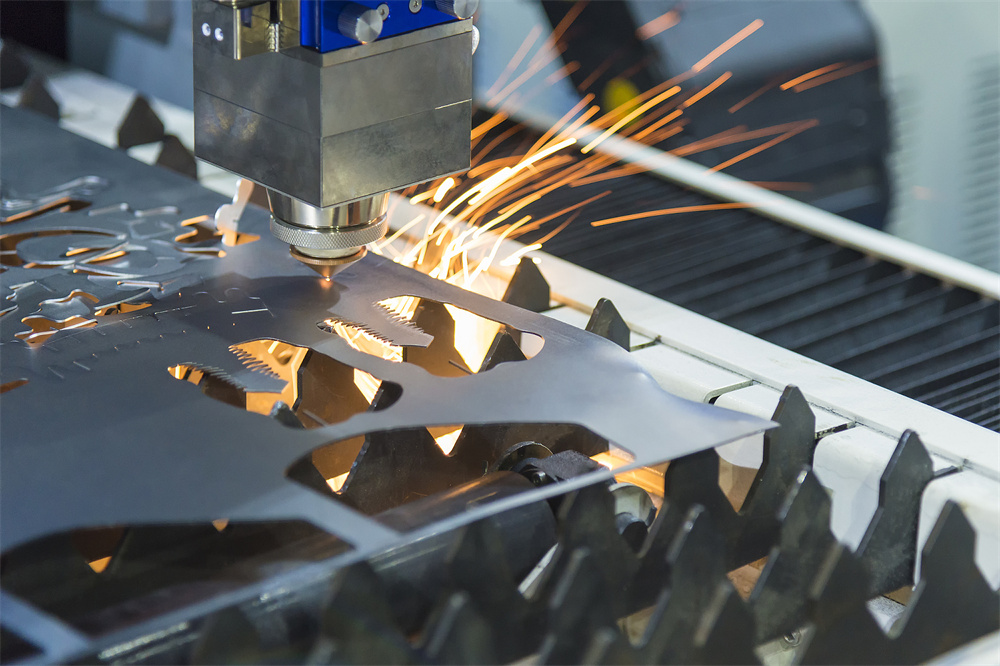
At the heart of the process is the fiber laser source, which generates a high-intensity beam through a series of diodes and fiber optic cables. This beam is focused onto the surface of the metal through a specialized cutting head. The extreme heat generated at the focal point causes the metal to melt or vaporize instantly, while a high-pressure assist gas—such as nitrogen, oxygen, or compressed air—blows the molten material away from the kerf.
The “cleaner results” aspect of this technology is largely attributed to the precision of the beam and the control of the assist gas. Nitrogen cutting, for instance, creates an inert atmosphere that prevents oxidation, resulting in a clean, bright edge that is ready for welding or powder coating without further preparation. This is a significant advantage over plasma or oxy-fuel cutting, which often leave dross or slag that requires manual removal.
The CNC (Computer Numerical Control) system acts as the brain of the operation, translating digital design files into precise motion paths. Modern controllers provide real-time feedback on laser power, gas pressure, and focal position. This dynamic control allows the machine to adjust parameters on the fly, ensuring consistent quality even when cutting intricate geometries or sharp corners where the laser must slow down to maintain accuracy.
Furthermore, the maintenance of the optical path is critical to the machine’s longevity. HARSLE machines are designed with sealed optical paths to prevent dust and debris from contaminating the lens. Regular calibration of the focal head and inspection of the protective cover glass are simple yet essential tasks that ensure the machine continues to deliver the high-speed, high-quality results that define modern laser fabrication.
Selection Advice: Choosing the Right Equipment
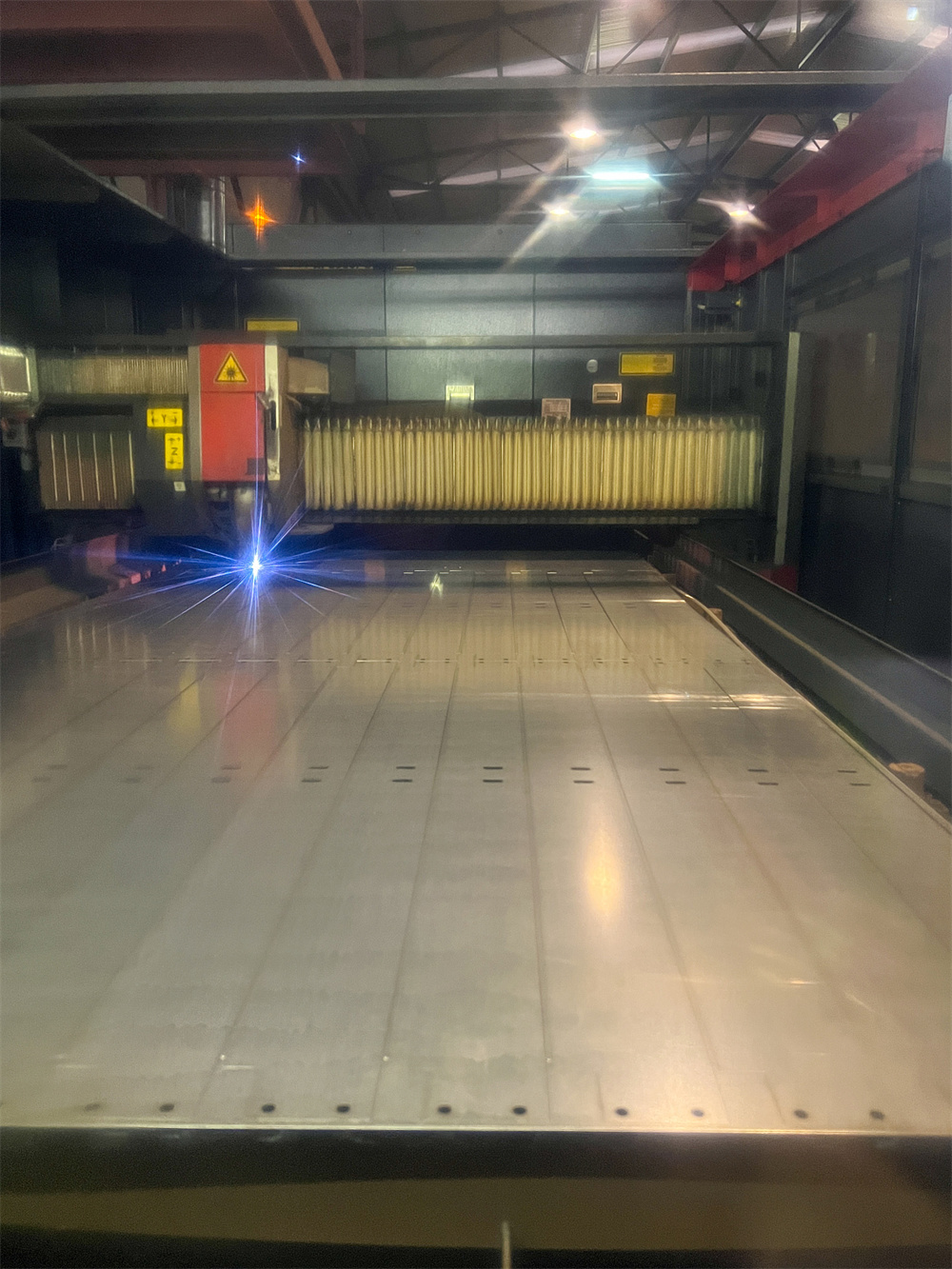
Selecting the right laser cutting machine is a strategic decision that impacts your business for years. Start by defining your “sweet spot” in terms of material thickness. If your shop primarily processes 1mm to 6mm stainless steel, a 3kW or 6kW fiber laser is likely the most cost-effective choice. If you frequently handle heavy plate up to 25mm or 30mm, you will need to look at higher power configurations.
Consider the bed size as well. Standard sheet sizes vary by region, but common sizes include 1.5m x 3m or 2m x 4m. Ensure that the machine bed matches your most common material inputs to avoid unnecessary sheet handling or repositioning. A larger bed provides more flexibility but requires a larger footprint in your facility.
Service and support are just as important as the hardware itself. When laser cutting machines are used in sheet metal fabrication for faster, cleaner results, you need a partner who provides comprehensive training, remote diagnostics, and readily available spare parts. HARSLE prides itself on a robust support network that ensures your equipment remains operational, minimizing the risk of costly production delays.
Finally, evaluate the total cost of ownership (TCO). This includes electricity consumption, assist gas usage, and consumable parts like nozzles and protective lenses. Fiber lasers are generally more energy-efficient than older CO2 laser systems, providing a lower TCO over the life of the machine. Always request a sample cut from the manufacturer to verify the edge quality and speed on your specific materials before making a final purchase decision.
Applications Across Industries
The versatility of laser cutting makes it indispensable across a wide array of sectors. In the automotive industry, laser machines are used to cut complex brackets, chassis components, and body panels with extreme repeatability. The speed of these machines allows for just-in-time manufacturing, reducing the need for large inventories of finished parts.
In the construction and architectural sectors, laser cutting is used to create decorative metal panels, structural connectors, and custom hardware. The ability to cut intricate patterns with high precision allows architects to push the boundaries of design, knowing that the fabrication process can keep up with their creative vision. The clean edges produced by laser cutting also mean that these components are often ready for installation or painting immediately after cutting.
The electronics and appliance industries also rely heavily on laser technology for the production of enclosures, heat sinks, and internal components. Because laser cutting is a non-contact process, there is no mechanical stress applied to the material, which is crucial when working with thin, delicate sheets that might otherwise deform under the pressure of a punch press or mechanical shear.
Beyond these, the aerospace, medical device, and furniture industries all benefit from the precision and cleanliness of laser-cut parts. As technology advances, we are seeing even more specialized applications, such as micro-cutting for electronics and high-speed processing for heavy industrial machinery components, proving that laser cutting is the most adaptable tool in the modern metal fabrication shop.
FAQ: Frequently Asked Questions
Why are laser cutting machines faster than traditional methods?
Laser cutting machines use high-energy light beams to vaporize material instantly, allowing for rapid movement across the sheet. Unlike mechanical cutting, there is no tool wear or need for frequent blade changes, and the CNC control allows for optimized path planning that minimizes travel time between cuts.
How do I ensure cleaner results with my laser cutter?
Cleaner results are achieved by using high-purity assist gases, maintaining the correct focal position, and ensuring the protective lens is clean. Nitrogen cutting is particularly effective for producing oxide-free, clean edges on stainless steel and aluminum.
What is the difference between fiber and CO2 lasers?
Fiber lasers are more energy-efficient, require less maintenance, and have a smaller footprint than CO2 lasers. They are also significantly faster when cutting thin-to-medium thickness metals, making them the current industry standard for sheet metal fabrication.
Is laser cutting suitable for all types of metal?
Fiber lasers are highly effective for most conductive metals, including carbon steel, stainless steel, aluminum, brass, and copper. Some highly reflective materials may require specific machine configurations to prevent back-reflections from damaging the laser source.
How much maintenance does a laser cutting machine require?
Daily maintenance includes checking the nozzle, cleaning the protective lens, and ensuring the cooling system is functioning. Periodic maintenance involves checking the alignment of the beam and the condition of the motion system, which is typically handled by trained technicians.
Conclusion: Investing in the Future of Fabrication
The integration of laser technology is no longer a luxury but a necessity for shops aiming to remain competitive. When laser cutting machines are used in sheet metal fabrication for faster, cleaner results, the entire production chain benefits—from the initial design phase to the final assembly. By reducing waste, improving edge quality, and increasing throughput, these machines provide a clear return on investment.
HARSLE remains committed to advancing the capabilities of metal fabrication equipment. Our fiber laser systems are designed with the user in mind, combining high-speed performance with intuitive controls and reliable construction. Whether you are a small job shop or a large-scale manufacturer, the transition to laser cutting is a strategic move that will define your success in the years to come.
As you evaluate your options, remember that the best machine is one that aligns with your specific production goals and is backed by a manufacturer that values your long-term success. Explore the HARSLE range of laser cutting solutions today and discover how we can help you achieve the speed, precision, and efficiency your business deserves.


