
How Laser Cutting Machines Improve Production in Kitchen Equipment and Stainless Steel Fabrication


Introduction
In the modern era of industrial manufacturing, the demand for high-quality, aesthetically pleasing, and durable kitchen equipment has skyrocketed. Whether it is commercial-grade stainless steel sinks, professional-grade ovens, or intricate ventilation hoods, the fabrication process requires absolute precision. HARSLE has observed that the most significant technological shift in this sector is the adoption of advanced fiber laser technology. How laser cutting machines improve production in kitchen equipment and stainless steel fabrication is a question of efficiency, material utilization, and design flexibility.
Stainless steel is notoriously difficult to work with due to its thermal conductivity and the need to maintain a pristine surface finish. Traditional methods like mechanical shearing or plasma cutting often result in burrs, thermal deformation, or material waste. By integrating high-performance laser cutting machines, manufacturers can achieve clean, contact-free cuts that eliminate the need for secondary finishing processes. This article explores the transformative impact of these machines on the kitchen equipment industry.
As global competition intensifies, manufacturers are under pressure to reduce lead times while maintaining strict hygiene and safety standards. Kitchen equipment must be free of sharp edges and crevices where bacteria could thrive. Laser cutting provides the smooth, sealed edges necessary for food-grade compliance. By leveraging HARSLE’s cutting-edge machinery, fabrication shops can transition from manual, labor-intensive workflows to automated, high-speed production lines that guarantee consistency across every batch.
This guide serves as a comprehensive resource for shop owners, production managers, and engineers looking to modernize their facilities. We will delve into the technical advantages, selection criteria, and operational best practices that define how laser cutting machines improve production in kitchen equipment and stainless steel fabrication. Through this analysis, you will understand why fiber laser technology is no longer a luxury, but a fundamental requirement for competitive metal fabrication.
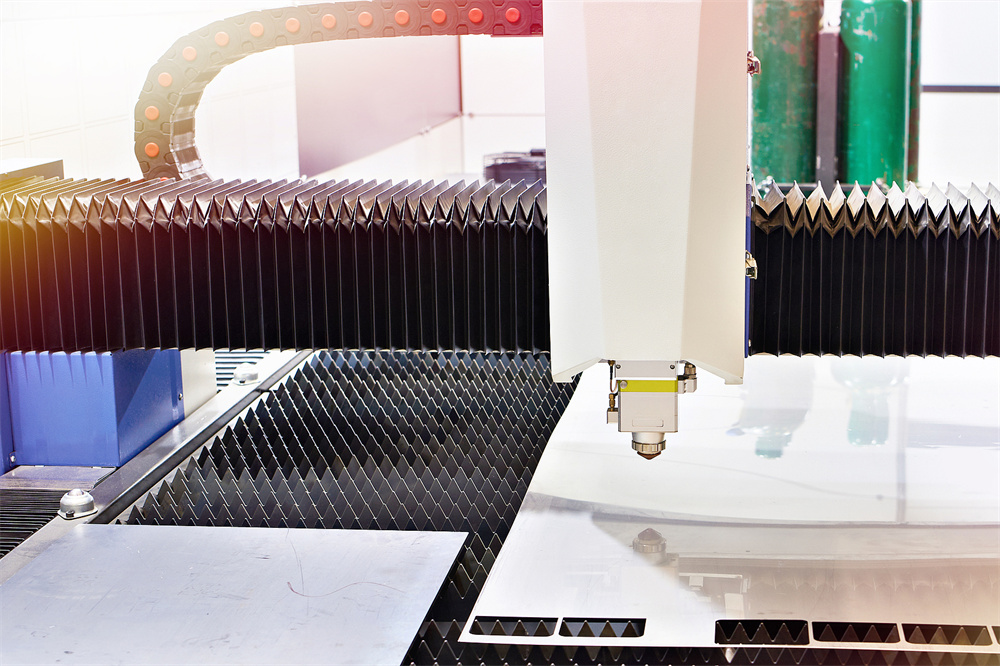
Key Considerations for Kitchen Equipment Fabrication
When manufacturing kitchen equipment, the primary concern is the integrity of the stainless steel. Stainless steel is prone to oxidation if overheated, and its surface finish is critical for both aesthetics and sanitation. Laser cutting machines address these concerns by utilizing a highly focused beam that minimizes the Heat Affected Zone (HAZ). This ensures that the material properties remain intact, preventing warping and discoloration that would otherwise require costly rework.
Another key consideration is the complexity of modern kitchen designs. Today’s commercial kitchens demand modular, ergonomic, and space-saving equipment. This requires intricate cutouts for electrical components, plumbing, and ventilation. Laser cutting machines offer unparalleled design flexibility, allowing manufacturers to switch between different product designs instantly via CNC programming. This agility is essential for businesses that offer custom-built solutions for restaurants and hotels.
Material utilization is a major factor in the profitability of any fabrication shop. Stainless steel is a high-cost raw material, and minimizing scrap is vital. Laser cutting software features advanced nesting algorithms that arrange parts on a sheet to maximize usage. By reducing the distance between parts and optimizing the cutting path, manufacturers can significantly lower their material costs, directly impacting the bottom line of their kitchen equipment production.
Finally, the speed of production is a competitive advantage. In the kitchen equipment sector, projects often have tight deadlines. Laser cutting machines operate at speeds significantly higher than traditional mechanical cutting tools. This rapid throughput allows manufacturers to handle larger volumes of orders without compromising on quality. By automating the cutting process, shops can reallocate skilled labor to more complex assembly tasks, further increasing overall productivity.
Technical Details: Why Fiber Lasers Lead the Industry
The core of modern metal fabrication lies in fiber laser technology. Unlike CO2 lasers, fiber lasers use a solid-state gain medium, which provides higher energy efficiency and lower maintenance requirements. For stainless steel fabrication, the wavelength of a fiber laser is ideally suited for high-speed absorption, resulting in faster cutting speeds and cleaner edges. This is the primary reason why laser cutting machines improve production in kitchen equipment and stainless steel fabrication so effectively.
One of the most critical technical aspects is the gas assist system. When cutting stainless steel, nitrogen is typically used as an assist gas to prevent oxidation and ensure a bright, clean edge. HARSLE laser systems are equipped with high-pressure gas control modules that allow for precise regulation of flow and pressure. This ensures that the cut edge is free of dross, which is essential for kitchen equipment that must meet strict food safety standards and be easy to clean.
The CNC control system is the brain of the laser cutting machine. Modern controllers allow for real-time monitoring of the cutting process, including laser power, focal position, and gas pressure. This level of control is vital when working with varying thicknesses of stainless steel, ranging from thin gauge sheets for panels to thicker plates for structural frames. HARSLE’s software integrates seamlessly with CAD/CAM systems, allowing for a direct transition from design to production.
Furthermore, the structural rigidity of the machine bed plays a significant role in precision. HARSLE machines utilize heavy-duty, stress-relieved frames that dampen vibrations during high-speed cutting. This stability ensures that the laser head maintains a consistent distance from the material surface, resulting in high-accuracy cuts even during long production runs. The combination of advanced optics, robust mechanics, and intelligent software creates a reliable platform for high-volume kitchen equipment manufacturing.
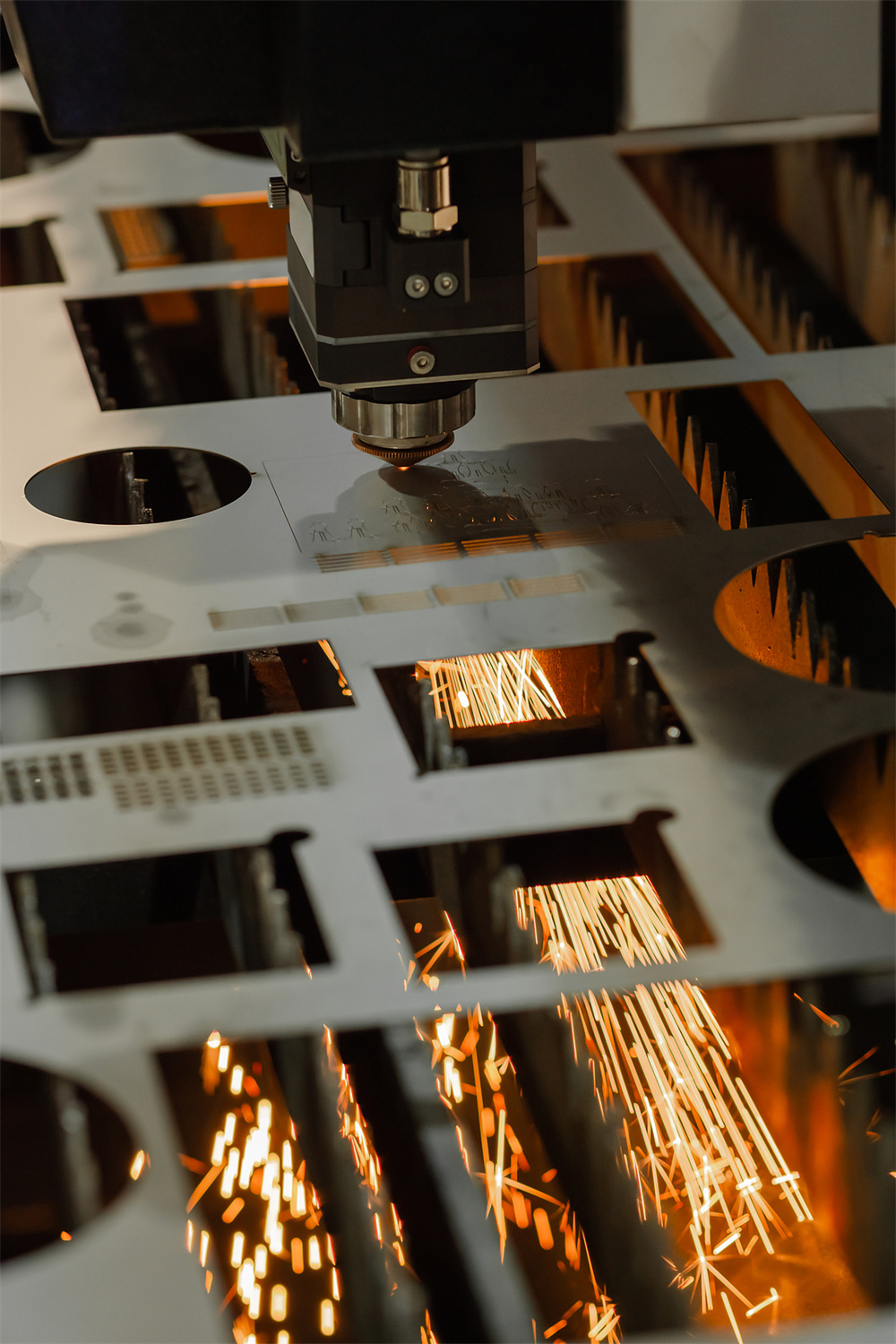
Selection Advice: Choosing the Right Machine
Selecting the right laser cutting machine is a strategic investment. The first step is to evaluate your production volume and the typical thickness of the stainless steel you process. If your shop primarily handles thin-gauge sheet metal for kitchen cabinets and panels, a lower-wattage fiber laser (e.g., 3kW to 6kW) may be sufficient. However, if you are cutting thicker structural components for heavy-duty ovens or industrial refrigerators, you should consider higher-wattage systems (8kW to 12kW+) to maintain speed and efficiency.
Consider the automation capabilities of the machine. For high-volume kitchen equipment production, manual loading and unloading can become a bottleneck. HARSLE offers various automation options, such as automatic pallet changers and loading/unloading systems. These features allow the machine to run continuously with minimal operator intervention, significantly increasing the output per shift and reducing labor costs.
The service and support ecosystem is just as important as the machine itself. Laser cutting machines are sophisticated pieces of equipment that require regular maintenance, software updates, and occasional technical support. When choosing a supplier, look for a company that provides comprehensive training for your operators, readily available spare parts, and responsive remote diagnostic services. HARSLE prides itself on providing end-to-end support to ensure your production line remains operational.
Finally, evaluate the software compatibility. Your laser cutting machine should integrate easily with your existing design and nesting software. The ability to import DXF or DWG files directly from your engineering team to the machine controller is essential for reducing setup time. A user-friendly interface that allows operators to quickly adjust parameters for different material types will ensure that your team can maximize the machine’s potential from day one.
Frequently Asked Questions (FAQ)
1. How do laser cutting machines improve production in kitchen equipment and stainless steel fabrication compared to plasma cutting?
Laser cutting offers much higher precision, a narrower kerf, and a smaller heat-affected zone. This results in cleaner edges that require little to no post-processing, which is critical for the hygiene standards required in kitchen equipment.
2. Is fiber laser technology suitable for all types of stainless steel?
Yes, fiber lasers are highly effective for cutting various grades of stainless steel, including 304 and 316, which are commonly used in the food service industry. The use of nitrogen assist gas ensures a clean, non-oxidized edge.
3. What maintenance is required for a HARSLE laser cutting machine?
Regular maintenance includes cleaning the protective lens, checking the cooling system, inspecting the gas delivery lines, and ensuring the CNC software is updated. HARSLE provides a detailed maintenance schedule with every machine.
4. Can laser cutting machines handle complex shapes for custom kitchen designs?
Absolutely. Because the process is CNC-controlled, it can cut intricate patterns, curves, and small holes that would be impossible or extremely time-consuming with traditional mechanical tools.
5. How does laser cutting affect the material cost of stainless steel fabrication?
By using advanced nesting software, laser cutting machines minimize scrap material. This high material utilization rate significantly reduces the overall cost of raw materials, which is a major advantage in high-volume production.
Conclusion
The integration of laser cutting technology has fundamentally changed the landscape of the kitchen equipment industry. By understanding how laser cutting machines improve production in kitchen equipment and stainless steel fabrication, manufacturers can make informed decisions that drive growth, efficiency, and quality. From the precision of the fiber laser beam to the automation of the entire production workflow, these machines provide the tools necessary to meet the rigorous demands of modern commercial kitchens.
HARSLE remains committed to providing high-performance metal fabrication equipment that empowers businesses to excel. By choosing the right machine, investing in operator training, and maintaining your equipment, you can ensure that your fabrication shop stays ahead of the competition. Whether you are producing small components or large-scale kitchen systems, the transition to laser cutting is a vital step toward a more profitable and sustainable future in metal fabrication.
As you evaluate your production needs, remember that the goal is not just to cut metal, but to create value. With the right technology, you can achieve faster turnaround times, superior product quality, and greater design flexibility. We invite you to explore the HARSLE range of laser cutting machines and discover how we can help you optimize your stainless steel fabrication processes for years to come.


