
Case Study: Boosting Precision and Cutting Throughput with an Industrial Laser Cutting Machine

Introduction
In the modern landscape of metal fabrication, the demand for higher precision and faster turnaround times has never been greater. Manufacturers are constantly seeking ways to optimize their production lines, reduce material waste, and improve the overall quality of their finished products. This article explores a comprehensive Case Study: Boosting Precision and Cutting Throughput with an Industrial Laser Cutting Machine, highlighting how HARSLE’s advanced fiber laser technology transforms operational efficiency for medium-to-large scale metal fabrication shops.
The transition from traditional mechanical cutting methods to high-speed fiber laser technology represents a significant leap in industrial capability. By integrating advanced CNC controls with high-power laser sources, fabricators can achieve tolerances that were previously impossible with plasma or waterjet systems. This guide examines the technical nuances, strategic selection criteria, and operational benefits of upgrading to a modern laser cutting system.
As we delve into this case study, we will analyze the specific challenges faced by a mid-sized fabrication facility and how the implementation of a HARSLE industrial laser cutting machine served as the catalyst for a 40% increase in throughput. We will also provide a roadmap for businesses looking to replicate these results in their own manufacturing environments.
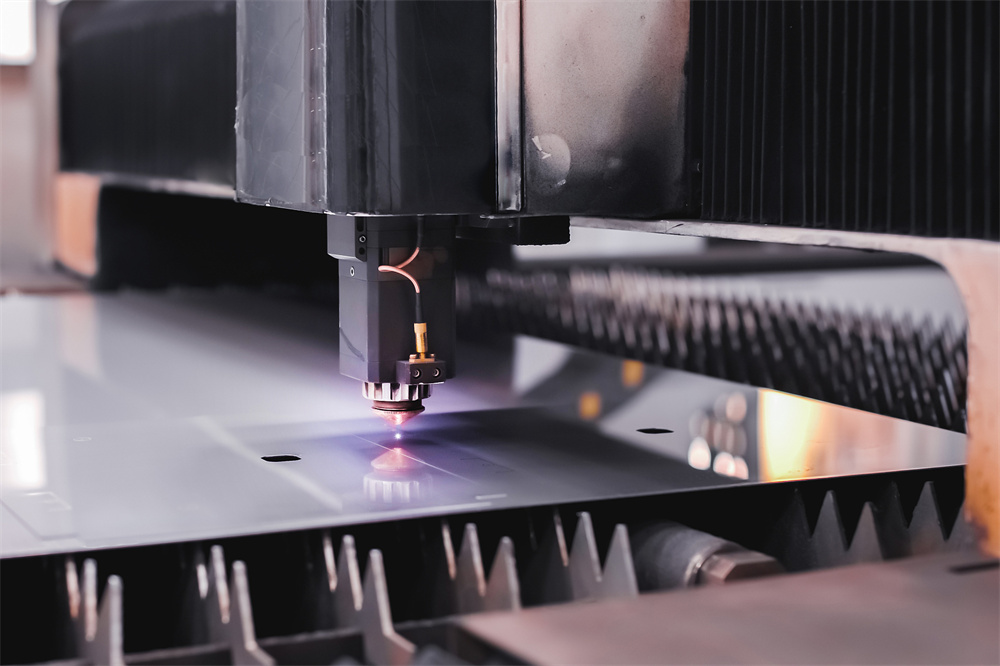
Key Considerations for Industrial Laser Integration
When considering the integration of an industrial laser cutting machine, the first step is evaluating the current bottleneck in your production line. For many shops, the limitation is not the speed of the cutting head itself, but the material handling, loading, and unloading processes. A true increase in throughput requires a holistic approach that considers the entire workflow, from raw material storage to the final sorting of cut parts.
Another critical consideration is the power output of the laser source. Fiber lasers are currently the industry standard, offering superior energy efficiency and beam quality compared to older CO2 systems. Choosing the right wattage—whether 3kW, 6kW, or 12kW—depends heavily on the thickness of the materials you process most frequently. Over-specifying power can lead to unnecessary capital expenditure, while under-specifying will limit your ability to handle thicker plates efficiently.
The software ecosystem is equally vital. Modern laser cutting machines rely on sophisticated nesting software to minimize scrap metal and maximize sheet utilization. By optimizing the layout of parts on a sheet, fabricators can significantly reduce material costs, which directly impacts the bottom line. Integration with ERP (Enterprise Resource Planning) systems also allows for real-time tracking of production progress, ensuring that the machine is always fed with the next job in the queue.
Finally, environmental and safety factors must be addressed. High-power lasers require robust ventilation and filtration systems to manage metal fumes and dust. Furthermore, the safety enclosure of the machine must meet international standards to protect operators from stray radiation and moving parts. Investing in a high-quality, fully enclosed system from a reputable manufacturer like HARSLE ensures compliance and long-term reliability.
Technical Details: The Mechanics of Precision
The core of the Case Study: Boosting Precision Cutting Throughput An Industrial Laser Cutting Machine lies in the technical superiority of the fiber laser beam delivery system. Unlike mechanical cutters, a laser beam has a negligible kerf width, allowing for intricate geometries and tight nesting. This precision is maintained through high-speed servo motors and precision rack-and-pinion drive systems that ensure the cutting head follows the programmed path with micron-level accuracy.
Thermal management is another technical pillar. During high-speed cutting, the heat-affected zone (HAZ) must be kept to a minimum to prevent warping or metallurgical changes in the metal. HARSLE machines utilize advanced cooling systems and intelligent gas control modules that adjust the assist gas pressure (nitrogen, oxygen, or compressed air) in real-time based on the material type and thickness. This ensures a clean, dross-free edge that often requires no secondary finishing.
The CNC controller serves as the brain of the operation. Modern controllers support high-speed look-ahead functions, which allow the machine to anticipate curves and corners, adjusting the laser power and feed rate dynamically. This prevents the “burn-through” effect at sharp corners and ensures consistent edge quality throughout the entire cutting cycle. The ability to import CAD files directly into the controller streamlines the transition from design to production.

Furthermore, the automatic nozzle changer and height sensing systems are critical for continuous operation. These features allow the machine to switch between different cutting tasks without manual intervention, significantly reducing downtime. The height sensor, in particular, ensures that the nozzle maintains a constant distance from the workpiece, even if the sheet is slightly warped, preventing head collisions and maintaining consistent focus.
Selection Advice for Metal Fabrication Equipment
Selecting the right metal fabrication equipment is a long-term investment. When evaluating laser cutting machines, start by defining your material mix. If your shop primarily processes thin-gauge aluminum or stainless steel, a high-speed, lower-wattage fiber laser may be ideal. Conversely, if you are cutting heavy-duty carbon steel plates for structural applications, you will need a machine with a robust frame and higher power capacity.
Consider the service and support infrastructure of the manufacturer. A laser cutting machine is a complex piece of technology that requires periodic calibration, software updates, and occasional repairs. Choosing a partner like HARSLE ensures that you have access to technical support, spare parts, and training programs that keep your machine running at peak performance. Avoid the temptation to purchase low-cost, unbranded machines that lack local support, as the cost of downtime will quickly outweigh any initial savings.
Evaluate the machine’s modularity. Can the system be upgraded later with an automated loading/unloading tower? Does it support the addition of a rotary axis for cutting pipes and tubes? Future-proofing your investment allows your business to expand into new markets without needing to replace your entire machinery lineup. Always ask for a live demonstration or a site visit to see the machine in action on materials similar to your own.
Finally, look at the total cost of ownership (TCO). This includes electricity consumption, assist gas costs, maintenance intervals, and the cost of consumables like nozzles and protective lenses. A machine that is slightly more expensive upfront but offers 20% better energy efficiency and longer-lasting components will provide a better return on investment over a five-year period.
FAQ: Common Questions About Laser Cutting
- Q: How does fiber laser technology compare to CO2 lasers?
A: Fiber lasers are significantly more energy-efficient, require less maintenance, and offer faster cutting speeds for thin-to-medium thickness materials. They also have a smaller footprint and do not require expensive laser gases like CO2 systems. - Q: What is the typical maintenance schedule for an industrial laser?
A: Daily checks include cleaning the protective lens and checking the nozzle condition. Weekly tasks involve inspecting the cooling system and dust collection filters. Annual professional calibration is recommended to maintain precision. - Q: Can a laser cutting machine handle reflective materials like copper and brass?
A: Yes, modern fiber lasers are capable of cutting highly reflective materials, provided the machine is equipped with the correct laser source and optical configuration to handle back-reflections. - Q: How much space is required for a standard industrial laser setup?
A: Space requirements vary by bed size (e.g., 3m x 1.5m or 6m x 2m). You must also account for the chiller unit, the control cabinet, and sufficient clearance for material loading and operator movement. - Q: Is specialized training required for operators?
A: While modern CNC interfaces are user-friendly, operators should undergo training in CAD/CAM software, machine safety, and basic troubleshooting to maximize productivity and ensure safe operation.
Conclusion
The Case Study: Boosting Precision and Cutting Throughput with an Industrial Laser Cutting Machine demonstrates that the path to increased profitability in metal fabrication is paved with advanced technology and strategic planning. By upgrading to a HARSLE industrial laser cutting machine, fabricators can achieve a level of precision, speed, and reliability that is essential in today’s competitive market. From the initial selection of the laser source to the daily optimization of nesting software, every detail contributes to the overall success of the production line.
As you evaluate your own fabrication needs, remember that the goal is not just to cut metal faster, but to cut it smarter. By focusing on workflow integration, material efficiency, and long-term support, you can transform your shop into a high-throughput facility capable of meeting the most demanding customer requirements. HARSLE remains committed to providing the tools and expertise necessary to help you achieve these goals, ensuring that your investment in metal fabrication equipment yields dividends for years to come.
Whether you are a job shop looking to expand your capabilities or a large manufacturer aiming to optimize your production floor, the transition to high-performance laser technology is a proven strategy for growth. Embrace the precision, embrace the throughput, and position your business at the forefront of the modern metal fabrication industry.


