
How to Extend Hydraulic Press Service Life with Preventive Care: The Ultimate HARSLE Guide


Introduction: The Vital Role of Preventive Care in Metal Fabrication
In the high-stakes world of metal fabrication, the hydraulic press stands as a cornerstone of production. Whether it is used for deep drawing, punching, molding, or straightening, the reliability of this machine directly impacts a facility’s bottom line. However, many operators and facility managers view maintenance as a reactive necessity rather than a proactive strategy. To truly extend hydraulic press service life with preventive care, one must adopt a holistic approach that encompasses mechanical, hydraulic, and electrical systems. HARSLE, a leader in metal fabrication machinery, emphasizes that a well-maintained press not only lasts longer but also operates with higher precision and safety.
Preventive care is the practice of performing regularly scheduled maintenance to prevent unexpected breakdowns. For a hydraulic press, this means more than just changing the oil. It involves a deep understanding of how fluid dynamics, structural integrity, and electronic controls work in harmony. When these systems are neglected, the result is a cascade of failures: a small leak leads to pressure loss, which causes the pump to overwork, leading to overheating, and eventually, a total system shutdown. By following a rigorous preventive care regimen, companies can avoid these costly scenarios and ensure their HARSLE machinery remains a productive asset for decades.
This guide provides an exhaustive look at the protocols required to maximize the longevity of your hydraulic press. From daily visual checks to complex annual calibrations, we will explore every facet of machine care. By the end of this article, you will have a comprehensive roadmap for implementing a world-class maintenance program in your facility.
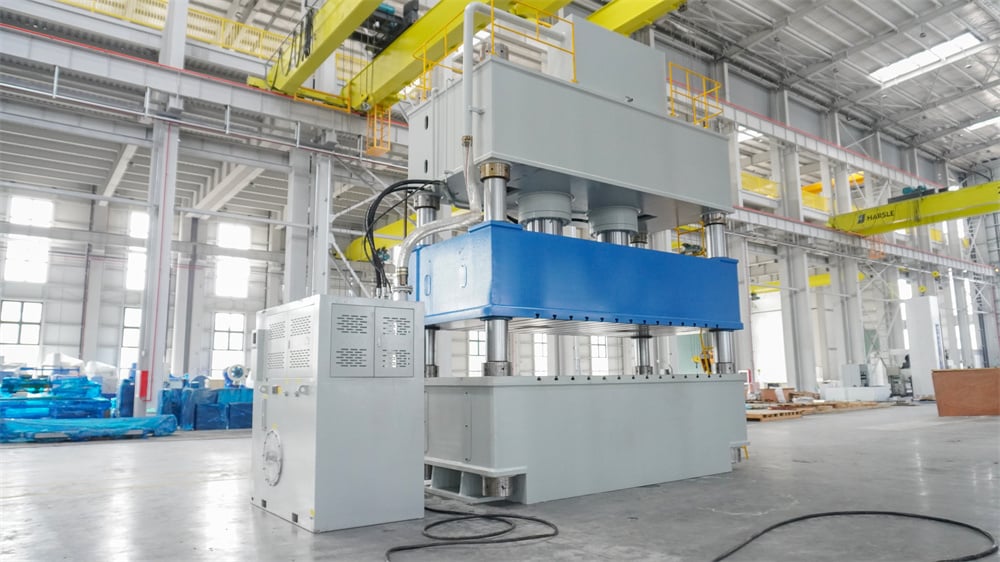
The Strategic Importance of Maintenance
Why focus so heavily on maintenance? The first and most obvious reason is the protection of your capital investment. A high-quality hydraulic press represents a significant financial commitment. Extending its service life from 10 years to 25 years effectively halves the annual cost of the machine. Beyond the initial purchase price, maintenance impacts the Total Cost of Ownership (TCO). Machines that are poorly maintained consume more energy, require more frequent replacement parts, and produce more scrap due to loss of precision.
Safety is another paramount concern. Hydraulic presses operate under immense pressure, often reaching hundreds or thousands of tons. A failure in a high-pressure hose, a structural weld, or a safety light curtain can lead to catastrophic accidents. Preventive care ensures that safety features are always functional and that the structural components of the press are free from fatigue cracks or deformation. In the modern industrial landscape, a single safety incident can result in massive legal liabilities and damage to a company’s reputation.
Furthermore, maintenance is the key to maintaining tight tolerances. In industries like aerospace or automotive manufacturing, a deviation of a few millimeters can render a part useless. Over time, vibration and heat can cause the ram of a hydraulic press to lose its alignment. Regular mechanical checks and adjustments ensure that the press continues to deliver the exact force and positioning required for high-precision work. Finally, a well-documented maintenance history significantly increases the resale value of the machine, should you decide to upgrade to a newer HARSLE model in the future.
Daily Inspection: The First Line of Defense
The most effective way to extend hydraulic press service life with preventive care is through the daily inspection. This should be a non-negotiable part of the operator’s morning routine. A daily check takes only 15 to 20 minutes but can catch 80% of potential issues before they escalate. The process begins with a visual “walk-around.” The operator should look for any signs of oil on the floor or dripping from the cylinders. Even a small drop of oil can indicate a failing seal or a loose fitting that could burst under full load.
Next, check the fluid levels. Hydraulic oil is the lifeblood of the press. If the oil level is low, it can introduce air into the system, leading to cavitation in the pump. Cavitation is a destructive process where air bubbles collapse under pressure, pitting the internal surfaces of the pump and valves. While checking the oil, also observe its color and clarity. If the oil appears milky, it likely contains water; if it looks dark or smells burnt, it has oxidized due to excessive heat. Both conditions require immediate attention.
Operators should also listen to the machine. Every hydraulic press has a unique “acoustic signature.” A new high-pitched whine might indicate pump wear, while a rhythmic thumping could suggest a mechanical loose part. Checking the temperature of the oil reservoir is also vital. Most systems should operate between 40°C and 55°C. If the temperature exceeds 60°C, the viscosity of the oil drops, leading to increased wear and the rapid degradation of rubber seals. Lastly, verify that all safety devices, such as E-stops and light curtains, are functioning perfectly before starting production.
Hydraulic System Maintenance: Managing the Lifeblood
The hydraulic system is the most complex and sensitive part of the press. To maintain it, one must focus on three pillars: cleanliness, temperature control, and pressure management. Contamination is the number one killer of hydraulic components. Microscopic particles of metal, dust, or rubber can act like sandpaper, grinding away at the precision-machined surfaces of valves and cylinders. To combat this, high-quality filters must be used and changed according to the manufacturer’s schedule—or sooner if the filter bypass indicator is triggered.
Oil analysis is a sophisticated tool that every maintenance department should utilize. By sending a small sample of hydraulic oil to a lab, you can get a detailed report on the levels of wear metals, moisture content, and additive depletion. This allows for “condition-based maintenance,” where you change the oil only when it actually needs it, rather than on a fixed calendar date. However, regardless of analysis, the oil should generally be replaced every 2,000 to 4,000 hours of operation to ensure the anti-wear and anti-foaming additives remain effective.
Temperature control is equally critical. Heat causes hydraulic oil to break down chemically, forming sludge and varnish that can clog small orifices in proportional valves. Ensure that the heat exchanger (whether air-cooled or water-cooled) is clean and functioning. In water-cooled systems, check for mineral buildup in the pipes, which can drastically reduce cooling efficiency. Additionally, the pressure settings of the relief valves should be checked periodically. If the relief valve is set too high, it puts unnecessary stress on the pump and hoses; if set too low, the press will fail to reach its rated tonnage.
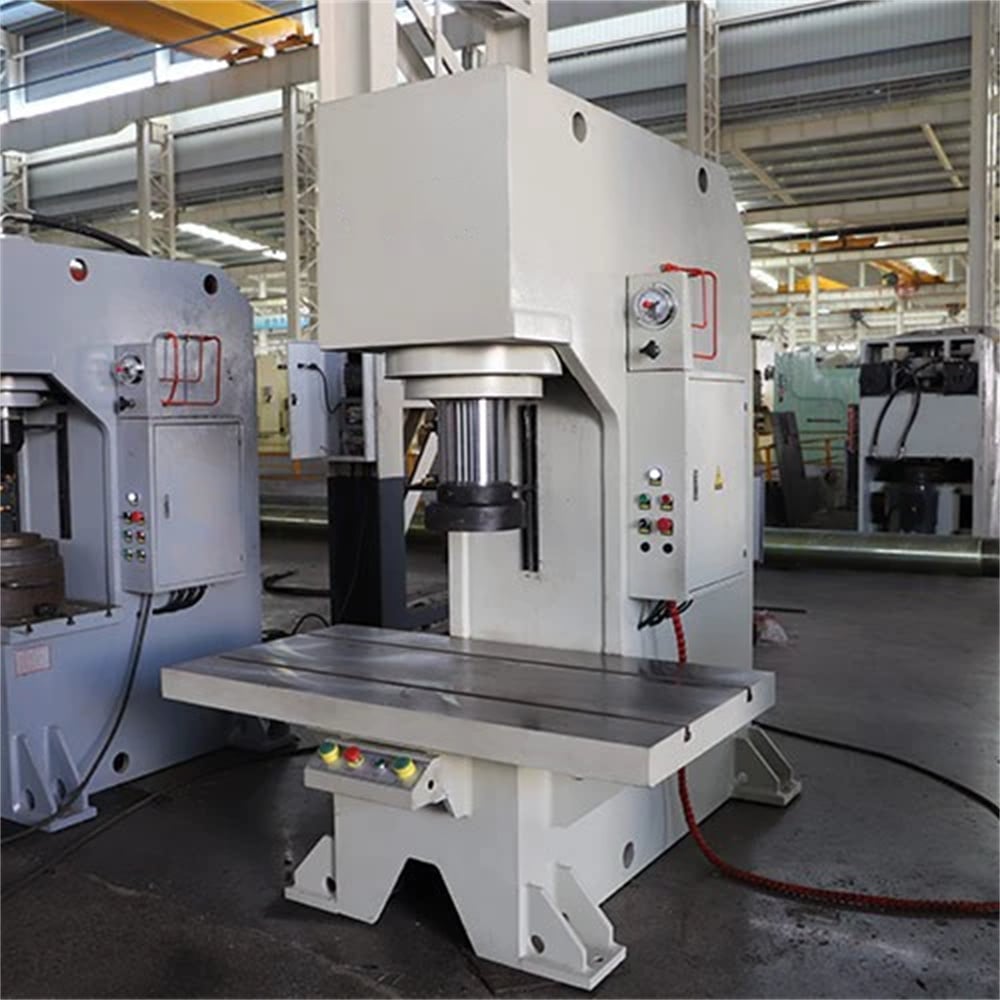
Electrical and Control System Integrity
Modern HARSLE hydraulic presses are equipped with advanced PLC (Programmable Logic Controller) systems and sensitive electronic sensors. While these components don’t “wear out” in the same way mechanical parts do, they are susceptible to environmental factors. Heat and dust are the primary enemies of the electrical cabinet. Ensure that the cooling fans on the cabinet are working and that the filters are clean. A buildup of dust on circuit boards can cause short circuits or trap heat, leading to premature component failure.
Vibration is another factor that affects electrical systems. Over time, the constant cycling of the press can loosen terminal screws and wire connections. A loose connection creates high resistance, which generates heat and can eventually melt the wire insulation or damage the PLC input/output modules. During quarterly maintenance, a technician should use a screwdriver to verify the tightness of all connections in the main control panel and at the motor junction box.
Sensors, such as pressure transducers and linear scales, must be kept clean and calibrated. If a linear scale is covered in oil and metal shavings, it may provide inaccurate feedback to the PLC, causing the ram to over-travel or stop short. Similarly, the emergency stop circuit should be tested regularly. This isn’t just a safety requirement; it’s a functional check of the relays and contactors that must reliably cut power to the hydraulic pump motor in an instant. Replacing a $50 relay during a scheduled check is much better than dealing with a failed motor starter during a production rush.
Mechanical Checks: Frame, Ram, and Gibs
The mechanical structure of the press—the frame, the bed, and the ram—is designed to withstand massive forces, but it is not invincible. The most critical mechanical aspect to monitor is the alignment of the ram. If the ram is not perfectly parallel to the bed, it creates side-loading on the hydraulic cylinders. This side-loading causes uneven wear on the cylinder bushings and seals, leading to leaks and eventual cylinder failure. Using a dial indicator to check parallelism at the four corners of the ram is a standard preventive procedure.
The “gibs” are the adjustable guides that keep the ram moving in a straight vertical path. Over time, these guides wear down. If the gap between the ram and the gibs becomes too large, the ram will “slop” or tilt during the press stroke. This not only ruins the accuracy of the part but also damages the tooling. Gibs should be adjusted periodically to the manufacturer’s specifications. When adjusting them, ensure they are not too tight, as this will create excessive friction and heat, potentially scoring the guide surfaces.
Inspect the frame for any signs of stress. Look at the weld joints and the areas around the tie-rods (if applicable). While HARSLE frames are engineered for high fatigue resistance, extreme overloading or millions of cycles can eventually lead to hairline cracks. Using non-destructive testing (NDT) methods like dye penetrant can help identify these cracks before they become structural failures. Finally, check all mounting bolts, especially those holding the main cylinders and the pump motor. A loose bolt can lead to a misalignment that cascades into a major mechanical breakdown.
Comprehensive Lubrication Plan
Lubrication is often the most overlooked aspect of preventive care, yet it is the simplest way to extend hydraulic press service life. Any part of the machine that moves against another part requires lubrication. This includes the ram guides (gibs), the pivot points on linkages, and the bearings on the motor and pump. The key to a successful lubrication plan is using the right lubricant, in the right amount, at the right time.
There are generally two types of lubrication systems on a hydraulic press: manual and automatic. Manual systems require the operator to use a grease gun at specific intervals. The danger here is either over-greasing (which can blow out seals and attract abrasive dust) or under-greasing (which leads to metal-on-metal contact). Automatic lubrication systems are superior because they deliver small, precise amounts of grease or oil at frequent intervals while the machine is running. However, these systems must be monitored to ensure the reservoir is full and the delivery lines are not clogged or broken.
When selecting a lubricant, always refer to the HARSLE manual. Using a generic grease might save a few dollars, but it may not have the Extreme Pressure (EP) additives required for the high loads of a hydraulic press. For the ram guides, a “way oil” is often preferred because it contains tackifiers that help the oil stick to vertical surfaces. For motor bearings, a high-speed lithium-based grease is standard. Documenting every lubrication event in a logbook ensures accountability and helps identify patterns—for example, if one guide is consuming more oil than the others, it may indicate a leak or a misalignment.
Troubleshooting Signals: Listening to Your Machine
A key part of preventive care is being able to interpret the signals the machine is sending. You don’t need to wait for a total breakdown to know something is wrong. One of the most common signals is a change in cycle time. If the press is taking longer to complete a stroke than it did a month ago, it indicates a loss of efficiency. This could be due to a worn pump, a leaking internal seal in the cylinder, or a valve that isn’t opening fully. Monitoring cycle times is a great way to catch “silent” wear.
Vibration is another critical signal. While some vibration is normal during the breakthrough of a punch, constant vibration during the approach or return stroke is a red flag. It could mean the pump is misaligned with the motor, or that there is air trapped in the hydraulic lines. If left unaddressed, vibration will loosen electrical connections, crack hydraulic fittings, and fatigue the machine frame. Using a handheld vibration meter can help quantify this and provide a baseline for future comparisons.
Finally, pay attention to the “feel” of the controls. If the joystick or buttons feel sluggish, or if the HMI (Human Machine Interface) is throwing intermittent error codes, the control system is struggling. Often, these issues are caused by fluctuating power supply or electromagnetic interference (EMI). Installing a power conditioner or ensuring proper grounding can resolve these “ghost” issues before they lead to a permanent PLC failure. By being proactive and treating these small signals as urgent warnings, you can significantly extend the machine’s operational life.
Comprehensive Maintenance Schedule Table
To effectively extend hydraulic press service life with preventive care, a structured schedule is essential. Below is a recommended maintenance framework for HARSLE hydraulic presses.
| Frequency | Component | Action Required |
|---|---|---|
| Daily | Oil Level & Temp | Check reservoir level; ensure temp is below 55°C. |
| Daily | Leaks | Inspect cylinders, hoses, and valves for oil drips. |
| Daily | Safety Systems | Test E-stops, light curtains, and interlocks. |
| Weekly | Filters | Check pressure gauges on filters; replace if in red zone. |
| Weekly | Ram Guides | Clean and inspect for proper lubrication/scoring. |
| Monthly | Electrical Cabinet | Clean filters; vacuum dust; check cooling fans. |
| Monthly | Bolts & Fasteners | Check tightness of cylinder and motor mounting bolts. |
| Quarterly | Oil Analysis | Send sample to lab for contamination and additive check. |
| Quarterly | Gib Adjustment | Check ram parallelism and adjust gib clearance. |
| Semi-Annually | Heat Exchanger | Clean cooling fins or flush water pipes. |
| Annually | Hydraulic Oil | Complete oil change (unless analysis says otherwise). |
| Annually | System Calibration | Verify pressure gauges and sensor accuracy. |
Advanced Tips for Longevity
Beyond the standard maintenance tasks, there are several advanced strategies to further protect your machinery. First, consider the environment. A hydraulic press operating in a dusty, unheated foundry will have a shorter life than one in a clean, climate-controlled facility. If your environment is harsh, increase the frequency of filter changes and consider installing an external oil kidney loop system to provide continuous extra-fine filtration and cooling.
Operator training is perhaps the most underrated form of preventive care. An operator who understands how the machine works is less likely to overload it or ignore a warning light. Teach your team the physics of the press—why off-center loading is damaging and why they should never bypass a safety or pressure limit. A knowledgeable operator is the machine’s best guardian.
Finally, maintain a “critical spares” inventory. This should include a set of seals for the main cylinder, a spare pump, a set of filters, and common relays or sensors. Having these parts on hand doesn’t just reduce downtime; it encourages timely maintenance. If a technician sees a weeping seal and knows the replacement is on the shelf, they are much more likely to fix it immediately rather than “waiting until it gets worse.” Proactive replacement of wear parts is the hallmark of a high-performance maintenance culture.
Frequently Asked Questions (FAQ)
1. How often should I change the hydraulic oil?
While a general rule is every 2,000 to 4,000 hours, the best practice is to use oil analysis. If the oil is clean, dry, and the additives are intact, you can extend the interval. However, if the machine operates in a high-heat or high-dust environment, you may need to change it annually regardless of hours.
2. What is the most common cause of hydraulic press failure?
Contamination of the hydraulic fluid is the leading cause. It accounts for up to 80% of hydraulic system failures. Small particles damage the pump and valves, leading to loss of pressure and heat buildup.
3. Why is my hydraulic press running hot?
Common causes include a dirty heat exchanger, a worn pump bypassing oil internally, or a relief valve set too low, causing oil to constantly dump over the valve and generate heat. Ensure your cooling system is clean and functioning.
4. Can I use any hydraulic oil in my HARSLE press?
No. You must use oil that meets the ISO viscosity grade and additive requirements specified in your manual (usually ISO VG 32 or 46 with anti-wear additives). Using the wrong oil can lead to poor lubrication and seal damage.
5. How do I know if my ram is misaligned?
Signs include uneven wear on the guides, leaking cylinder seals, and parts that are out of tolerance. You can check alignment by placing a dial indicator on the ram and measuring its distance from the bed at various points during the stroke.
6. What should I do if I hear a loud whining noise from the pump?
Stop the machine immediately. This is often a sign of cavitation (air in the oil) or suction blockage. Running a pump while it is cavitating will destroy its internal components in a matter of minutes.
Conclusion
To extend hydraulic press service life with preventive care is to commit to a culture of excellence. It requires discipline from operators, expertise from maintenance technicians, and support from management. By following the daily, monthly, and annual protocols outlined in this guide, you can transform your HARSLE hydraulic press from a simple tool into a long-term competitive advantage. Remember, the cost of a gallon of oil or a new filter is pennies compared to the cost of a week of lost production. Treat your machinery with respect, and it will provide reliable, high-precision service for many years to come.












