
How to Clean and Protect a Punching Machine After Every Production Shift: The Ultimate HARSLE Guide


The Critical Importance of Daily Maintenance for Punching Machines
In the high-stakes environment of metal fabrication, the punching machine serves as the backbone of production. Whether you are operating a high-speed CNC turret punch or a robust hydraulic punching press, the equipment is subjected to immense mechanical stress, vibration, and debris accumulation. To clean and protect a punching machine after every production shift is not merely a suggestion; it is a fundamental operational requirement that dictates the longevity and precision of your machinery. Neglecting these daily rituals leads to premature wear, increased downtime, and costly repairs that can cripple your production schedule.
When metal scraps, dust, and lubricants are left to accumulate on the machine bed or within the tool stations, they act as abrasives. Over time, these particles can infiltrate sensitive components, leading to scoring on guide rails and degradation of hydraulic seals. By establishing a rigorous routine to clean and protect a punching machine after every production shift, operators ensure that the machine remains in peak condition, ready to deliver high-precision results the moment the next shift begins. This proactive approach is the hallmark of a professional metal fabrication facility.
Furthermore, daily maintenance is a powerful tool for risk mitigation. A clean machine is a safe machine. When debris is cleared, operators can easily spot potential hazards such as loose bolts, frayed electrical conduits, or leaking hydraulic lines. By integrating these checks into the end-of-shift routine, you foster a culture of safety and accountability among your staff. HARSLE emphasizes that the cost of fifteen minutes of cleaning at the end of a shift is negligible compared to the thousands of dollars lost during an unexpected machine failure.
Finally, consider the impact on resale value and overall equipment effectiveness (OEE). Machines that are meticulously maintained retain their accuracy and structural integrity for years longer than those subjected to neglect. When you prioritize the daily care of your punching equipment, you are investing in the long-term profitability of your business. This guide provides a comprehensive framework to help your team master the art of machine preservation.
Daily Inspection: The First Line of Defense
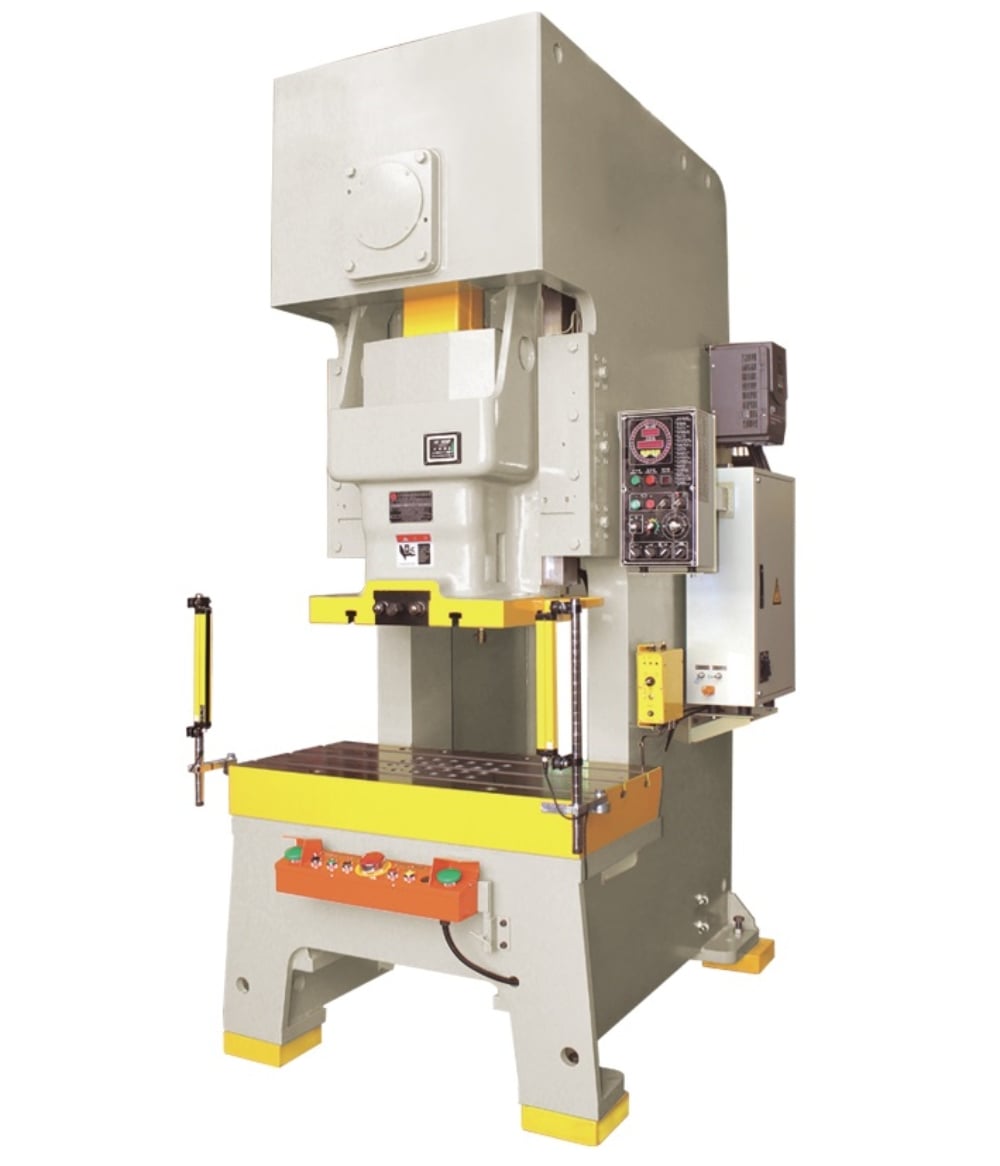
Before the cleaning process begins, a thorough daily inspection is required to assess the machine’s state after a full day of operation. This inspection should be systematic, moving from the exterior housing to the internal tool stations. Start by checking the machine’s frame for any signs of unusual vibration or structural stress. Listen for any lingering mechanical noises that might indicate a loose component or a failing bearing. Documenting these observations in a daily logbook is essential for tracking the machine’s health over time.
Next, focus your attention on the punching tools and the die holder. Inspect the punch tips for signs of chipping, galling, or excessive wear. Even minor damage to a punch can lead to burrs on the finished product and increased force requirements, which in turn puts unnecessary strain on the machine’s drive system. If you notice any irregularities, mark the tool for sharpening or replacement before the next shift starts. This prevents the “domino effect” where one bad tool ruins a batch of parts.
The worktable and clamping system also require close scrutiny. Ensure that the clamps are functioning correctly and that the table surface is free from deep scratches or gouges that could interfere with material movement. Check the alignment of the sheet metal guides to ensure they haven’t shifted during the day’s operations. A stable, clean work surface is vital for maintaining the tolerances required in modern metal fabrication.
Lastly, verify the status of the safety guards and emergency stop systems. While these should be checked at the start of the day, a post-shift inspection ensures that no safety features were compromised during production. If a guard was removed for a specific task, ensure it is reinstalled and secured. This comprehensive inspection approach ensures that you are not just cleaning, but actively managing the machine’s operational status.
Hydraulic, Electrical, and Mechanical Checks
To truly protect a punching machine after every production shift, you must look beyond the surface. The hydraulic system is the heart of many punching machines, and it requires specific attention. Check the hydraulic oil level and inspect the reservoir for any signs of contamination or discoloration. If the oil appears milky, it may indicate water ingress, which requires immediate attention from a maintenance technician. Ensure that all hydraulic hoses are free from kinks, cracks, or leaks, as even a small pinhole leak can lead to a significant loss of pressure and potential fire hazards.
The electrical system, while largely enclosed, still requires a visual check. Inspect the control panel and the main electrical cabinet for any signs of overheating, such as discolored wiring or a burnt smell. Ensure that all cable tracks (drag chains) are clear of debris and that the cables are not being pinched or stretched during the machine’s movement. A clean electrical environment prevents short circuits and ensures that the CNC controller receives clean, uninterrupted signals.
Mechanically, the focus should be on the drive system, including ball screws, linear guides, and gearboxes. These components are the precision elements of your punching machine. Wipe down the linear guides to remove any metal dust that could act as an abrasive. Apply a light coat of recommended lubricant to these surfaces to prevent oxidation. Check the tension of any drive belts or chains; if they appear loose or show signs of fraying, they should be adjusted or replaced promptly.
Finally, examine the lubrication system itself. Many modern punching machines feature automatic lubrication systems. Verify that the pump is cycling correctly and that the oil lines are not blocked. If your machine uses manual grease points, ensure that the grease is being applied according to the manufacturer’s specifications. A well-lubricated machine runs cooler, quieter, and with significantly less friction, which is the ultimate goal of your daily protection routine.
The Comprehensive Lubrication Plan
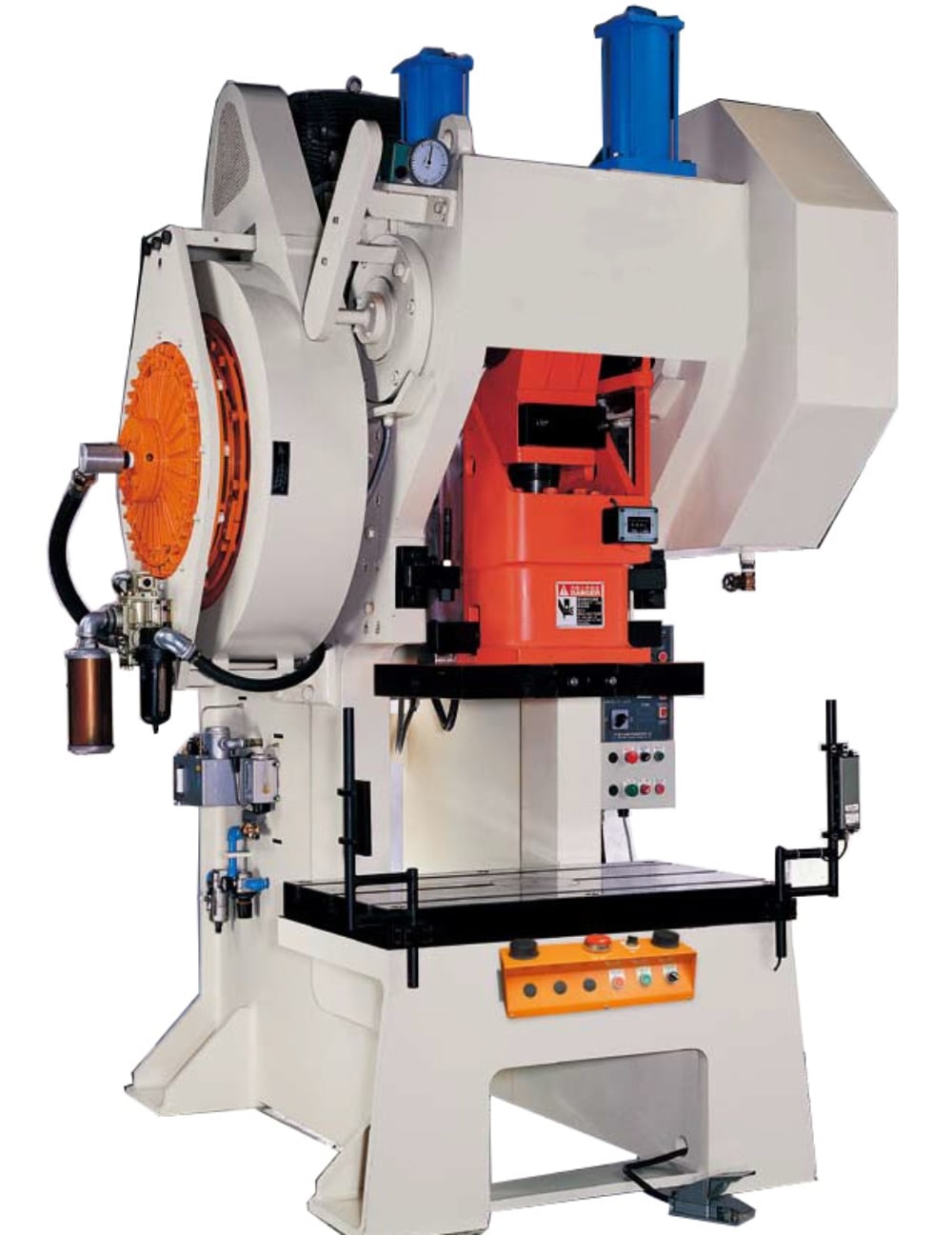
Lubrication is the lifeblood of any industrial punching machine. A robust lubrication plan is not just about adding oil; it is about ensuring the right lubricant reaches the right place at the right time. After every shift, verify that the automatic lubrication system has completed its cycle. If the machine has been running at high capacity, you may need to perform an additional manual lubrication cycle to ensure that all moving parts are adequately coated before the machine sits idle overnight.
When selecting lubricants, always adhere to the manufacturer’s recommendations. Using the wrong viscosity or type of oil can lead to sludge buildup or inadequate protection under high-pressure conditions. Keep a dedicated lubrication chart near the machine that clearly identifies each lubrication point, the type of lubricant required, and the frequency of application. This eliminates guesswork and ensures that every operator follows the same standard procedure.
Pay special attention to the tool guide and the punch head. These areas are subject to high impact and heat. A high-quality, heat-resistant lubricant should be applied to the punch head to reduce friction and prevent galling. If you are working with stainless steel or other high-tensile materials, the lubrication requirements may be even more stringent. Always clean off old, contaminated grease before applying fresh lubricant to prevent the buildup of abrasive particles.
Finally, document all lubrication activities. If the machine has an integrated maintenance tracking system, log the completion of the lubrication task. If not, a simple physical checklist attached to the machine will suffice. This documentation is invaluable for maintenance planning and provides a clear history of the machine’s care, which is essential for warranty claims and long-term asset management.
Troubleshooting Signals: What to Watch For
Even with the best maintenance, machines will occasionally signal that something is wrong. Learning to interpret these signals is a critical skill for any operator. An increase in noise levels, particularly clunking or grinding sounds, is a primary indicator of mechanical wear. If you hear such sounds, do not wait for the next shift; investigate the source immediately. It could be as simple as a loose bolt or as complex as a failing gearbox bearing.
Temperature is another key indicator. If you notice that the hydraulic tank or the drive motors are running significantly hotter than usual, it could indicate a cooling system failure or excessive friction. Use an infrared thermometer to monitor these temperatures periodically. If the machine’s controller displays error codes, never ignore them or simply reset the machine. Research the code in the HARSLE technical manual to understand the root cause of the issue.
Watch for changes in the quality of the punched parts. If you notice an increase in burrs, uneven hole edges, or dimensional inaccuracies, it is a clear signal that the tooling is dull or the machine’s alignment has drifted. Do not attempt to compensate for these issues by increasing the punching force, as this will only accelerate the damage to the machine frame and the hydraulic system.
Finally, pay attention to the machine’s movement. If the turret or the worktable seems to hesitate or move jerkily, it may indicate a problem with the servo motors or the drive system. A smooth, fluid motion is the sign of a healthy machine. By staying vigilant and responding to these early warning signs, you can prevent minor issues from escalating into catastrophic failures that require expensive, long-term repairs.
Maintenance Schedule Table
| Task | Frequency | Action |
|---|---|---|
| Surface Cleaning | Every Shift | Remove all metal scraps and dust |
| Tool Inspection | Every Shift | Check for chips, galling, and wear |
| Hydraulic Check | Daily | Verify oil levels and check for leaks |
| Lubrication | Daily | Apply grease/oil to all designated points |
| Safety Guards | Daily | Ensure all guards are secure and functional |
| Electrical Check | Weekly | Inspect cables and cabinet for heat/damage |
| System Calibration | Monthly | Verify machine accuracy and alignment |
Frequently Asked Questions (FAQ)
How long should it take to clean and protect a punching machine after every production shift?
Typically, a thorough end-of-shift cleaning and inspection should take between 15 to 20 minutes. This time investment is minimal compared to the cost of downtime caused by machine failure.
Can I use compressed air to clean the machine?
While compressed air is effective for removing dust, it can also force debris into sensitive areas like linear guides or electrical components. It is better to use a vacuum or a soft brush for the majority of the cleaning, using air only with extreme caution.
What should I do if I find a hydraulic leak?
Stop the machine immediately, lock out the power, and report the leak to your maintenance department. Never attempt to operate a machine with a known hydraulic leak, as it poses both a safety risk and a threat to the machine’s integrity.
How often should the hydraulic oil be changed?
The frequency of oil changes depends on the machine’s usage and the environment. Generally, it is recommended to change the hydraulic oil every 2,000 to 4,000 operating hours, or as specified in your HARSLE maintenance manual.
Why is it important to log maintenance activities?
Logging maintenance provides a clear history of the machine’s care. This is essential for troubleshooting recurring issues, planning future maintenance, and maintaining the machine’s resale value and warranty status.
What is the most common cause of punching machine failure?
Lack of proper lubrication and the accumulation of debris are the most common causes of failure. Keeping the machine clean and well-lubricated is the single most effective way to prevent these issues.












