Comprehensive Hydraulic Press Maintenance Guide for Temperature Control and Oil Cooling


Introduction to Hydraulic Press Maintenance and Thermal Management
In the high-stakes world of metal fabrication, the hydraulic press stands as a cornerstone of production. Whether it is deep drawing, punching, or forming, the reliability of these machines dictates the profitability of a workshop. However, one of the most significant yet often overlooked factors in hydraulic press longevity is thermal management. Effective Hydraulic Press Maintenance Temperature Control Oil Cooling is not merely a suggestion; it is a technical necessity for ensuring precision and preventing catastrophic component failure. When a hydraulic press operates, it is essentially an energy conversion machine. It converts electrical energy into mechanical energy via hydraulic fluid. According to the laws of thermodynamics, no conversion is 100% efficient. The ‘lost’ energy is primarily converted into heat, which must be managed to maintain the system’s integrity.
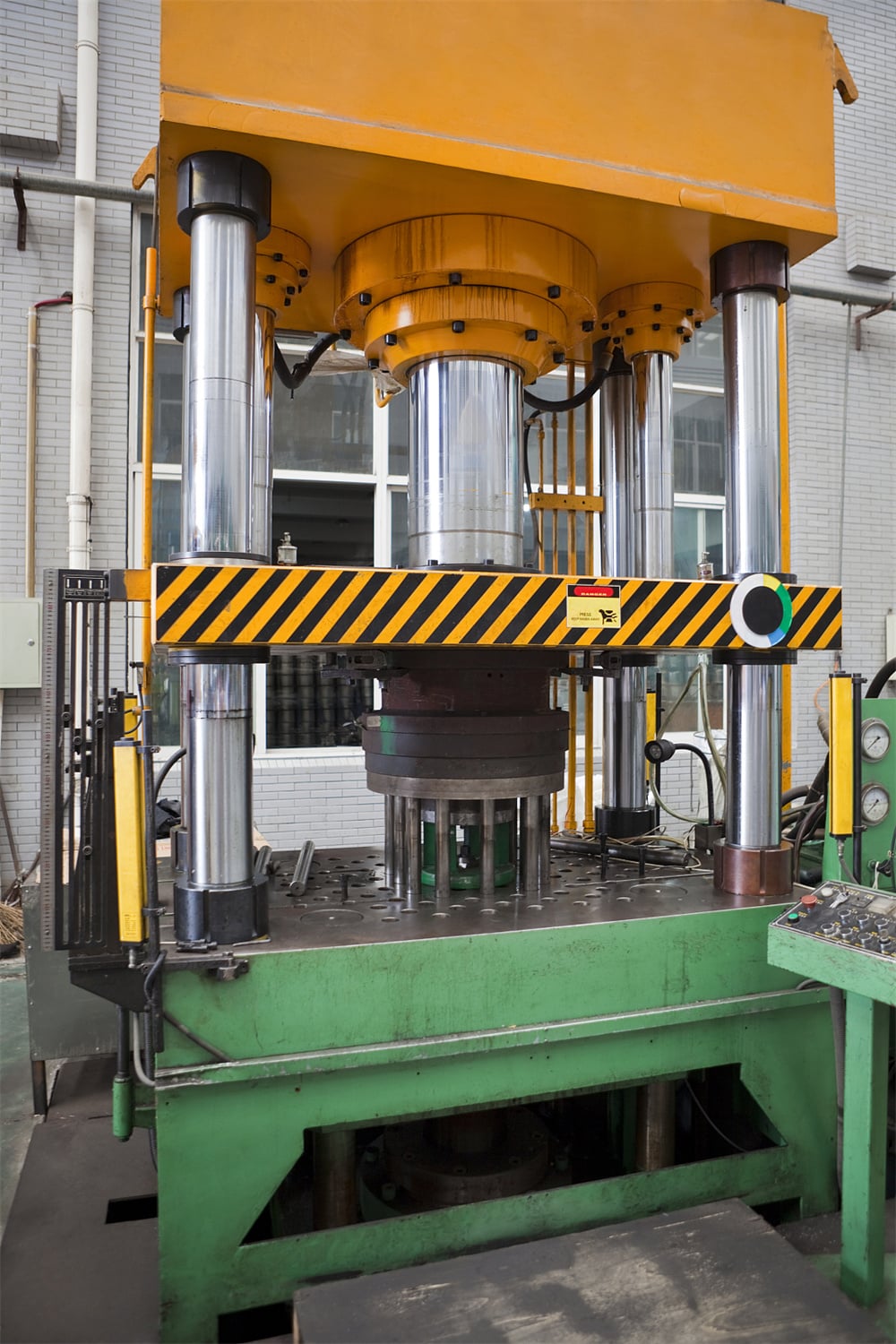
Hydraulic systems operate on the principle of fluid power, where energy is transmitted through pressurized oil. This process inherently generates heat due to internal friction, pressure drops across valves, and mechanical inefficiencies. When the temperature of the hydraulic oil exceeds its optimal range—typically between 40°C and 55°C (104°F to 131°F)—the physical properties of the oil begin to degrade. This degradation leads to reduced viscosity, which in turn causes internal leakage, decreased lubrication, and accelerated wear on pumps and seals. This guide provides an exhaustive look at maintaining these critical systems to ensure your HARSLE machinery operates at peak efficiency for decades. We will explore the molecular changes in oil, the mechanical impact of thermal expansion, and the sophisticated cooling technologies available to modern manufacturers.
The Critical Importance of Temperature Control in Hydraulic Systems
Why is temperature control so vital? To understand this, we must look at the molecular level of hydraulic fluid. Hydraulic oil is engineered to provide a specific film thickness at a specific temperature. This is known as the Viscosity Index (VI). When the oil becomes too hot, its molecules move more rapidly and the fluid thins out. This thinning prevents the oil from maintaining a protective barrier between moving metal parts, leading to metal-on-metal contact. Over time, this results in the “scoring” of cylinder walls and the erosion of pump vanes, which are expensive components to replace.
Furthermore, excessive heat accelerates the oxidation of the oil. Oxidation is a chemical reaction where the oil reacts with oxygen to form sludge, varnish, and acids. A general rule of thumb in lubrication chemistry is the Arrhenius Law: for every 10°C (18°F) increase in temperature above its recommended limit, the rate of oxidation doubles, effectively halving the life of the oil. These byproducts can clog fine orifices in proportional valves and servo-valves, leading to erratic machine behavior or total system lockup. By prioritizing Hydraulic Press Maintenance Temperature Control Oil Cooling, operators can extend the life of their oil by up to 50%, significantly reducing the total cost of ownership. Thermal stability also ensures consistent cycle times, as the viscosity of the oil remains stable, providing predictable flow rates through the hydraulic circuit.
The Physics of Heat Generation
Heat in a hydraulic system is generated in several ways. First, there is “fluid friction” as the oil moves through pipes and hoses. Second, there is “mechanical friction” within the pump and cylinders. Third, and perhaps most significantly, is the heat generated by pressure drops. Whenever oil passes through a relief valve or a flow control valve without doing mechanical work, the pressure energy is converted entirely into heat. In high-speed applications, such as those involving rapid cycling, this heat generation can be immense, requiring a robust cooling strategy to prevent the system from reaching the critical 65°C threshold where seals begin to harden and fail.
The Financial Impact of Poor Cooling
From a business perspective, the cost of a cooling system failure is far higher than the cost of regular maintenance. A single day of downtime on a high-capacity hydraulic press can cost thousands of dollars in lost production. If the oil overheats and damages the main pump, the repair costs are compounded by the price of the replacement parts and the labor required for a complete system flush. Regular maintenance of the oil cooling unit—whether it is an air-cooled heat exchanger or a water-cooled system—is the most effective insurance policy a fabrication shop can have. Furthermore, consistent temperature control leads to better part quality; as the oil temperature stays stable, the press force and speed remain consistent, reducing scrap rates in precision forming operations.
Daily Inspection Routine for Temperature and Oil Health
A proactive maintenance strategy begins with daily observations. Operators should be trained to recognize the early warning signs of thermal distress before they escalate into major repairs. The first step in a daily routine is checking the oil level and the integrated thermometer. Most modern HARSLE presses are equipped with digital temperature sensors and PLC-linked alarms, but manual sight glasses remain a reliable backup that should never be ignored.
During the first hour of operation, monitor how quickly the temperature rises. A rapid spike in temperature often indicates a blocked cooling line, a malfunctioning thermostat, or a pump that is working against a closed valve. Additionally, check the color and clarity of the oil. Healthy hydraulic oil should be clear and amber-colored. If the oil appears milky, it indicates water contamination (often from a leak in a water-cooled heat exchanger). If it appears dark or smells burnt, it has already undergone significant thermal degradation and needs immediate testing or replacement. This “sensory” inspection is the first line of defense in Hydraulic Press Maintenance Temperature Control Oil Cooling.
Visual and Auditory Checks
Beyond the gauges, use your senses. Listen for unusual noises coming from the pump. Cavitation, often caused by oil that is too thick (too cold) or too thin (too hot), produces a distinct metallic “marbles in a can” sound. Inspect the exterior of the oil cooler for dust accumulation. In air-cooled systems, a layer of shop dust can act as an insulator, drastically reducing the efficiency of the cooling fins. A quick blast of compressed air every morning can prevent this buildup and keep the system running cool. Also, look for “sweating” on hydraulic lines; excessive condensation can indicate a temperature differential that might lead to water ingress in the reservoir.
In-Depth Hydraulic, Electrical, and Mechanical Checks
Hydraulic System Deep-Dive
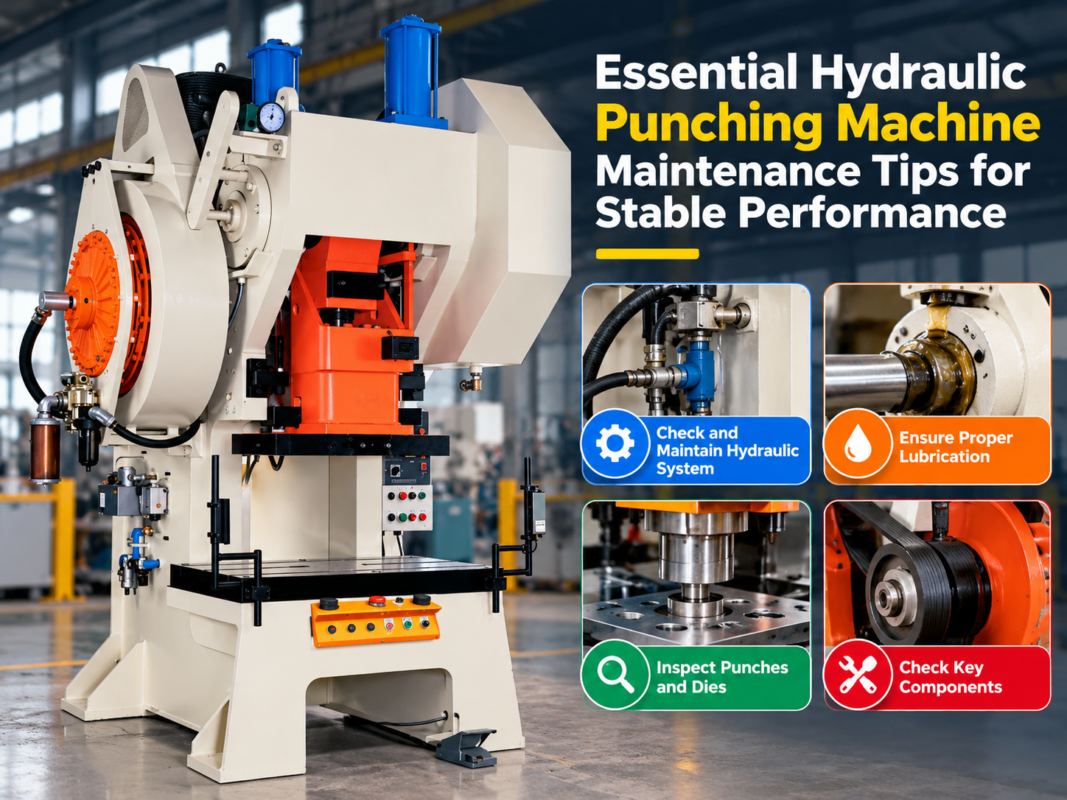
The heart of the cooling system is the heat exchanger. There are two primary types: air-cooled and water-cooled. For water-cooled systems, it is essential to check the water flow rate and the condition of the inlet strainers. Scale buildup (calcium deposits) inside the tubes can reduce heat transfer efficiency by acting as an insulating layer. For air-cooled systems, the fan motor and blades must be inspected for balance and operation. Ensure that the bypass valve (often called a thermal relief valve) is functioning correctly; this valve allows oil to bypass the cooler when it is cold to prevent over-pressurizing the cooler core during startup.
Filters are another critical component. A clogged return-line filter can increase backpressure, which generates additional heat. Always replace filters according to the manufacturer’s pressure differential gauge rather than waiting for a scheduled date. Clean oil is cooler oil, as it flows more smoothly and experiences less internal friction. Furthermore, check the reservoir’s breather cap. If the breather is clogged, the pump has to work harder to pull oil, creating a vacuum effect that increases heat and risks cavitation.
Electrical and Control Systems
Modern Hydraulic Press Maintenance Temperature Control Oil Cooling relies heavily on electrical sensors. Ensure that the PLC (Programmable Logic Controller) is receiving accurate data from the temperature probes. Periodically calibrate these sensors against a handheld infrared thermometer. Check the wiring for the cooling fan relays and the solenoid valves that control water flow. A loose wire or a corroded contact can prevent the cooling system from engaging, leading to a rapid overheat scenario during heavy production cycles. In advanced HARSLE models, the electrical system also monitors the ‘delta T’ (the difference between inlet and outlet temperatures) to calculate the efficiency of the cooling unit in real-time.
Mechanical Integrity
Mechanical checks should focus on the structural components that support the hydraulic system. Check the mounting bolts of the oil cooler to ensure they haven’t vibrated loose. Inspect all hydraulic hoses for signs of “sweating” or cracking. High temperatures make rubber hoses brittle over time. A hose failure not only causes a mess but can lead to a dangerous high-pressure oil spray that is also a significant fire hazard if the oil is near its flash point. Additionally, inspect the pump-motor coupling; misalignment here can generate significant mechanical heat that is transferred directly into the hydraulic fluid.
Comprehensive Lubrication Plan
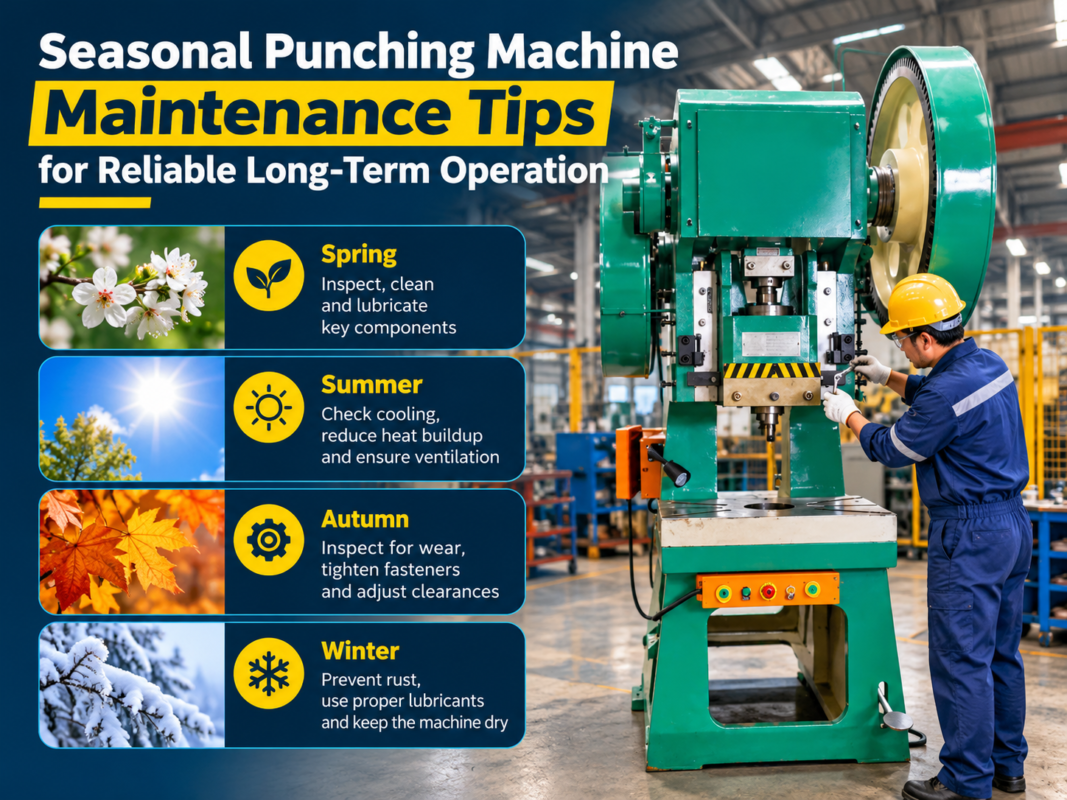
While the hydraulic oil is the primary fluid, the mechanical linkages, slides, and guide rails of the press require their own lubrication regimen. Proper lubrication of these parts reduces the overall load on the hydraulic system, which in turn reduces the heat generated by the press. A well-lubricated machine runs smoother and cooler because it requires less force to overcome static and dynamic friction.
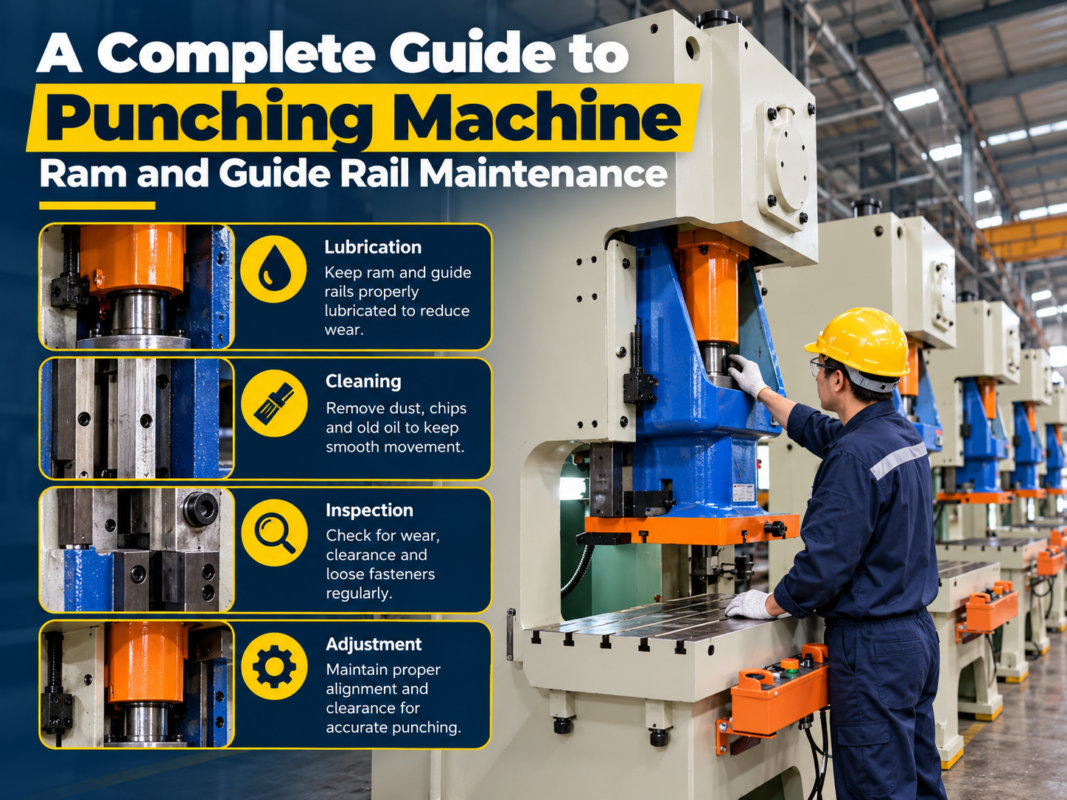
- Guide Rails and Gibs: Use a high-pressure EP (Extreme Pressure) grease. These should be lubricated daily or via an automated system. If the gibs are too tight or poorly lubricated, the hydraulic system must work harder to move the ram, generating excess heat.
- Main Ram: Ensure the ram surface is clean and lightly coated with oil to prevent seal wear. A dry ram can cause “stiction,” leading to jerky movements and heat spikes.
- Pivot Points and Bearings: Check all bushings and bearings for adequate grease. Dry bearings increase friction and contribute to the overall thermal load of the machine.
- Automatic Lubrication Systems (ALS): If your press is equipped with an ALS, check the reservoir levels and ensure all injectors are firing. A blocked injector can lead to a localized heat buildup that is hard to detect until damage occurs.
It is vital to use the lubricants specified by HARSLE. Mixing different types of grease or using the wrong viscosity oil can lead to chemical reactions that gum up the works, increasing resistance and heat. Always document every lubrication task in a maintenance log to ensure accountability and track the consumption of supplies. This documentation is also invaluable for warranty claims and resale value.
Troubleshooting Signals: When to Stop the Machine
Recognizing the “red flags” of hydraulic failure can save a company tens of thousands of dollars. If any of the following signals occur, the machine should be stopped and inspected immediately. Continuing to operate an overheating press is a recipe for a total system rebuild.
- Oil Temperature Exceeding 65°C: Most systems are designed to trip an alarm at this point. Do not bypass this alarm. At 65°C, the chemical bonds in standard hydraulic oil begin to break down rapidly.
- Foaming Oil: If you see foam in the sight glass, air is entering the system (aeration), or the anti-foaming additives in the oil have broken down. Foam is highly compressible and generates immense heat when compressed in the cylinder.
- Erratic Pressure Readings: If the pressure gauge needles are flickering, it suggests air ingestion or a failing pump, both of which lead to overheating.
- Increased Cycle Times: If the press is moving slower than usual, the oil is likely too thin due to heat, causing internal bypass in the cylinders or valves. This is essentially energy being wasted as heat instead of motion.
- Unusual Odors: A “burnt toast” smell is a definitive sign that the oil has oxidized and lost its lubricating properties. This oil must be replaced immediately.
- Discolored Components: If the paint on the hydraulic cylinders or valve blocks is blistering or changing color, it indicates localized extreme heat.
Detailed Maintenance Schedule Table
Consistency is the key to effective maintenance. Use the following table as a baseline for your HARSLE hydraulic press maintenance program. Adjust these intervals based on your specific environment (e.g., a dusty foundry requires more frequent cleaning than a clean-room electronics facility).
| Frequency | Component | Action Required | Goal |
|---|---|---|---|
| Daily | Oil Level & Temp | Check sight glass; ensure temp is within 40-55°C range. | Prevent pump starvation and overheating. |
| Daily | Cooling Fins/Fans | Visual inspection for debris; clean with air if necessary. | Maintain heat exchange efficiency. |
| Weekly | Hoses & Fittings | Check for leaks, cracks, or signs of heat damage. | Prevent catastrophic fluid loss and fire. |
| Monthly | Oil Analysis | Take a sample for laboratory analysis (check for particles/water). | Predictive maintenance and oil life extension. |
| Quarterly | Heat Exchanger | Deep clean the cooling surfaces; check water flow/valves. | Ensure maximum thermal transfer. |
| Bi-Annually | Electrical Sensors | Calibrate temperature probes and check relay functions. | Ensure accurate monitoring and safety trips. |
| Annually | Hydraulic Oil | Complete oil change (or based on analysis results). | Restore lubrication and cooling properties. |
| Annually | System Flush | Clean the reservoir and remove any accumulated sludge. | Remove contaminants that trap heat. |
Advanced Tips for Oil Cooling Optimization
For shops operating in particularly hot climates or running 24/7 shifts, standard cooling might not be enough. Consider these advanced optimizations to enhance your Hydraulic Press Maintenance Temperature Control Oil Cooling strategy:
1. Install a Kidney Loop System: This is an independent cooling and filtration circuit that runs separately from the main hydraulic system. It consists of its own small pump, motor, filter, and cooler. It allows the oil to be cooled and filtered even when the press is not actively cycling, providing a more stable baseline temperature and superior filtration without affecting the main system’s pressure.
2. Use Synthetic Hydraulic Fluids: While more expensive, synthetic oils have a much higher viscosity index. This means they maintain their thickness better at high temperatures and are more resistant to oxidation. They also have better thermal conductivity, allowing them to transfer heat to the cooling unit more efficiently.
3. Ambient Air Management: Ensure the press is not located directly next to a heat source, such as a furnace or another uninsulated machine. Improving the ventilation in the shop can lower the ambient air temperature, making air-cooled heat exchangers significantly more effective. In some cases, ducting outside air directly to the cooler intake can provide a massive boost in efficiency.
4. Variable Frequency Drives (VFDs): Installing a VFD on the main pump motor can reduce heat generation. By slowing the pump down during idle periods or low-demand parts of the cycle, you reduce the amount of oil being forced through relief valves, which is a major source of heat.
The Role of Oil Analysis in Temperature Control
Oil analysis is like a blood test for your machine. By sending a small sample to a lab monthly or quarterly, you can detect issues before they cause an overheat. The lab looks for:
- Viscosity: Is the oil thinning out permanently?
- Total Acid Number (TAN): High acidity indicates the oil is oxidizing due to heat.
- Particle Count (ISO 4406): High metal counts suggest that heat has already caused wear.
- Water Content: Detects leaks in water-cooled heat exchangers before they ruin the pump.
Frequently Asked Questions (FAQ)
1. What is the ideal operating temperature for a hydraulic press?
The ideal range is typically between 40°C and 55°C. Operating below this range can cause sluggishness and cavitation because the oil is too thick, while operating above it leads to oil degradation, seal failure, and internal leakage.
2. How often should I change the hydraulic oil?
While many manufacturers suggest every 2,000 to 4,000 hours, the best practice is to base the change on oil analysis. If the oil is clean and the additive package is still active, you may extend its life. However, if the oil has been subjected to temperatures over 65°C for extended periods, it should be changed regardless of hours.
3. Can I use water from a local pond for my water-cooled system?
No. Industrial cooling water should be treated to prevent scale, algae growth, and corrosion. Using untreated water will quickly clog the heat exchanger with biological growth or mineral deposits and may lead to internal leaks that contaminate the hydraulic oil with water.
4. Why is my hydraulic press overheating even though the cooler is running?
This could be due to internal leakage in a cylinder or a relief valve that is stuck partially open. When oil is forced through a small opening at high pressure without doing work, it converts that energy directly into heat. It could also be that the cooler is internally fouled, meaning the oil is passing through but not touching the cooling surfaces.
5. What are the signs of a failing oil cooler?
Signs include a steady rise in oil temperature despite normal workloads, visible oil leaks around the cooler, or (in water-cooled systems) a rise in the oil level in the reservoir due to water entering the system, or conversely, oil appearing in the cooling water discharge.
6. Does the type of hydraulic oil affect cooling?
Yes. Oils with a higher Viscosity Index (VI) are more stable across temperature ranges. Additionally, some oils have better thermal conductivity, allowing them to shed heat more efficiently in the exchanger. Always use the ISO grade recommended by HARSLE.
7. How do I clean an air-cooled heat exchanger?
Use compressed air or a soft brush to remove dust from the fins. For stubborn grease, a non-corrosive degreaser can be used, but be careful not to bend the delicate aluminum fins. If the fins are bent, the airflow is restricted, and cooling capacity drops significantly.
8. Is it normal for the press to run hot during the summer?
It is common for temperatures to rise slightly with ambient air, but the cooling system should be sized to keep the oil within safe limits regardless of the season. If it exceeds 60°C, the cooling capacity is insufficient for your environment, or the system is malfunctioning.
9. What happens if I ignore the temperature alarms?
Ignoring alarms will lead to hardened seals, which cause leaks, and eventually, the pump will seize. This can turn a simple maintenance task into a $20,000 repair job. It also poses a safety risk, as overheated oil can cause unpredictable valve behavior.
10. Can I add an extra cooler to my existing press?
Yes, many shops retrofit secondary cooling systems (kidney loops) to machines that are being pushed beyond their original design specifications or are operating in extreme environments. This is a common and effective upgrade.
Conclusion
Mastering Hydraulic Press Maintenance Temperature Control Oil Cooling is a journey of consistent, small actions that lead to long-term machine health. By understanding the relationship between heat and oil chemistry, and by following a rigorous inspection and cleaning schedule, you can ensure that your HARSLE hydraulic press remains a productive asset for your business. Remember, the oil is the lifeblood of your machine; keep it clean, keep it filtered, and above all, keep it cool. Investing time in maintenance today prevents the heartbreak of a broken machine and lost revenue tomorrow. A well-maintained press is not just a tool; it is a competitive advantage in the modern manufacturing landscape.