
Hydraulic Press Vs Punching Machine: Best Choice Sheet Metal Operations


Introduction: Navigating the Choice Between Hydraulic and Punching Power
In the competitive world of metal fabrication, selecting the right machinery is the cornerstone of operational efficiency and product quality. When it comes to shaping, cutting, and forming sheet metal, the debate often centers on Hydraulic Press Vs Punching Machine: Best Choice Sheet Metal Operations. Both machines are stalwarts of the factory floor, yet they operate on fundamentally different principles and serve distinct production needs. Choosing the wrong equipment can lead to bottlenecks, excessive tool wear, or an inability to meet specific design tolerances.
A hydraulic press utilizes fluid pressure to deliver a controlled, consistent force throughout its entire stroke. In contrast, a punching machine—often mechanical or pneumatic—relies on high-speed kinetic energy to drive a tool through the material. This fundamental difference in energy delivery dictates everything from the speed of production to the thickness of the material that can be processed. For manufacturers like HARSLE, providing the right tool for the right job is essential for maximizing ROI and ensuring long-term durability of the equipment.
This comprehensive guide will dissect the technical nuances, operational advantages, and cost implications of both machines. Whether you are setting up a new production line or upgrading an existing facility, understanding the synergy between your material requirements and machine capabilities is vital. We will explore why a hydraulic press might be the superior choice for deep drawing, while a punching machine reigns supreme in high-volume perforating tasks.
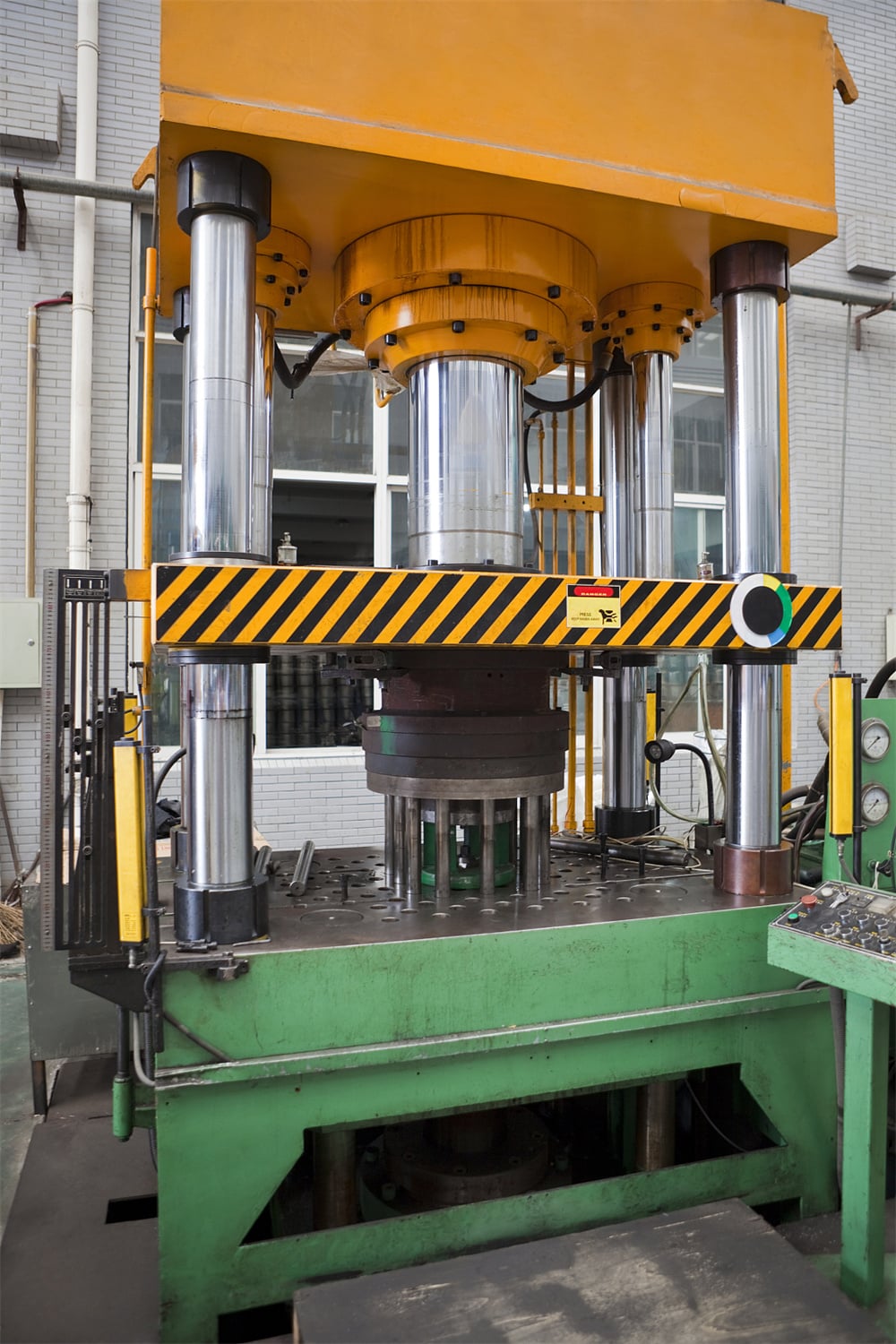
Overview of the Hydraulic Press: Versatility and Controlled Force
The hydraulic press is a powerhouse of versatility. Operating on Pascal’s Principle, it uses a hydraulic cylinder to generate a compressive force. One of the most significant advantages of a hydraulic press in the context of Hydraulic Press Vs Punching Machine: Best Choice Sheet Metal Operations is its ability to deliver full tonnage at any point in the stroke. This is a stark contrast to mechanical systems where the maximum force is usually only available at the bottom of the stroke.
Hydraulic presses are available in various configurations, including C-frame (gap frame), H-frame, and four-column designs. The four-column hydraulic press, a staple in the HARSLE catalog, offers exceptional rigidity and even pressure distribution, making it ideal for complex molding and large-scale sheet metal forming. Because the speed and pressure can be precisely regulated via CNC controls, these machines are perfect for delicate operations where material flow must be carefully managed to prevent tearing or thinning.
Furthermore, hydraulic presses are known for their “built-in” overload protection. Since the pressure is limited by the relief valve in the hydraulic circuit, the machine cannot exceed its rated capacity, which protects both the frame and the expensive tooling from damage. This makes them a safer and more forgiving option for operators who may be working with varying material thicknesses or experimental die sets. The ability to dwell at the bottom of the stroke under full pressure is also a unique feature that allows for the setting of materials and the reduction of spring-back in high-strength alloys.
In terms of maintenance, modern hydraulic systems have become significantly more reliable. While they require regular oil changes and seal inspections, the lack of complex mechanical linkages, flywheels, and clutches reduces the number of high-wear moving parts. For heavy-duty applications requiring deep draws, heavy bending, or the assembly of large components, the hydraulic press remains the undisputed leader in the metalworking industry.
Overview of the Punching Machine: Speed and Precision in Repetition
When the priority shifts from raw force and deep forming to speed and repetitive accuracy, the punching machine takes center stage. Often referred to as a power press or a CNC turret punch, these machines are designed for rapid-fire operations. In the discussion of Hydraulic Press Vs Punching Machine: Best Choice Sheet Metal Operations, the punching machine is the sprinter. It is engineered to perform hundreds of strokes per minute, making it the go-to solution for high-volume production of parts with multiple holes, notches, or complex cutouts.
Mechanical punching machines utilize a flywheel to store energy, which is then released through a crankshaft or eccentric gear to drive the ram. This results in a very fast impact. For thin to medium-gauge sheet metal, this high-velocity impact is highly efficient for “blanking” (cutting out shapes) and “piercing” (creating holes). The speed of a punching machine significantly reduces the cycle time per part, which is critical for industries like electronics, HVAC, and automotive components where thousands of identical parts are needed daily.
CNC Turret Punching machines add another layer of efficiency by housing a variety of tools in a rotating turret. This allows the machine to switch between different hole sizes and shapes without manual tool changes. The precision of the X-Y positioning table ensures that every hole is placed with sub-millimeter accuracy. While they may lack the “squeeze” of a hydraulic press, their ability to nibble through sheets to create large or irregular shapes makes them incredibly flexible for flat-pattern processing.
However, punching machines do have limitations. They are generally noisier due to the mechanical impact, and they require more precise setup to ensure the punch and die are perfectly aligned. The shock of the impact can also lead to faster tool wear compared to the gradual pressure of a hydraulic system. Despite this, for any operation where the primary goal is the rapid production of perforated or blanked sheet metal parts, the punching machine is often the most cost-effective investment.
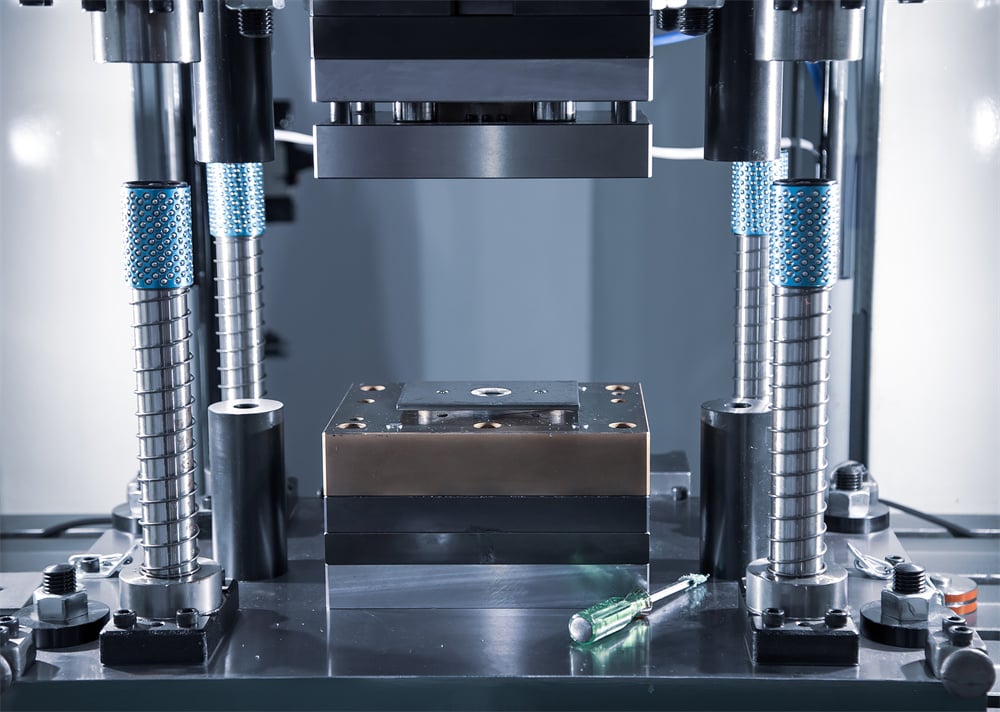
Technical Specification Comparison Table
To better understand the trade-offs in the Hydraulic Press Vs Punching Machine: Best Choice Sheet Metal Operations debate, let’s look at the core technical specifications side-by-side.
| Feature | Hydraulic Press | Punching Machine (Mechanical/CNC) |
|---|---|---|
| Force Delivery | Constant throughout the stroke | Peak force at the bottom of the stroke |
| Operating Speed | Slower (Controlled) | Very High (Rapid fire) |
| Stroke Length | Fully adjustable and long | Fixed and relatively short |
| Material Thickness | Excellent for thick plates and deep draws | Best for thin to medium gauge sheets |
| Noise Level | Quiet (Fluid flow) | Loud (Mechanical impact) |
| Tooling Life | Longer (Gentle engagement) | Shorter (High-impact wear) |
| Versatility | High (Forming, Bending, Drawing) | High (Perforating, Blanking, Nibbling) |
Best-fit Applications for Each Machine
When to Choose a Hydraulic Press
The hydraulic press is the “heavy lifter” of the shop. Its best-fit applications involve processes where the metal needs to be moved or stretched rather than simply cut. Deep Drawing is perhaps the most common application; this involves pulling a sheet metal blank into a die to create a hollow shape, such as a kitchen sink, a fire extinguisher body, or an automotive oil pan. The controlled speed of the hydraulic ram allows the metal to flow into the die without cracking.
Other ideal applications include Molding and Compacting. In industries where powdered metals or composites are pressed into shapes, the ability to hold a specific pressure for a set duration (dwell time) is essential. Additionally, for Heavy Bending of thick steel plates used in shipbuilding or heavy machinery, the raw tonnage and adjustable stroke of a hydraulic press provide the necessary control that a mechanical punch simply cannot match.
When to Choose a Punching Machine
If your production line involves creating thousands of brackets, panels, or enclosures with multiple holes, the punching machine is your best ally. High-Speed Blanking is the primary application here. For example, in the production of electrical junction boxes, a punching machine can rapidly cut out the box shape and all the necessary knockouts in a single sequence.
Perforating is another area where punching machines excel. Whether you are making acoustic panels, filters, or decorative grilles, the ability of a CNC turret punch to move the sheet and strike the tool hundreds of times per minute is unmatched. It is also the preferred choice for Nibbling, a process where a small punch makes a series of overlapping cuts to create a larger or more complex shape in a sheet, providing a flexible alternative to laser cutting for certain material thicknesses.
Cost and Maintenance Comparison
Understanding the total cost of ownership is vital when deciding on Hydraulic Press Vs Punching Machine: Best Choice Sheet Metal Operations. Initial investment costs can vary wildly based on tonnage and automation levels. Generally, a basic hydraulic press may have a lower entry price for its tonnage compared to a high-speed CNC turret punch, which involves complex electronics and high-precision motion systems.
Maintenance Considerations:
- Hydraulic Press: The primary maintenance tasks involve monitoring hydraulic fluid quality, replacing filters, and checking for seal leaks. Because there are fewer high-speed mechanical parts, the frame itself often lasts for decades. However, if the hydraulic pump or valves fail, repairs can be technical and require specialized knowledge.
- Punching Machine: These machines have many moving parts—crankshafts, flywheels, clutches, and brakes. These components are subject to significant vibration and wear. Regular lubrication is critical. Tooling costs are also typically higher for punching machines because the high-speed impact dulls the punches faster, requiring more frequent sharpening or replacement.
Energy Consumption: Hydraulic presses are often seen as less energy-efficient if the pump runs continuously, though modern HARSLE machines use variable frequency drives (VFDs) to save power. Punching machines use a flywheel to store energy, which is efficient for the actual strike, but the motor must work hard to keep that heavy flywheel spinning. For high-volume, short-cycle work, the punching machine is usually more energy-efficient per part produced.
Final Recommendation: Which One Should You Buy?
The decision between a Hydraulic Press Vs Punching Machine: Best Choice Sheet Metal Operations ultimately depends on your specific production goals. There is no “one size fits all” answer, but there are clear indicators for each.
Choose a Hydraulic Press if:
- You are working with thick materials (over 6mm) that require high tonnage.
- Your process involves deep drawing, complex forming, or molding.
- You need a versatile machine that can handle different stroke lengths for various jobs.
- You prioritize a quieter work environment and lower impact on tooling.
Choose a Punching Machine if:
- You are producing high volumes of flat parts with many holes or cutouts.
- Speed and cycle time are your primary KPIs.
- You are working mostly with thin to medium-gauge sheet metal.
- You need the flexibility of a turret to perform multiple different cuts on a single workpiece without manual intervention.
For many modern shops, the ideal solution is a combination of both. Using a punching machine for the initial blanking and hole-making, followed by a hydraulic press for the final forming or deep drawing, creates a highly efficient workflow. At HARSLE, we recommend analyzing your most common workpieces and calculating the required tonnage and hits-per-minute to find the perfect balance for your floor.
Frequently Asked Questions (FAQ)
1. Can a hydraulic press be used for punching holes?
Yes, a hydraulic press can be used for punching, but it is much slower than a dedicated punching machine. It is suitable for punching a few holes in thick plate where speed isn’t a priority, but it is not efficient for high-volume perforating.
2. Which machine is safer for the operator?
Both machines require strict safety protocols. Hydraulic presses are often considered slightly safer because the ram movement can be stopped or reversed instantly, and they have built-in overload protection. Punching machines, especially mechanical ones, have a flywheel that contains a lot of kinetic energy, making them more difficult to stop mid-stroke.
3. Does a punching machine require special flooring?
High-speed punching machines generate significant vibration. Depending on the size and speed of the machine, a reinforced concrete foundation or vibration-dampening mounts may be required to prevent damage to the shop floor and surrounding equipment.
4. How does material type affect the choice?
Brittle materials may crack under the high-impact shock of a punching machine, making the gradual pressure of a hydraulic press a better choice. Conversely, very soft or ductile metals might “stick” to a punch in a high-speed machine, requiring specialized coatings or lubrication.
5. What is the average lifespan of these machines?
With proper maintenance, both types of machines can last 20-30 years. Hydraulic presses tend to have a longer structural life because they don’t suffer from the constant shock and vibration that mechanical punching machines endure.
6. Can HARSLE customize these machines for specific needs?
Absolutely. HARSLE specializes in tailoring stroke lengths, table sizes, and CNC integrations for both hydraulic presses and punching machines to meet the unique demands of your sheet metal operations.


