Laser Cutting Machine Assist Gas Troubleshooting Stainless Steel Carbon Steel: A Comprehensive Guide


Introduction to Laser Cutting Assist Gas Dynamics
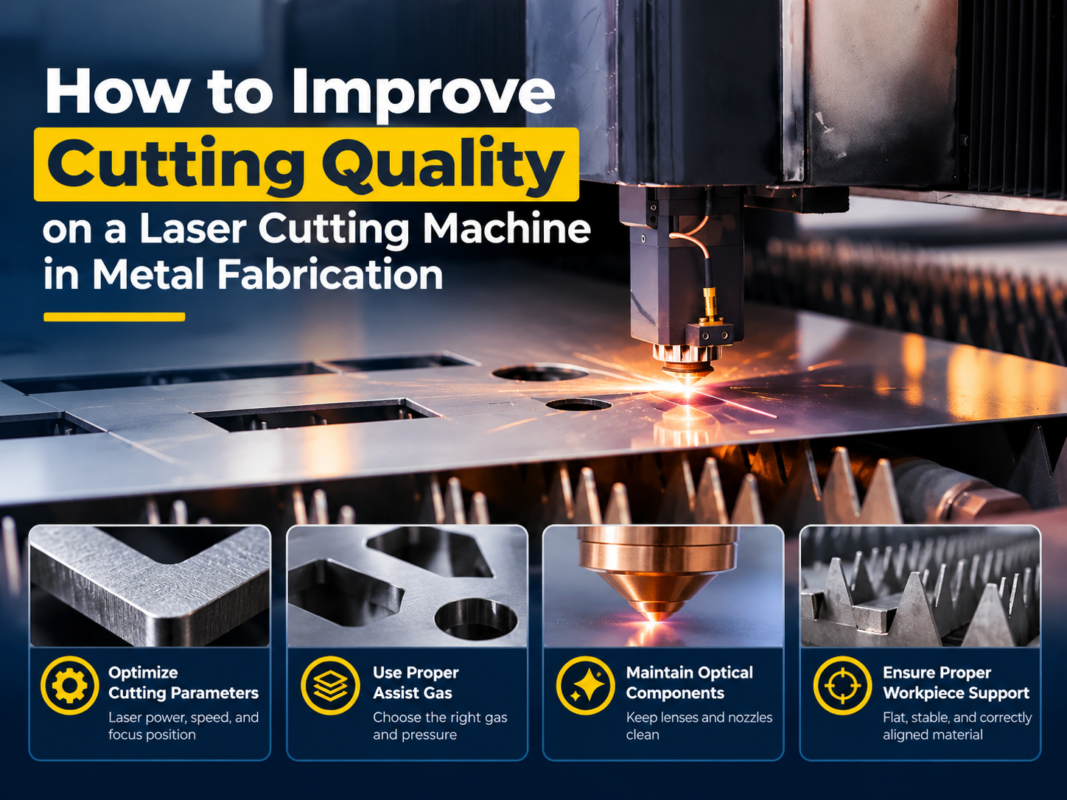
In the world of precision metal fabrication, the fiber laser cutting machine has revolutionized how we process materials. However, the laser beam itself is only part of the equation. To achieve a clean, high-quality cut, the role of the assist gas is paramount. Whether you are working with HARSLE high-power fiber lasers or smaller industrial units, understanding the synergy between the laser beam, the material, and the assist gas is critical for operational success. Assist gas serves three primary functions: it provides the kinetic energy to blow molten material out of the kerf, it protects the laser optics from spatters, and in some cases, it facilitates a chemical reaction that aids the cutting process.
When operators encounter issues like excessive dross, rough edges, or discoloration, the culprit is often found within the gas delivery system or the gas parameters themselves. Laser cutting machine assist gas troubleshooting for stainless steel and carbon steel requires a methodical approach, balancing pressure, purity, and flow rate against the specific thermal properties of the metal. Carbon steel and stainless steel react very differently to heat and gas, necessitating distinct strategies for each. This guide provides an in-depth look at how to optimize these variables and solve common cutting defects that plague even the most experienced operators.
Key Considerations for Assist Gas Selection and Quality
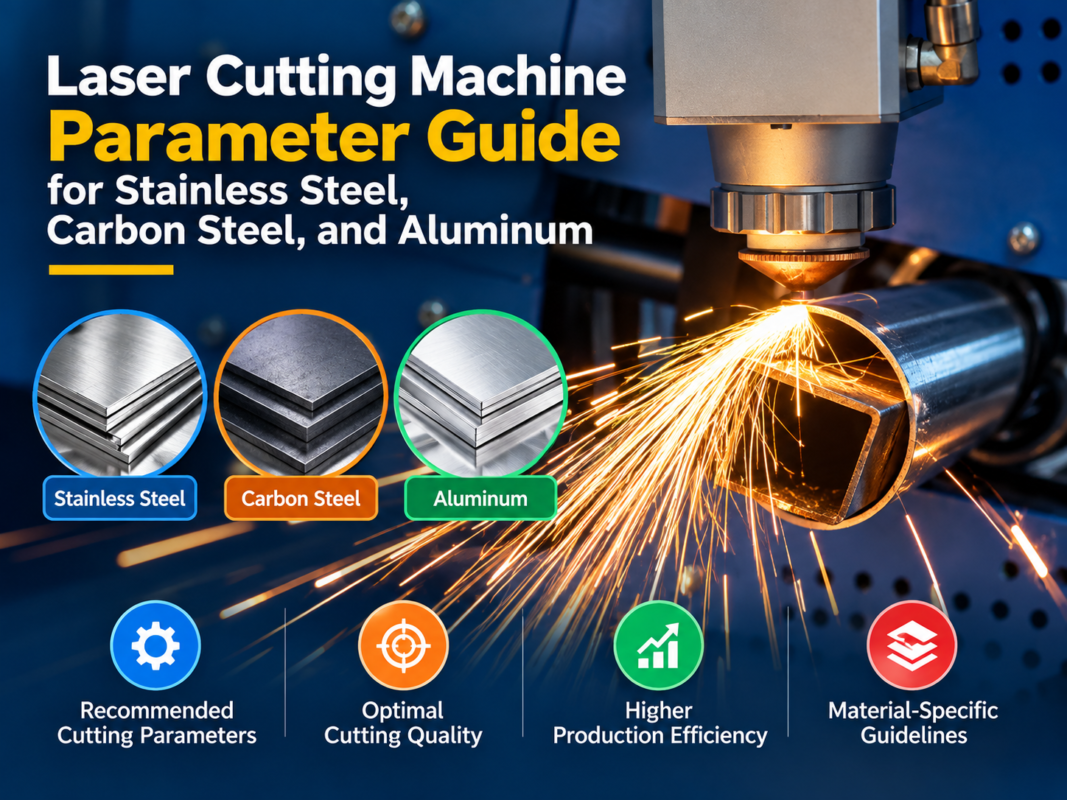
Before diving into troubleshooting, it is essential to understand the fundamental requirements of the gases used in laser cutting. The three most common assist gases are Oxygen (O2), Nitrogen (N2), and Compressed Air. Each has a specific application profile based on the material type and the desired finish. For carbon steel, oxygen is the traditional choice because it triggers an exothermic reaction, adding heat to the process and allowing for faster cutting of thick plates at lower laser powers. However, this comes at the cost of an oxidized edge that must be cleaned before painting or welding.
For stainless steel, nitrogen is the gold standard. As an inert gas, nitrogen does not react with the metal. Instead, it relies purely on high pressure to mechanically eject the molten stainless steel. This results in a bright, oxide-free edge that is ready for immediate further processing. The purity of these gases is non-negotiable. For nitrogen cutting, a purity level of 99.99% or higher is required to prevent yellowing or darkening of the cut edge. Even a small percentage of oxygen contamination in a nitrogen line can lead to significant quality degradation.
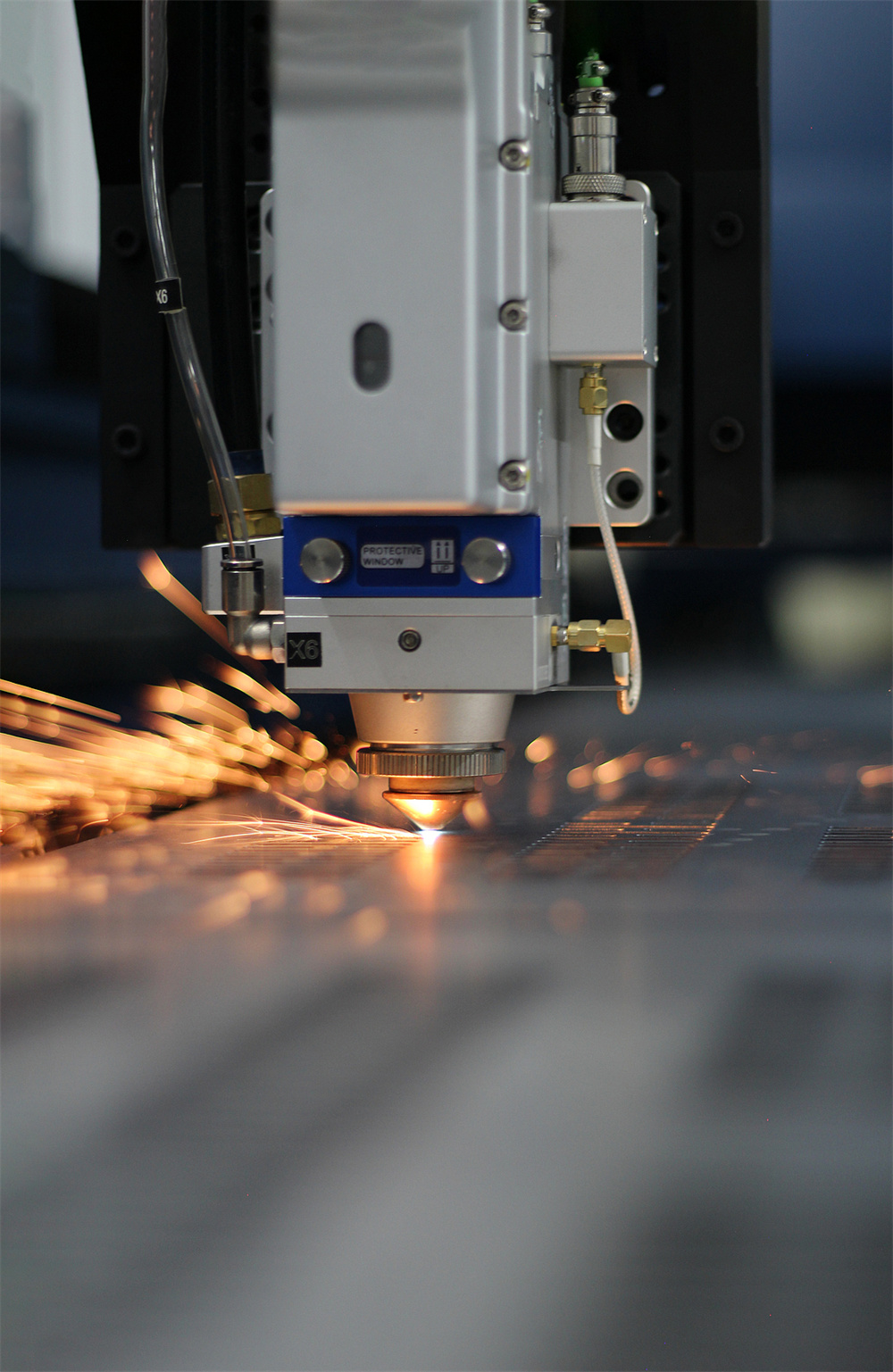
Furthermore, the delivery system—including regulators, hoses, and the cutting head itself—must be capable of maintaining consistent pressure and flow. Fluctuations in gas pressure during a cut can lead to striations or “steps” on the cut surface. Operators must also ensure that the gas is dry and oil-free, especially when using compressed air. Moisture or oil in the gas line can damage the protective windows of the laser head, leading to costly repairs and downtime. Regular maintenance of the filtration system is a key consideration for any industrial metal fabrication facility.
Technical Details: Carbon Steel vs. Stainless Steel Cutting
The Exothermic Process of Carbon Steel
When cutting carbon steel with oxygen, the gas acts as a fuel for the combustion process. The laser heats the metal to its ignition temperature, and the oxygen stream causes it to burn. This process generates significant additional thermal energy, which is why oxygen cutting requires much lower pressures (typically 0.5 to 2.0 bar) compared to nitrogen. However, troubleshooting carbon steel often involves managing this heat. If the oxygen pressure is too high, the reaction becomes uncontrollable, leading to “over-burning” where the kerf widens and the edges become rounded and slag-heavy.
The Fusion Cutting of Stainless Steel
Stainless steel cutting is a fusion process. The laser melts the metal, and the nitrogen blows it away. Because stainless steel has a high viscosity when molten and contains elements like chromium and nickel that raise its melting point, it requires significantly higher gas pressures (often 10 to 20 bar or more) to ensure a clean exit. Troubleshooting stainless steel cutting usually focuses on the balance between laser power and gas pressure. If the pressure is insufficient, the molten metal will cool and re-solidify at the bottom of the cut, forming what is known as “dross” or “burrs.”
Laser Cutting Machine Assist Gas Troubleshooting: Common Issues
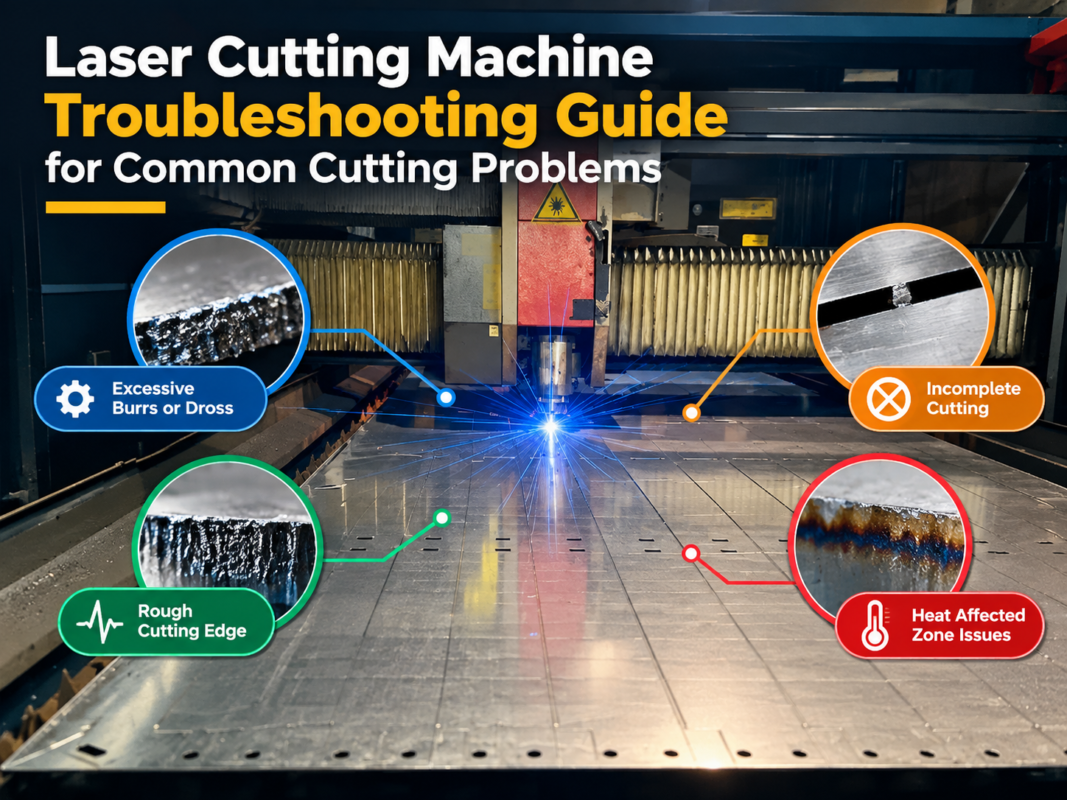
1. Excessive Dross at the Bottom of the Cut
Dross is perhaps the most common issue in laser cutting. For carbon steel, dross is often caused by the cutting speed being too fast or the oxygen pressure being too low. If the speed is too high, the exothermic reaction doesn’t have enough time to fully penetrate the plate. For stainless steel, dross is almost always a sign of insufficient nitrogen pressure or an incorrect focal position. If the focus is too high, the gas cannot effectively reach the bottom of the kerf to blow the melt away. Adjusting the focus deeper into the material often resolves this.
2. Rough Cut Surface and Striations
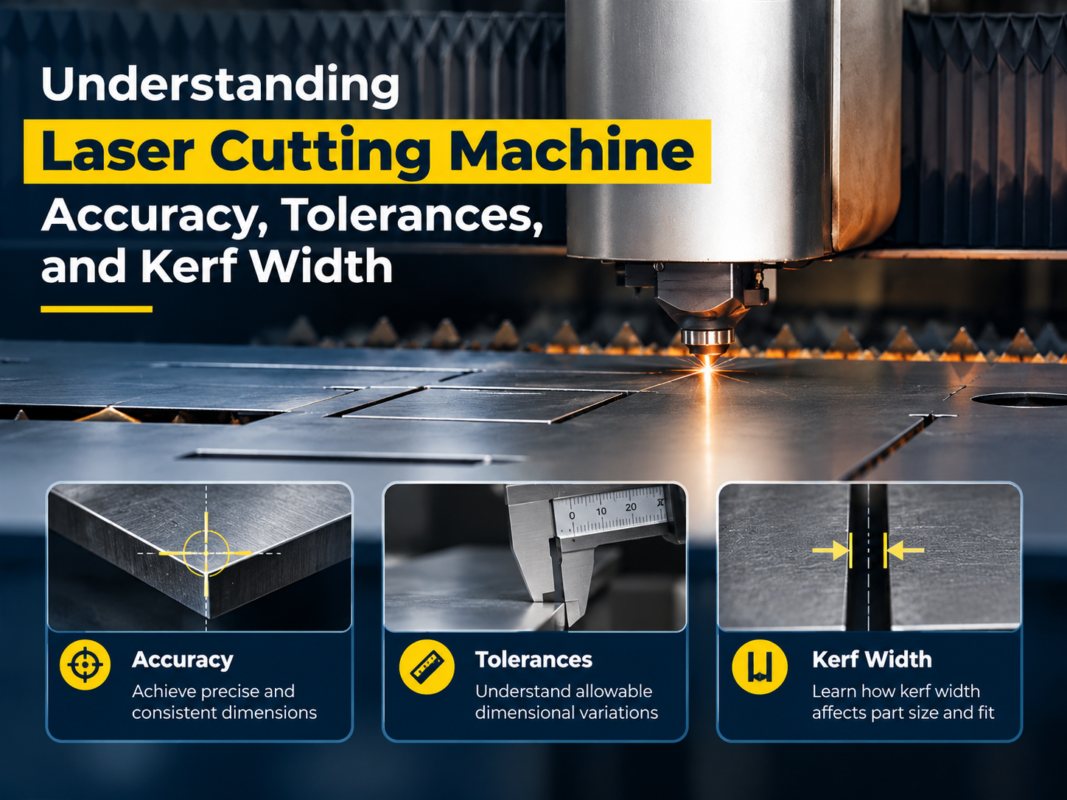
A rough surface finish on the cut edge usually indicates an instability in the gas flow or an incorrect nozzle selection. In carbon steel cutting, if the oxygen purity is low, the burning process becomes inconsistent, resulting in deep striations. In stainless steel, a rough edge can be caused by using a nozzle with a diameter that is too small for the thickness of the material. The gas flow becomes turbulent, leading to an uneven ejection of the melt. Ensuring the nozzle is centered perfectly with the laser beam is also a critical troubleshooting step.
3. Discoloration of the Cut Edge
In stainless steel cutting, the goal is a silver, shiny edge. If the edge appears blue, brown, or black, it indicates oxidation. This is usually caused by nitrogen impurity or a leak in the gas line that is drawing in atmospheric oxygen. Another cause could be the use of a nozzle that is too large, allowing ambient air to be sucked into the gas stream via the Venturi effect. For carbon steel, discoloration is expected, but if the oxide layer is unusually thick or flaky, it may indicate that the oxygen pressure is too high, causing excessive burning.
4. Burning at the Corners
When the laser slows down to navigate a corner, the heat input per unit area increases. In carbon steel cutting with oxygen, this often leads to the corner melting away entirely. To troubleshoot this, operators should use power ramping (reducing power as speed decreases) or switch to a pulsed cutting mode for tight geometries. Increasing the gas pressure slightly at corners can also help by providing a cooling effect, though this must be balanced carefully to avoid extinguishing the exothermic reaction.
Selection Advice: Optimizing Gas for Efficiency and Cost
Choosing the right assist gas involves a trade-off between cutting quality, speed, and operational cost. For many years, the choice was simple: Oxygen for carbon steel and Nitrogen for stainless steel. However, the advent of high-power fiber lasers (10kW and above) has changed the landscape. High-pressure compressed air is now a viable and popular alternative for cutting both carbon steel and stainless steel up to certain thicknesses (typically up to 10-12mm).
Compressed air is approximately 78% nitrogen and 21% oxygen. This combination allows for faster cutting speeds than pure nitrogen in some cases, as the small amount of oxygen provides a slight exothermic boost. However, the edge quality will not be as clean as pure nitrogen, and there will be a thin oxide layer. For manufacturers who prioritize speed and low cost over a perfect finish, air cutting is an excellent choice. When selecting a compressor for this purpose, ensure it can provide at least 25 bar of pressure and includes a high-quality refrigerated dryer and multi-stage filtration.
When cutting thick carbon steel (above 20mm), oxygen remains the only practical choice. The key is to use a large-diameter nozzle and low pressure to maintain a stable burn. For high-end stainless steel products, such as those used in the food or medical industries, pure nitrogen is mandatory to ensure corrosion resistance is maintained at the cut edge. Always consult your HARSLE machine manual for the recommended nozzle types and gas pressure charts specific to your laser power and material thickness.
Detailed Troubleshooting Table
| Problem | Material | Likely Cause | Recommended Solution |
|---|---|---|---|
| Hard Dross | Stainless Steel | Low Nitrogen Pressure | Increase pressure; check for leaks in the line. |
| Soft/Spherical Dross | Carbon Steel | Speed too fast / O2 too low | Decrease cutting speed or slightly increase O2 pressure. |
| Yellowing of Edge | Stainless Steel | Nitrogen Impurity | Check gas purity (min 99.99%); check for air leaks. |
| Over-burning/Melting | Carbon Steel | O2 Pressure too high | Reduce O2 pressure; check nozzle for damage. |
| Inconsistent Cut | Both | Nozzle Centering | Re-center the nozzle; check for nozzle obstructions. |
| Rough Striations | Both | Focal Position | Adjust focus (usually deeper for thick, higher for thin). |
Frequently Asked Questions (FAQ)
Q1: Why is my laser cutting machine leaving a burr on stainless steel?
A: Burrs on stainless steel are usually caused by the nitrogen gas not having enough force to eject the molten metal. Try increasing your gas pressure, ensuring your nozzle is not clogged, and checking that your focal point is set correctly (usually near the bottom of the plate for thicker sections).
Q2: Can I use Oxygen to cut stainless steel?
A: While possible, it is not recommended for most applications. Oxygen will cause the stainless steel to burn uncontrollably, resulting in a very rough, black, and oxidized edge that loses its stainless properties. Nitrogen or Air are the preferred choices.
Q3: What is the ideal gas pressure for cutting 6mm carbon steel?
A: For 6mm carbon steel using oxygen, the pressure is typically low, between 0.7 and 1.2 bar. If you are using high-pressure air or nitrogen, the pressure would be much higher (12-15 bar), but this requires a high-power laser.
Q4: How does nozzle diameter affect assist gas performance?
A: The nozzle diameter determines the shape and velocity of the gas column. A smaller nozzle concentrates the gas for thin materials, while a larger nozzle is needed for thicker materials to ensure the gas flow covers the entire width of the kerf.
Q5: Why does my gas consumption seem unusually high?
A: Check for leaks in the hoses and connections. Also, ensure that your “gas lead time” and “gas lag time” settings in the software are not excessively long, as this wastes gas before and after the cut.
Q6: Does the brand of gas matter?
A: The brand matters less than the certified purity level. Always buy from reputable industrial gas suppliers who can provide a certificate of analysis for nitrogen purity.
Conclusion: Mastering the Element of Gas
Mastering laser cutting machine assist gas troubleshooting for stainless steel and carbon steel is a journey of continuous adjustment and observation. The assist gas is not merely a consumable; it is a dynamic component of the cutting process that influences everything from the metallurgical properties of the edge to the overall cost per part. By maintaining high gas purity, ensuring a robust delivery system, and understanding the specific needs of different metals, operators can significantly reduce waste and improve throughput.
Whether you are utilizing a HARSLE fiber laser for high-volume production or specialized custom fabrication, the principles of gas dynamics remain the same. Regular maintenance of the cutting head, consistent nozzle checks, and a disciplined approach to parameter optimization will ensure that your laser cutting operations remain competitive and high-quality. Remember, when a cut goes wrong, the answer is often blowing through the nozzle—you just need to know how to tune it.