
Choosing the Right Laser Cutting Machine for Thin and Thick Metal Applications: A Comprehensive Guide


Introduction to Laser Cutting Selection for Modern Fabrication
In the rapidly evolving landscape of metal fabrication, the ability to process a diverse range of material thicknesses is a significant competitive advantage. Whether your workshop focuses on intricate thin-gauge components for electronics or heavy-duty structural plates for construction, selecting the right equipment is paramount. The process of choosing laser cutting machine thin thick metal applications requires a deep understanding of how laser power, beam quality, and machine dynamics interact with different materials. As fiber laser technology continues to push the boundaries of what is possible, fabricators are often faced with the dilemma of balancing initial investment costs with long-term operational efficiency.
HARSLE understands that a laser cutting machine is more than just a tool; it is the heartbeat of a production line. A machine optimized for thin materials may struggle with the piercing requirements of thick plates, while a high-power beast designed for heavy industry might be overkill for simple sheet metal tasks. This guide aims to demystify the selection process, providing a technical and financial roadmap for businesses looking to invest in fiber laser technology. We will explore the nuances of power ratings, the impact of gas selection, and the critical configurations that determine whether a machine can handle the transition from 1mm stainless steel to 30mm carbon steel with ease.
Price Range Overview: Understanding the Financial Landscape
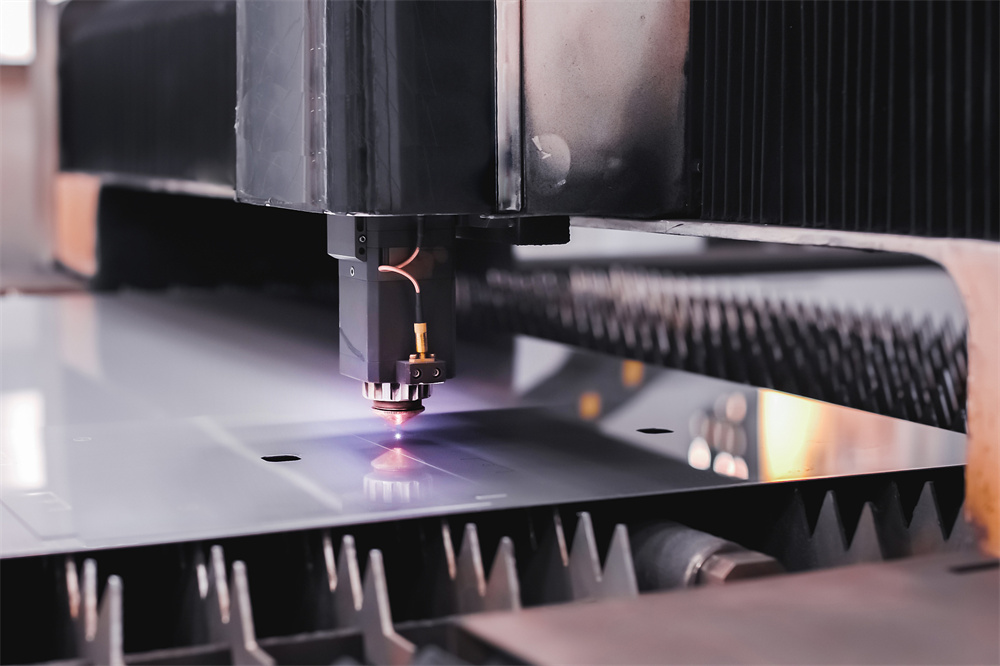
The price of a laser cutting machine is primarily dictated by its power output and the sophistication of its motion control system. For thin metal applications (typically under 6mm), entry-level fiber lasers ranging from 1kW to 3kW are common. These machines generally fall within the $25,000 to $60,000 price bracket. They offer exceptional speed on thin sheets but lack the ‘punch’ required for efficient thick plate processing. For many small-to-medium enterprises (SMEs), this range provides the quickest entry point into the world of CNC laser cutting.
Moving into the mid-range, machines with 6kW to 12kW power sources are designed for versatility. These are the ‘workhorses’ of the industry, capable of high-speed cutting on thin materials and reliable performance on medium-to-thick plates (up to 20mm or 25mm). Prices for these configurations typically range from $70,000 to $150,000. The investment increases because these machines require more robust frames, advanced cooling systems, and high-end cutting heads with autofocus capabilities to handle the thermal load of higher power levels.
At the top end of the spectrum are the ultra-high-power machines, ranging from 20kW to 60kW and beyond. These systems are engineered specifically for heavy industrial applications where thick plate cutting (30mm to 100mm) is the primary requirement. Such machines can cost anywhere from $200,000 to over $500,000. While the price tag is significant, the productivity gains in thick metal processing are unparalleled, often replacing multiple lower-power machines or traditional plasma cutting systems. When choosing laser cutting machine thin thick metal applications, it is vital to match the price point with the expected revenue generation of the specific material mix you intend to process.
Main Cost Drivers in Laser Cutting Systems
The most significant cost driver in any modern laser cutting system is the laser source (resonator). Leading brands like IPG, Raycus, and Max Photonics offer different price-to-performance ratios. IPG is often considered the gold standard for stability and longevity, commanding a premium price. Raycus and Max provide more cost-effective alternatives that have gained massive market share by offering reliable performance at a lower entry point. The power of the source directly correlates with the thickness it can cut and the speed at which it can operate.
Beyond the laser source, the machine’s structural integrity and motion components play a massive role in the final cost. A machine designed for high-speed thin metal cutting needs high-acceleration servo motors (such as Yaskawa or Panasonic) and precision rack-and-pinion systems (like Atlanta or YYC). The frame must be heat-treated and stress-relieved to ensure that the precision remains consistent over years of high-speed operation. A lightweight frame might save money initially but will lead to vibrations and accuracy issues when running at high speeds or when moving heavy thick plates.
The cutting head is another critical component. For thick metal applications, an autofocus cutting head is non-negotiable. It allows the machine to automatically adjust the focal point during the piercing and cutting phases, which is essential for maintaining a clean cut on thick materials. Advanced heads also feature sensors to detect collisions and monitor the health of the protective windows. Furthermore, the CNC controller (such as CypCut or Beckhoff) influences the cost. A sophisticated controller with nesting software and ‘fly-cutting’ capabilities can significantly reduce material waste and cycle times, justifying a higher upfront cost.
Configuration Impact: Thin vs. Thick Metal Optimization
When choosing laser cutting machine thin thick metal applications, the configuration must reflect your primary workload. For thin metal (0.5mm to 4mm), the focus is on acceleration and beam stability. A smaller nozzle diameter and high-pressure nitrogen are typically used to achieve a ‘burr-free’ finish. In these applications, the laser beam’s ‘spot size’ is kept small to concentrate energy, allowing the machine to vaporize the metal instantly and move at speeds exceeding 60 meters per minute.
Conversely, thick metal cutting (12mm and above) requires a different approach. Here, the ‘piercing’ stage is the most challenging. High-power lasers use oxygen as an assist gas for carbon steel to create an exothermic reaction that aids the melting process. The configuration must allow for a larger spot size and a longer focal length to ensure the beam can penetrate the entire thickness of the plate without losing energy. If the machine is not configured with a high-flow gas system and a specialized thick-plate cutting head, the result will be excessive dross and poor edge quality.
Hybrid configurations are becoming increasingly popular. These machines utilize ‘variable beam’ technology, which allows the operator to change the beam profile depending on the material thickness. For thin sheets, the beam is narrow and intense; for thick plates, the beam is widened to create a broader kerf, which helps in ejecting the molten metal. This versatility is the key to modern job shops that never know what type of project will come through the door next. Investing in a machine with a wide power range (e.g., 12kW) provides the flexibility to handle both ends of the spectrum effectively.
Hidden Costs of Ownership
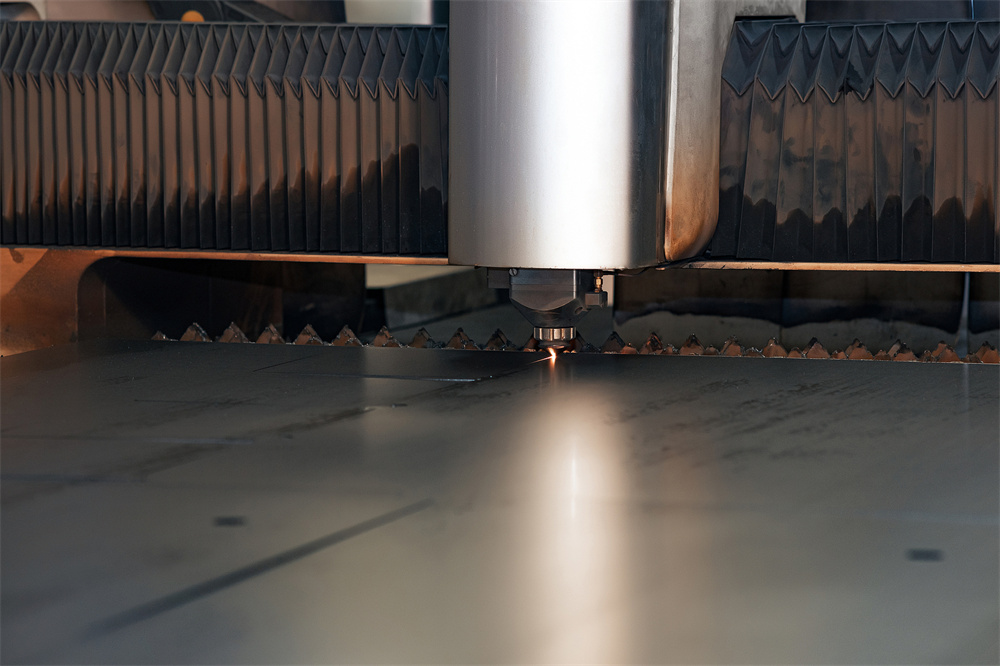
The purchase price is only the beginning of the financial commitment. One of the most overlooked hidden costs is gas consumption. When cutting stainless steel or aluminum with nitrogen, the volume of gas required can be staggering. High-pressure nitrogen is expensive, and many shops eventually invest in nitrogen generators to mitigate this cost. For thick carbon steel, oxygen is cheaper but requires precise pressure regulation to avoid ‘burning’ the material. Air cutting is an emerging trend that uses high-pressure compressed air to cut thin-to-medium materials, significantly reducing gas costs but requiring a high-performance compressor and filtration system.
Electricity is another major factor. While fiber lasers are much more efficient than old CO2 lasers, a 20kW machine still draws a significant amount of power, especially when the chiller and dust extractor are running. Maintenance, though lower for fiber lasers than for CO2, still involves costs. Consumables like nozzles, ceramic rings, and protective windows need regular replacement. A single ‘crash’ caused by a tipped-up part can damage a cutting head, leading to thousands of dollars in repair costs and lost production time.
Software and training are also vital considerations. Advanced nesting software can save 5-10% in material costs, which adds up to tens of thousands of dollars annually. However, these software packages often come with annual subscription fees. Furthermore, the cost of training operators should not be underestimated. A skilled operator who knows how to tune the machine parameters for different thicknesses will produce less scrap and maintain higher throughput than an untrained one. When choosing laser cutting machine thin thick metal applications, always factor in these recurring operational expenses.
ROI Calculation: When Does the Investment Pay Off?
Calculating the Return on Investment (ROI) for a laser cutting machine involves comparing the total cost of ownership against the revenue generated or the savings achieved by bringing cutting in-house. For a shop currently outsourcing its laser cutting, the ROI is often very clear. If you are spending $10,000 a month on external laser services, a $120,000 machine could theoretically pay for itself in less than two years, assuming labor and overhead costs are managed.
To perform a detailed ROI analysis, consider the following table which compares a low-power vs. high-power setup for a typical mix of thin and thick materials:
| Feature | 3kW Fiber Laser | 12kW Fiber Laser | |||
|---|---|---|---|---|---|
| Initial Investment | $45,000 | $130,000 | |||
| Max Cutting (Carbon Steel) | 20mm (Slow) | 40mm (Efficient) | Optimal Thin Speed (2mm) | 35 m/min | 80+ m/min |
| Daily Operating Cost (Est.) | $150 | $350 | |||
| Estimated Monthly Revenue | $12,000 | $35,000 | |||
| Payback Period | ~14 Months | ~9 Months |
As shown, while the 12kW machine is significantly more expensive, its ability to process material faster and handle thicker plates allows for much higher revenue generation. The ‘cost per part’ actually drops as power increases because the machine spends less time on each cut. For businesses with high-volume requirements, the higher-power machine almost always offers a better ROI despite the higher initial capital outlay. The key is ensuring that your sales pipeline can support the increased capacity of a high-power system.
Buying Advice: Making the Right Choice
When you are ready to make a decision, start by auditing your last six months of production. What was the average thickness? What was the maximum thickness? If 90% of your work is under 5mm, a 3kW or 6kW machine is likely sufficient. However, if you frequently turn away work because it involves 20mm plate, it is time to look at 12kW or higher. Don’t just buy for the work you have today; buy for the work you want to have tomorrow. Future-proofing your shop with a slightly higher power rating than currently needed is often a wise move.
Always request a ‘cut sample’ from the manufacturer using your own CAD files and material. This is the only way to verify the edge quality and speed claims. Pay close attention to the ‘pierce time’ on thick materials, as this is where many lower-quality machines struggle. Furthermore, investigate the manufacturer’s after-sales support. A laser cutting machine is a complex piece of equipment; when it goes down, you need a partner like HARSLE who can provide rapid technical support and spare parts. Check the availability of local technicians and the comprehensiveness of the warranty.
Finally, consider the floor space and infrastructure. A machine with an exchange table (shuttle table) is essential for high-volume thin metal work, as it allows you to load and unload sheets while the machine is cutting. For thick plates, ensure your facility has the crane capacity to handle heavy raw materials. Choosing laser cutting machine thin thick metal applications is a holistic process that involves the machine, the software, the environment, and the people who will operate it. By following this structured approach, you can ensure that your investment drives your business forward for years to come.
Frequently Asked Questions (FAQ)
1. What is the maximum thickness a 6kW fiber laser can cut?
A 6kW fiber laser can typically cut up to 25mm carbon steel and 20mm stainless steel. However, the ‘production speed’ (the speed at which the cut is clean and economical) is usually around 16-20mm for carbon steel. Beyond that, the speed drops significantly, and edge quality may require post-processing.
2. Is nitrogen or oxygen better for thick metal cutting?
Oxygen is generally better for thick carbon steel because it assists the cutting process through an exothermic reaction, allowing for thicker cuts with lower power. Nitrogen is used for stainless steel and aluminum to prevent oxidation and provide a shiny, clean edge, but it requires much higher laser power to cut through thick sections compared to oxygen.
3. Can I cut thin foil with a high-power 20kW laser?
Yes, high-power lasers can cut thin materials, but it requires precise control over the laser frequency and duty cycle to avoid melting the entire piece. Most modern controllers have ‘thin plate modes’ that allow ultra-high-power lasers to behave like low-power ones for delicate tasks, though it is not the most cost-effective use of a 20kW source.
4. How often do I need to replace the protective window in the cutting head?
The lifespan of a protective window depends on the cleanliness of the environment and the stability of the cutting process. In a well-maintained machine cutting thin sheets, a window can last several weeks. When cutting thick plates, the risk of ‘back-splash’ during piercing is higher, which can pit the window. Many shops replace them every 1-2 weeks as a preventative measure.
5. Does the brand of the laser source really matter?
Yes, the brand matters for two reasons: reliability and serviceability. Major brands like IPG and Raycus have global service networks. If a laser source fails, having a brand that can be serviced or replaced quickly is the difference between a two-day shutdown and a two-month shutdown. Additionally, higher-end sources often have better ‘back-reflection’ protection, which is crucial when cutting reflective materials like brass and copper.












