Industrial Laser Cutting Machine Buying Guide: From Source to Control System


Introduction to Industrial Laser Cutting Machine Selection
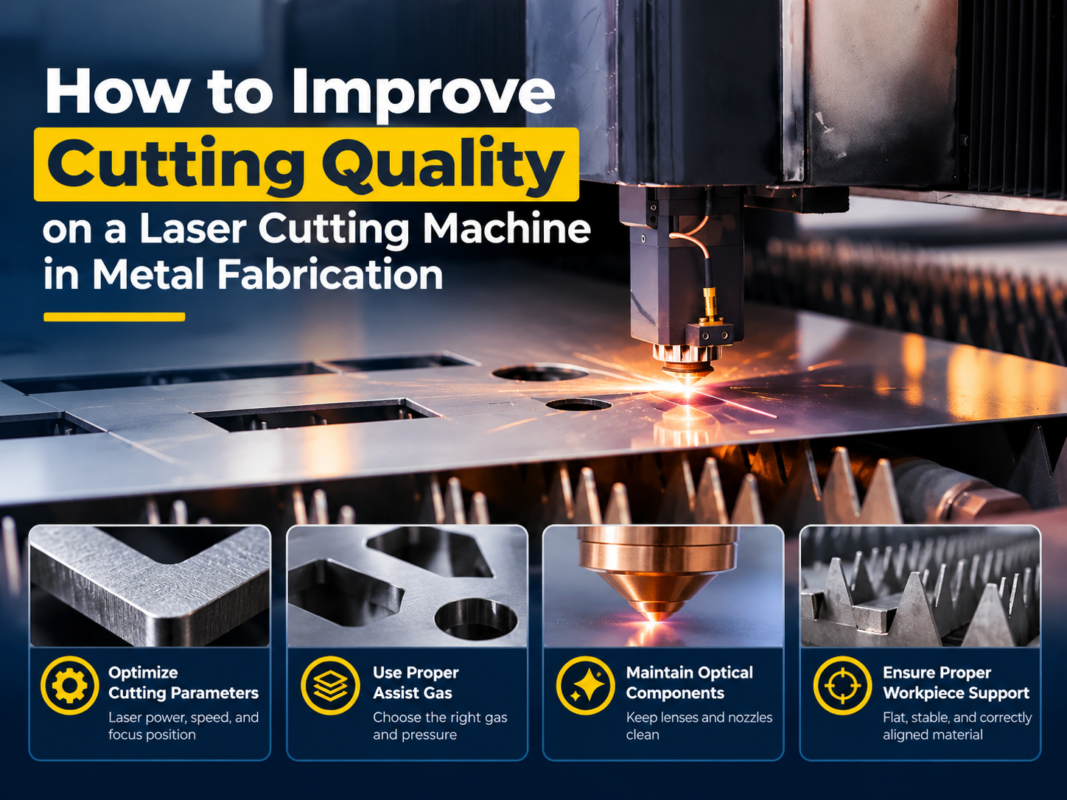
In the modern era of metal fabrication, the transition from traditional mechanical cutting to fiber laser technology has revolutionized production efficiency. However, navigating the market for an Industrial Laser Cutting Machine Buying : From Source Control System perspective requires a deep understanding of technical specifications that go far beyond the surface-level price tag. For manufacturers like HARSLE, providing a machine isn’t just about the hardware; it is about ensuring the integration between the laser source, the machine bed, and the control system works in perfect harmony to deliver precision and longevity.
Choosing the right industrial laser cutting machine involves balancing power requirements with budget constraints while considering future scalability. Whether you are a small job shop looking for your first 1kW fiber laser or a large-scale industrial facility requiring 20kW+ of power for thick plate processing, the components you choose—specifically the laser source and the CNC control system—will dictate your operational success for the next decade. This guide provides an exhaustive breakdown of everything you need to know before making this significant capital investment.
Price Range Overview: Understanding the Market Tiers
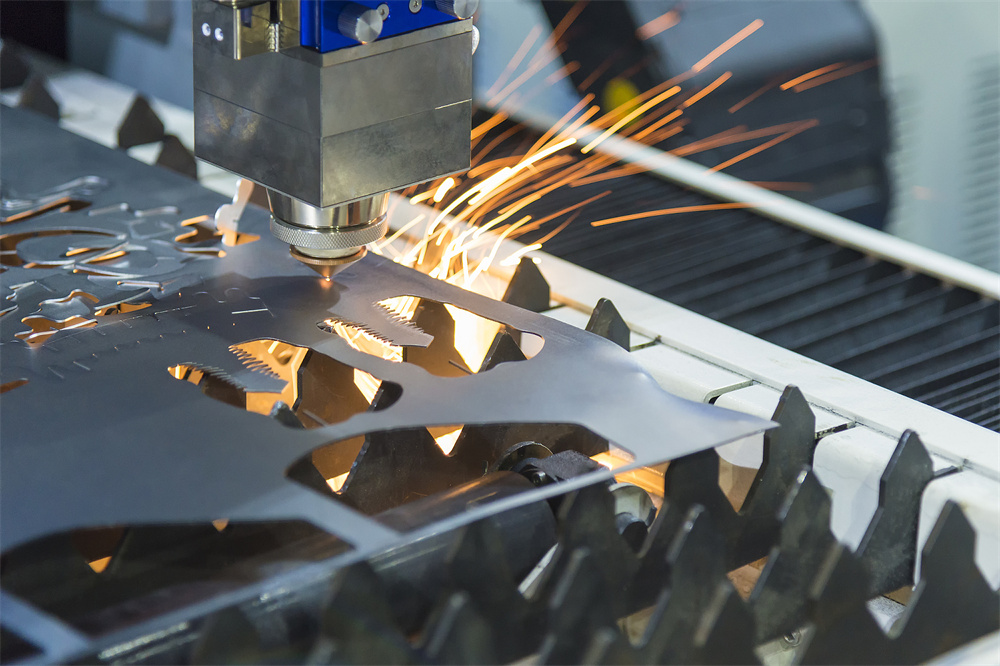
The price of an industrial laser cutting machine is primarily determined by its wattage and the quality of its core components. Generally, the market is divided into three main tiers: entry-level, mid-range, and high-power industrial systems. Entry-level machines, typically ranging from 1kW to 3kW, are priced between $20,000 and $50,000. These are ideal for thin sheet metal fabrication, such as stainless steel and carbon steel up to 10mm. They are often used by signage companies and small automotive part manufacturers.
Mid-range machines, spanning 4kW to 8kW, usually fall within the $60,000 to $120,000 bracket. These machines offer a significant jump in cutting speed and the ability to handle thicker materials (up to 25mm) with higher edge quality. This is the ‘sweet spot’ for most general fabrication shops that require versatility across various material types and thicknesses. At this level, the choice of the laser source becomes critical, as the efficiency of the power conversion directly impacts the monthly electricity bill.
High-power industrial systems (12kW to 40kW+) can exceed $200,000. These machines are designed for heavy industry, such as shipbuilding, construction machinery, and large-scale structural steel work. At these power levels, the machine requires specialized cooling systems, reinforced bed structures to handle the intense heat, and advanced control systems to manage the high-speed dynamics of the cutting head. When considering Industrial Laser Cutting Machine Buying : From Source Control System, the high-power tier demands the most rigorous vetting of the manufacturer’s after-sales support and technical expertise.
Main Cost Drivers: The Heart and Skeleton of the Machine
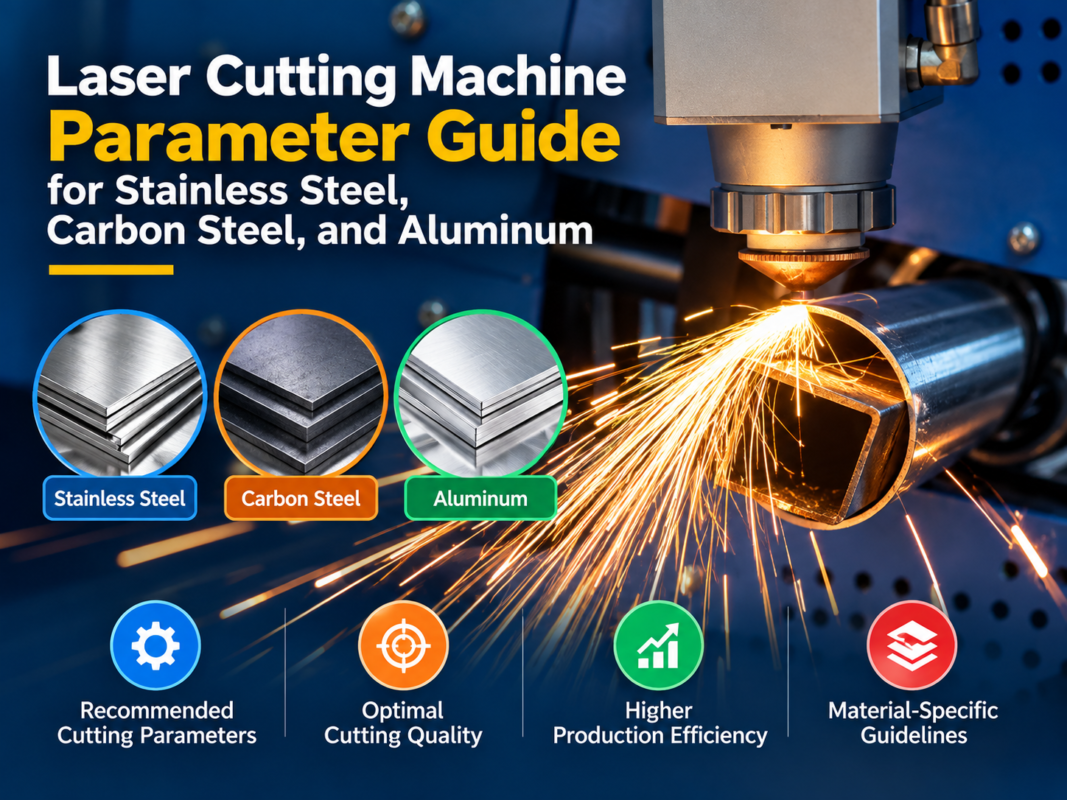
The most significant cost driver in any fiber laser machine is the laser source. Brands like IPG Photonics, Raycus, and Maxphotonics dominate the market. IPG is often considered the gold standard for stability and global support, commanding a premium price. Raycus and Max offer excellent performance-to-price ratios and have become the standard for many international exports due to their reliability in the 3kW-12kW range. The source accounts for roughly 30% to 40% of the total machine cost.
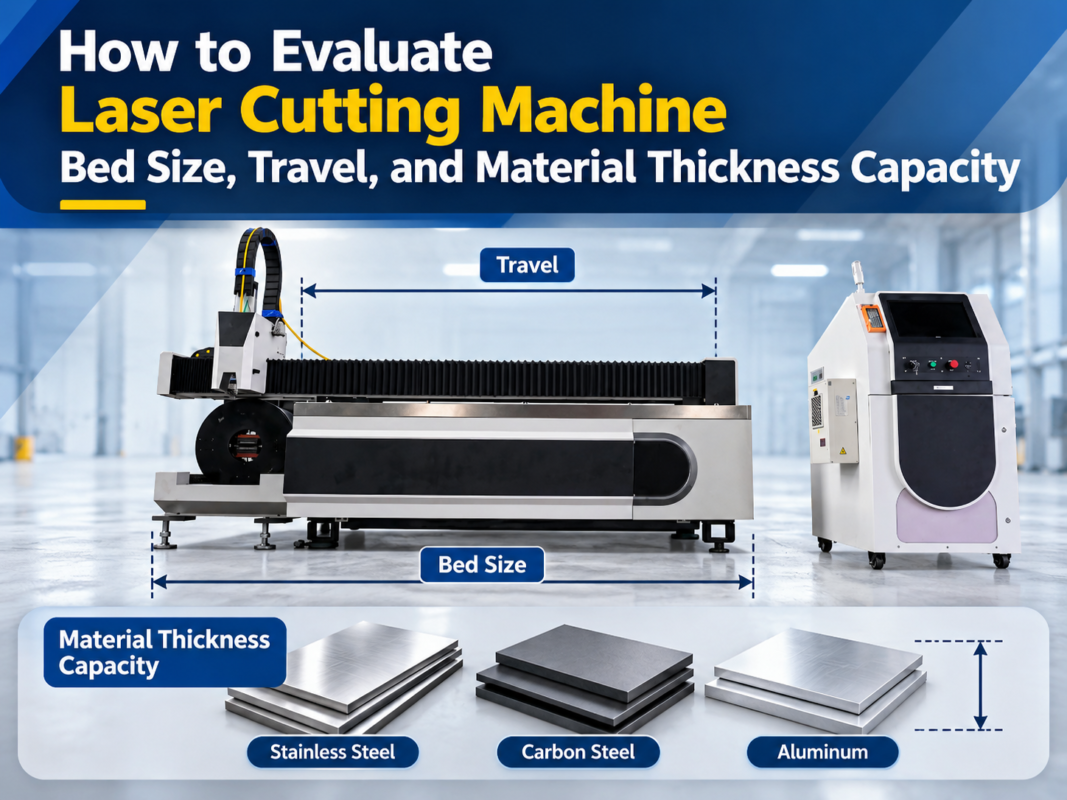
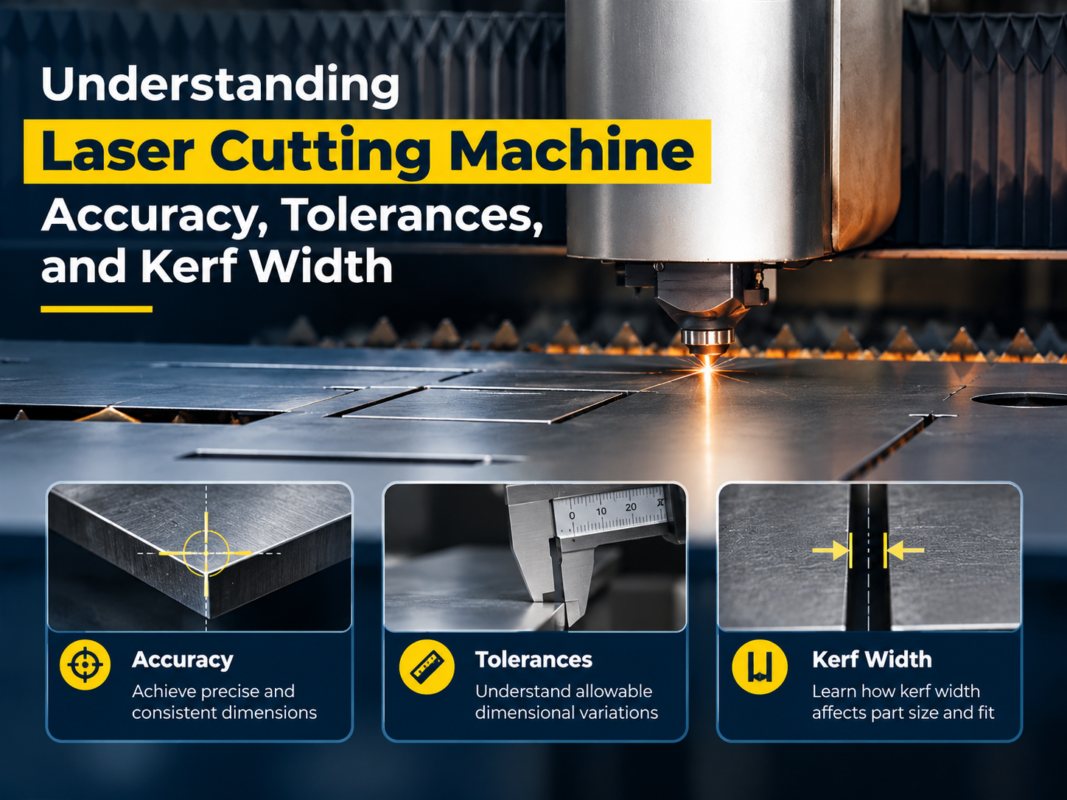
The second major driver is the machine bed and gantry. A high-quality industrial laser cutting machine must have a stress-relieved, heavy-duty welded frame or a cast iron bed. Without proper heat treatment and aging processes, the frame will eventually deform due to the high-speed movements of the gantry, leading to a loss of precision. HARSLE emphasizes the use of high-strength frames that undergo 600°C heat treatment to ensure the machine maintains its 0.02mm positioning accuracy over years of continuous operation.
Thirdly, the cutting head and motion system (motors and rails) play a vital role. Autofocus cutting heads, such as those from Precitec or Raytools, allow for seamless transitions between different material thicknesses without manual intervention. When paired with high-end Japanese Yaskawa or Fuji servo motors and German-made rack and pinion systems, the machine can achieve acceleration speeds of up to 1.5G, significantly reducing cycle times for complex parts.
Configuration Impact: From Source to Control System
The synergy between the laser source and the control system is what defines the “intelligence” of the machine. The control system is the brain that translates CAD/CAM designs into physical movements. In the context of Industrial Laser Cutting Machine Buying : From Source Control System, the software must be able to modulate the laser power in real-time. For example, when the cutting head approaches a sharp corner, the control system must automatically reduce the power and speed to prevent over-burning the corner, a feature known as power ramping.
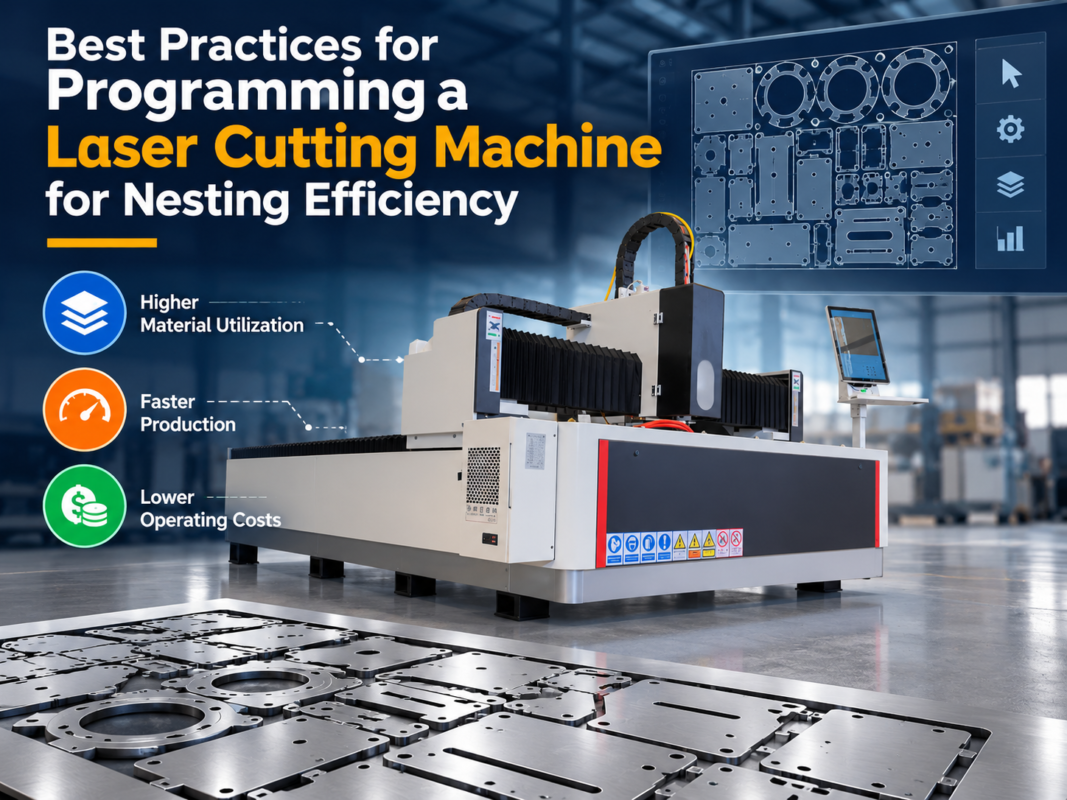
Common control systems like CypCut (developed by Friendess) are widely praised for their user-friendly interface and powerful nesting capabilities. More advanced systems like Beckhoff or Siemens are often found in high-end European or premium Chinese machines, offering better integration with Industry 4.0 protocols and remote diagnostics. A well-configured control system can improve material utilization by 5-10% through advanced nesting algorithms, which directly impacts the bottom line.
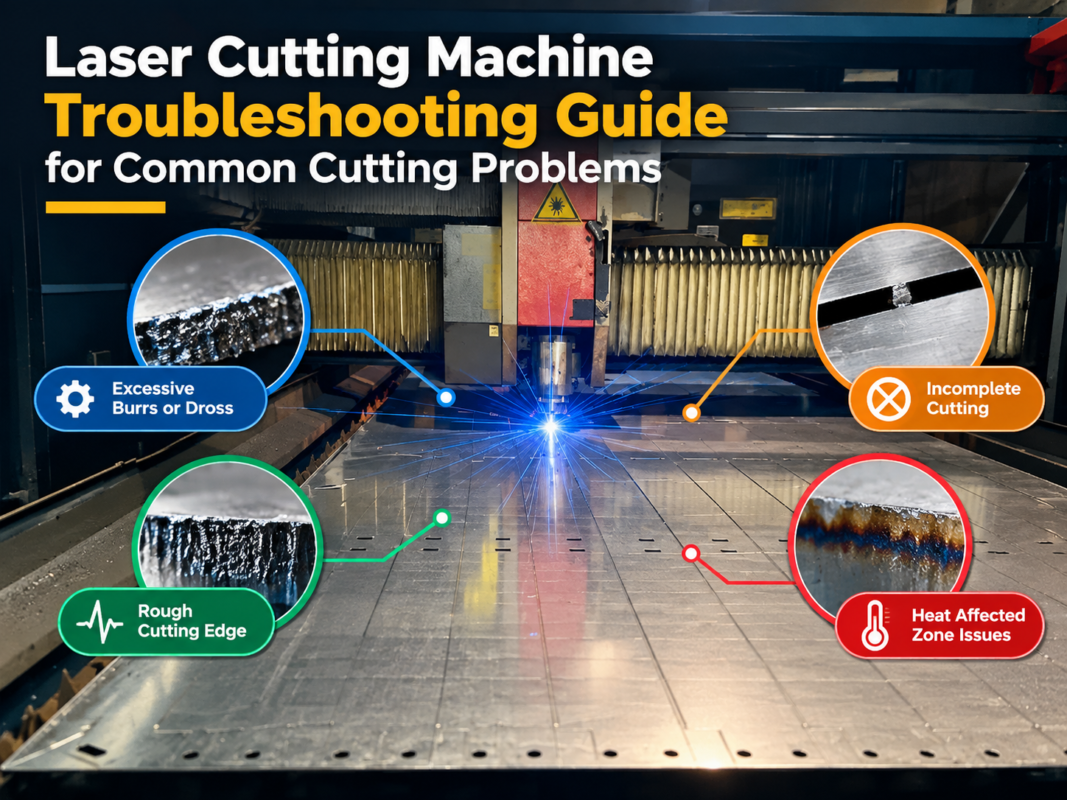
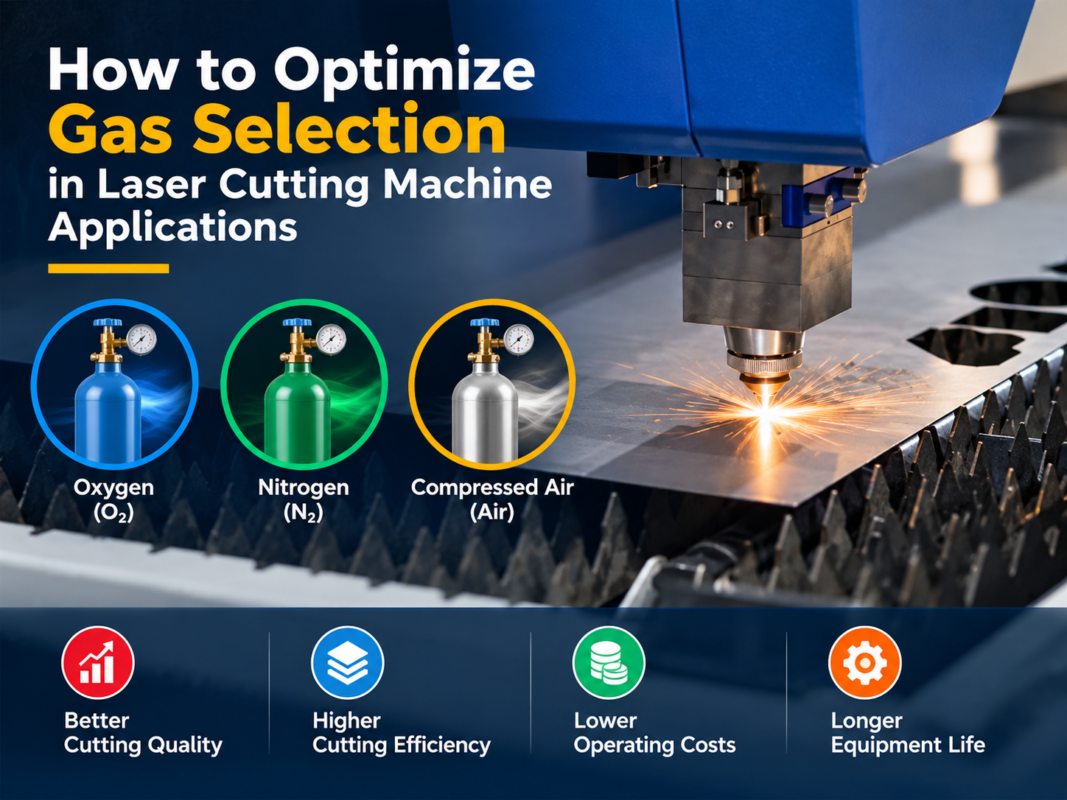
Furthermore, the configuration of the gas path system is often overlooked. High-pressure nitrogen cutting requires precise solenoid valve control to maintain consistent pressure. If the control system cannot accurately manage the gas flow in synchronization with the laser pulse, the resulting cut will have excessive dross or burrs, requiring expensive secondary finishing processes. Therefore, the integration of the source’s pulse frequency with the control system’s motion path is the secret to achieving a ‘mirror-like’ finish on stainless steel.

Hidden Costs: Beyond the Initial Purchase
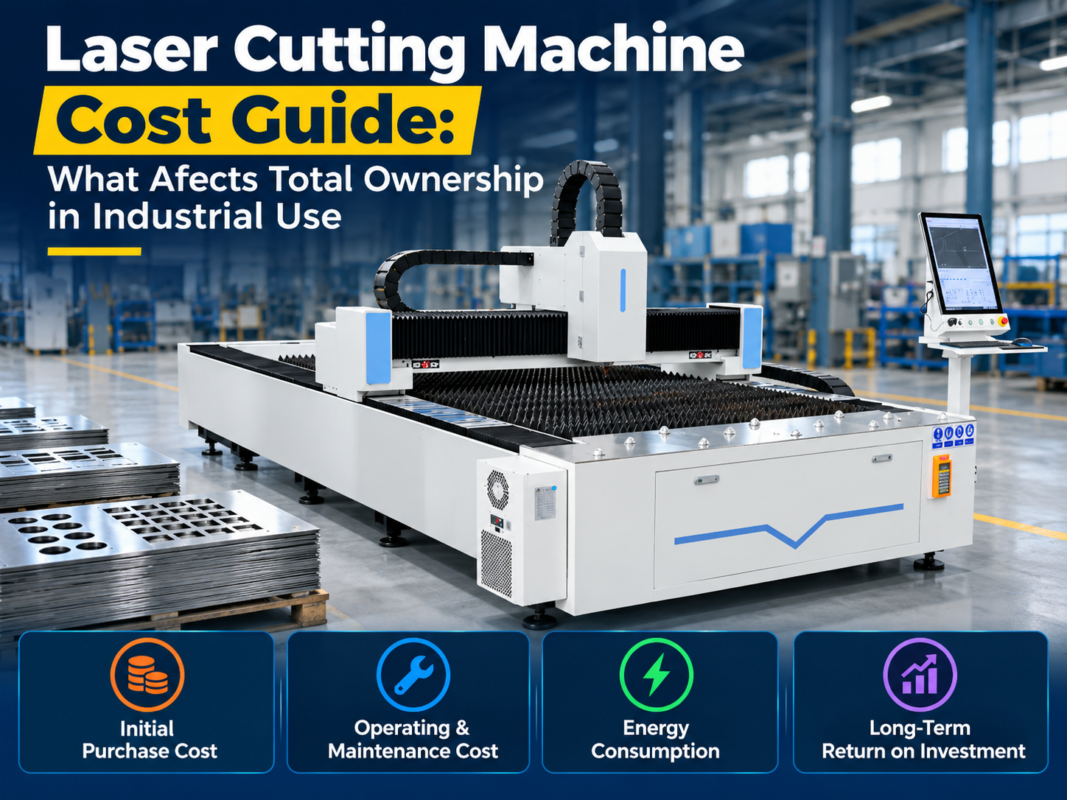
When calculating the total cost of ownership, many buyers fail to account for operational expenses. The most significant hidden cost is gas consumption. Cutting with Nitrogen (for stainless and aluminum) or Oxygen (for carbon steel) can cost several dollars per hour. Many modern shops are switching to high-pressure air cutting using specialized compressors to eliminate gas costs, though this requires a higher initial investment in the compressor system and a laser source with sufficient power (usually 6kW+).
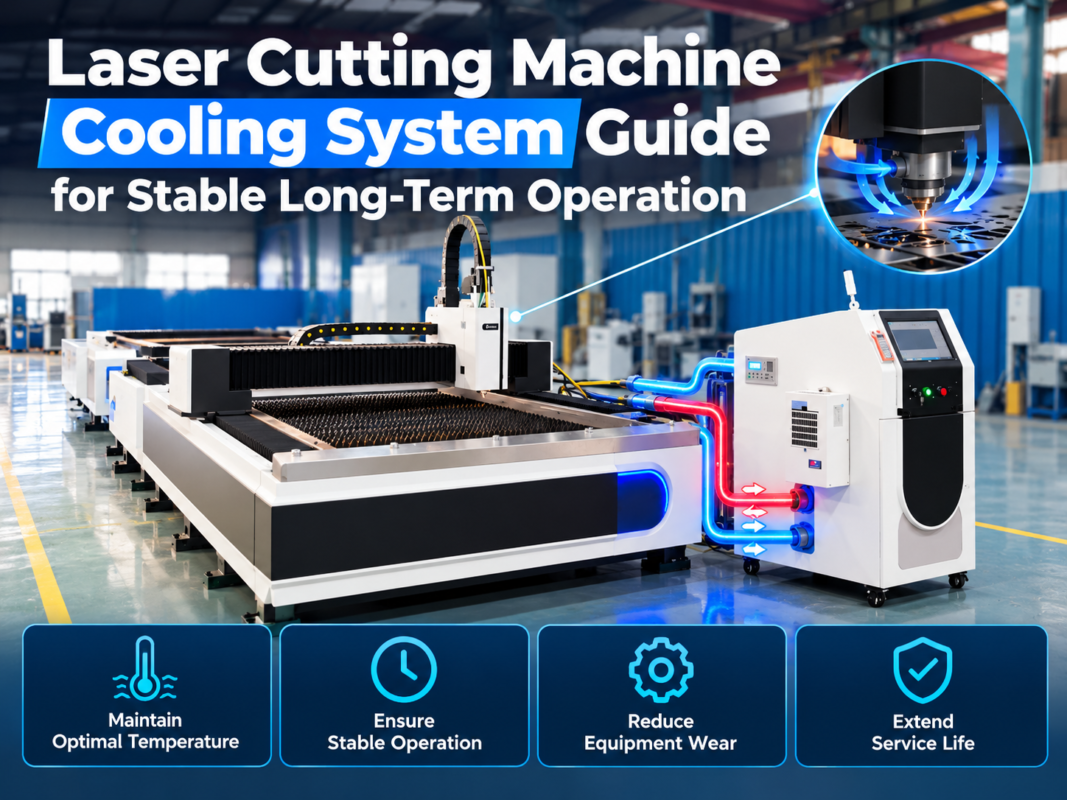
Consumables are another recurring expense. Nozzles, protective windows, and ceramic rings need regular replacement. While individual parts are inexpensive, a high-volume shop can spend thousands of dollars annually on these items. Additionally, the chiller unit—responsible for cooling both the laser source and the cutting head—requires distilled water and regular filter changes to prevent contamination that could lead to a catastrophic failure of the laser modules.
Electricity is the third major operational cost. While fiber lasers are much more efficient than old CO2 lasers (roughly 30% wall-plug efficiency vs 10%), a 12kW machine still draws significant power. Buyers must ensure their facility’s electrical infrastructure can handle the peak load, which may involve upgrading transformers or installing voltage stabilizers to protect the sensitive electronics from power surges.
ROI Calculation: When Will the Machine Pay for Itself?
Calculating the Return on Investment (ROI) is crucial for justifying the purchase of an industrial laser cutting machine. To do this, you must compare the cost of outsourcing laser cutting services versus the cost of in-house production. Most job shops charge by the minute or by the meter of cut. If you are currently spending $5,000 a month on outsourced cutting, a $60,000 machine could theoretically pay for itself in 12 months, excluding labor and overhead.
However, a more accurate ROI calculation includes: (Monthly Outsourcing Cost) – (Monthly Lease Payment + Labor + Gas + Electricity + Consumables). In many cases, the increased speed of a new fiber laser allows companies to take on more work, further accelerating the ROI. For instance, upgrading from a 3kW to a 6kW machine might increase the initial cost by 30%, but it can double the cutting speed on 6mm stainless steel, effectively doubling the machine’s revenue-generating potential per hour.
Additionally, consider the value of lead time. Having an in-house machine allows for rapid prototyping and immediate production, which can be the difference between winning and losing a contract. The ability to control your own production schedule and quality standards provides an intangible but significant competitive advantage in the metal fabrication industry.
Buying Advice: A Checklist for Success
Before finalizing your Industrial Laser Cutting Machine Buying : From Source Control System journey, follow this checklist to ensure you are getting the best value:
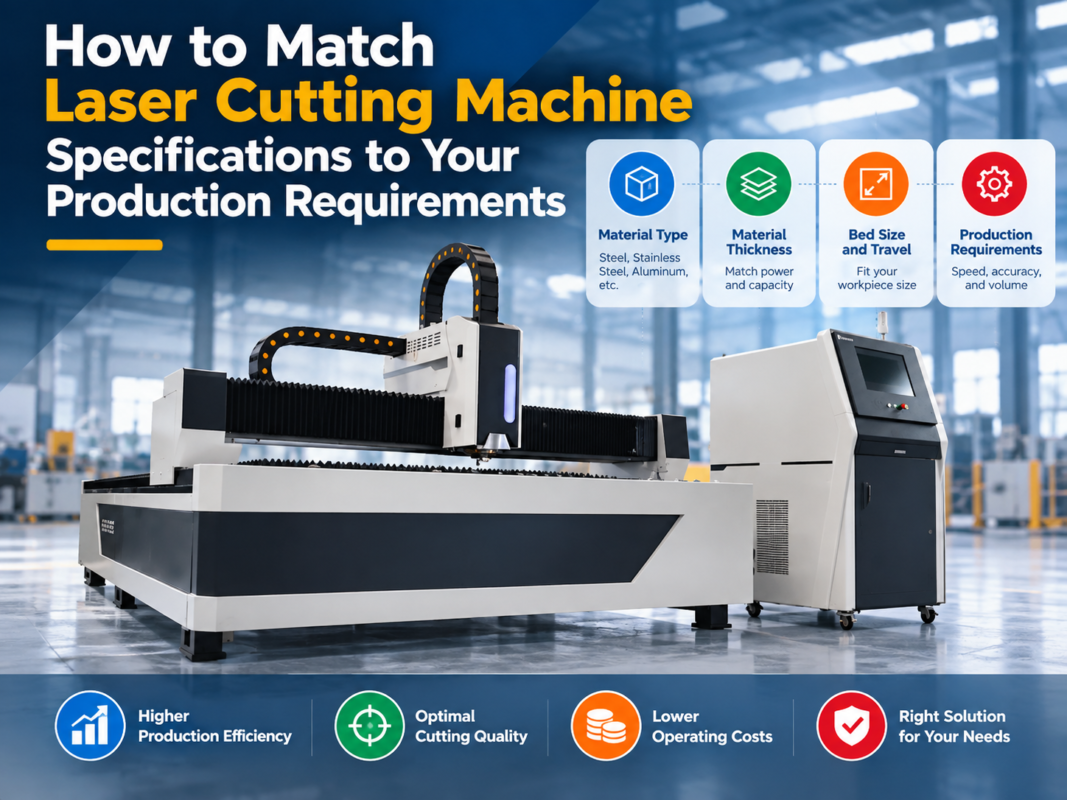
- Define Your Material Mix: Don’t buy a 12kW machine if 90% of your work is 3mm aluminum. Match the power to your most frequent tasks, with a 20% buffer for future growth.
- Verify the Bed Construction: Ask for photos or videos of the frame welding and heat treatment process. A light frame will vibrate at high speeds, ruining your precision.
- Test the Software: Request a demo of the control system. Is it easy for your operators to learn? Does it support the file formats you use?
- Check Local Support: Who will fix the machine if it breaks? Ensure the manufacturer or distributor has technicians and spare parts available in your region.
- Request a Cutting Sample: Send your most difficult part file to the manufacturer and ask them to cut it in front of you (or via live video). Check the edge quality and dimensions.
HARSLE recommends that buyers prioritize the stability of the machine over the highest possible wattage. A 6kW machine that runs 24/7 without breakdown is far more profitable than a 12kW machine that is frequently offline due to poor component integration or lack of technical support.
Frequently Asked Questions (FAQ)
1. What is the difference between Fiber and CO2 lasers for industrial cutting?
Fiber lasers use solid-state diodes to create the beam, which is then delivered via a fiber optic cable. They are much more efficient, faster at cutting thin materials, and require significantly less maintenance than CO2 lasers, which use gas mixtures and mirrors to generate and direct the beam.
2. How long does a fiber laser source last?
Most reputable fiber laser sources (like Raycus or IPG) are rated for 100,000 hours of operation. This equates to over 10 years of 24/7 use. However, the actual lifespan depends on the cleanliness of the environment and the consistency of the cooling system.
3. Can I cut reflective materials like copper and brass?
Yes, modern fiber lasers are designed to handle back-reflections from materials like copper, brass, and polished aluminum. However, it is important to use a laser source with built-in back-reflection protection to prevent damage to the modules.
4. Is air cutting as good as nitrogen cutting?
Air cutting is much cheaper but results in a slightly oxidized edge (darker color) compared to the clean, shiny edge produced by nitrogen. For parts that will be painted or powder-coated, air cutting is usually perfectly acceptable and highly cost-effective.
5. What maintenance is required for an industrial laser cutting machine?
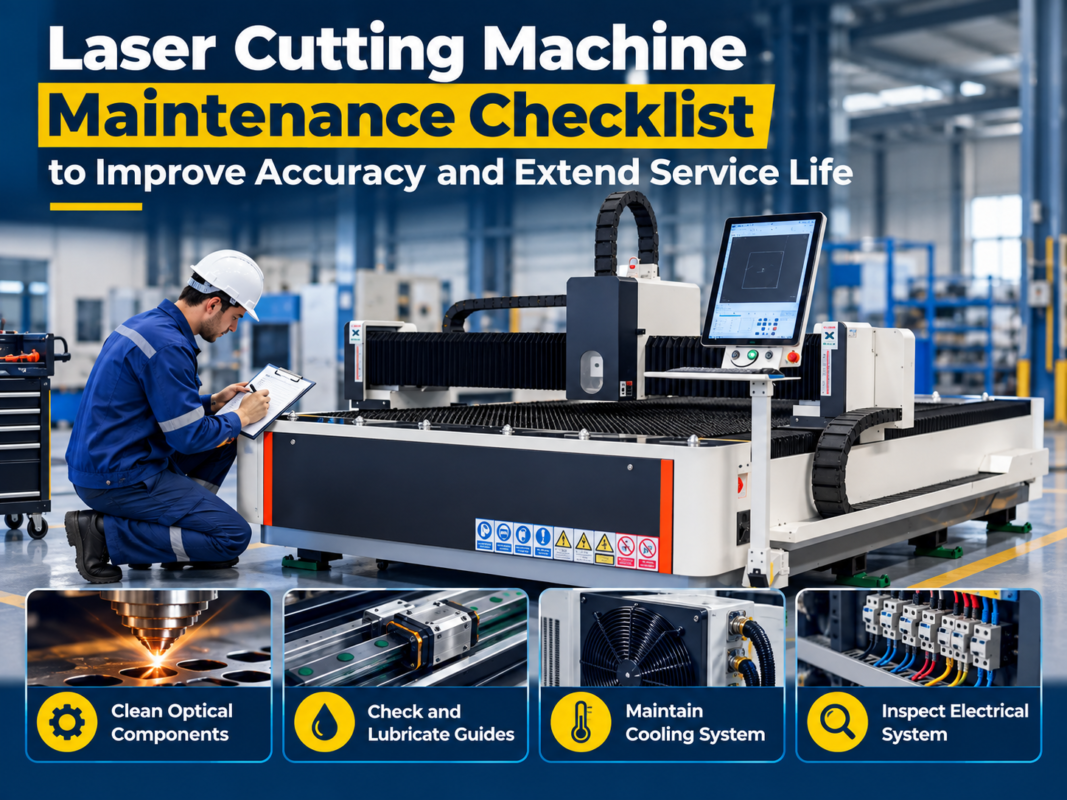
Daily maintenance includes cleaning the protective lens and checking the nozzle. Weekly tasks involve lubricating the guide rails and checking the water level in the chiller. Monthly, you should inspect the electrical components and clean the dust collector filters.
6. How much training is needed to operate the machine?
With modern CNC systems like CypCut, a basic operator can be trained in 2-3 days. However, mastering the nesting software and optimizing cutting parameters for different materials can take several weeks of hands-on experience.