How to Select a Laser Cutting Machine Based on Material Thickness: A Comprehensive Guide


Introduction to Material Thickness and Laser Selection
In the modern metal fabrication industry, the ability to accurately select a laser cutting machine based on material thickness is the difference between a profitable operation and a costly mistake. As fiber laser technology has advanced, the range of thicknesses that can be processed has expanded significantly, moving from thin gauge sheets to heavy plates exceeding 50mm. However, more power is not always the better choice for every shop. The decision involves a complex balance of initial investment, operational costs, edge quality requirements, and production volume.
When we talk about how to select a laser cutting machine based on material thickness, we are primarily discussing the relationship between laser wattage (power) and the thermal energy required to melt or vaporize specific metals. Different materials—such as carbon steel, stainless steel, aluminum, and brass—have varying thermal conductivities and melting points, meaning a 3kW laser will perform differently on 10mm carbon steel than it will on 10mm aluminum. This guide provides a deep dive into the technical and financial considerations necessary to make an informed purchase for your HARSLE equipment.
Price Range Overview: Power Tiers and Investment
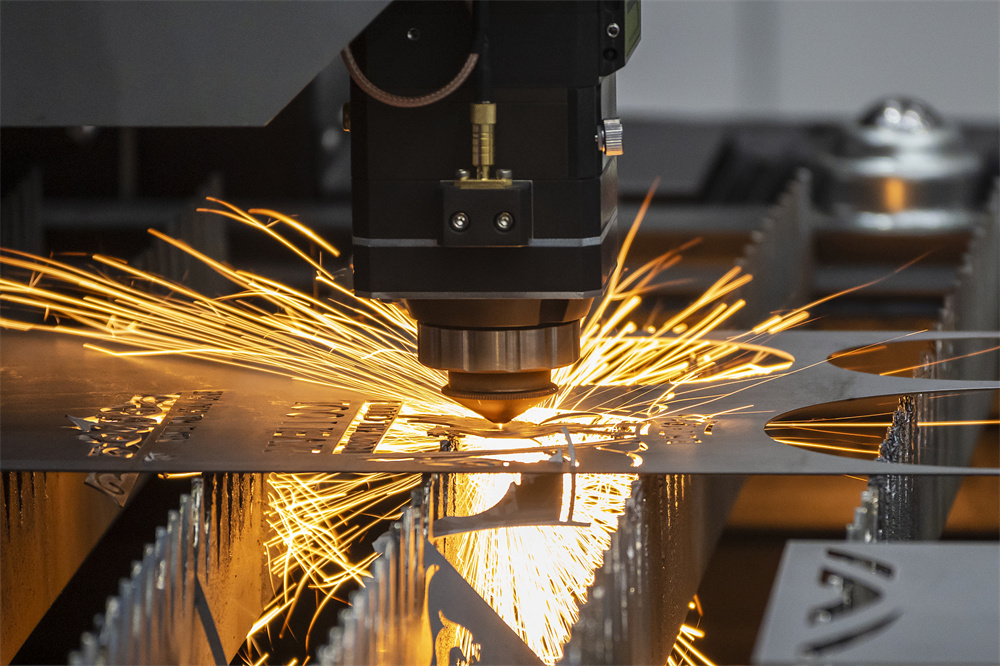
The price of a fiber laser cutting machine is most heavily influenced by its power output. Generally, the industry categorizes machines into three main tiers based on their wattage and intended thickness range. Understanding these tiers is the first step in narrowing down your options.
- Entry-Level (1kW – 3kW): These machines are designed for thin to medium sheet metal. They are ideal for signage, electrical enclosures, and light automotive parts. Prices typically range from $20,000 to $60,000. They excel at cutting carbon steel up to 12mm and stainless steel up to 5mm with high precision.
- Mid-Range (4kW – 12kW): This is the ‘sweet spot’ for most general job shops. These machines can handle a wide variety of thicknesses, from thin gauge up to 25mm-30mm carbon steel. The price range for these units usually falls between $70,000 and $150,000. The increased power allows for significantly faster cutting speeds on medium-thickness materials.
- High-Power (15kW – 30kW+): These are industrial workhorses designed for heavy machinery manufacturing, shipbuilding, and structural steel. They can cut carbon steel up to 50mm or more. Prices for these systems often exceed $200,000, reaching up to $500,000 for fully automated setups.
Main Cost Drivers in Laser Selection
While the laser source is the primary cost driver, several other factors influence the final price and the machine’s ability to handle specific thicknesses. When you select a laser cutting machine based on material thickness, you must look beyond the wattage label.
1. Laser Source Brand: The heart of the machine is the laser generator. Brands like IPG Photonics are known for high stability and longevity but come at a premium. Domestic brands like Raycus or Maxphotonics offer excellent value for shops focusing on standard thicknesses. The choice of source affects the beam quality (BPP), which determines how narrow the kerf is and how deep the laser can penetrate.
2. Cutting Head Technology: For thicker materials, an autofocus cutting head is essential. As the thickness increases, the focal point must be adjusted deeper into the material. High-end heads from Precitec or Raytools include sensors that maintain a constant distance from the plate, preventing collisions and ensuring consistent edge quality even if the plate is slightly warped.
3. Machine Bed and Gantry: Cutting thick plates requires a heavy-duty, heat-treated machine bed. The weight of a 25mm steel plate is substantial; a flimsy frame will vibrate, leading to poor cut quality and premature wear on the motion system. HARSLE utilizes high-strength steel plate welding frames that undergo stress relief annealing to ensure long-term accuracy.
Configuration Impact: Matching Specs to Thickness
The configuration of your machine must align with the physical properties of the materials you intend to cut. The physics of cutting 2mm stainless steel is vastly different from cutting 20mm carbon steel.
The Role of Assist Gases
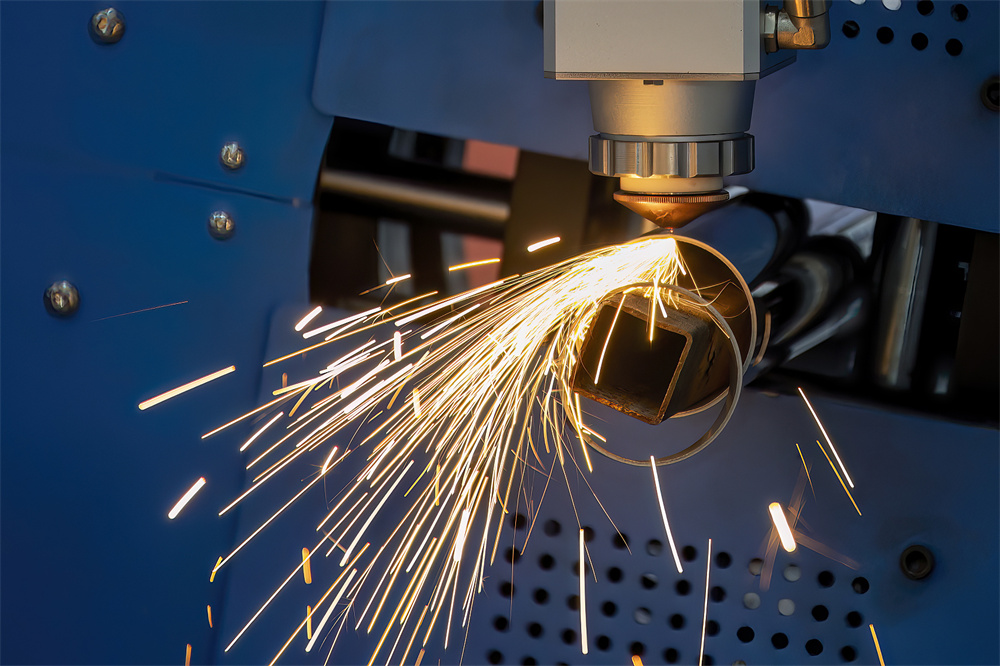
Assist gas is critical in the cutting process. For thin materials, Nitrogen (N2) or Compressed Air is often used to achieve a clean, oxide-free edge at high speeds. However, when cutting thick carbon steel, Oxygen (O2) is typically used. The oxygen reacts with the iron (exothermic reaction), providing additional heat to help melt the thick plate. Selecting a machine with high-pressure gas piping and sophisticated gas control valves is vital for those working with varying thicknesses.
Focal Length and Nozzle Selection
Thicker materials require a longer focal length to maintain a consistent beam diameter through the depth of the cut. If the focal length is too short, the beam will diverge too quickly, resulting in a tapered edge or a failure to blow out the molten metal. Similarly, the nozzle diameter must increase with material thickness to allow more assist gas to enter the cut and clear the dross.
Hidden Costs of High-Thickness Cutting
When users select a laser cutting machine based on material thickness, they often overlook the operational overhead associated with high-power applications. It is not just the purchase price that increases.
- Gas Consumption: Cutting thick plates with Nitrogen requires massive volumes of gas at high pressure. This can become the single largest operating expense. Many shops invest in Nitrogen generators to mitigate this cost.
- Electricity Usage: A 20kW laser requires a significant power supply. Beyond the laser itself, the industrial chillers needed to cool high-power sources consume substantial electricity.
- Consumable Lifespan: High-power cutting generates more heat and spatter. Protective windows, nozzles, and ceramic rings will need more frequent replacement when consistently piercing and cutting thick materials.
- Maintenance: High-power systems operate under more thermal stress. Regular calibration of the beam path and cleaning of the optical components are non-negotiable to prevent expensive repairs.
ROI Calculation: Throughput vs. Investment
To justify the cost of a higher-wattage machine, you must calculate the Return on Investment (ROI) based on your specific production needs. The primary advantage of higher power is speed. For example, a 12kW laser can cut 10mm stainless steel several times faster than a 3kW laser.
Consider this scenario: If your shop processes 1,000 meters of 12mm carbon steel per week, a 6kW machine might take 40 hours to complete the task. A 12kW machine might do it in 15 hours. The 12kW machine allows you to take on more work or reduce labor shifts. However, if you only cut 12mm plate once a month, the lower-cost 6kW machine is the more sensible financial choice. You must balance the “Cost Per Part” against the “Machine Hourly Rate.”
| Material Thickness (Carbon Steel) | Recommended Power | Cutting Speed (Approx.) | Assist Gas |
|---|---|---|---|
| 1-3mm | 1kW – 1.5kW | 15-35 m/min | Air / N2 |
| 6-10mm | 3kW – 4kW | 2-4 m/min | O2 |
| 12-20mm | 6kW – 12kW | 1.5-3.5 m/min | O2 / N2 |
| 25mm+ | 15kW – 30kW | 0.8-2.0 m/min | O2 |
Buying Advice: Step-by-Step Selection
Follow these steps to ensure you select a laser cutting machine based on material thickness that fits your business model:
- Identify Your “Bread and Butter” Thickness: Don’t buy a machine based on the thickest material you might cut once a year. Buy for the material that makes up 80% of your production.
- Test Cut Samples: Always ask the manufacturer (like HARSLE) to perform test cuts on your specific material. Check the edge squareness, dross levels, and heat-affected zone (HAZ).
- Consider Future Growth: If you currently cut 6mm but plan to move into heavy equipment parts, opting for a 6kW or 12kW machine now may prevent the need for an upgrade in two years.
- Evaluate the Software: Thick plate cutting requires specialized nesting and lead-in strategies (like ‘frog-jump’ or ‘evaporation piercing’). Ensure the machine’s software is capable of handling these complex paths.
- Check Local Support: High-power lasers are complex. Ensure your supplier provides robust training and has technicians available for onsite support.
Frequently Asked Questions (FAQ)
Can a 1kW laser cut 20mm steel?
Technically, a 1kW laser might be able to pierce 20mm steel with multiple passes or extremely slow speeds, but it is not commercially viable. The cut quality would be extremely poor, and the risk of lens damage from back-reflection is high. For 20mm steel, a minimum of 6kW is recommended for production.
Is Nitrogen or Oxygen better for thick plates?
Oxygen is generally used for thick carbon steel because it aids the melting process, allowing for lower power usage. However, it leaves an oxide layer that must be removed before painting. Nitrogen is used for high-speed cutting of stainless steel and aluminum to keep the edges bright and clean, but it requires much higher laser power to achieve the same thickness as Oxygen.
How does material reflectivity affect selection?
Materials like copper and brass are highly reflective. If you plan to cut thick sections of these metals, you must select a fiber laser with back-reflection protection. Older CO2 lasers or low-end fiber lasers can be destroyed by the beam reflecting back into the source.
What is the maximum thickness a fiber laser can cut?
With the advent of 30kW and 40kW fiber lasers, some machines can now cut up to 100mm carbon steel. However, for most industrial applications, the practical limit for high-quality production is around 50mm.
Does the cutting speed affect the edge quality?
Yes. If the speed is too high for the thickness, the laser won’t penetrate fully, causing slag. If it is too slow, the heat input becomes too high, causing the kerf to widen and the edge to become rough or “burnt.” Finding the optimal speed-to-power ratio is key.