Laser Cutting Machine ROI Guide: What Buyers Should Evaluate Before Purchase


Introduction to Laser Cutting Machine ROI
Investing in a fiber laser cutting machine is one of the most significant capital expenditures a metal fabrication shop will undertake. While the initial price tag often dominates the conversation, the true value of the investment is found in the Return on Investment (ROI). Understanding the Laser Cutting Machine ROI : Buyers Should Evaluate Before Purchase involves more than just looking at the invoice; it requires a deep dive into operational efficiency, material savings, and long-term reliability. At HARSLE, we believe that an informed buyer is a successful partner, and this guide is designed to help you navigate the complexities of laser machine procurement.
The shift from traditional CO2 lasers and plasma cutters to fiber laser technology has revolutionized the industry. Fiber lasers offer higher speeds, lower maintenance, and superior precision. However, because the technology evolves rapidly, buyers must evaluate whether a specific machine configuration aligns with their current production needs and future growth. A machine that is too small may become a bottleneck, while an overpowered machine may never reach its full ROI potential due to high idle times. This guide breaks down every financial and technical aspect you need to consider.
Price Range Overview: Setting Realistic Expectations
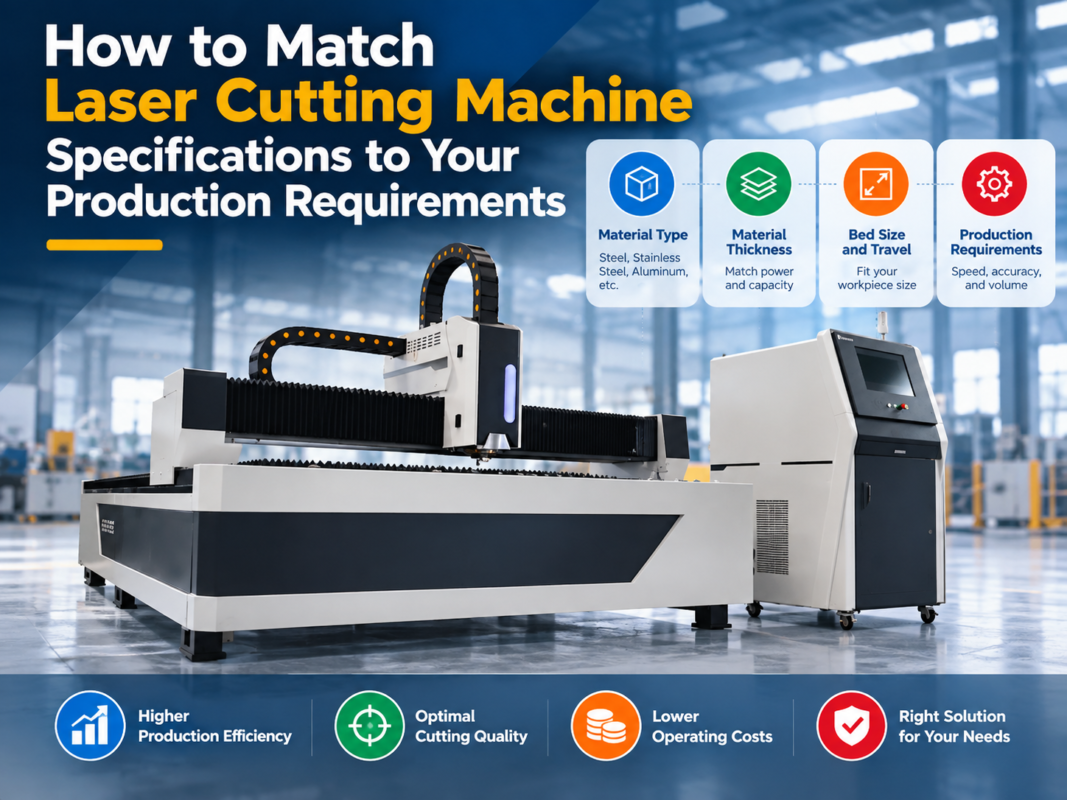
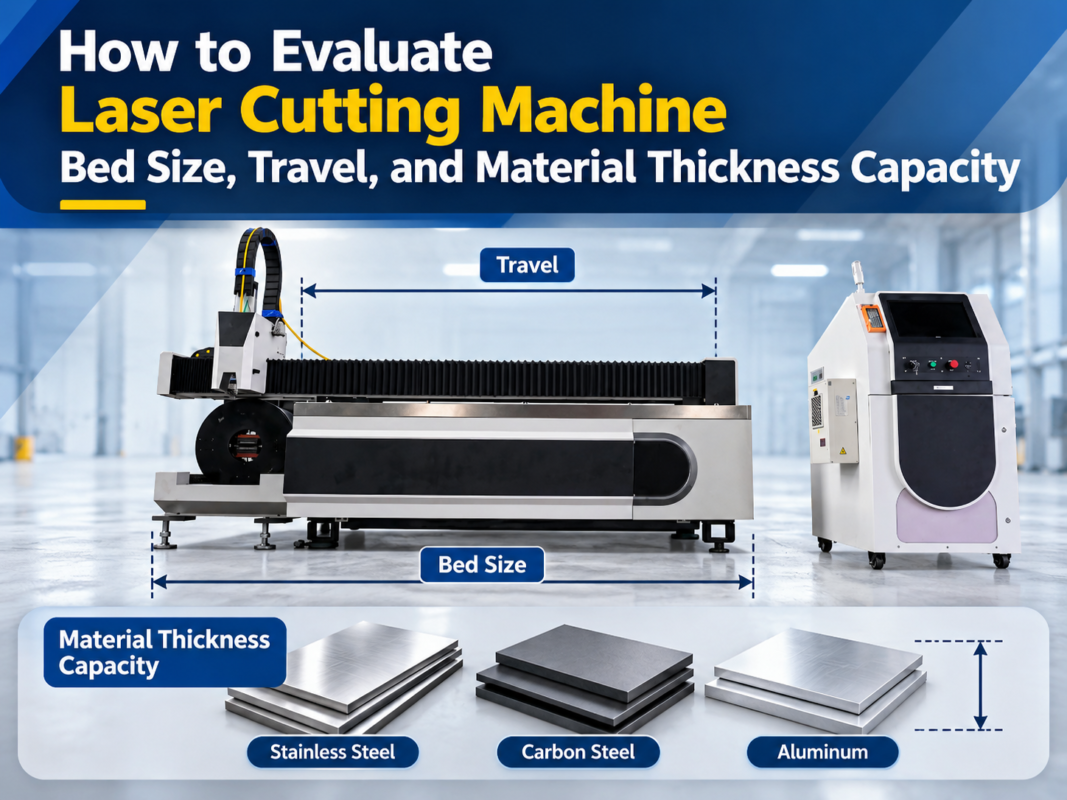
The price of a laser cutting machine varies significantly based on power, size, and features. Generally, the market is divided into three main categories. Entry-level machines, often featuring 1kW to 3kW power sources and a standard 3015 (3m x 1.5m) bed, typically range from $30,000 to $60,000. These are ideal for small shops or those transitioning from outsourcing to in-house production. While they lack some automation features, their ROI is often realized quickly through the elimination of third-party cutting fees.
Mid-range machines, which are the workhorses of the industry, usually feature 6kW to 12kW power sources and include features like exchange tables and better motion control systems. These machines typically cost between $70,000 and $150,000. They are designed for multi-shift operations and can handle a wider variety of material thicknesses with high precision. For most medium-sized fabrication businesses, this category offers the most balanced Laser Cutting Machine ROI : Buyers Should Evaluate Before Purchase.
High-end, ultra-high-power machines (20kW to 60kW+) are designed for heavy industrial use, such as shipbuilding, construction machinery, and large-scale steel service centers. These machines can exceed $250,000. While the cost is high, the ROI is driven by the ability to cut thick plates (up to 50mm or more) at speeds that were previously impossible, effectively replacing multiple lower-power machines and reducing the total footprint of the production line.
Main Cost Drivers in Laser Cutting Technology
The most significant cost driver in any fiber laser machine is the laser source itself. Brands like IPG Photonics, nLIGHT, and Raycus dominate the market. An IPG source is often more expensive due to its global reputation for stability and extensive service network, whereas Raycus offers a highly competitive price-to-performance ratio. When evaluating ROI, consider the cost of downtime; a more expensive source with better local support might pay for itself if it prevents a week-long production halt.
The second major driver is the motion system, including the rack, pinion, and servo motors. High-speed cutting requires extreme acceleration and deceleration. If the machine frame is not robust enough or the motors (such as Yaskawa or Panasonic) are undersized, the machine will vibrate, leading to poor cut quality and premature wear. A heavy-duty, heat-treated plate-welded frame is more expensive than a tube-welded frame but ensures the machine maintains accuracy for over a decade, significantly impacting long-term ROI.
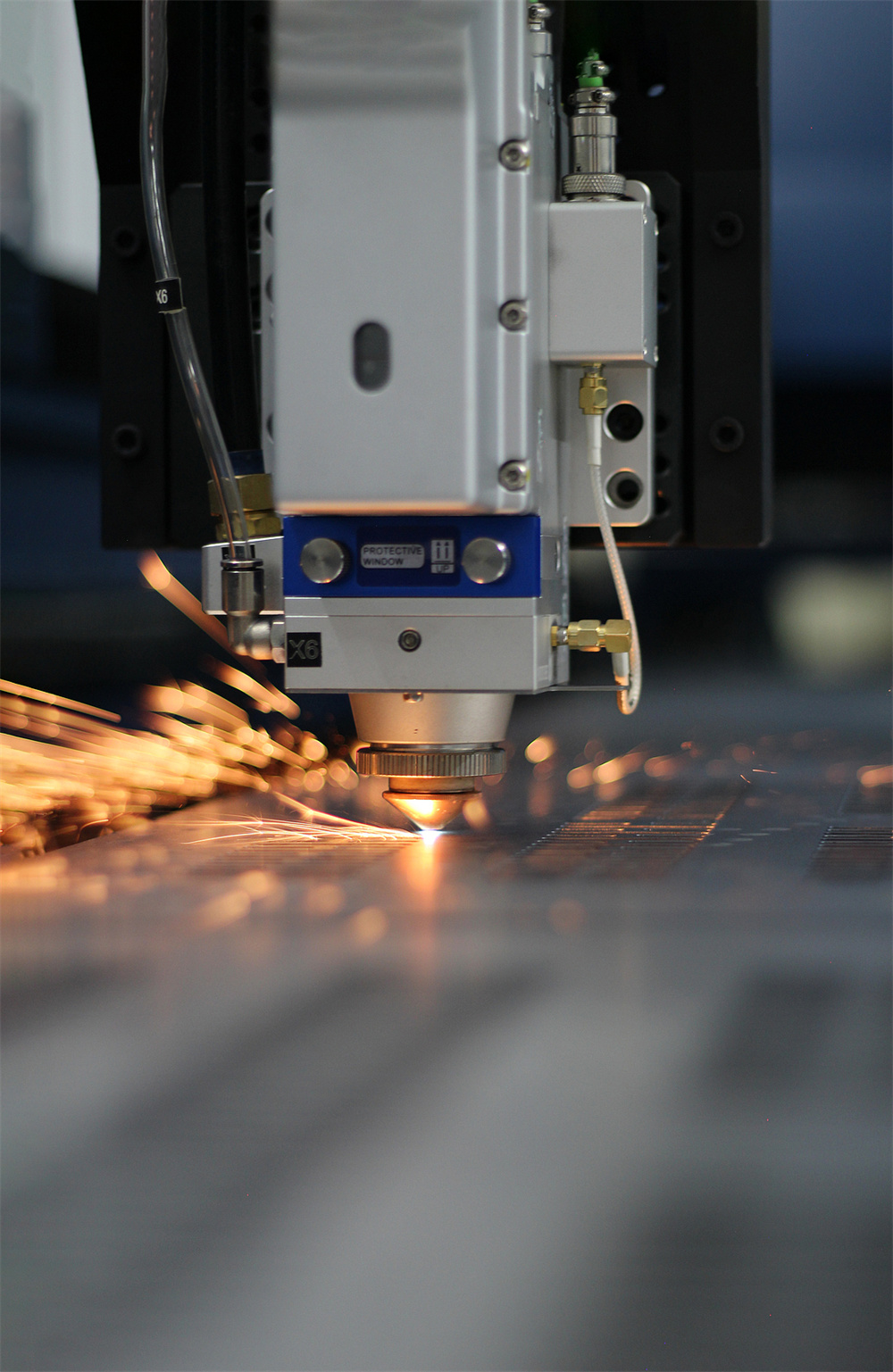
Finally, the cutting head technology plays a vital role. Auto-focus cutting heads, such as those from Precitec or Raytools, allow for seamless transitions between different material thicknesses. While an auto-focus head adds to the initial cost, it reduces setup time and eliminates operator error, which are critical factors in the Laser Cutting Machine ROI : Buyers Should Evaluate Before Purchase. Manual focus heads are cheaper but can lead to inconsistent results and wasted material if not adjusted perfectly by the operator.
Configuration Impact on Productivity
The configuration of the machine directly dictates its throughput. One of the most impactful features is the automatic exchange table (pallet changer). Without an exchange table, the laser must stop while the operator removes finished parts and loads a new sheet. This can result in the laser being idle for 30-50% of the workday. An exchange table allows the operator to load and unload while the machine is cutting, nearly doubling the daily output for a relatively modest increase in capital cost.
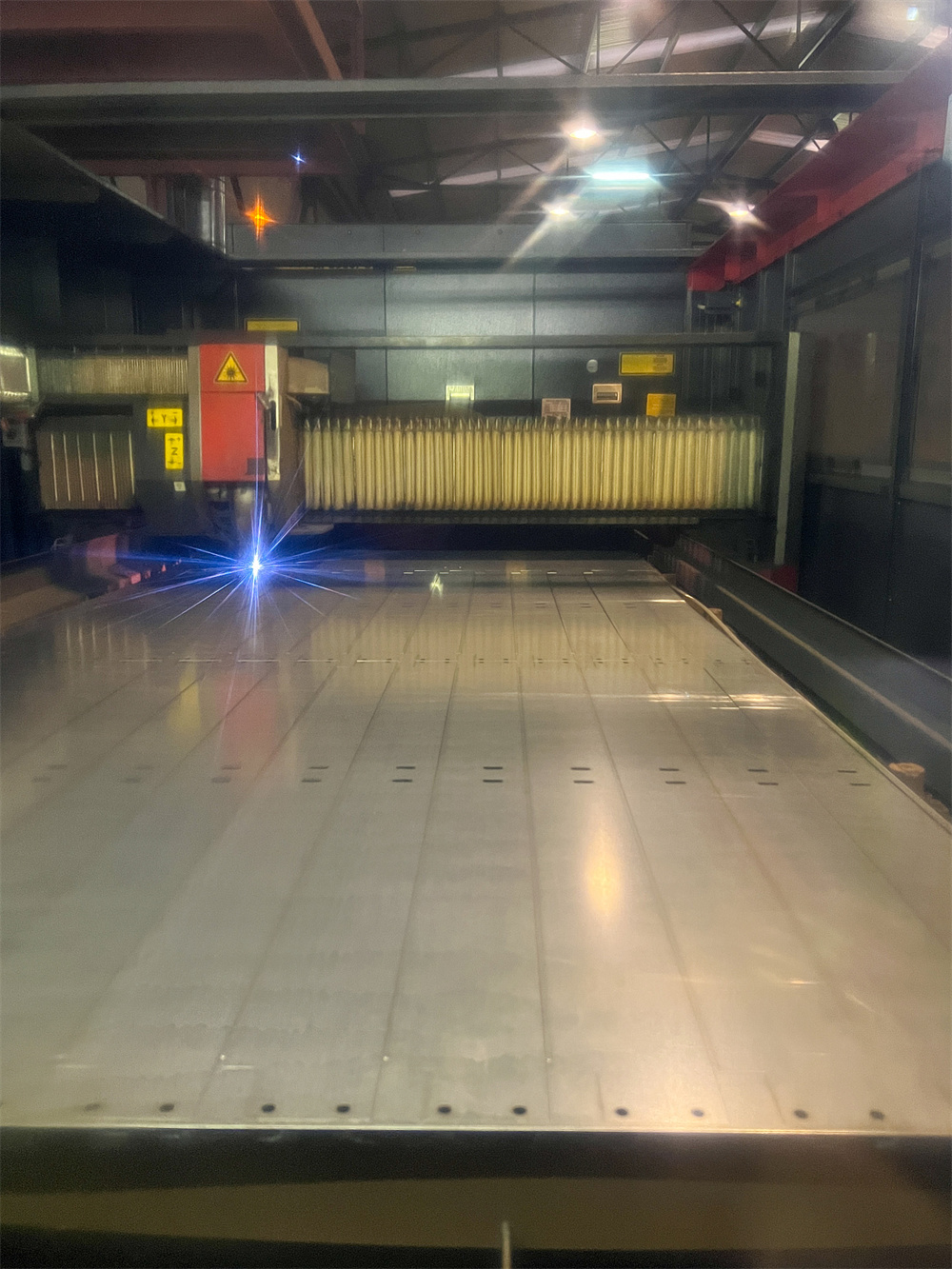
Another configuration choice is the inclusion of a tube-cutting attachment. Many fabricators find that they need to cut both flat sheets and profiles (square, round, or D-shaped tubes). A combo machine (sheet and tube) can save significant floor space and reduce the need for two separate investments. However, if your tube volume is high, a dedicated tube laser might offer better ROI due to specialized loading systems and faster rotation speeds. Buyers must analyze their current and projected job mix to decide which configuration serves them best.
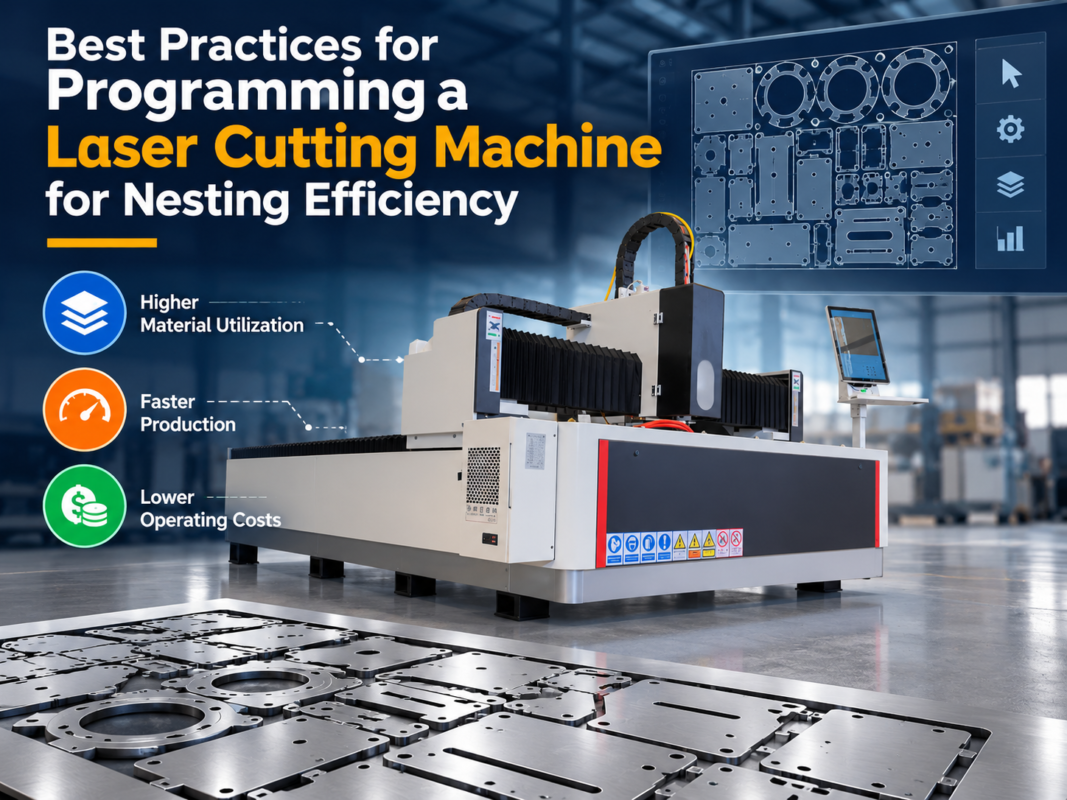
Software and CNC control systems also impact ROI. Advanced nesting software can improve material utilization by 5% to 15%. In a high-volume shop, saving 10% on material costs annually can equate to tens of thousands of dollars, often covering the cost of the software in the first year. Systems like CypCut or Beckhoff provide intuitive interfaces that reduce the learning curve for new operators, allowing the machine to reach full production capacity faster after installation.
Hidden Costs: Beyond the Purchase Price
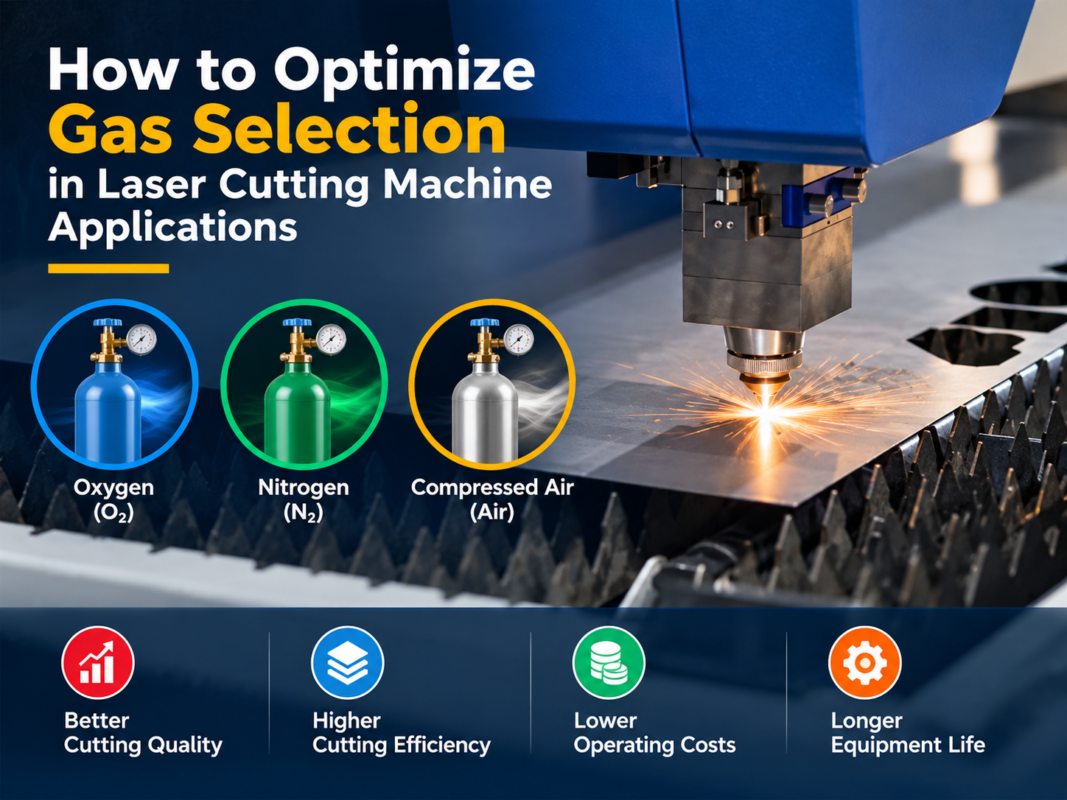
When calculating the Laser Cutting Machine ROI : Buyers Should Evaluate Before Purchase, many first-time owners overlook the cost of assist gases. Oxygen, Nitrogen, and Compressed Air are used to clear the molten metal from the cut. Nitrogen is essential for clean, oxide-free edges on stainless steel and aluminum but is expensive. Oxygen is used for carbon steel but leaves an oxide layer that may require cleaning before painting. Many modern shops are investing in high-pressure air compressors to use filtered shop air as an assist gas, which can reduce operating costs by up to 70% for certain materials.
Electricity consumption is another factor. While fiber lasers are much more efficient than CO2 lasers, the total system—including the laser source, the chiller, the exhaust fan, and the air compressor—can draw significant power. It is essential to verify your facility’s electrical capacity before purchase. Upgrading a transformer or running new high-voltage lines can add thousands of dollars to the initial setup cost that must be factored into the ROI equation.
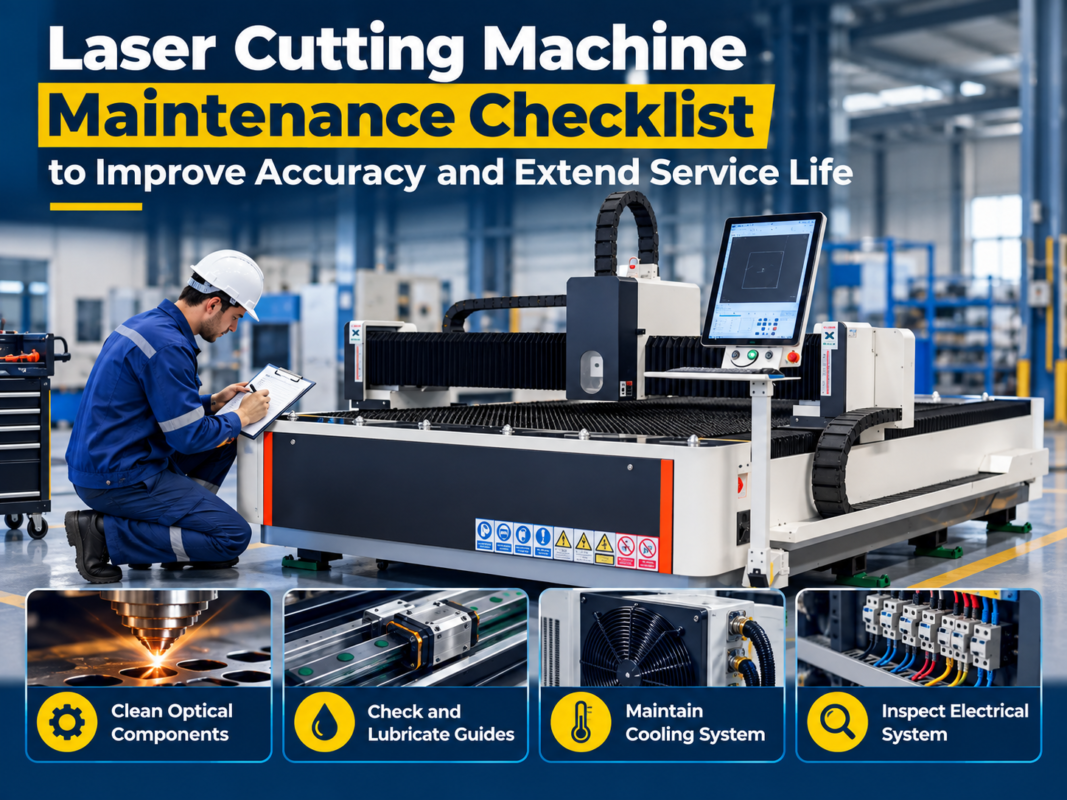
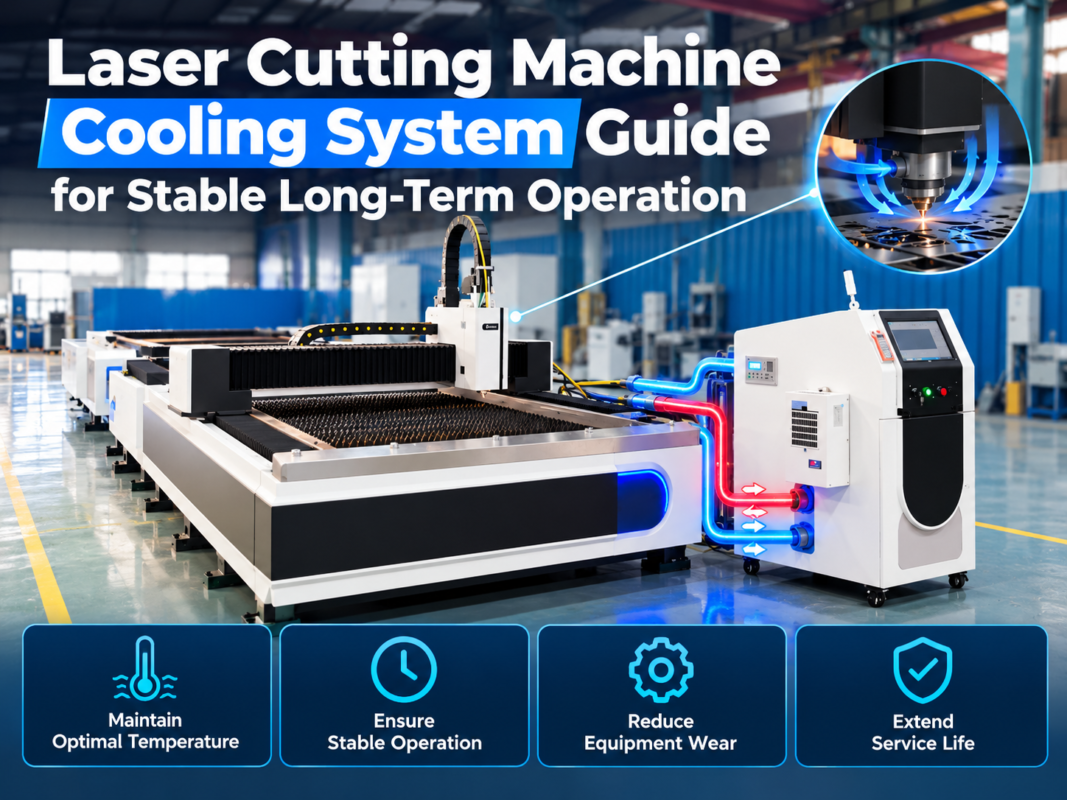
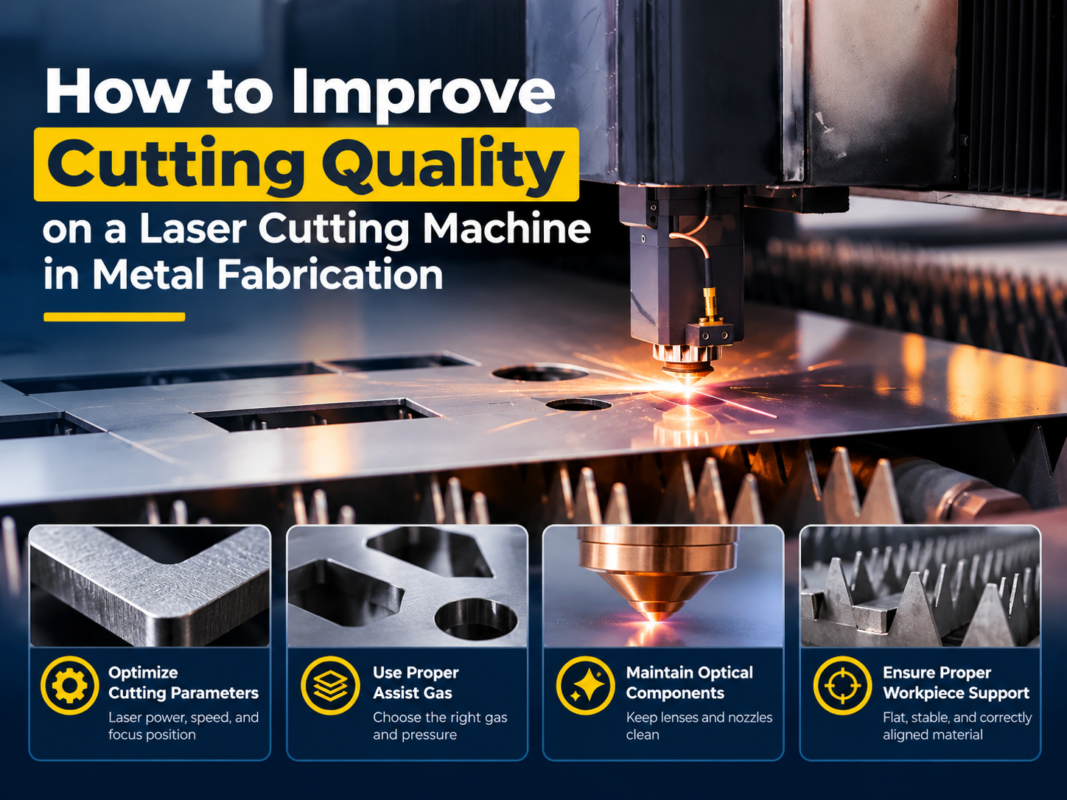
Consumables and routine maintenance are the final pieces of the hidden cost puzzle. Nozzles, protective windows, and ceramic rings are replaced frequently. While these parts are relatively inexpensive individually, their consumption rate depends on the quality of the cutting parameters and the cleanliness of the environment. A well-maintained machine with a clean cooling system and stable power supply will have significantly lower long-term maintenance costs than one that is neglected.
Calculating Your ROI: A Practical Formula
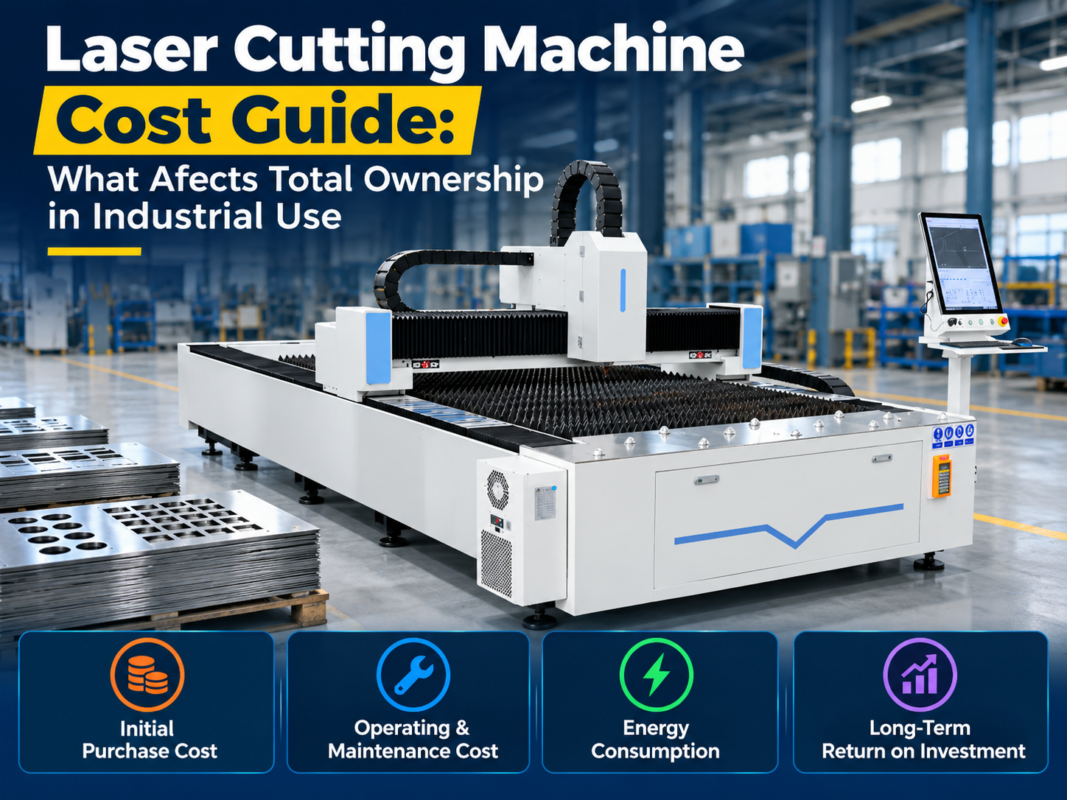
To calculate the ROI, you must compare the total cost of ownership (TCO) against the total revenue generated or costs saved. The formula for ROI is: (Net Profit from Machine / Cost of Investment) x 100. To find the net profit, subtract labor, gas, electricity, material, and maintenance costs from the total value of the parts produced. For many shops, the ROI is also calculated by the “Payback Period,” which is the time it takes for the machine to pay for itself through increased margins or reduced outsourcing costs.
Consider this example: A shop spends $5,000 per month outsourcing laser cutting. By purchasing a $60,000 machine, they bring that work in-house. Even with $1,500 in monthly operating costs (labor, gas, power), they save $3,500 per month. In this scenario, the machine pays for itself in roughly 17 months. Furthermore, the shop now has the capacity to take on more work, potentially doubling their revenue. This is why the Laser Cutting Machine ROI : Buyers Should Evaluate Before Purchase is so compelling for growing businesses.
Buying Advice for Maximum Value
Our primary advice for buyers is to “buy for tomorrow, not just today.” While a 1.5kW laser might handle your current 3mm steel jobs, a 3kW or 6kW machine will allow you to cut that same material much faster and give you the capability to handle thicker plates if a new contract arises. The speed increase between 3kW and 6kW on medium-thickness materials is often enough to justify the price difference through increased throughput alone.
Secondly, prioritize the manufacturer’s service and support. A cheap machine from a company with no local technicians or spare parts inventory is a liability. HARSLE emphasizes the importance of technical training; an operator who knows how to optimize cutting parameters will save the company more money than any hardware discount ever could. Always ask for a list of wear parts and a maintenance schedule before signing the contract to ensure you are prepared for the operational phase.
Summary Table: ROI Evaluation Factors
| Factor | Impact on ROI | Recommendation |
|---|---|---|
| Laser Power | High: Determines cutting speed and thickness limits. | Choose 20-30% more power than your average requirement. |
| Exchange Table | High: Increases duty cycle and reduces idle time. | Essential for high-volume production. |
| Assist Gas | Medium: Significant ongoing operational cost. | Consider air cutting for thin to medium carbon steel. |
| Nesting Software | Medium: Affects material yield and waste. | Invest in high-quality software for better sheet utilization. |
| Service Support | Critical: Prevents long-term revenue loss from downtime. | Verify the manufacturer’s response time and parts availability. |
Frequently Asked Questions (FAQ)
1. How long does it typically take to see a return on investment?
For most active fabrication shops, the payback period for a fiber laser cutting machine is between 12 and 24 months. This depends heavily on the machine’s utilization rate (how many hours it runs per day) and whether it is replacing expensive outsourcing or slower, older technology like plasma or CO2 lasers.
2. Is it better to buy a higher-power laser than I currently need?
Generally, yes. Higher power doesn’t just mean cutting thicker material; it means cutting thinner material much faster. For example, a 6kW laser can cut 3mm stainless steel significantly faster than a 3kW laser, reducing the cost per part. This increased throughput is a major driver of Laser Cutting Machine ROI : Buyers Should Evaluate Before Purchase.
3. What is the expected lifespan of a fiber laser source?
Most high-quality fiber laser sources are rated for 100,000 hours of operation. In a typical single-shift environment, this could represent over 20 years of use. However, the peripheral components (chillers, fans, motors) will require maintenance and occasional replacement during that time to keep the machine running at peak efficiency.
4. Can I reduce ROI by using compressed air instead of Nitrogen?
Yes, air cutting is a popular way to improve ROI. While Nitrogen provides the cleanest cut, compressed air (at high pressure) is much cheaper. It is suitable for many industrial applications where a slight bit of oxidation on the edge is acceptable or where the parts will be powder-coated later. This can save thousands of dollars in gas costs annually.
5. How much should I budget for annual maintenance?
A good rule of thumb is to budget 1% to 3% of the machine’s purchase price for annual maintenance and consumables. This includes replacement lenses, nozzles, filters, and scheduled technician visits. Staying ahead of maintenance prevents costly emergency repairs and keeps your ROI on track.
6. Does the machine’s brand affect its resale value?
Absolutely. Machines built with globally recognized components (like IPG sources, Yaskawa motors, and Precitec heads) hold their value much better on the secondary market. If you plan to upgrade your machine in 5-7 years, choosing a reputable brand like HARSLE ensures a higher resale price, which should be factored into your initial ROI calculations.