Laser Cutting Machine Buying Guide: Assist Gas, Software, and Automation Options


Introduction to Strategic Laser Cutting Machine Acquisition
In the modern metal fabrication landscape, purchasing a fiber laser cutting machine is one of the most significant capital investments a business can make. However, the true value of the machine is not determined solely by the wattage of the laser source. While a 12kW or 20kW source offers raw speed, the efficiency of the operation is dictated by the ecosystem surrounding the beam: the assist gas delivery, the intelligence of the nesting software, and the level of material handling automation. This guide provides a deep dive into the nuances of laser cutting machine buying, focusing on these critical configuration options that often separate profitable shops from those struggling with overhead.
As technology evolves, the gap between entry-level machines and high-performance systems has widened. Today’s buyers must look beyond the sticker price and evaluate how a machine integrates into their specific workflow. Whether you are a small job shop or a large-scale industrial manufacturer, understanding the interplay between hardware and peripheral systems is essential for long-term success. HARSLE remains at the forefront of this industry, providing machines that balance cutting-edge technology with practical, user-centric features.
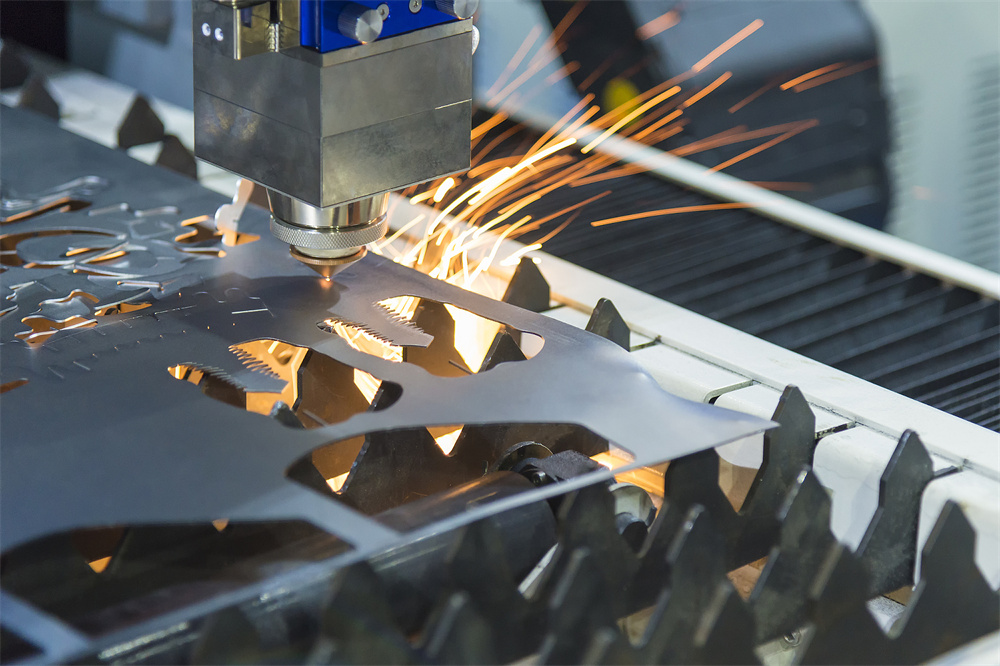
Price Range Overview: What to Expect at Different Tiers
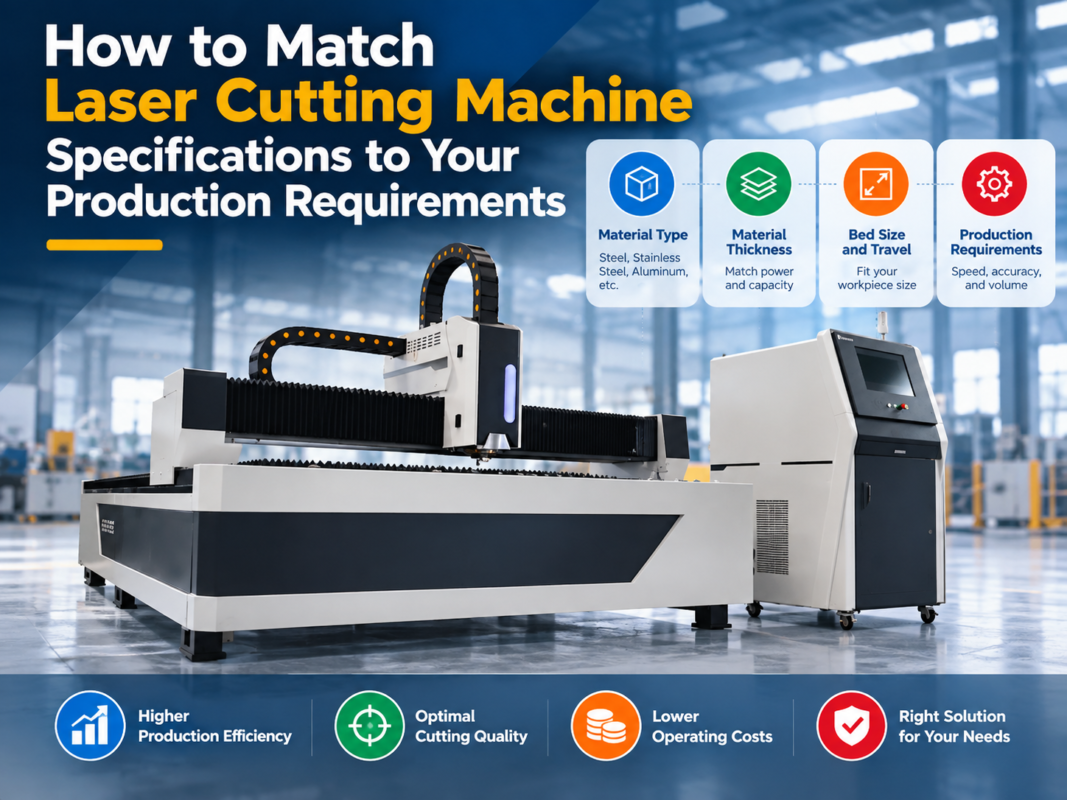
The market for laser cutting machines is diverse, with prices ranging from $30,000 for basic, low-power units to over $1,000,000 for high-wattage, fully automated systems. Understanding these tiers helps buyers align their budget with their production requirements.
Entry-Level Systems ($30,000 – $80,000)
At this price point, you typically find machines with laser sources ranging from 1kW to 3kW. These are ideal for thin sheet metal fabrication (up to 6mm or 8mm carbon steel). While they lack advanced automation, they are excellent for shops transitioning from plasma cutting or outsourcing. These machines usually feature manual nozzle changing and basic nesting software. The focus here is on reliability and ease of use rather than high-volume throughput.
Mid-Range Workhorses ($80,000 – $250,000)
This is the most competitive segment of the market. Machines in this range offer 6kW to 12kW of power and often include features like automatic pallet changers, which allow for loading and unloading while the machine is cutting. You will also see better motion control systems, such as high-precision rack and pinion drives or even linear motors in some cases. These machines are designed for multi-shift operations and can handle a wider variety of material thicknesses with high precision.
High-End Industrial Solutions ($250,000 – $500,000+)
High-end systems are characterized by ultra-high power (15kW to 40kW+), full automation suites, and sophisticated software integration. These machines are built for 24/7 “lights-out” manufacturing. They include automatic nozzle changers, advanced beam shaping technology, and integrated material towers. The cost is high, but the cost-per-part in high-volume environments is significantly lower than any other tier.
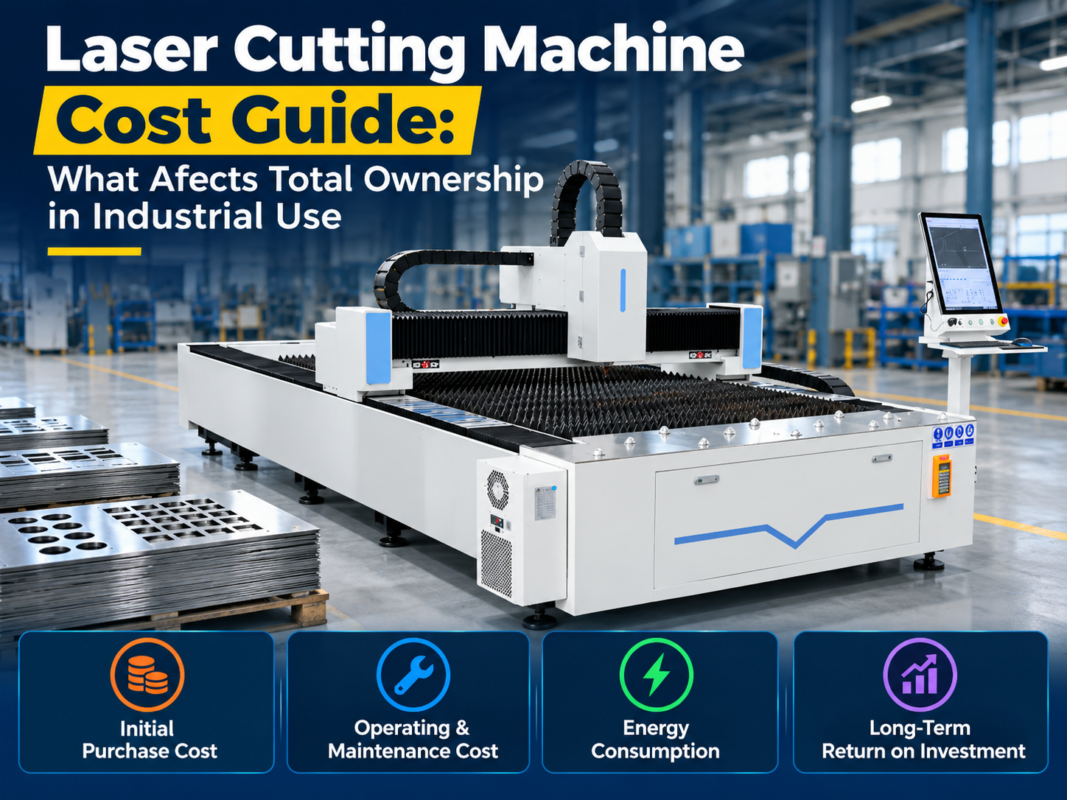
Main Cost Drivers in Laser Cutting Technology
When evaluating a quote, it is important to identify where the money is going. Several key components drive the majority of the machine’s cost.
- The Laser Source: The source (IPG, Raycus, Max, or nLight) is the single most expensive component. Higher wattage increases the price exponentially but also increases cutting speed and the maximum thickness the machine can handle.
- The Cutting Head: Advanced heads with autofocus, integrated sensors, and beam oscillation (wobble) capabilities add to the cost but significantly improve cut quality and reduce setup time.
- The Bed and Frame: A heavy, heat-treated bed is essential for maintaining accuracy over years of use. Lightweight frames may vibrate at high speeds, leading to poor cut quality and premature wear on the motion system.
- Motion System: The choice between high-end Japanese or European servo motors and gearboxes versus budget alternatives can impact the machine’s acceleration and long-term repeatability.
By focusing on these drivers, buyers can decide where to invest for performance and where they might be able to save without compromising the integrity of their finished products.
Configuration Impact: The Role of Assist Gas
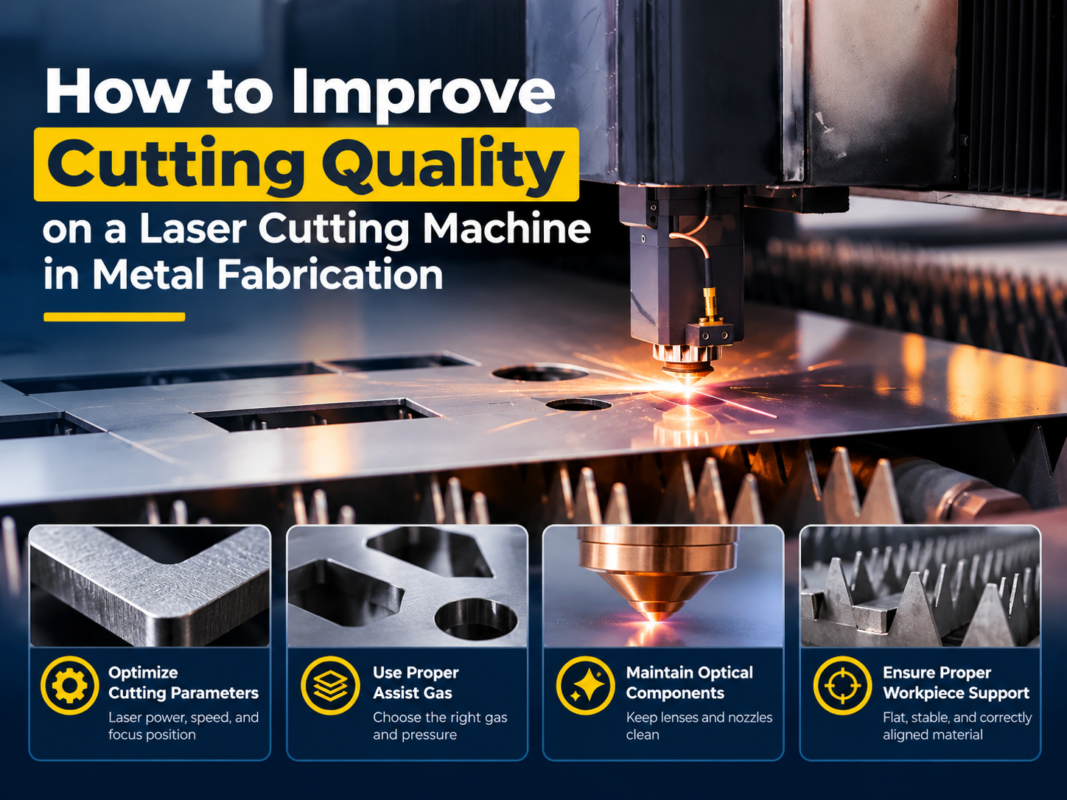
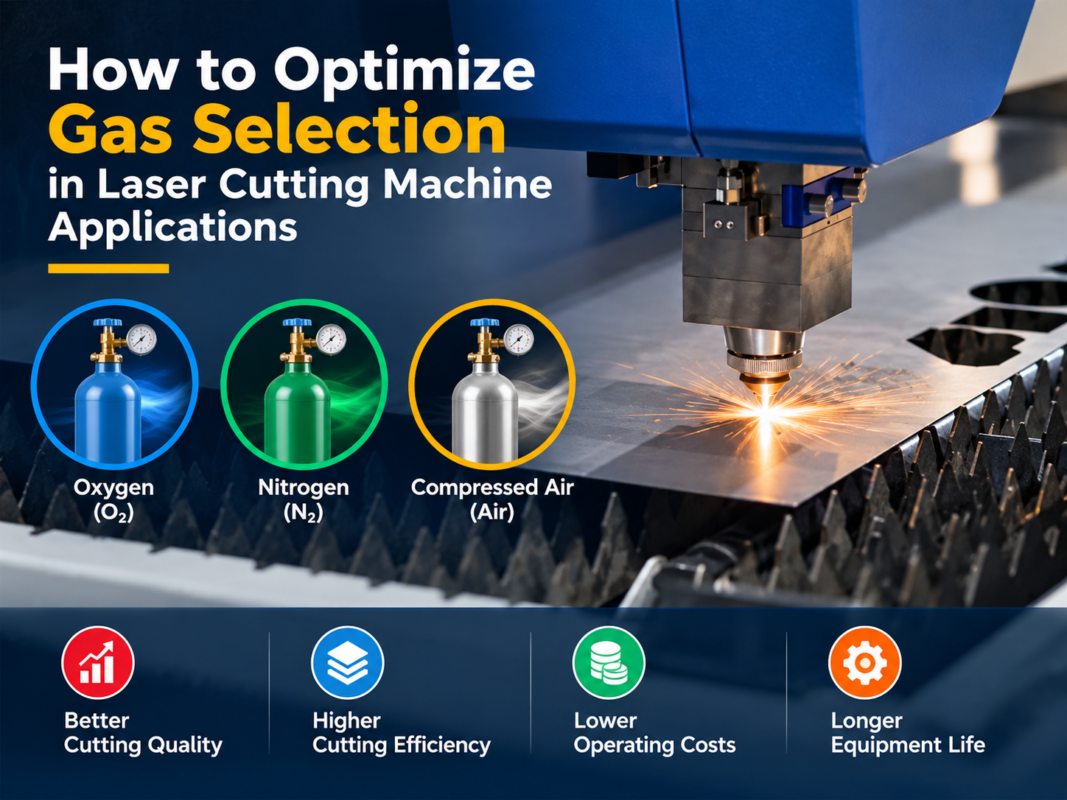
Assist gas is often an afterthought in the buying process, yet it is one of the largest ongoing operational costs and a primary determinant of cut quality. The choice of gas—Oxygen, Nitrogen, or Compressed Air—changes the physics of the cut.
Oxygen (O2) Cutting
Oxygen is primarily used for cutting carbon steel. It acts as an accelerant, creating an exothermic reaction that adds heat to the process. This allows lower-power lasers to cut thick materials. However, the downside is the formation of an oxide layer on the cut edge, which must be removed before painting or welding. Oxygen cutting is generally slower than nitrogen cutting for thinner materials.
Nitrogen (N2) Cutting
Nitrogen is an inert gas used to shield the cut zone from oxygen. It results in a clean, oxide-free edge, which is essential for stainless steel and aluminum. Because nitrogen relies purely on the laser’s energy to melt the metal, it requires higher pressures and higher laser power. However, for thin to medium materials, nitrogen cutting is significantly faster than oxygen and eliminates the need for secondary cleaning processes.
Compressed Air Cutting
High-pressure compressed air cutting has gained massive popularity with the rise of high-wattage fiber lasers (10kW+). Since air is approximately 78% nitrogen, it provides a similar (though slightly less pristine) finish to pure nitrogen at a fraction of the cost. To implement this, a shop needs a high-pressure compressor and a sophisticated filtration system to ensure the air is dry and oil-free. The ROI on a high-end compressor system is often realized within the first year due to the savings on bottled gas or liquid dewars.
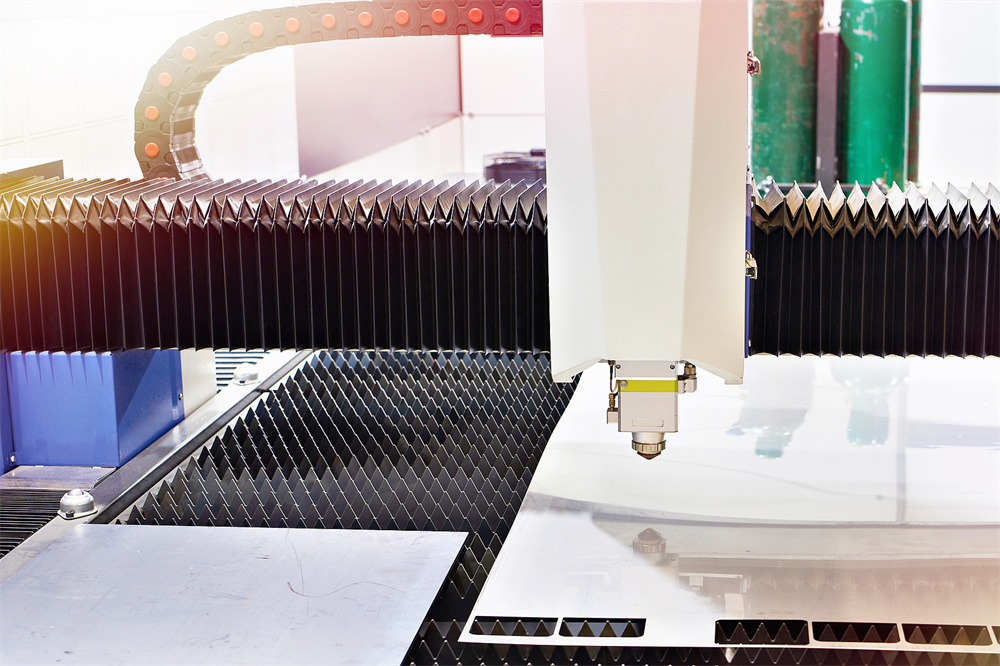
Software and Nesting: The Brain of the Operation
The hardware may do the cutting, but the software determines how efficiently it uses material and time. Modern laser cutting software has evolved from simple CAD/CAM tools into comprehensive production management systems.
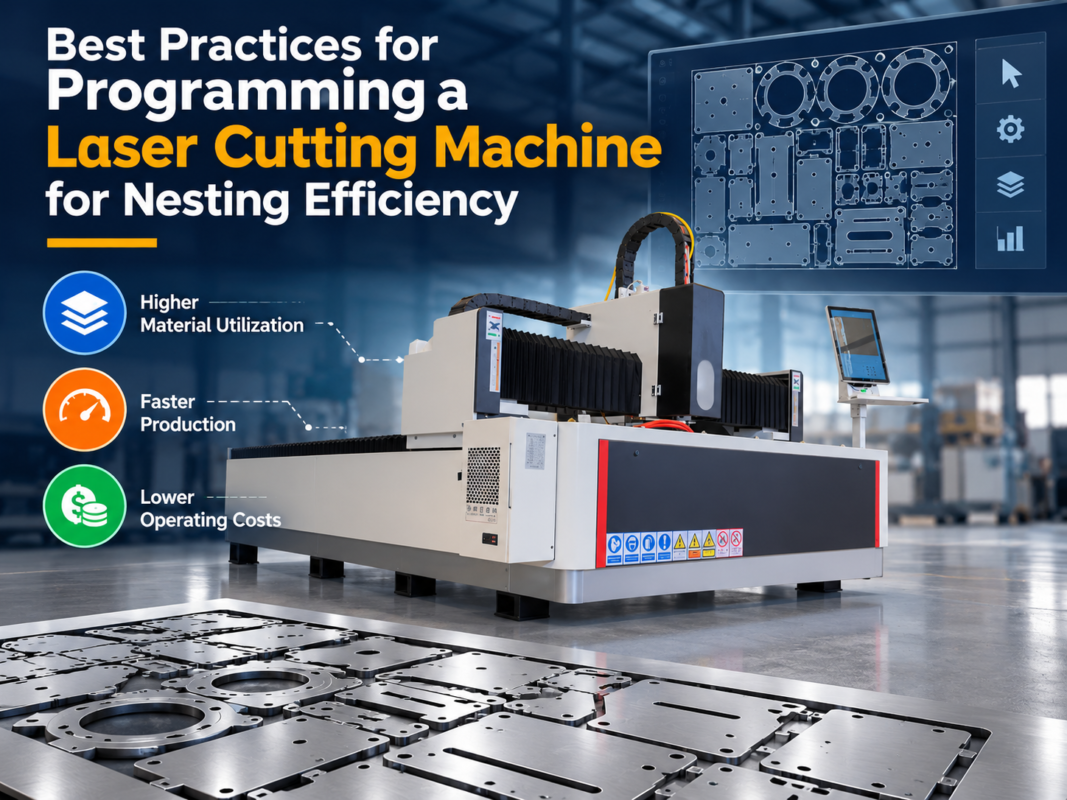
Nesting Efficiency
Advanced nesting algorithms can save 5% to 15% in material costs by tightly packing parts on a sheet. Features like “Common Line Cutting” (where two parts share a single cut line) and “Bridge Cutting” (linking parts to reduce the number of pierces) significantly reduce both time and gas consumption. When buying a machine, ask about the software’s ability to handle remnants—tracking the odd-shaped leftover pieces of a sheet for future use.
Integration and Industry 4.0
Top-tier software like CypCut, Lantek, or SigmaNEST allows the laser to communicate with the rest of the factory. This includes importing files directly from SolidWorks or AutoCAD, tracking production time for accurate quoting, and providing real-time feedback on machine health. Remote monitoring via mobile apps is now a standard feature on HARSLE machines, allowing owners to check production status from anywhere in the world.
Automation Options: Moving Toward Lights-Out Manufacturing
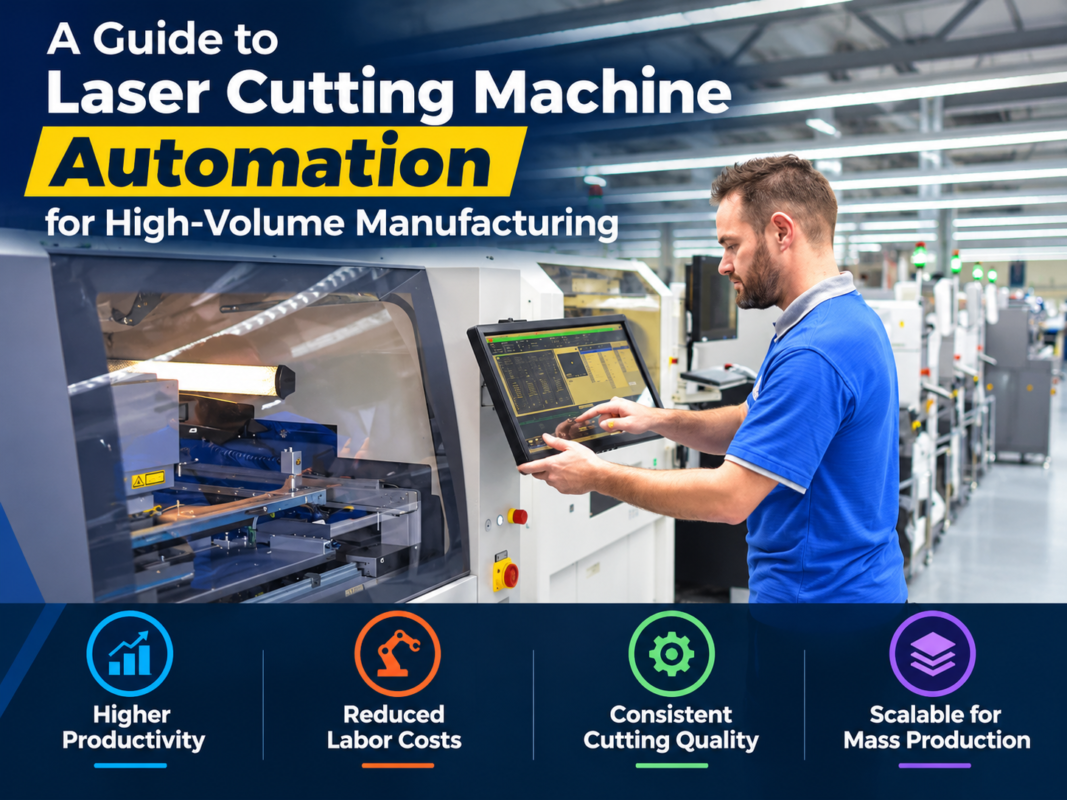
Automation is the key to scaling production without a proportional increase in labor costs. Depending on your volume, several levels of automation are available.
- Automatic Pallet Changers: This is the baseline for industrial machines. While one table is inside the machine cutting, the operator is unloading finished parts and loading a new sheet on the second table. This eliminates the downtime between cycles.
- Loading/Unloading Systems: Vacuum suction lifters can automatically pick up a raw sheet from a stack and place it on the cutting bed, then forks can remove the finished nest. This reduces the physical strain on operators and ensures a consistent pace.
- Storage Towers: For true 24/7 operation, a storage tower holds multiple grades and thicknesses of material. The machine’s controller can call for a specific sheet, cut it, return it to the tower, and move on to a different job without human intervention.
- Automatic Nozzle Changers: Different materials and thicknesses require different nozzle diameters. An automatic changer swaps the nozzle in seconds, ensuring the machine is always optimized for the current task without stopping the production flow.
Hidden Costs of Laser Cutting Machine Ownership
The purchase price is just the beginning. To avoid surprises, buyers must account for several hidden costs:
- Electrical Infrastructure: High-power lasers and their chillers require significant amperage. You may need to upgrade your facility’s electrical panel or install a dedicated transformer.
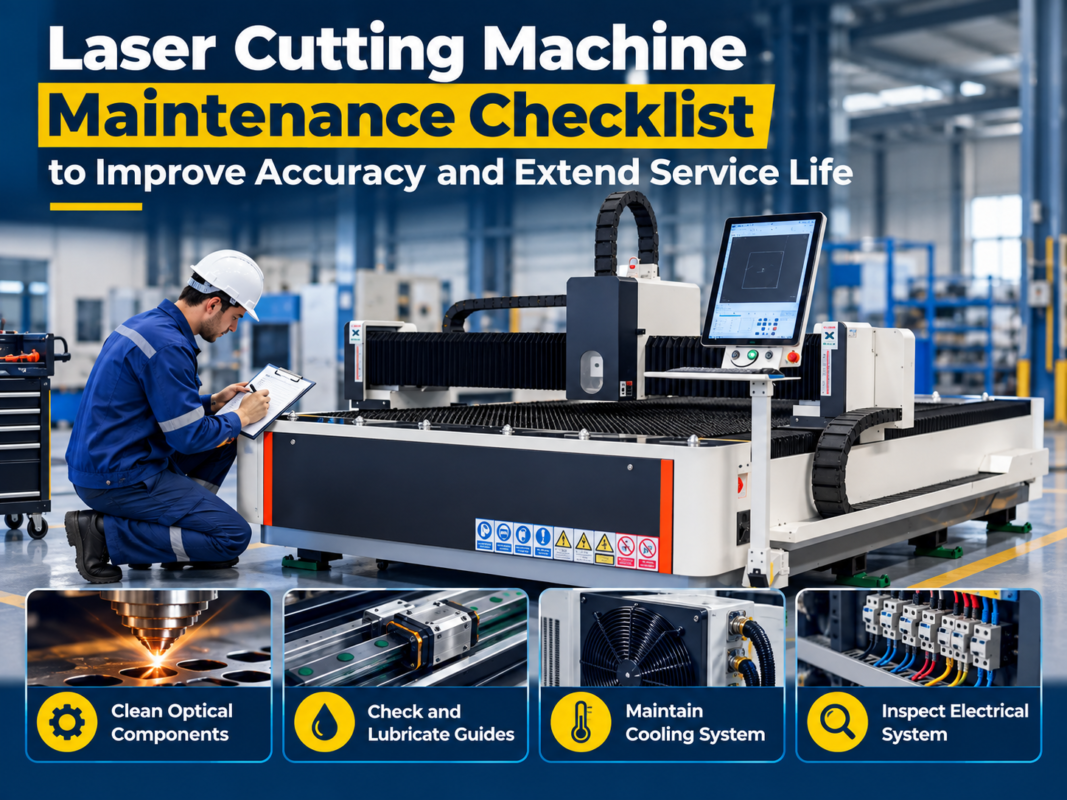
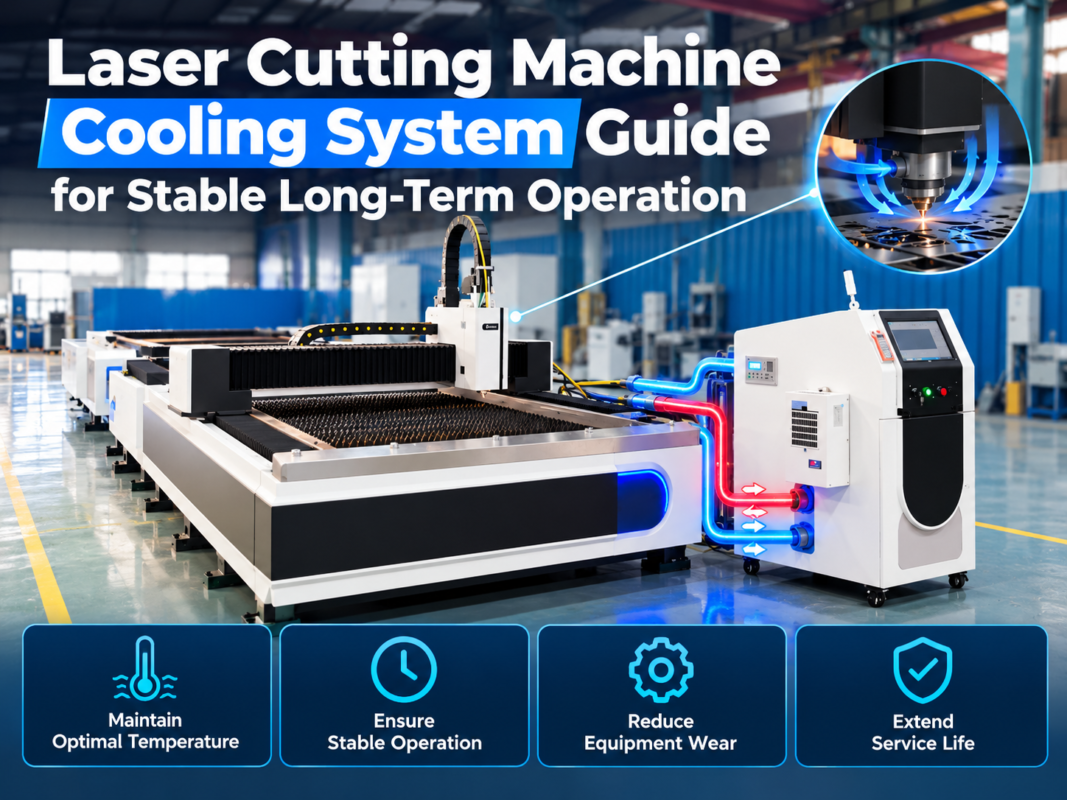
- Chiller Maintenance: The laser source and cutting head generate immense heat. The water chiller is a critical component that requires regular deionized water changes and filter replacements.
- Consumables: Nozzles, protective windows (lenses), and ceramic rings are wear items. Depending on your volume, these can cost several hundred to several thousand dollars per month.
- Gas Supply Systems: Whether you use liquid tanks, cylinders, or a nitrogen generator, the infrastructure for gas delivery (piping, regulators, and telemetry) involves initial setup costs and ongoing rental fees.
- Training and Support: A machine is only as good as its operator. Budgeting for professional training and a service contract is essential for minimizing downtime.
ROI Calculation: When Does the Investment Pay Off?
Calculating the Return on Investment (ROI) involves comparing the total cost of ownership (TCO) against the revenue generated or the savings from bringing outsourced work in-house. A typical ROI calculation looks like this:
Revenue per Hour = (Parts per Sheet × Price per Part) / Time per Sheet
Subtract the hourly costs (labor, electricity, gas, consumables, and machine depreciation) to find your hourly profit. High-wattage machines often have a higher hourly cost but a much higher parts-per-hour output, leading to a faster ROI. For example, a 12kW machine might cut 3x faster than a 4kW machine but only cost 1.5x more. In high-volume environments, the 12kW machine will pay for itself in half the time.
Buying Advice: Choosing the Right Partner
When you are ready to buy, the manufacturer you choose is as important as the machine itself. Look for a partner like HARSLE that offers comprehensive support. Here is a quick checklist for buyers:
- Sample Testing: Always send your most common materials and CAD files to the manufacturer for test cuts. Evaluate the edge quality and the actual cycle time.
- Technical Support: Ensure the manufacturer has a robust support system in your region. Ask about the availability of spare parts and the response time for field technicians.
- Future-Proofing: Choose a machine with a controller and software that can be updated. As your business grows, you may want to add automation, so ensure the machine is “automation-ready.”
- Warranty Terms: Look for clear warranty terms on the laser source (usually 2 years) and the machine structure.
Frequently Asked Questions (FAQ)
What is the lifespan of a fiber laser source?
Most modern fiber laser sources, such as those from IPG or Raycus, are rated for approximately 100,000 hours of operation. This equates to over 10 years of 24/7 use, making them much more durable than older CO2 laser technologies.
Can I cut reflective materials like copper and brass?
Yes, fiber lasers are excellent for cutting reflective materials. Unlike CO2 lasers, where back-reflection could damage the machine, fiber lasers use a different wavelength and often include back-reflection protection, allowing for safe cutting of copper, brass, and aluminum.
How much floor space do I need?
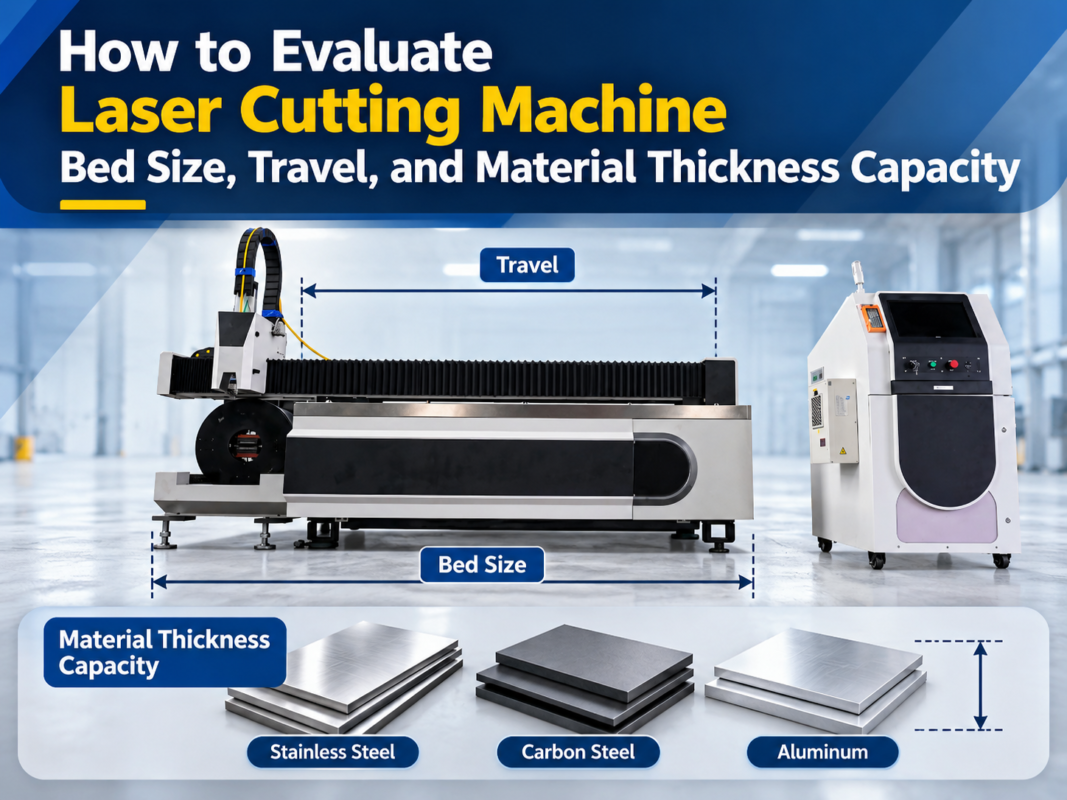
A standard 3015 (3m x 1.5m) machine with a pallet changer typically requires a footprint of about 10m x 5m, including space for the chiller, electrical cabinet, and operator access. Automation towers will require additional vertical and horizontal space.
Is nitrogen generation worth the investment?
If your nitrogen bill exceeds $2,000 per month, a nitrogen generator often pays for itself within 18 to 24 months. It also eliminates the logistical headache of tank refills and the risk of running out of gas during a rush job.
What is the difference between a single-platform and a dual-platform machine?
A single-platform machine has one cutting bed, meaning the machine must stop while you load and unload. A dual-platform (or pallet changer) machine has two beds, allowing for continuous cutting and significantly higher productivity.
Conclusion
Buying a laser cutting machine is a transformative step for any metal fabrication business. By focusing on the right combination of assist gas systems, intelligent software, and strategic automation, you can ensure that your investment provides a competitive edge for years to come. HARSLE is committed to helping manufacturers navigate these choices, providing high-quality machinery and the expertise needed to optimize your production floor. Whether you are looking for your first fiber laser or upgrading to a high-power automated cell, understanding these core components is the key to a successful acquisition.